Builders
 Carpenters
 Electricians
 Flooring Specialists
 Gardeners
 Handymen
 Heating Engineers
 Painters & Decorators
 Plasterers & Renderers
 Plumbers
 Roofers
 Tilers
 my
myBathroom Tile Regrouting Cost
At a Glance
- The average cost to regrout bathroom tiles is around £250.
- The job will take approximately 1 to 2 days to complete.
- A complete pricing breakdown of the cost to regrout a bathroom, based on the size and scale of the job.
- How long regrouting bathroom tiles usually takes and what the job involves.
- How to find and hire a tiling professional near you.
Get free estimates
Are you a trade? Get more work today!
Want to freshen up your bathroom? Then maybe it's time to regrout your bathroom tiles!
Regrouting tiles can cost between £215 and £285 depending on the size of the bathroom and if you want to regrout the shower tiles, floor tiles, or both.
If you're ready for a quote, we have a range of local tilers ready to offer you a free, no-obligation quote.
If you need more time to decide, our ultimate cost guide will help you discover how much regrouting bathroom tiles will cost, what impacts these prices, and how you can find the right person for the job.
£250
Table of Contents
How Much Does It Cost to Regrout a Bathroom?
The average cost to regrout a bathroom is between £215 and £285, depending on the size of the bathroom and how much grout needs removing first.
For a small bathroom, regrouting usually costs around £215, while a larger bathroom may cost closer to £285. Most jobs take 1 to 2 days to complete.
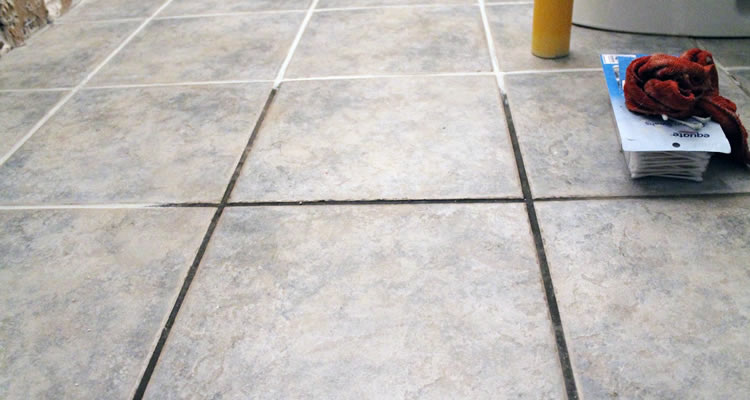
Regrouting is often chosen when grout has faded, cracked, become discoloured, or started to crumble. It can make bathroom tiles look fresh again at a much lower cost than replacing the tiles completely.
If water is getting behind wall tiles, the source of the leak should always be fixed before regrouting, otherwise the new grout may fail quickly and increase costs later.
Cost of Regrouting Bathroom
| Job Description | Duration | Total Cost |
|---|---|---|
| Regrout small bathroom (4 to 5m²) | 1 to 2 days | £215 |
| Regrout medium bathroom (6 to 7m²) | 1 to 2 days | £255 |
| Regrout large bathroom (8 to 10m²) | 1 to 2 days | £285 |
Want a custom price?
Post your job
Most tradespeople charge around £20 to £35 per square metre for bathroom tile regrouting, depending on tile size and grout condition.
Cost to Regrout a Shower
Regrouting a shower usually costs between £120 and £250, depending on the size of the shower area and how much old grout needs removing.
Regrouting Floor Tile Cost
Bathroom floor tile regrouting usually costs between £80 and £180, depending on floor size, tile spacing, and grout condition.
Grout Removal Cost
Removing old grout before regrouting usually adds £20 to £40 per square metre to the job, depending on how difficult the grout is to remove.
Bathroom Regrouting Tiles Cost Calculator
What Affects the Cost of Regrouting Bathroom Tiles?
Grouting tiles is essentially the same job whether floor or wall tiles. A professional tiler will remove old grout, then apply new grout into the joints to fill them completely. But there are a few things that can impact how much this will cost:
Type of Grout
Old grout can act as a breeding ground for mould or mildew in damp bathroom conditions, and once joints crack or crumble, water can pass straight through to whatever sits behind the tiles. It's essential to use the proper grout and have it applied correctly, as this ensures your regrouting lasts longer and keeps the joints sound.
The type of grout your tiler uses will affect the finish, durability, and the overall bathroom tile regrouting cost. In the UK, the most common options are:
- Unsanded Grout — ideal for narrow joints, but typically only rated for gaps up to 4 to 6mm.
- Sanded Grout — stronger and used for wider joints, especially on floor tiles.
- Epoxy Grout — a premium choice that's typically waterproof, stain-resistant, and doesn't suffer from shrinkage issues.
A skilled tiler knows which grout will best suit your bathroom and your budget, to help prevent costly repairs down the road, saving you money in the long run.
What exactly are the differences between sanded and unsanded tile grouts and what scenarios do each suit?
"Sanded is quite gritty compared to your powdered grouts. Only really suitable for wider joints"
Size of the Area
The larger the tiled area, the longer the job will take and the more grout will be needed. Regrouting a shower enclosure usually costs less than regrouting a full bathroom with both wall and floor tiles.
Tile Type and Joint Width
Small tiles usually have more grout lines, which means more time spent removing old grout and applying new material. Wider joints also require more grout, which can slightly increase material costs.
Condition of Existing Grout
If the existing grout is badly cracked, mouldy, or difficult to remove, labour costs will increase because preparation takes longer. Heavily damaged grout may also require more cleaning before regrouting begins.
Accessibility
Areas behind toilets, around baths, or inside shower enclosures can take longer to regrout because access is restricted and more care is needed to achieve a clean finish.
Location
Bathroom tile regrouting costs are usually higher in London and the South East, where labour rates can be 15% to 25% above the UK average.
Sealant Replacement
If old silicone around baths, sinks, or showers also needs replacing, this can add to the overall cost because the area must be cleaned and resealed after regrouting.
Bathroom Tile Regrouting Checklist for Hiring a Tradesperson
- Recommended grout type — Ask which grout they recommend and why, especially for wet areas such as showers or around baths.
- Full written quote — Make sure the quote covers both labour and materials so you know the full bathroom tile regrouting cost.
- Previous work — Ask to see photos of recent regrouting jobs or examples of similar bathroom work they have completed.
- Customer reviews — Read reviews from previous customers to check reliability, punctuality, and quality of finish.
- Insurance cover — Check that the tradesperson has public liability insurance in case of accidental damage.
- Timescale — Ask how long the work should take and whether the grout needs drying time before the bathroom can be used again.
- Quote comparison — Prices can vary, so compare multiple quotes to understand what is included and what represents good value.
- Trade memberships — Membership of a recognised trade body can be a useful extra sign of professionalism, although experience and previous work are usually more important for regrouting jobs.
Ask a Trade
Got a question that only a tradesperson can answer? We have thousands of trades ready to answer any question you may have.
Ask your question

FAQs
What Are the Reasons for Removing the Old Grout from Between the Bathroom Tiles?
The most common reasons for grout removal are if the grout is discoloured, cracked, or crumbling.
How Long Does Professional Bathroom Tile Regrouting Take?
Most tilers can regrout a small to medium bathroom in 1 to 2 days, including grout removal, cleaning, and applying the new grout.
Can You Go Over Old Grout with New Grout?
An experienced tiler will typically recommend full removal of the old grout first. Going over the top of old grout doesn't last and can ultimately cost you more in the long run.
How Long Does It Take for Grout to Dry?
A professional tiler will usually advise you to wait 24 hours. Before sealing your grout you need to wait even longer, maybe a few days to a week to ensure that all of the moisture has had time to be released.
Can You Paint Tile Grout?
Most tilers prefer to regrout rather than paint over old grout. While paint specifically made for grout exists, a proper regrout gives you a better finish and more value for your bathroom tile regrouting cost.
Can I Regrout Bathroom Tiles Myself?
Regrouting bathroom tiles is a job that may seem simple, but many find it challenging to get right. It requires precision to create a flawless finish, which is second nature to a skilled tiler but can be difficult without past experience.
Is It Worth Regrouting Tiles?
Regrouting your bathroom tiles is usually worthwhile as it can improve the look of the bathroom at a minimal cost compared to a complete refurb. Tiles that are properly grouted won't let water through the joints, though it is the tanking behind the tiles that keeps water out of the wall. Without these, mould and mildew can take hold and lead to structural damage further down the line.