Builders
 Carpenters
 Electricians
 Flooring Specialists
 Gardeners
 Handymen
 Heating Engineers
 Painters & Decorators
 Plasterers & Renderers
 Plumbers
 Roofers
 Tilers
 my
myConcrete Driveway Repair Cost
At a Glance
- A concrete driveway repair costs £1,200 on average.
- Most repairs take 1 to 2 days, though bigger jobs can run to 4 days.
- 2026 prices for each type of repair, from filling a single crack to lifting a sunken slab.
- When a repair is worth doing, and when replacing the slab costs less overall.
- How to find driveway repair contractors near you on MyJobQuote.
Get free estimates
Are you a trade? Get more work today!
A concrete driveway repair usually lands somewhere between £100 and £2,500. Filling a few cracks sits at the bottom of that, while lifting a sunken slab or cutting out and replacing a damaged section sits at the top.
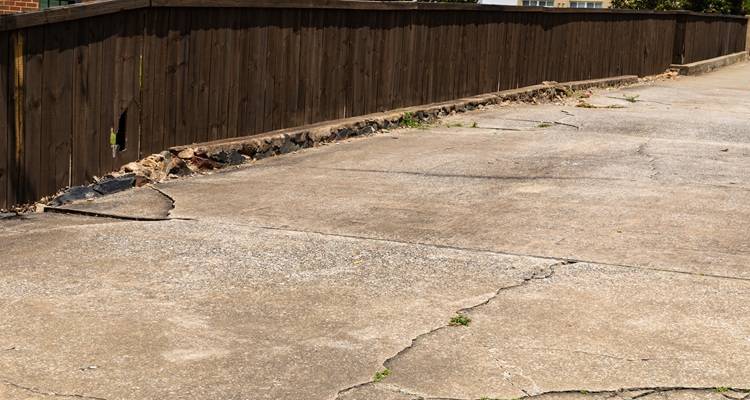
Concrete tends to fail through cracks, flaking, sinking sections, and crumbling edges, usually brought on by heavy use, poor drainage, or movement underneath. What is causing the damage matters as much as the size of it, because a surface fix laid over a failed sub-base will not last.
£1,200
Table of Contents
- How Much Does Concrete Driveway Repair Cost?
- Labour Costs and Timescales for Concrete Driveway Repair
- Supply Costs for Concrete Driveway Repair
- Additional Costs of Concrete Driveway Repair
- What Impacts the Cost of Concrete Driveway Repair?
- Types of Concrete Driveway Repair
- Checklist: Hiring Contractors for Concrete Driveway Repair in the UK
- Removing Concrete Before Repair
- FAQs
How Much Does Concrete Driveway Repair Cost?
The average cost of a concrete driveway repair in the UK will vary depending on a number of different factors. The more severe the problem is, the more you can expect to pay for the work.
What is the main issue with your concrete driveway?
Cracks or surface damage
2 votes - 29%29% of votes
Potholes
0 votes - 0%0% of votes
Sinking or uneven sections
3 votes - 43%43% of votes
Edge damage
1 votes - 14%14% of votes
Needs full resurfacing
1 votes - 14%14% of votes

7 votes
See results
Hide results
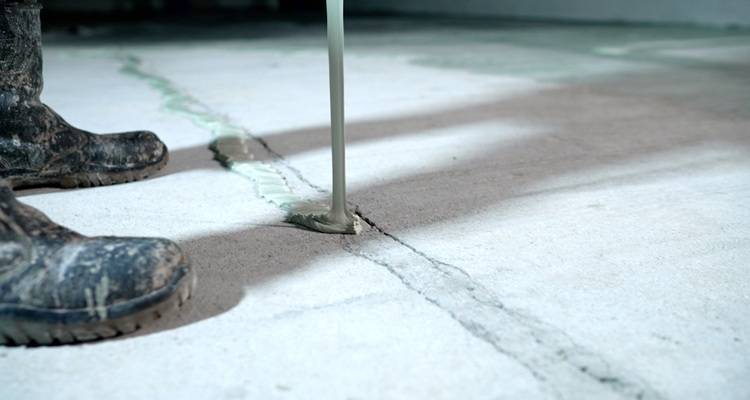
Filling a small crack or pothole usually costs between £100 and £400, while replacing whole sections can cost up to £3,000.
Concrete Driveway Repair Prices
Below is a table showing the average prices that you can expect to pay for various concrete driveway repair jobs:
| Type of Repair | Description | Average Price |
|---|---|---|
| Crack repair | Filling smaller cracks with filler | £100–£300 |
| Pothole repair | Filling deeper holes with repair mortar | £150–£400 |
| Patch repair | Replacing small damaged sections | £200–£600 |
| Edge repair | Fixing crumbling or broken edges | £300–£800 |
| Sealing | Applying protective sealant | £150–£500 |
| Levelling sunken parts | Lifting or re-levelling concrete | £500–£1,500 |
| Drainage repairs | Fixing water-related damage underneath | £600–£2,000 |
| Resurfacing | Applying a new concrete layer | £1,000–£2,500 |
| Partial replacement | Removing and replacing sections | £1,200–£3,000 |
Want a custom price?
Post your job
The figures listed above are estimates based on the average costs of these jobs. The actual costs may vary depending on the type of issue, whether there is additional damage that needs addressing, and your location in the UK.
Labour Costs and Timescales for Concrete Driveway Repair
Labour is a major part of the total cost, especially where repairs involve cutting out damaged sections, lifting broken concrete, re-levelling the base, or laying fresh concrete that needs proper finishing. There are several different types of contractors who may carry out the work, such as driveway specialists, groundworkers, concrete repair specialists, or general builders with surfacing experience.
You can usually expect to pay around £150 to £300 per day per worker. The actual rate will depend on how experienced the worker is, how many workers you hire for the job, the ease of access, and your location in the UK.
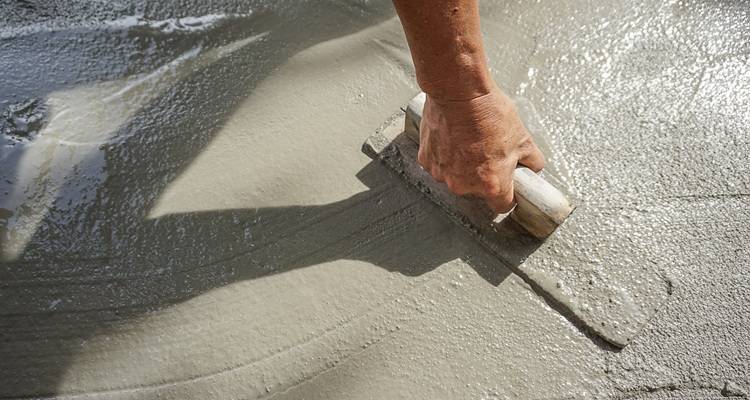
Below is a list of the typical timescales that you can expect for this type of work:
- Minor repairs such as crack filling and pothole repair: 2 hours to 1 day.
- Moderate repairs such as patching, edge repair, sealing, and levelling: 1 to 2 days.
- Drainage repairs: 1 to 3 days.
- Resurfacing: 2 to 3 days.
- Partial replacement: 2 to 4 days.
Minor fixes may be completed within a day, while larger repair jobs or resurfacing work can take longer. The timescale depends on the extent of the damage, site access, drying and curing time, and whether deeper structural repair is needed before the new surface can be laid.
Supply Costs for Concrete Driveway Repair
If you are looking to complete the work as a DIY project or are looking to purchase the materials upfront before hiring someone to do the work for you, then you may be interested in learning the costs for the supplies only. There are several different types of supplies that you might need for this work, depending on the job at hand.
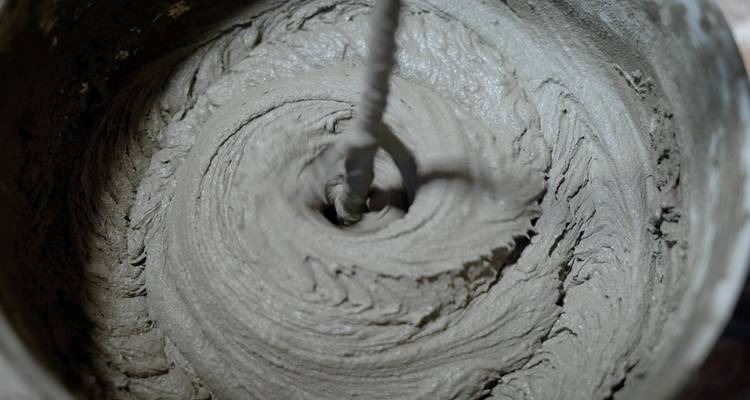
Below is a list of common supplies needed for concrete driveway repairs and the prices that you may expect to pay for these products or materials:
- Crack filler or resin: £10 to £30 per tub.
- Repair mortar or patch compound: £15 to £50 per bag.
- Concrete mix: £80 to £120 per square metre.
- Bonding agents: £10 to £25.
- Sealants: £20 to £60 per container.
- Reinforcement mesh: £5 to £15 per square metre.
- Sub-base materials (aggregate): £40 to £80 per tonne.
Supply costs will vary depending on whether the job is a simple surface fix or a more involved repair that requires the removal and replacement of damaged concrete. Better quality materials, colour matching, and larger repair areas will increase the overall price.
Additional Costs of Concrete Driveway Repair
Sometimes, the upfront repair cost is not always the full amount you will need to budget for.
There are some possible extra costs to factor in on top of the repair itself:
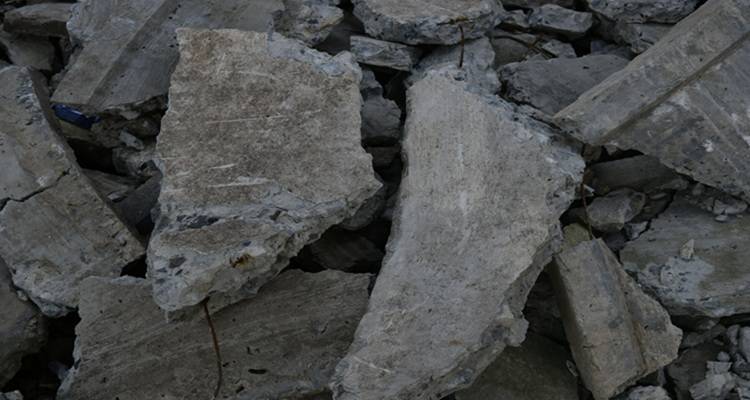
- Waste removal — £100 to £300 for clearing broken concrete and rubble off the site.
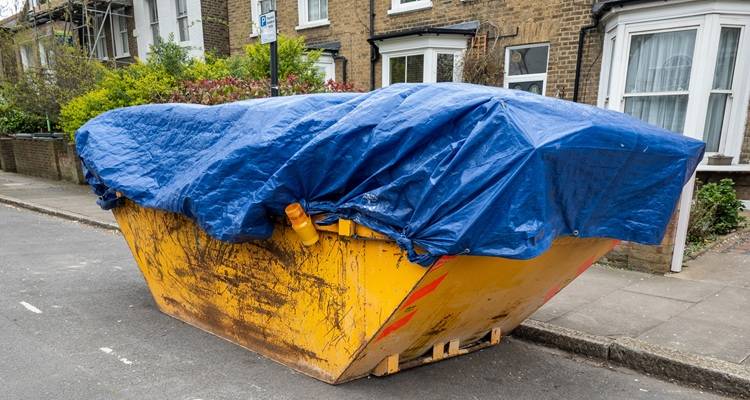
- Skip hire — £150 to £400, depending on the size you need and how long you keep it. See our guide to skip hire costs.
- Excavation and groundwork — £200 to £1,000 where the sub-base needs digging out and rebuilding.
- Drainage improvements — £300 to £1,500 if water is pooling or running off into public drains. See our guide to drainage costs.
- Surface preparation — £100 to £500 for cleaning, cutting back, and priming before the repair starts.
Some repairs reveal hidden issues underneath the slab, such as sub-base failure, poor compaction, or water damage, which can lead to extra labour and material costs. If damaged concrete needs to be removed before the repair can begin, this can also increase costs.
What Impacts the Cost of Concrete Driveway Repair?
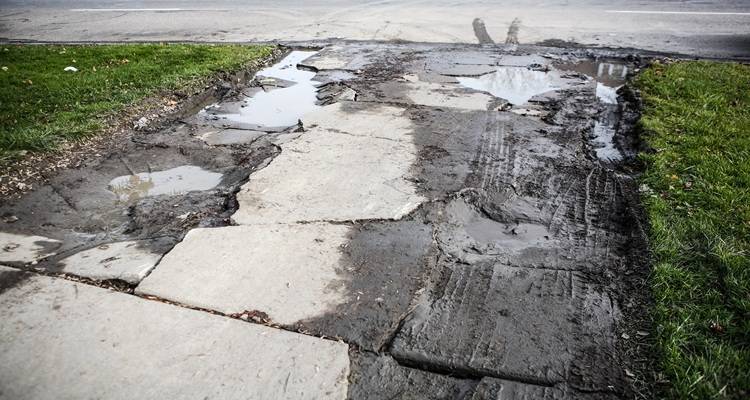
Several things affect what you pay for a concrete driveway repair, and the cause of the damage often matters more than the size of it.
Below is a list of the main things that can affect the overall cost of repairing a driveway:
- Size of the damaged area — Larger repairs need more materials and more labour time.
- Type of damage — Cracks, sinking, and spalling each need a different method and a different amount of work.
- Age and condition of the driveway — Older concrete often needs more extensive work than expected.
- Depth of the problem — A surface fix costs far less than structural work involving the sub-base.
- Access to the site — Tight or awkward access slows the job down and pushes up labour costs.
- Regional labour costs — Rates in and around London run higher than in the North and other parts of the UK.
- Need for machinery — Breakers, mixers, and lifting equipment add hire costs to the job.
- Drainage issues — Poor drainage that has caused movement underneath needs sorting before any repair will last.
- Matching new concrete to the existing surface — Colour and texture matching takes extra time and care, particularly on a patterned or coloured concrete driveway.
- Sealing afterwards — A protective sealant is optional but adds to the total.
A cheap patch may not last if the underlying cause has not been addressed, so you should understand the value of a proper long-term fix.
Types of Concrete Driveway Repair
Below is a list of the different types of concrete driveway repair jobs:
Crack Filling
Crack filling is one of the most common and cheap ways to fix minor damage in a concrete driveway. Small cracks are filled with a specialist resin or filler to prevent water from getting in and causing further deterioration.
This type of concrete driveway repair is quick to install and helps to extend the life of the surface without needing to replace any large areas. However, this is usually only suitable for surface-level damage and may not be a long-term solution if the underlying issue has not been properly addressed.
Surface Patching
This involves removing a smaller damaged section and laying fresh concrete or repair compound in its place. This method is ideal when there are localised areas of wear or crumbling, but the rest of the driveway is still in good condition.
The cost of repairing a concrete driveway with patching is moderate, and it can be a good balance between a quick fix and a longer-lasting repair. One downside is that the patched area may not perfectly match the original surface in colour or texture.
Pothole Repair
Pothole repairs focus on filling deeper holes that have formed in the concrete surface. The damaged area will need to be cleaned out, filled with a suitable mix, and levelled off to match the surrounding driveway.
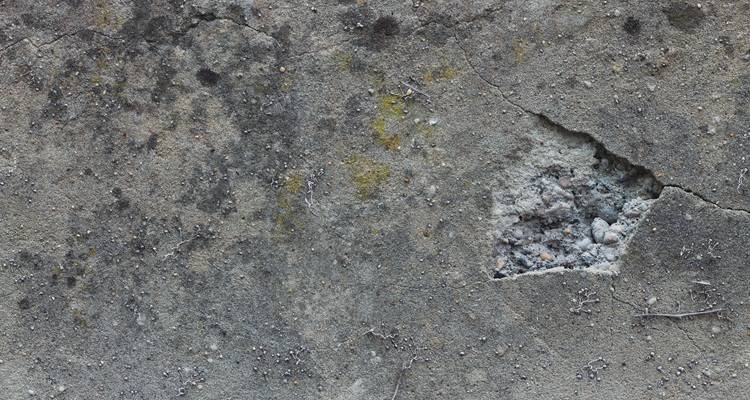
Repairing potholes matters for safety, and untreated potholes can lead to further structural damage. This type of repair is pretty affordable, but repeated potholes could possibly indicate a deeper problem that could increase the overall price if not resolved properly.
Resurfacing
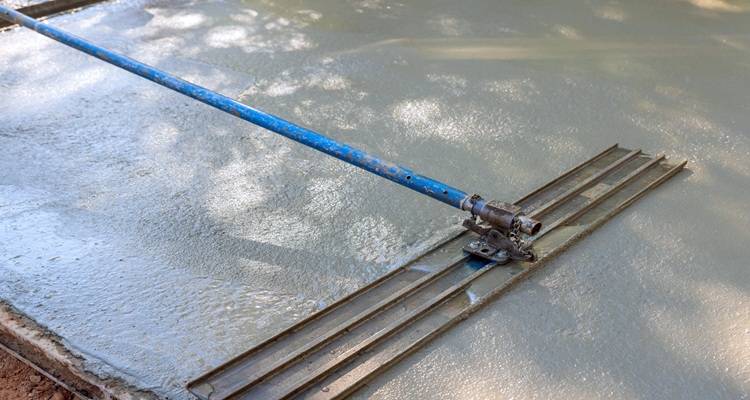
Resurfacing involves applying a new layer of concrete or a specialist coating over the existing driveway to help improve its appearance and durability. This option is often chosen when the surface is worn or cracked across a large area, but the base is still structurally sound.
This will cost more than smaller repairs but is still cheaper than a full replacement, making it a popular mid-range option for homeowners who may be on a budget. Resurfacing can also give the driveway a fresh, uniform look, similar to a newly installed surface. Our guide to driveway resurfacing costs covers this in more detail.
Levelling (Slab Lifting)
Levelling or slab lifting is used when parts of the driveway have sunk or become uneven. The process will usually involve injecting material underneath the slab to help raise it back into the right position without needing to remove it.
This can be a cost-effective alternative to digging up and replacing sections of the driveway. However, the cost can vary depending on how much of the driveway needs to be lifted and the condition of the base underneath.
Edge Repairs
Edge repairs focus on fixing damaged or crumbling edges of the driveway. These areas are usually the first to deteriorate. The job involves removing the weakened sections and replacing them with fresh concrete to restore its strength and appearance.
This is a relatively easy and straightforward job, but it is a good one as it helps to prevent damage from spreading further into the main surface. Keeping the edges in good condition also improves the overall look and longevity of the driveway.
Sealing
This is a protective treatment rather than a structural repair. It is often carried out alongside other bits of work. A sealant will be applied to the surface to protect it against moisture, stains, and general wear.
This can help to reduce the need for future repairs and can extend the lifespan of the driveway. It will add to the overall price of the repair. However, it is a very worthwhile addition for keeping the driveway in good condition in the long term.
Partial Slab Replacement
This type of work is needed when a section of the driveway is too damaged to repair properly. The affected area will need to be cut out, removed, and new concrete will then be laid to replace it.
This is more expensive than patching but cheaper than replacing the entire driveway, making it a practical solution for more serious damage. The main challenge is ensuring the new section blends well with the existing surface in both colour and finish.
Ask a Trade
Got a question that only a tradesperson can answer? We have thousands of trades ready to answer any question you may have.
Ask your question

Checklist: Hiring Contractors for Concrete Driveway Repair in the UK
Before you accept a quote for a concrete driveway repair, it is worth pinning down the following:
- Have they done concrete specifically? – Ask for photos of crack fills, patches and slab lifting, and check they carry public liability insurance.
- Which method are they quoting for? – A quote that just says "driveway repair" tells you nothing. It should name the method and say how long that repair should hold up.
- Have they checked what caused the damage? – If nobody has looked at the sub-base or the drainage, you may be paying for a fix that fails again.
- Is clearing up included? – Waste removal and skip hire are often quoted separately, so check whether they sit inside the price or on top of it.
- How closely will it blend in? – New concrete rarely matches old exactly, so ask what they will do to get the colour and finish as close as possible.
- What do their reviews say? – Check ratings and reviews from previous customers on MyJobQuote before you commit.
You should avoid choosing a contractor based only on a low price, as a poor-quality fix may fail quickly and cost more in the long run.
Removing Concrete Before Repair
In some cases, damaged concrete must be removed before any new material can be laid. This is most common when any of the following apply:
- The slab is severely cracked or broken.
- The surface is sinking.
- The base has failed.
If you are looking to remove concrete and then repair, you can expect the following costs:
- Concrete removal: £5 to £100 per square metre.
- Disposal: £100 to £300.
- Re-laying concrete: £100 to £200 per square metre.
Matching the new concrete to the existing driveway can also increase the costs further. It's also important to note that certain things may affect the cost of removing concrete, such as the amount that is being removed, the ease of access to the area, and your location in the UK.
FAQs
Can Cracked Concrete Be Repaired?
Yes, cracked concrete can usually be repaired, especially if the cracks are quite small and only affect the surface. These can usually be filled with specialist materials to help seal the gap and prevent any further damage.
However, if the cracks are quite large or caused by structural movement, some more extensive work may be needed to properly fix the issue.
Is Repairing a Concrete Driveway Cheaper Than Replacing It?
In most cases, yes, repairing a concrete driveway is much cheaper than replacing it entirely, especially for minor to moderate damage. Repairs allow you to fix specific problem areas without the expense of removing and re-laying the whole surface.
However, if your driveway is very old or if it has a lot of issues present, a full and complete replacement may be the most cost-effective option in the long run.
Can I Repair a Concrete Driveway Myself as a DIY Job?
It is possible to carry out some minor DIY repairs, such as filling in small cracks or applying sealant, using readily available materials that you can get from most DIY shops. This can be a nice and cheap way to fix surface-level issues and keep your driveway in good condition.
However, if you are dealing with a larger repair that involves levelling, structural damage, or resurfacing, then it is usually best to hire a professional to do this type of work for you to ensure the work is done properly and stands the test of time.
Do I Need Building Regulations Approval to Repair a Concrete Driveway?
No, most concrete driveway repairs do not need building regulations approval. It only becomes relevant where the work affects drainage or replaces a significant area, in which case Sustainable Drainage Systems (SuDS) rules on surface water run-off may apply and permeable drainage could be required. If you are hiring a skip and placing it on a public road, you will also need a permit from the council. It is worth checking with your local authority if you are unsure about the rules for your particular job.