Builders
 Carpenters
 Electricians
 Flooring Specialists
 Gardeners
 Handymen
 Heating Engineers
 Painters & Decorators
 Plasterers & Renderers
 Plumbers
 Roofers
 Tilers
 my
myOutbuilding Cost
At a Glance
- The average cost to construct an outbuilding is around £7,000.
- Building an outbuilding will take approximately 1 to 3 weeks to complete.
- Outbuilding costs for the different types of structures.
- How long it takes to build an outbuilding and what's usually involved.
- How to find and hire a local builder using MyJobQuote.
Get free estimates
Are you a trade? Get more work today!
How much does it cost to build an outbuilding in the UK?
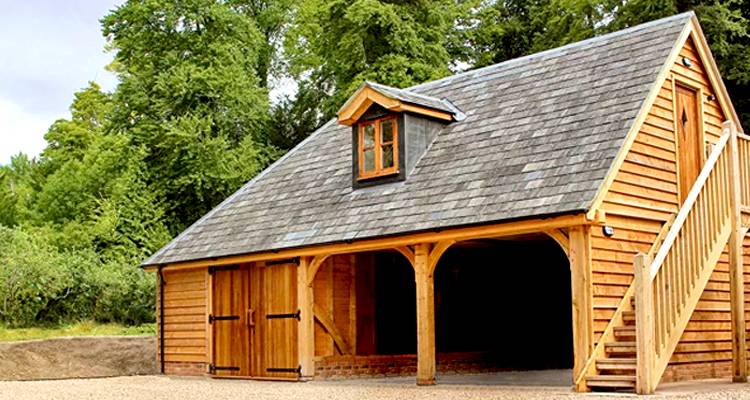
The average outbuilding cost in the UK is around £7,000, but prices can range from around £500 for a basic prefabricated timber DIY kit to £13,500 or more for a brick outbuilding with higher-spec finishes.
In this guide, we cover how much it costs to build an outbuilding in the UK, including brick outbuilding costs, garden outbuilding costs, wooden outbuilding costs, cost per square metre, labour costs, and the extra costs you may need to budget for.
Already know what you want and just need some quotes?
Submit a few details and MyJobQuote will connect you with builders near you who are happy to provide a free, no-obligation quote.
£7,000
Table of Contents
- How Much Does It Cost to Build an Outbuilding?
- What Affects the Cost of an Outbuilding?
- Additional Costs to Build an Outbuilding
- Outbuilding Labour Costs and Timescales
- What Can an Outbuilding Be Used For?
- Key Things to Consider Before Building an Outbuilding
- Do You Need Planning Permission and Building Regulations Approval for an Outbuilding?
- Checklist: How to Find and Hire a Contractor to Build an Outbuilding in the UK
- FAQs
How Much Does It Cost to Build an Outbuilding?
Deciding whether to go bespoke or opt for an off-the-shelf outbuilding depends on your budget. Custom-made designs are more expensive than off-the-shelf options, while DIY kits are cheaper than those supplied with an assembly service.
DIY kits, such as small self-assembly shiplap timber summerhouses, start from around £500. Larger tongue-and-groove timber log cabins, including an assembly service, typically cost in the region of £8,000.
What is your main reason for building an outbuilding?
Building a new garage
2 votes - 7%7% of votes
Building a new shed or storage area
3 votes - 10%10% of votes
Creating a home office or workshop
14 votes - 48%48% of votes
Functional living space (summer house, bar, guestroom etc)
7 votes - 24%24% of votes
Other
3 votes - 10%10% of votes

29 votes
See results
Hide results
When discussing costs with your builder, make sure your quote includes the building works, removal of any existing structure, and any extra costs such as laying foundations, fitting flooring, and installing electrics and plumbing. Most suppliers expect you to arrange your own groundworks and service connections.
Outbuilding Prices
The table below shows typical outbuilding prices in the UK. The average cost will vary depending on size, specification, access, and whether you choose timber, brick, concrete, or a prefabricated structure.
| Outbuilding type | Low cost | High cost | Average cost |
|---|---|---|---|
| Concrete garage (on a new concrete foundation) | £4,200 | £10,000 | £7,100 |
| Small garden office | £6,000 | £9,000 | £7,500 |
| Prefabricated timber summer house | £500 (for a basic DIY kit) | £8,000 (assembly included) | £4,250 |
| Brick-built garage | £4,500 | £13,500 | £9,000 |
Want a custom price?
Post your job
Outbuilding Cost Per Square Metre
As a rough guide, outbuilding costs typically start from around £300 per square metre for a simple structure that is delivered, built, and roofed. However, the cost per square metre rises significantly for brick outbuildings, insulated garden rooms, or buildings with plumbing, heating, electrics, and premium finishes.
If you're building an outbuilding for use as a home office, garden room, games room, or cinema room, expect to pay more per square metre due to the additional insulation, flooring, lighting, and heating required.
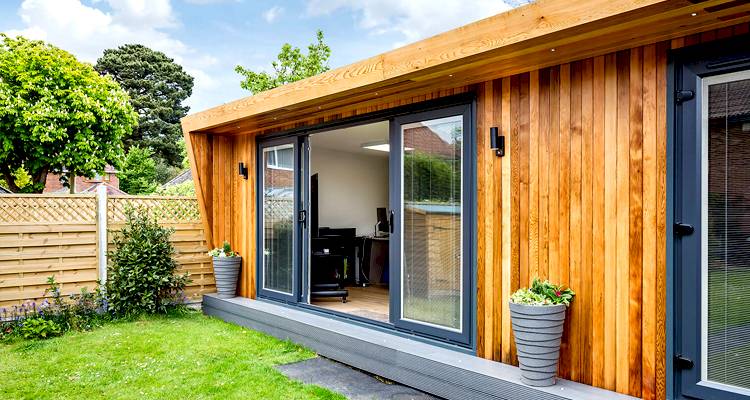
There are many outbuilding options available, including design and installation packages covering wooden, brick, and concrete structures. Bespoke builds will generally cost 15% to 20% more than off-the-shelf options due to design time, engineering, and associated costs. Working with a specialist provider can also be an advantage, as they can offer expert advice on planning and building regulations.
Brick Outbuilding Cost
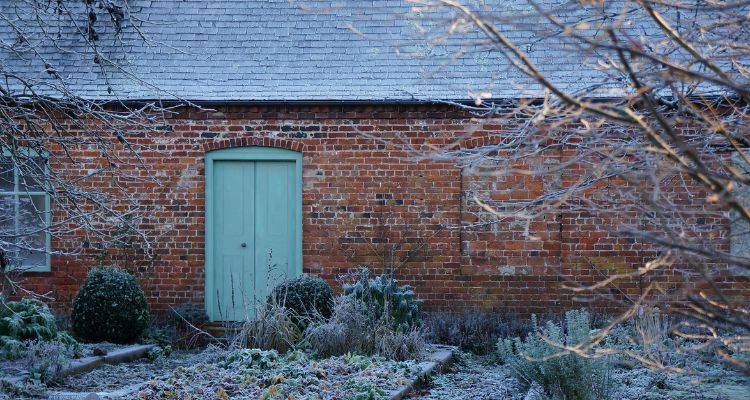
Brick outbuildings take longer to build than timber alternatives, which adds to the overall cost. However, brick is worth considering if you want a garden office or garage that matches your home's style and offers a more permanent finish.
For a simple brick-built garage, expect to pay around £4,500 to £13,500 depending on size and specification. Costs rise with better roof coverings, additional features such as plumbing for an outdoor tap, or a higher-spec finish.
If you want some of the durability of brick at a lower price, a breeze block outbuilding is worth considering as a more cost-effective alternative.
Garden Outbuilding Cost
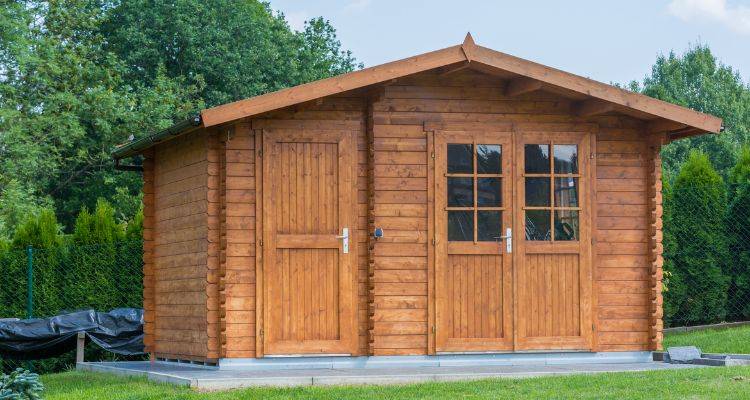
A garden outbuilding can serve a wide range of purposes, from a home office or garden room to a summerhouse, yoga studio, workshop, or storage space. On average, expect to pay between £6,000 and £9,000 for a small garden office or studio.
The cost of a garden outbuilding will depend on the construction and roof type, access, and whether you need to connect services such as electricity and water. If your outbuilding is located at the bottom of the garden with limited access for the construction crew, this may also add to the overall cost.
Wooden Outbuilding Cost
A wooden outbuilding is often the most cost-effective option for extra storage, a workshop, or a simple garden retreat. Prices start from around £500 for a basic self-assembly timber kit, rising to around £8,000 for a larger tongue-and-groove log cabin including assembly.
Timber outbuildings are popular because they're quick to install and flexible in design. The final price will vary depending on insulation, cladding quality, roof coverings, doors and windows, and whether the building needs an electricity connection.
My outbuilding has developed cracks in the exterior render and interior plaster over the winter, and in my house I think I have rising damp. Do I get one person to assess the work? What kind of trade is best to work out what the right course of action should be?
"Approach a plasterer or builder with damp proofing experience and skills, as the damp needs to be addressed before render is done."
What Affects the Cost of an Outbuilding?
There are a number of factors that will affect the final cost of your outbuilding. Here are some of the main ones to bear in mind:
- Size — The biggest factor affecting your outbuilding's price is its size, with larger structures requiring more materials and labour, which will increase the cost.
- Material — Outbuildings made from timber, brick, and concrete will have different prices due to the costs of the materials used and the labour required for that type of construction.
- Roof Type — Higher-spec roof construction will cost more than a simple roof design.
- Foundations and Groundworks — The amount of work required to prepare the ground and foundations for your outbuilding, or deal with any existing services like water and gas, will affect your overall costs.
- Specification — A basic timber shed will cost a lot less than an insulated garden office or studio with heating and lighting and higher quality internal finishes.
- Service Connections — If your outbuilding requires plumbing, electrics, and drainage, this will all add to the construction costs.
- Access — Sites with challenging access can increase labour and material handling times and costs.
Additional Costs to Build an Outbuilding
On top of the base build cost, there are several additional costs to factor into your budget. In many cases, outbuildings are still a cost-effective way to add extra usable space compared to a full home extension, but it's worth understanding what extras could affect your final outbuilding cost.
Site Clearance and Waste Removal Costs
Clearing the outdoor space yourself before work starts can help reduce costs. Professional garden waste removal typically costs around £200, while skip hire starts at around £80 for a mini skip and can rise to £800 or more for larger roll-on-roll-off skips.
Utility Connections
To get the most from your outbuilding you'll probably want it to have electricity, and if it's a higher-spec garden office or studio, you may also want plumbing and drainage. Connections to these utilities may not be included in your builder's quote, so it's important to check.
If arranging connections to services you need is going to be an additional cost, the number of utilities you want connecting and the distance from your home, not to mention any necessary certification, will all add to your outbuilding costs.
Conversion Costs
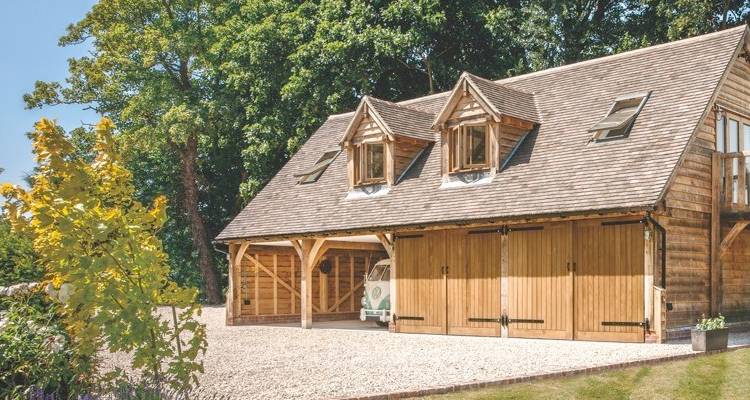
If you already have a garage on your property, converting it into a bedroom or living space is worth considering. The cost of converting a garage into a bedroom is around £6,500, compared to around £40,000 for a full home extension.
Garden Maintenance Costs
Once your outbuilding is in place, you may want to tidy up the surrounding outdoor space. Repairing a fence costs around £120, while having fences re-stained costs around £150 depending on size. If you want to refresh tired-looking grass, the cost of laying new turf is around £15 per m².
I'm looking for a rough cost to remove a corrugated panel roof (may be asbestos) on an outbuilding (4m x 3m) and replace with bitumen or similar? Or any advice on the cheapest way to do it. The roof is leaking very badly.
"Yes, bitumen will be cheapest on my opinion. The sheets are 1m x 2m, and the price with the discount in some shops is only £12 per item. So you only need 3 sheets or 4."
Outbuilding Labour Costs and Timescales
Depending on the scale and complexity of your project, you may need to budget for one or more of the following professionals in addition to your builder.
Surveyors
Surveyor costs are typically in the region of £600 to £1,200 depending on scale and complexity.
Architects and Building Designers
Detailed illustrations for planning applications typically cost between £1,000 and £2,500 for straightforward outbuildings. However, architect costs for larger and more bespoke-type outbuildings can cost £3,000 or more.
Planning Consultants
Planning consultants can assess a plot's potential and advise on viability before work begins. Charges for site assessments and advice are typically around £300 to £1,000, quoted either as a fixed fee or on an hourly basis.
Ask a Trade
Got a question that only a tradesperson can answer? We have thousands of trades ready to answer any question you may have.
Ask your question

What Can an Outbuilding Be Used For?
A new outbuilding can create extra usable space at a fraction of the cost of a full home extension. Depending on the layout and finish, it can serve a wide range of purposes.
Garden Office or Home Office
One of the most popular uses for an outbuilding is as a garden office or home office — a dedicated workspace away from the distractions of the main home. If you plan to use it regularly, budget for insulation, heating, lighting, and an electricity connection.
Depending on the size and specification of your garden office, you can typically expect it to cost between £6,000 and £9,000.
Garden Room or Summerhouse
A garden room or summerhouse provides a versatile space for relaxing, entertaining, or pursuing hobbies. These can range from a simple timber summerhouse to a fully insulated, year-round garden room.
DIY summerhouse kits can cost as little as £500, while a more bespoke build could cost £8,000+. Garden rooms tend to be a higher-spec build with prices typically ranging from £20,000 to £38,000 for a fully fitted-out and professionally installed structure.
Games Room or Cinema Room
Outbuildings are increasingly popular as games rooms or cinema rooms, offering a dedicated entertainment space separate from the main house. These builds typically sit at the higher end of the cost range due to the additional insulation, electrics, and interior fit-out required.
Workshop or Studio
A workshop or studio gives you a practical space for hobbies, crafts, or creative work. Timber outbuildings are a popular choice for this use as they're cost-effective and quick to install.
Depending on your requirement, a simple timber structure for use as a workshop or studio might only cost about £500, but if you want an insulated, high-end workspace, then these costs could be in the £6,000 to £9,000 range.
Storage and Garaging
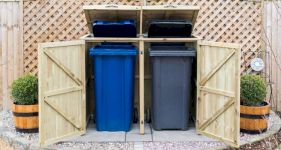
At the more straightforward end of the scale, an outbuilding can provide secure storage for tools, garden equipment, or vehicles. A basic timber shed or concrete garage is often the most cost-effective option for this purpose. Timber sheds are a useful, cost-effective option, but for something more secure you might be better considering a brick shed.
Expect a simple timber shed to cost around £500, but for a sturdier brick shed, these costs could be between £1,200 and £5,700, depending on the size and spec.
Building a new outbuilding is a great way to create additional, usable space for a variety of purposes. Some homeowners may even opt for larger, standalone outbuildings to provide additional accommodation, such as a granny annexe, although it should be noted that these may have different planning, building regulations, and design considerations.
I need to replace the existing painted wooden vertical cladding to an old farm outbuilding. The boards are tongue and grooved.
"Thickness of tongue and groove should be at least 12mm thick, ideally primed before fixing and preferably with a coat of whatever colour you're going with to allow for when timber expands."
Key Things to Consider Before Building an Outbuilding
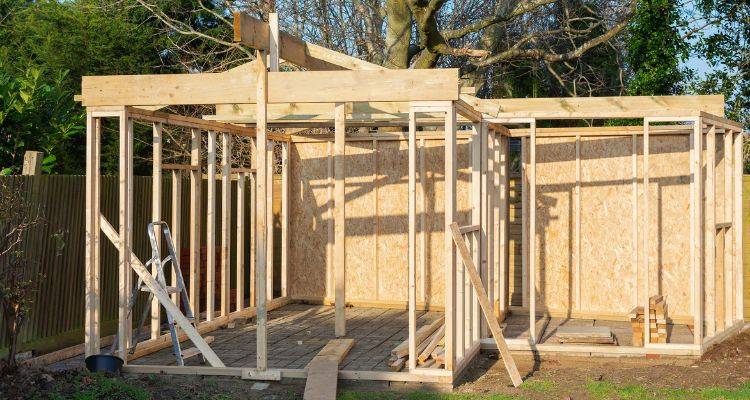
- Size and appearance — The size of your outbuilding should complement your garden. Consider the final colour and finish so it sits well within the overall space.
- Access — Make sure access is straightforward, with a clear pathway and a sensibly placed doorway.
- Placement — Avoid awkward positioning. A back wall or little-used corner of the garden is often the most practical location.
- Future use — Think about versatility — a children's playhouse can later be converted into a workshop or storeroom.
- Base and foundations — The base sets the building's height, stability, and moisture risk. Slabs, concrete, and timber bearers behave differently depending on the ground type.
- Rain and damp — Water needs a clear path away from the walls and floor. Consider the roof overhang, gutters, downpipes, and ventilation to keep the interior dry.
Do You Need Planning Permission and Building Regulations Approval for an Outbuilding?
Planning rules for outbuildings can affect both your timeline and your budget. Here's what you need to know before work starts.
Planning Permission
Whether you need planning permission to build an outbuilding depends on its size, height, location, and intended use. Many outbuildings fall within permitted development (PD) rights, but this is not automatic in every case.
If your home is in a conservation area, is a listed building, or your outbuilding exceeds permitted size or height limits, you'll need to contact your local authority planning department before work starts.
Under permitted development rights, the key rules are:
- You can't cover more than 50% of the land around the original house with buildings.
- The structure must be single-storey, with a maximum eaves height of 2.5m and an overall height of up to 4m for a dual-pitched roof, 3m for other roofs, and 2.5m if it's within 2m of a boundary.
- Verandas and balconies don't fall under permitted development. Raised platforms are allowed up to 0.3m high, but anything higher falls outside permitted development.
- The outbuilding can't be used as accommodation or as a main kitchen or bathroom, although a small toilet or shower for an office or gym may be allowed.
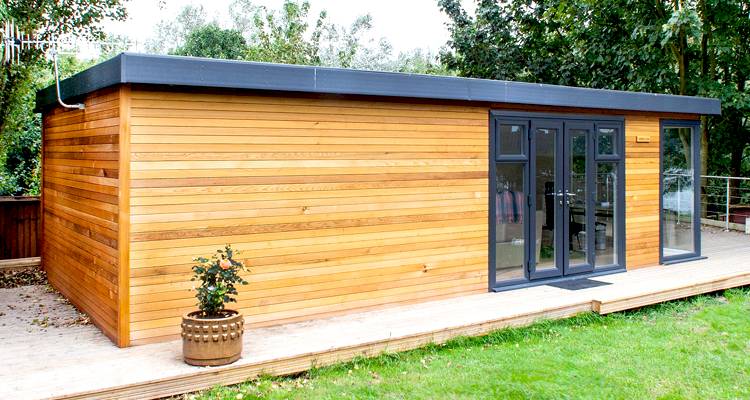
Building Regulations Approval
For a small detached building such as a garden shed or summerhouse, building regulations will not normally apply if the floor area is between 15m² and 30m², the building is not used for sleeping, it sits at least 1m from the boundary, and it's non-combustible.
For anything larger, or any building with plumbing, heating, or electrics, building regulations approval is likely to apply. Electrical work must comply with Part P, and notifiable work should be carried out by a Part P competent person who can self-certify, or be notified to Building Control.
Planning Application Fees and Hidden Costs
If your outbuilding does require planning permission, householder application fees are £258, with an additional processing charge of around £20 if submitting online via the Planning Portal.
Other costs to be aware of include the Community Infrastructure Levy (CIL), pre-application advice fees, and legal agreements, all of which vary by local authority. CIL exemptions may apply for self-build projects but are not automatic — you'll need to submit the correct paperwork to your local planning authority (LPA).
I've read that polycarbonate is only really suitable for outbuildings as opposed to properties in general. Do you agree with this and why would this be?
"No, totally wrong. Conservatories have this from 10mm up to 100mm, so is a great all-round product."
Checklist: How to Find and Hire a Contractor to Build an Outbuilding in the UK
Before agreeing to work with a builder, make sure your quote includes a total price, a breakdown of the work to be carried out, the materials to be used, and an estimated timeline. Here are the key things to check before hiring.
- Company registration — Check whether the builder is registered as a limited company, which makes it easier to verify their track record. Confirm no claims have been made against them in the last 5 years.
- Trade association membership — Ask whether your builder is a member of a relevant trade association and verify this directly with the association.
- Specialist trades in the team — Check whether the builder has access to a registered electrician, as outbuilding projects often involve unexpected work. Having in-house expertise helps resolve issues quickly.
- Guarantee — Make sure the builder offers a written guarantee backed by a UK-based insurance company. This protects you if the company ceases trading.
- Experience and previous work — Ask to see evidence of previous outbuilding projects, regardless of how long the builder has been trading.
- Insurance — The builder should hold public liability insurance, employers' liability insurance, contractors all risk insurance, and professional indemnity insurance.
- Health and safety — Confirm the builder has an up-to-date health and safety policy covering both construction and fire safety procedures.
- References and reviews — Ask for at least 2 references and check online reviews before committing.
- VAT and contact details — Ensure the quote includes the builder's company name, address, contact details, and VAT number where applicable. Verify the VAT number is genuine.
FAQs
What Is Considered an Outbuilding?
An outbuilding is a separate structure not attached to the main house. This includes sheds, greenhouses, garages, saunas, cabins, and kennels.
How Much Does an Outbuilding Cost Per Square Metre?
Outbuilding costs typically start from around £300 per square metre for a basic structure that is delivered, built, and roofed. The cost per square metre rises for brick outbuildings, insulated garden rooms, and buildings with plumbing, heating, or electrics.
Do Outbuildings Add Value to a Property?
A well-built, insulated outbuilding — particularly a garden office or garden room — can add value to your property and appeal to potential buyers, especially as remote working becomes more common. The extent of any value increase will depend on the quality of the build and how useful the space is to prospective buyers.
Is a Brick or Timber Outbuilding Cheaper?
In most cases, a timber outbuilding is the more cost-effective option. Brick outbuildings take longer to build and have higher labour and material costs, but they offer a more permanent finish that can match the style of the main home.
How Do You Insulate an Outbuilding?
For an unheated storage shed, bubble wrap is a cheap insulation option — cut it to fit each panel, overlap the strips to avoid gaps, and fix MDF boarding over the top. If you're heating your outbuilding or using it as a workspace, proper insulation and ventilation will be needed to prevent condensation.
Can I Build My Outbuilding as a DIY Job?
Yes, particularly if you're using a prefabricated structure. However, it can be labour-intensive and certain aspects — such as foundations, moving drains, or connecting services — may require a qualified professional. Electrical installation will also need to be signed off regardless of who carries out the work.
Can an Outbuilding Be Used as a Garden Office or Garden Room?
Yes, many people build an outbuilding specifically to use as a garden office, garden room, or home office. If you plan to use it regularly, budget for insulation, ventilation, heating, flooring, and an electricity connection.