Builders
 Carpenters
 Electricians
 Flooring Specialists
 Gardeners
 Handymen
 Heating Engineers
 Painters & Decorators
 Plasterers & Renderers
 Plumbers
 Roofers
 Tilers
 my
myTankless Water Heater Installation Cost
At a Glance
- The average cost to install a tankless water heater is £400 (labour only).
- Most installations take 4 to 8 hours to complete.
- The average cost of tankless water heater installation in the UK, and what affects the price you're quoted.
- Supply and labour costs for electric and gas models, plus the different types available.
- How to find and compare quotes from local installers using MyJobQuote.
Get free estimates
Are you a trade? Get more work today!
Want to know about tankless water heater costs in 2026?
Tankless water heater installation costs between £200 and £1,500 for the unit, plus £120 to £600 in labour to fit it. The exact price depends on the type of heater you choose and how much work the installation involves.
The biggest cost driver is whether the job is a like-for-like replacement or a brand-new install. Swapping an old unit for a similar one reuses the existing pipework, wiring, and venting, so it costs far less than a new install that needs fresh circuits, a gas line, or a flue. Gas heaters also cost more to fit than electric ones, as they must be installed by a Gas Safe registered engineer.
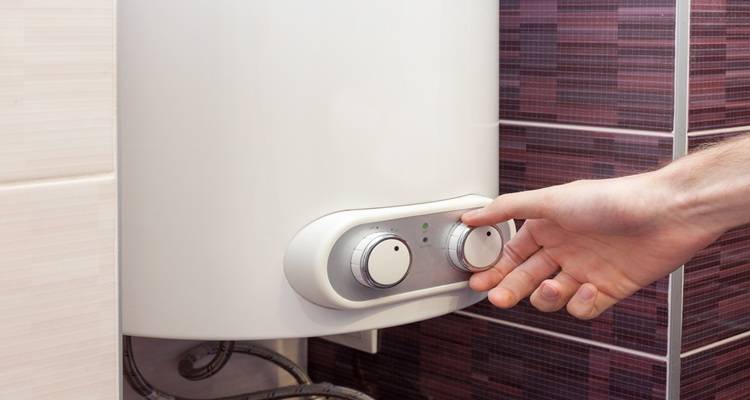
£400
Table of Contents
- How Much Is Tankless Water Heater Installation?
- What Are the Supply Costs of a Tankless Water Heater?
- Additional Costs
- Labour Costs and Timescales
- Cost Factors for Tankless Water Heater Installation
- Building Regulations Tankless Water Heater Installation
- Types of Tankless Water Heaters
- Alternative Types of Water Heating Systems
- Checklist: Hiring an Installer to Fit a Tankless Water Heater
- FAQs
How Much Is Tankless Water Heater Installation?
The cost of a tankless water heater installation depends on whether you are installing a new system or replacing an old one, and whether it is powered with electric or gas.
What type of tankless water heater are you looking to install?
Electric
22 votes - 73%73% of votes
Gas
7 votes - 23%23% of votes
Condensing
1 votes - 3%3% of votes
Non-condensing
0 votes - 0%0% of votes
I'm not sure yet
0 votes - 0%0% of votes

30 votes
See results
Hide results
Your location will also have a bearing on cost. London and the South East are more expensive than other parts of the UK. You should expect to pay more for the services of an electrician or plumber as their hourly rates are higher.
The average cost for:
- Replacing an old tankless water heater: £1,100 to £1,450.
- Installing a completely new system: £1,450 to £2,000.
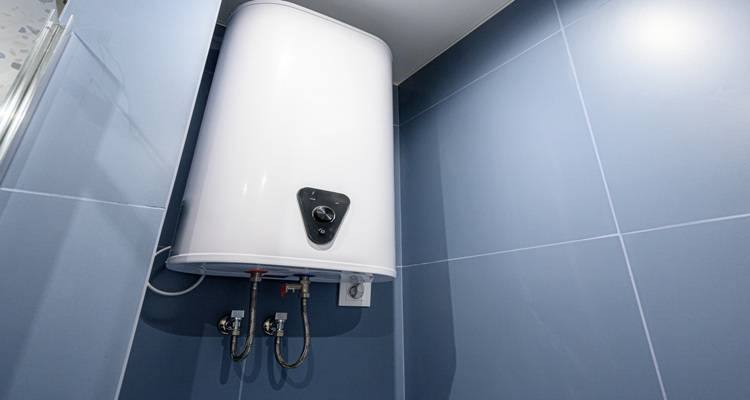
Replacing a like-for-like heater is often cheaper because the circuit, wiring, and venting are already in place, so the work is mainly supplying the new unit and reconnecting it. A new installation costs more. For electric models it can involve new wiring, a consumer unit upgrade, and residual current device (RCD) protection, while gas models may need a new gas pipe, flue, and condensate pipe, plus testing and certification.
Tankless Water Heater Installation Prices
| Installation | Average Price |
|---|---|
| Replace under-sink electric tankless water heater (like for like) | £350–£450 |
| Replace gas tankless water heater (like for like) | £1,100–£1,450 |
| Install an electric tankless heater | £1,450–£1,850 |
| Install a gas tankless water heater | £1,550–£2,300 |
Want a custom price?
Post your job
If you are installing a tankless water heating system in a larger property, you may need more than one unit. In this case, you might have a unit for the bathroom and a separate unit for the kitchen.
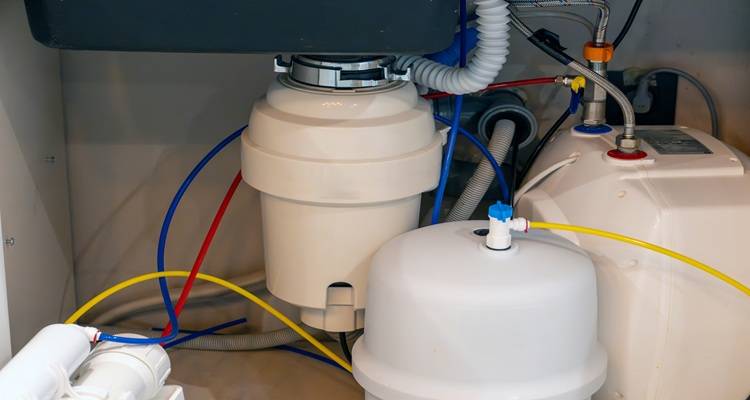
The costs in this case are likely to double. This is because each unit needs individual pipework or wiring.
What Are the Supply Costs of a Tankless Water Heater?
Tankless water heaters are available to suit most budgets. Cheaper tankless heaters tend to be electric and are used for sinks and showers. They cost less than a heater designed to supply hot water for the whole house.
Gas heaters tend to cost more than electric ones. This is because they are a more complex build, with a higher hot water output.
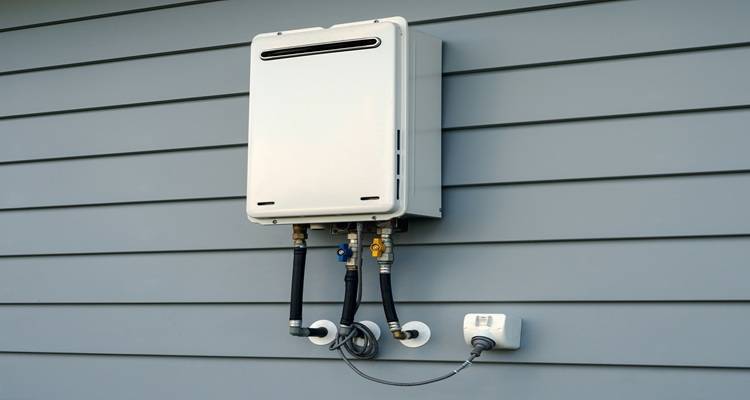
When you are looking to buy a tankless heater, take into consideration the size of your home and the amount of hot water you generally use. More expensive heaters have features including Wi-Fi connectivity and smart controls. They handle simultaneous usage and are often made with better quality, more reliable materials, resulting in a longer lifespan.
Electric Tankless Heaters
| Component | Average UK Cost |
|---|---|
| Electric Mini Heater (under sink) | £150–£300 |
| Electric Compact Heater (shower/bath) | £300–£500 |
| Electric Whole House Heater | £500–£1,500 |
| Wiring/New Circuit | £350–£450 |
| Isolator Switch (may be needed on outside unit) | £14–£40 |
| Water Pipes and Fittings | £4–£20 per m² |
| Pipe Insulation | £3–£22 |
| Consumer Unit Upgrade (if necessary) | £30–£150 |
Want a custom price?
Post your job
Gas Tankless Heaters
| Component | Average UK Cost |
|---|---|
| Gas Heater (natural or LPG) | £350–£1,000 |
| Flue and Vent Kit | £50–£250 |
| Gas Pipework | £4–£12 per metre |
| Condensate Pipe | £1–£1.50 per metre |
| Water Pipes and Fittings | £4–£20 per m² |
| Wiring for Ignition | £10–£50 |
Want a custom price?
Post your job
Additional Costs
If you consider additional costs for a new tankless heater, there won't be any unpleasant surprises. Here are the average costs of some of the things you might want to add to your budget:
- Removal and Disposal of an Old Heater or Cylinder — £100 to £250, depending on the unit type, ease of access, and disposal method.
- Upgrading Electrics — £100 to £300.
- Scaffolding (if the Unit Is Outdoors at a Height) — £80 to £100 for a week's hire.
- Aesthetics (Making Good, Boxing in, Plastering, Replacing Tiles and Re-Decorating) — £50 to £200 depending on the amount of work and the tradesperson you are using.
- Reinforcement (Works May Be Needed to Reinforce the Area Where the Heater Is Located) — £50 to £100.
- Adding Smart Controls, Such as a Smart Thermostat — £100 to £300.
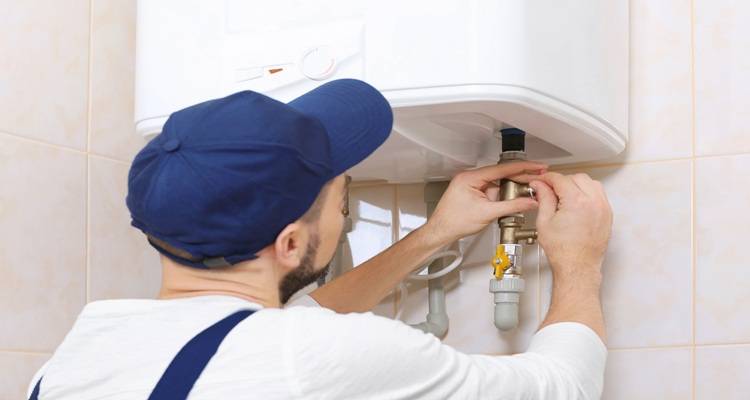
Other additional costs to consider are the payment for a maintenance or service plan, which you might want to consider with a gas appliance. Regular maintenance will help the system work efficiently and prolong its lifespan.
Labour Costs and Timescales
A tankless water heater can be installed by:
- An Electrician — £50 to £60 an hour (£80 or more in London).
- A Plumber — £60 to £75 an hour (£80 to £100 in London).
- A Gas Engineer — £30 to £50 an hour.
Which trade you need depends on the heater, not the hourly rate. A gas tankless heater must legally be installed by a Gas Safe registered engineer, while an electric one is usually fitted by an electrician. If the job involves new circuits or a consumer unit, use a registered electrician who can certify the work themselves, otherwise you will need to inform local building control.
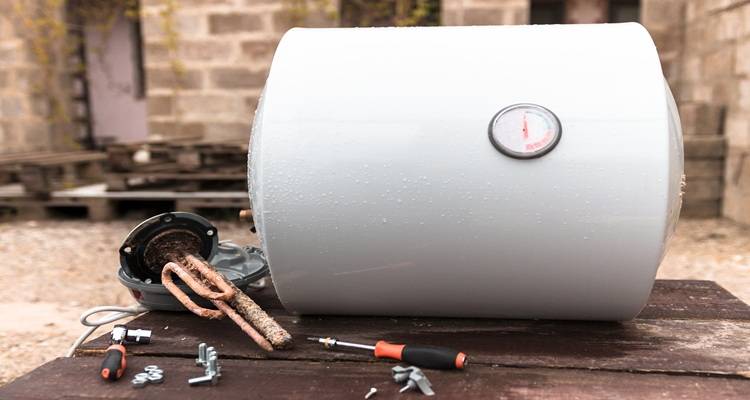
A plumber typically handles the water connections, but any gas or electrical work must be carried out and signed off by the correctly qualified trade. So the cheapest hourly rate is not the deciding factor. What matters is choosing the right trade for your type of unit.
| Installation | Timescale | Average Cost |
|---|---|---|
| Like-for-like replacement | 4 to 6 hours | £120–£450 |
| New installation | 6 to 8 hours | £180–£600 |
| Additional or complex work | Depending on the work required | Charged at the tradesperson's hourly rate |
Want a custom price?
Post your job
Cost Factors for Tankless Water Heater Installation
Cost factors include:
- Gas or Electric — Gas units cost more to install than electric models, as they are more complex and need specialist gas work.
- The Model You Choose — Premium brands, smart features such as Wi-Fi controls, and more efficient condensing units cost more than basic models.
- Existing Plumbing and Electrics — Reusing the wiring and pipework already in place keeps costs down, while laying new runs adds to materials and labour.
- Size and Flow Rate — Higher flow-rate units that supply several outlets at once cost more than smaller, single-outlet models, and may need electrical or gas upgrades to run.
- Indoor or Outdoor Placement — Indoor fitting is usually cheaper. A hard-to-reach spot or an outdoor unit adds labour, weatherproofing, and a mounting bracket, plus scaffolding if it sits at height.
- Upgrades — Older homes may need a new consumer unit (fuse box) or reworked pipework for the gas supply, which adds to the cost.
- Your Location — Labour rates run higher in London and the South East, so where you live affects the final price.
Building Regulations Tankless Water Heater Installation
A gas tankless water heater should be installed by a professional who is registered under an approved Gas Safe scheme. Building regulations include rules on the installation of vents and flues, condensate and gas pipes.
Installing an electric tankless water heater like for like on an existing circuit doesn't usually need signing off. But a new circuit, a new consumer unit, or any electrical work near a bath or shower does. This work comes under Part P of the Building Regulations and must be certified, either by a registered electrician or by your local building control.
Ask a Trade
Got a question that only a tradesperson can answer? We have thousands of trades ready to answer any question you may have.
Ask your question

Types of Tankless Water Heaters
The main types of tankless water heater, also called instant water heaters, are electric and gas, with gas models further divided into condensing and non-condensing units. Costs vary by fuel type (gas, propane, or electric) and by capacity, as some are sized to heat a single outlet such as one bathroom, while others supply the whole house.
Each type has its own features, venting needs, and maintenance demands, so compare the options below before choosing:
Electric Tankless Water Heater
Ideal for small properties which lack space for a traditional tank.
Pros
- ✔ Cheaper to install than gas.
- ✔ Excellent energy efficiency.
- ✔ Longer lifespan than a traditional tank because the system has fewer components.
Cons
- ✖ May need electrical upgrades before installation.
- ✖ A larger home will need a more expensive model to provide water from multiple outlets at the same time.
Gas Tankless Hot Water Heater
Gas tankless heaters are often recommended for larger homes where families use hot water simultaneously.
Pros
- ✔ Higher flow rates provide hot water easily from more than one outlet at the same time.
- ✔ Better at heating water to the desired temperature in cold weather.
Cons
- ✖ Installation costs are higher than those of electric heaters because of extras like vents and flues.
- ✖ May need to upgrade pipework.
- ✖ Must be installed by a Gas Safe registered engineer.
Condensing Tankless Water Heaters
A condensing water heater has an extra heat exchanger. When energy comes from the flue, the second heat exchanger captures it, rather than letting it escape, and converts it into heat. This means the system works more efficiently because it reduces heat loss.
Pros
- ✔ Reduced running costs.
- ✔ More efficient use of heat.
- ✔ Higher flow rate.
Cons
- ✖ More expensive to buy than a non-condensing model.
- ✖ More complex to install.
Non-Condensing Tankless Water Heaters
Non-condensing water heaters only have one heat exchange, so heat is lost when it escapes from the flue into the atmosphere, reducing the efficiency of the unit.
Pros
- ✔ Cheaper than condensing units
- ✔ Less maintenance required
- ✔ Easier installation
Cons
- ✖ Less efficient than the condensing model.
- ✖ Higher running costs.
Alternative Types of Water Heating Systems
Alternative water heating systems to a tankless unit include combi, regular, and system boilers, solar water heating, and heat pump water heaters. If a tankless heater is not right for your home, here is how each option compares:
Combi Boilers
Combi boilers are very common in UK homes. They provide hot water and heating without the need for a hot water tank or a cylinder.
- Average cost to supply and install — £2,600.
Pros
- ✔ Instant hot water and heat
- ✔ Easy to install
- ✔ Energy efficient
Cons
- ✖ Flow rate is reduced when two or more outlets are used at the same time.
- ✖ Can't combine with solar heating systems.
Regular Boilers
Regular boilers use a storage tank, which is usually in the loft, and a hot water cylinder. They are suited to homes with low water pressure because the water is supplied using gravity rather than pressure.
- Average cost to supply and install — £2,200.
Pros
- ✔ High flow rates.
- ✔ Ideal for large households.
- ✔ Works with solar heating systems.
Cons
- ✖ You may need to wait for the hot water to heat up if it has been used.
- ✖ You need space for the cylinder and cold-water tank.
System Boilers
System boilers are similar to regular boilers, but they take cold water from the mains, where it is stored and heated in a hot water cylinder.
- Average cost to supply and install — £3,150.
Pros
- ✔ Ideal for large families.
- ✔ No need for a cold-water tank.
- ✔ System boilers combine well with underfloor heating.
Cons
- ✖ May need to wait for hot water if the water in the cylinder has been used.
- ✖ Space needed for the water cylinder.
- ✖ If you have low pressure from the mains, your flow rate won't be ideal.
Solar Water Heating
Solar water heating systems use solar panels on your roof and a water cylinder. The sun heats up the solar panels, which then heat the water in the cylinder.
- Average cost to supply and install — £5,000.
Pros
- ✔ Can reduce your monthly fuel bills by between £10 and £20.
- ✔ Ideal if you want to reduce your carbon footprint.
- ✔ Low-maintenance water heating option.
Cons
- ✖ May be more expensive to install than a traditional hot water system.
- ✖ Likely to need another form of heating your water during the winter.
Heat Pump Water Heaters
A heat pump water heater takes air from the outside and uses electricity to heat it up, and then transfers it to a hot water cylinder.
- Average cost to supply and install a heat pump water heater — £8,000.
Pros
- ✔ Energy efficient — reduced fuel bills.
- ✔ Long lifespan (between 12 and 15 years).
- ✔ Reduced carbon footprint.
Cons
- ✖ Expensive upfront costs.
- ✖ Takes more time to heat water than other conventional systems.
- ✖ Needs space and outside wall for installation.
Checklist: Hiring an Installer to Fit a Tankless Water Heater
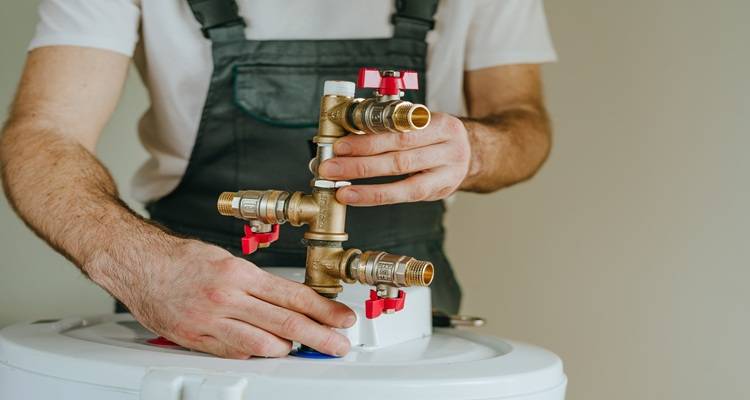
Consider these key points before hiring an installer for this job:
- Do they have the right qualifications? A gas tankless heater must be fitted by a Gas Safe registered engineer, while any new electrical circuits need a registered electrician who can certify the work themselves or notifying to building control.
- Will they handle building control sign-off? Some installations need to be notified to building control, so ask whether they'll register the work and sort your compliance certificate, or whether you'll need to arrange it with your local authority.
- Do they have public liability insurance? It isn't a legal requirement, but it's worth checking in case something goes wrong while they're working on your gas or water system.
- Is removing your old unit included? Confirm that taking out and disposing of your existing heater or cylinder is covered in the quote, rather than added as an extra later.
- How much experience do they have with tankless systems? You ideally want someone with a few years of experience fitting on-demand water heaters, not just traditional hot water tanks.
- Can they show examples of similar work? Ask to see photos of previous tankless installs, or check their MyJobQuote profile for examples of past jobs.
- Do they have positive reviews? Read through the ratings and feedback left by other homeowners on their MyJobQuote profile before you decide.
FAQs
How Long Do Tankless Water Heaters Last?
Tankless water heaters generally last longer than traditional heaters. Their lifespan will depend on the quality of the heater, whether it was installed in a hard-water area and if it was well maintained. On average, a tankless water heater will last between 10 and 20 years.
Are Tankless Water Heaters Cheaper to Run Than Traditional Systems?
Yes, because they only produce heat on demand, unlike a traditional tank system, which heats the hot water in the tank throughout the day.
Gas models tend to be cheaper to run than electric models because of the difference in the price of each utility. Although the initial cost to buy and install a tankless water system is high, over time, the energy savings you can make help you save money, and the durability of the system means it pays for itself.
Can I Install a Tankless Water Heater Myself?
Installing a new water heater isn't recommended as a DIY project. By law, anyone you pay to work on gas must be Gas Safe registered, so a gas heater is always a job for a registered engineer, unless you have the competence yourself, which most homeowners don't.
Replacing a like-for-like electric water heater could possibly be done by a competent person who has a good knowledge of electrics. But, without a professional inspection, the need for upgrades or better wiring could be missed, and this could lead to serious safety issues.
Do I Need Planning Permission for a Tankless Water Heater?
Planning permission isn't needed to install a tankless water heater.
In a conservation area, only an external flue or unit might be restricted, so check with your local council before fitting one outside. If your home is a listed building, ask your local planning authority before carrying out any work.
Will a Tankless Water Heater Run Two Showers at the Same Time?
Yes, if you get a tankless water heater that's designed for a whole house. Usually, these are gas heaters with high flow rates. Prices for natural gas tankless water heaters with high flow rates start at around £500.
What Size Tankless Water Heater Do I Need for My Home?
The size of your tankless water heater depends very much on your water consumption.
If you expect to be able to use multiple outlets at the same time, you will either need a unit with a high flow rate or more than one unit to cope with the demand. For example, if you have more than one bathroom, then you might have a tankless water heater in each one.