Builders
 Carpenters
 Electricians
 Flooring Specialists
 Gardeners
 Handymen
 Heating Engineers
 Painters & Decorators
 Plasterers & Renderers
 Plumbers
 Roofers
 Tilers
 my
myCost of Fitting Curtains
At a Glance
- The average labour cost to hang curtains is around £90.
- The job will take approximately 20 to 45 minutes to complete.
- A complete pricing breakdown, along with what the task usually involves.
- How long the job should approximately take.
- How to find and hire a curtain fitter.
Get free estimates
Are you a trade? Get more work today!
Planning to hang new curtains?
This guide explains how much it costs to hire a professional curtain fitter and what the job involves, from installing a curtain pole or track to how prices vary by curtain type.
Looking for a quote? Use MyJobQuote to find curtain fitters near you, who can provide a free, no-obligation estimate for your project.
We break down all the labour charges and separate supply costs so you can budget accurately and avoid surprises.
Keep reading to learn more.
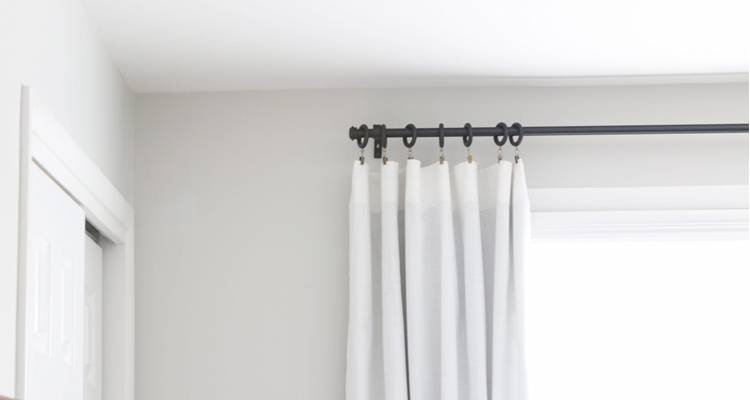
£90
Table of Contents
- How Much Does It Cost to Have Curtains Fitted?
- What Affects How Much Curtain Pole and Track Installation Costs?
- Additional Costs and Considerations
- Curtain Supply Only Costs
- How Curtain Types Affect the Fitting Cost
- Curtains vs Blinds: Which Is Cheaper to Fit?
- What's Involved in a Professional Curtain Installation?
- Can I Fit Curtains Myself?
- Checklist: Hiring a Curtain Fitter
- FAQs
How Much Does It Cost to Have Curtains Fitted?
If you'd rather not hang your own curtains, you can hire a professional curtain fitter or handyperson to do it for you. The average labour cost is between £50 and £165 for a single room, depending on the type of pole or track, where in the UK you are, and how straightforward the installation is.
Most fitters take around 20 minutes per window for a simple pole and bracket setup, or up to 45 minutes per window for a curtain track system that needs more precise alignment.
Many tradespeople charge a minimum call-out fee, so even a simple one-window job will often cost at least £50 to £80. However, the price per window often falls considerably when several poles or tracks are fitted in the same visit, with whole house prices typically falling between £100 and £200.

Some fitters quote by the hour, but many prefer a fixed price per job or a minimum call-out charge. Hourly labour rates are usually around £35 to £55 per hour, with London and some South East areas sometimes higher.
| Location | Average Labour Cost (per hour) |
|---|---|
| London | £45–£65 |
| South East England | £40–£55 |
| Major UK Cities (e.g., Manchester, Birmingham, Glasgow) | £35–£50 |
| Rest of UK (National Average) | £30–£45 |
Want a custom price?
Post your job
Is it possible/safe to hang normal curtains in a bathroom?
"I personally would not advise this due to the part of the house being classed as a wet room area, therefore condensation and dampness are prone in these rooms, especially around the window area."
Curtain Fitting Cost by Job Type
The table below shows average labour-only rates for common curtain fitting jobs. Prices will vary depending on wall type, window size, and whether the pole or track is supplied.
| Job Type | Average Cost (Labour Only) | Typical Time |
|---|---|---|
| Fit curtain pole | £50–£90 per window | 20 to 30 mins |
| Fit curtain track | £60–£110 per window | 30 to 45 mins |
| Hang ready-made curtains (existing pole/track) | £30–£60 per window | 10 to 20 mins |
| Install pole and hang curtains | £70–£120 per window | 30 to 45 mins |
Want a custom price?
Post your job
What Affects How Much Curtain Pole and Track Installation Costs?
Curtain poles are usually more straightforward to install than tracks, making them a more affordable option for many homeowners.
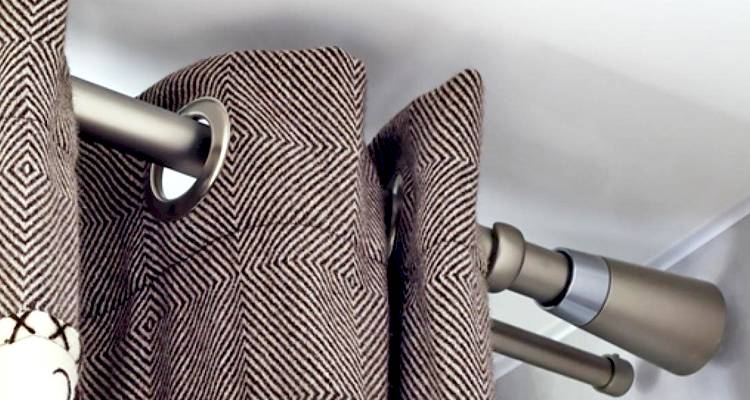
Key cost factors for curtain pole installation include:
- Wall Type — The cost can increase slightly for difficult surfaces like hard masonry or tiled walls, which require specialist drill bits and more time.
- Window Type — A complex bay window pole, which requires precise angles and multiple brackets, will cost significantly more to install than a standard straight pole.
- Job Size — The price per pole will almost always be lower when you are having multiple poles or tracks fitted at the same time.
- Urgency — If you need the work done quickly, within a few days, prices are usually higher than if you're willing to wait up to 2 weeks.
The labour cost to fit a standard curtain track is often slightly higher than for a pole. This is because tracks can be more time-consuming, sometimes requiring ceiling mounting or assembly of corded mechanisms. Curtain tracks are a popular choice for their discreet, modern look and are often used for heavy curtains and bay windows.
Key cost factors for curtain track installation include:
- Bay Windows — This is the biggest cost factor. Fitting a track to a bay window is a specialist job that requires precise measuring and bending the track to fit the angles. The labour cost for a bay window curtain track is typically £120 to £200+, depending on its complexity.
- Mounting Surface — Ceiling-mounted tracks can be more difficult and time-consuming to install than wall-mounted ones, especially into concrete ceilings, which may increase the labour cost.
- Track Type — A simple, uncorded plastic or aluminium track will be the cheapest to fit. More complex systems, like corded tracks (which need to be set up correctly) or custom-bent metal tracks, will take longer and cost more.

How much does it cost to put up a curtain pole? I have 2 poles that need to be fixed to 2 windows. The windows have 2 average-sized windows.
"The average cost would depend on a few things. If you provided the materials, you would be looking at £70 to £80 for both windows, which should take roughly 1.5 hours to complete, depending on if prep is required. If materials are to be supplied by the tradesman, expect to pay around £150 for both windows, again depending on prep."
Additional Costs and Considerations
When budgeting for your curtain fitter, the hourly rate or per-window price forms the base of your cost. However, be aware of these common additional charges that can affect your final bill, especially for non-standard jobs.
- Minimum Fee / Call-Out Charge — Most fitters won't charge for just 20 minutes of work. Expect a minimum call-out fee, which often covers the first hour of labour. This typically ranges from £50 to £80.
- Bay Windows — As detailed in our section on tracks, fitting a curtain track or pole to a bay window is a specialist job that costs significantly more. Expect labour costs of £120 to £200+ for this specific task.
- Difficult Surfaces — If your walls are very hard (e.g., masonry, engineering brick, or have a steel lintel exactly where the brackets need to go), the job will take longer and require specialist drill bits. Most fitters will factor this into their hourly rate by simply taking more time.
- Extra-High Ceilings — If your windows require the fitter to use extra-tall ladders or scaffolding, this will increase the time, complexity, and risk, which will be reflected in the price.
- Removal and Disposal — If you have an old, broken track or pole that needs to be removed first, this will add to the labour time. Some fitters may also charge a small fee (e.g., £10 to £20) to dispose of the old items.
- Material Sourcing — If you ask your fitter to supply the pole or track, you will be charged for the item itself, as well as potentially their time for sourcing it.
- Parking and Congestion — In city centres like London, any parking fees or congestion charges will be added to your final bill.
- VAT — Always ask if the quotes you receive include VAT. Not all contractors or companies will be VAT-registered, but if they are, it will add 20% to the final cost.
Curtain Supply Only Costs
The prices below cover materials only. Labour for fitting is not included. Costs vary depending on the type of window, the size, and the fabric quality.
Average Curtain Material Costs by Window Type
| Window Type | Material Cost (per window) | Notes |
|---|---|---|
| Small Fixed Window | £15–£50 | Ready-made curtains, basic fabric |
| Standard Sash or Casement | £25–£120 | Mid-range ready-made or standard bespoke curtains |
| Bay Window (3 to 5 panels) | £80–£350 | Standard to higher-quality fabrics, multiple panels |
| Large Floor-to-Ceiling / Custom | £150–£550 | Premium fabrics, lined, multi-panel setups |
| Skylight / Roof Window | £50–£200 | Roller or custom-fitted curtains |
Want a custom price?
Post your job
Average Curtain Material Costs by Fabric
Curtains come in many fabrics, from budget options such as nylon and acrylic to exclusive high-end alternatives, such as velvet and hand-printed silk. The material choice will heavily influence the average cost of the job.
The table below shows common fabric types with the associated average costs without installation (supply only):
| Fabric | Material Cost (per window) | Notes |
|---|---|---|
| Nylon / Polyester | £15–£60 | Budget options, durable, ready-made |
| Cotton / Linen | £30–£160 | Standard fabrics, washable, good quality |
| Velvet | £50–£250 | Heavier fabric, lined, luxurious feel |
| Silk | £120–£400+ | Premium, often lined, delicate fabric |
Want a custom price?
Post your job
These tables provide a realistic guide to budgeting for curtains based on window type, size, and fabric, although bespoke curtains and premium designer fabrics can cost significantly more.
Curtain Rods and Tracks: Material Costs
Before hiring a fitter, it helps to know the material cost for your curtain rods or tracks. These costs are separate from labour mentioned in the curtain pole and track section, and depend on size, style, and quality:
| Type | Average Material Cost |
|---|---|
| Single Curtain Rod | £10–£40 |
| Double Curtain Rod | £20–£70 |
| Standard Curtain Track | £15–£40 |
| Wave Curtain Track | £30–£120 |
Want a custom price?
Post your job
For heavier, decorative, or custom rods and tracks (such as bay windows), material costs will be higher.
Ask a Trade
Got a question that only a tradesperson can answer? We have thousands of trades ready to answer any question you may have.
Ask your question

How Curtain Types Affect the Fitting Cost
While the material of your curtains (like silk or velvet) doesn't usually change the fitter's hourly rate, the heading style, weight, and window type do. Fitting time drives cost, and more complex setups require more time and care.
Curtain Heading Style
The heading is the top of the curtain. Simple headings are faster to fit, while complex pleats take longer and require more skill.
- Easy (Lowest Cost) — Eyelet/Grommet curtains. These slide directly onto the pole, making installation quick.
- Medium (Standard Cost) — Pencil Pleat curtains. The fitter attaches hooks (if not pre-attached) and "dresses" the pleats so they hang evenly.
- Complex (Highest Cost) — Pinch Pleat, Goblet Pleat, or Wave Headers. These require specialist hooks or tracks, precise spacing, and careful dressing to achieve a crisp, uniform look.
Curtain Weight
Heavier curtains require more care and robust installation:
- Lightweight (e.g., Voile, Sheer) — Simple to fit with standard brackets and poles.
- Heavy (e.g., Interlined Velvet, Blackout) — Requires heavy-duty wall fixings and potentially extra brackets. Takes more time to install safely, increasing labour cost.
Window Type
The size and shape of the window directly affect installation complexity:
- Standard Window — Baseline cost.
- Bay Window — Most complex. Needs angled poles or bendable tracks. Labour can range from £120 to £200+.
- Skylight — Curtains are rarely used. Fitting specialist skylight blinds is a separate task.
Curtains vs Blinds: Which Is Cheaper to Fit?
While blinds are a popular alternative to curtains, the cost of installation can vary, depending on the type. Simple blinds like roller or Venetian blinds usually cost £50 to £100 per blind for labour, whereas hanging curtains typically costs £50 to £120 per window for a new pole or track.
However, the total cost for curtains is often higher. Heavy, floor-length curtains on a complex bay window track will require more time and skill to install, pushing the labour cost alone to £120 to £200+.
Curtains: Pros and Cons
- Pros: Offer a wide range of fabrics, styles, and insulation options. Can create a cosy, luxurious feel. Suitable for large or multiple windows.
- Cons: Complex headings (pleats, wave, pencil pleats) increase labour costs. Heavy or lined fabrics take longer to fit. Large or bay windows can significantly raise installation costs.
Blinds: Pros and Cons
- Pros: Quick and easy to install, generally cheaper for labour. Suitable for smaller or simpler windows. Ideal for bathrooms and kitchens. Minimal floor space required.
- Cons: Light may leak through gaps. Some materials may warp or break over time. Less flexibility in style and fabric choice.
Overall, curtains tend to be more expensive due to material, size, and installation complexity, while blinds are typically faster and easier to fit, making them a cheaper alternative in many cases. For a full breakdown of blind costs, see our fitting blinds guide.
How do you measure for blinds when your window recess tapers in?
"You're probably better getting your reveals re-boarded to get an equal measurement, or you will have a gap at the bottom because of the taper."
What's Involved in a Professional Curtain Installation?
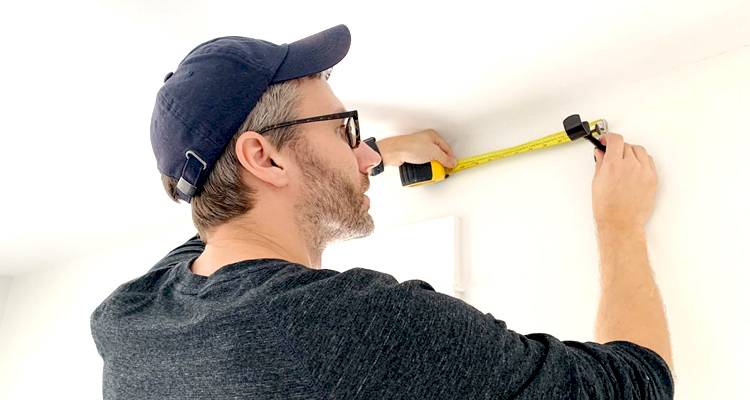
When you hire a professional, you're paying for their expertise and efficiency. A typical installation for a new pole or track involves several key steps:
- Measuring and Marking — The fitter will measure the window and mark the exact height and width for the brackets. They will use a spirit level to ensure the marks are perfectly horizontal, guaranteeing your curtains hang straight.
- Checking the Wall — They will check the wall type (e.g., plasterboard, masonry) and may use a stud/pipe detector to ensure they are not drilling into any hidden pipes or live wires.
- Drilling and Fixing — The fitter will drill the holes and insert the correct heavy-duty wall plugs (fixings) for your wall type. This is a critical step to ensure the pole can hold the curtain's weight without pulling loose.
- Assembling and Mounting — They will assemble the curtain pole or track and securely fix it to the brackets.
- Hanging and Dressing — Once the pole is fitted, they will hang the curtains and "dress" them — arranging the pleats or folds so they hang neatly and look their best from day one.
Can I Fit Curtains Myself?
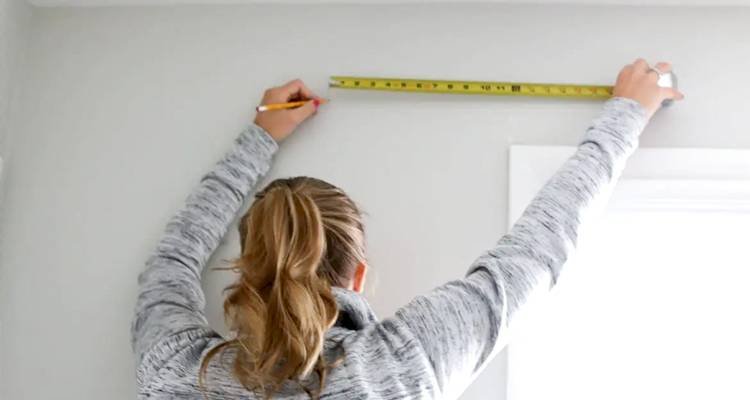
Fitting curtains is a popular task, and it can be tempting to try it yourself to save on the labour cost. While a simple job might seem straightforward, it's a task where mistakes can be costly or unsightly.
The main challenge isn't just getting the pole level, or the track secure. It's what to do when you run into a problem. Many DIYers are stopped by hitting a concrete or steel lintel (RSJ) above the window, which requires a heavy-duty SDS drill and specialist drill bits.
Drilling into modern plasterboard walls without the correct heavy-duty fixings is a common reason for a curtain pole to be pulled from the wall, leaving you with a bigger repair job.
Hiring a professional ensures peace of mind. They have the tools and experience to identify the wall type, use the correct fixings, and handle any unexpected challenges. They should leave you with a level, secure installation that can safely hold the weight of your new curtains for years to come.
Checklist: Hiring a Curtain Fitter
To find an experienced fitter and ensure you get a high-quality, level installation, we recommend following these steps:
- Get at least 2-3 quotes in writing to compare prices. You can get free quotes from local curtain fitters right here on MyJobQuote.
- Check their experience. Before hiring, review their MyJobQuote profile to see photos of past work and read verified reviews from recent customers.
- Confirm if they charge a minimum call-out fee or an hourly rate, and if that rate includes VAT.
- If you have a bay window, ask specifically if they have experience fitting angled poles or bendable tracks, as this is a specialist job.
- Ask for confirmation of their public liability insurance, which protects you in case of any accidental damage to your property.
- Agree on a payment schedule. Never pay the full amount upfront before the work is completed to your satisfaction.
FAQs
Can I Fit Curtains Without Drilling?
Yes, using any of the following:
- Use temporary command hooks.
- Use tension rods.
- Make a fake Roman blind.
- Buy twist and fit curtain rods.
Can Curtains Be Adjusted After Installation?
Yes, most curtains can be adjusted after hanging. You can redraw pleats, reposition hooks, or shorten/lengthen the curtain panels slightly to achieve the perfect fit or appearance.
How Long Does It Take to Install Curtain Rods?
Instant installation rods are available off the shelf and are easy to install. More specialised hardware could take as long as 30 to 45 minutes per window.
Can I Reuse My Old Curtain Poles or Tracks?
Yes, you can often reuse poles or tracks if they are in good condition and fit your new curtains. Make sure the brackets are secure and check for wear or bends. Heavy curtains may require additional support even if the old pole is reused.
Do I Need Planning Permission to Hang Curtains?
No, you do not need planning permission to hang curtains or blinds. The only exception would be if your property is a listed building, as you may need listed building consent (which is separate from planning permission) before drilling or making alterations to original features.
Do Dry Cleaners Clean Curtains?
Yes. Some curtains have a label saying dry clean only, so not doing so will be at your own risk. Some fabrics may bleed and fade if they aren't properly dry-cleaned. Others may shrink or pill on the surface. Follow the directions on the curtain care label.