Builders
 Carpenters
 Electricians
 Flooring Specialists
 Gardeners
 Handymen
 Heating Engineers
 Painters & Decorators
 Plasterers & Renderers
 Plumbers
 Roofers
 Tilers
 my
myPainting a Garage Door Cost
At a Glance
- The average cost to paint a garage door is £350.
- Most jobs take 1 to 2 days to complete.
- Garage door painting costs in 2026 by door size, material, and application method.
- What factors impact the price you're quoted.
- How long the job takes and what's typically involved.
- How to find and hire a local painter and decorator using MyJobQuote.
Get free estimates
Are you a trade? Get more work today!
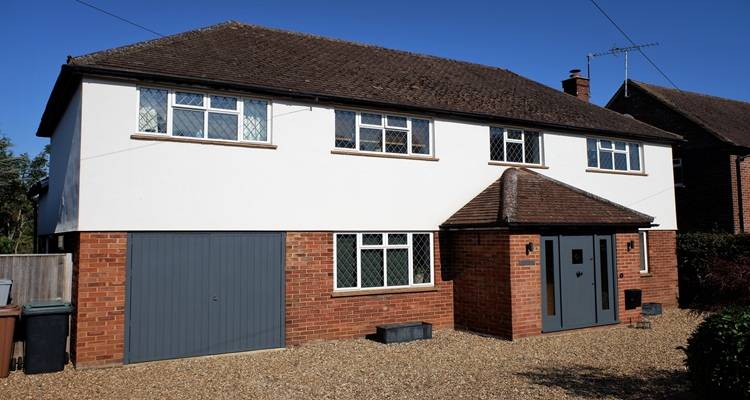
An incredibly popular home improvement project in the UK for homeowners who are looking to refresh the exterior of their home is painting their garage door, particularly as it doesn't require any major structural work.
A garage door takes up quite a significant section of the front of a home, meaning it has quite a big impact on its kerb appeal.
Over time, the exposure to rain, ultraviolet (UV) rays, and frost can have quite a detrimental impact on a garage door, causing the paint on it to crack, peel, and fade, which makes an otherwise well-maintained home look a little tired and in need of some attention. With this in mind, a professionally painted garage door can revitalise the look of a home's exterior, along with protecting the material of the door.
From a cost standpoint, painting a garage door is much more affordable than garage door replacement, and that makes it a very attractive option for homeowners.
Typically, garage doors are made from timber, metal, or uPVC, and each of these materials needs different considerations in terms of the types of paint and the preparation methods before application. These differences play a major role in determining how much a homeowner can expect to pay when hiring a tradesperson.
£350
Table of Contents
- How Much Is Painting a Garage Door?
- Garage Door Painting Supply Costs
- Additional Costs
- Labour Costs and Timescales
- Cost Factors for Painting a Garage Door
- Building Regulations Related to Painting a Garage Door
- Types of Garage Door Paint
- Alternative Types of Garage Door Finishes
- Hiring Contractors Checklist for Painting a Garage Door
- Removing Existing Garage Door Paint: Considerations and Costs
- Common Mistakes
- FAQs
How Much Is Painting a Garage Door?
The cost of painting a garage door in the UK varies quite greatly, depending on several different factors, but overall, homeowners should expect to pay between £250 to £600.
Smaller garage doors will generally cost less to paint than larger ones, and the choice of paint brand can add up to £100 to the overall price.
What material is your garage door?
Metal
27 votes - 79%79% of votes
Wood
7 votes - 21%21% of votes
uPVC
0 votes - 0%0% of votes

34 votes
See results
Hide results
Of course, the tradesperson will assess the size of the garage door, the material it's made from, and the existing condition of the door before providing an accurate quote. If you have a well-maintained garage door that simply needs a lick of paint, you will pay significantly less than one that requires a lot of preparation work before an application.
Another important thing to consider is the location of your home. Labour rates in the South East and London are often higher than elsewhere in the UK, with there being a higher density of people and a higher cost of living.
As always, homeowners are encouraged to obtain a few quotes from different tradespeople before hiring someone for the job, as you should always look for the best value.
Garage Door Painting Prices
The cost for garage door painting depends on a combination of the size of the door, its condition, and the method used to apply the paint. The table below gives an estimate of how much you're likely to pay for different scenarios.
| Garage Door Painting Scenario | Estimated UK Cost |
|---|---|
| Single garage door with minimal preparation using a brush or roller | £250–£350 |
| Single garage door requiring full preparation and multiple coats | £350–£450 |
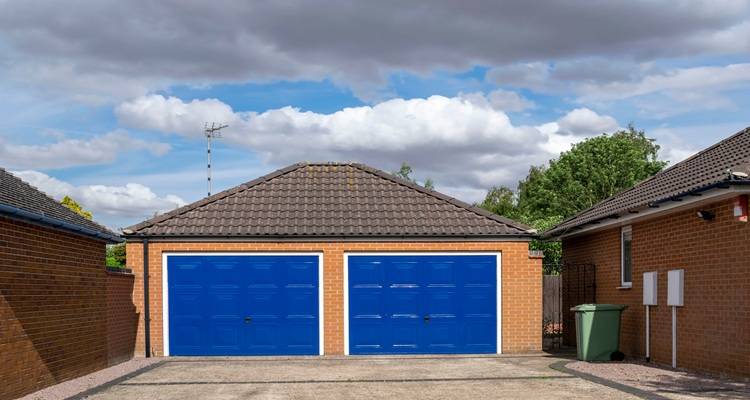
| Double garage door with minimal preparation | £350–£500 |
| Double garage door requiring full preparation and priming | £450–£650 |
| Professional spray painting for a single garage door | £300–£450 |
| Professional spray painting for a double garage door | £400–£600 |
Want a custom price?
Post your job
These prices will usually account for both labour and materials, although the use of specialist or premium paints will drive the cost up. Of course, for a more accurate estimate, you can use MyJobQuote to connect with local professionals who can give you a more accurate price on your home's garage door.
Garage Door Painting Supply Costs
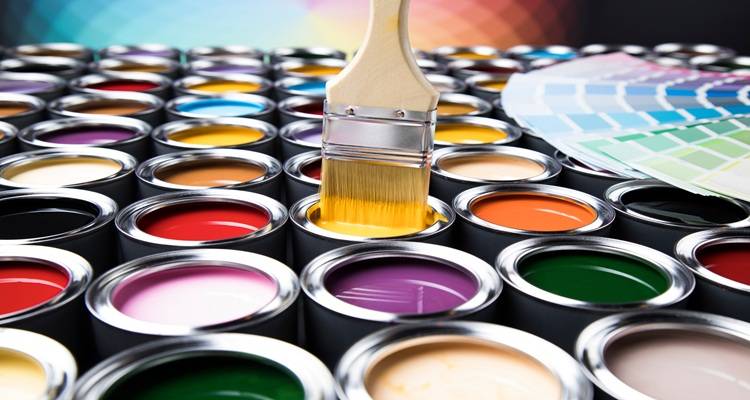
Considering the cost of materials only, this can vary depending on the type of paint you opt for and its quality. Exterior paint should always be used as it is the only option that will provide protection from the weather conditions, and as such, costs more than typical interior paint.
Some specialist paints that are suitable for metal or plastic surfaces will be slightly higher than exterior wood paint, and you should also factor in that all surfaces will need the application of a primer first for durability and proper adhesion to the door.
There will be some other preparation materials, such as sandpaper, cleaning solutions, masking tape, and protective sheets, which will also contribute to supply costs.
These individual items may seem inexpensive, but they can add up, particularly if the door requires a lot of preparation work. Professional decorators will usually include supply costs within their quoted price, but if you are supplying materials yourself, you should expect to spend more if choosing premium or branded products.
Additional Costs
There are not many additional costs to be concerned about when it comes to painting a garage door. However, there are a few potential costs to bear in mind.
Of course, surface preparation is one, if this isn't included in the quote. If the door has rust, is flaking, or has been left unmaintained for a while, the preparation work will be quite intensive. There may also be the requirement for some waste disposal if old paint and debris need to be removed from the site.
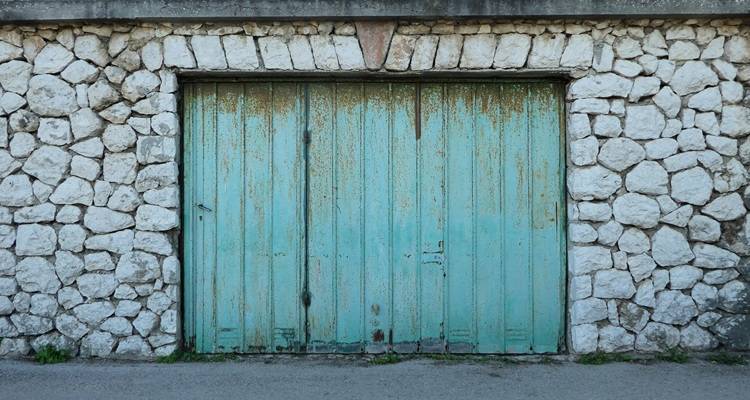
Most of the time, this can just be sorted into your home's refuse bins, but for larger jobs, you may want to organise some waste disposal.
Labour Costs and Timescales
Labour makes up a very significant portion of the overall cost to paint a garage door, and most professionals will charge by the job or by the hour/day. The typical ranges for a day's labour will be between £150 and £250, depending on the location and experience level of the tradesperson.
A single garage door with an average amount of preparation work will be completed in around one day, with larger double doors, or doors with more intensive preparation work, taking closer to two full days.
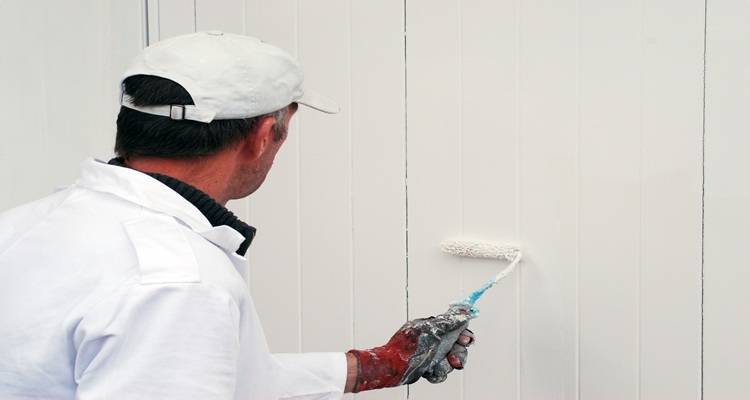
The condition of the door is the main impacting factor. There will be sanding, cleaning, and repairing of damaged areas, and only once all of that is complete can the primer go on. With this in mind, the preparation stage is vital. Another key consideration is the method of application.
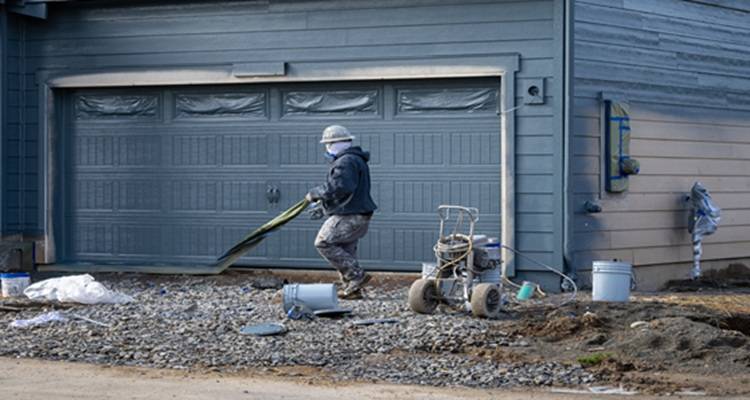
Spray painting is by far the quickest method, but it does involve more preparation time with things like sheets and masking tape. A traditional brush or roller method will take longer, but requires less setup work.
Again, the best course of action is to obtain a number of quotes and compare them for price and value, being careful not to select the cheapest option, but the most cost-effective, with the experience of the tradesperson considered.
Cost Factors for Painting a Garage Door
There are several different factors that influence the overall cost of painting a garage door:
- Material — metal doors need rust-resistant primer, wooden doors need breathable paint, and uPVC doors need a dedicated primer for adhesion.
- Size — larger garage doors take more time to paint and use more material, driving up the overall cost.
- Accessibility — a door that's obstructed by a wall, hedge, or awkward positioning can add to labour time.
- Condition — the state of the existing paintwork determines how much preparation work is needed.
- Application method — spraying, brushing, and rolling each affect timing and material costs differently.
Building Regulations Related to Painting a Garage Door
In the majority of cases, the painting of a garage door will not require any planning permission or consideration of building regulations. However, there are some exceptions to this that homeowners should make themselves aware of.
If you live in a listed building or within a conservation area, there may well be restrictions on the changes that you can make to your home, whether this be style or colour. Additionally, for homes that are flats or apartments with access to a garage, you should check that this isn't a communal item and that you have full rights to paint it.
As always, if there is any uncertainty about your rights to anything listed here, you should contact your local authority or property management company before proceeding. Failing to comply with local restrictions could result in enforcement action or the need to reverse the work.
Ask a Trade
Got a question that only a tradesperson can answer? We have thousands of trades ready to answer any question you may have.
Ask your question

Types of Garage Door Paint
The type of paint you use for a garage door will depend on the material and the desired finish:
- Metal — needs a rust-resistant primer followed by a durable exterior paint that can withstand weather and temperature changes.
- Wood — needs a breathable paint that won't lock in moisture, helping to protect the timber from mould and warping.
- uPVC — needs a uPVC primer so the exterior paint adheres properly and gives the desired finish.
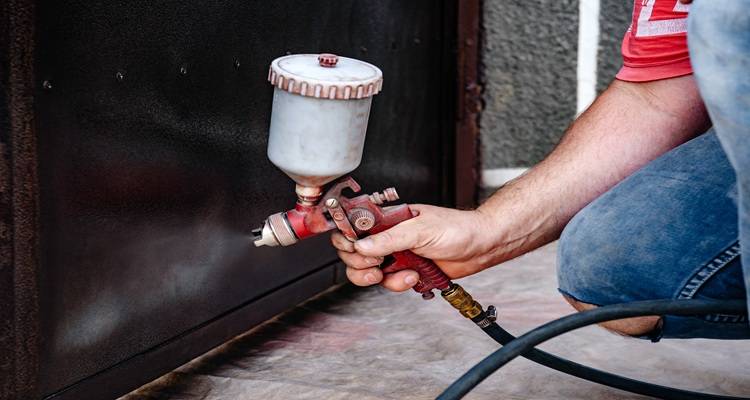
- Spray paint — often used by professionals for a smooth, factory-like finish. It costs more than traditional methods, but can improve durability.
Alternative Types of Garage Door Finishes
There are a few alternatives to painting a garage door. For example, some homeowners look to apply vinyl wrapping, offering a very low-maintenance and durable solution, with a wide range of colour and design options. Powder coating is another alternative avenue to explore, which, again, is incredibly hard-wearing, while expensive, and finishes well.

Decorative cladding and full panel replacements are further options available to you if you're looking for a more dramatic transformation. Generally, all of these options are both more expensive than painting a garage door and a little more complex, but they do tend to offer greater durability.
Wood Garage Door Considerations
A wood garage door can add a touch of timeless elegance to your home, but painting it does require a bit of preparation beforehand. Before you pick up a brush, take a close look at the door for any signs of rot, cracks, or holes.
You'll want to get any defects sorted out with some quality wood filler and a good sanding job to smooth and even the surface. If you don't put in the prep work, the paint is just going to chip and peel off in no time.
When it comes to choosing a paint for your wood door, look for something that's a proper breathable exterior variety. This type of paint lets moisture out rather than trapping it, preventing problems like warping or peeling. Don't forget to slap on a primer first. This will really help the paint stick to the wood and keep it from fading too quickly.
It's also super important to pay extra attention to the edges and joints on your garage door, as these are the areas that are most prone to getting water in them. By taking the time to prep and protect your wood garage door, you'll not only give it a spruce-up but also make it last longer and keep it looking great for years to come.
Hiring Contractors Checklist for Painting a Garage Door
When hiring a professional to paint your garage door, there are a few things to check with them first to ensure that you are selecting a reliable tradesperson.
First of all, take the time to obtain a number of quotes so you can compare the costs with what is being provided in the project. From here, you should cross-reference the quotes with everything from online feedback and reviews, along with references and a portfolio of previous jobs. This will offer you some idea of what the outcome will likely look like in your home.
When you think you know who you would like to hire, first ask them about the types and brands of paint they plan on using, and what the finished result is expected to look like. You should also double-check that they have the correct insurance to work on your property, and what guarantees they can offer on their work.
Removing Existing Garage Door Paint: Considerations and Costs
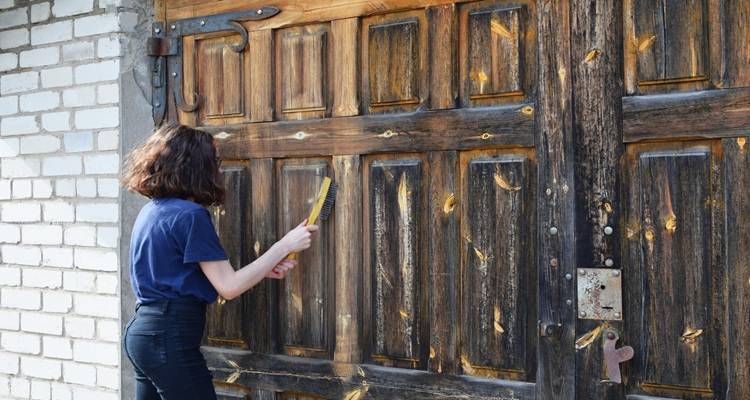
In certain situations, there may be a requirement to completely strip the garage door of paint before repainting. This will likely be down to excessive flaking or being completely incompatible with the new coating. The methods used to remove the paint will include sanding and, in some cases, chemical stripping, both of which will require time and some materials.
Some older properties may have lead-based paint, which poses quite a serious health risk, and as such, must only be handled by a professional with the correct personal protective equipment (PPE). Removing old paint can significantly increase both the cost and the length of the project, so you should factor this into your budget and discuss options with your chosen contractor.
Common Mistakes
Painting a garage door might sound like an easy job, but there are a lot of blunders you can trip up on and end up with a finish that's less than what you were hoping for. One of the key mistakes people make is not taking the time to get things right from the start. If you don't clean, sand, and repair the surface properly, you can expect the paint to start peeling off prematurely.
Do yourself a favour and scrape off any grime or old paint, fill in the cracks with whatever filler is right for the job, and sand it smooth before putting on some primer and paint.
Another mistake that's easy to make is grabbing hold of the wrong paint or primer for the job, which is especially true when it comes to your garage door's material. For example, metal doors need a good, rust-resistant primer, or they'll be flaking off in no time, and wood doors need a breathable exterior paint that doesn't trap moisture.
Painting on a rainy day or in humid conditions is pretty much a guaranteed way to end up with paint that doesn't stick right and a finish that's got unsightly drips and brush marks all over it.
Rushing the job by just slapping on one coat and not waiting long enough in between coats is another way to end up with a finish that's nowhere near as good as it could have been.
To get that professional finish that lasts, make sure you follow the recommended steps:
- Get the prep right.
- Use the right primer.
- Put on two coats of the good stuff.
- Pay attention to the little details.
FAQs
How Long Does It Take to Paint a Garage Door?
The painting of a garage door will typically take between 1 and 2 days, depending on the size of the door and the amount of preparation work that is required before painting can be completed.
Can I Paint a Garage Door Myself, or Should I Hire a Professional?
Painting a garage door as a DIY project is certainly an option, but you should be mindful that the outcome is unlikely to compare to that of a professional. Tradespeople tend to have access to more specialist equipment and have more experience, leading to a much higher quality finish.
What Type of Paint Should Be Used for a Metal/Wood/uPVC Garage Door?
The type of paint used on a garage door differs from material to material. A metal door will require a rust-resistant paint, while wood will require a breathable paint, and a uPVC door will require a specialist paint for full adhesion.
How Long Does Garage Door Paint Last?
A garage door that has been professionally painted will last somewhere between 5 and 10 years, depending on how exposed it is to the elements.
Do I Need to Sand the Door Before Painting?
It is generally recommended to sand fully before painting a garage door, as this will help with both the paint adhesion and to achieve that smooth and durable finish.