Builders
 Carpenters
 Electricians
 Flooring Specialists
 Gardeners
 Handymen
 Heating Engineers
 Painters & Decorators
 Plasterers & Renderers
 Plumbers
 Roofers
 Tilers
 my
myRoof Lantern Cost
At a Glance
- The average roof lantern costs around £2,250 to install in 2026.
- The type of job will typically take 2 to 3 days to complete.
- Roof lantern installation costs in 2026 by size, shape, and material.
- How long it usually takes to install a roof lantern and what's involved.
- How to use MyJobQuote to find a local roof lantern fitter.
Get free estimates
Are you a trade? Get more work today!
Looking to find out how much installing a roof lantern costs?
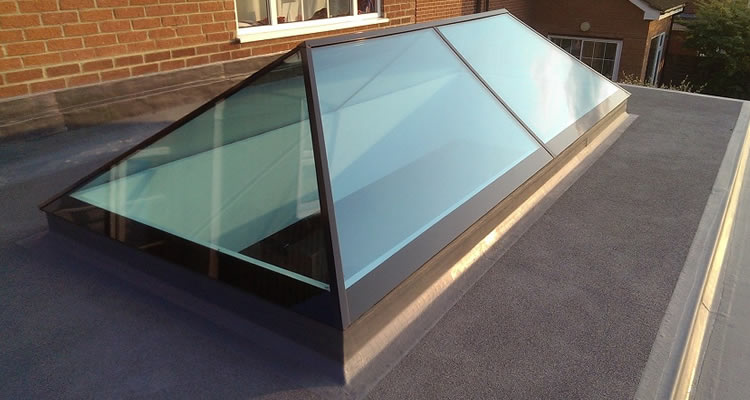
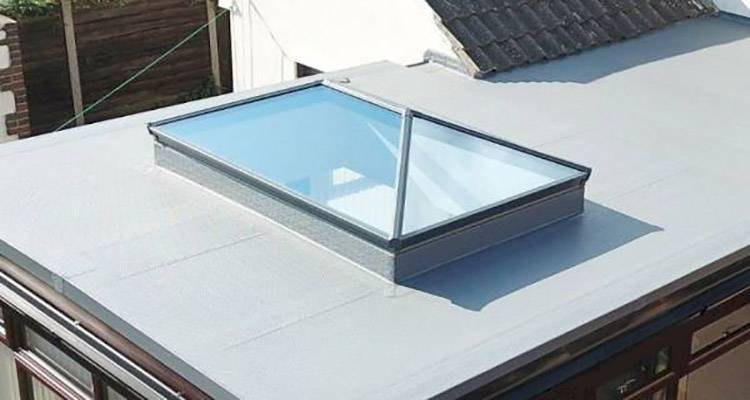
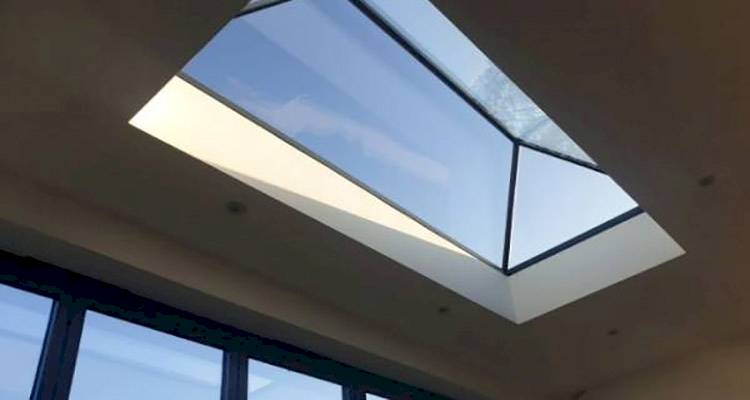
Roof lanterns, sometimes referred to as skylights, are glass-covered openings in the roof. These stylish features are popular with homeowners as they are a great way of letting natural light into a space.
Roof lanterns come in a variety of different shapes and styles, and they can often be fitted to any shape or size of the roof.
Our detailed cost guide includes supply-only costs for different types of roof lanterns, the cost of roof lantern installation, as well as additional costs, all up to date for 2026.
Check out our full guide below.
£2,250
Table of Contents
- How Much Does a Roof Lantern Cost?
- How Much Does Roof Lantern Installation Cost?
- Factors That Impact Roof Lantern Costs
- Additional Roof Lantern Installation Costs
- What's Involved in Installing a Roof Lantern?
- Choosing a Roof Lantern
- Roof Lantern Shapes
- Roof Lantern Styles
- Frame Materials for Roof Lanterns
- Benefits of Installing a Roof Lantern
- Checklist: Hiring a Local Roof Lantern Installer
- FAQs
How Much Does a Roof Lantern Cost?
The average cost for installing a roof lantern in the UK is around £2,250, but installation costs vary widely, with the biggest factors determining the price being the size of the roof lantern and the material it is made from.
Which material are you considering for your roof lantern?
uPVC
5 votes - 45%45% of votes
Aluminium
4 votes - 36%36% of votes
Timber
2 votes - 18%18% of votes

11 votes
See results
Hide results
You can get a small roof lantern made from uPVC fitted for between £1,000 and £1,700. A more popular choice of material is aluminium. This is because it is not the most expensive option, but it does provide good quality and can be made using thinner struts to support the glass.
A small aluminium roof lantern will cost £1,300 to £1,600. A mid-sized aluminium roof lantern will cost £1,900 to £2,300.
The most expensive options are timber-framed roof lanterns. They all have to be custom-made, which is why the cost is much higher. A small timber-framed roof lantern will cost £2,400 to £3,000.
Can you get roof lanterns that have openable windows? If so, how easy are they to open and close?
"Yes, there are roof lanterns that open in all different varieties, from electronic or manual, depending on your budget and style of roof."
Roof Lantern Installation Prices
How much your roof lantern installation costs depends mainly on the size and material you choose.
Bigger or more complex designs could increase these costs significantly, but larger roof lanterns will have the added benefit of letting much more natural light into your space.
The table below shows typical prices for small and average-sized units (supply and fit).
| Material | Typical Size | Installed Cost |
|---|---|---|
| uPVC | Small (850mm x 850mm) | £1,100–£1,500 |
| uPVC | Medium (1,500mm x 2,000mm) | £1,800–£2,000 |
| Aluminium | Small (850mm x 850mm) | £1,300–£1,600 |
| Aluminium | Medium (1,500mm x 2,000mm) | £1,900–£2,300 |
| Aluminium | Large (1,500mm+ custom) | £2,500–£3,800 |
| Timber | Medium (1,500mm x 2,000mm) | £3,200–£4,200 |
Want a custom price?
Post your job
How Much Does Roof Lantern Installation Cost?
The labour costs for fitting a roof lantern will vary depending on the size of your window and the type of fitters you hire.
Here's what you need to know:
- If you have a very large window, such as 3,000mm x 5,000mm and above, a bigger team will be needed to install it safely, increasing your daily cost.
- For a mid-sized roof lantern, such as 1,500mm x 2,000mm, a team of two should be sufficient. In this case, you can expect to pay around £325 per day.
- The whole process should take 2 to 3 days. This means your total labour costs will be in the range of £650 to £975.
Ask a Trade
Got a question that only a tradesperson can answer? We have thousands of trades ready to answer any question you may have.
Ask your question

Factors That Impact Roof Lantern Costs
Roof lantern prices vary depending on a few factors:
Size Of Roof Lantern
The size you choose will be the biggest factor in your lantern roof cost.
Put simply, the larger the roof lantern, the higher the supply and labour costs.
Type of Roof Lantern
The shape of the roof lantern will also impact the cost. The more complicated the shape, the higher the price.
However, this effect is relatively small compared to the size of the roof lantern.
The bigger price change comes from the material you choose for the frame. uPVC is the cheapest option, aluminium is the middling option, while the most expensive by far is timber.
Location Of The Property
If your property is hard to access, or it is not easy to get material to the location of the roof lantern, the job will take longer. This will have an impact on your labour costs.
You should also expect to pay a premium for labour if you live in London or the south east of the UK.
Type of Glass
The glass you choose for your window can also affect the cost. There are quite a few options to choose from, but they will mostly depend on which brand of roof lantern you decide to use.
Let's take a look at a few of the options:
Glazing Type
If you choose double or triple-glazed glass, this will cost around 2 to 3 times the cost of single-glazed glass.
Tinted Glass
You can get clear or tinted glass for your roof lanterns. Some manufacturers charge the same for both types, while others charge a small extra fee for the tinted options.
Toughened Glass
If trees overhang your roof lantern, or you have windows above, you may want to pay extra for toughened glass. These panes are more resistant to damage.
Self-Cleaning Glass
You can get glass that encourages the water to run off in sheets rather than collect in droplets, which helps to clean the glass, and reduces the maintenance needed. This option will, however, attract a higher supply cost.
My roof lantern has a pane that has dropped and is letting water in. How can it be fixed?
"If it is uPVC or aluminium it will be glazed from outside. You should remove the cappings from outside and then you should be able to reposition the seal unit. It may have sticky tape on it which will need to be replaced, then replace the capping."
Low U-Value Glass
The U-value is a measure of how efficient your roof lantern is at trapping heat in your home.
The lower the U-value, the more effective, and the warmer your home will be. There will be a slight increase in the price of more efficient glass.
Ready to get a quote?
Join more than 1 million people across the UK who use MyJobQuote every year to find local tradespeople!
Submit a few details about what you're after and roofing companies near you will reach out to give you a free, no obligation quote for a roof lantern installation.
Additional Roof Lantern Installation Costs
Most quotes for a straightforward roof lantern installation will cover labour and materials, but there are a few extra costs worth budgeting for. Always ask for an itemised quote before work begins.
Scaffolding
You will probably need to have scaffolding installed for most roof lantern installations, especially for installations on two-storey properties or where a large roof lantern is being installed.
Depending on the height and how long it's required, you could expect to pay between £500 and £1,500 for your scaffolding hire.
Roof Modification
If you're having a roof lantern installed in an existing roof, this is going to require some modifications to be made to accommodate the new skylight. This could include reinforcing the area, as well as making space for the lantern.
Significant structural work can have a big impact on the cost of your project, so depending on what's required, you could expect the modifications to add £500 to £2,000 to the project costs.
Automatic Window Openers
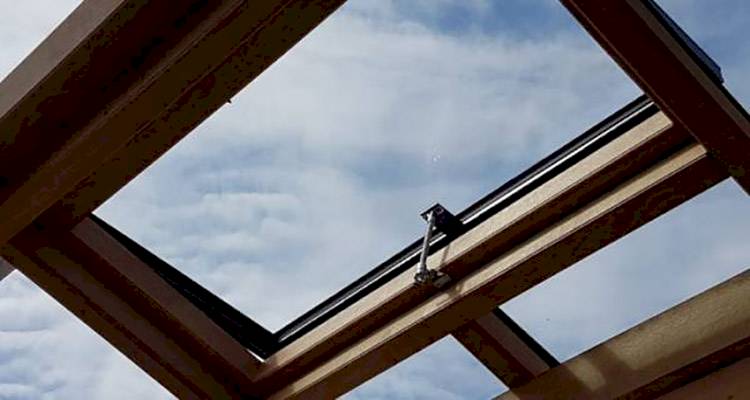
If your roof lantern opens, this can be operated manually, but automatic openers are a much more convenient way to control the ventilation from your skylight, especially if you have high ceilings or your roof lantern is not easily accessible.
There are different types of opening systems available, with wired and wireless options, and depending on which one you go for you could expect to pay around £265 to £320 per window.
Trickle Vents
With building regulation requirements for ventilation within properties, trickle vents are a great way to provide a gentle, but steady flow of fresh air, which helps reduce condensation and maintain good air quality.
Having trickle vents installed is relatively inexpensive and should cost around £40 per vent.
What's Involved in Installing a Roof Lantern?
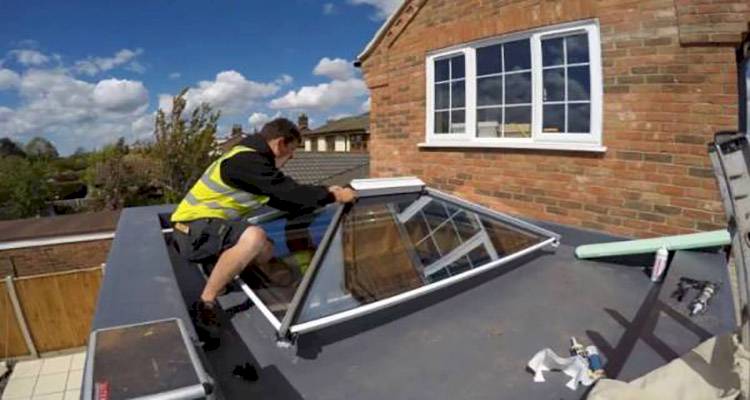
Installing a roof lantern involves cutting into your roof structure, reinforcing it, and achieving a precise weathertight seal. A poorly fitted roof lantern can cause significant water damage and structural issues.
Let's take a look at the typical process of getting a roof lantern installed:
Before the Job
- Roof is Assessed — Your installer will inspect the roof structure to confirm it can support the new lantern and identify whether any reinforcement or modification is needed before work begins.
- Scaffolding is Erected — Scaffolding is typically put up at this stage, particularly for two-storey properties or larger roof lanterns.
- Area is Protected — The room below is sealed off to contain dust and debris during the installation.
During the Job
- Opening is Cut — A hole is made in the roof and the surrounding structure is reinforced, with new timber spanning either side of the opening to maintain the integrity of the roof.
- Upstand is Built — A raised ledge is constructed using materials that match the existing roof, providing the base on which the lantern frame will sit.
- Frame is Sealed Into Place — The lantern frame is positioned onto the upstand and sealed with silicone to create a weathertight finish.
- Glass Panels are Fitted — The glazing bars are constructed and the glass panels are fitted into position, with the method varying depending on the brand of roof lantern chosen.
- External Caps are Applied — Caps are fitted over the frame to fully seal the installation and make it weatherproof.
After the Job
- Installation is Checked — Your installer will carry out a weatherproofing check to confirm the lantern is correctly sealed and there are no gaps or leaks.
- Site is Cleared — All waste materials and scaffolding are removed from site.
- Certificate is Issued — If your installer is FENSA-registered, you'll receive a FENSA certificate confirming the installation meets building regulations. This may be required when you sell your home.
Choosing a Roof Lantern
Roof lanterns come in a wide variety of shapes, sizes, and styles, though your options may be limited by the space you're working with. Traditional designs are Victorian in appearance (taller and more architectural, made from several panes of glass), while modern designs are sleeker, with a subtle profile.
On a structured lantern you'll see the glazing bars, the wood or metal pieces that support the glass and are designed to be both attractive and functional. You can choose glass that lies flat to the roofline, like a Velux window, or one that stands above it, and lanterns can be fitted to both flat and pitched roofs.
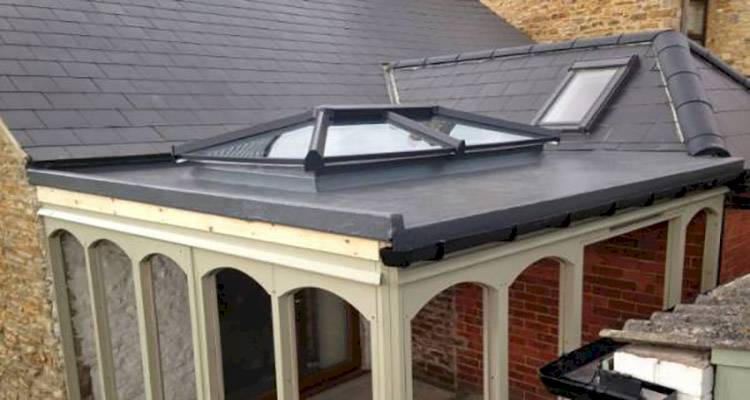
Let's take a closer look at some of the most common roof lantern options:
The table below summarises which shape tends to suit which space, and the materials most commonly used for each.
| Shape | Best Suited To | Common Materials |
|---|---|---|
| Square | Small bathrooms / compact kitchens, central placement |
uPVC, aluminium |
| Rectangular | Kitchen extensions / open-plan spaces, hallways |
uPVC, aluminium, timber |
| Octagonal / polyhedral | Feature lanterns, larger extensions |
Aluminium |
Want a custom price?
Post your job
Roof Lantern Shapes
The shape you choose will depend on the space you have.
Rectangle Roof Lantern Cost
These are based on the traditional Victorian shape. They are long and thin and are often placed over hallways.
They work well in open-plan spaces and can be used to define the flow of a space.
The price for a medium-sized, uPVC rectangular roof lantern starts at £1,750.
Square Roof Lantern Cost
Typically, square roof lanterns are placed in the centre of a space. They are modern in appearance and are designed to be symmetrical.
They can be used in smaller spaces or to highlight points within a larger room.
The price for a small, uPVC square roof lantern starts at £1,000.
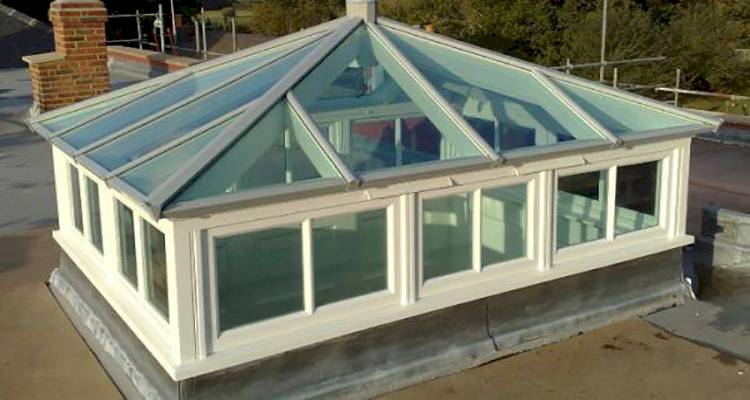
Polyhedral Roof Lantern Cost
These many-sided roof lanterns, ranging from octagonal (eight sides) to hexadecagonal (sixteen sides), give a space a feeling of grandeur. They feel a little like a tower or turret made from glass, and work well in circular or unusually shaped spaces.
The price for a medium-sized, aluminium polyhedral roof lantern starts at £2,250.
Roof Lantern Styles
You can make some choices that are more about the style and finished look of your roof lantern. You can make these style choices with any shape roof lantern.
Cupola Roof Lantern Cost
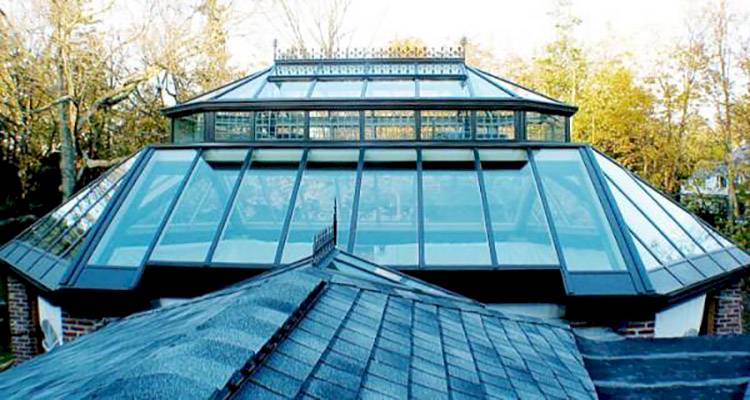
A cupola is a secondary structure on top of a roof lantern. It makes the lantern stand higher above the rest of the roof.
These are often used on larger homes to make the roof lantern look more proportional from the outside. The cost of a cupola will depend on what sort of roof lantern you get and the material it is made from.
They are custom-made, so prices can vary.
Double/Triple Roof Lantern Cost
Multiple lanterns can be used to divide up a space or provide a larger glass area. They can be directly one after the other or separated by part of the original roof.
There is no extra cost for having a double/triple lantern. It is just the cost and installation for all the lanterns you choose.
Finial Roof Lantern Cost
A finial is a shaped piece that sits at the apex of your lantern. The most popular option is a round ball shape. More minimal designs may look better with no finial at all.
The average cost of a finial is around £35.
Frame Materials for Roof Lanterns
The material you choose for the frame will greatly impact your roof lantern. The frame is the most visible part of a roof lantern so it will determine the final look.
The choice of frame material can also have a large impact on the cost of your roof lantern.
uPVC Roof Lantern Cost
This is the lower-cost option. They have been around for a while and are easy to find. There are many options, and you can even get fake woodgrain finishes.
Prices for a small, uPVC roof lantern start from £1,000.
Pros
- ✔ Lots of colour choice.
- ✔ Cheaper than other roof lantern materials.
Cons
- ✖ Can expand in the heat.
- ✖ The weakest option, needing wider struts.
Aluminium Roof Lantern Cost
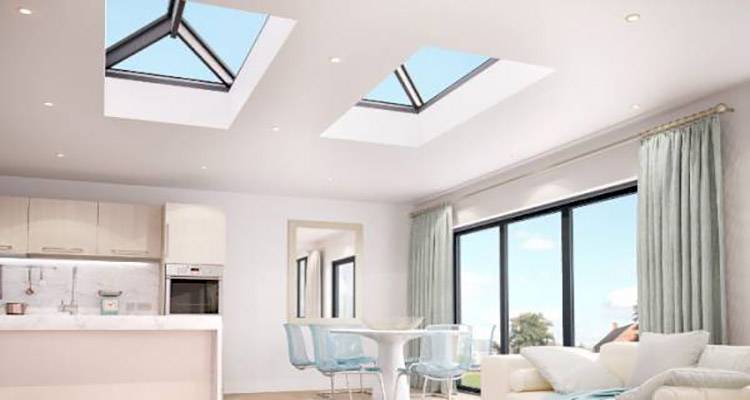
Aluminium is a more modern, higher-end option. However, it is useful for creating a modern, minimal look. The strength of aluminium means that it can support larger panes of glass.
Prices for a small, aluminium roof lantern start from £1,300.
Pros
- ✔ Strong and durable.
- ✔ Can use thinner rafters and support large panes.
Cons
- ✖ Shorter lifespan than uPVC.
- ✖ More expensive than uPVC.
Timber Roof Lantern Cost
This is the most expensive and time-consuming option. The frame has to be custom-built. The final look is very traditional and is timeless.
Prices for a small, timber-framed roof lantern start from £2,400.
Pros
- ✔ Traditional look
- ✔ High-quality craftsmanship
Cons
- ✖ Most expensive option.
- ✖ Requires regular maintenance.
Benefits of Installing a Roof Lantern
Roof lanterns are a popular choice for good reason. Here are the main advantages they offer.
- Increases natural light — A roof lantern lets light flood into the room all day, which can make a dramatic difference in spaces with few or no windows — up to 3 times more light than a standard vertical window.
- Reduced energy costs — With more natural light during daylight hours, you'll rely less on artificial lighting. Roof lanterns also offer strong thermal performance, which can help reduce heating bills in winter.
- Makes rooms feel larger — The additional light and views of the sky create a more open atmosphere, making a space feel bigger than it actually is.
- Brings the outside in — Whether it's sunlight during the day or stars at night, a roof lantern creates a visual connection with the outdoors that's hard to replicate with standard windows.
- Increased home value — Roof lanterns are an attractive architectural feature associated with premium homes. Properties with roof lanterns can achieve higher sale prices and spend less time on the market.
- Low maintenance — Most roof lanterns are designed with self-cleaning glass and weather-resistant seals, meaning they require very little upkeep and can outlast other parts of the roof.
What options other than a roof lantern or skylights do I have to make my kitchen extension really light and airy?
"Bifold doors & roof lanterns are a good mix, but it depends on what roof you have."
Checklist: Hiring a Local Roof Lantern Installer
Hiring the right installer is important, as a poorly fitted roof lantern can lead to leaks, structural issues, and costly repairs down the line.
Here are a few points to consider when searching for a local roof lantern specialist:
- Do they have experience with roof lanterns? Roof lantern installation is a specialist job. Look for a contractor who is familiar with the specific brand and type of lantern you want — you don't want them learning the process on your home.
- Are they FENSA registered? FENSA-registered installers can self-certify that your roof lantern meets building regulations, saving you the cost and effort of a separate local authority application. Always ask to see their registration before work begins.
- Do they provide written, itemised quotes? Always ask for a written quote that clearly breaks down the cost of the lantern, labour, scaffolding, and any additional work such as structural modifications or waste removal.
- Are they insured? Make sure your installer holds public liability insurance. This protects you in the event of accidental damage to your property during the installation.
- What are their reviews like? Check customer reviews and ask to be put in touch with previous clients where possible. This gives you a clearer picture of the quality of work and reliability you can expect.
- Will they provide a completion certificate? A reputable installer should provide relevant documentation on completion, such as a FENSA certificate. This may be required if you sell your home in the future.
FAQs
What Size Roof Lantern Do I Need?
The size of your roof will set the upper limit. Your lantern should sit just inside the outer edges. Bigger isn't always better, though. In some spaces, 2 or 3 smaller roof lanterns may let in more evenly distributed natural light than a single large one. The key factors are the space available and your desired aesthetic.
Are Roof Lanterns a Good Idea?
For most homeowners, yes. Roof lanterns are an effective way to flood a space with natural light, make rooms feel larger, and add an architectural feature that can increase the value of your property. They work particularly well in single-storey extensions, open-plan kitchen and living spaces, and rooms with limited wall space for conventional windows.
The main considerations are cost and maintenance. A quality roof lantern is a significant investment, and timber-framed options require more upkeep than aluminium or uPVC alternatives. That said, a well-installed roof lantern should last as long as the roof itself and require very little day-to-day attention.
Does a Roof Lantern Need Planning Permission?
In most cases, planning permission is not required, as roof lanterns typically fall under permitted development. This applies as long as the lantern sits no more than 150mm above the existing roof plane, does not exceed the highest point of the roof, and any side-facing windows are obscure-glazed and positioned over 1.7m above floor level.
If you live in a listed building or a conservation area, permitted development rights may not apply and you'll need to check with your local planning authority before proceeding. Planning applications typically cost around £200 to £250 to submit.
Do Roof Lanterns Need to Meet Building Regulations?
Yes. Your installation will need to comply with building regulations covering structural integrity, weatherproofing, ventilation, and energy efficiency. The roof lantern must not have a U-value above 1.6. An inspection will be required once the work is complete. If your installer is FENSA-registered, they can self-certify compliance on your behalf at no additional cost to you, which avoids the need to apply separately to your local authority (which would typically cost around £200 to £300).
What Is the Difference Between a Skylight and a Roof Lantern?
The terms are sometimes used interchangeably, but there is a practical difference. A skylight or rooflight typically sits flush with or close to the roofline, making it a more subtle option that is less visible from outside. A roof lantern sits raised above the roofline as a distinct architectural structure, allowing light in from multiple angles and creating more of a visual feature both inside and out.
Roof lanterns generally let in more light and create a greater sense of height and space, but they are also more expensive to supply and install than a flat rooflight of the same size.
How Long Does It Take to Fit a Roof Lantern?
For a standard roof lantern installation, you can expect the job to take 2 to 3 days. This includes cutting the opening, reinforcing the roof structure, building the upstand, fitting the frame, and glazing the lantern. Larger or more complex installations, such as octagonal lanterns or those requiring significant structural work, may take longer.
How Much More Light Does a Roof Lantern Let In?
Compared to a standard vertical window of the same size, a roof lantern lets in around 3 times more natural light. This is because overhead glazing captures light throughout the day as the sun moves across the sky, rather than only when it is directly in front of the window.
What Is the Best Position for a Roof Lantern?
Placing a roof lantern in the centre of a room tends to give the most balanced light distribution and the strongest visual impact. Other popular positions include above dining tables or kitchen islands. Consider the layout of your space and which features you'd like to highlight when making this decision.
How Much Does It Cost to Remove a Roof Lantern?
If you're replacing your existing roof lantern with a new one, removal is usually included in the installation quote, as the process of removing the old unit is similar to preparing the opening for a new one.
If you want to remove a roof lantern completely and reinstate the original roof structure, costs will depend on the size of the lantern and the type of roof. You can typically expect to pay £500 to £1,500 for removal and roof repair combined, though complex or larger openings will cost more.
Can I Install a Roof Lantern Myself?
While DIY kits are available for experienced tradespeople, roof lantern installation involves cutting into the roof structure, ensuring it remains structurally sound, and achieving a precise weathertight seal. A poorly fitted roof lantern can cause significant water damage. For most homeowners, hiring a professional roof lantern specialist is the safer and more cost-effective option in the long run.