Builders
 Carpenters
 Electricians
 Flooring Specialists
 Gardeners
 Handymen
 Heating Engineers
 Painters & Decorators
 Plasterers & Renderers
 Plumbers
 Roofers
 Tilers
 my
myCost of Retaining Wall
At a Glance
- Retaining wall installation typically costs between £200 and £450 per m², depending on the size, materials, and complexity of the project.
- Most retaining wall installations take around 2 to 3 days to complete, although larger structural walls can take longer.
- A breakdown of retaining wall installation costs by size and material.
- How long it takes to build a retaining wall.
- Additional costs of building a retaining wall.
- How to find and hire a local builder using MyJobQuote.
Get free estimates
Are you a trade? Get more work today!
Retaining walls in your garden stop soil erosion and hold back soil on sloping land so it doesn't collapse and slide down to the ground below. They also help you level out the soil and make better use of the available space.
Many homeowners install a retaining wall to support landscaping projects or improve garden usability. It can also help prevent damage to buildings or other structures caused by soil movement.
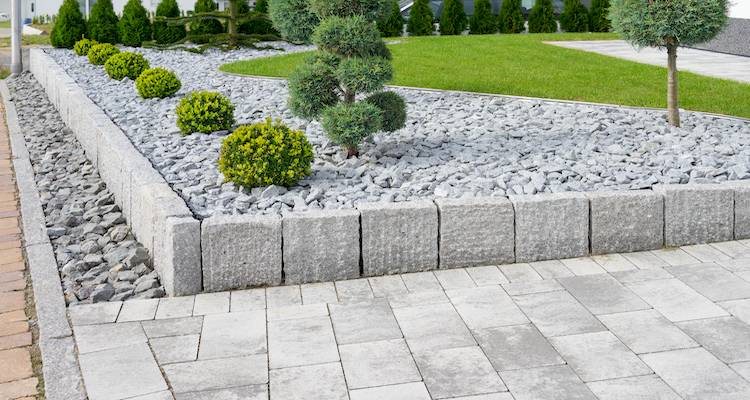
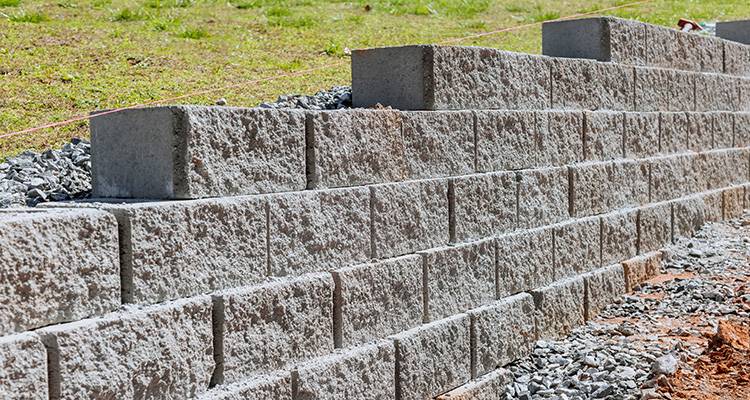
Retaining walls can be built using a variety of materials, including brick, concrete blocks, natural stone, timber, and reinforced concrete.
In this guide, we'll break down retaining wall costs and the factors that affect the overall price, as well as how long the work is likely to take and what to expect if you hire a professional.
£3,000
Table of Contents
- How Much Does a Retaining Wall Cost?
- How Much to Build a Retaining Wall? (Labour Only)
- Supply Cost of a Retaining Wall
- Additional Costs of Building a Retaining Wall
- What Impacts the Cost of Retaining Wall Installation?
- Building Regulations for Retaining Walls
- Types of Retaining Wall
- Cost of Alternative Types of Garden Wall
- Checklist: Hiring Contractors for Retaining Wall Installation in the UK
- Cost of Removing an Existing Retaining Wall
- FAQs
How Much Does a Retaining Wall Cost?
The cost to install a retaining wall in the UK is usually between £200 and £450 per square metre. Retaining wall specialists often charge on a per-square-metre basis rather than by the hour, because this gives a fixed price for the job and usually covers labour, materials and, in many cases, waste removal and disposal.
What material are you considering for your retaining wall?
Timber
3 votes - 8%8% of votes
Brick or masonry
18 votes - 45%45% of votes
Concrete blocks
16 votes - 40%40% of votes
Natural stone
3 votes - 8%8% of votes

40 votes
See results
Hide results
The total cost to build a retaining wall will depend mainly on the size of the wall and the materials used to build it.
If you'd like a more tailored estimate, try our retaining wall cost calculator.
Retaining Wall Prices
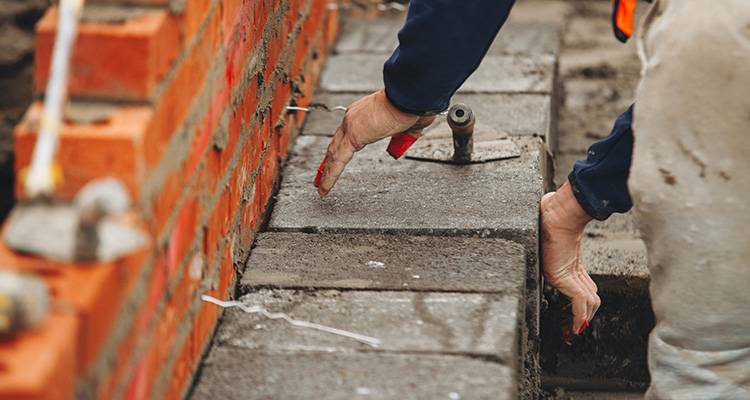
Below is a table showing typical retaining wall costs in the UK, according to the size of the wall:
| Size of Retaining Wall | Estimated Time Needed | Average Total Cost |
|---|---|---|
| Small garden wall (9m² to 18m²) | 1 to 2 days | £1,980–£7,650 |
| Medium retaining wall (18m² to 36m²) | 2 to 3 days | £3,960–£15,300 |
| Large structural retaining wall (54m² to 60m²) | 3 to 5 days | £11,880–£25,500 |
To compare the costs by material, a typical retaining wall size of 18m² to 36m² will cost the following, on average:
| Material | Estimated Time Needed | Average Total Cost |
|---|---|---|
| Timber retaining wall installation | 1 to 3 days | £3,960–£9,000 |
| Concrete block retaining wall installation | 2 to 4 days | £5,040–£13,680 |
| Natural stone retaining wall | 3 to 5 days | £6,300–£15,300 |
| Brick/masonry retaining wall | 3 to 4 days | £5,850–£14,400 |
Want a custom price?
Post your job
Calculate the Cost of a Retaining Wall
Looking for a better idea of the cost of your retaining wall project?
Try our retaining wall calculator.
With just a few details about your project we'll give you a better idea of how much you might need to budget.
Ready to start getting quotes?
How Much to Build a Retaining Wall? (Labour Only)
Labour costs and timescales for hiring professionals to build and install a retaining wall will depend on a number of factors, including the size of the wall, the materials used, the complexity of the design and the ground conditions.
Although your quote for building a retaining wall may be based on a square-metre rate, the installer will already have factored labour into that price. However, extra work involving other trades, such as gardeners, builders or groundworkers, will more than likely be charged separately at hourly rates.
Here are some average hourly rates for tradespeople you may need while having a retaining wall constructed. Expect to pay around 20% to 25% more if you live in London or the South East of England.
| Trade | Scope of Work | Average Hourly Rate |
|---|---|---|
| Retaining Wall Specialist | Construct a retaining wall | £30–£50 |
| Landscape Gardener | Landscape garden after retaining wall completion | £30–£60 |
| Gardener | Remove and dispose of garden waste | £20–£35 |
| Builder | Build paths and steps | £40–£50 |
| Electrician | Install outdoor lighting | £45–£55 |
| Groundworker | Prepare the ground for the construction of the retaining wall | £20–£40 |
Want a custom price?
Post your job
The typical timeframes for retaining wall construction are usually:
- 1 to 2 days for a small retaining wall.
- 2 to 3 days for a medium retaining wall.
- 3 to 5 days or longer for a large or structural retaining wall.
Supply Cost of a Retaining Wall
The supply costs for a retaining wall will depend on the size of the wall, the complexity of the job and whether you use concrete blocks, timber, bricks, or natural stone.
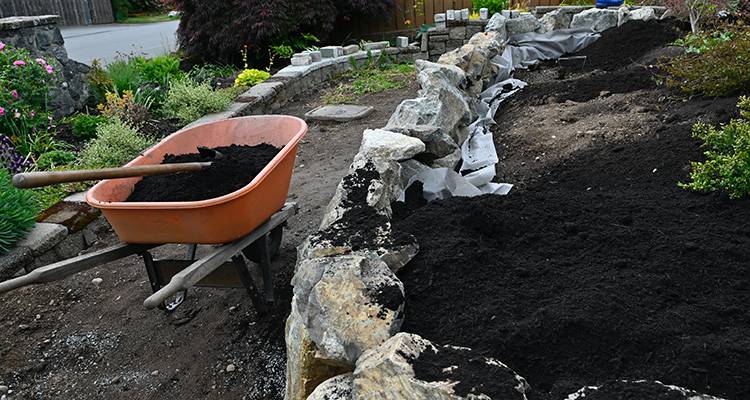
Here are the typical costs and quantities required of the most common materials used to build and install an average-sized retaining wall of around 27m²:
| Supply | Average Cost | Typical Cost for a 27m² Wall |
|---|---|---|
| Concrete retaining wall blocks | £50–£80 per m² | £1,350–£2,150 |
| Bricks | 80p–£2 per brick | £1,300–£3,250 |
| Natural stone | £100–£200 per m² | £2,700–£5,400 |
| Timber sleepers | £20–£40 each | £1,100–£2,700 |
| Foundation concrete | £100–£160 per m³ | £300–£960 |
| Rebar | £5–£15 per length | £100–£450 |
| Reinforcement mesh | £50–£125 per sheet | £150–£500 |
| Geotextile membrane | £1–£3 per m² | £30–£100 |
| Drainage pipe | £2–£5 per metre | £50–£150 |
| Gravel or aggregate backfill | £50–£100 per tonne | £150–£500 |
| Mortar or cement | £6–£10 per 25kg bag | £100–£300 |
| Coping stones or wall caps | £8–£16 each | £150–£400 |
Want a custom price?
Post your job
Obviously, you wouldn't need all of these materials for your retaining wall, as some are alternative construction materials, but the table gives you an idea of the costs based on what materials you do choose.
If you need a budget-friendly option, timber or concrete blocks are usually a good choice. If you want reinforced concrete or natural stone, you should expect to pay more.
Additional Costs of Building a Retaining Wall
It's important to remember that there may also be additional work involved that can increase the overall cost of a retaining wall project.
| Additional Work | Average Cost |
|---|---|
| Excavation and ground preparation | £80–£130 per m² |
| Drainage installation | £12–£25 per linear metre |
| Removing existing structures or walls | £200–£250 |
| Waste removal | £50–£300 |
| Landscaping | £26–£65 per hour |
| Reinforcing foundations | £35–£700 |
| Installing steps | £600–£1,200 |
| Constructing a pathway | £8–£80 per m² |
Want a custom price?
Post your job
If excavation work is needed to level the ground before the retaining wall is built, this can add quite a bit to the final price. Drainage work may sometimes be included in the quote, but if it isn't, it is an extra cost you will need to budget for.
The cost to remove an existing wall or structure will depend on the size and ease of access to your garden. Waste removal will also vary depending on how much debris is produced during the job.
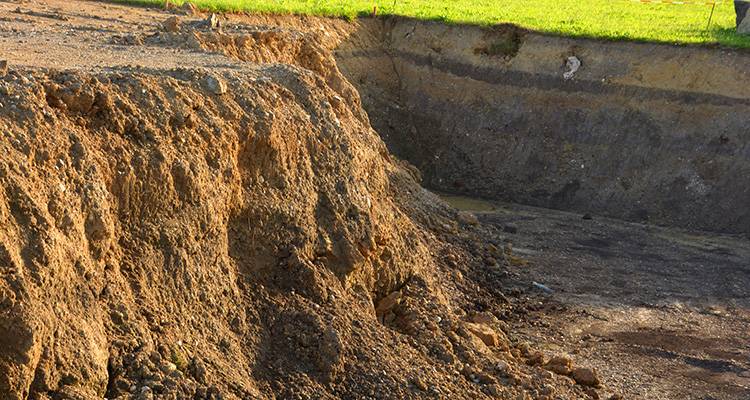
If you would like extra landscaping work once the wall has been completed, you may need to hire a landscape gardener. This can include replanting, reshaping garden areas or improving the overall look of the finished space.
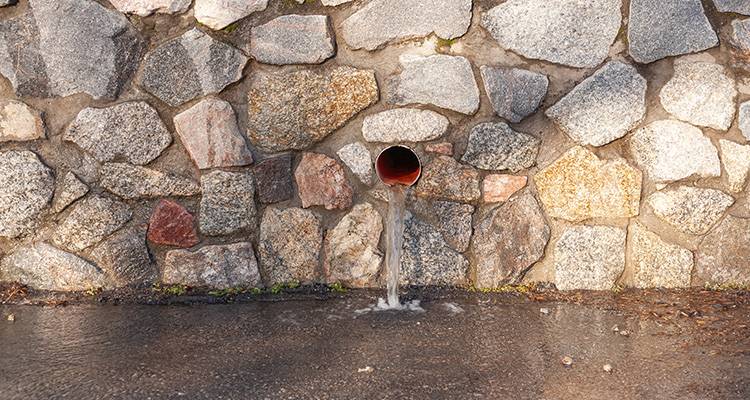
It's particularly important to include groundworks and drainage when constructing a retaining wall. Without them, excess water can build up behind the structure and eventually cause it to fail.
What Impacts the Cost of Retaining Wall Installation?
The main factors affecting the cost of a retaining wall include the following:
Wall Height and Length
Longer and taller walls need more structural support and reinforcement, and deeper foundations laid. This increases the amount of labour and materials needed.
Type of Materials Used
Natural stone or reinforced concrete is more expensive than concrete blocks or timber sleepers, both in terms of materials and labour.
Ground Conditions and Soil Stability
Poor ground conditions may require excavation, reinforcement and extra preparation, which will increase the total cost of the work.
Drainage Requirements
If drainage isn't included in your quote, you will need to budget for the extra cost of a proper drainage system. Drainage is a key part of a successful retaining wall installation. Without proper drainage pipes, water can build up behind the wall and cause it to fail.
Accessibility of the Garden
Limited access increases labour costs because it can take longer to transport machinery and materials into position. For example, certain materials like concrete may need to be moved into the garden by hand using wheelbarrows rather than being delivered directly by lorry chute or pump.
Complexity of the Design
Decorative designs or curved walls will take longer to construct and so increase labour costs. Some materials, such as natural stone, can also be arranged in a way that creates a more decorative finish.
Reinforcement Requirements
If you need a structural retaining wall, you may need to include the cost of steel reinforcement to strengthen the wall. Higher walls often require stronger foundations and additional reinforcement.
Regional Labour Costs
Labour costs vary throughout the UK. You are likely to pay more in urban areas, especially London and the South East of England.
Building Regulations for Retaining Walls
While they must be structurally sound, garden retaining walls don't need Building Control approval, and not all retaining walls need planning permission. For example, walls under 1 metre in height do not generally need planning permission.
However, in England, if you want to build a wall over 1 metre high from ground level beside a road (and its pavement) used by vehicles, or over 2 metres high from ground level elsewhere, you will need planning permission. For listed properties, you will also need planning permission for any wall height within the grounds or on the boundary of a listed property.
Wales and Northern Ireland use these same height limits, while Scotland requires planning permission if the wall height is more than 1m and it extends past the front or side of the house.
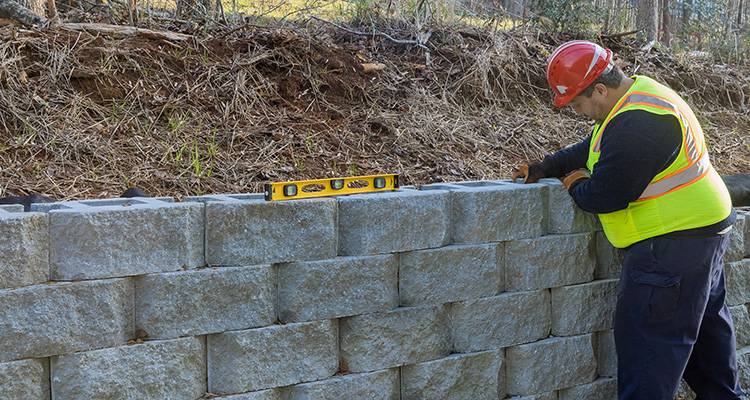
Walls built to support particularly heavy loads of soil may also require engineering calculations from a structural engineer to make sure the wall is safe.
Before starting any type of construction work, it is always best to check with your local council first. Contact your local planning department and explain what you want to do. They can then confirm the rules and let you know whether any further action is required.
Ask a Trade
Got a question that only a tradesperson can answer? We have thousands of trades ready to answer any question you may have.
Ask your question

Types of Retaining Wall
The most commonly used materials for retaining walls are timber, concrete, brick or masonry, and natural stone.
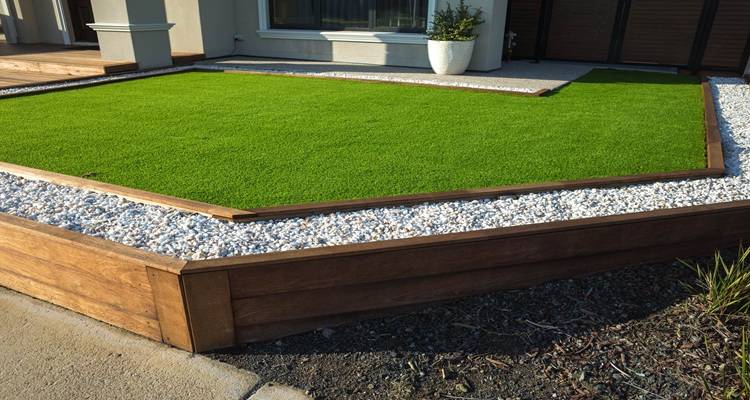
Timber Retaining Walls
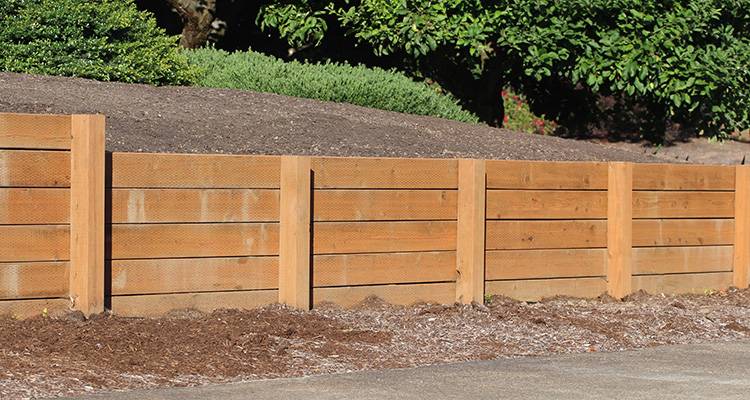
Timber retaining walls are often built using wooden sleepers. These are relatively affordable and commonly used in garden landscaping projects.
Pros
- ✔ Attractive appearance.
- ✔ Cost-effective.
- ✔ Easier to install.
Cons
- ✖ Must be maintained to prevent rot and insect infestation.
- ✖ Shorter lifespan than stone or concrete.
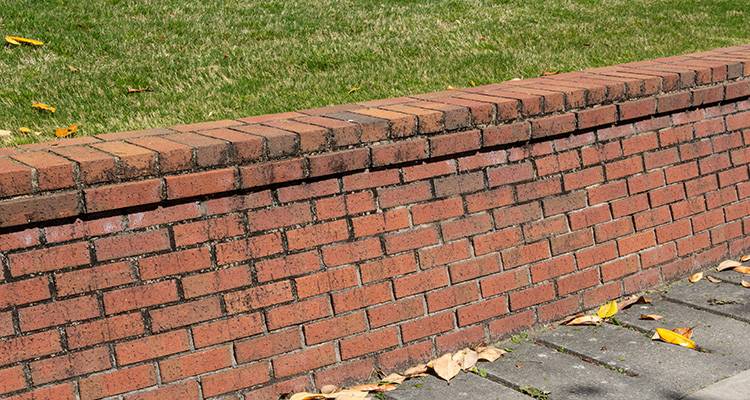
Brick Retaining Walls
Brick retaining walls provide a traditional appearance and good durability, but they may require stronger foundations.
Pros
- ✔ Strong.
- ✔ Durable.
- ✔ Low maintenance.
Cons
- ✖ Labour-intensive installation.
- ✖ Limited design options.
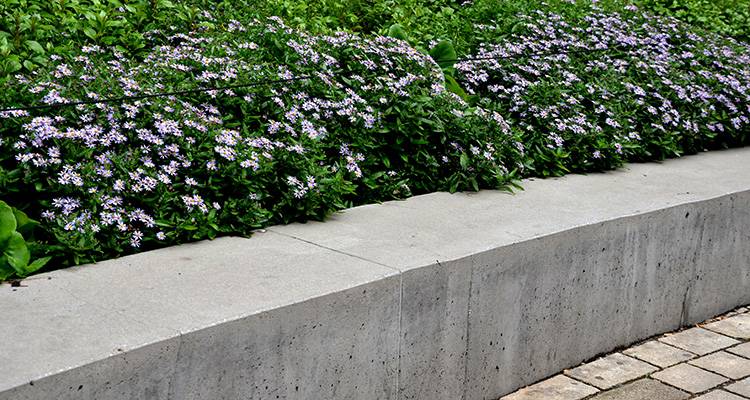
Concrete Retaining Walls
Concrete blocks are widely used because they are strong, durable and relatively cost-effective.
Pros
- ✔ Weather resistant.
- ✔ Durable.
- ✔ Affordable.
Cons
- ✖ More complex to install.
- ✖ Not as attractive as wood or natural stone.
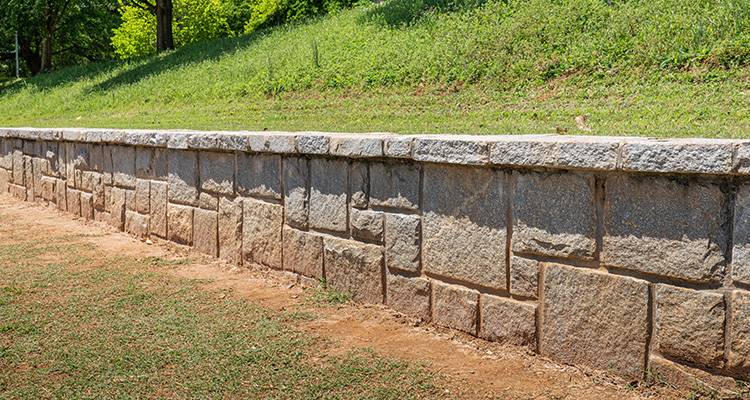
Natural Stone Retaining Walls
Stone retaining walls offer a natural appearance and excellent durability, but they can be more expensive because of the material and labour involved.
Pros
- ✔ Natural look.
- ✔ Long-lasting.
- ✔ Unique appearance.
Cons
- ✖ Requires a skilled professional to install.
- ✖ Expensive.
Cost of Alternative Types of Garden Wall
If you decide not to go ahead with a retaining wall, there are a few alternative types of garden wall you may want to consider instead.
Gabion Basket Walls Cost
Gabion basket walls are cages filled with stones, which makes drainage much more effective. They are slightly more expensive than timber, but they are not always considered as attractive. You can expect gabion basket walls to cost between £240 and £350 per m².
Garden Steps and Terraces Cost
Creating terraces on different levels can sometimes replace the need for a retaining wall. This can be an attractive option, although it may be more expensive, especially if you also need paths and steps for access.
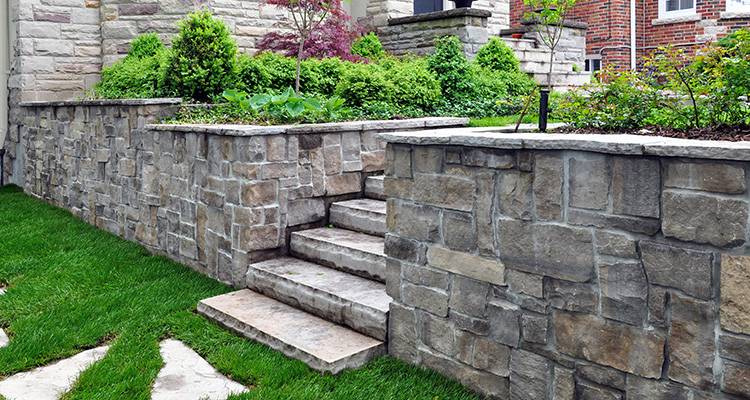
The cost to create steps and paths depends on the materials used and the size of the project. On average, steps and terraces should cost between £20 and £90 per m² for materials and between £30 and £50 per hour for labour.
Raised Planting Beds Cost
Smaller retaining walls can be used to create raised garden beds, which can be a cost-effective landscaping option if you do not need full structural support across a large area. The average cost is around £300.
Reinforced Slopes or Landscaping Terraces Cost
You can also use plants or reinforcement systems, rather than a full retaining wall, to stabilise smaller slopes if you need a more budget-friendly option. The average cost of this type of work is between £50 and £150 per m².
Checklist: Hiring Contractors for Retaining Wall Installation in the UK
When choosing a contractor to build a retaining wall, there are a few important things you should check first:
- Compare quotes — Compare local contractors using MyJobQuote and get at least 2 or 3 written quotes so you can compare prices and what's included.
- Experience — Check that the contractor has experience building retaining walls, not just general garden landscaping.
- What's included — Ask whether drainage and ground preparation are included in the quote. Also check whether excavation, waste removal and disposal are included.
- Insurance — Make sure the contractor has public liability insurance.
- Check previous work — Ask for examples of previous retaining wall projects or customer reviews.
- Verify planning permission requirements — Confirm whether planning permission or structural calculations may be required.
Cost of Removing an Existing Retaining Wall
If you already have a retaining wall that is damaged or has failed, you may need to remove or replace it before building a new one. Replacing an old or damaged retaining wall can improve safety, improve drainage and help prevent soil erosion issues.
The cost of removal will depend on:
- Wall size and material.
- Accessibility of the site.
- Waste removal requirements.
- Ground preparation after removal.
The average cost to remove a small retaining wall is usually in the region of £200 to £800.
FAQs
How Long Will a Retaining Wall Last?
The lifespan of a retaining wall will depend on the material used during construction. Walls made from concrete or stone can be incredibly durable, while the pressure-treated timber sleepers which come into contact with the ground are designed to last 15 or 30 years, depending on the level of treatment.
Proper drainage and regular maintenance will also make a big difference to how long the wall lasts.
Does a Retaining Wall Need Maintenance?
Yes. It's worth checking your retaining wall from time to time for signs of movement, cracks or drainage problems. Dealing with any issues early can help you avoid more costly repairs further down the line.
What Is the Cheapest Option for a Retaining Wall?
The cheapest material for a retaining wall is usually timber, which tends to cost around £220 to £250 per m². For comparison, a concrete retaining wall will often cost around £280 to £380 per m².
Timber is often a popular choice for smaller projects where keeping costs down is a priority.
Can I Build a Retaining Wall Myself as a DIY Project?
If you have the right tools and you are confident with DIY, there's no reason you couldn't build a small retaining wall yourself, but as the government's safe-height guidance doesn't cover walls holding back soil, you should seek professional advice on the design and construction of your wall before you start building. However, bear in mind that structural retaining walls, or those built at height, should usually be built by a professional.
This helps make sure the wall is safe, has sufficient drainage and is strong enough to hold back the soil behind it.
Do I Need Planning Permission for a Retaining Wall?
In England, Wales, and Northern Ireland, you may need planning permission if your retaining wall is going to be over 1 metre high next to a road or over 2 metres high elsewhere. In Scotland, if your wall extends past the side or front of the house you will require planning permission for a wall over 1m high from ground level. If you're unsure, check with your local council before work begins.
How Much Does It Cost to Remove an Old Retaining Wall?
Removing an old retaining wall usually costs around £200 to £800, depending on the size, material, access, how much waste needs to be removed, whether skip hire is needed, etc.
What Is the Best Material for a Retaining Wall?
The best material depends on your budget, the design of the garden and how much soil the wall will need to hold back. Timber is usually less expensive, while concrete blocks, brick and natural stone are stronger and longer-lasting, but will cost more.