Builders
 Carpenters
 Electricians
 Flooring Specialists
 Gardeners
 Handymen
 Heating Engineers
 Painters & Decorators
 Plasterers & Renderers
 Plumbers
 Roofers
 Tilers
 my
myCost to Remove Render (UK Guide 2026)
At a Glance
- The typical cost to remove render from a single semi-detached is £900–£1,600
- Timescale: 1–3 days, depending on render type and access
- Render removal prices per m² and by property size
- What affects the cost of render removal
- Scaffolding and waste disposal costs
- Removal vs rendering over existing render
- How to hire someone for your render removal job
- Answers to frequently asked questions about render removal
Get free estimates
Are you a trade? Get more work today!
Removing old render is often needed when the existing surface has cracked, blown, become damp or started to pull away from the wall. It may also be required before applying a new render system, especially if the current coating is no longer suitable or compatible.
As a rough guide, render removal usually costs around £25-£45 per m2 for labour only. A single elevation on a typical semi-detached house may cost around £900-£1,600, while full-property render removal can cost significantly more once scaffolding, waste disposal and repairs are included.
In this guide, we’ll explain typical render removal costs, labour rates, scaffolding and waste disposal fees, what affects the final quote, whether you can remove render yourself and how to find someone to do the job.
£3,450
Table of Contents
- How Much Does It Cost to Remove Render?
- Why Would You Need Render Removed?
- How Is Render Removed?
- Labour Costs and Timescales
- Scaffolding Costs
- Waste Disposal Costs
- What Affects the Cost of Render Removal?
- Render Removal vs Rendering Over Existing Render
- Can You Remove Render Yourself?
- Additional Costs to Budget For
- Checklist: Hiring Someone to Remove Render
- FAQs
How Much Does It Cost to Remove Render?
Render removal normally costs £25-£45 per m2 in 2026. A single elevation on a typical semi-detached house will cost between £900-£1,600, depending on the thickness, render type and access.
These figures usually cover labour only, so you’ll need to budget separately for scaffolding, waste disposal and the cost of applying new render afterwards.
Render Removal Cost Prices
Here’s a practical pricing table showing typical render removal costs in the UK:
| Job Type | Price Range | Average Price |
|---|---|---|
| Render removal per m2 (labour only) | £25-£45 | £35 per m2 |
| Single elevation (labour only) | £900-£1,600 | £1,250 |
| Full semi-detached property | £2,000-£4,000 | £3,000 |
| Full detached property | £3,000-£6,000 | £4,500 |
The average cost per m2 is £35 (labour only), excluding scaffolding and waste disposal.
If you’re planning to apply new render after removing the old material, take a look at our house rendering cost page.
Why Would You Need Render Removed?
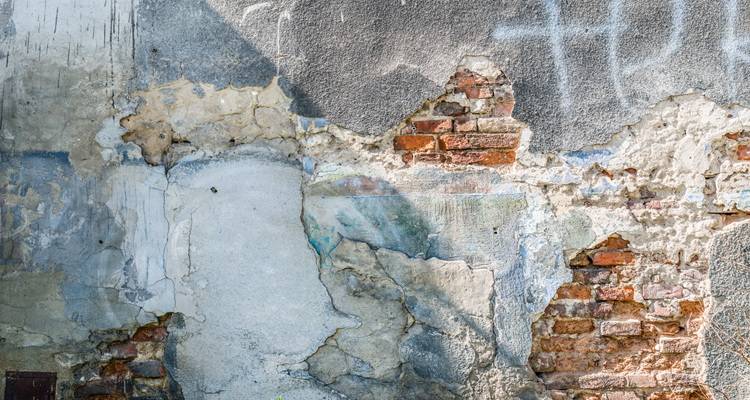
If your render has cracked, blown or started to detach from your wall, it will need to be removed. If you hear a hollow or drum-type sound when you tap it, this means the bond may have failed.
Render might also need to be removed if there is damp behind it, especially if moisture is now coming through hairline cracks.
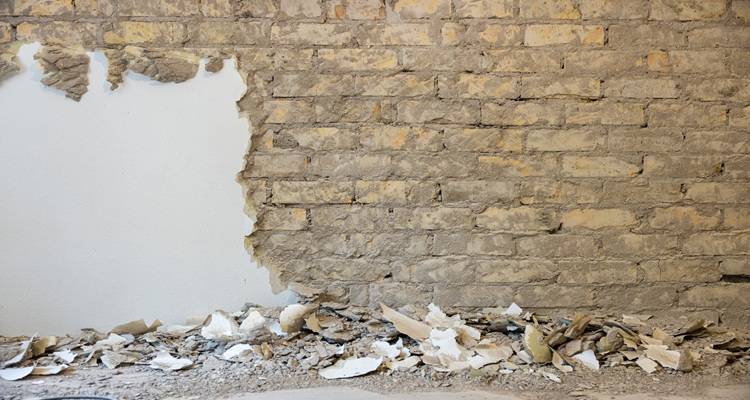
You might also need to remove render if it’s not compatible with the new system you want to apply. In many cases, modern breathable render systems can’t be applied over older cement coats.
You might also want to remove render if you’re changing the finish or colour as part of a total re-render.
How Is Render Removed?
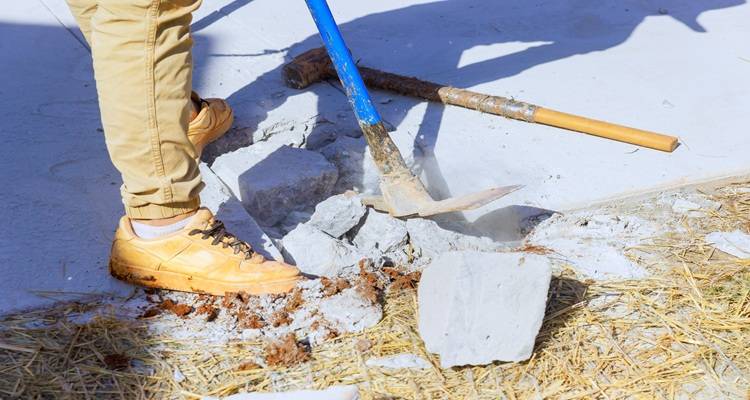
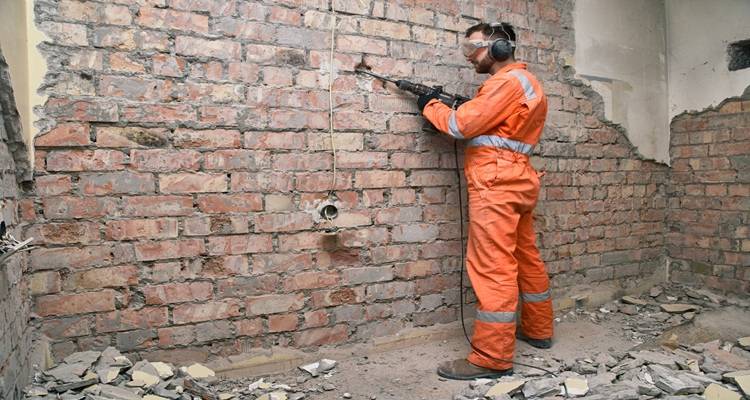
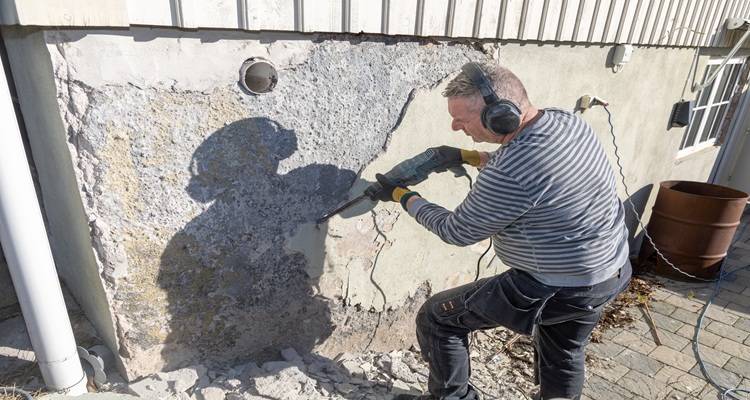
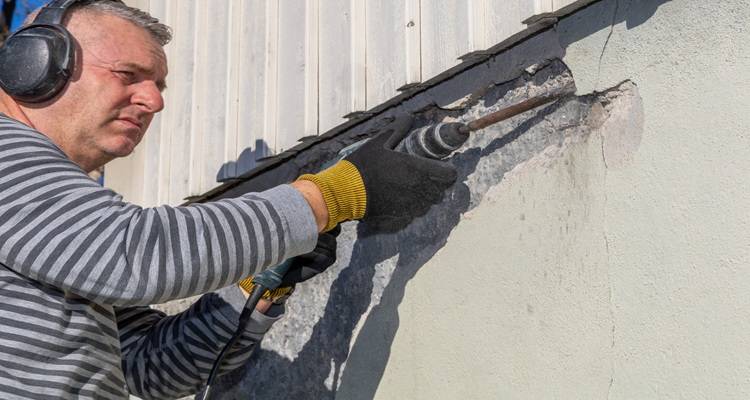
The process of render removal starts by tapping the surface to find hollow or weak areas. Once these areas have been identified, hand tools or power tools, including SDS drills or breakers, can be used to hack the render off.
This is a very physical process that can create a lot of dust and debris.
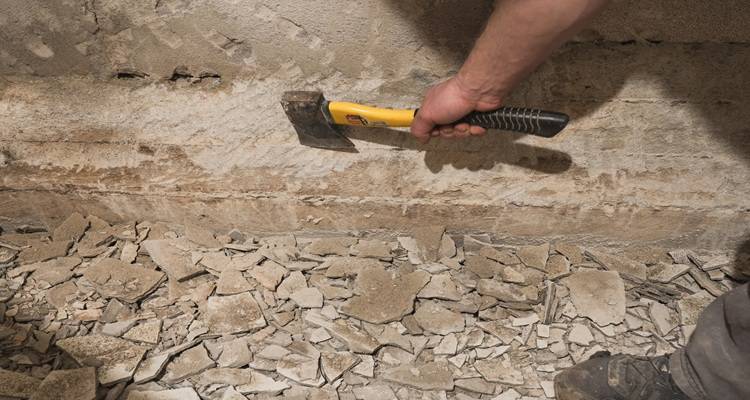
Once the render has been removed, the brick or block underneath needs to be checked for damage. Any loose areas should be repaired before new render can be applied.
Removal is normally done in sections, especially on bigger elevations.
Labour Costs and Timescales
Render removal is normally priced per m2 or per elevation. Day rates for removal work usually fall between £180-£250. Labour costs can be influenced by location and how difficult access is.
Typical Timescales
- Single elevation: 1-3 days
- Full semi-detached property: 3-5 days
- Full detached property: 4-7 days
Removal usually adds several days to full re-render projects.
Scaffolding Costs
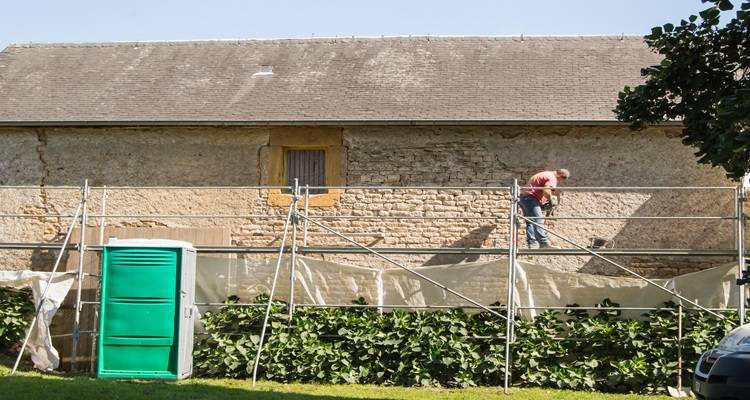
Scaffolding is one of the highest costs in render removal. A single elevation normally needs scaffolding for 1-2 weeks, even if the removal itself only takes a few days.
Typical Scaffolding Costs
- Single elevation: £600-£1,200
- Full semi-detached house: £1,200-£2,000
- Full detached house: £1,800-£3,000
If you have a property with narrow side access, multiple storeys or awkward layouts, the project will cost more. You can read more in the scaffolding cost guide.
Waste Disposal Costs
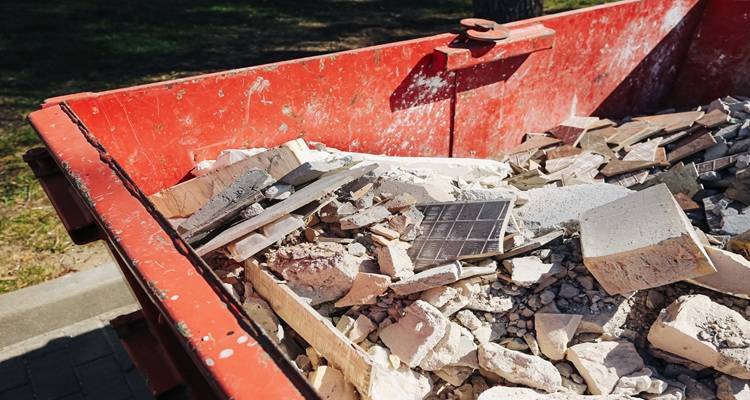
Render is heavy and dense, which means disposal costs are often higher than many people expect. Skip hire is the most common option.
Skip Hire Costs
- 6-yard skip: £200-£300
- 8-yard skip: £250-£350
- 12-yard skip: £300-£450
If the skip needs to go on a public road, you’ll need a permit. This usually costs £30-£70, depending on your council.
A man and van service is another option for smaller jobs and should cost between £150-£250.
You can read more in the skip hire cost guide.
What Affects the Cost of Render Removal?
Total Wall Area
Larger elevations cost more because removal needs more labour and takes longer.
Render Type
Modern silicone or monocouche render systems can take longer to remove than older sand and cement coats. Removing pebbledash render can also increase costs because the textured finish often requires more labour to break away compared with smoother render surfaces.
Access and Storeys
Working at height or around tight spaces will increase labour time and scaffolding costs.
Condition of the Substrate
If bricks or blocks underneath are damaged, repairs will add to the overall cost that you pay.
Waste Disposal Method
Heavy render fills skips quickly, and this increases disposal costs.
Location
Labour rates vary across the UK, and you can expect to pay more if you’re in London or the wider South East area.
Another thing that can influence the overall cost of render removal is how much preparation the wall needs once the old render has been taken off.
Some walls look fine at first glance but end up needing extra attention once the surface is exposed. You may need to fill small gaps, brush off loose material or apply a stabilising coat before any new render can go on. These small steps don’t take long, but they can add to the final price.
Render Removal vs Rendering Over Existing Render
If your existing render is solid and well-bonded, you might be able to apply a new render system directly over it. A simple tap test will help you identify hollow or de-bonded areas.
If you hear a hollow sound, it normally means you need to remove it.
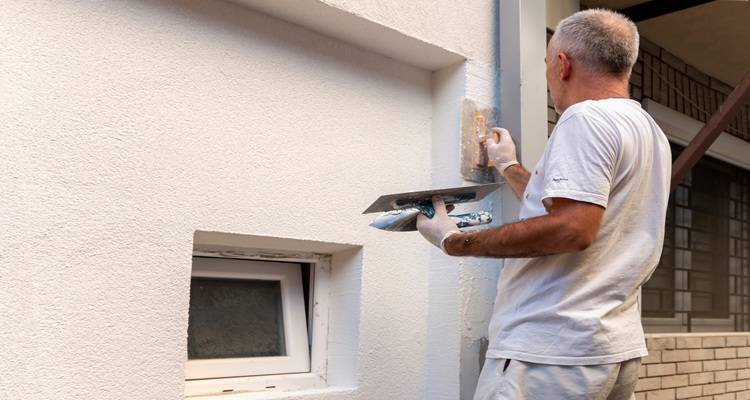
Rendering over existing render can save time and money, but whether this is suitable depends on the type of render already on the wall and the system you want to apply.
Removal will be necessary when the render has failed, is damp-damaged or is not compatible with the new finish.
Can You Remove Render Yourself?
Small patches of loose render can be removed using basic tools if you’re confident with DIY. However, full elevation removal is heavy work. It often needs scaffolding and can create a lot of waste.
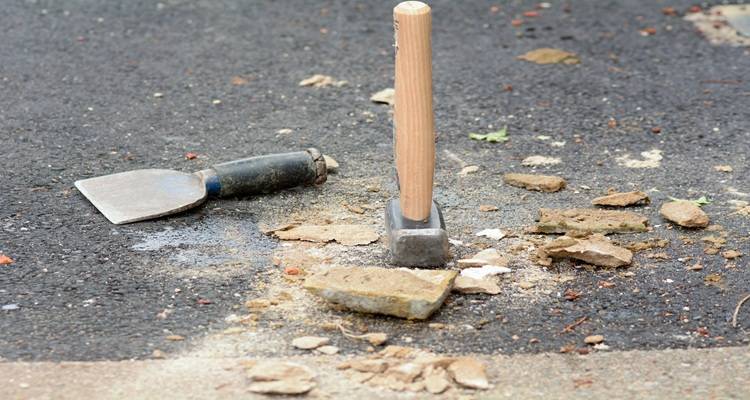
Any work at height needs proper safety precautions. Most homeowners choose to hire a renderer to avoid mistakes and speed up the job when they’re working on a full house removal project.
Additional Costs to Budget For
- Substrate repairs, such as repointing, brick or block replacement: £150-£500
- Bonding agent or mesh before new render: £50-£150
- New render system: this varies depending on type. See our house rendering cost page
- External wall insulation for upgrading the system: check out the external wall insulation cost quotes page
Checklist: Hiring Someone to Remove Render
- Get multiple written quotes.
- Confirm whether scaffolding is included.
- Confirm whether waste disposal is included.
- Ask whether the same contractor will be applying the new render.
- Check whether they have public liability insurance.
- Check whether planning rules apply if you’re in a conservation area.
FAQs
How much does it cost to remove render per m2?
Render removal normally costs £25-£45 per m2. The price depends on factors like render type, thickness and access. Scaffolding and waste disposal are usually charged separately.
How much does it cost to remove render and re-render a house?
A full removal and re-render for a semi-detached house usually costs £4,000-£9,000, depending on the render system you’ve chosen. Removal alone is typically between £900-£1,600 per elevation.
Can you render over the existing render instead of removing it?
Yes, you can do this if the existing render is solid and well-bonded. Hollow or blown areas will need to be removed first. It’s very important that your old and new render systems are compatible.
Does render removal require scaffolding?
Most render removal jobs need scaffolding, especially those being carried out on multi-storey properties. Scaffolding is often one of the highest costs in a render removal project.
How do I know if my render needs removing?
Tap the surface to find out if your render needs to be removed. Hollow or drum-like sounds usually mean the render has detached. Cracks, damp patches and failing sections are also signs that removal may be needed.