Builders
 Carpenters
 Electricians
 Flooring Specialists
 Gardeners
 Handymen
 Heating Engineers
 Painters & Decorators
 Plasterers & Renderers
 Plumbers
 Roofers
 Tilers
 my
myPebbledash Removal Cost
At a Glance
- The average cost of removing pebbledash in the UK is £4,500.
- Most pebbledash removal projects take 5 to 14 days to complete.
- NEW! Try our simple pebbledash removal cost calculator.
- Pebbledash removal costs by property size, labour, and material costs.
- Additional costs for scaffolding, skip hire, repairing brickwork, and exterior finishes.
- How MyJobQuote helps you compare prices from local renderers who remove pebbledash.
Get free estimates
Are you a trade? Get more work today!
£4,500
Table of Contents
- How Much Does It Cost to Remove Pebbledash?
- Labour Cost to Remove Pebbledash & Timescales
- Additional Pebbledash Removal Costs
- Factors That Impact Pebbledash Removal Costs
- Types of Exterior Finishes After Pebbledash Removal
- Alternatives to Removing Pebbledash
- Checklist: Hiring Contractors for Removing Pebbledash
- FAQs
Pebbledash Removal Cost Calculator
How Much Does It Cost to Remove Pebbledash?
To remove pebbledash in the UK, you'll usually pay between £2,100 and £7,800, depending on the property size, access, condition of the existing render, and the finish you choose afterwards.
The average cost of removing pebbledash is around £4,500. Most projects include removing the existing pebbledash, checking the underlying brickwork, and applying a flat render or another exterior wall coating to protect the building's exterior.
The total cost can increase if the removal exposes damaged bricks, missing stones, damp problems, or weak lime mortar. This is more common on older homes where the original brickwork may have been covered for several decades.
We can also get your quotes from local renderers who remove pebbledash in your area.
Pebbledash Removal Prices
The table below shows typical pebbledash removal costs by property type. Most quotes will include removing pebbledash and either re-rendering, repairing brickwork, or preparing the surface for another finish.
| Property Type | Estimated Cost | Time Required |
|---|---|---|
| 2-bed bungalow (100m²) | £2,100–£3,000 | 4 to 6 days |
| 2-bed terrace (150m²) | £2,000–£4,500 | 5 to 7 days |
| 3-bed semi-detached (200m²) | £3,800–£5,200 | 5 to 8 days |
| 4-bed semi-detached (250m²) | £6,300–£7,800 | 7 to 14 days |
| 4-bed detached (300m²) | £6,000–£10,000 | 7 to 14 days |
Want a custom price?
Post your job
Labour Cost to Remove Pebbledash & Timescales
Labour costs for render specialists usually range from £130 to £250 per day. For pebbledash removal, the rate can increase to around £150 to £400 per day because the work is labour intensive and can damage the substrate if handled incorrectly.
Removing pebbledash is specialist work. Poor removal can damage the underlying brickwork, expose damp problems, or create extra repair costs before any new exterior wall coating can be applied.
The timescale can range from a few hours for a small patch to 1 or 2 weeks for a full property. The final labour cost will depend on the wall area, access, number of workers, equipment hire, and whether repairs are needed before re-rendering.
| Property Type | Labour Only Costs | Time Required |
|---|---|---|
| 2-bed bungalow | £600–£2,400 | 4 to 6 days |
| 2-bed terrace | £750–£2,000 | 5 days |
| 3-bed semi-detached | £750–£3,200 | 5 to 8 days |
| 4-bed semi-detached | £1,050–£5,600 | 7 to 14 days |
| 4-bed detached | £1,050–£5,600 | 7 to 14 days |
Want a custom price?
Post your job
Labour costs may increase if the wall is tall, the pebbledash is difficult to remove, the building needs full scaffolding, or the contractor needs to repair old bricks before applying a new finish.
Additional Pebbledash Removal Costs
Additional costs should be included in your quote where possible, but it's worth asking for a detailed breakdown so you can compare prices accurately.
- Scaffolding — Most pebbledash removal projects need scaffolding so contractors can work safely across the exterior walls. Scaffolding hire costs can vary by property size, access, and hire length.
- Waste Disposal and Skip Hire — Removed pebbledash, old render, and damaged material must be disposed of responsibly. Skip hire costs can range from smaller domestic skips to larger skips for heavy rubble and renovation waste.
- Skip Permits — If the skip needs to sit on a public road, you will need a council permit, which the skip hire company typically arranges. This can add around £10 to £70, depending on your local authority.
- Repairing Brickwork — Once the pebbledash is removed, the contractor may find damaged bricks, missing stones, crumbling pointing, or weak mortar. Repointing brickwork can add to the final price.
- Flat Render or New Exterior Wall Coating — If the original brickwork is not suitable to leave exposed, you may need a new finish. Rendering a house can help create a smoother, more weather-resistant surface.
- External Wall Insulation — If pebbledash removal affects thermal performance, you may need to consider external wall insulation before the final render or cladding is applied.
- Equipment Hire — All jobs need dust control equipment, as removing render releases silica dust, with protective sheeting, access towers, or scaffolding added where access is difficult or the walls are in poor condition.
Factors That Impact Pebbledash Removal Costs
Several factors can influence the cost of removing pebbledash, from the condition of the existing render to access, repairs, and the finish you choose afterwards.
What is your main reason for removing pebbledash?
Repairing/updating existing pebbledash
0 votes - 0%0% of votes
Restoring to the original brickwork
3 votes - 50%50% of votes
Addressing structural damage
1 votes - 17%17% of votes
Replacing with alternative finish
2 votes - 33%33% of votes

6 votes
See results
Hide results
Location of Property
Labour fees are often higher in London and the South East. Your location can also affect scaffolding prices, skip hire, permit costs, and how easy it is for contractors to access the property.
Condition of Existing Pebbledash
The condition of the existing pebbledash is one of the biggest cost factors. Loose, cracked, or blown pebbledash may be easier to remove in some areas, but it can also point to deeper issues with the wall beneath.
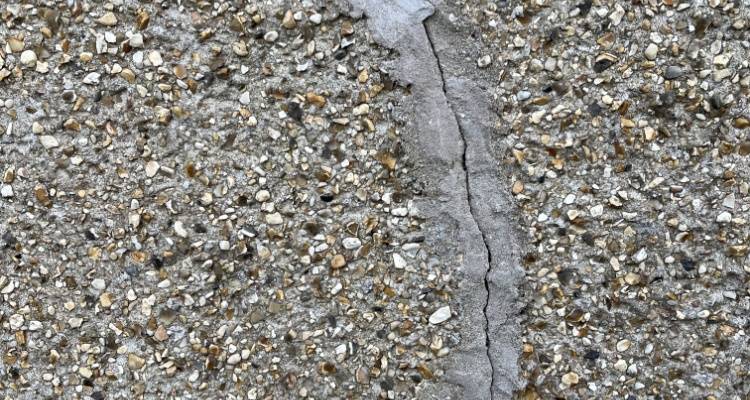
If the removal exposes damaged bricks, missing stones, old bricks, or damp problems, repairs will need to be completed before the wall can be painted, rendered, or clad.
Complexity of Removal Process
Contractors may remove pebbledash by carefully chipping it away or by preparing the surface for a covering system. Full removal is usually more labour intensive, but it can be the best option if the pebbledash is failing or trapping moisture.
Additional Treatments or Repairs
Some properties need repointing, brick replacement, lime mortar repairs, damp treatment, or several coats of new render after the pebbledash has been removed. These extra steps can increase both labour and material costs.
Ease of Access
If your property is tall, close to a public pavement, or difficult to access, your costs are likely to increase. Scaffolding, temporary pavement restrictions, parking issues, and equipment hire can all add to the final quote.
Ask a Trade
Got a question that only a tradesperson can answer? We have thousands of trades ready to answer any question you may have.
Ask your question

Types of Exterior Finishes After Pebbledash Removal
Once the pebbledash has been removed, the wall usually needs a protective finish. The best option will depend on the condition of the original brickwork, the look you want, and whether insulation needs to be improved.
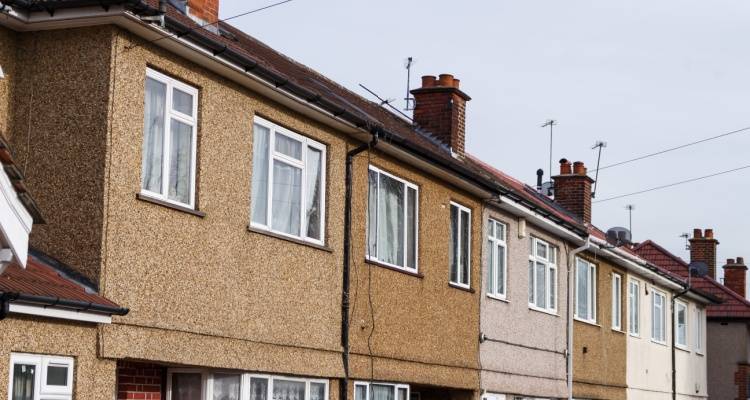
Structural Assurance
The wall should be checked before any new finish is applied. Pebbledash removal can expose damaged bricks, missing stones, loose pointing, damp problems, or old bricks that are not suitable to leave uncovered.
If the brickwork is weak, the contractor may recommend repairs, repointing, or a new coating before painting, rendering, or cladding the wall.
Re-Rendering
Re-rendering is one of the main options after pebbledash removal. It creates a flat render finish and protects the building's exterior from weather damage.
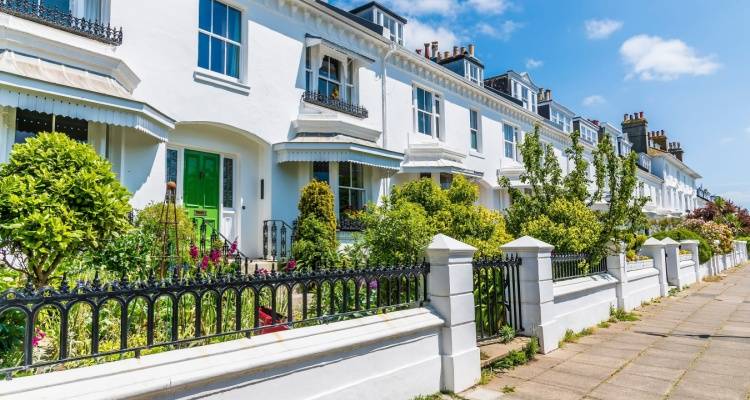
Polymer, acrylic, silicone, cement, lime, and monocouche renders are all possible options. Lime mortar or lime render may be more suitable for older properties that need a breathable finish.
Cladding
Cladding can be used as an alternative exterior finish after pebbledash removal. It can help modernise the property and may also improve weather resistance.
You can find more detail in our guide to external cladding and rendering costs.
Cladding prices vary depending on the material, property size, and scaffolding requirements. Timber, uPVC, composite, and aluminium cladding all have different installation and maintenance costs.
Painting
Painting your house exterior may be an option if the wall underneath is sound and has been repaired properly. You will need a flat, stable surface before applying masonry paint, as cracks and defects can show through once the wall is painted.
Painting is usually cheaper than cladding or full re-rendering, but it may not be the best option if the original brickwork is badly damaged.
Alternatives to Removing Pebbledash
If full pebbledash removal would add unnecessary stress, damage the underlying brickwork, or push the project over budget, there are a few alternatives to consider.
Repair Existing Pebbledash
Repairing pebbledash may be the best option if the damage is localised. This can involve patching cracks, replacing missing stones, and stabilising small areas before repainting or re-coating the wall.
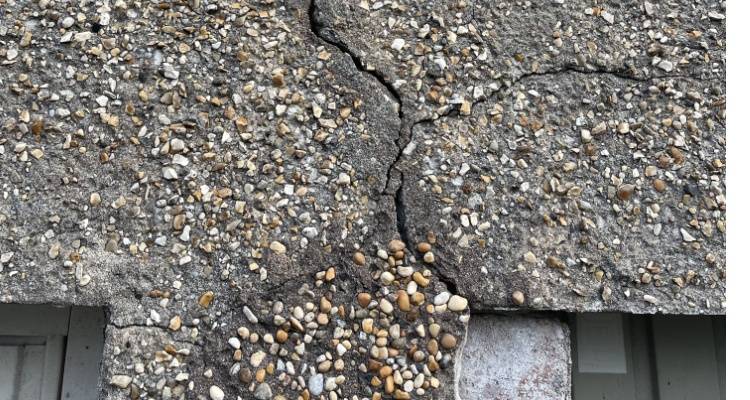
Patch repairs for pebbledash usually cost around £300 per 5m². Prices can increase if scaffolding is needed or if the repair area is difficult to blend into the existing finish.
Render Over Existing Pebbledash
Rendering over pebbledash can be less labour intensive than full removal, but it is only suitable if the existing render is stable and well bonded to the wall.
If you choose to render over pebbledash, any loose material, cracks, or surface defects must be repaired first. This can cost anywhere from £3,000 to £6,000, depending on property size, access, scaffolding, and the type of render used.
Here are different types of render you can choose from:
Cladding Over Existing Pebbledash
Cladding over existing pebbledash can be quicker than full removal, but the wall must be checked first. Any damp, loose render, or structural movement should be fixed before cladding is installed.
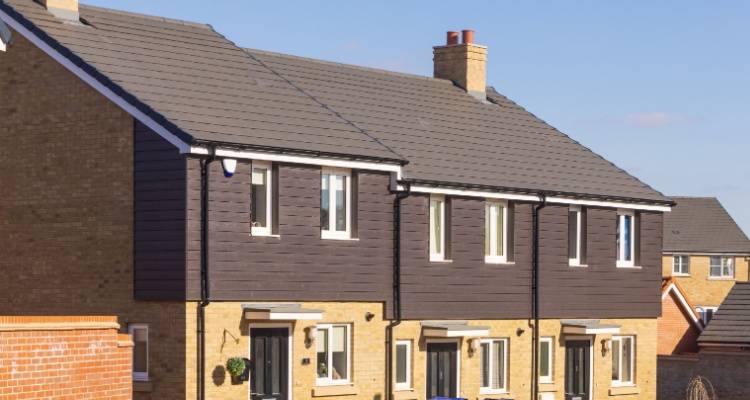
This option can cost around £3,800, depending on the cladding material, wall area, scaffolding, and whether external wall insulation is added at the same time.
Painting Over Existing Pebbledash
Painting pebbledash can improve the look of the wall without removing the texture. This may be suitable if the surface is clean, dry, stable, and free from major cracks.
To paint pebbledash properly, the contractor will usually clean the surface, repair defects, and apply several coats of masonry paint. Spray painting can also be used on textured surfaces, as it can help achieve more even coverage across the rough finish.
Checklist: Hiring Contractors for Removing Pebbledash
Choosing the right contractor is important because pebbledash removal can affect your wall surface, moisture barrier, and final exterior finish. Before hiring someone, ask the following questions:
- Relevant experience — Have they completed similar pebbledash removal projects on your type of property?
- Wall condition checks — Will they inspect the underlying brickwork for damaged bricks, missing stones, damp problems, or weak mortar?
- Insurance — Do they have public liability insurance in case the removal process damages your home's exterior?
- Quote breakdown — Does the quote include labour, scaffolding, equipment hire, waste disposal, material costs, repairs, and the final exterior wall coating?
- Regulations and permits — Will they advise on skip permits, planning restrictions, conservation areas, and building regulations?
- Finish options — Can they explain the main options after removal, such as flat render, lime mortar repairs, cladding, painting, or external wall insulation?
- Customer testimonials — Can they provide reviews, photos, or customer testimonials from similar projects?
- Compare prices — Have you compared at least 2 or 3 quotes so you can check what is included and avoid unexpected additional costs?
MyJobQuote can help you compare quotes from local renderers so you can review prices, timescales, and customer feedback before choosing a contractor.
FAQs
Does Pebbledash Rendering Affect the Value of My House?
There is no published research on how pebbledash affects the value of a house, as Nationwide measures home improvements that add floor space rather than exterior finishes. A surveyor will assess the condition of the walls behind the pebbledash render and whether any damp has been addressed.
Can I Remove Pebbledash Myself?
Removing pebbledash is not usually suitable as a DIY project. Chipping render off brick releases silica dust that is harmful to breathe, and it can damage the underlying brickwork if the wrong tools or technique are used.
In more serious cases, removal can expose damp problems, damaged bricks, missing stones, or structural issues that need professional repair before the wall can be painted or re-rendered.
Do I Need Planning Permission or Building Regulations Approval to Remove Pebbledash?
Planning permission is not usually needed for like-for-like render changes, but if removing pebbledash will change the building's appearance, you should check with your local planning authority first. You should also check with your local planning authority if your home is in a conservation area, National Park, Area of Outstanding Natural Beauty, the Broads, World Heritage Site, or land under section 41(3) of the Wildlife and Countryside Act 1981, as you will need planning permission.
If you live in a listed building, you will need listed building consent, which is a separate application, and restrictive covenants are private rather than a council matter. If you are outside England, check with your own local planning authority as the rules differ.
If planning permission is needed in England, a householder application for alterations to a single dwellinghouse is currently £548. If more than half the wall is re-rendered or re-clad, building regulations in England and Wales require it to meet a U-value of 0.30 W/m²K where feasible. Your building control body should be notified about the work beforehand, unless your contractor is registered to certify it. The process is different in Scotland and Northern Ireland, as Scotland needs a building warrant and the district council must be notified in Northern Ireland.
Does Pebbledash Removal Affect Home Insurance?
Major exterior wall alterations should be reported to your home insurance provider, as not doing so could affect your cover if you need to make a claim. This is especially important if the work affects weatherproofing, insulation, damp protection, or the structure of the external walls.
Check with your insurer before work starts so you know whether the project affects your policy or any future claims.
How Do I Dispose of Pebbledash?
If you hire a contractor, removing and disposing of the waste is their responsibility, and most will include skip hire or rubble collection in the quote.
If you arrange a skip or clearance yourself, you are responsible for making sure the company is registered as an upper tier waste carrier before booking, as you could be fined if the waste is not disposed of properly. The register is managed by the Environment Agency in England, with separate registers for Wales, Scotland, and Northern Ireland.