Builders
 Carpenters
 Electricians
 Flooring Specialists
 Gardeners
 Handymen
 Heating Engineers
 Painters & Decorators
 Plasterers & Renderers
 Plumbers
 Roofers
 Tilers
 my
myHow Much Does It Cost to Paint a Hallway?
At a Glance
- The average cost to paint a hallway is between £875 and £1,330
- It will take between 1 and 3 days, depending on the size of the hallway
- Hall, stairs and landing painting costs by job size, paint type and finish.
- Labour costs, day rates and how long the work usually takes.
- The additional costs to budget for, and how to find a local painter using MyJobQuote.
Get free estimates
Are you a trade? Get more work today!
Painting a hallway is one of the quickest ways to freshen up your home, yet it's a job many of us put off. Hallways, stairs and landings take a lot of daily traffic, so scuffs, marks and knocks soon start to show.
Whether you're painting a compact entrance hall or a full hall, stairs and landing, costs vary depending on the size, the condition of the walls, the type of paint you choose and whether you hire a professional.
£1,100
Table of Contents
- How Much is Painting a Hallway?
- Labour Costs and Timescales: How Much Decorators Charge for Painting a Hallway
- Painting a Hallway Supply Costs
- Additional Costs
- Cost Factors for Painting a Hallway
- Hallway Painting Designs and Colours
- Types of Hallway Painting Finishes
- Alternative Types of Hallway Finishing
- Hiring Contractors Checklist for Painting a Hallway
- FAQs
How Much is Painting a Hallway?
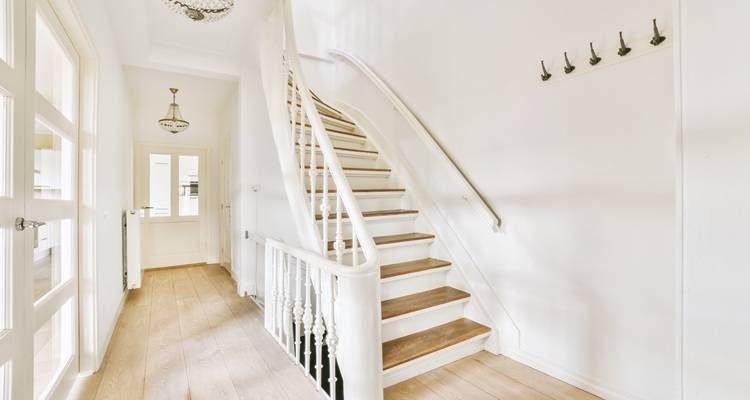
The average cost to paint a hall, stairs and landing is between £875 and £1,330. A small hallway with walls only can start at around £150 to £350, while larger jobs that include ceilings, the stairwell and woodwork sit at the top of the range.
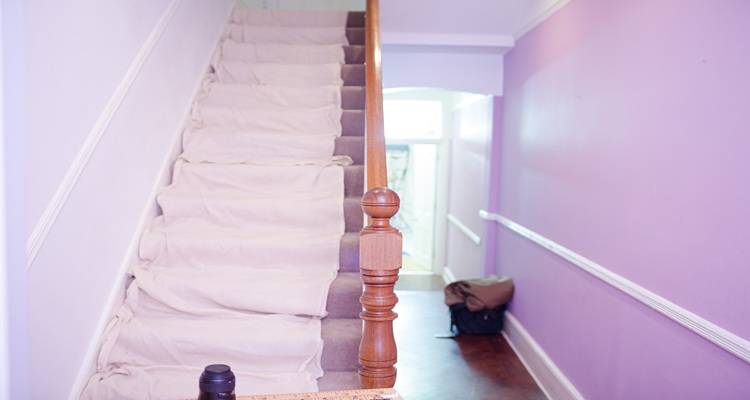
Most people who paint a hallway also have the stairs and landing done at the same time. Stairwells need extra labour and access equipment to reach the high walls safely, which adds to the overall cost. Decorating costs vary depending on the size and complexity of the job, so larger or more detailed work costs more.
What type of paint finish are you looking for in your hallway?
Satin or silk
17 votes - 43%43% of votes
Matt
20 votes - 50%50% of votes
Eggshell
2 votes - 5%5% of votes
Gloss
1 votes - 3%3% of votes
I'm not sure yet
0 votes - 0%0% of votes

40 votes
See results
Hide results
Many people also refresh the rooms that lead off the hallway, so it's worth comparing prices for jobs like painting a bedroom at the same time.
Painting a Hallway Prices
Here are some example painting prices for a hallway, stairs and landing:
| Painting Job | Cost |
|---|---|
| Small Hallway (Walls Only) | £150–£350 |
| Large Hallway (Inc. Ceilings & Woodwork) | £875–£1,330 |
| Cost Per Square Metre | £25 |
| Painting Stairwell Areas | £350–£450 |
Want a custom price?
Post your job
Labour Costs and Timescales: How Much Decorators Charge for Painting a Hallway
Most painters charge based on how long the job will take. A small hallway with sound walls can take a single day, while a full hall, stairs and landing, including ceilings and woodwork, usually runs to 2 or 3 days. Extensive preparation or a wall that needs skimming can add another day.
The table below gives a rough guide to timescales and labour costs for a hall, stairs and landing:
| Painting Job | Typical Time | Typical Labour Cost |
|---|---|---|
| Small Hallway (Walls Only) | 1 day | £150–£200 |
| Large Hallway (Inc. Woodwork) | 2 days | £300–£400 |
| Hall, Stairs and Landing | 2–3 days | £300–£600 |
| Extra Prep or Wall Skim | Add 1 day | Add £150–£200 |
Want a custom price?
Post your job
Day rates vary by location. In London and the South East, a painter and decorator typically charges £250 to £350 a day, meaning labour rates will often be slightly higher than those shown in the table above, which reflects UK averages.
Painting a Hallway Supply Costs
If you plan to paint the hallway yourself, it's not just paint you'll need. These are the main supplies and the prices you can expect to pay:
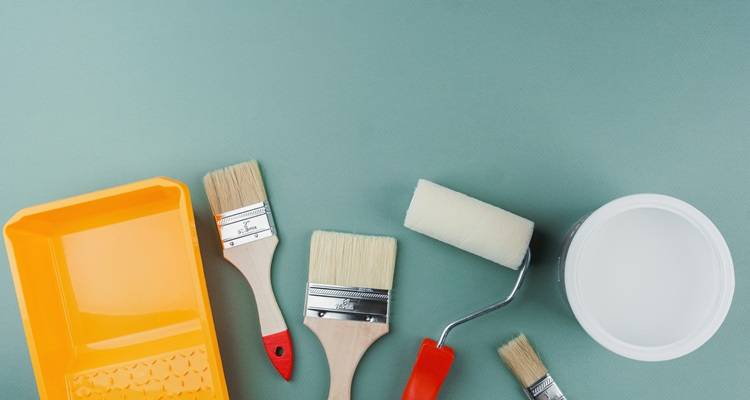
- Emulsion — £5.50 to £40 per litre, depending on whether you choose matt or silk.
- Primer or undercoat — £14 to £26 per litre.
- Brushes and rollers — £4 to £30.
- Masking tape — £1.50 to £12 per roll.
- Paint trays — £5 to £10.
- Paint tray liners — £2.50 to £4, usually sold in packs.
- Dust sheets — £13 to £32, depending on size.
- Extension poles — £10 to £30.
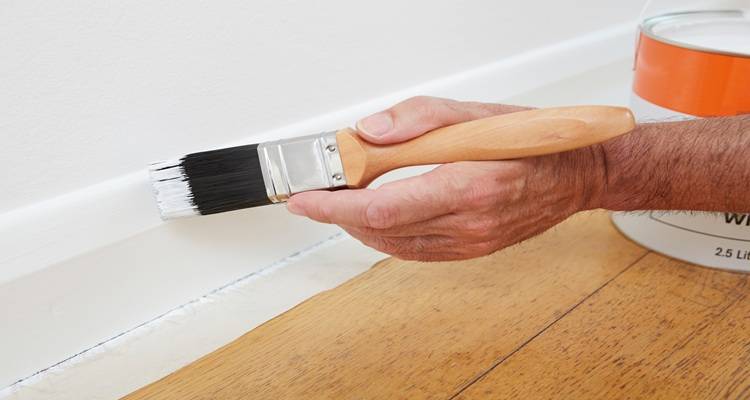
Good preparation makes all the difference. Cleaning the walls, filling minor cracks and sanding back rough patches helps you get a smooth, even finish. A proper clear-up afterwards, including disposing of old paint and dust sheets, means the hallway is ready to use as soon as the job is done.
Additional Costs
While your hallway is being painted, a few extra costs can come up that are worth budgeting for:
- Ceiling painting — Around £15 to £20 per square metre. A hallway ceiling typically costs £45 to £160, depending on its size.
- Stairwell access — Ladders or a small platform to reach high walls can add £40 to £60 for hire.
- Woodwork painting — Balustrades, spindles, skirting boards and door frames typically add £150 to £300.
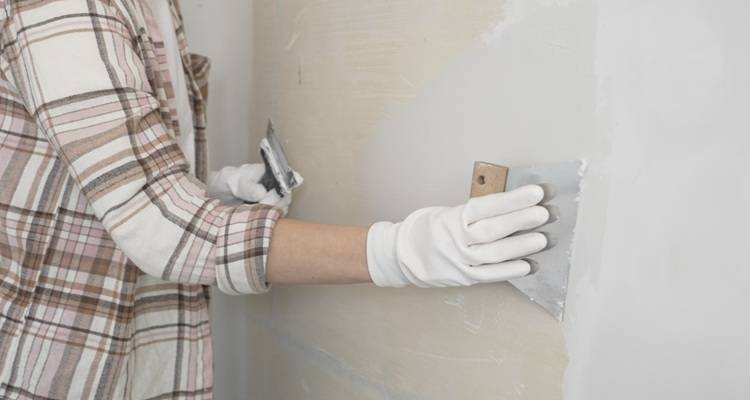
- Surface repairs — A plasterer charges around £70 to £130 for a patch repair, or £150 to £200 for a plaster skim.
- Damp or stained walls — Treating with a stain-blocking primer before painting adds about £60 to £80. Sort out any damp first.
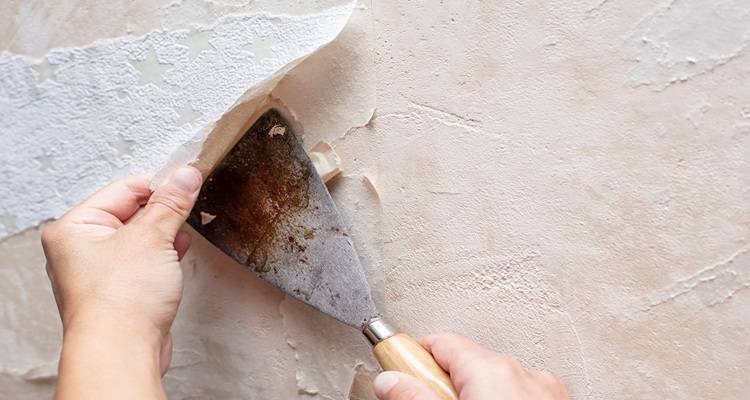
- Removing old paint or wallpaper — Flaking finishes need stripping first. Paint removal costs £40 to £120, while removing wallpaper costs £80 to £250 on average.
- Lead paint removal — Older hallways may have lead paint, which needs safe, specialist removal.
Cost Factors for Painting a Hallway
A few things have the biggest effect on what you'll pay to paint a hallway, stairs and landing:
- Ceiling and stairwell height — Tall stairwells and high ceilings need ladders or an access tower, which adds labour time.
- Wall condition and prep — Sound walls that don't need stripping or filling cost less in both time and materials.
- Doors and woodwork — More doors, spindles, balustrades and skirting boards mean extra cutting-in and careful brushwork.
- Number of coats — Bare plaster or a bold, dark existing colour can need a primer and extra coats, increasing both paint and labour.
- Access and layout — Narrow stairs, tight corners and furniture that can't be moved slow the job down. Clearing the space beforehand helps keep costs down.
How much preparation do hallway walls need before painting?
"Before painting the walls they'll need preparing sealing, filling, sanding, and priming before painting. If the damage is quite bad, they may need a skim coat of plaster for a smooth finish otherwise simple filling will be fine"
Hallway Painting Designs and Colours
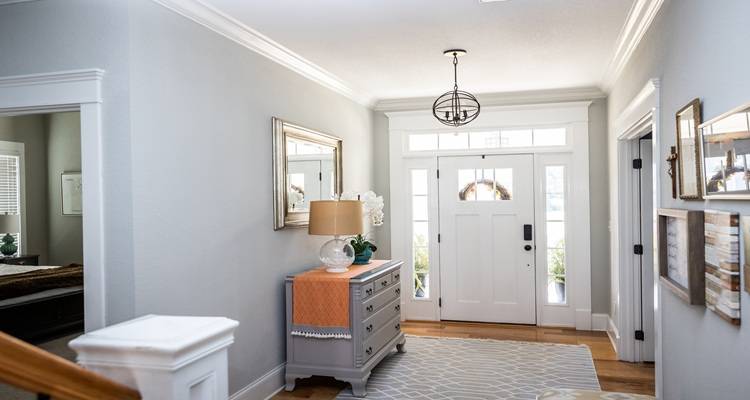
The right colour scheme can transform a hallway and set the tone for the rest of your home. Your choice can also affect the cost, as bold or dark shades often need a primer and extra coats to get an even finish.
A few popular approaches for halls, stairs and landings:
- Neutral palettes — Soft whites, warm greys and stone tones keep narrow or dark hallways feeling bright and open.
- Feature walls — A single bold wall, often on the stairwell, adds interest without the extra paint of a full dark scheme.
- Two-tone and dado designs — A darker lower half with a lighter top hides scuffs at hand height while keeping the space airy.
Let the natural light and layout guide you. Lighter shades help open up a narrow or dim hallway, while a brighter space can carry a deeper, more dramatic colour. For a more finished look, you could also budget for fitting coving where the walls meet the ceiling.
Types of Hallway Painting Finishes
Let's take a look at the different types of paint you can use for your hallway.
Satin/Silk
Easy to clean, but any wall damage will show up. It costs £20 to £40 per litre.
Pros
- ✔ It's easy to clean, which is a must-have for high-traffic areas
- ✔ The finish is silky smooth
- ✔ It's durable
Cons
- ✖ If your walls haven't been prepped properly, the finish can look a bit patchy
- ✖ It can be more expensive than other paint
Matt
Covers scuffs and marks well, but isn't washable - Cost £5.50 to £10 per litre.
Pros
- ✔ It hides scuffs, marks, and uneven surfaces
- ✔ It has a modern, non-reflective look
- ✔ It won't break the bank
Cons
- ✖ It's not "washable" - scuffs and marks can be a pain to remove
- ✖ It will need a touch-up every now and then
Eggshell
Used on woodwork and doors. It is easy to wipe clean and durable - Costs £10 to £40 per litre.
Pros
- ✔ It's tough and easy to wipe clean
- ✔ It's perfect for woodwork, doors, and trim
- ✔ It's got a subtle sheen
Cons
- ✖ It's not usually the best choice for larger areas
- ✖ It's a bit pricier than matt paint
Gloss
Very durable and often used on handrails and bannisters - Costs £20 to £40 per litre.
Pros
- ✔ Extremely durable and long-lasting
- ✔ Easy to clean and resistant to scuffs
- ✔ Ideal for radiators, bannisters, and handrails
Cons
- ✖ High-shine finish highlights imperfections
- ✖ Longer drying time
- ✖ Higher cost than standard paints
Ask a Trade
Got a question that only a tradesperson can answer? We have thousands of trades ready to answer any question you may have.
Ask your question

Alternative Types of Hallway Finishing
Wallpaper
Wallpaper brings personality, warmth and depth to a hallway. Patterns can be used to make the space seem smaller or larger, and they are especially useful for highlighting specific areas. There is a huge choice of quality and style, and prices vary considerably. On average, they range from £1.50 to £120 per square metre.
Wall Panelling
An alternative to paint is to fit wall panelling for your hallway. It is visually appealing and great for hiding imperfections as well as providing warmth. There are plenty of materials and styles to choose from.
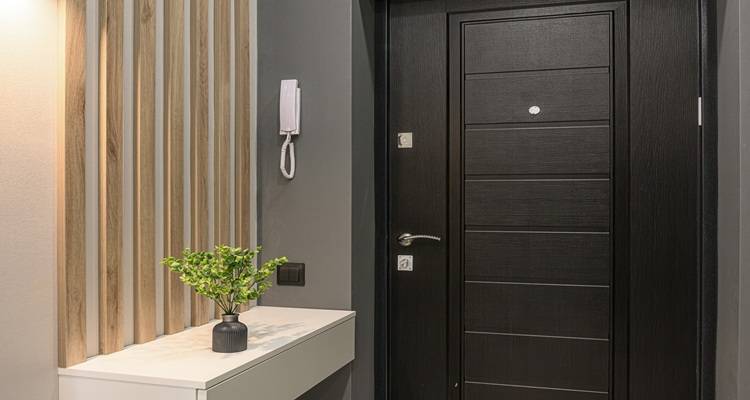
MDF panels are some of the most affordable and range from £14 to around £50 per panel. Wooden panels cost on average between £30 and £70 per panel.
Vinyl Wall Decals
These are stick-on designs made from vinyl that you can apply to any smooth surface. In the hall, you could create a focal point on a wall or door. To apply, you simply peel off the backing paper and stick the transfer to the surface.
You can peel them off again, and it doesn't damage the paint below, which makes them ideal if you don't want to make permanent changes. They are often sold in packs, and prices range from £10 to £30.
Cladding
Laminate or PVC cladding is easy to install and ideal for a household that needs a durable option. You can choose a wood or marble-effect for the hallway. The cladding is sold in panels, and you can expect to pay between £20 and £80 per panel, depending on the material and design you choose.
Hiring Contractors Checklist for Painting a Hallway
Run through these checks before you hire a painter and decorator for your hall, stairs and landing:
- Hall, stairs and landing experience — Stairwells mean working at height over a drop, so look for someone who regularly paints this type of space.
- Written and itemised quote — The quote should cover prep, filling, the number of coats, ceilings, woodwork and any access equipment.
- Paint supply — Check whether the price includes paint and how many coats are allowed for, especially if you're covering a dark colour.
- Public liability insurance — This protects your home if something is damaged while they're working around the stairwell and landing.
- Access and protection — Ask how they'll reach the stairwell safely and how they'll protect your floors, carpets and bannisters.
- Waste removal — Confirm who clears away old paint, wallpaper and dust sheets once the job is finished.
- Finish and guarantee — Check the start date, how long the job should take, and whether the work comes with any guarantee.
- Reviews and recent work — Look at feedback and photos from similar hall, stairs and landing jobs on their MyJobQuote profile.
The easiest way to find a local painter is to use MyJobQuote. Tell us what you need, and we'll find painters in your area so you can compare quotes and choose the person that best suits your job.
FAQs
Can I Paint a Hallway Myself?
Yes, if you have the time, the right tools and a head for heights. The tricky part is the stairwell, where you'll be working at height over a drop to reach the high walls and ceiling. A fall here can cause a serious injury, so many people bring in a professional for the stairs and landing, even if they tackle the lower walls themselves.
What Paint Finish is Best for a Hall, Stairs and Landing?
Hallways are high-traffic areas, so you want a finish that wipes clean and resists scuffs. A matt or soft sheen emulsion works well on walls, while eggshell or satin suits woodwork like skirting boards, spindles and doors. Durable finishes cost a little more but tend to last longer in a busy hallway.
Do I Need to Paint the Ceiling and Woodwork at the Same Time?
It's usually worth doing everything together, especially if you've hired a painter. Painting the walls, ceiling and woodwork in one go gives a consistent finish and avoids paying for a second visit later. It can add a day to the job, but it's often more cost-effective overall.
How Do I Deal With Cracks or Damp Before Painting?
Always fix the cause of any damp first, such as a leak, then let the wall dry out fully using a dehumidifier or good ventilation. Once dry, fill any cracks with filler and sand smooth. Treat stained or previously damp areas with a stain-blocking primer before painting, otherwise marks can bleed through the new coat.
Do I Need to Use Fire-Retardant Paint in My Own Home?
In your own home it's a personal choice rather than a legal requirement. Fire-resistant or Class 0/1 paint is generally required in the communal areas of flats and houses in multiple occupation, so it's worth checking if your hallway is shared.
Do I Need Building Regulations to Paint a Hallway?
No. Painting and decorating isn't classed as building work, so you don't need building regulations approval. They may apply if you make structural changes, such as removing a wall to open up the hallway, so check with your local council before starting any structural work. If you rent, ask your landlord first, as some have rules on colours and finishes.
How Often Should a Hallway Be Repainted?
Because hallways, stairs and landings take so much daily wear, the walls often need refreshing every 3 to 5 years, sooner in a busy family home. Woodwork and high-touch areas like handrails may need a touch-up more often. Choosing a washable finish can help stretch the time between full repaints.
Can You Paint Over Wallpaper in a Hallway?
You can, if the wallpaper is in good condition, firmly stuck down and not heavily textured or vinyl. Seal it first with a coat of primer, then paint as normal. It can save you the cost of stripping, but if the paper is peeling, damaged or has busy patterns showing through, it's better to remove it for a clean finish.