Builders
 Carpenters
 Electricians
 Flooring Specialists
 Gardeners
 Handymen
 Heating Engineers
 Painters & Decorators
 Plasterers & Renderers
 Plumbers
 Roofers
 Tilers
 my
myAsk a Trade
Got a question that only a tradesperson can answer? We have thousands of trades ready to answer any question you may have.
Ask your question
Painting fresh, new plaster is a little different from painting a typical wall. You have to make sure you prep the new plaster first before painting so you get the exact finish you want. This easy-to-follow guide will show you exactly how to paint new plaster, so check it out below!
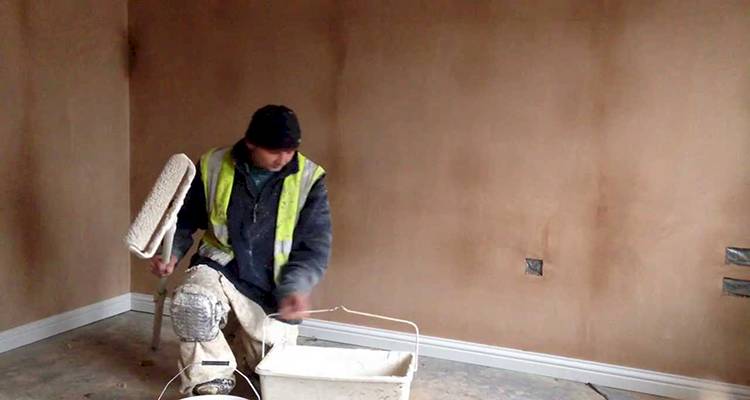
Below is a list of the tools that you will need to paint over new plaster:
To protect your clothes from becoming covered in paint, it is recommended that you wear overalls to protect yourself from splashes or drips.
Below is a list of the materials that you will need to paint over new plaster:
To prepare for painting over your new plaster, you must first ensure that the plaster is completely dry. It is recommended that once you have finished plastering an indoor wall you should wait at least a week before attempting to paint over new plaster.
You can buy paints that are specifically designed for use on plaster. Alternatively, you can also paint over your plaster using a matt emulsion paint that has been watered down, by mixing around three-parts paint to one-part water.
Below is a step-by-step guide on how to paint over plaster:
Ensure that your plaster is completely dry before you decide to paint over it. If you notice any dark patches, this is usually a sign that it's not completely dry yet and that you should wait a little bit longer.

Mix together a mist coat made of watered-down emulsion which can act as a primer. The extra moisture in this mist coat will absorb into the wall and will make it much easier for your topcoat to stick. It's also important to ensure it has been evenly applied, which can sometimes prove harder when you have decided to plaster a ceiling.
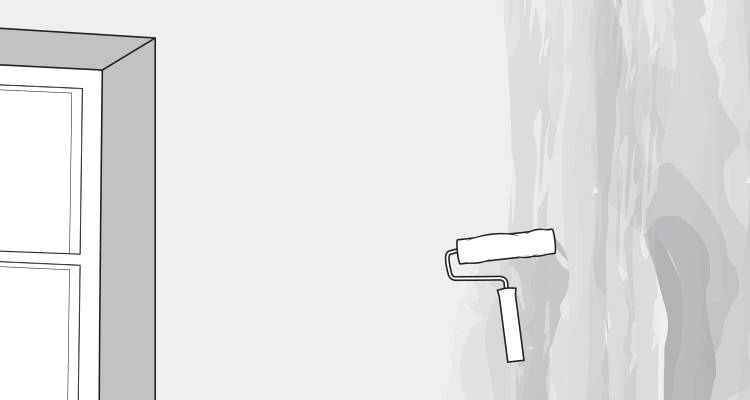
Check edges, corners, and joints for any uneven plaster. Apply a suitable primer or protective coating to exposed metal, such as corner beads, fasteners, or steel joists, to prevent rust and ensure a smooth finish.

Apply the mist coat in an upward motion until you have covered the entire wall. Mist coats can drip quite easily, so be sure to keep checking and paint over any drips or runs so that they don't dry and ruin the finish of the wall.
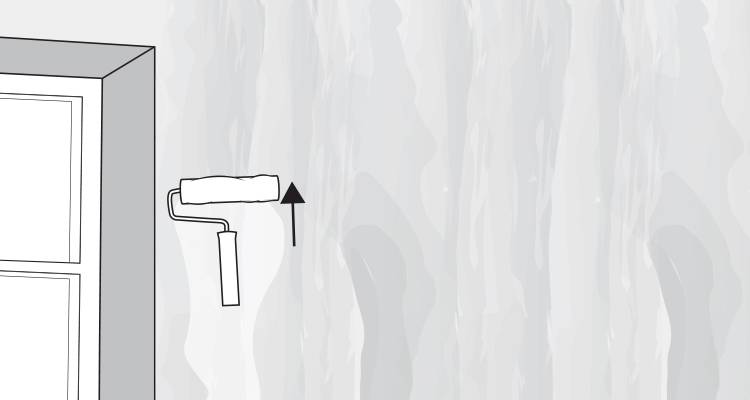
Wait at least 24 hours for the mist coat to dry, as exact drying times can depend on conditions such as temperature and humidity.

You can now apply your topcoat on top of the mist coat. For best results, you should apply more than one coat.
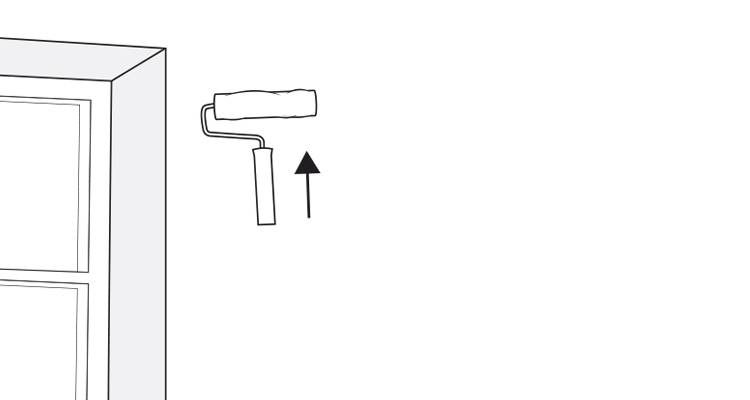

The best types of emulsion to use on new plaster are products that are made specifically for new plaster. These are usually high-quality matt emulsion paints that allow the substrate to breathe and also allow the drying process to continue after the paint has dried if needed.
Some people like to use a dehumidifier to speed up the drying process. However, sometimes when you remove the moisture too quickly, it can cause cracks or imperfections in the surface. We recommend leaving the plaster to dry naturally for the best results.
It will depend on the size of the job. To plaster one wall, it will usually take around 3 to 4 hours on average. If you are plastering the whole room, this will usually take a full day for a small room and up to 2 days for larger rooms.
It is best to apply one mist coat first, then add two separate topcoats (allowing drying time between each coat) to create a smooth, even finish.



Copyright 2026 MyJobQuote.co.uk. All rights reserved
Privacy Policy | Terms and Conditions | Sitemap
MyJobQuote.co.uk is rated 4.68 stars by reviews.co.uk based on 4157 reviews