Builders
 Carpenters
 Electricians
 Flooring Specialists
 Gardeners
 Handymen
 Heating Engineers
 Painters & Decorators
 Plasterers & Renderers
 Plumbers
 Roofers
 Tilers
 my
myTap Replacement Cost
At a Glance
- The average cost to replace a tap is around £100.
- Most straightforward replacements take around 1 hour, while jobs requiring new supply lines can take up to 4 hours.
- Tap replacement costs for different tap types, including bath taps, kitchen taps, and basin taps.
- How long a tap replacement takes and what's typically involved.
- How to find a local plumber using MyJobQuote.
Get free estimates
Are you a trade? Get more work today!
£100
Table of Contents
- How Much Does Tap Replacement Cost?
- Labour Cost to Replace Tap & Timescales
- Replacement Tap Costs (Supply Only)
- Additional Tap Replacement Costs
- Factors That Impact Tap Replacement Costs
- Cost to Remove a Tap
- What's Involved in Installing a New Tap?
- How to Know When a Tap Needs Replacing
- Checklist: How to Find and Hire a Plumber in the UK
- FAQs
How Much Does Tap Replacement Cost?
How much does it cost for a plumber to change a tap?
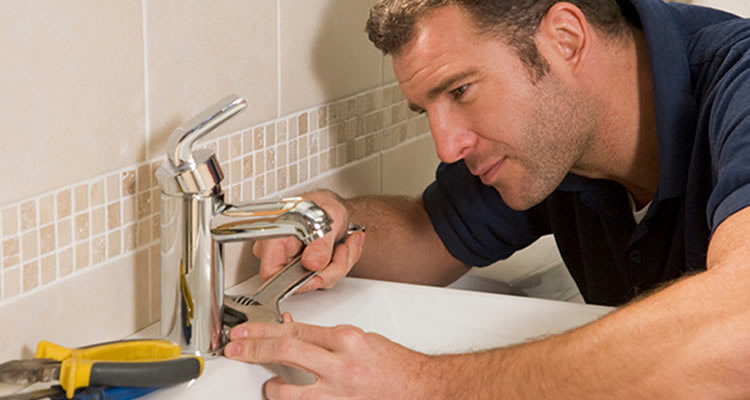
Replacing a tap costs around £100 on average. The total cost will depend on what type of tap you choose, the tap's material, the complexity of the installation, and whether new supply lines are needed.
As a rough guide, replacing a double bath filler tap will cost around £80 in materials and £50 in labour.
Which taps are you having replaced?
Kitchen taps
58 votes - 41%41% of votes
Wash basin taps
42 votes - 30%30% of votes
Bath taps
24 votes - 17%17% of votes
Mixer taps
17 votes - 12%12% of votes

141 votes
See results
Hide results
Kitchen mixer tap replacement costs around £110 in total for a straight swap, which can vary depending on your water supply, as new lines will push labour costs up to between £100 and £200.
The area of installation can also factor into the price you'll be quoted. For example, fitting a water line for a brand new tap installation will cost anywhere between £150 and £300.
My kitchen cold tap keeps dripping, do I have to buy certain taps to replace the ones that are dripping?
"No, if you want to replace a kitchen mixer tap you can pick anyone that you fancy. In some cases you can replace the washer in the tap but in my opinion if it’s starting to drip etc you're better off just replacing, as they are not too expensive."
Tap Replacement Prices
Most straightforward like-for-like tap replacements take around 1 hour. Jobs that require new supply lines can take up to 4 hours and will cost more in labour.
| Job Description | Total Cost (Supply and Fit) |
|---|---|
| Replace a Bath Filler Tap | £130 |
| Replace a Basin Mono Mixer Tap | £100 |
| Replace a Bath Shower Mixer Tap | £110 |
| Replace a Pillar Tap | £80 |
| Replace a Kitchen Mixer Tap | £110 |
| Install a Bath Filler Tap with New Lines | £150–£250 |
| Install a Basin Mono Mixer Tap with New Lines | £120–£220 |
| Install a Bath Shower Mixer Tap with New Lines | £130–£230 |
| Install a Pillar Tap with New Lines | £100–£200 |
| Install a Kitchen Mixer Tap with New Lines | £130–£230 |
Want a custom price?
Post your job
Labour Cost to Replace Tap & Timescales
So, how much do plumbers charge to change a tap?
- Straightforward Like-for-Like Tap Replacement — £50 (1 hour of work if the existing supply lines and isolation valves are already in place).
- New Supply Lines or Isolation Valves Needed — £100 to £200 (up to 4 hours of work).
- Hourly Rates Vary by Location — The national average hourly rate for a plumber is around £50 per hour. In major cities like London and Manchester, expect to pay above the national average, but in smaller towns, you may find rates closer to the lower end of the range.
| Type of Work | Labour Cost | Estimated Time |
|---|---|---|
| Replace an Existing Tap | £50–£100 | 1 to 2 hours |
| Install a New Tap with Minor Pipework Alterations | £50–£150 | 1 to 3 hours |
| Install a New Tap with New Supply Lines | £100–£200 | 2 to 4 hours |
Want a custom price?
Post your job
Before hiring a plumber, make sure you're completely clear on what is included in the quoted price. A straightforward tap replacement should take around an hour, but unforeseen issues, such as seized pipes or corroded fittings, can add time and cost.
Replacement Tap Costs (Supply Only)
A great way to save on costs of materials is to shop around for the products yourself.
Some taps are naturally more expensive than others, either due to their complexity or the material they're made from. For example, standard twist-to-open bathroom taps are often made from cheaper materials, making them more affordable than a stainless-steel basin mixer tap that incorporates ceramic technologies.
| Tap | Price |
|---|---|
| Bath Filler Tap | £80 |
| Basin Mono Mixer Tap | £50 |
| Bath Shower Mixer Tap | £60 |
| Pillar Tap | £30 |
| Kitchen Mixer Tap | £60 |
| Garden Tap | £10 |
Want a custom price?
Post your job
Pillar Tap Cost
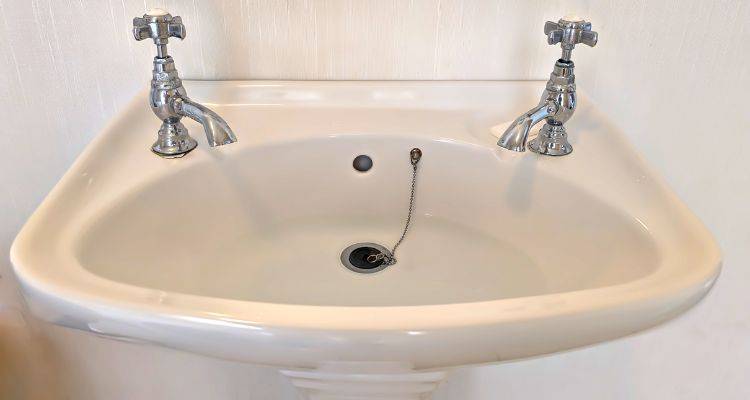
Pillar taps are your standard hot and cold water taps, with a separate tap for each. They're found both in kitchens and bathrooms and are available in a variety of materials and styles.
Pillar taps are one of the most affordable options, with the taps themselves costing around £30 to supply. A like-for-like replacement typically costs around £80 in total, including labour.
Mixer Tap Cost
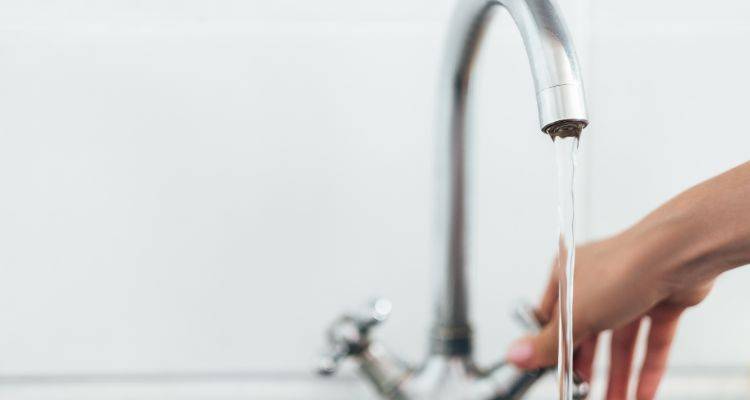
Mixer taps provide hot and cold water through the same spout, with either a lever or two handles controlling the temperature and flow. They're a common choice for both kitchens and bathrooms, and are often used on bathtubs.
A mixer tap costs around £60 to supply. Replacing a bath shower mixer tap costs around £110 in total, while a kitchen mixer tap replacement comes to a similar price.
Monobloc Tap Cost
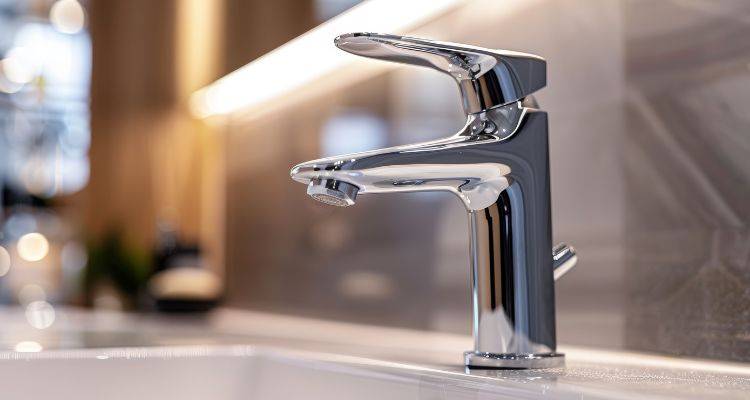
Monobloc taps are fitted into a single tap hole and mix the hot and cold water in one spout. Most have one lever that you can lift and turn side to side to adjust the flow and temperature, but some have two.
A basin mono mixer tap costs around £50 to supply, with a full replacement, including labour, coming to around £100 in total.
Boiling-Water Taps
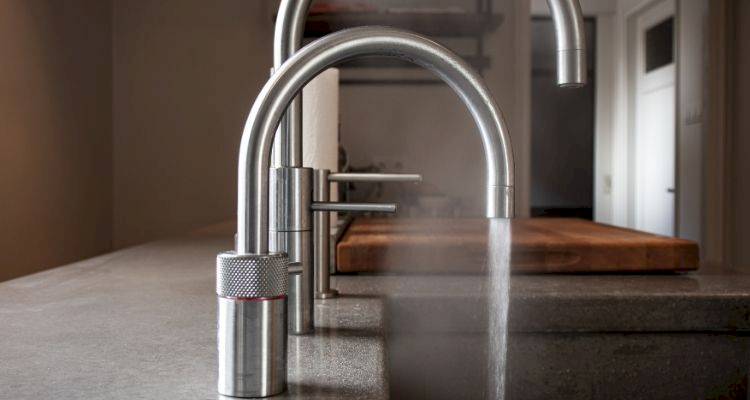
As well as the tap itself, boiling-water tap installation also involves an additional boiler-like unit to heat the water to boiling point. These are a more expensive investment than standard taps, costing anywhere between £300 and £600 for the unit alone. Installation takes longer than a standard tap swap, so budget for additional labour costs of around £100 to £150 when hiring a plumber.
Garden Tap Cost
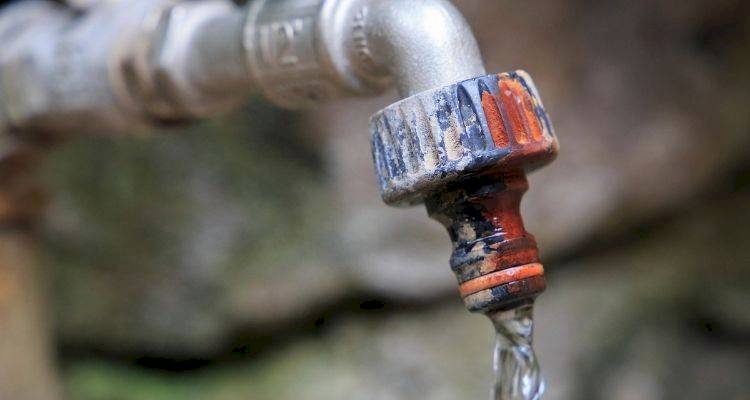
Outdoor taps are made from strong, sturdy materials and provide cold water only. They have a simple twist handle to control the water flow and are usually mounted on an external wall.
A garden tap costs around £10 to £30 to supply. A full installation, including running new pipework, typically costs between £120 and £200 in total.
How much would it cost on average to install an outdoor tap on the side of the house the sink is?
"The cost depends on the individual. A tap installed on the other side where the sink is located is a fairly straightforward installation. Prices for garden taps start from £75 -£150. All depends what the plumber is charging. Hope that helps."
Kitchen Tap Replacement Cost
Replacing a kitchen mixer tap is one of the more common tap replacements, and like-for-like replacements where there are no changes to the pipework should be relatively quick and cheap.
Expect a simple kitchen mixer tap installation to cost around £110, but this can go up considerably if new pipework is needed, your sink needs replacing to accommodate the new tap, or you opt for expensive, high-end filter and boiling-water tap systems.
Bath Tap Replacement Cost
Installing new bath filler taps or bath shower mixer taps is another fairly common tap replacement job which shouldn't cause a plumber too much trouble, and can be a great way to improve your bathroom without a full bathroom renovation.
Installing a new bath filler or mixer tap will cost about £130, and a bath shower mixer tap would cost around £110 to have installed. Any challenges accessing your bathroom plumbing, or if you need to install a new bath as well, will increase these costs.
Ask a Trade
Got a question that only a tradesperson can answer? We have thousands of trades ready to answer any question you may have.
Ask your question

Additional Tap Replacement Costs
Some additional costs could be necessary during the tap installation or replacement work, and it may only become obvious these are required once the plumber starts the job.
- New Isolation Valves — Your current isolation valves may be seized, faulty, or you may not have any installed. Isolation valves are advisable as they allow the tap to be shut off without shutting off the mains water supply, and fitting new ones will increase your tap replacement cost.
- New Hoses and Connectors — Worn or incompatible flexible hoses will probably need to be replaced, or added to the setup if you don't already have them. The additional cost is small and the job is worth doing while the plumber is replacing the tap.
- Pipework Alterations — Depending on your current setup, the plumber may need to re-route or extend the existing pipework. How much it costs to replace a tap will depend on the additional cost of labour and materials for your new pipework.
- Sink Replacement — Old sinks may not be compatible with the tap you've chosen, or they may be damaged when removing the old tap. While new kitchen sink installation costs will be extra, it may be necessary or practical while the plumber is changing the tap.
The hot and cold water taps in my WC are the opposite way round to the bathroom and kitchen taps. Can these be easily swapped around, and how much is it likely to cost me?
"It's a straightforward job, it shouldn't cost any more than £75, including any parts needed."
Factors That Impact Tap Replacement Costs
- Type of Tap — The type of tap you want will affect the overall price. Tap types range from budget-friendly pillar taps to pricier monobloc or boiling-water options.
- Additional Features — If you opt for a boiling-water system or one with a filter, as well as these taps usually costing more, the tap installation may also involve more work for the plumber, increasing your costs.
- Tap Installation Location — Installation location is another factor that affects the overall price, as a plumber installing a tap on an island kitchen worktop or when moving a kitchen sink, for example, may need to run plumbing under the floor, which adds complexity and cost.
- Accessibility — If your tap or plumbing connections are difficult to access and work on, this can mean removing your old tap and completing the new tap installation takes longer and the labour costs more.
- Condition of Existing Plumbing — Older plumbing could make your old tap difficult to remove, and it may need repairing, replacing, or upgrading to fit your new tap, which could mean more materials and labour.
- Labour Costs — Labour costs are one of the biggest factors affecting the total cost of tap replacement, and labour fees will be higher in areas such as London and the South East due to plumbers charging more to cover higher living expenses.
- Minimum Charges — Replacing a single tap is a relatively small plumbing job that may only take an hour. Some plumbers may charge a minimum fee or call-out charge for this type of work so you would end up paying more.
Do boiling water and filter taps take up a lot of space under the sink?
"You need space for the tank and water filter. I’d say around a quart of a standard kitchen unit will be filled up."
Cost to Remove a Tap
You can quite easily remove a tap yourself if you're comfortable with shutting the water off at the mains and can use essential tools adequately.
However, you will want to get a professional in if you need the water lines disconnected permanently, while still using water in other areas of your home.
A plumber will probably charge you £50 for an hour's work to remove the tap and isolate the lines. As for the tap itself, if it's still working then someone else may benefit from it second hand. Alternatively, check with your local recycling centre to see if they accept mixed metals.
What's Involved in Installing a New Tap?
A plumber will be well-versed in installing and replacing taps, so most people choose to hire one rather than try to save £50 doing the job themselves, and to be sure the work is done to a safe and professional standard.
If you were to make any mistakes yourself, damage caused to your water system could result in creating leaks or flooding, which can potentially require costly repair work.
It is widely recommended to seek quotes from more than one plumber. With MyJobQuote, you can find plumbers local to your area, without any further obligation to hire.
Let's break down the tap installation process when you hire a professional:
Before the Job
- Inspecting the Existing Plumbing — The plumber will inspect the existing tap, pipework, and connections, to understand what needs to be done to complete the job.
- Shutting Off the Water — The first step is to turn off the water supply at the mains or isolation valve to ensure a safe and dry installation.
During the Job
- Removing the Old Tap — The plumber will disconnect the hot and cold water lines and take out the old tap. The area will then be cleaned to ensure a secure and tight seal for the new tap.
- Preparing the New Tap — The new tap is prepped to ensure a watertight seal will be achieved.
- Installing the New Tap — The tap is then aligned and fitted into place, before securing with new nuts from underneath.
- Reconnecting Supply Lines — The hot and cold water lines will be reattached, the mains turned back on, and the tap tested to ensure it's working correctly.
After the Job
- Final Checks — The plumber will inspect the tap installation to make sure the tap is secure and leak-free.
- Rubbish Removal — Lastly, any waste or rubbish is removed so the area is clean and cleared.
I have two sets of taps in my bathroom (sink and bathtub) and would like to replace both of them with new mixer taps. Are there any major changes that I will need to take into account beyond the piping of the hot and cold water to the single tap?
"It’s a pretty simple process to change both. However, you need to take into account that your sink doesn’t already have a mixer tap I’m assuming it has a separate hot and cold. Which would mean you have to change the sink to one with just the single central hole for a mixer tap."
Are you in need of a quote?
MyJobQuote has a wide range of plumbers near you ready to give you a free quote.
How to Know When a Tap Needs Replacing
There are some clear signs that you may need your tap repairing or replacing, like a seized or dripping tap, but the key is to sort the problems as soon as they appear to avoid the cost of an emergency plumber.
- Dripping Tap — A dripping tap can waste up to 5,500 litres of water per year. If you're on a water meter, this could be costing you £14 per year, and up to £100 a year if your hot water tap is dripping. It could be a faulty washer or a fixing, but in the worst case, you may need a replacement tap before the leaking becomes far worse.
- Seized Handle — Hard-to-turn handles can be straightforward to fix with some lubricant, but a handle can also seize because the tap is damaged, meaning you'll need to replace it before it snaps or breaks permanently.
- Damaged Handles — In some instances, you may not need to replace the whole unit and can simply purchase replacement handles instead. This can be the more cost-effective option if the handles have become loose, cracked, or broken, or if you notice corrosion, rust, or if they've become difficult to turn.
My toilet sounds like a fog horn when you flush it, the kitchen and bathroom taps make a noise when you turn them on, and there is a groaning noise coming from somewhere in the pipes in the bathroom. What's the problem?
"More than likely would be water hammer, could indicate pressure regulator pipes not clipped at correct intervals etc."
Checklist: How to Find and Hire a Plumber in the UK
When it comes to hiring a plumber in the UK, there are some key points to consider before paying for someone to work in your home:
- Are they fully qualified and accredited? Ideally, look for a plumber registered with WaterSafe as this means they are trained in the water regulations and will issue a certificate of compliance once they've finished the job.
- Do they have the correct insurance? Check they carry public liability insurance (and professional indemnity if applicable) which will help protect you from any potential issues during the job.
- Do they have experience with your type of work? Ideally, hire someone who has completed similar plumbing jobs in the past, whether it's taps, showers, or larger installations.
- Can they provide references or examples? Ask for before-and-after photos or details of previous jobs to verify the quality of their work.
- Have you received multiple quotes? With the help of MyJobQuote, find plumbers local to your area, ask for more than one quote and ensure they provide a detailed summary of costs for the job required.
- Do they have positive reviews? Check online platforms including MyJobQuote for feedback from previous customers. Good reviews are a strong indicator of reliability and workmanship.
FAQs
Do You Need a Plumber to Replace a Tap?
A like-for-like tap replacement can be done by a confident DIYer if they're comfortable isolating the water supply and using basic tools. However, if new supply lines need to be run, or if the existing pipework is corroded or seized, it's best to hire a qualified plumber to avoid the risk of leaks or water damage.
How Do You Change Bath Taps?
If your bathtub is fixed to a wall on the tap side, it will have a panel that you can remove to access the underside of the tap, where the nuts and supply lines are located. Once you have access, follow the same step-by-step process described above (turning off the hot and cold water, removing the old tap, fitting the new one, and reconnecting the lines), then replace the panel once the job is complete.
Can I Replace a Tap Without Replacing the Sink?
In most cases, yes. Standard like-for-like tap replacements should be pretty straightforward and not require you to replace your sink, as well. If you're changing the type of tap or maybe have an older sink, so the number, size, and position of holes don't match the tap you've chosen, then a new sink may be required.
Why Are My Taps or Pipes Making a Noise?
A noisy tap can be a sign that the tap has broken or is on the verge of breaking and may need replacing. A loud hammering noise when you turn your tap on can be a sign of water hammer, caused by issues with your water pressure or poorly secured pipes. Either of these issues should be checked by a plumber.
Do I Need Planning Permission to Install a New Tap?
Work inside the home doesn't require planning permission, so you won't need it to install a new tap. Separately from planning permission, you may require listed building consent if you live in a listed building. Check with your local planning authority if you are unsure.
How Much Does It Cost to Replace a Tap Cartridge?
A dripping tap may only need a new cartridge rather than a full replacement. A tap cartridge itself costs between £5 and £30, and a plumber will typically charge around £50 per hour to fit it, with most jobs taking 30 minutes to 1 hour.
How Much Does It Cost to Replace a Stopcock?
Stopcock replacements cost around £200, making them a worthwhile investment if your water supply is affected by corrosion, limescale build-up, or a potential leak.