Builders
 Carpenters
 Electricians
 Flooring Specialists
 Gardeners
 Handymen
 Heating Engineers
 Painters & Decorators
 Plasterers & Renderers
 Plumbers
 Roofers
 Tilers
 my
myDrain Unblocking Cost
At a Glance
- The average cost of clearing and unblocking drains is around £100.
- The job will take approximately 1 to 2 hours to complete.
- A breakdown of drain clearance prices and the factors that could affect the final cost.
- How long drain unblocking takes and what clearing your drains involves.
- How to find and hire a drainage contractor near you with MyJobQuote.
Get free estimates
Are you a trade? Get more work today!
£100
Table of Contents
- How Much to Unblock a Drain?
- Factors That Impact Drain Unblocking Costs
- Additional Drain Unblocking Costs
- What's Involved in Clearing and Unblocking Drains?
- Can I Clean and Unblock Drains Myself?
- Do My Drains Need Cleaning and Unblocking?
- Checklist: Hiring a Drainage Specialist to Clean and Unblock Drains in the UK
- FAQs
How Much to Unblock a Drain?
How much does it cost to unblock a drain?
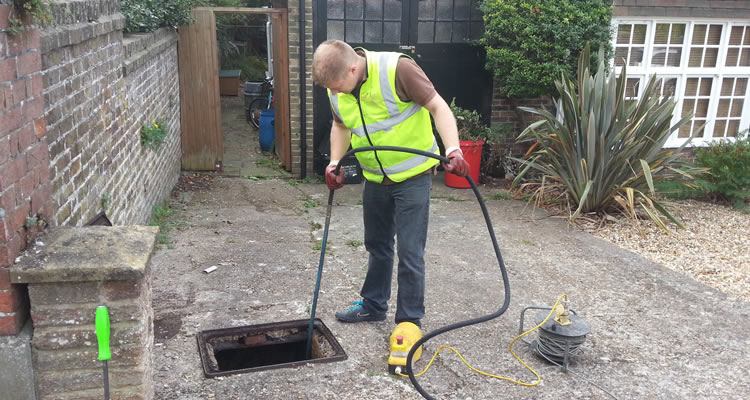
On average, you're looking at spending around £100 to get your drainage issues resolved, but drain clearance costs will depend on the specific problem and the method required.
For example, unblocking a toilet, bath, or sink will cost around £50 to £70, while general drain cleaning is generally priced at £80 to £100.
Other methods include drain jetting, which costs about £70 to £175, drain rodding that ranges from £80 to £145, and a full system scrub, which is typically priced at £150 to £200.
Some companies may also use a drain snake to clear compact blockages or awkward bends that cannot easily be reached through the drain pipe.
What happens when rods won't clear a drain blockage? If rodding hasn't cleared a drain blockage, what's the next step?
"If you can't clear a blocked drain with rods, depending on how many you have used, the blockage may be further away than you think and may need high-pressure water jetting or machining to clear it completely. I don't recommend inserting multiple rods into the drain as there is a high chance they will get stuck or come undone in the process."
Drain Unblocking Prices
Here is a price breakdown of the different types of drain unblocking and cleaning methods:
| Job Description | Average Cost |
|---|---|
| Drain cleaning | £80–£100 |
| Drain rodding | £80–£145 |
| Drain jetting | £70–£175 |
| Drain system scrub | £150–£200 |
| Unblocking a toilet | £50–£60 |
| Unblocking a bath/sink | £50–£70 |
Want a custom price?
Post your job
As you can see, drain unblocking services vary considerably in price. Here is a closer look at some of the most common jobs and how much they cost:
Drain Rodding Costs
Drain rodding is a popular drainage method used by professionals which involves flexible rods. These rods are screwed from end to end to fit into the drain to loosen or break up a blockage. This method usually costs around £80 to £145.
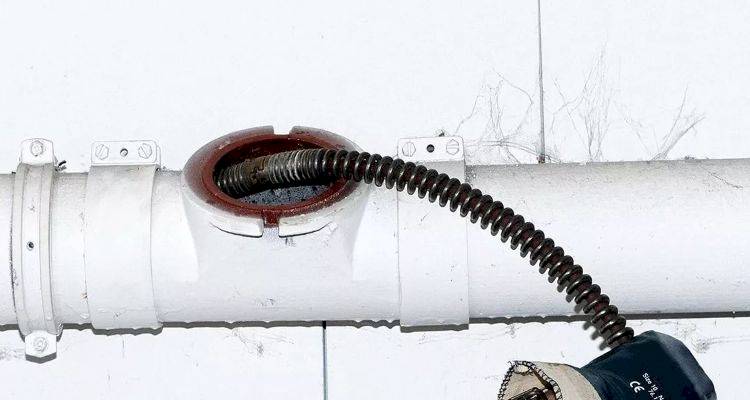
This method is ideal for smaller blockages in sinks or mainline sewer pipes as the rods can dislodge a small obstruction quickly. They are also suitable for removing roots which may have grown into the drain or sewer.
Drain rodding is not ideal for more extensive blockages, as it is only useful for breaking up blockages rather than getting rid of them altogether.
Drain Snake Costs
Drain snaking tends to cost less than drain rodding or drain jetting, and is often the first method a plumber will try for an internal blockage.
Unlike drain rods, a drain snake can navigate bends and tighter sections of the drain pipe, making it useful for clearing more awkward blockages in indoor and outdoor drains.
Drain Jetting Costs
Drain jetting or hydro jetting is a modern drain cleaning technique which involves the use of high-pressure water to clear away any blockages. The average cost of drain jetting is around £70 to £175.
Drain jetting clears out all debris and can help prevent future drain issues.
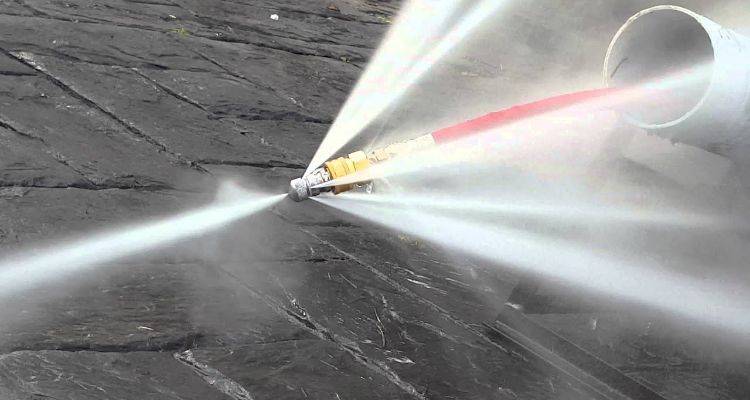
One of the disadvantages of drain jetting is that some pipes or drains may not be strong enough to withstand the level of pressure that comes with hydro jetting. So, before choosing this option, it is vital that a professional checks your pipes for any cracks or weak areas that may burst during the procedure.
Blocked Drain Call Out Charges
Many drainage contractors charge a standard call out fee of around £50 to £100, which usually covers the first hour of work when booked in advance. An emergency plumbing call out — evenings, weekends, or urgent out-of-hours drain unblocking — can increase this to £100 to £200 depending on your location and the time of day.
As with many jobs, call out and labour rates will likely be higher in London and the South East compared to other parts of the UK.
Outside Drain Unblocking Costs
Unblocking an outside drain usually costs around £80 to £150, depending on how deep the blockage is and whether simple rodding is enough to clear it.
Outdoor drain cleaning may also be needed for blocked gullies, external drains, or recurring sewer blockages affecting the wider drainage system.
If the blockage is further down the line or keeps coming back, drain jetting or a CCTV survey may also be needed, which can increase the total cost.
Gully Drain Cleaning Costs
Cleaning or unblocking a gully drain usually costs around £80 to £120. Gullies and outdoor drains often become blocked with leaves, mud, grease, and general outdoor debris, especially during wetter months.
If the blockage has spread into the underground drain run, further work such as rodding or jetting may be required.
Sewer Drain Unblocking Costs
If the blockage is located in a shared sewer or external drainage system rather than your private drain, you may need to contact your local water company first, as they are often responsible beyond your property boundary.
If the blockage is within your own sewer pipework or private drain run, unblocking costs usually range from £100 to £200, again depending on access and whether jetting or CCTV inspection is required.
My toilet and sink water are coming back up. I had my home emergency insurance who sent an engineer, he flushed the system from the toilet and sink but it's still not working. Any ideas?
"It sounds like you’re dealing with a serious drainage issue that wasn’t fully resolved by the initial flushing. This could mean there’s a deeper blockage in the main drain line or even an issue with the sewer line. Contact your home emergency insurance provider again and request a more thorough inspection, possibly with a camera scope."
Factors That Impact Drain Unblocking Costs
As you might expect, there are a number of factors that can affect drain clearance costs.
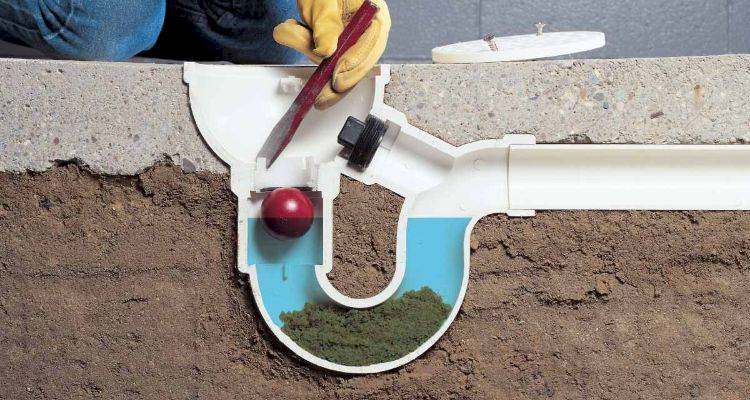
As well as the method required to clear the blockage, costs can vary depending on the following:
Type and Location of Blockage
The overall cost of drain clearing will depend on the blockage type. For instance, a small blockage in a toilet or sink is normally cheaper to deal with than a more extensive blockage deep in your underground drains or external drainage system.
Location of Property
Where you live can also have a massive effect on the final cost, especially if you live in the countryside, where access to drain specialists is limited. You may also pay more if living in London and southern England, where tradespeople tend to charge around £280 per day, while drain specialists in the north of England typically set a day rate up to £215 a day. However, most drain blockages don't take a full day to clear unless they are severe.
Ease of Access to Drains
The level of access to your drains will also determine the cost, as some drain specialists may charge more if drains, particularly external drains, are not easily accessible, as they will usually take a lot longer to unblock.
CCTV Requirements
If the blockage cannot be identified or keeps returning, a CCTV drain survey may be needed to inspect the pipework. Expect a typical drain CCTV survey to cost around £90 to £350, depending on how detailed the survey needs to be.
Time of Call Out
Drain unblocking usually costs more outside normal working hours. Evening, weekend, and emergency call outs often come with a higher call out fee, especially for urgent work.
Additional Repairs Required
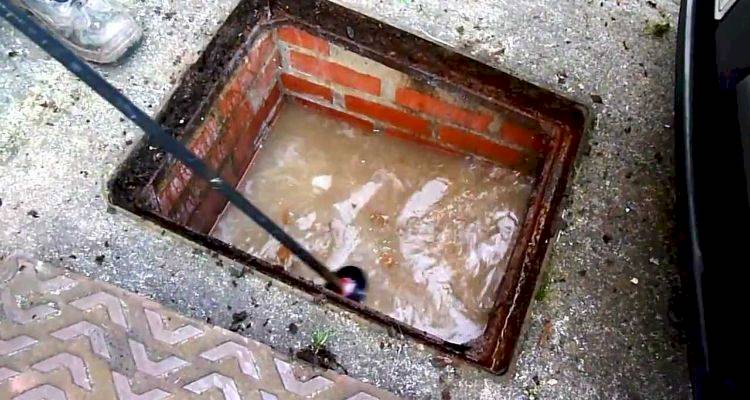
If damaged pipework, collapsed drains, or root intrusion are found during the job, extra repairs may be needed. This can increase the total cost significantly beyond a standard drain unblocking visit.
How long does it generally take to unblock drains?
"It depends on a lot of factors - is the drain collapsed, where is it located, i.e. ground or in concrete? Is it a single line or shared, and is it the pipe or the bends where it’s blocked? The first step would be to scan the drain with CCTV to establish what the issue is."
Ask a Trade
Got a question that only a tradesperson can answer? We have thousands of trades ready to answer any question you may have.
Ask your question

Additional Drain Unblocking Costs
There are several other costs you may need to consider when hiring a professional to unblock your drains, including:
CCTV Drainage Survey Cost
If you have ongoing issues with blocked drainage, then you may want to consider hiring a drain specialist to conduct a CCTV survey. This will involve an in-depth inspection of your drains by inserting CCTV cameras, which will provide live footage to the specialist to detect any issues.
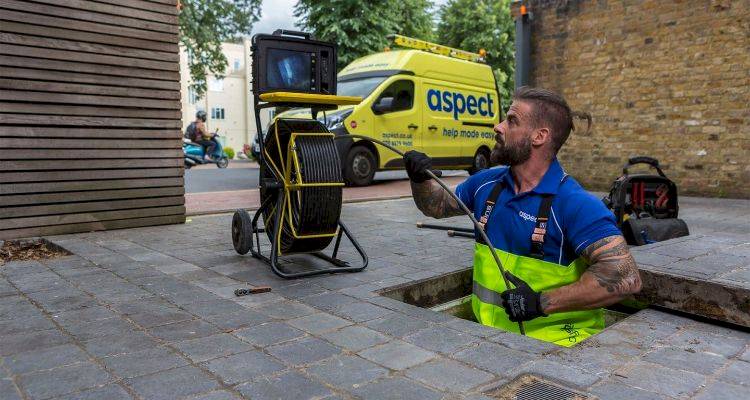
The average cost of a CCTV drainage survey is around £90 for a basic survey, and up to £350 for a full survey with drain mapping.
Pipework Repair Cost
Another job that is usually completed alongside drain cleaning services is pipework repair, especially if CCTV inspection shows cracks, root damage, or worn sections of pipe.
One common repair method is drain relining, where a resin liner is inserted inside the damaged pipe to create a new inner layer without excavation. Drain relining usually costs more than standard cleaning, while laying new pipework typically costs around £60 to £70 per linear metre.
Collapsed Drain Cost
In extreme cases, your drain lines may collapse altogether due to old age, ground movement, or heavy blockages. These factors can put pressure on the drain pipe, causing it to cave in.
The cost of repairing a drain line is high, at around £850 on average. If left untreated, not only can this cause severe drainage issues, but you run the risk of developing rising damp problems in your property.
Drain Clearance Cost Calculator
What's Involved in Clearing and Unblocking Drains?
Here's what you can expect when you hire a professional to clean and unblock your drains:
Before the Job Starts
- Initial Assessment — The drainage specialist will assess the problem area to try and identify the cause and location of the blockage.
- Testing and Preparation — Diagnostic tools may be used to verify the problem and determine the appropriate action to be taken to clear it.
- Accessing the Blockage — The specialist may disconnect appliances or move panels and access drain covers to reach the problem.
During the Job
- Clearing the Blockage — They will use the appropriate equipment, such as a drain snake for indoor drains or rods for outdoor drains, to try to dislodge the blockage.
- Drain Jetting — With most of the blockage cleared, they will then use high-pressure jetting to clear any remaining debris and make sure the drain is fully clear.
- System Scrub (if Needed) — If the blockage is severe, they may use a stronger cleaning agent to completely clear the system.
After the Job
- Performance Testing — The drainage specialist will run water through the system to check it drains freely and the blockage has been completely cleared.
- CCTV Survey (if Required) — If there are still issues, they may carry out a CCTV drainage survey to check for any damage or additional blockages.
- Final Clean-Up — Once everything is clear, they will reconnect any appliances and replace any panels or access covers, before removing any waste or debris and cleaning down the area.
If you decide to hire a professional, it's normal to get a few quotes so you can compare prices for your problem and budget. With MyJobQuote, you can get quotes from drainage contractors near you that are fast, free, and with no obligation.
Can I Clean and Unblock Drains Myself?
Cleaning a drain is one of those jobs that looks really simple at first sight, especially if you have ever watched a professional do it, but first impressions can be deceiving.
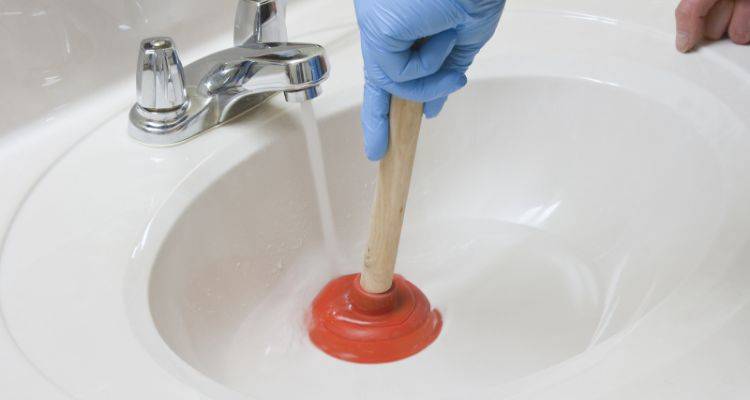
It is not only a dirty and challenging job, but can also be more complicated than you would think. However, if you are on a budget and would prefer to try it yourself first, minor blockages to your sink, bath or shower tray can be relatively easy to fix using over-the-counter cleaning chemicals and simple and cheap tools such as a plunger.
For more stubborn blockages, you might need drain rods. Always follow the manufacturer's instructions as these can become damaged and lodge in the pipe, causing further blockages, if used incorrectly.
I tried using a drain unblocker on my sink’s blocked drain pipe, but it didn’t work, leaving me with both a blockage and the liquid. Should I try fixing it myself or call a plumber?
"You should fix it yourself by using a plunger first, then if you're not successful, remove the cupboard shelf below the sink (if there is one), place wide basin/ bucket under the U-Bend, remove and empty in a rubbish bin or toilet. The plumber will charge you £25 just to turn up, plus whatever the job warrants on top."
Drain Unblocking Costs (DIY Option)
If you wish to clean and unblock a drain yourself, then you should consider the following costs for drain cleaning products:
| Product | Supply Cost |
|---|---|
| Sink unblocker | £2–£4 |
| Drain cleaner | £4–£14 |
| Drain rods set | £15–£140 |
| Drain cleaning kit | £50–£70 |
Want a custom price?
Post your job
Do My Drains Need Cleaning and Unblocking?
You might not notice blocked drains until they start causing problems, but sometimes you do get warning signs such as:
- Overflowing Sink — A build-up of waste or grease can block pipes and cause the sink to overflow.
- Toilet Not Flushing — If the toilet won't flush properly, it might be blocked by too much toilet paper, or the wrong things having been flushed down it.
- Water Failing to Drain — If the sink or bathtub takes longer than usual to drain, or doesn't drain at all, it could be blocked by a build-up of fat, oil, grease, soap, dirt, or hair.
- Strong Drain Smell — If you notice a bad smell coming up through the drains, it's better to look into having them cleaned sooner rather than later, before the issue worsens.
- Gurgling Drain — One of the clear signs that your drains need to be unblocked is a gurgling noise, which usually means there is trapped air in your drains.
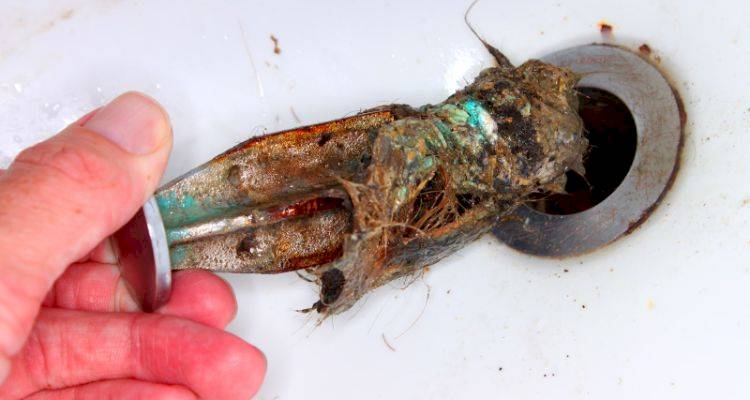
Despite multiple plumber visits, a drainage company inspection, and installing an air admittance valve, my third-floor flat suffers from slow drainage, with the washing machine waste backing up and blocking the sink again.
"Unfortunately, if not applied correctly, drain blockers can compound the problem. If other traders have attended, my guess is they will have checked the trap. You may need to replace the pipe run."
Preventing Blocked Drains
Without a doubt, the best way to deal with blocked drains is to prevent them from becoming blocked in the first place. Be careful about what you put down the drains, as things like cooking grease, hair, and soap are well known for causing drain blockages. Dispose of cooking oils in the bin and always use a screen or grate to cover the drain opening when showering or emptying dish water.
Drain blockages are not always caused by fats, soap and other substances which have been flushed or poured down the plugholes. They can also become blocked by structural defects, subsidence or even growing tree roots over time, which can partially collapse the pipe. But whatever the cause of the blockage, blocked drains can be serious, much more than a nuisance or a bad smell. They can eventually lead to an overflowing toilet if nothing is done.
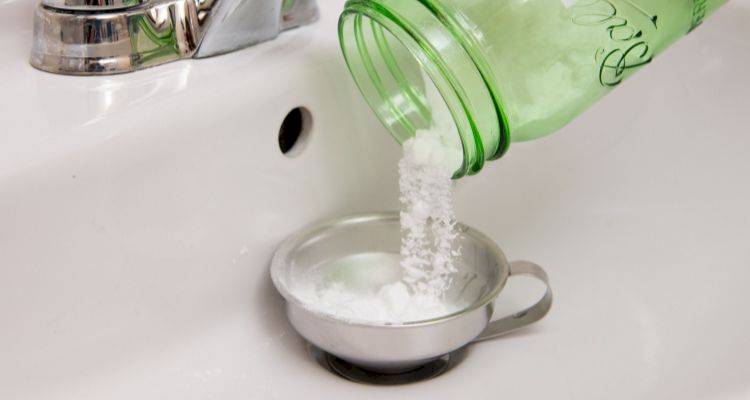
For gentle, regular maintenance, cleaning the drain using a handful of baking soda or a cup of vinegar will also help keep it running freely, provided the problem is not structural.

Checklist: Hiring a Drainage Specialist to Clean and Unblock Drains in the UK
Before hiring someone to clean and unblock your drains, you should take a look at the following checklist:
- Are they a member of the NADC? The National Association of Drainage Contractors is the UK's main trade body for drainage specialists.
- Do they have relevant qualifications? Look for a DrainSafe certification or an NVQ in Drainage Construction.
- Are they experienced? Check that the tradesman has at least 5 years' experience cleaning and unblocking sinks, toilets and drains.
- Do they have insurance? Make sure that they have public liability insurance to cover any damage to your property or injuries caused during the work.
- Will they provide an itemised quote? Ask for a breakdown of your drain unblocking costs so that you know what is included and whether there are any additional fees.
- Do they have examples of similar work? Enquire about previous jobs and check their MyJobQuote profile for photos of previous drain unblocking work.
- Do they have positive reviews? Check their MyJobQuote profile to read the feedback they have received from previous drain unblocking customers.
FAQs
What Is Best for Cleaning Kitchen Drains?
There are several ways to clean your kitchen sink, including flushing it out with boiling water, salt, vinegar, and baking soda.
If this does not work, then you may want to use a plunger to dislodge the blockage or more serious clogging. You may wish to use drainage rods or a drain snake, which can be fed down your drain to break up the debris.
Who Is Responsible for Blocked Drains and Sewers?
Finding out who is responsible for blocked drains can be difficult. The pipe is considered yours if it runs within your boundary and serves only your property (both must apply). Pipes shared with neighbours belong to the water company, as does the pipework past your property's boundary. However, for homes built after 2011, the homeowner or developer may still be responsible. In Northern Ireland, sewers shared between properties are a joint responsibility of the owners.
What Shall I Do if My Drains Are Blocked?
Responsibility for the clearance of blockages in private drains usually lies with the property owner. If you are the property owner, you should first check to see if your house insurance covers this. It's best to contact your water company first, as they will clear a blockage at no charge if it's on their network. If the pipe is confirmed to be yours, only then should you contact a drainage specialist or plumber. If you call someone out and pay them before speaking to the water company, you may not be able to claim the cost back if it turns out the blockage was on their network.
How Much Does It Cost for a Drain Survey?
A basic CCTV drain survey usually costs around £90, while a full survey with drain mapping and a written report can cost £250 to £350.
How Much Do Drainage Contractors Charge?
Drainage contractors usually charge £50 to £100 per hour for standard drain unblocking work, with most small jobs costing around £100 in total. Emergency call outs, drain jetting, or CCTV surveys will usually increase the overall cost.
Is It Worth Getting a Drain Survey?
A drain survey is usually worth it if you have recurring blockages, slow drainage, bad smells, or suspect damaged pipework. It can identify hidden problems such as cracks, root intrusion, or collapsed sections before they become more expensive to repair.
Can I Do a CCTV Drain Survey Myself?
DIY drain cameras are available, but they are usually only suitable for short internal pipe runs or basic checks. Professional CCTV drain surveys use specialist cameras and recording equipment that can inspect deeper underground drains much more accurately.