Builders
 Carpenters
 Electricians
 Flooring Specialists
 Gardeners
 Handymen
 Heating Engineers
 Painters & Decorators
 Plasterers & Renderers
 Plumbers
 Roofers
 Tilers
 my
myCost of Building a Raised Garden Bed
At a Glance
- The average cost to build a raised garden bed is between £30 and £600, depending on the size, materials, soil, and filling costs.
- A small timber or metal raised garden bed can usually be installed in a few hours, while larger brick, stone or concrete raised beds may take 1 to 3 days.
- A breakdown of raised garden bed prices by size and material.
- The supply, soil and filling costs involved in building raised beds.
- The key cost factors that can affect your total raised garden bed installation cost.
- How to use MyJobQuote to compare local gardeners and landscapers for raised garden bed installation.
Get free estimates
Are you a trade? Get more work today!
If you're thinking of installing raised beds in your garden, you might be wondering how much the project will cost.
While the average cost to build a raised garden bed typically falls between £30 and £600, the final price depends on a number of factors. This includes the amount of prep involved, the size of the bed and the materials used to build it. Whether you attempt it as a DIY job or use a professional landscape gardener will also affect the cost.
Already sold on the benefits of raised garden beds? Use MyJobQuote to gather no-obligation quotes and get your project off the ground in no time.
Need more help assessing raised garden bed costs? Let's explore further!
£300
Table of Contents
- How Much Is Building a Raised Garden Bed?
- Labour Costs and Timescales
- Supply Costs
- Soil and Filling Costs
- Additional Costs
- Cost Factors for Building a Raised Garden Bed
- Types of Raised Garden Beds
- Alternative Garden Bed Options
- Hiring Contractors Checklist for Building a Raised Garden Bed
- Removing or Replacing a Raised Garden Bed
- FAQs
How Much Is Building a Raised Garden Bed?
Wondering exactly how much it costs to build a raised garden bed in the UK? You'll typically pay somewhere between £30 and £600. The final price will depend on the size and height of the bed, the materials used, filling costs, ground preparation, and labour rates.
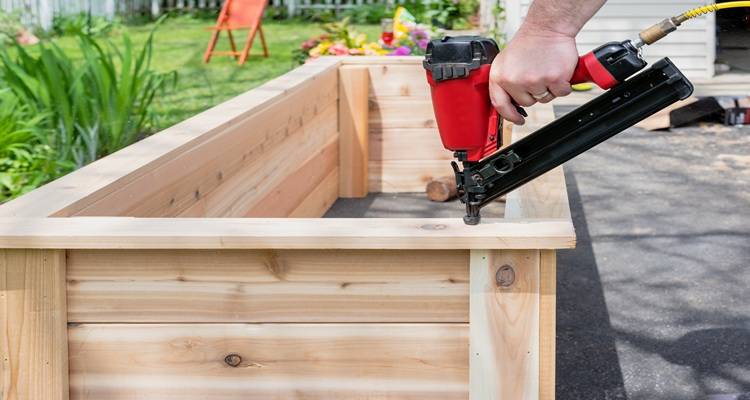
If you're working to a tight budget, it's possible to build a small, raised garden bed as a DIY project. Simple timber and metal kits that require minimal construction and tools can be picked up fairly cheaply from garden centres and DIY stores. Kits can cost as little as £30 to £100, but don't include soil or compost.
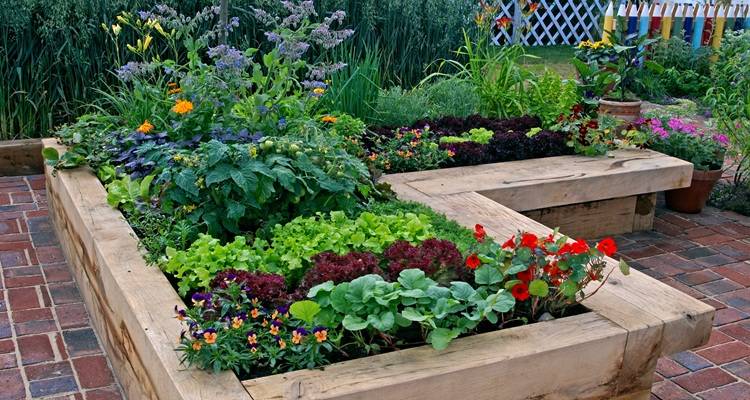
However, if you're looking to grow larger plants and shrubs or want more decorative beds, perhaps shaped to fit around a curved lawn or patio area, a professional installation may be required.
Raised Garden Bed Prices
The materials you choose for your raised garden bed can determine costs and timescales. Let's take a look at how this affects some common raised garden bed projects:
| Raised Bed Type | Average Price Range | Estimated Timescale |
|---|---|---|
| Small timber raised garden bed (1m x 1m) | £40–£250 | 2 to 3 hours |
| Medium timber raised garden bed (2m x 1m) | £60–£300 | 3 to 4 hours |
| Large timber raised garden bed (2m x 2m) | £90–£350 | 4 to 5 hours |
| Brick raised garden bed (2m x 1m) | £250–£500 | 1 to 2 days |
| Stone raised garden bed (2m x 1m) | £250–£600 | 1 to 2 days |
| Concrete raised garden bed (2m x 1m) | £250–£600 | 1 to 3 days |
| Metal raised garden bed (2m x 1m) | £30–£250 | 1 to 3 hours |
Want a custom price?
Post your job
A raised garden bed typically costs between £30 and £300 per m². Raised garden beds built on a DIY basis, from metal and softwood timber, will sit at the lower end of this scale and those built from brick or stone by a professional landscaper at the higher end.
Labour Costs and Timescales
Unless you're sticking with one small timber or metal raised bed, you may want to hire a gardener, landscaper or bricklayer to build your raised garden bed. Labour costs will depend on the type of raised bed, the materials used and how much preparation work is needed. Brick, concrete and stone raised beds usually take longer to install because they often need a level base, more preparation and mortar drying time.
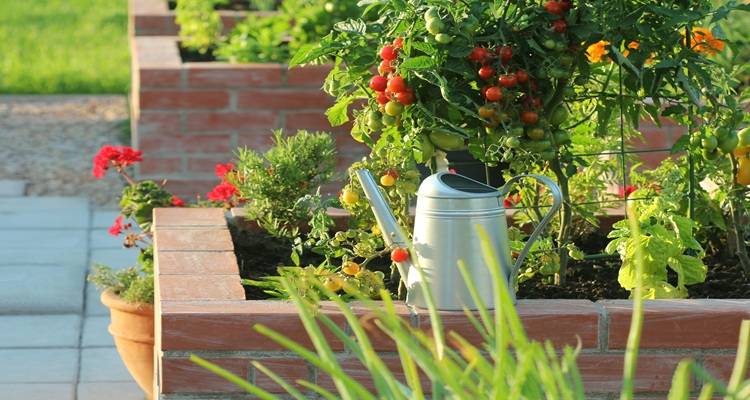
A gardener can help build small timber or metal raised beds and assist with planting and filling them. In the case of larger raised beds, ground preparation and garden layout work, a landscape gardener may be more suitable. For brick, block, stone or concrete raised beds, a bricklayer may be required.
| Contractor Type | Typical Labour Rate | Typical Timescale |
|---|---|---|
| Gardener | £14–£25 per hour or £100–£150 per day | 2 to 5 hours |
| Landscape gardener | £30–£60 per hour or £110–£180 per day | 1 to 3 days |
| Bricklayer | £150–£250 per day | 1 to 3 days |
Want a custom price?
Post your job
Supply Costs
To help you work out the costs involved in building a raised garden bed, let's take a look at the supply costs for the different materials you might use:
| Supply Item | Typical Cost |
|---|---|
| Timber boards or sleepers | £40–£200 |
| Bricks | £60–£140 |
| Concrete blocks | £30–£100 |
| Mortar mix | £10–£20 |
| Render mix | £15–£60 |
| Masonry paint | £25–£60 |
| Natural stone | £70–£200 |
| Hardcore | £10–£40 |
| Metal garden bed frames | £30–£200 |
| Screws, nails, brackets, and other fixings | £10–£20 |
| Landscape fabric or liners | £10–£30 |
Want a custom price?
Post your job
The exact price of the materials for your project will depend on the size, height and number of raised beds you plan to build.
The exact materials you opt for will also affect costs. For instance, the quality and depth of the timber you use, or the type of stone, such as tumbled limestone or sandstone. The finish can also affect costs.
For instance, rendering and painting concrete blocks will give you a more contemporary and aesthetically pleasing finish, but will cost more to do.
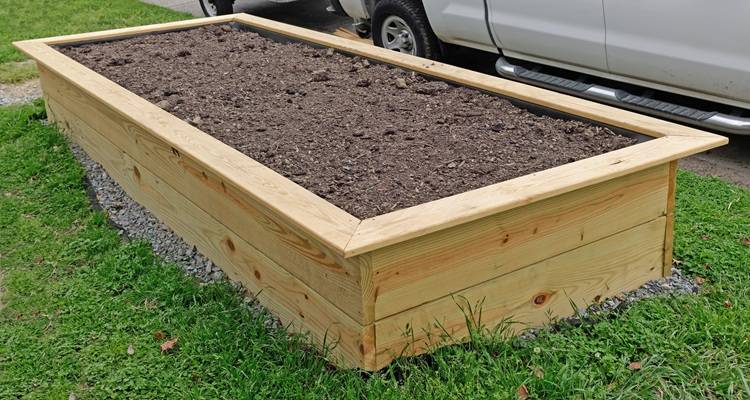
Solid brick, concrete and stone walls also need a level base, usually constructed with hardcore, whereas timber and metal beds can be placed directly onto an existing bed or lawned area.
This is one of the reasons why timber and metal beds are usually cheaper than brick or stone beds. However, in terms of durability, brick and stone walls should last much longer.
Soil and Filling Costs
While you may be able to fill a small raised garden bed with soil from elsewhere in your garden or with compost from your heap, it's most likely that you'll need to factor in filling costs.
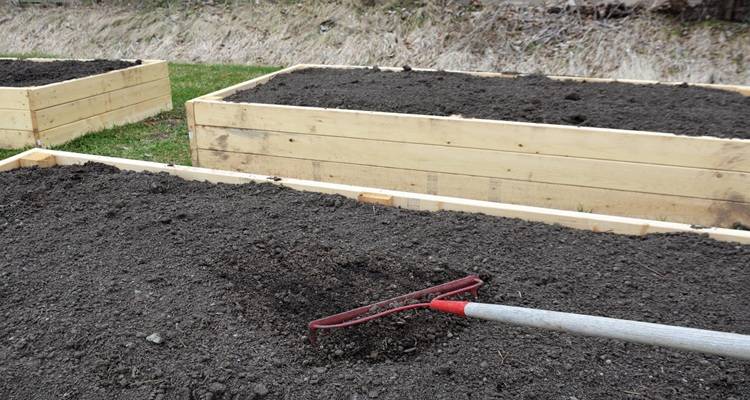
Raised beds are typically filled with a mix of soil and compost. Depending on drainage and what you wish to grow, you may need to factor in the following extra costs:
| Filling Material | Typical Cost | Purpose |
|---|---|---|
| Topsoil | £15–£50 | Main growing layer for raised beds |
| Compost | £20–£100 | Adds nutrients and improves soil structure |
| Mulch or bark | £10–£60 | Helps retain moisture and reduce weeds |
| Gravel | £10–£50 | Can be used as a drainage layer |
| Sharp sand or perlite | £10–£30 | Helps improve drainage in heavy soil mixes |
Want a custom price?
Post your job
The larger and deeper the raised bed, the higher the filling costs will be. Ordering in bulk can reduce the price per litre, but you will need to factor in delivery costs.
Ask a Trade
Got a question that only a tradesperson can answer? We have thousands of trades ready to answer any question you may have.
Ask your question

Additional Costs
There may be some extra costs to factor into your raised garden bed project. These usually depend on the condition of your garden, the type of bed you are building and whether you want to add extra features at the same time.
- Ground Levelling — You may need to level the ground to create a sound base for concrete, stone and brick raised beds. Wacker plate hire starts from around £40, while professional levelling may cost between £20 and £60 per hour.
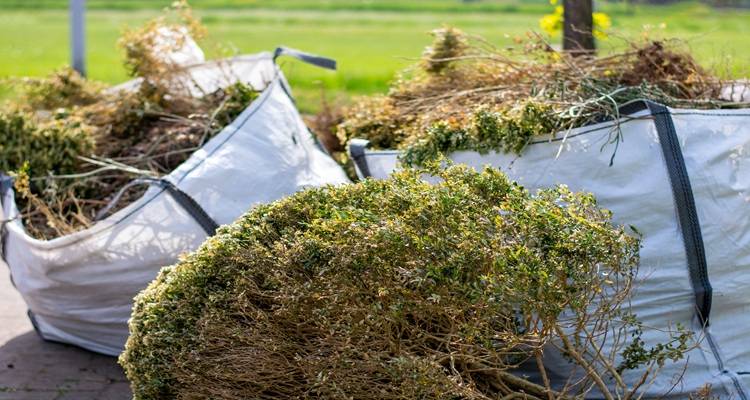
- Garden Waste Removal — This may be needed if you need to clear vegetation, old beds or other items first. Depending on the amount of waste, the typical cost of garden waste removal is between £15 and £200.
- Delivery — Bulk deliveries of soil, compost, timber, bricks, or stone may cost extra. Delivery charges are often around £10 to £30, depending on the supplier and where you live.
- Garden Edging — Garden edging may be recommended to tidy the surrounding area and tie the design together.
- Irrigation — Raised beds can dry out more quickly than conventional garden beds, so you may want to install an irrigation system. DIY starter kits cost around £60, while professional installations can cost between £200 and £400.
- Extra Features — Integrating seating or a water feature into your raised bed could add £50 to £300 to the project.
- Garden Maintenance — If raised beds will sit against a boundary, it is worth sorting fence repairs first, as they will be harder to access later. Wooden fences typically cost between £30 and £200 to patch.
The more landscaping that is required, the more your costs are likely to increase. However, doing related jobs at the same time can reduce disruption and help create a more usable garden.
Cost Factors for Building a Raised Garden Bed
As you will now be aware, multiple factors affect the cost of building a raised garden bed. The main cost factors are usually the size of the bed, the materials used, the amount of filling needed and how much preparation work is required.
- Size and Height — Large and tall raised beds use more materials, take longer to build and need more soil or compost to fill.
- Materials — Galvanised steel, aluminium and softwood timber are usually cheaper than stone, concrete and brick. Solid masonry beds may also need mortar, hardcore, render, or masonry paint.
- Soil and Compost — Deeper raised beds need more filling material. Specialist compost, extra topsoil, mulch, gravel, sharp sand, or perlite can also increase the total cost.
- Ground Preparation — Brick, concrete and stone raised beds usually need a level base, and there may be clearing, levelling or compacting work to do first.
- Positioning and Drainage — Timber and metal beds can often be placed directly onto soil or lawn, but raised beds on patios or hard surfaces may need extra drainage work.
- Garden Access — If access is limited, it may take longer to bring in materials, tools and soil, which can increase labour costs.
- Location — Labour rates vary across the UK, so gardeners, landscapers and bricklayers may cost more in some areas than others.
- Additional Features — Extras such as irrigation, seating, edging, or wider landscaping work will add to your overall project cost.
Types of Raised Garden Beds
Not sure what type of raised garden bed to go for? Let's weigh up the pros and cons of each type, including the cost, durability and maintenance:
Timber Raised Garden Beds
If you want your raised beds to have a natural or rustic appearance, then timber is a good choice. They're one of the most popular options as they're cost-effective and easy to put together. However, softwood and untreated timbers aren't particularly durable, and most wooden raised garden beds will need replacing at some point.
Brick Raised Garden Beds
Brick raised garden beds are very durable, so as long as they are built well and looked after they should last for a long time. They have a timeless quality and fit in well with most landscape designs. Their strength means you can build them to a good height, which is ideal for growing deep-rooted plants and shrubs. However, brick raised beds do take longer to install and cost more than timber and metal beds.
Stone Raised Garden Beds
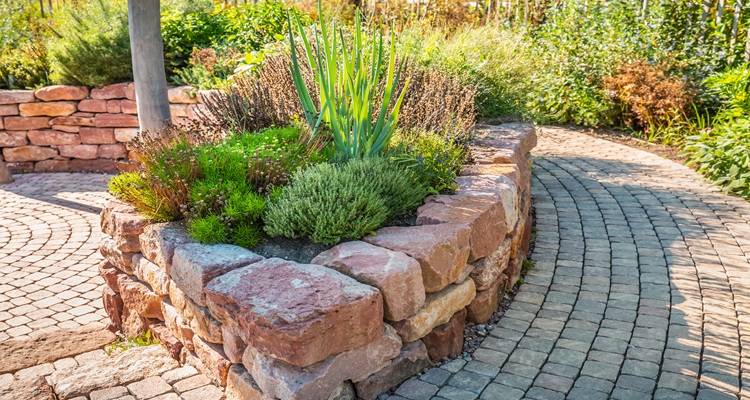
Stone raised garden beds have both natural appeal and strength and durability, so they bring a lot of benefits. There are plenty of colour and design options too. However, stone raised beds are one of the most expensive options, due to the materials and labour involved.
Concrete Raised Garden Beds
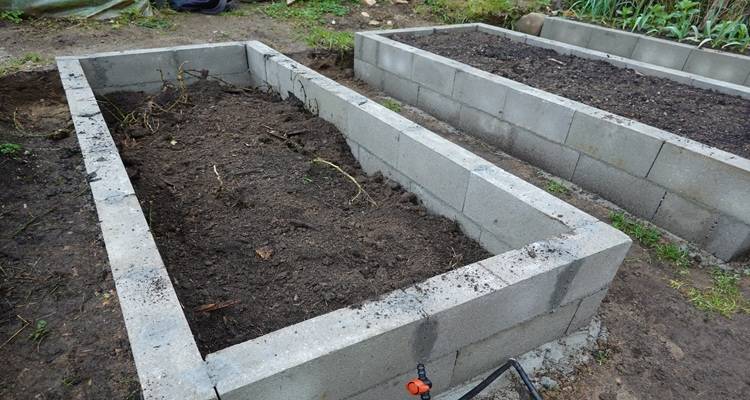
Concrete blocks aren't particularly attractive to use for raised beds, but they can be rendered and painted to create a contemporary finish. Concrete is also a strong and durable option. However, they can require more maintenance than stone and brick options, and once you factor in the costs for rendering and painting, they can work out to be expensive.
Metal Raised Garden Beds
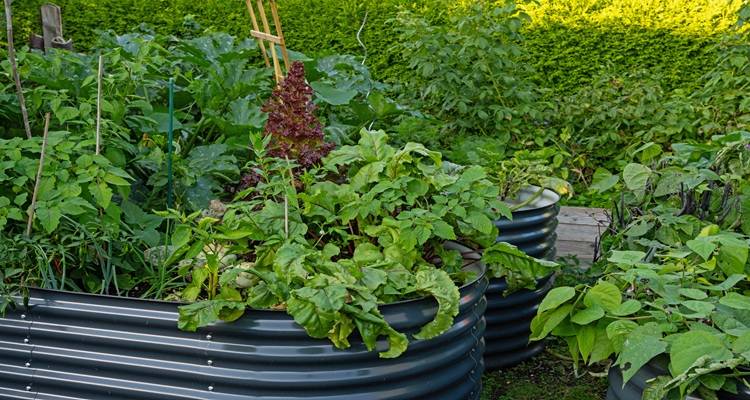
Aluminium and steel raised garden beds can be bought cheaply as kits. They fix together with just a few bolts and can be placed directly onto soil, grass or gravel, making them quick to install as a DIY project. They're also long-lasting and resistant to rot. However, you may need to add a liner and maintain the weatherproof coating to protect them from corrosion and rust.
Alternative Garden Bed Options
Despite their benefits, raised garden beds aren't for everyone. So, it's worth considering these alternatives:
Container Gardening
Container gardening is a great alternative, especially for those with compact gardens. You're looking at an average cost between £10 and £80 per planter, depending on the size and materials, and another £10 to £70 for compost, depending on how much you need.
Pros
- ✔ Easy to set up
- ✔ Low maintenance
- ✔ Versatile
- ✔ Enables you to match the soil type to the plants
Cons
- ✖ Compost can dry out quickly.
- ✖ Plants may be more susceptible to frosts.
- ✖ Can limit what you can grow.
Traditional Garden Beds
Ground-level flower beds have remained popular as they're easy to install and enable you to grow a wide range of flowers, shrubs and edibles.
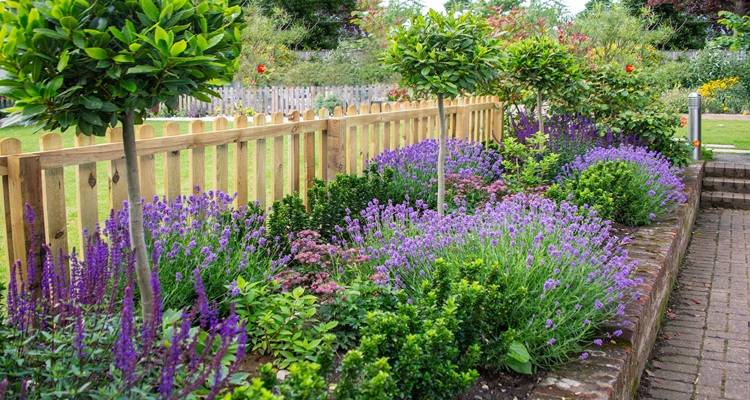
Costs vary between £40 and £200, depending on the amount of topsoil and compost you need. You may also need to factor in costs for garden clearance and soil improvers.
Pros
- ✔ Budget-friendly
- ✔ Suitable for deep-rooted plants
- ✔ Retain moisture well, reducing the need for watering
Cons
- ✖ It can be more maintenance to control weeds and pests.
- ✖ Not the best option for those with poor soils, like heavy clay.
- ✖ Soil can become compacted.
Vertical Gardening
Vertical gardens use fences and walls for growing. You can buy a kit or simply hang up rows of pots and planters.
Modular kits cost between £50 and £400, depending on the size and type.
Pros
- ✔ Brighten up compact spaces
- ✔ Hide ugly walls and fences
- ✔ Low-maintenance gardening
- ✔ Ideal for growing trailing plants
Cons
- ✖ Only suitable for smaller plants.
- ✖ More watering is needed during the summer months.
- ✖ Larger vertical gardens may need an irrigation system installed.
Grow Bags
Fabric grow bags come in a range of sizes and can be filled with soil or compost. Plastic grow bags are ready to use. You simply cut a hole where you wish to plant or sow.
Costs £5 to £20 per bag, depending on the size.
Pros
- ✔ Cheap and simple to set up
- ✔ Easy to move around
- ✔ Drain well
Cons
- ✖ Not very durable or sustainable.
- ✖ Not as attractive as raised beds and containers.
Growing Tables
Growing tables are essentially legged planters, and like raised beds, they reduce the need for bending.
Growing tables can cost around £30 to £150, depending on the size, material, and whether they include extras such as covers or irrigation.
Pros
- ✔ Low-maintenance gardening
- ✔ Compact
- ✔ Reduces pests
- ✔ Some come with irrigation and covers, increasing versatility
Cons
- ✖ Some cheap tables aren't very durable.
- ✖ Not as sturdy as planters and raised beds.
Hiring Contractors Checklist for Building a Raised Garden Bed
Ready to hire a contractor to build you a raised garden bed? Use this checklist to help ensure you hire someone reliable:
- Relevant experience — Check whether the contractor has experience building your type of raised garden bed, especially if you want brick, stone, concrete, or sleeper beds.
- Clear quote — Ask for a written quote that separates labour, materials, soil, compost, delivery, and waste removal costs.
- Examples of previous work — Ask to see photos of similar raised beds they have built and check recent customer reviews.
- Access and preparation — Make sure they have checked garden access, ground levelling, drainage, and whether a base will be needed before quoting.
- Insurance and waste removal — Check they have public liability insurance and, if they are taking waste away, ensure they are on the upper tier of the register of waste carriers. If they're not and they fly-tip your waste, you could be held liable.
- Compare quotes — Try to get at least three quotes from local gardeners, landscapers or bricklayers. You can use MyJobQuote to compare local tradespeople.
Removing or Replacing a Raised Garden Bed
If you're undergoing a garden makeover or making some improvements to your growing areas, you may wish to remove or replace an existing raised bed with something more durable. In this case, you'll also need to factor in removal costs.
If there's only a small amount of waste material to dispose of, such as a few pieces of rotten timber, you may be able to dismantle the bed yourself and take it to your local recycling centre. However, large raised beds made from brick or stone can be quite difficult to dismantle safely, so you're best off asking for professional help with this. The combined labour and removal costs could set you back between £30 and £400, depending on the:
- Size of the raised bed and material.
- Accessibility of the garden.
- Type and amount of waste removed.
FAQs
Do Raised Garden Beds Need Building Regulations Approval?
Raised garden beds do not need building regulations approval, although they should be structurally sound. In England, you will need planning permission if you're building a wall over 2 metres (1 metre if it's next to a road), and you should check with your local authority if you live in a conservation area or a listed building.
What Is the Cheapest Way to Build a Raised Garden Bed?
The cheapest option is usually a small timber or metal raised bed kit, especially if you install it yourself. Basic kits can cost around £30 to £100, but you will still need to budget for soil, compost, fixings, and any delivery costs.
Are Railway Sleepers Expensive for Raised Garden Beds?
Railway sleepers can cost more than basic timber boards, but they are strong and long-lasting. Avoid reclaimed sleepers treated with creosote, as these are not considered legal for growing areas.
How Much Soil Do I Need for a Raised Garden Bed?
This depends on the length, width and depth of the bed. Deeper beds cost more to fill because they need more topsoil, compost and drainage material. As a guide, filling materials can add around £15 to £100 or more, depending on the size of the bed.
Is It Cheaper to Build a Raised Garden Bed Yourself?
Yes, DIY installation is usually cheaper for small timber or metal raised beds because you avoid labour costs. However, professional help may be better for brick, stone or concrete beds, or if the ground needs levelling, drainage work or a stable base.
How Long Does It Take to Build a Raised Garden Bed?
A small timber or metal raised bed may take a few hours to install. Larger brick, stone or concrete raised beds can take 1 to 3 days because they may need ground preparation, a level base and mortar drying time.
Do Raised Garden Beds Need Drainage?
Yes, raised garden beds need suitable drainage to stop the soil becoming waterlogged. Timber and metal beds on soil or lawn usually drain naturally, while raised beds on hard surfaces may need gravel, drainage holes or another drainage solution, which can add to the cost.
How Long Will a Brick Raised Garden Bed Last?
There's no set lifespan for a brick raised garden bed, but it will last for longer if it is built and maintained well. Brick beds usually cost more than timber or metal beds, but they are a durable option for permanent garden layouts.