Builders
 Carpenters
 Electricians
 Flooring Specialists
 Gardeners
 Handymen
 Heating Engineers
 Painters & Decorators
 Plasterers & Renderers
 Plumbers
 Roofers
 Tilers
 my
myDrip Irrigation System Cost Guide: Average UK Prices 2026
At a Glance
- The average cost to install a drip irrigation system is around £150 to £1,200.
- It will usually take around 2 to 8 hours to install a drip irrigation system, although larger or automated systems can take longer.
- A breakdown of pricing details for drip irrigation systems, including how costs vary by type, garden size, and any added extras.
- Information on the different types available.
- How long the work is likely to take.
- Tips on hiring a contractor to install a drip irrigation system using MyJobQuote.
Get free estimates
Are you a trade? Get more work today!
Drip irrigation systems are an economical watering method designed to deliver water slowly and directly to the roots of plants through a network of pipes, tubes, and emitters. These systems are becoming increasingly popular in UK gardens because they provide targeted hydration exactly where it's needed most.
Since they are very effective at reducing water waste, drip irrigation systems are a highly efficient method and environmentally friendly choice, particularly during the warmer months when water is more likely to evaporate. Because the system delivers water straight to the soil rather than spraying it widely, it helps plants receive consistent moisture without excess runoff or evaporation.
These systems are commonly used in gardens, vegetable beds, greenhouses, and landscaped areas. Homeowners often choose to install drip irrigation to automate their watering routine, reduce manual labour costs and improve plant health. For busier households or those who travel regularly, an automated system can offer extra peace of mind by ensuring plants are watered consistently.
The cost of drip irrigation installation depends on a number of factors, including the size of your garden, the complexity of the system, how many plants are being watered, and the labour costs involved. Smaller systems are often suitable as DIY projects, while larger systems or automated setups will usually require professional installation.
Below, you'll find everything you need to know about installing a drip irrigation system, including the costs involved, the different types, how to find the right contractor, and the factors that can affect the overall price.
£675
Table of Contents
- How Much Is Drip Irrigation?
- Labour Costs and Timescales
- Supply Costs
- Additional Costs
- Cost Factors for Drip Irrigation Installation
- Regulations for Drip Irrigation Systems
- Types of Drip Irrigation Systems
- Alternative Garden Watering Methods
- Checklist: Hiring Contractors for Drip Irrigation Installation
- Removing or Replacing a Drip Irrigation System
- FAQs
How Much Is Drip Irrigation?
The cost of drip irrigation systems in the UK can vary depending on the size of the system and how it is set up. For a simple setup that waters a small vegetable patch, the price can be as low as £50 if completed as a DIY project. However, larger systems designed to cover an entire garden with automation features can cost £1,000+.
The average cost depends on several factors, including the following:
- Size of the garden or planting area
- Number of plants or beds being watered
- Type of drip irrigation kit used
- Whether the system is manual or automated
- Labour costs
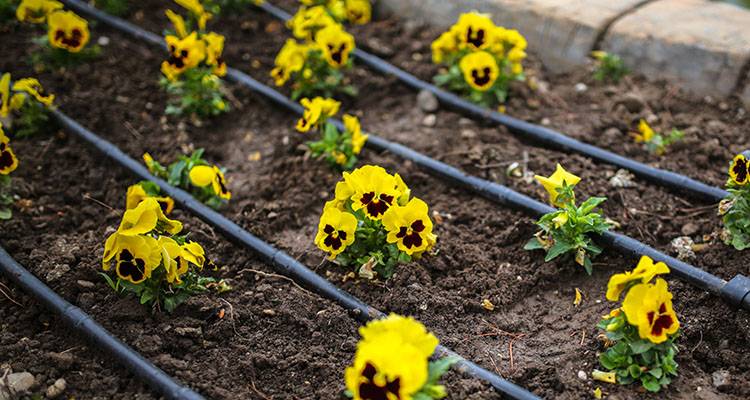
Small drip irrigation kits for vegetable beds or planters are usually the most budget-friendly option. Larger automated systems with multiple zones and timers will cost more. Smaller drip irrigation systems are often sold as complete kits and can usually be installed as a DIY project. Larger gardens that need multiple watering zones, timers and pressure regulation will be higher in price.
If you are wondering how much drip irrigation costs for your garden specifically, it is best to think about both the supply costs and the labour costs involved. This will help you create a more realistic budget before starting the project.
Drip Irrigation Prices
Below is a guide showing the typical drip irrigation system costs based on different garden sizes and system types:
| Type of Drip Irrigation System | Average Price | Estimated Installation Time |
|---|---|---|
| Basic drip irrigation kit | £50–£150 | 1 to 2 hours |
| Raised bed drip irrigation system | £80–£250 | 2 to 3 hours |
| Medium garden drip irrigation system | £200–£600 | 3 to 6 hours |
| Automated drip irrigation system | £400–£900 | 4 to 8 hours |
| Multi-zone drip irrigation system | £700–£1,200+ | 1 to 2 days |
Want a custom price?
Post your job
Labour Costs and Timescales
If you choose to hire professionals to install your drip irrigation system, then you will need to factor labour costs into your budget.
Professionals involved in drip irrigation installation may include gardeners, landscapers, or irrigation specialists.
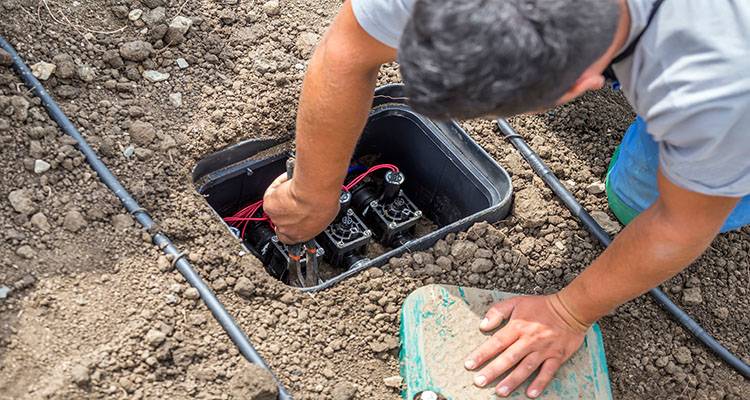
Landscapers or gardeners will usually charge around £100 to £250 per day. Irrigation specialists will usually charge around £150 to £400 per day.
Labour rates can affect the overall cost of the job. Those based in and around London can expect to pay more for labour than those based in the North or other parts of the UK.
Typical installation times may include:
- Small Garden Systems — 2 to 4 hours.
- Medium Garden Systems — 4 to 6 hours.
- Large Automated Systems — up to 1 day.
More advanced systems with multiple zones or automation features will take longer to install, resulting in higher costs. If you are unsure about labour costs, it is a good idea to get quotes from a few different installers with itemised pricing so you can better understand what your particular job should cost.
Supply Costs
The cost of installing a drip irrigation system can vary quite a bit depending on the supplies that you use. Whether you choose to install it yourself as a DIY project or hire a professional, understanding the individual components can help you manage your budget more effectively.
On average, you can usually expect to spend around £50 to £300 on materials for this type of work. However, larger systems can end up costing much more.
Below is a breakdown of the typical costs you can expect to pay for different drip irrigation components:
- Basic drip irrigation kit: £50 to £150.
- Tubing (per metre): £0.50 to £2.
- Emitters/drippers (per unit): £0.50 to £1.50.
- Connectors and fittings: £20 to £50.
- Water filter: £10 to £30.
- Pressure regulator: £10 to £30.
- Control valves: £20 to £50.
- Timer/controller: £30 to £150.
The prices listed above are based on typical UK supplier prices. Costs may differ if you are purchasing in bulk, and prices can also vary depending on the brand and the quality of the supplies.
Drip Irrigation Emitters
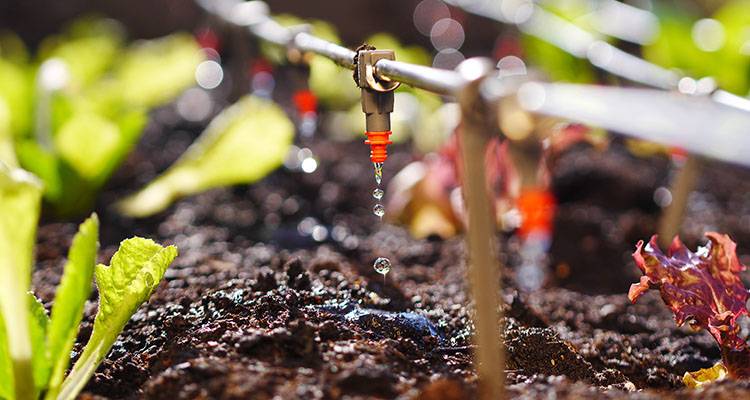
Emitters are one of the most important parts of a drip irrigation system because they control how the water is delivered to each plant.
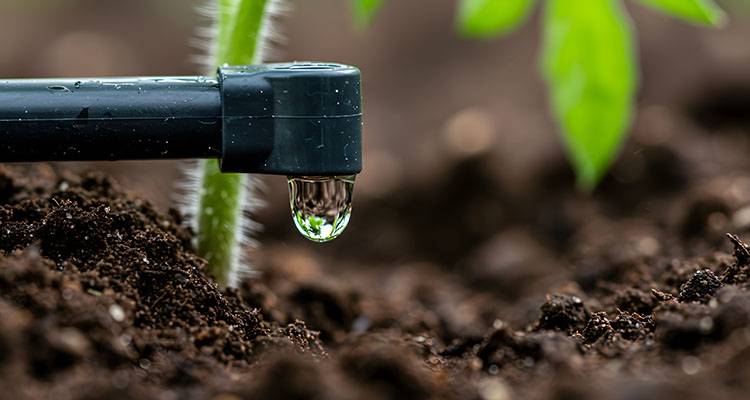
The most common types include:
- Adjustable Drippers — These allow you to control the water flow manually.
- Pressure-Compensating Emitters — These deliver a constant water flow regardless of pressure changes.
- Micro-Sprayers — These cover a slightly larger area and are the best option for certain plants.
Different types of emitters may be used depending on the type of plant and the watering requirements, so it's important to keep this in mind when choosing the right emitter for your system. For example, delicate plants may require a slower flow rate, whereas larger plants might need more. Different drip irrigation emitters also come at different price points, which is important to factor into the overall cost of the job.
Water Source Options
Drip irrigation systems can be connected to different water sources, and each of these can affect the overall installation cost. This is because some water sources are easier to connect to than others, and some may use larger quantities of water.
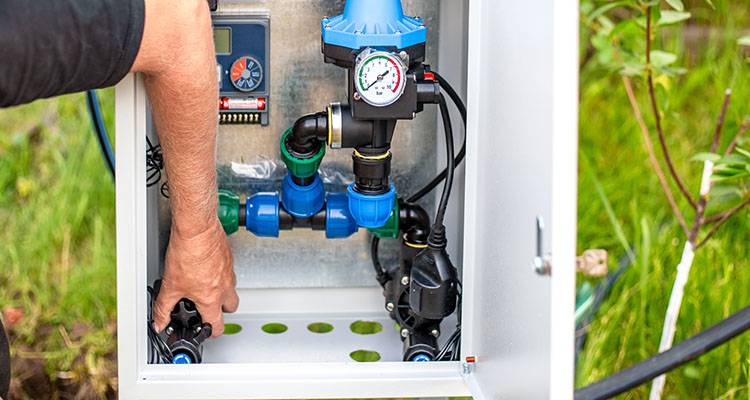
In some cases, you can use renewable water sources, which may help reduce your water bills over time.
Below is a list of the main options that you could choose from:
- Garden Hose Connection — This is the simplest and most affordable option.
- Household Mains Water Supply — This provides consistent pressure, but it may require professional installation.
- Rainwater Harvesting Systems — These are eco-friendly but may require pumps.
- Water Tanks or Water Butts — These are useful for reducing water bills for metered households, as you will use less mains water.
Connecting to certain water sources might require additional fittings or pumps, which can increase the overall installation cost. If you are unsure which option would be best, it's a good idea to seek professional advice. An installer will be able to recommend the best type of water supply for your specific setup.
Ground Preparation Costs
Before installing a drip irrigation system, you may need to carry out some preparation work. This can affect the overall cost of the job, especially in larger gardens or those with a more complicated layout.
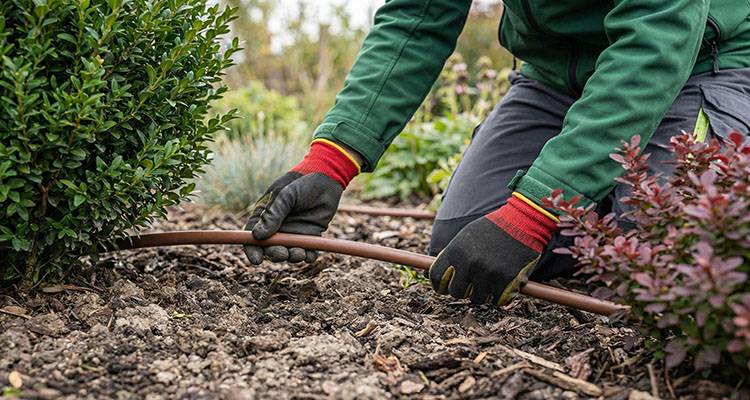
Preparation tasks may include:
- Planning pipe routes.
- Installing tubing across garden beds.
- Digging shallow trenches for pipes.
- Securing irrigation lines in place.
For smaller DIY projects, preparation may be minimal and cost little to nothing beyond your own time. However, for larger installations, preparation work can add around £50 to £300 to the total cost of the job.
Basic planning and layout may cost around £20 to £80, laying tubing across beds could cost around £30 to £120, digging shallow trenches could add around £60 to £250, and securing irrigation lines with pegs and clips could add around £10 to £50.
If you hire a professional, these tasks are usually included within the overall labour cost. However, more time-consuming work, such as digging trenches or working around existing landscaping, may increase the labour charges.
Additional Costs
There are several additional costs that may come up when you have a drip irrigation system installed. There are also a number of optional extras that can increase the cost but may improve the system's efficiency, convenience, and long-term performance.
Examples include:
- Smart irrigation timers: £50 to £200.
- Soil moisture sensors: £20 to £100.
- Rain sensors: £20 to £80.
- Filters: £10 to £50.
- Pressure regulators: £10 to £40.
- Additional watering zones: £50 to £150+.
- Water pumps for low-pressure systems: £50 to £200.
- Replacement emitters or drippers: £10 to £50.
- Extra tubing and fittings: £20 to £100.
- Water butt connection kit: £20 to £80.
- Garden Landscaping — £200 to £2,000+.
Overall, these optional extras can increase the total cost of the job, but they often offer better control, improved efficiency, and long-term savings. With this in mind, many homeowners see them as a worthwhile investment.
Cost Factors for Drip Irrigation Installation
There are multiple factors that could affect the overall cost of drip irrigation installation. Take a look at the main ones below:
Garden Size and Layout
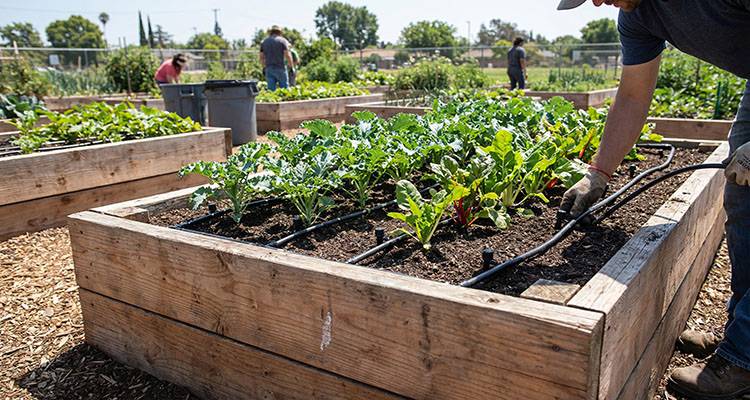
The larger your garden is, or the more complex its layout, the more the project is likely to cost. A more complicated layout will usually require more tubing, fittings and labour time. Gardens with narrow paths, awkward corners, raised beds, or separate planting areas may also take longer to plan and install.
Number of Plants Being Watered
More plants will require a larger installation, which will increase the overall cost. Fewer plants usually mean a smaller and more affordable setup. The spacing between plants can also make a difference, as wider planting areas may need more tubing or emitters.
Type of Drip Irrigation System
Different types of irrigation systems come at different prices. Basic kits are more affordable, while automated and multi-zone systems are more expensive. A surface-level system will usually cost less than one that requires pipework to be buried underground.
Number of Watering Zones
Additional watering zones will increase the overall cost. If you are working with a smaller budget, it may be best to stick to a single zone where possible. However, larger gardens or gardens with different planting areas may need more than one zone to water everything properly.
Water Pressure and Supply
The type of water supply method will affect the total cost. Some water supply options require a more complex installation or extra equipment, such as pumps. Low water pressure can also make the installation more expensive if extra parts are needed to help the system run efficiently.
Pipework Access and Ground Conditions
If pipework needs to be buried under soil, gravel, paving, or existing landscaping, this can increase the amount of labour involved. Surface-level tubing is usually quicker and cheaper to install, while buried pipework may require shallow trenching and more careful planning.
Existing underground pipework, cables, tree roots, or other obstacles can also make the job more complicated. If paths, patios or other hard surfaces need to be lifted or dug up to install the system, this will usually increase both labour and reinstatement costs.
Type of Soil
The type of soil in your garden can affect how the irrigation system is designed. Sandy soil drains quickly and may need more frequent watering, while clay soil holds water for longer and may need a slower flow rate. If the system needs to be adapted to suit different soil conditions, this could add to the overall cost.
Sloping Land
Sloping or uneven land can make a drip irrigation system more difficult to install. Water may not flow evenly across the system, so extra planning or additional zones may be needed. This can increase the amount of labour and materials required.
Type of Plants Being Watered
Different plants have different watering needs. Vegetable beds, flower borders, hedges, trees, and greenhouse plants may all require different emitter types or spacing. A more tailored system will usually cost more than a basic one-size-fits-all kit.
Automation Features
Automation features can increase costs significantly. Not only will you need to pay for the additional components themselves, but labour costs may also rise because the installation is more complex and may take longer.
Labour Rates in the Area
Labour charges can vary depending on your location. Those based in and around London can usually expect to pay more than those in the North or other parts of the UK.
Larger gardens, awkward ground conditions, buried pipework, and automated systems will typically result in a higher overall price.
Regulations for Drip Irrigation Systems
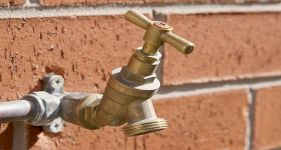
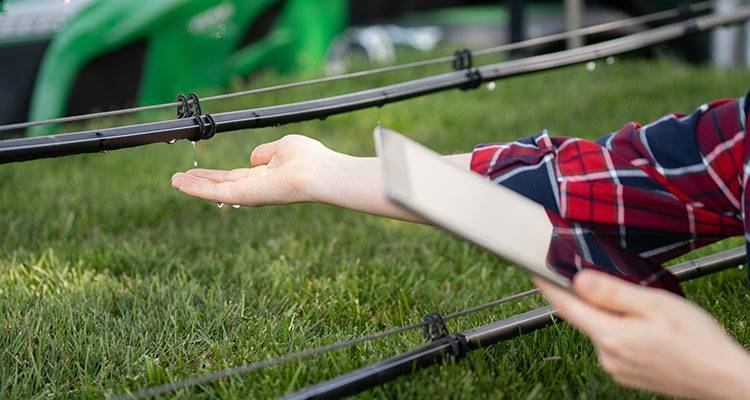
In most cases, drip irrigation systems do not require planning permission. However, installations that connect directly to the mains water supply (including outdoor taps) must comply with water fittings regulations, or water byelaws in Scotland.
You need to follow the rules regarding backflow protection and ensure that the system does not waste water.
If you are at all unsure about your particular installation, it is always best to check local rules or seek advice from a professional. You can contact your water supplier to find out the rules in your area, or speak to your contractor before the work begins, as they should understand which rules apply to your setup.
You should always inform your water supplier before installing a mains-fed system on a timer or controller and wait for their agreement before proceeding, but manually-operated systems don't need this notice.
Types of Drip Irrigation Systems
Below is a list of the different types of drip irrigation systems. We have also included pros and cons to help you decide which system may be the right fit for your property:
Basic Drip Irrigation Kits
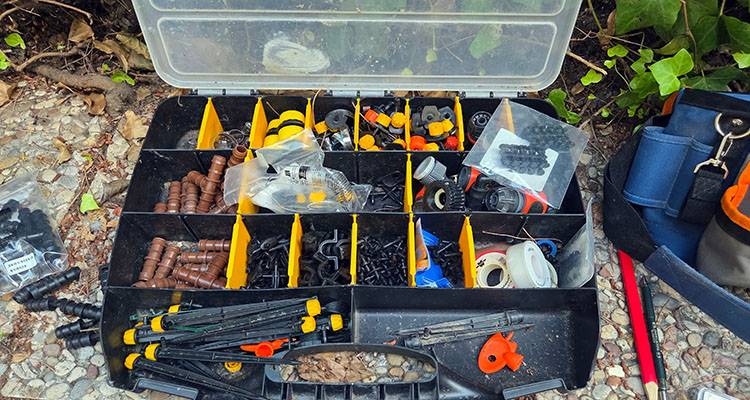
These are simple systems connected to garden hoses that deliver water to small garden beds or containers. They are best for smaller garden areas or less complex spaces. They typically cost around £50 to £150.
Pros
- ✔ Cheap and easy to install.
- ✔ Ideal for smaller gardens.
- ✔ Can be installed DIY.
Cons
- ✖ Limited coverage
- ✖ No automation
Automated Drip Irrigation Systems
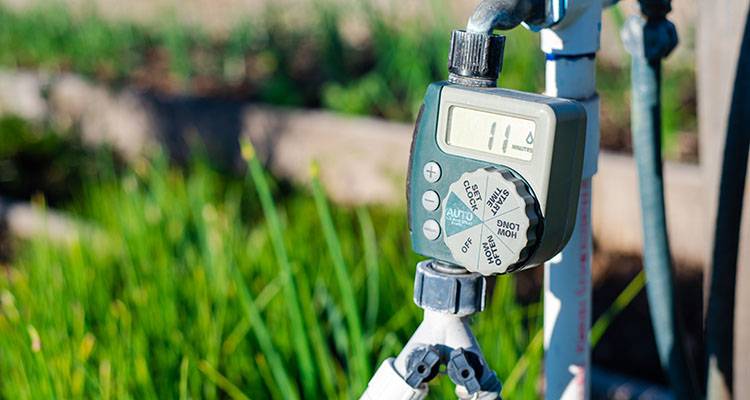
These are systems with timers or controllers that automatically water plants on a schedule. They are especially useful for busier households or for people who are often away from home. These are more advanced systems, with a higher cost of around £400 to £900.
Pros
- ✔ Saves time and effort
- ✔ Provides continuous watering
- ✔ Reduces maintenance
Cons
- ✖ Greater upfront costs.
- ✖ Requires more setup.
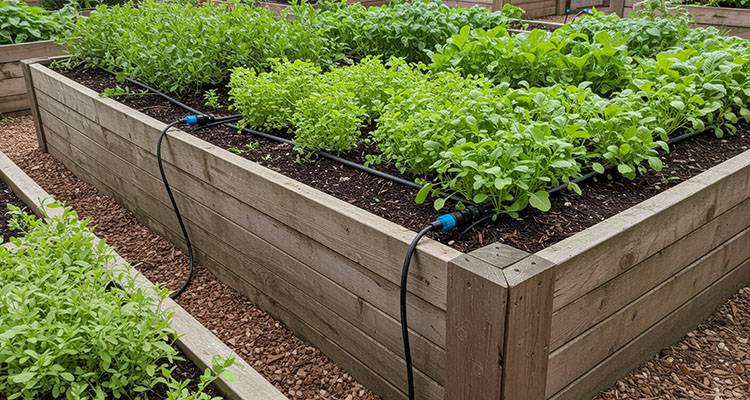
Multi-Zone Drip Irrigation Systems
These are larger systems designed to water multiple garden areas separately. They are best for larger gardens with lots of plants and different planting areas. These systems will typically cost £700 to £1,200+.
Pros
- ✔ Can cover large areas
- ✔ Customisable zones
Cons
- ✖ Expensive
- ✖ Complex installation
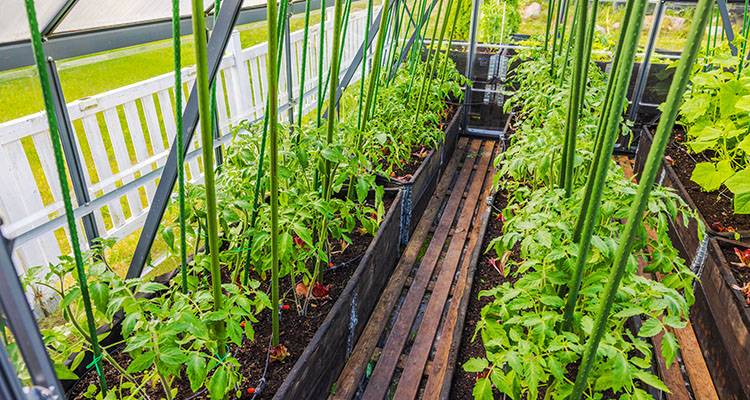
Greenhouse Drip Irrigation Systems
These are specialised drip systems designed for greenhouse plants or indoor growing areas, and they typically cost around £100 to £500. These are ideal for people growing exotic plants, fruit, or vegetables in a greenhouse environment.
Pros
- ✔ Ideal for controlled environments.
- ✔ Efficient use of water.
Cons
- ✖ Limited to indoor use.
Automated or multi-zone systems will generally have higher installation costs, so this is something to keep in mind when deciding which option may be best for you.
Alternative Garden Watering Methods
There are some alternative watering methods that you may prefer to consider instead of drip irrigation. This may be the case if your garden is smaller, if you enjoy watering your plants yourself, like the idea of reducing water waste, or if you are working with a tighter budget and want a cheaper option.
Here are some examples:
Manual Watering with a Hose
This is a cheaper method, but it can be very time-consuming. A lot of the water can also run off, which may result in more water wastage.
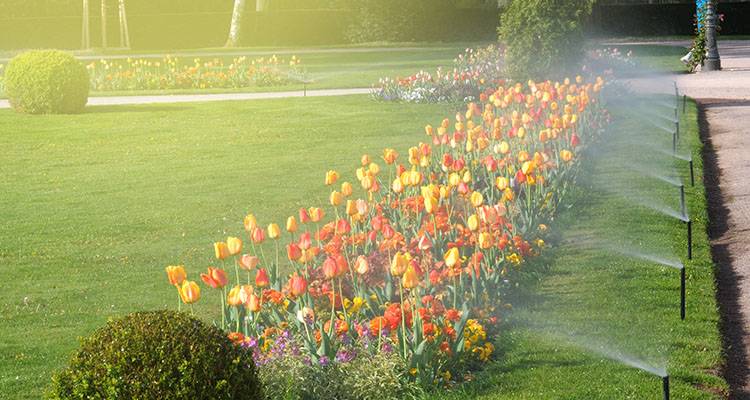
Sprinkler Systems
Sprinkler systems provide good coverage, but they are less efficient than drip irrigation because more water is lost through overspray and evaporation.
Soaker Hoses
Soaker hoses are affordable, but they are less precise in how they water individual plants.
Watering Cans
Watering cans are cheap, but they require a lot more manual effort and are not practical for larger gardens.
Compared to these, drip irrigation offers a much more highly efficient method with long-term savings, although it may have a higher upfront cost.
Ask a Trade
Got a question that only a tradesperson can answer? We have thousands of trades ready to answer any question you may have.
Ask your question

Checklist: Hiring Contractors for Drip Irrigation Installation
Consider these key points before hiring someone to install a drip irrigation system:
- Do they have experience installing drip irrigation systems? Ideally, you want someone who has worked with drip irrigation systems before, not just general garden watering systems.
- Is everything included in the quote? Check whether the price includes all tubing, emitters, timers, fittings, and any other parts needed for the system.
- Will they assess your garden first? A good installer should look at your garden layout, plant types, and water pressure before recommending the best system.
- What type of system will they install? Ask whether the system will be manual, timed, or fully automated so you know exactly what you are paying for.
- Are extra watering zones included? If different parts of your garden need different watering schedules, ask whether additional zones are included in the quote or charged separately.
- Is ground preparation included? Check whether any trenching, pipe burying, digging, or ground preparation is included in the total price.
- Can the system connect to your chosen water supply? Ask whether the system can be connected to mains water, a water butt, or a rainwater harvesting system.
- Do they offer a guarantee? Check whether the installer provides a guarantee on their work and whether any parts are covered by a warranty.
- Will they show you how to use the system? Ask if they will explain how to use, clean, and maintain the drip irrigation system after installation.
- Is the quote clearly broken down? Get a quote from MyJobQuote that separates labour costs, supply costs, and optional extras so you can compare prices fairly.
This will make it easier to compare quotes fairly and avoid unexpected costs once the work begins.
Removing or Replacing a Drip Irrigation System
In some cases, you may need to remove or replace an existing drip irrigation system. This may happen if you no longer need the system or if you decide to upgrade to a newer, more modern setup.
Removal costs may depend on the following:
- Size of the system.
- Accessibility of the garden.
- Whether the pipes are buried or laid on the surface.
- Disposal of irrigation components.
In most cases, the cost to remove a drip irrigation system is relatively low compared to the installation cost. You can usually expect to pay around £50 to £400 to have the system removed by a professional.
If the system is laid on the surface and easy to access, it can sometimes be removed as a DIY project at little to no cost. However, if the system has buried pipework or is installed across large areas, this may take more time and require professional help.
Disposal costs are usually minimal. However, if you are getting rid of large amounts of plastic tubing or fittings, you may need to pay an additional £15 to £50 for disposal or recycling.
In many cases, you may choose to replace an older system with a more efficient or automated one, such as a setup with smart irrigation or multi-zone features. These options can increase the upfront costs, but they may improve water efficiency and reduce ongoing maintenance, helping to save time, effort, and money in the long run.
FAQs
Can I Install a Drip Irrigation System as a DIY Job?
In some cases, yes. Many basic drip irrigation kits are designed to be DIY-friendly, especially smaller systems that connect directly to a garden hose. These usually come with the main components and instructions, so they can often be fitted without specialist tools.
However, if you have a large garden, several watering zones, or a more complicated layout, it may be better to hire a professional to make sure the system is installed correctly.
Is Drip Irrigation Expensive to Run?
Drip irrigation is usually not expensive to run because it uses water efficiently and delivers it directly to the base of plants. Most systems do not use much energy unless they are connected to a pump or automated controller.
The exact running cost will depend on how often the system is used, the size of the garden, and whether it runs from mains water, a water butt, or another water source.
Can Drip Irrigation Reduce Water Bills?
If you have a water meter, drip irrigation can help reduce water bills over time because it wastes less water than many traditional watering methods. Less water is lost through evaporation, runoff, and overspray, as the water is delivered directly into the soil.
The amount you save will depend on how often you currently water your garden and whether you are replacing a hose, sprinkler, or manual watering routine.
Is Drip Irrigation Cheaper Than a Sprinkler System?
Drip irrigation can be more cost-effective in the long term because it uses water more efficiently than a sprinkler system. Sprinklers are often easier to set up, but they can waste more water through overspray and evaporation.
A sprinkler may still be better for lawns or large open areas, while drip irrigation is usually better for flower beds, vegetable patches, hedges, greenhouses, and planted borders.
Is Drip Irrigation Suitable for All Gardens?
Drip irrigation is suitable for many gardens, especially those with flower beds, vegetable beds, raised planters, greenhouses, or landscaped planting areas. It works particularly well where plants need targeted watering.
However, it may not be the best choice for large lawns, as these usually need broader water coverage. In mixed gardens, drip irrigation can be used alongside other watering methods.
Do Drip Irrigation Systems Need Much Maintenance?
Drip irrigation systems are generally low maintenance, but they still need occasional checks. You may need to flush the tubing, check for leaks, and clear blocked emitters from time to time.
It is also sensible to inspect the system before the main growing season and after winter, especially if any tubing has been moved, damaged, or exposed to frost.
Can a Drip Irrigation System Be Used with a Water Butt?
Yes, a drip irrigation system can often be connected to a water butt or rainwater harvesting system. This can help reduce reliance on mains water and may lower water bills during the warmer months.
However, water butts usually provide lower pressure than a mains supply, so some systems may need a pump to work effectively.
What Is a Solar Drip Irrigation System?
A solar drip irrigation system uses solar power to run a small pump or controller. This can be useful in gardens where there is no easy access to an outdoor power supply.
Solar systems can cost more upfront than a basic manual setup, but they may appeal to homeowners who want a more energy-efficient or self-contained watering system.