Builders
 Carpenters
 Electricians
 Flooring Specialists
 Gardeners
 Handymen
 Heating Engineers
 Painters & Decorators
 Plasterers & Renderers
 Plumbers
 Roofers
 Tilers
 my
Boiler Pump Replacement Cost
At a Glance
- Average replacement cost: Expect to pay around £180-£450 for a boiler pump replacement, including parts and labour.
- Pump supply costs: A replacement central heating pump typically costs £40-£250, depending on the model, with labour usually £100-£180.
- Timescale: An accessible external pump can take 1-2 hours to replace, while an internal boiler pump may take longer.
- Boiler pump replacement prices, including parts and labour
- Common pump faults and whether to repair or replace
- Whether replacing the pump is worthwhile on an older boiler
Get free estimates
Are you a trade? Get more work today!
Replacing a boiler pump in the UK usually costs between £180 and £450, including parts and labour. A faulty circulation pump can leave radiators cold or slow to heat up, but not every circulation problem means the pump needs replacing.
This guide covers pump prices, labour costs, internal and external pumps, and whether it's worth replacing the pump on an older boiler.
£450
Table of Contents
- How Much Does a Boiler Pump Replacement Cost?
- Boiler Pump Supply Costs
- Boiler Pump Replacement Labour Costs
- What Does a Boiler Pump Do?
- Signs of a Faulty Boiler Pump
- Boiler Pump Repair vs Replacement Cost
- What Affects Boiler Pump Replacement Costs?
- Additional Boiler Pump Replacement Costs
- Internal vs External Central Heating Pumps
- How Long Does It Take to Replace a Boiler Pump?
- Who Can Replace a Boiler Pump?
- Can I Replace a Boiler Pump Myself?
- Does a New Boiler Pump Need to Be the Same Model?
- How Long Does a Boiler Pump Last?
- Is It Worth Replacing the Pump on an Old Boiler?
- What Does a Boiler Pump Replacement Quote Include?
- Boiler Pump Replacement FAQs
- Find a Local Heating Engineer
How Much Does a Boiler Pump Replacement Cost?
Replacing a boiler pump in the UK typically costs between £180 and £450, including parts and labour. A straightforward replacement may cost around £250, although this is an indicative figure rather than a fixed average.
The final price depends on the pump required, the type of boiler and how easily the engineer can access the component.
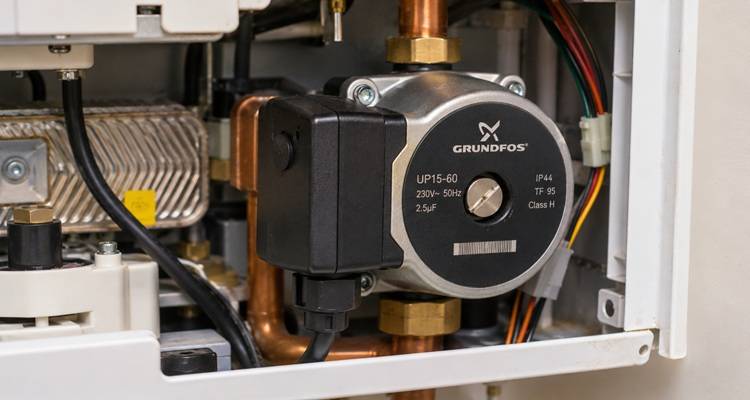
Boiler pumps, also known as circulation pumps, move heated water around a central heating system. When a pump develops a fault, radiators may stop heating properly or take longer to warm up.
In some cases, circulation problems can also cause the boiler to display an error code or shut down.
Some circulation pumps are installed separately on the heating pipework, while others are housed inside the boiler.
Internal pumps may require manufacturer-specific components and additional work to access them, which can increase the replacement cost.
Boiler Pump Replacement Prices
| Boiler Pump Job | Typical Cost |
|---|---|
| Replacement pump supply | £40-£250 |
| External circulation pump replacement | £180-£350 |
| Internal boiler pump replacement | £250-£450 |
| Boiler pump fault investigation or repair | £80-£200 |
| Emergency boiler pump replacement | £250-£500+ |
| Heating engineer labour | £100-£180 |
Want a custom price?
Post your job
These are estimated 2026 prices rather than fixed quotations.
An accessible external pump may fall towards the lower end of the range. A more complicated installation or manufacturer-specific component can increase the price.
Supply-only prices cover the replacement component rather than fitting it.
When comparing quotations, check whether parts, labour, call-out charges and VAT are included.
Boiler Pump Supply Costs
The cost of a replacement boiler pump depends on its type, size and compatibility with the existing heating system.
A basic circulation pump may cost around £40-£60, while certain manufacturer-specific replacements can cost £130-£250 or more.
The correct pump must meet the system's requirements. Choosing a cheaper component that isn't compatible could cause circulation problems or damage.
Several factors influence supply costs:
- Manufacturer: Brands such as Grundfos and Wilo produce different circulation pumps at varying prices.
- Pump size: The pump must provide suitable water flow and pressure for the heating system.
- Pump type: High-efficiency models with adjustable operating settings may cost more than basic models.
- Boiler make and model: Some boilers require particular internal pump assemblies.
- Replacement parts: Compatible alternatives may cost less than manufacturer-branded components, but suitability must be confirmed.
- Availability: Parts for older boilers may be more difficult to source, potentially increasing the price or delaying repairs.
As a guide, some domestic Wilo pumps retail at around £105-£125, while certain Grundfos models cost approximately £145-£210.
These prices vary by model and retailer.
A heating engineer can identify the appropriate replacement using the existing pump details, boiler documentation and heating system requirements.
Boiler Pump Replacement Labour Costs
Labour is one of the main costs involved in replacing a boiler pump, although the replacement component itself can account for a significant proportion of the total.
For a straightforward installation, heating engineer labour typically costs £100-£180.
The final charge depends on how long the work takes and whether additional testing or repairs are needed.
Some engineers charge a fixed price, while others use hourly rates. A minimum call-out charge may also apply, sometimes covering the first hour of labour.
Factors affecting labour costs include:
- Call-out charges: Some engineers charge separately to investigate the fault before recommending a replacement.
- Hourly rates: Labour costs vary depending on location and the engineer's charging structure.
- Pump location: An accessible external pump is generally easier to replace than one inside a boiler.
- Fault diagnosis: Additional testing may be needed if the cause of the circulation problem isn't clear.
- Emergency attendance: Evening, weekend and urgent appointments may cost more than standard working hours.
- Additional work: Draining part of the system, replacing valves or correcting other faults can increase labour time.
Before agreeing to the work, check whether the quotation includes parts, labour, diagnosis, call-out charges and testing.
What Does a Boiler Pump Do?
A boiler pump circulates heated water around the central heating system.
It moves water from the boiler through radiators or other heating circuits before the water returns to be heated again.
Without sufficient circulation, radiators may not warm up properly, and the boiler may be unable to operate as intended.
A pump can develop problems because of wear, blockages, electrical faults or a seized internal component.
However, poor circulation doesn't always mean the pump itself has failed.
Air trapped in the system, blocked filters, faulty valves or heating controls can produce similar symptoms.
Signs of a Faulty Boiler Pump
A faulty circulation pump can cause several heating problems.
However, these symptoms can also be linked to other faults, so the pump should be tested before replacement is recommended.
Common warning signs include:
- Radiators not heating properly: Radiators remain cold or take longer than usual to warm up.
- Uneven heating: Some radiators heat normally while others remain cool.
- Boiler operating without sufficient heating: The boiler starts, but heated water doesn't circulate as expected.
- Unusual noises: Persistent buzzing, rattling or grinding may indicate trapped air, wear or another pump problem.
- Unusual pump operation: A pump that stops running unexpectedly or displays an error may need investigating.
- Boiler fault codes: The boiler may display a code associated with circulation or another system fault.
- Repeated shutdowns: The boiler may switch off because of overheating or another detected problem.
Circulation pumps can become hot during normal operation because they move heated water. Temperature alone doesn't confirm a fault.
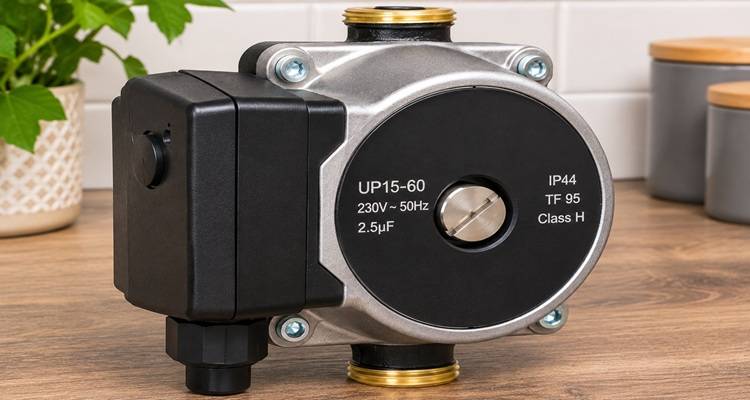
If you notice several of these symptoms, arrange for a heating engineer to inspect the system.
Possible causes include airlocks, sludge, blocked filters, faulty valves, electrical problems and issues with heating controls.
An engineer can investigate the cause and advise whether the pump needs repairing or replacing.
If your boiler has stopped working, our boiler repair cost guide explains other possible repairs and their costs.
Boiler Pump Repair vs Replacement Cost
Not every circulation problem requires a replacement pump.
Some faults can be resolved by adjusting the system, removing trapped air or correcting a separate heating problem.
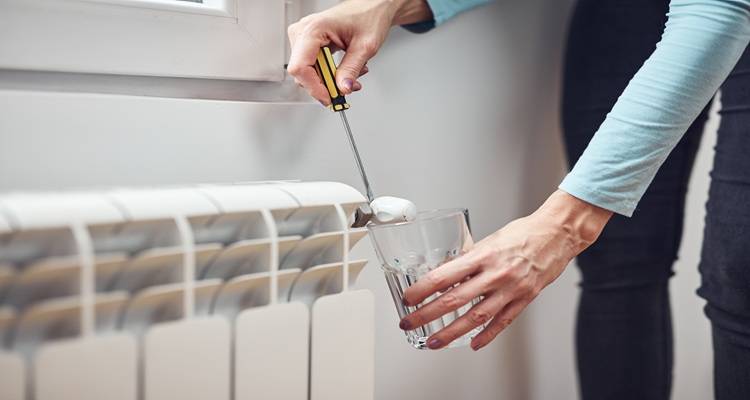
Investigating or repairing a suspected pump fault may cost approximately £80-£200, depending on the work involved.
However, if the pump has suffered internal damage or significant wear, replacement may be more economical.
Common problems include:
- A seized pump: The pump's internal components may become stuck because of wear or debris. Some faults can be resolved, but others require replacement.
- Trapped air: Air within the system can interfere with circulation and may need removing.
- Incorrect settings: Some circulation pumps have adjustable operating settings that may need checking.
- Electrical faults: Problems with wiring, controls or the power supply can prevent the pump from operating.
- Blockages: Sludge and debris can restrict water circulation and affect pump performance.
An engineer may charge a diagnostic fee even if the pump doesn't need replacing.
Ask whether the initial diagnosis is included in the repair quotation or charged separately.
For example, a £60-£120 diagnostic call-out fee may form part of an £80-£200 repair charge rather than being an additional cost.
What Affects Boiler Pump Replacement Costs?
Several factors influence the total price of replacing a circulation pump.
The Type of Pump
Basic compatible circulation pumps may cost less than high-efficiency models or components designed for particular boilers.
The replacement must meet the heating system's requirements.
Location of the Pump
External pumps are generally easier to access than internal boiler pumps.
Where the component is inside the boiler casing, additional work may be required to reach and replace it.
Boiler Model
The boiler manufacturer and model can influence which replacement components are suitable.
Some older boilers use parts that are difficult to source, potentially increasing costs or delaying repairs.
Accessibility
Pumps installed in confined cupboards or behind pipework may take longer to replace.
Limited working space can increase labour time.
Condition of the Heating System
Sludge, rust and other debris can restrict water circulation.
An engineer may recommend cleaning or flushing the system if contamination is contributing to the problem.
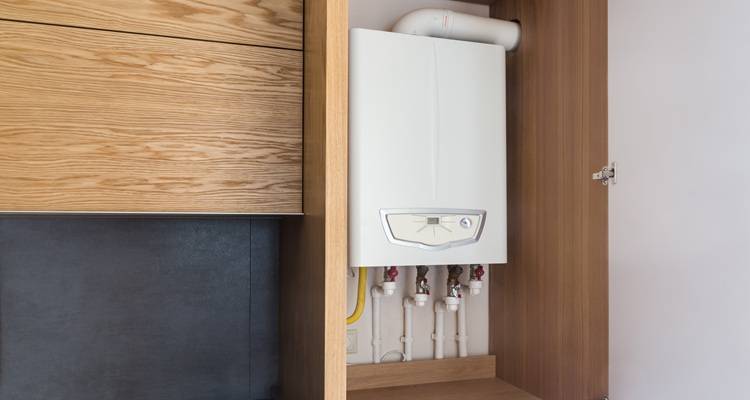
However, a power flush isn't automatically necessary whenever a pump fails.
You can read more in our power flush cost guide.
Emergency Attendance
If the heating stops working during cold weather, an urgent appointment may be necessary.
Evening, weekend and out-of-hours work can increase the total price.
Location in the UK
Heating engineer labour rates vary across the UK.
London and the South East generally have higher labour costs than many other areas.
Remote locations may also involve additional travel charges.
Additional Boiler Pump Replacement Costs
An engineer may discover other problems while investigating a circulation fault.
These can require additional work beyond replacing the pump.
| Additional Job | Typical Cost |
|---|---|
| Boiler diagnosis and call-out | £60-£120 |
| Boiler servicing | Around £100 |
| Power flushing | £400-£800 |
| Magnetic filter supplied and fitted | £180-£260 |
| Thermostat replacement | Varies by model and work required |
| Motorised valve replacement | £180-£300 |
| Additional boiler repairs | £120-£700+ |
| Emergency attendance | Usually higher than a standard appointment |
Want a custom price?
Post your job
Not every boiler pump replacement requires these additional jobs.
For example, a straightforward replacement may only involve the pump, labour and routine testing.
However, if sludge or another fault contributed to the failure, further work may be recommended.
The engineer should explain why additional repairs are necessary and provide a separate price where appropriate.
If your boiler is also due for maintenance, our boiler servicing cost guide explains the work and typical charges.
Internal vs External Central Heating Pumps
Circulation pumps can be installed inside the boiler or separately on the heating system's pipework.
The location affects accessibility, replacement time and the type of work required.
Internal Boiler Pumps
Internal boiler pumps are housed within the boiler casing.
Replacing one may involve removing parts of the appliance's casing and accessing internal components.
The replacement must be compatible with the boiler manufacturer's requirements.
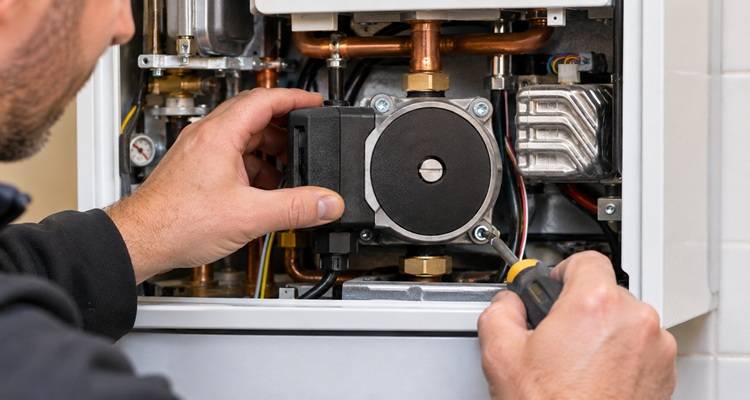
For gas boilers, work on the appliance itself should be carried out by a Gas Safe registered engineer.
Internal pump replacement typically costs around £250-£450, including parts and labour.
External Central Heating Pumps
External circulation pumps are fitted separately from the boiler, usually on the central heating pipework.
Depending on the installation, they may be easier to access and replace.
An accessible external pump replacement generally costs around £180-£350, including parts and labour.
However, additional plumbing or electrical work may increase the total.
How Long Does It Take to Replace a Boiler Pump?
Most straightforward circulation pump replacements can be completed within a few hours.
However, the time required depends on pump accessibility, system condition and whether additional repairs are needed.
| Boiler Pump Job | Approximate Time |
|---|---|
| Simple external pump replacement | 1-2 hours |
| Internal boiler pump replacement | 1-3 hours |
| Fault diagnosis and replacement | 2-4 hours |
| Replacement with additional repairs | Half a day or longer |
Some installations require part of the heating system to be isolated and drained before the pump can be removed.
Once the new component has been fitted, the engineer may need to refill the system, remove trapped air and test the heating.
These tasks can extend the overall appointment.
More complicated faults or difficult access may also increase the time needed.
Who Can Replace a Boiler Pump?
A heating engineer who works on domestic central heating systems can investigate circulation faults and carry out suitable repairs.
For work on gas boilers, it's important to use an engineer with the appropriate Gas Safe registration.
The Gas Safe Register allows homeowners to check whether an engineer is registered to carry out the relevant work.

External circulation pumps fitted separately on the heating pipework may involve plumbing and electrical work rather than work on the gas appliance itself.
However, repairs involving the gas boiler must be carried out by someone appropriately registered.
Before requesting a quote, provide the boiler make and model if possible.
This helps the engineer establish which replacement parts may be needed.
You can use MyJobQuote to find heating engineers near you and compare up to three quotes.
Can I Replace a Boiler Pump Myself?
Replacing a circulation pump can involve plumbing, electrical connections and hot water under pressure.
Internal boiler pumps also require work on the appliance itself.
For these reasons, homeowners shouldn't attempt to dismantle gas boilers or interfere with internal components.
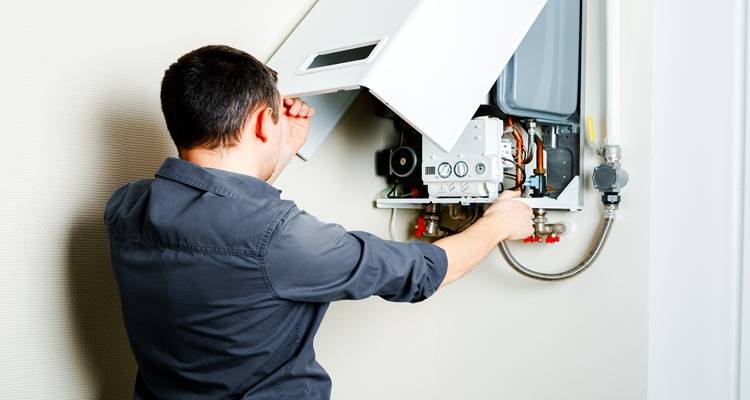
Even an external pump replacement requires the correct component, safe isolation of the system and appropriate testing.
Incorrect installation can lead to leaks, circulation problems or electrical hazards.
Arranging for a heating engineer to carry out the work is generally the safer approach.
Does a New Boiler Pump Need to Be the Same Model?
A replacement circulation pump doesn't always need to be identical to the original.
However, it must be compatible with the boiler and heating system.
An engineer will consider several factors:
- Flow requirements: The pump must circulate sufficient water through the system.
- Head and pressure requirements: The pump must provide suitable performance for the pipework and heating layout.
- Dimensions: The replacement must fit the available installation space.
- Connections: The pump must be compatible with the existing pipework.
- Electrical requirements: The replacement must work with the system's electrical supply and controls.
- Manufacturer specifications: The boiler documentation may specify approved or compatible components.
Choosing a pump purely because it costs less could cause compatibility or circulation problems.
Ask the engineer to confirm that the proposed replacement is suitable for the existing installation.
How Long Does a Boiler Pump Last?
A central heating circulation pump may last approximately 8-12 years, although its actual lifespan depends on the model and operating conditions.
Some pumps last longer, while others develop faults earlier.
Factors that can influence pump lifespan include:
- Cleanliness of the heating system
- Whether the pump is correctly sized
- Installation and operating conditions
- Frequency of heating use
- Sludge and corrosion within the system
- Compatibility with the boiler and heating controls
Regular maintenance and addressing circulation problems promptly may help reduce unnecessary wear.
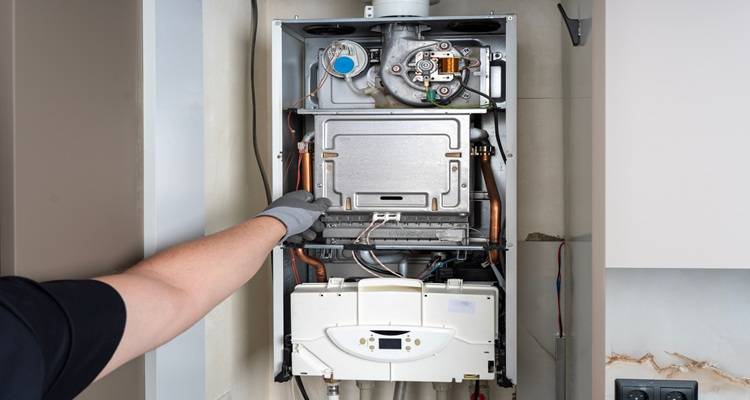
If the pump develops unusual noises or radiators stop heating properly, arrange for the system to be checked.
Is It Worth Replacing the Pump on an Old Boiler?
Replacing the pump on an older boiler can be worthwhile if the appliance is otherwise in suitable condition.
A pump replacement is generally much less expensive than installing a new boiler.
However, the decision depends on the boiler's age, condition, previous repairs and the availability of replacement parts.
Consider the following:
- Boiler age: Older boilers may have more wear, but age alone doesn't mean replacement is necessary.
- Pump replacement cost: Compare the repair price with the boiler's overall condition.
- Previous repairs: Repeated faults may make further spending less economical.
- Parts availability: Some older boilers have components that are difficult or expensive to source.
- New boiler costs: Compare substantial repair costs with the price of replacing the appliance.
If several faults are present, replacing the boiler may be worth considering.
However, a separate fault doesn't automatically mean a new boiler is required.
An engineer can assess whether further repairs are practical and explain the available options.
Our boiler installation cost guide explains the costs involved in replacing an existing boiler.
What Does a Boiler Pump Replacement Quote Include?
Before agreeing to a boiler pump replacement, check what the quotation covers.
A complete quote may include:
- Call-out charges and fault diagnosis
- The replacement pump
- Labour costs
- Draining and refilling the system
- Bleeding radiators where necessary
- Testing the replacement pump
- Checking heating system operation
- Checking for leaks
- Disposal of the old component
- VAT
Ask whether the engineer will carry out further diagnosis if the replacement doesn't resolve the original problem.
Sometimes a circulation fault has more than one cause, or the pump may not have been responsible for the symptoms.
This doesn't automatically mean the boiler needs replacing.
Also check whether additional repairs require a separate quotation and whether the diagnostic charge is included in the agreed price.
Boiler Pump Replacement FAQs
How Much Does It Cost to Replace a Boiler Pump?
Replacing a boiler pump typically costs £180-£450, including parts and labour.
The price depends on the pump type, boiler model and accessibility.
How Much Does a Central Heating Pump Cost?
A replacement pump alone may cost around £40-£250.
An accessible external pump replacement generally costs £180-£350, including installation.
How Do I Know If My Boiler Pump Has Failed?
Possible signs include radiators not heating properly, uneven heating, unusual pump noises and boiler fault codes.
However, these symptoms can have other causes, so an engineer should investigate before recommending replacement.
How Much Does a Boiler Pump Repair Cost?
Investigating or repairing a boiler pump fault may cost around £80-£200.
The price depends on the fault and whether replacement parts or additional work are needed.
Can I Use Any Replacement Circulation Pump?
No. The replacement must meet the heating system's flow, pressure, connection, electrical and manufacturer requirements.
A heating engineer can identify a suitable component.
Find a Local Heating Engineer
If your boiler isn't circulating water properly or your radiators are taking longer than usual to warm up, arrange for the system to be inspected.
A heating engineer can investigate the cause and advise whether the circulation pump needs repairing or replacing.
Comparing quotations can help you understand the likely costs of parts, labour and any additional work.
Use MyJobQuote to find a local heating engineer and compare up to three quotes for your boiler pump replacement.