Builders
 Carpenters
 Electricians
 Flooring Specialists
 Gardeners
 Handymen
 Heating Engineers
 Painters & Decorators
 Plasterers & Renderers
 Plumbers
 Roofers
 Tilers
 my
Asbestos Flue Removal Cost
At a Glance
- Asbestos flue removal can cost from £150 for straightforward external work to £1,500 for more complex chimney flue removal.
- Removal may take a few hours to a day or more, with testing and access arrangements adding to the overall timescale.
- Typical asbestos flue removal prices and additional costs.
- How flue condition, access and asbestos type affect the quote.
- Testing, licensing, disposal and what to check before hiring.
Get free estimatesAre you a trade? Get more work today!
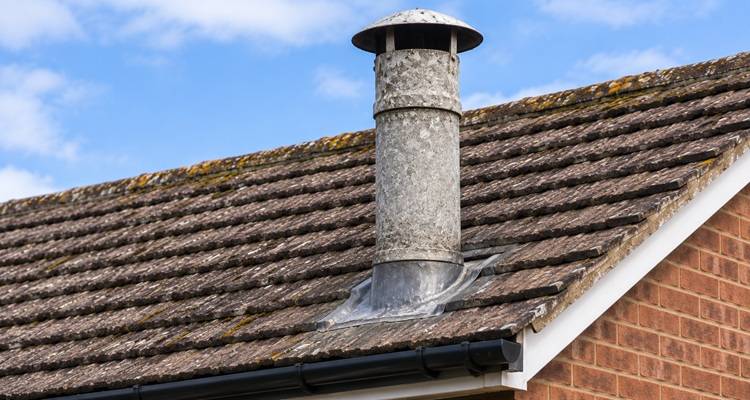
An asbestos flue is a pipe made from cement and asbestos fibres that was used to vent smoke, combustion gases or exhaust out of a building. It may be connected to an older boiler, gas fire, warm-air heating system or solid-fuel appliance.
Asbestos flue removal costs are influenced by multiple factors, including establishing what the pipe is made from. Asbestos testing, which carries a fee, can confirm whether asbestos is present in the flue material. The length and diameter of the flue are also substantial cost factors, as is whether the installation is internal or external.
Accessibility contributes to removal costs, and another significant factor is the current condition of the pipe, such as whether it’s intact or damaged in some way. Where scaffolding or other access equipment is required, an additional charge needs to be added to the budget.
Regional labour rates and asbestos disposal fees also mean that location can play an important part in asbestos flue removal costs. The expense of replacing the flue with an alternative, and any other post-removal repair work, should also be considered.
Establishing whether the flue contains asbestos is the first step before any work that could disturb it is attempted. Not all old flues contain asbestos, which is why proper identification is so important.
£850
Table of Contents
- How Much Does It Cost to Remove an Asbestos Flue?
- What Is an Asbestos Flue?
- What Does an Asbestos Flue Look Like?
- Asbestos Flue Testing Costs
- Asbestos Flue Removal Labour Costs
- Asbestos Flue Disposal Costs
- What Affects Asbestos Flue Removal Costs?
- External Asbestos Flue Removal Cost
- Asbestos Flue Removal From a Boiler
- Asbestos Flue Removal From a Chimney
- Asbestos Cement Flue Removal Cost
- Does Asbestos Flue Removal Require a Licensed Contractor?
- Additional Asbestos Flue Removal Costs
- Scaffolding Costs for Asbestos Flue Removal
- What Happens During Asbestos Flue Removal?
- Can an Asbestos Flue Be Left in Place?
- Can You Encapsulate an Asbestos Flue?
- Can I Remove an Asbestos Flue Myself?
- Asbestos Flue Removal Regulations
- How Long Does Asbestos Flue Removal Take?
- Asbestos Flue Removal During a House Renovation
- Asbestos Flue Removal vs Replacement
- What Does an Asbestos Flue Removal Quote Include?
- FAQs
How Much Does It Cost to Remove an Asbestos Flue?
The price of removing an asbestos flue varies depending on several factors, including its size, accessibility and whether it’s internally or externally situated. Testing for asbestos and safe, legal disposal are also important cost considerations.
Small Accessible Section of Asbestos Flue
A small section of asbestos flue with good access costs around £200-£350 to remove. Accessibility is one of the biggest pricing factors for an asbestos removal contractor. When they can reach the flue without difficulty or obstruction, the price is typically lower.
The size of the flue pipe also impacts the cost of removal, with small portions being less expensive than longer sections in terms of labour, transport and disposal.
Internal Asbestos Flue Removal
Internal asbestos flue pipe removal typically costs around £350-£900+, depending on the length and accessibility of the flue. A small, accessible section may cost less. Prices can include controlled dismantling, removing the material from the property and proper disposal.
The type of asbestos-containing material involved has a significant impact on removal costs. While many domestic flues were constructed from asbestos cement, some installations may also have asbestos-containing pipe lagging.
Pipe lagging can require much stricter controls and may fall under licensed asbestos work, making removal considerably more involved and expensive than straightforward work involving intact asbestos cement.
External Asbestos Flue Removal
Prices are typically around £150-£450 to dismantle and remove an external asbestos flue where access is relatively straightforward.
If scaffolding or other access equipment is required, this will add to the overall cost.
External work may be simpler than some internal work because the material is outside the living space. However, the appropriate controls still depend on the asbestos-containing material, its condition and how the work will be carried out.
Full Asbestos Cement Flue Removal
Full asbestos cement flue removal costs around £600-£900 in straightforward cases.
In contrast to a short, accessible section of flue, removing an entire pipe that runs through floors, ceilings and the roof of a property is a much larger undertaking.
Costs vary depending on the height and length of the flue, whether it’s in a single-storey or two-storey house, accessibility and the equipment required to carry out the work safely.
Scaffolding for Asbestos Flue Removal
Scaffolding and other access equipment can significantly increase the overall cost of asbestos flue removal.
The exact cost depends on the type of access required. A small scaffold tower may cost substantially less than full structural scaffolding, while bridging over a conservatory or reaching a chimney stack can increase the price considerably.
For this reason, you should check whether scaffolding is included in an asbestos removal quote or will be charged separately.
Asbestos Sampling and Testing
Asbestos sampling or testing is needed when the material cannot otherwise be confirmed. Contractor sampling and laboratory analysis typically cost around £80-£200, depending on the service and number of samples required.
A small sample is taken and sent to a UKAS-accredited laboratory to determine whether asbestos is present.
Air monitoring is a different service and may be required for certain types of asbestos work. Where necessary, this may cost around £200-£600.
Asbestos Waste Disposal
Asbestos flue disposal costs can vary considerably depending on the amount and type of waste, how it is transported and the disposal facility used.
An asbestos contractor carrying out the removal will normally include appropriate packaging, transport and disposal in their quote.
| Asbestos Flue Removal Job | Typical Cost |
|---|---|
| Small accessible section of asbestos flue | £200-£350 |
| Internal asbestos flue removal | £350-£900+ |
| External asbestos flue removal | £150-£450 |
| Full asbestos cement flue removal | £600-£900 |
| Asbestos sampling/testing | £80-£200 |
| Asbestos waste disposal | £95-£365 |
Want a custom price?
Post your job
Access equipment such as scaffolding may be charged separately, so always check exactly what is included when comparing quotes.
What Is an Asbestos Flue?
An asbestos flue is a pipe that allows gas, smoke or exhaust from an older boiler, fire or warm-air heating system to vent from a property.
Asbestos cement was historically used for flues because of its heat resistance, durability and relatively low cost.
Asbestos flues were commonly used to vent hot gases from wall-mounted, floor-standing and back boilers. They were also used with warm-air heating, gas fires and solid-fuel systems.
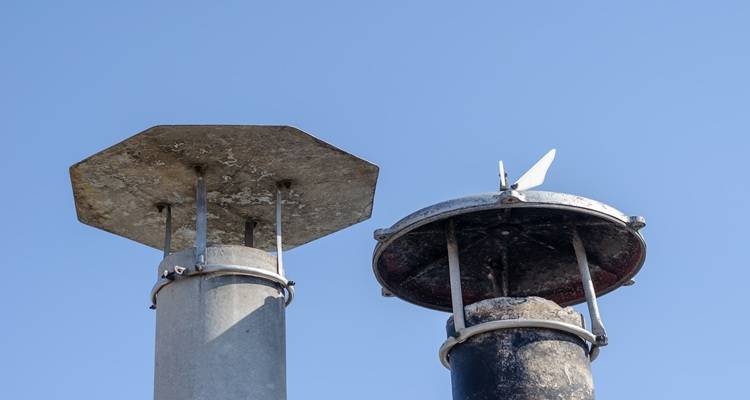
Older heating installations may therefore contain asbestos flues, but the age of the property or heating system alone cannot confirm whether asbestos is present.
What Does an Asbestos Flue Look Like?
An asbestos flue cannot be reliably identified just by looking at it.
Laboratory analysis of a sample can confirm whether asbestos is present.
However, it is helpful to know what older asbestos cement can look like. It is typically grey or chalky white, although some flues may have been painted or coated.
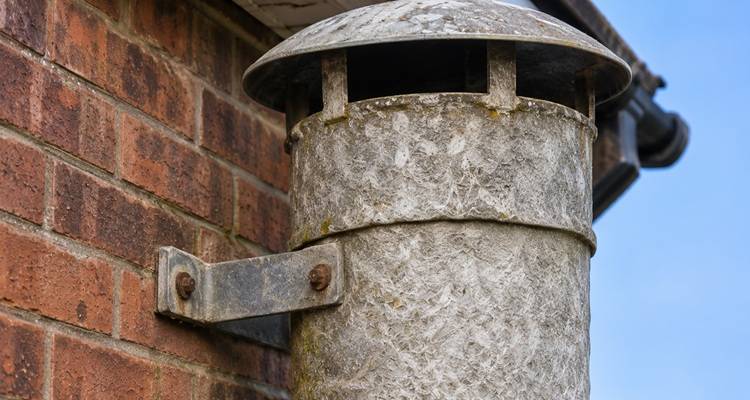
You should never scrape, drill, sand or otherwise disturb a suspected asbestos flue to try to identify the original material underneath.
If the flue cannot be identified, it should be left undisturbed and advice sought about appropriate sampling or testing.
Asbestos Flue Testing Costs
There are different ways asbestos may be tested or assessed depending on the situation.
Material sampling involves taking a small sample of the suspected asbestos-containing material and sending it to a UKAS-accredited laboratory for analysis.
Having a sample collected and analysed typically costs around £80-£200, depending on the provider, location and number of samples.
Rather than disturbing suspected asbestos yourself, it is safer to arrange for someone competent to take the sample where necessary.
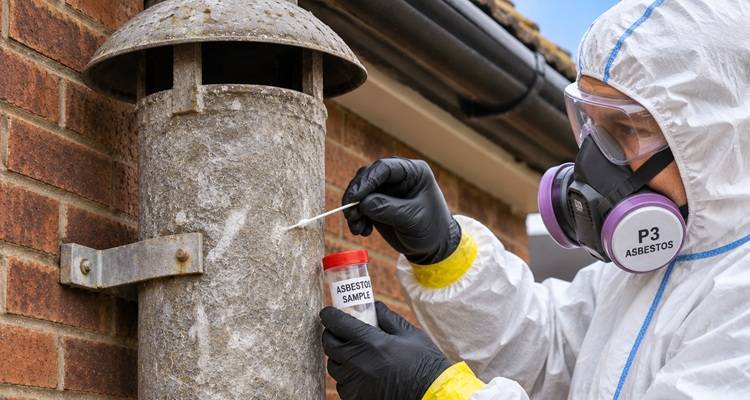
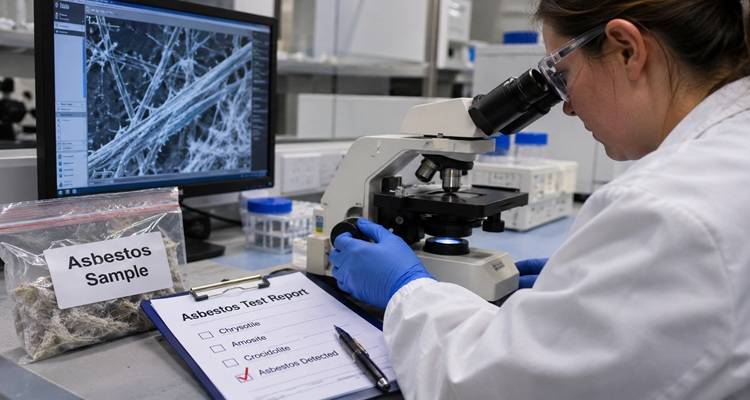
Air monitoring is a separate procedure that measures airborne asbestos fibre concentrations. It may be used during or following certain asbestos removal projects and can cost around £200-£600.
An asbestos survey is more comprehensive than testing one suspected material. A domestic asbestos survey may cost around £150-£500, depending on the size of the property and the type of survey required.
Asbestos Flue Removal Labour Costs
Asbestos removal contractors typically quote a fixed project price rather than simply charging an hourly rate.
The labour involved depends heavily on the type of asbestos-containing material, its condition, the length of the flue, accessibility and the controls required for the work.
An important cost driver is the type of material involved. Intact asbestos cement is generally treated differently from higher-risk materials such as asbestos insulation board or pipe lagging.
Some work involving asbestos cement may be non-licensed, provided the work meets the relevant criteria. Higher-risk work involving materials such as asbestos insulation or lagging may require an HSE-licensed contractor.
The number of workers required will also vary. A small, accessible section may require fewer people than a long flue running between floors or up to roof level.
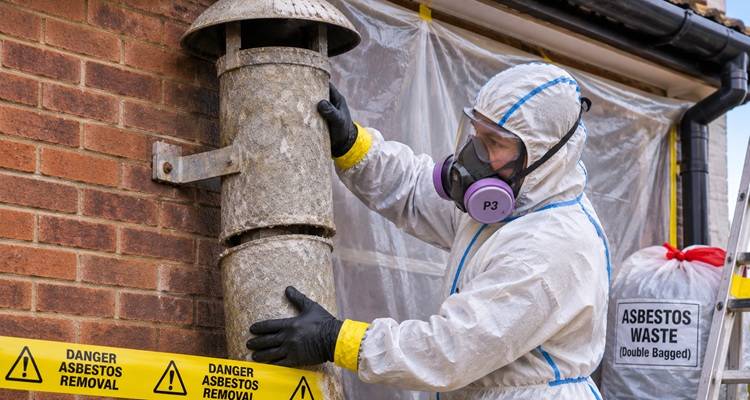
Access to the work area and whether scaffolding or other equipment is required directly impacts labour costs. Clear access at ground level is much less involved than reaching upper floors or roof level.
Preparation is another important part of asbestos work. Depending on the material and job classification, this may include restricting access to the work area, appropriate PPE and RPE, dust suppression and measures to minimise fibre release.
The method used should aim to keep asbestos-containing materials intact wherever reasonably practicable rather than breaking, cutting or drilling them unnecessarily.
Asbestos Flue Disposal Costs
Asbestos is hazardous waste and must be handled and disposed of appropriately.
The price you pay an asbestos contractor should account for suitable asbestos waste packaging and legal disposal where this is included in the scope of work.
Waste must not simply be placed in household rubbish, ordinary construction rubble or a standard skip.
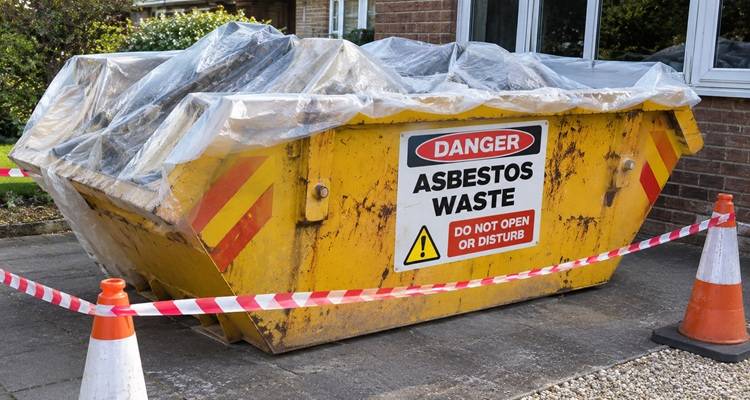
Disposal charges vary according to the type and amount of asbestos-containing material, the disposal facility, transport arrangements and location.
If you're comparing removal quotes, check whether waste packaging, transport, disposal charges and relevant paperwork are included in the final price.
What Affects Asbestos Flue Removal Costs?
Multiple factors affect the cost of asbestos flue removal, including flue length, access and the type of asbestos-containing material involved.
Type of Asbestos-Containing Material
Different asbestos-containing materials have different risk profiles and removal requirements.
Many older asbestos flues were made from asbestos cement, where the fibres are bound into a cement matrix. When intact and in good condition, this generally presents a lower risk of fibre release than more friable asbestos-containing materials.
However, cutting, drilling, breaking or otherwise damaging asbestos cement can release fibres.
Pipe lagging and asbestos insulation board may require considerably stricter controls. Work involving these materials can fall under licensed asbestos work, increasing the time and cost involved.
The asbestos-containing material should therefore be properly assessed before deciding how it will be managed or removed.
Condition
The condition of the asbestos-containing material is important.
An intact asbestos cement flue may be treated differently from material that is badly damaged, deteriorating or likely to release fibres.
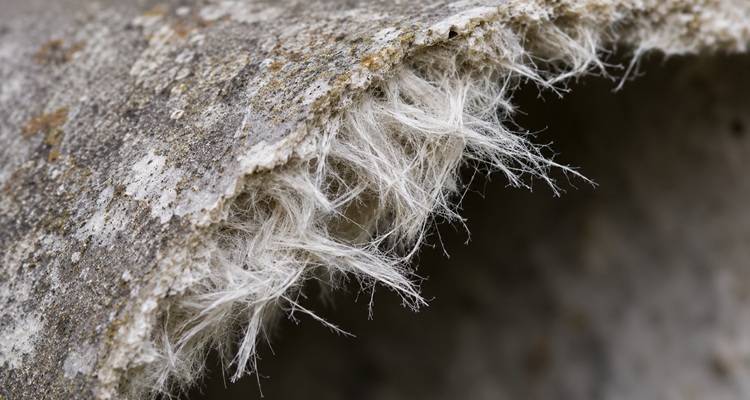
However, damage alone doesn't automatically determine whether work is licensed, non-licensed or notifiable non-licensed work. The material, condition and nature of the work all need to be considered.
Flue Length
Flue length directly impacts the cost of removal.
A small run can usually be dealt with much more quickly than a floor-to-roof flue. Longer sections can require additional labour, access equipment, packaging and disposal.
Where scaffolding is required to reach the pipe, there will be an additional charge to consider.
Accessibility
The accessibility of the flue has a direct bearing on how much it costs to remove.
An easily accessible pipe can be simpler to deal with than one that runs through ceilings, the roof or tight spaces.
A boxed-in flue may also require surrounding materials to be carefully removed before the asbestos-containing material can be accessed.
Internal vs External Flue
Internal flues can require additional measures to prevent the spread of asbestos fibres within the property, depending on the material and type of work involved.
External flues may offer easier access to the material itself, although working at height can introduce additional costs for scaffolding or other suitable access equipment.
Scaffolding
The cost of scaffolding for asbestos flue removal depends on the location, height and type of structure required.
A small tower may be sufficient for some jobs, while others require larger scaffolding arrangements or bridging over an extension or conservatory.
Working at height carries significant risks, so suitable access equipment should be factored into the quote where required.
Testing
Testing may be necessary where it isn't known whether the flue contains asbestos.
Sampling should be carried out in a way that minimises the risk of disturbing and releasing fibres from suspected asbestos-containing materials.
A sample can then be analysed by a UKAS-accredited laboratory.
Disposal
Disposal is a key cost factor in asbestos flue removal.
Costs may include suitable packaging, transport and fees charged by facilities authorised to accept asbestos waste.
The distance to an appropriate disposal facility can also influence the final cost.
Reinstatement
When a flue pipe is removed, there may be reinstatement costs.
These can cover making good holes in floors and ceilings, repairs to walls, replastering, decorating or roof work.
If the old flue served a boiler or other heating appliance, the cost of installing a suitable replacement flue or heating system may also need to be considered.
External Asbestos Flue Removal Cost
External asbestos flues can sometimes be easier to access than internal flues, although those extending to upper floors or roof level will require suitable access equipment.
Scaffolding costs can therefore make up a significant part of the overall price.
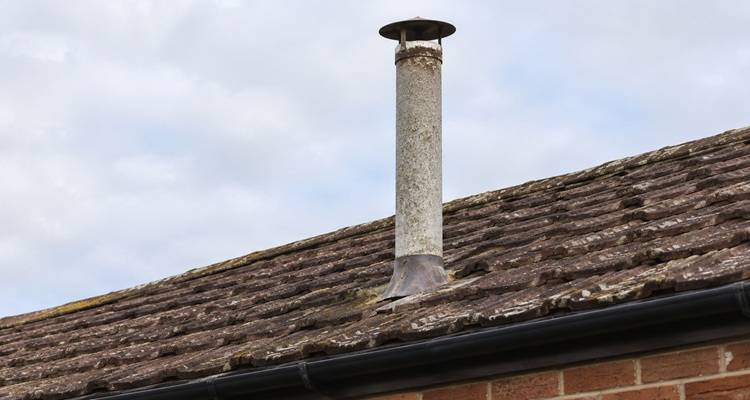
Flue brackets may also be rusted, seized or fixed beneath soffits, making removal more difficult. Repairs to fixing points in the wall may be needed afterwards to prevent water ingress.
Disposal costs for an external flue depend on the size, weight and asbestos-containing material involved. Contractors will commonly include these costs in their quote.
Asbestos Flue Removal From a Boiler
Removing an asbestos flue associated with a gas boiler may also require a Gas Safe registered engineer to safely disconnect the appliance before work begins.
Daily rates for a heating engineer are around £300-£450.
If the boiler is old or inefficient, a new boiler may be required in addition to the new flue, adding to the budget.
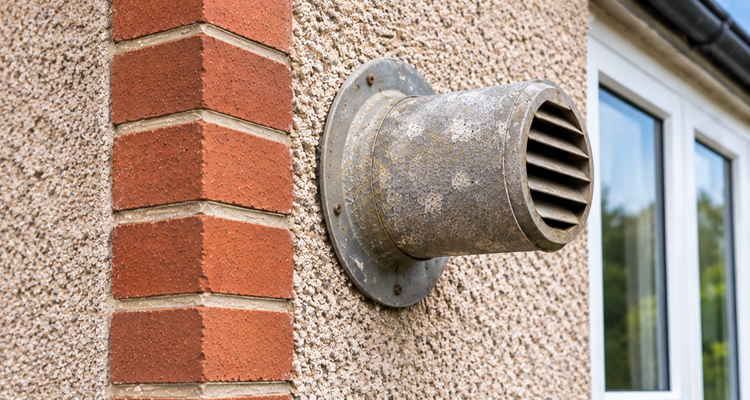
Depending on the age of the heating system, alterations to pipework or controls may also be needed, along with making good after the old flue has been removed.
Asbestos Flue Removal From a Chimney
An asbestos-containing flue or liner may sometimes be located within a masonry chimney.
Removal can be more difficult than dealing with an exposed external flue because access to the asbestos-containing material may be restricted.
In some cases, work to the chimney may be required to gain suitable access.
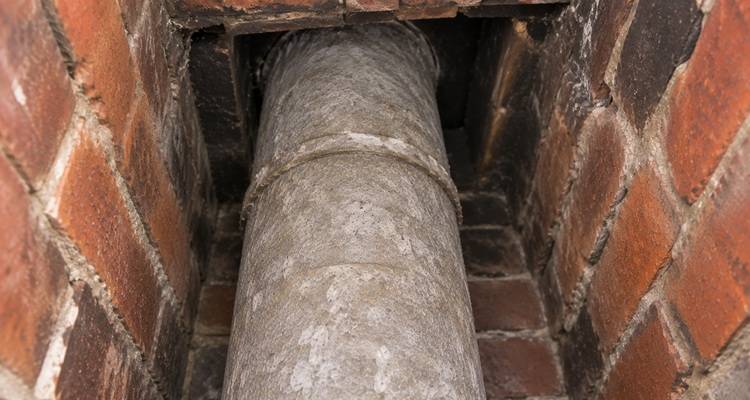
Asbestos chimney flue removal costs can therefore be higher than straightforward external flue removal. Costs may be around £800-£1,500, depending on the material, access and complexity of the work.
Asbestos Cement Flue Removal Cost
Asbestos cement was used for flues and other building products in previous decades.
Asbestos cement is generally considered a lower-risk asbestos-containing material than friable materials such as pipe lagging, provided it remains in good condition and the work doesn't cause significant fibre release.
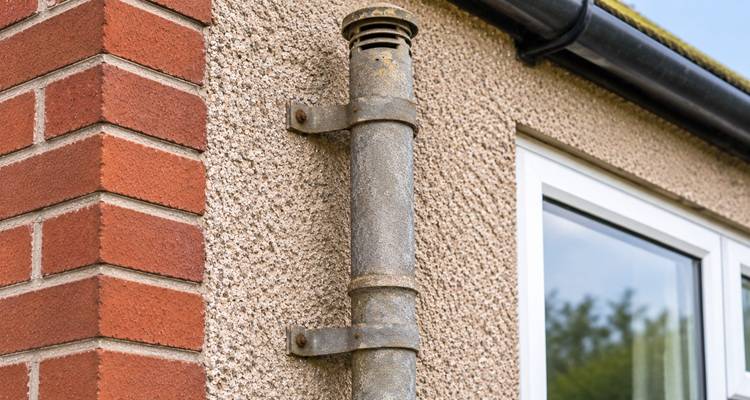
Some asbestos cement removal can be carried out as non-licensed work. However, this doesn't mean that every asbestos flue can automatically be treated in the same way.
The material, its condition and how the removal will be carried out should be assessed before work begins.
Does Asbestos Flue Removal Require a Licensed Contractor?
Whether an HSE-licensed asbestos contractor is legally required depends on several factors.
These include:
- The type of asbestos-containing material.
- Its condition.
- How likely the material is to release fibres.
- How the work will be carried out.
- The duration and intensity of potential exposure.
Some work involving asbestos cement can be non-licensed, while work involving higher-risk materials such as asbestos insulation or lagging may require an HSE-licensed contractor.
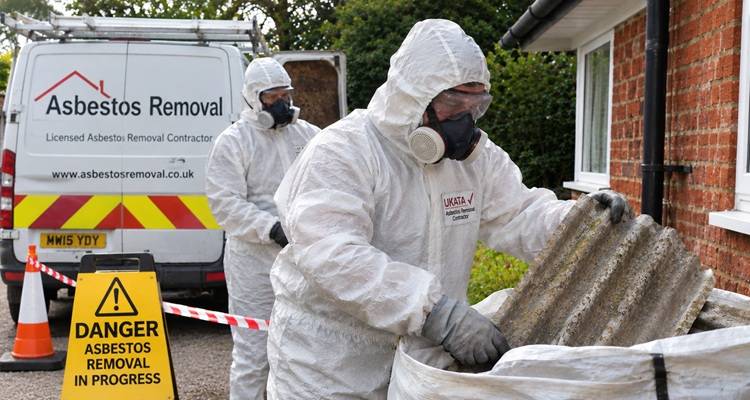
There is also a category known as Notifiable Non-Licensed Work (NNLW). Whether work falls into this category depends on the material, its condition and the nature of the work.
For homeowners, the safest approach is to use someone who has the appropriate training and competence for the type of asbestos work involved.
Additional Asbestos Flue Removal Costs
Not every asbestos flue removal will involve the following costs, but they should be considered when setting a budget.
Asbestos Sampling/Testing
Sampling and laboratory testing typically cost around £80-£200, depending on the number of samples and the provider.
Air monitoring, where required, may cost around £200-£600.
Asbestos Survey
An asbestos survey can cost around £150-£500 for a residential property, depending on the size of the home and type of survey required.
Scaffolding
A small scaffold tower may cost around £150-£350, while larger scaffolding arrangements can cost considerably more.
The exact price depends heavily on height, accessibility, location and the amount of scaffolding required.
Boiler Removal
Decommissioning and removing a boiler separately from the asbestos flue can cost around £200-£600.
A Gas Safe registered engineer must carry out gas work where applicable.
New Boiler/Flue
Installing a new boiler and replacement flue may cost around £2,500-£4,500, depending on the boiler, installation requirements and whether it is being fitted in the same location.
Chimney Repair
Common chimney repairs can cost around £400-£1,500, although larger structural work may cost considerably more.
Roof Repair
Roof repair costs vary considerably depending on the extent of the damage and roof covering.
Any work required after removing a flue should therefore be included when budgeting for the overall project.
Plastering
Plastering costs depend on the size of the area. A localised patch repair may cost around £100-£300, while larger repairs will cost more.
Decorating
The cost of decorating following asbestos flue removal depends on the extent of the work and whether repairs are internal, external or both.
Waste Disposal
Waste disposal costs vary according to the volume and type of asbestos-containing material involved. Check whether disposal is already included in your removal quote before adding it to your budget separately.
Scaffolding Costs for Asbestos Flue Removal
There are several cost-driving factors to consider when deciding how to safely access an asbestos flue.
Whether scaffolding or another form of suitable access equipment is needed will depend on the height, position of the flue and property layout.
A small scaffold tower may cost around £150-£350, while larger scaffolding arrangements can cost £750-£1,300 or more.
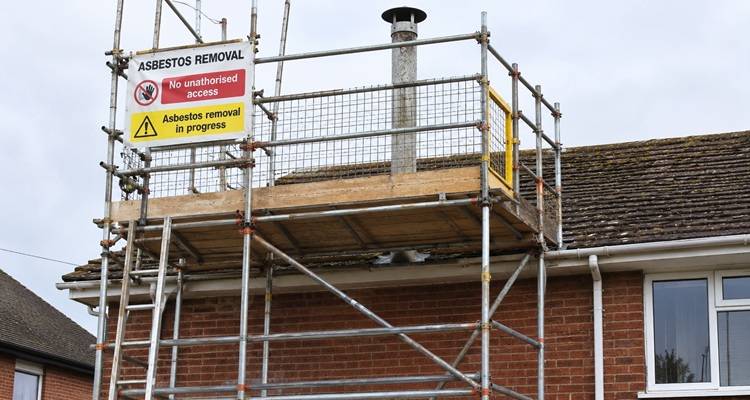
Where a conservatory or extension needs to be bridged, costs can increase further.
The important thing when comparing asbestos removal quotes is to establish whether access equipment is already included or will be charged separately.
What Happens During Asbestos Flue Removal?
The first step when dealing with a suspected asbestos flue is to establish whether the material contains asbestos.
Where sampling is required, a sample can be sent to a UKAS-accredited laboratory for analysis.
The condition and location of the flue will also be assessed, including where it passes through ceilings, walls or the roof.
Before removal, the contractor will determine the appropriate method of work and controls required based on the asbestos-containing material and its condition.
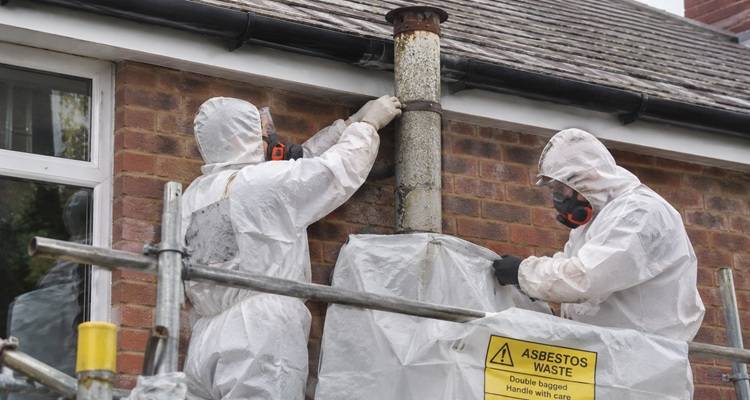
The work area may need to be isolated, and appropriate PPE, respiratory protection and dust-control measures used.
Wherever reasonably practicable, sections of asbestos-containing flue should be removed intact rather than unnecessarily cut or broken.
Removed material is appropriately packaged, labelled and taken for authorised disposal.
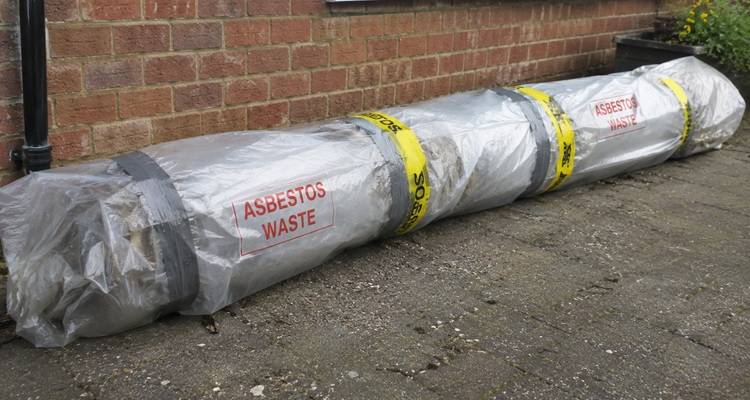
The work area is then cleaned using methods suitable for asbestos work.
Additional air monitoring and clearance procedures may be required for certain categories of work.
Where reinstatement is needed, making good holes in walls and floors or carrying out roof repairs will form the final part of the project.
Can an Asbestos Flue Be Left in Place?
An asbestos flue can sometimes be left in place, and the presence of asbestos doesn't automatically mean that it must be removed.
If the material is in good condition, unlikely to be disturbed and not affected by planned building work, managing it in place may be an option.
However, its condition should be considered, particularly if renovation or other building work could disturb the material.
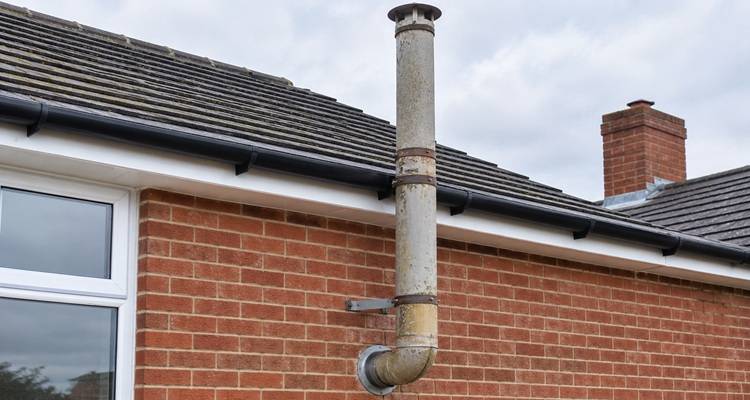
If an old heating appliance is being replaced, the existing flue may also need to be assessed to determine whether it can remain or needs to be removed.
Can You Encapsulate an Asbestos Flue?
Encapsulation may be an option in some situations where asbestos-containing material is left in place.
It involves applying an appropriate protective coating or system designed to seal the surface and reduce the likelihood of fibres being released.
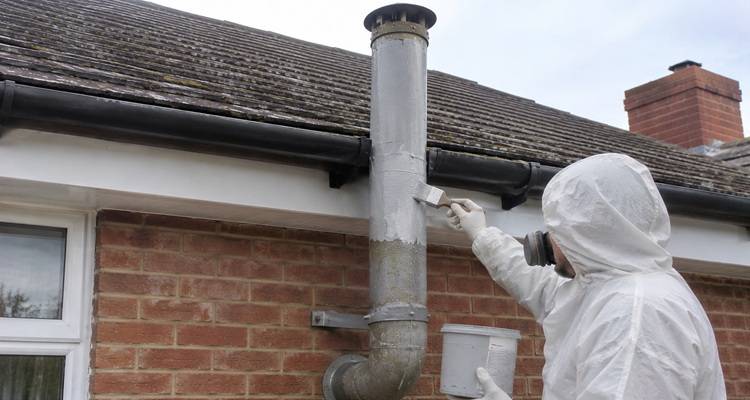
Whether an asbestos flue is suitable for encapsulation depends on its material, condition, location and likelihood of future disturbance.
An assessment should therefore be made before deciding between management, encapsulation and removal.
Can I Remove an Asbestos Flue Myself?
Removing a suspected asbestos flue yourself is strongly discouraged.
Disturbing asbestos-containing material can release microscopic fibres into the air, creating a serious health risk to you and other people in or around the property.
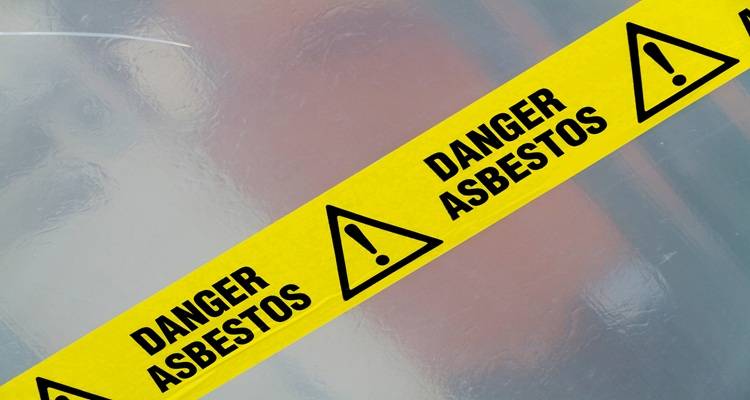
Asbestos work is also subject to legal requirements concerning how the material is handled, controlled and disposed of.
For homeowners, the safer approach is to use a contractor with the appropriate asbestos training, competence and, where required, HSE licence for the type of work being carried out.
Asbestos Flue Removal Regulations
The Control of Asbestos Regulations 2012 govern work involving asbestos in Great Britain and are designed to protect workers and others from exposure to asbestos fibres.
For homeowners, the key point is that the requirements applying to a particular job depend on the asbestos-containing material, its condition and how the work will be carried out.
Non-Licensed Work
Some lower-risk asbestos work can be carried out without an HSE asbestos licence, provided it meets the relevant criteria.
Workers must still be appropriately trained and follow the necessary controls to prevent or minimise exposure.
Licensed Work
Higher-risk asbestos work can require a contractor holding an HSE asbestos licence.
This generally involves stricter requirements surrounding notification, planning, containment, respiratory protection, decontamination and clearance.
Notifiable Non-Licensed Work
Some asbestos work that doesn't require an HSE licence may nevertheless be classed as Notifiable Non-Licensed Work.
Whether this applies depends on factors including the type and condition of the material and the nature of the work.
Waste Handling and Disposal
Asbestos waste must be appropriately packaged, transported and taken to a facility authorised to accept it.
The precise documentation and waste-carrier requirements depend on the circumstances and where in the UK the work takes place.
Homeowners should check that whoever is carrying out the work will handle and dispose of the asbestos waste in accordance with the rules that apply in their area.
How Long Does Asbestos Flue Removal Take?
Removing a small, accessible section of asbestos flue may take a few hours, depending on the material, size, access and method of removal.
A full flue that runs from the ground floor to the roof will take longer, particularly where containment or access equipment is required.
Internal and external removal times vary considerably according to the circumstances.
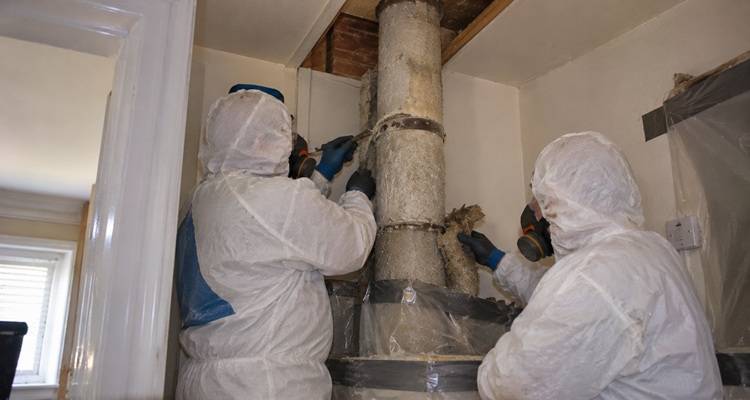
Where scaffolding, asbestos testing, licensed work or heating alterations are required, the overall project may take significantly longer than the physical removal itself.
This is an important distinction because a removal that takes only a few hours on site may still involve several days or longer from initial assessment through to testing, access arrangements and final disposal.
Asbestos Flue Removal During a House Renovation
If a suspected asbestos flue is discovered during a house renovation, work that could disturb the material should stop.
The material should be left undisturbed while advice is sought and, where necessary, sampling is arranged.
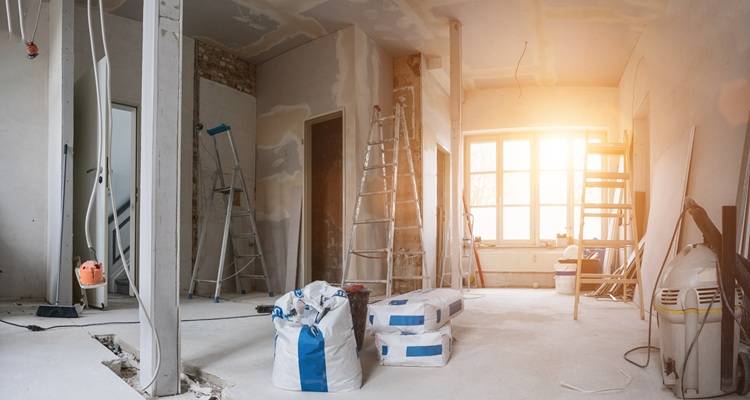
If testing confirms that asbestos is present, the appropriate way of managing or removing it can then be decided before renovation work continues in the affected area.
Asbestos Flue Removal vs Replacement
The cost of removing an asbestos flue doesn't normally cover the price of a replacement flue or any associated heating installation.
Homeowners may need to budget for removing and disposing of an old heating appliance as well as dealing with the asbestos-containing flue.
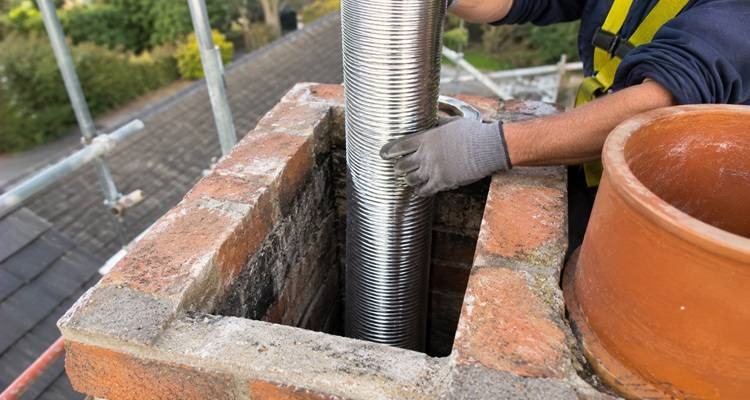
A new heating appliance and flue will be a separate cost, as will any making good required following the removal.
What Does an Asbestos Flue Removal Quote Include?
A quote for removing an asbestos flue should clearly define the scope of work so that homeowners can compare like-for-like quotations.
Depending on the job, this may include:
- Site assessment and required paperwork.
- Sampling and testing where necessary.
- Labour.
- Preparation and control of the work area.
- Removal of the asbestos-containing flue.
- Dust suppression and other required control measures.
- Access equipment.
- Appropriate asbestos waste packaging.
- Transport and disposal.
- Cleaning of the work area.
- Relevant waste documentation.
- Making good holes or voids left by the flue, if agreed.
- Air monitoring or clearance procedures where required.
Where scaffolding is needed, this may or may not be included in the quote.
Reinstatement and heating system disconnection may also be charged separately.
Check whether VAT is included before comparing the final prices.
FAQs
Do I Need an Asbestos Survey Before Removing a Flue?
Not every suspected asbestos flue requires a full property asbestos survey. If the material itself needs to be identified, targeted sampling and laboratory analysis may be sufficient.
The appropriate assessment will depend on the property, planned work and whether other suspected asbestos-containing materials could also be disturbed.
How Much Does Asbestos Flue Removal Cost?
Removal can cost from around £150 for a straightforward external section to £1,500 or more for more complex work involving a chimney, difficult access or additional controls.
Can I Remove an Asbestos Flue Myself?
DIY asbestos flue removal is strongly discouraged because disturbing asbestos-containing material can release hazardous fibres.
Using someone with the appropriate asbestos training and competence also helps ensure the material is handled and disposed of correctly.
Does Asbestos Cement Removal Require a Licence?
Not necessarily. Some work involving asbestos cement can be classed as non-licensed work.
However, this depends on the condition of the material and the nature of the work. Other asbestos-containing materials associated with a flue may have different requirements.
Can an Asbestos Flue Be Left in Place?
Yes, in some circumstances. If the asbestos-containing material is in good condition and unlikely to be disturbed, managing it in place may be appropriate.
Whether it should remain, be encapsulated or be removed depends on its condition, location and future plans for the property.