Builders
 Carpenters
 Electricians
 Flooring Specialists
 Gardeners
 Handymen
 Heating Engineers
 Painters & Decorators
 Plasterers & Renderers
 Plumbers
 Roofers
 Tilers
 my
myCommon Lawn Problems and How to Fix Them
A healthy-looking lawn can completely transform your outdoor space. However, keeping the grass looking great is not always as straightforward as you might think. There are a lot of common lawn problems that can become an issue, such as bare patches, yellow patches, moss, weeds, waterlogged areas and fungal diseases. These all have different causes.
Things like poor drainage, compacted soil, shaded spots, incorrect mowing techniques, pests, diseases and unsuitable growing conditions can all also affect how well your grass grows.
The most effective way to repair your lawn will involve identifying what it is that is causing the problem in the first place and then choosing an appropriate solution. For example, applying fertiliser to yellow grass will not solve waterlogging or pet urine damage.
Similarly, removing moss without improving poor drainage or compacted soil may only provide a temporary solution. You want to get to the root of the problem and then decide what type of solution would be best.
In this guide, we will take a look at the most common lawn problems and explain how to identify their causes and what you can do to repair and maintain your grass in a variety of different situations.
Table of Contents
- Why Is My Lawn in Poor Condition?
- Common Lawn Problems
- Lawn Problems Caused by Mowing
- Lawn Problems Caused by Poor Soil
- How to Diagnose a Lawn Problem
- Can a Damaged Lawn Recover?
- Repairing Bare or Damaged Areas
- Should You Reseed or Returf the Lawn?
- When Should Lawn Problems Be Treated?
- Can You Fix Lawn Problems Yourself?
- How Much Does Lawn Repair Cost?
- Preventing Lawn Problems
- FAQs
Why Is My Lawn in Poor Condition?
If your lawn is looking thin, discoloured, or unhealthy, there may not be one single cause.
Lawn health can depend on:
- Soil condition
- Drainage
- Sunlight
- Mowing habits
- Watering
- Nutrients
- Grass type
- Levels of foot traffic
- Pests and disease
- Seasonal weather
A lawn that receives plenty of sunlight but sits in compacted, waterlogged soil may still struggle. Similarly, grass that is growing in good soil may become thin if it is constantly walked over or cut too short.
UK weather can also have a significant effect. Extended wet periods can leave soil saturated, whereas periods of dry weather can cause the grass to become dormant or turn brown. Cold temperatures can make your lawn grow slower, and damp conditions may increase the risk of moss and fungal diseases.
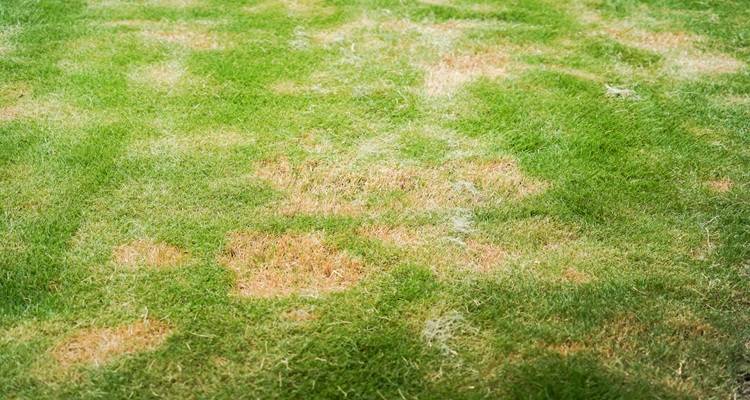
What you can see is not always the full problem. Treating the surface issue without correcting the cause may result in only temporary improvements. For example, overseeding a bare patch may help initially, but the new grass may fail if the area is heavily compacted or remains waterlogged.
Consider the soil, sunlight, drainage and how the lawn is used before choosing a treatment.
Common Lawn Problems
Here are some common lawn problems, what causes them and how to address them.
Patchy or Bare Lawn
A patchy lawn may have areas of thin grass, completely bare soil, or irregular sections where the grass appears to have died.
Some of the most common causes include:
- Heavy foot traffic
- Pet damage
- Poor seed establishment
- Shade
- Compacted soil
- Drought
- Pests
- Disease
- Objects left on the grass
A lawn may also become patchy simply because the grass seed is not suitable for the conditions. A shade-tolerant mixture may be suitable beneath trees, whereas a hardwearing grass mixture may be more appropriate for a garden that is used regularly by children or pets.
Look at where the bare patches are located. Areas along frequently used paths may be suffering from wear and compaction. Patches underneath trees or alongside fences may be caused by a lack of sunlight. If the damage appears after a dry spell, drought may be the cause. If the grass is thin rather than completely dead, the lawn may simply need better growing conditions and some overseeding.
If the soil is hard and difficult to penetrate, you may need to address the compaction issues first.
You can often repair small bare patches by removing dead grass and weeds, loosening the soil, and applying new grass seed. Make sure to keep the areas moist while the new grass establishes. Overseeding is often enough if most of the lawn is still healthy. However, if the soil is compacted, it is unlikely to have good results. Make sure the soil is suitable first.
If the same patches become bare repeatedly, look for an underlying cause. You may need to improve drainage, reduce foot traffic, change the mowing height or choose a grass seed mixture that is better suited to the location.
Yellow Grass
Yellow grass does not always mean that your lawn needs fertiliser. A lack of nutrients can cause discolouration; however, yellow grass can also be linked to too much water, drought, pet urine, compacted soil, mowing damage, or diseases.
Some possible causes of yellow grass include:
- Nutrient deficiencies
- Overwatering
- Drought
- Pet urine
- Compacted soil
- Scalping from mowing too low
- Disease
- Waterlogging
The pattern of the yellowing can provide some useful clues. Small circular yellow or brown areas may be associated with pet urine. Larger and more widespread yellowing after heavy rain may indicate waterlogged soil or poor drainage. Grass that has been cut too short may also become stressed. Cutting your grass too short can weaken it and expose the soil to drying out.
To fix it, start by checking the soil moisture levels before applying any feed. If the soil is very wet, additional watering or fertiliser may make the problem much worse. If the grass is dry, deeper and less frequent watering may help the roots develop more effectively compared to frequent light watering. Raising the mowing height can also help to reduce stress.
If a nutrient deficiency is suspected, a soil test may help to identify what is actually missing. Applying fertiliser without knowing the cause can lead to unnecessary treatment and may damage the lawn if too much is used.
Brown Patches
Brown patches in a lawn can be caused by everything from dry weather to fungal disease and from pet damage to chemical spills or even pests.
Below is a list of the possible causes:
- Dry weather
- Fungal disease
- Pet damage
- Fuel or chemical spills
- Excess fertiliser
- Mower damage
- Leatherjackets or chafer grubs
The pattern and timing of the damage can help you to narrow down the cause. Brown patches that appear during hot, dry weather are usually caused by drought. If the patches appear and spread in damp conditions, a fungal disease may be the cause. If the grass can be pulled away easily because the roots have been damaged, this could be due to pests.
Increased bird activity on the lawn can also suggest that birds are feeding on larvae underneath the surface. If the damage comes after a spill or a single application of too much fertiliser, the soil itself may have been affected.
Avoid applying several different treatments at once. Take photographs and monitor whether the affected area is spreading. This can make it much easier to identify the problem and avoid the wrong treatment.
Moss in the Lawn
Moss can appear due to any of the following:
- Shade
- Poor drainage
- Compacted soil
- Low fertility
- Unsuitable soil conditions
- Weak or closely cut grass
- Excess thatch
Removing moss may improve the appearance of the lawn. However, it is important to address the reason it appeared in the first place. Scarification can help to remove built-up moss, dead grass and thatch from the surface. Aeration can be helpful. This involves creating holes in the soil to help air and water reach the roots. Aeration can be particularly useful if the ground is compacted.
Improving drainage, reducing excessive shade (if possible) and encouraging stronger grass growth can also help to reduce the chances of moss making a return. Removing moss without improving the growing conditions may only provide a short-term solution. You want to consider the long term as well to prevent it from returning.
Weeds in the Lawn
There are many common weeds that may appear on lawns, including:
- Dandelions
- Clovers
- Daisies
- Plantains
- Buttercups
- Speedwells
If there are only a few weeds, you can usually remove these by hand. Make sure to take care to remove as much of the root as possible if you can. Improving the health and density of the grass can also help to prevent weeds from taking over. Some other things that could help include overseeding thin areas, correcting soil problems, and improving the way you mow the lawn.
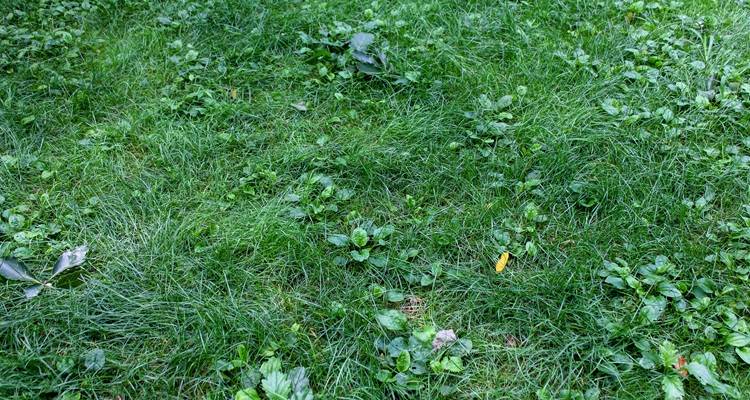
Selective weed treatments could work in some cases. However, you need to make sure to use products according to the manufacturer’s instructions. Make sure to check that it is suitable for use on lawns and follow all safety advice, particularly if children or pets use the garden. If you are unsure what product is suitable or how to apply it safely, you may want to ask a gardener for advice.
Waterlogged Lawn
A waterlogged lawn may feel soft and spongy underfoot. You may also notice puddles, or it may remain wet for a long time after rain.
Here are some possible causes:
- Heavy clay soil
- Compaction
- Poor surface levels
- Blocked or inadequate drainage
- High water table
- Excessive irrigation
If your lawn becomes waterlogged after every time it rains, you may have a wider drainage problem instead of simply needing less water. Avoid using the lawn a lot when the soil is saturated. Walking across wet grass can further compact the ground and damage the grass roots.
Aeration can help with minor compaction problems. This can help to create small channels that improve the movement of air and water. However, aeration alone may not solve more serious drainage problems. If water consistently collects in one area, you may need to address the surface levels. In more severe cases, you may need to add drainage.
It is important to identify the source of the water before you carry out any major work. If the problem is caused by inadequate drainage or the shape of the garden, simply adding more seed will not solve it.
Dry or Cracked Lawn
A dry lawn can be caused by the following:
- Drought
- Sandy soil
- Shallow roots
- Frequent light watering
- Mowing too short
- Excessive heat
A dry lawn may turn brown, develop cracks or become hard and brittle during long periods of dry weather. This can be particularly noticeable in sandy soil, which may drain quickly and hold less moisture. Shallow roots can also make grass more vulnerable to drought.
Frequent light watering can encourage shallow roots, and mowing too short can leave the grass more vulnerable to heat and moisture loss. Where possible, watering deeply during prolonged dry periods can encourage roots to grow further into the soil. It is generally better to avoid repeatedly wetting only the surface.
Raising the mowing height can also help protect the soil from excessive evaporation. Improving the soil structure with suitable organic matter may be beneficial, although the appropriate approach will depend on the existing soil.
Your lawn may naturally become dormant during periods of drought and recover when the conditions improve. It is important to note that brown grass is not necessarily dead grass.
Thin or Sparse Grass
A thin lawn may still have grass across most of the surface but may look weak, open, and sparse.
Some common causes include:
- Shade
- Poor soil
- Lack of nutrients
- Compaction
- Incorrect grass seed
- Excessive foot traffic
- Thatch
- Poor mowing practices
If the existing grass is generally healthy, overseeding with a suitable grass mixture may help to increase the density. The right type of seed is very important. For example, a lawn underneath trees may need a shade-tolerant mixture, a heavily used lawn may need a more hard-wearing option, and so on.
Before overseeding, address compaction, excess thatch or repeated foot traffic where these are contributing to thinning.
Lawn Not Growing
New or existing grass may appear to stop growing for several reasons, including:
- Low soil temperatures
- Lack of sunlight
- Poor seed contact
- Dry soil
- Waterlogging
- Old or unsuitable seed
- Compacted ground
- Incorrect sowing time
Low soil temperatures can slow germination and growth, particularly outside of the main growing season. Lack of sunlight, dry soil and waterlogging can also prevent healthy growth. New seed may fail if it has poor contact with the soil. Old or unsuitable seed may also produce disappointing results.
Compacted ground can prevent roots from developing properly. Sowing at an unsuitable time may leave new seed vulnerable to poor conditions. Grass naturally grows more slowly during the colder months and may become dormant during particularly dry weather.
Before adding more seed or fertiliser, check the basic growing conditions. Is the soil dry or saturated? Is the area receiving enough light? Is the seed actually making contact with the soil?
Bumpy or Uneven Lawn
Bumpy or uneven lawns could be due to the following:
- Poor ground preparation
- Soil settlement
- Worm casts
- Mole activity
- Tree roots
- Heavy use
- Frost movement
- Poorly laid turf
Minor bumps can be corrected with top dressing. This involves applying a suitable layer of material across the surface to gradually improve the level. More significant unevenness may require more extensive work. The soil may need to be removed, redistributed, or added to before you can reseed or relay the lawn.
Moles and tree roots can create ongoing problems. In these cases, levelling the surface without addressing the underlying cause may only provide a temporary improvement. If your lawn is severely uneven, you may need to hire a contractor to level your garden instead of attempting to correct the entire area with small amounts of top dressing.
Spongy Lawn and Excess Thatch
If your lawn feels unusually spongy underfoot, there may be a thick layer of thatch on it. Thatch is made up of dead grass, roots and other organic material. A small amount of thatch can be useful, but a thick layer might restrict air, water, and nutrients from reaching the soil and roots.
Scarification can remove excess thatch. The process may leave the lawn looking thinner or rougher initially, but this is part of the recovery process. Avoid excessively feeding the lawn as this can encourage rapid growth and may contribute to the build-up of organic material. Leaving large clumps of grass clippings on the lawn can also contribute to problems if the grass is being cut too much at once.
Lawn Fungal Diseases
Fungal lawn diseases can be quite difficult to identify because several different problems can produce similar symptoms.
Some possible signs include:
- Circular patches
- Fine white or pink growth
- Discoloured grass
- Dead or matted areas
- Rapid spread during damp weather
Red thread, fusarium patch, and fairy rings are examples of diseases that can affect lawns. Poor airflow, prolonged moisture, and unsuitable feeding can all contribute to conditions that allow fungal problems to develop.
If you suspect lawn disease, take note of how the affected areas look and whether or not the problem is spreading. Avoid applying a fungicide simply because the grass has changed colour. The correct treatment will depend on the specific issue, and you should only use products according to the manufacturer’s instructions and what’s noted on the label.
Improving airflow, reducing prolonged moisture, and maintaining healthier grass can all help to reduce the risk of some problems from returning.
Lawn Pests
There are many different pests that can affect your lawn, including:
- Leatherjackets
- Chafer grubs
- Ants
- Moles
- Birds pulling at the turf while feeding on larvae
Signs of activity can include loose turf, damaged or missing roots, unexplained thinning, increased bird activity, small tunnels or raised soil, and areas of grass that can be lifted easily.
If you notice birds are repeatedly feeding on your lawn, this may be a sign that larvae are present underneath the surface.
When dealing with lawn pests, follow the product manufacturer’s instructions and applicable environmental rules. Some treatments are only suitable for specific pests and conditions, and not all products are appropriate for every garden. If you are unsure what is causing the damage, it is important to identify the pest as your first step.
Shaded Lawn
Grass can struggle underneath trees, alongside tall fences, and in North-facing parts of the garden. Reduced sunlight limits the amount of energy the grass can produce. Shade can also create much cooler, damper conditions, increasing the risk of moss.
Here are some things you can do to help a shaded lawn:
- Use shade-tolerant seed
- Raise the mowing height
- Reducing wear
- Pruning where appropriate
- Improving drainage and airflow
- Considering alternatives where grass cannot thrive
Pet Damage
Pets can contribute to several lawn problems, including:
- Urine scorch
- Worn paths
- Digging
- Compacted areas
- Muddy patches
Urine can create small yellow or brown patches, and repeatedly running on certain areas can make the grass thin or bare. Digging can damage the roots and disturb the soil. In wet conditions, repeated use can also turn the grass into mud.
Small damaged areas can often be repaired once the cause has been reduced. You may need to loosen the soil a bit, remove damaged material, and reseed or returf the area. Avoid using any products around your pets unless they are clearly suitable and always make sure to use them according to the manufacturer’s instructions.
If you are applying any lawn treatments, make sure to check the label carefully for any advice about keeping animals and pets away from the treated area.
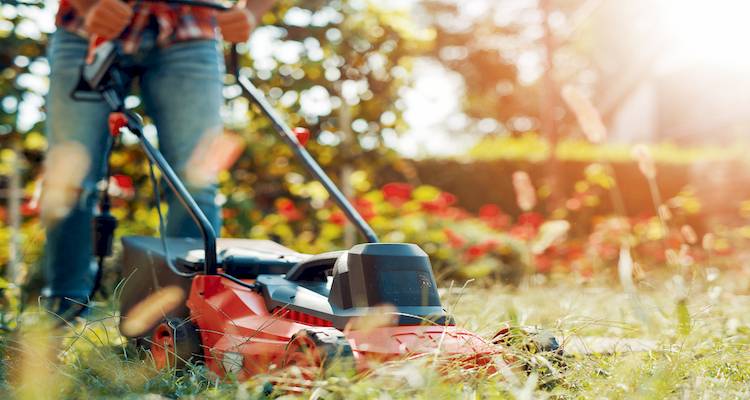
Lawn Problems Caused by Mowing
If you don’t mow your lawn correctly, this can cause some common lawn problems. Here are some common lawn mistakes:
- Cutting grass too short
- Removing too much growth at once
- Using blunt mower blades
- Mowing wet grass
- Leaving heavy clumps of cuttings
- Using the same mowing direction repeatedly
- Continuing to mow damaged or waterlogged areas
If you cut the grass too short, this can cause stress to the plant and leave the soil more exposed. As a general rule of thumb, you should avoid removing more than around one third of the grass height in one cut. The healthiest grass height will vary according to the lawn and season. The grass may need to be left longer during dry weather or in shaded areas.
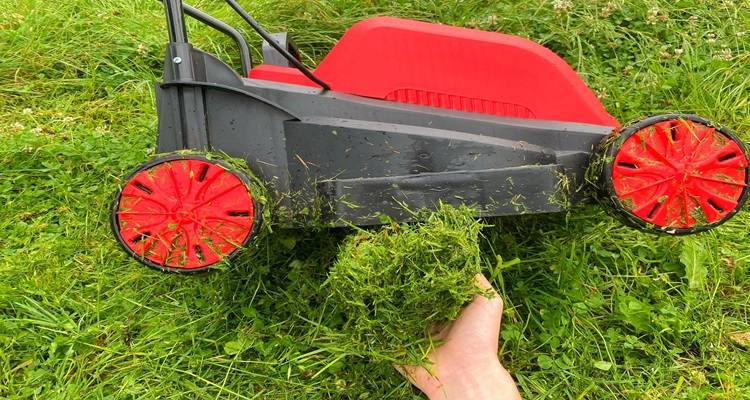
Blunt mower blades can tear the grass instead of cutting it cleanly, and mowing wet grass can damage the surface and contribute to compaction. If you change your mowing direction occasionally, this can help to reduce wear in the same direction.
Lawn Problems Caused by Poor Soil
There are also several problems that can occur due to poor soil, including:
- Compaction
- Low nutrient levels
- Poor drainage
- Soil that is too sandy or heavy
- Incorrect pH
- Low organic matter
Compacted soil restricts the movement of air and water and can make it difficult for the roots to grow. If you have heavy clay soil, this may drain slowly, and sandy soil may drain too quickly. Low nutrient levels, poor organic matter and unsuitable pH can also affect grass growth.
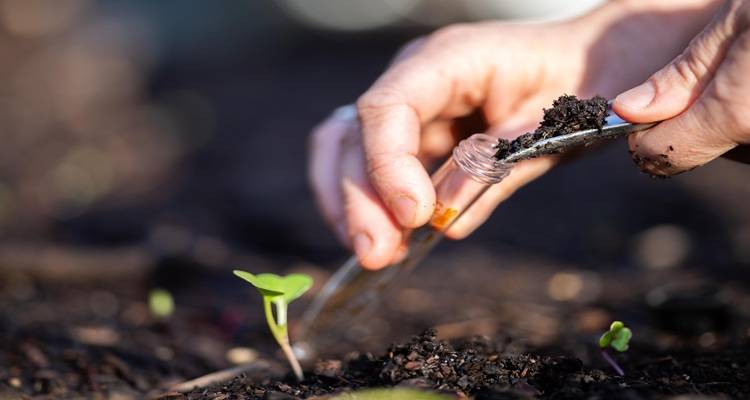
A soil test can be useful before adding fertiliser, lime or other soil treatments. This can help establish whether the soil actually has a nutrient deficiency or whether another problem is responsible. If you add products without understanding the soil, this can sometimes create further problems. For example, fertiliser will not help with severe compaction or poor drainage.
How to Diagnose a Lawn Problem
Before you apply any lawn treatments, you should look carefully at the symptoms. Consider all of the following:
- The colour and shape of the affected area
- Whether the grass is dead or dormant
- Soil moisture
- Root condition
- Recent weather
- Mowing and feeding history
- Signs of insects or animals
- The amount of sunlight
- Whether the issue is spreading
Take some photographs of the affected areas and monitor any changes over time. This can help you identify whether a problem is getting worse or starting to recover.
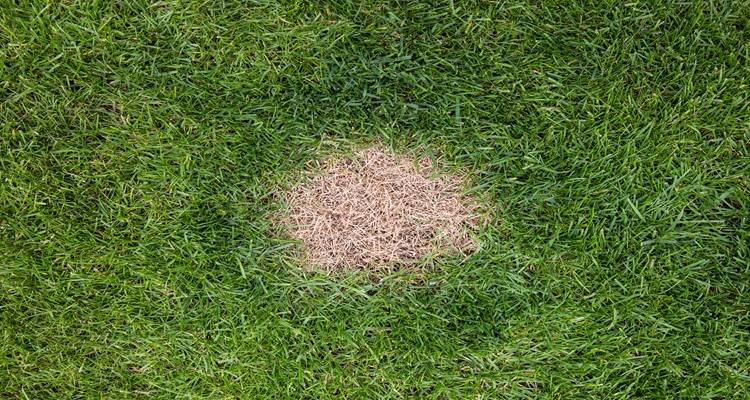
You should also avoid applying several treatments at once. If you add fertiliser, moss killer, fungicide and seed simultaneously, it can be difficult to know what has helped and what has caused further damage.
Can a Damaged Lawn Recover?
Yes, in many cases your damaged lawn can recover. Things like improved maintenance, aeration, scarification, appropriate feeding and overseeding may just be enough to restore a lawn that is thin or stressed.
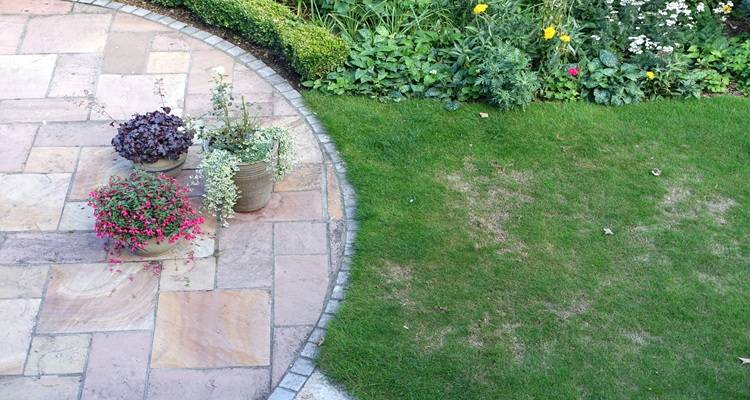
More extensive repairs may be needed where:
- The grass has completely died
- Drainage is poor
- The soil is badly compacted
- Pest damage is widespread
- The wrong grass type has been used
- The lawn surface is severely uneven
- Previous repairs repeatedly fail
The sooner you identify the underlying problem, the more likely it is that targeted repairs will be effective.
Repairing Bare or Damaged Areas
The first stage is to identify and correct the cause. There is not much point in reseeding an area that remains waterlogged or is constantly being damaged by heavy foot traffic.
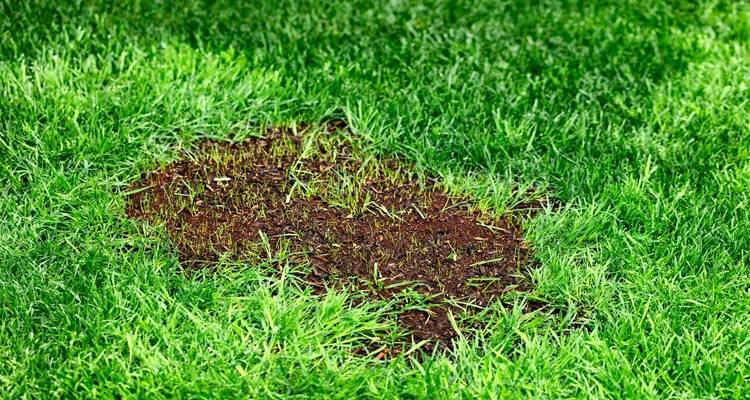
Here is a general overview of what the repair process might look like:
- Identify and correct the cause
- Remove dead grass and weeds
- Loosen and improve the soil
- Level the affected area
- Apply suitable seed or new turf
- Water carefully
- Protect the area from traffic
- Avoid mowing until growth is established
The exact approach will depend on the condition of the area and the extent of the damage.
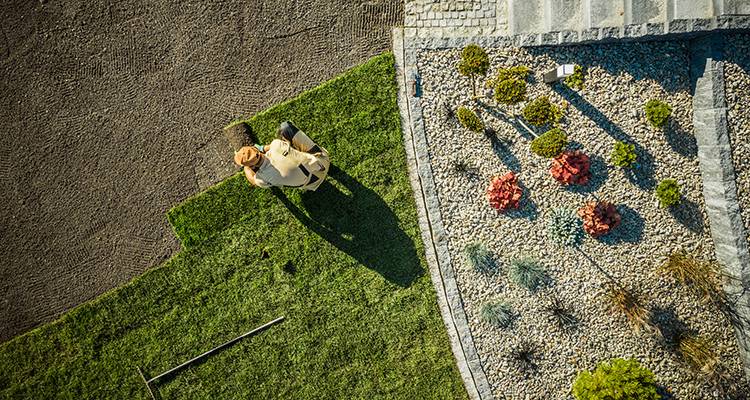
Should You Reseed or Returf the Lawn?
Reseeding may be suitable for:
- Small bare patches
- Thin lawns
- Lawns with mostly healthy existing grass
- Lower-cost repairs
Returfing may be more practical where:
- Damage is widespread
- The surface needs major levelling
- A quicker result is required
- The existing grass is unsuitable
- Weeds or moss dominate the lawn
However, you should always correct the soil and drainage problems before choosing one of the above options. New turf or seed is unlikely to thrive if the underlying conditions remain unsuitable.
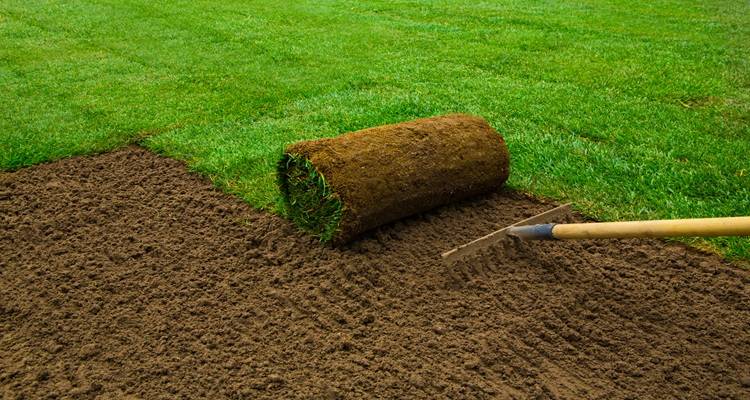
If you are considering replacing the lawn, having turf laid will usually cost around £15 per square metre on average. However, the final price will depend on the condition of the ground, the type of turf and the preparation that is needed.
When Should Lawn Problems Be Treated?
Timing is important. Spring and early autumn are often suitable for repair and overseeding. This is because the grass is actively growing at this time and the conditions are generally more suitable for establishment.
You should do scarification and aeration when the grass is actively growing. It should be done when the grass can recover and is not under severe stress.
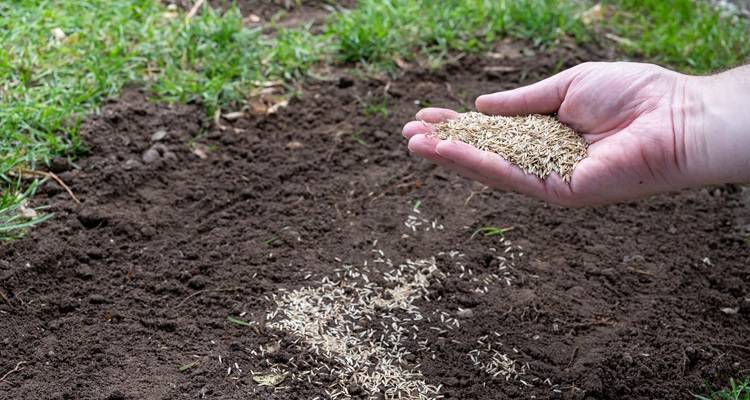
Treatments may be less effective during drought, frost or waterlogging. Disease and pest problems can also vary according to seasonal conditions.
There are no fixed dates that are suitable for every UK lawn. The weather, soil, and local conditions can vary significantly. If you are unsure at all, consider reaching out for advice from a gardener on your particular lawn problem.
Can You Fix Lawn Problems Yourself?
A lot of the more minor lawn problems can be managed as a DIY job.
You may be able to deal with:
- Small bare patches
- Light moss
- Minor compaction
- Basic overseeding
- Routine feeding and mowing corrections
Help from a gardener may be useful where:
- Drainage needs installing
- The lawn is severely waterlogged
- Disease or pests are difficult to identify
- The surface needs levelling
- Large areas require returfing
- Moss, weeds or bare patches repeatedly return
A gardener can also help to assess the lawn before recommending a good treatment routine. This may help you to avoid spending money on unsuitable products or repairs.
How Much Does Lawn Repair Cost?
The cost of repairing a lawn will depend heavily on the cause and the condition of the grass.
A basic lawn treatment costs around £30-£60 for a one-off visit, with an average cost of approximately £45. Common additional treatments include aeration, scarification, overseeding and top dressing. Typical one-off prices for these jobs are around £45-£120 for scarification, £30-£80 for aeration, £60-£160 for overseeding and £80-£180 for top dressing.
Scarification and aeration costs depend on lawn size, condition and the work involved. Green waste removal and additional treatments may be charged separately. Hollow-tine aeration may take longer than basic spike aeration because plugs of soil are removed from the ground.
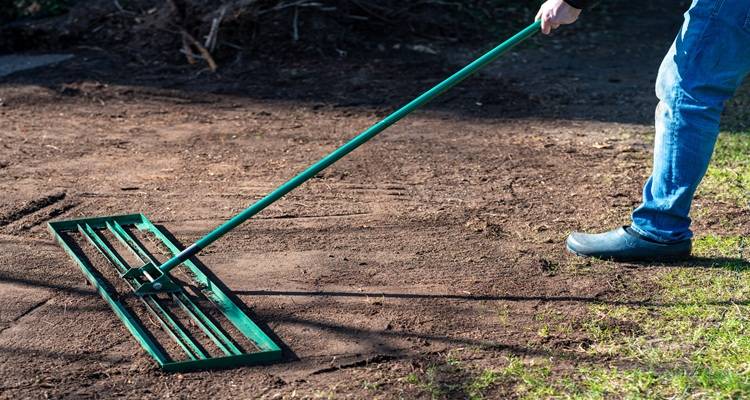
If the lawn needs extensive levelling, the cost can be considerably higher. Garden levelling may cost around £1,500-£8,000 for a larger project, depending on the amount of excavation, soil movement, access and preparation required.
Replacing a lawn with new turf costs around £15 per square metre on average, although preparation work, waste removal, access and the type of turf can affect the final quote.
When comparing quotes, check whether the price includes:
- Labour
- Materials
- Grass seed or turf
- Soil or top dressing
- Waste removal
- Equipment
- Drainage work
- VAT, where applicable
For larger projects, compare quotes from local gardeners and check what each includes.
Preventing Lawn Problems
Once your lawn has been repaired, regular maintenance can help to prevent the same problems from coming back again.
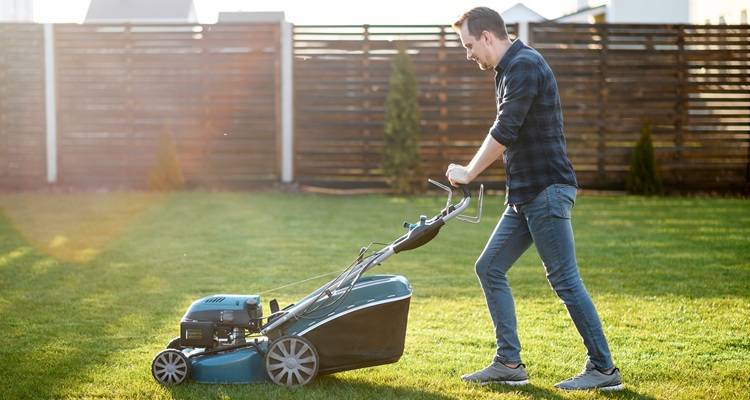
You can help maintain healthier grass by doing the following:
- Mowing at an appropriate height
- Keeping mower blades sharp
- Avoiding heavy use when the lawn is wet
- Watering during prolonged dry spells
- Aerating compacted soil
- Removing excess thatch
- Feeding appropriately
- Clearing fallen leaves
- Improving drainage
- Overseeding thin areas
- Choosing grass that is suited to the conditions
Try to consider the specific needs of your particular lawn rather than just following the same routine throughout the year. A shaded lawn may need different care from a sunny, heavily used lawn.