Builders
 Carpenters
 Electricians
 Flooring Specialists
 Gardeners
 Handymen
 Heating Engineers
 Painters & Decorators
 Plasterers & Renderers
 Plumbers
 Roofers
 Tilers
 my
myTimber Decking Cost
At a Glance
- The average timber decking install costs around £2,600 (30m²).
- Most jobs typically take 1 to 2 days to complete.
- Simple calculator for you to quickly estimate the cost of timber decking installations.
- Timber decking costs in 2026 by size and type.
- How long the job takes and what's typically involved.
- How to find a local timber decking installer using MyJobQuote.
Get free estimates
Are you a trade? Get more work today!
£2,600
Table of Contents
- How Much Does Timber Decking Cost?
- What Affects the Cost of Timber Decking?
- Additional Timber Decking Costs
- Cost of Timber Decking Materials
- Labour Cost to Lay Timber Decking
- What's Included When Installing Timber Decking?
- Planning Permission and Building Rules for Timber Decking Installations
- What's Involved in Timber Decking Installation?
- What Different Types of Timber Decking Are There?
- How Do I Maintain Timber Decking?
- Checklist: Hiring a Timber Decking Installer in the UK
- FAQs
How Much Does Timber Decking Cost?
If you're thinking of installing decking, while you might want to check garden decking costs for other materials, timber remains a popular choice for UK outdoor spaces, thanks to its flexibility, warm looks, and how well it creates usable living space in an awkward or sloping garden.
In 2026, timber decking installation costs typically range between £1,200 and £4,000. However, the total price depends on the material used, size, and overall design of the decking.
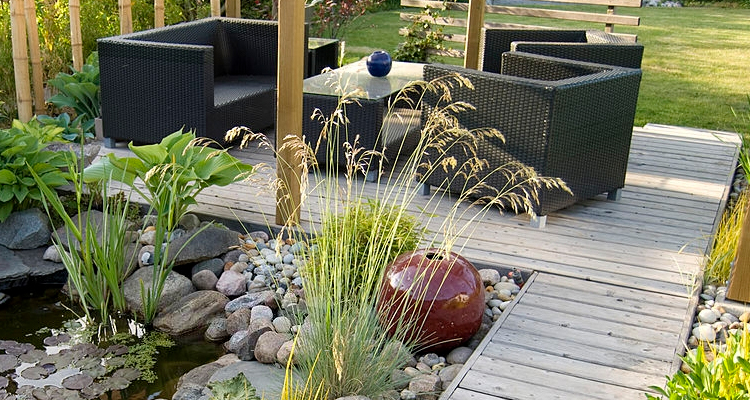
This means that for a standard 30m² deck suitable for an average-sized garden, you can expect an average installation cost of around £2,600 in 2026, using mid-range boards and standard fitter rates, which works out at about £85 per m².
Timber Decking Installation Prices
One of the biggest factors affecting timber decking costs is the type of timber you choose, with premium timber materials significantly increasing the cost of your decking project.
Timber decking costs range from budget-friendly (softwood and pine) to more premium (hardwood and solid teak). If you're looking at installing fairly standard timber decking, then redwood and cedar are among the most common.
Below is a table showing how much the supply and installation of your new timber decking is likely to cost, based on the type of timber you choose.
| Timber Type | Small Patio (10 to 15m²) |
Average Garden (25 to 35m²) |
Large Garden (50 to 60m²) |
|---|---|---|---|
| Pressure Treated Pine | £600–£800 | £1,200–£1,700 | £2,000–£2,300 |
| Redwood Decking | £700–£1,000 | £2,000–£2,500 | £2,800–£3,100 |
| Cedar Decking | £800–£1,100 | £2,100–£2,600 | £2,900–£3,200 |
| American Hardwoods | £900–£1,200 | £2,600–£3,100 | £3,400–£3,700 |
| Teak Solid Wood | £1,100–£1,400 | £3,800–£4,300 | £4,800–£5,100 |
Want a custom price?
Post your job
Timber Decking Cost per m²
As every garden is different, the table below breaks down the typical decking installation costs of the different timber types per square metre, to help you to budget for your own project. Small projects will have a higher typical square metre price, as bigger projects benefit from economies of scale.
| Timber Type | Small Patio (10m²) |
Average Garden (30m²) |
Large Garden (60m²) |
|---|---|---|---|
| Pressure Treated Pine | £60–£80 per m² | £40–£57 per m² | £33–£38 per m² |
| Redwood Decking | £70–£100 per m² | £67–£83 per m² | £47–£52 per m² |
| Cedar Decking | £80–£110 per m² | £70–£87 per m² | £48–£53 per m² |
| American Hardwoods | £90–£120 per m² | £87–£105 per m² | £57–£62 per m² |
| Teak Solid Wood | £110–£140 per m² | £125–£145 per m² | £80–£85 per m² |
Want a custom price?
Post your job
I have a garden in which I would like to put around 18m² of wooden decking. Any idea of cost roughly please (with labour and materials)?
"Without seeing it, I would say it would cost between £1,200 and £1,600. That includes labour and materials for a treated wooden decking at 36mm thickness."
What Affects the Cost of Timber Decking?
Several factors influence the final price of a garden decking project, beyond the type of timber you choose.
- Deck Size — Larger areas need more boards, fixings, and installation time.
- Design Complexity — Multiple levels, curves, or non-standard shapes add labour and material costs.
- Ground Conditions — Sloped or uneven gardens may need extra levelling before the subframe goes in.
- Labour Rates — Day rates vary by region, with London and the South East typically higher than the rest of the UK.
- Material Choice — Board type, subframe quality, and finishing all affect the overall price.
Additional Timber Decking Costs
On top of the standard supply and installation price, a few extra items are worth budgeting for depending on your garden.
- Old Decking or Patio Removal — Clearing an existing surface adds to your garden waste removal costs, or you may need skip hire.
- Ground Levelling — Sloped gardens may need garden levelling before the subframe can be installed.
- Steps and Balustrades — Raised decks often need steps or safety rails, adding to labour and material costs.
- Lighting and Electrics — Adding deck lighting means bringing in a qualified electrician.
- Built-In Seating or Multiple Levels — Extra features like these increase design complexity and the overall cost.
Timber Decking Cost Calculator
This calculator gives a quick estimate for timber decking specifically. If you're still weighing up your options and want to compare against composite, PVC, or other decking materials for your garden decking project, try our garden decking cost calculator for a broader estimate.
Cost of Timber Decking Materials
If you're contemplating building your own decking area by laying timber decking as a DIY project, then you may only need to know the cost of timber decking materials.
Which material would you like to use for your timber decking?
Treated softwood (pine, spruce, etc)
1 votes - 100%100% of votes
Durable softwood (cedar, larch)
0 votes - 0%0% of votes
Hardwood (for example oak)
0 votes - 0%0% of votes
Premium hardwood (teak or exotic timbers)
0 votes - 0%0% of votes

1 votes
See results
Hide results
If you're looking for cheap timber decking, treated softwood is the cheapest option available. It is also likely that the price per metre will drop if you are buying in bulk.
Composite WPC (wood plastic composite) decking is also a great alternative to timber as it's long-lasting, but arguably not as attractive.
The following are supply costs only, without any labour fees or installation charges.
| Type of Timber | Supply cost |
|---|---|
| Pressure Treated Softwood | £10–£20 per m² |
| Pressure Treated Pine | £10–£20 per m² |
| Redwood Decking | £20–£30 per m² |
| Cedar Decking | £30–£40 per m² |
| American Hardwoods | £40–£55 per m² |
| Teak Solid Wood | £50–£70 per m² |
Want a custom price?
Post your job
Labour Cost to Lay Timber Decking
The labour cost for timber decking installation is likely to be between £150 and £350 per day, depending on whether you hire a general handyman or a decking specialist, and where you are in the country.
Typical UK rates for a handyman are between £150 and £200 per day, rising to between £180 and £250 per day in London and the South East. A decking specialist could charge £200 to £300 per day across most of the UK, and £250 to £350 per day in London.
So what does this mean for the total labour cost of your decking project?
The table below looks at the typical labour costs for decking installation for different sized projects in London and the rest of the UK, with the lower end of the range being the cost for a general handyman, and the upper end the cost for decking specialists.
| Deck Size | Install Time | Labour Cost (UK) |
Labour Cost (London and South East) |
|---|---|---|---|
| Small Deck (10 to 15m²) |
1 Day | £150–£300 | £180–£350 |
| Medium Deck (25 to 35m²) |
2 to 3 Days | £300–£900 | £360–£1,050 |
| Large Deck (50 to 60m²) |
3 to 5 Days | £450–£1,500 | £540–£1,750 |
Want a custom price?
Post your job
You should note that these are the day rates for individual tradespeople, and larger projects may need a team of two or more, which will obviously increase the labour costs for your decking installation.
What's Included When Installing Timber Decking?
When you hire a professional to install your timber decking, it's not just a case of paying for the materials and labour involved. As outlined below, these are a few other aspects that should be listed in the initial quote and covered within the overall price of your timber decking installation:
- Groundwork — Before work can start, old paving or decking needs to be removed. Turf will need to be dug out to create foundations and the ground levelled if/where required.
- Weed Membrane — If required, the installation and materials should already be included in the price rather than paying extra.
- Subframe Installation — Before the timber decking is laid, the subframe needs to be put into place. This includes the joists, support brackets, bearers, ground screws, or pads to support the decking itself.
- Timber Decking Boards — Whether you've chosen softwood or hardwood, composite or solid, the boards themselves are an integral part of the overall cost. Unless you've agreed to provide the timber yourself, this should already be included within the installation cost.
- Labour Fees — This should cover every aspect of the installation, from delivery of materials and ground preparation to physically laying the decking itself.
- Finishing Touches — This can include any extra features that may have been agreed, as well as treating the timber appropriately (such as staining and oiling the wood panels) and cleaning the area once fully installed.
- Waste Removal — Sometimes this can be charged as extra, but generally speaking waste removal and tidying up the site at the end of the project would be included within the price.
Planning Permission and Building Rules for Timber Decking Installations
If you're completely replacing your timber decking, there are some key building regulations and planning permission rules to be aware of.
- Height and area limits — A raised or elevated deck over 30cm needs planning permission, and together with other outbuildings it can't cover more than 50% of the garden. Anything forward of the home's principal elevation isn't permitted development.
- Damp-proof course (DPC) — Don't bridge the DPC. Leave a clear gap at the wall for air and water to pass. Decks can sit below the DPC, or level with thresholds if detailed to avoid bridging.
- Services and access — Keep manholes or inspection chambers accessible (Building Regs Part H). Use recessed lift-out covers if the deck runs over them.
Always check local rules if you're near a boundary, a highway, in a conservation area, or at a listed property.
What's Involved in Timber Decking Installation?
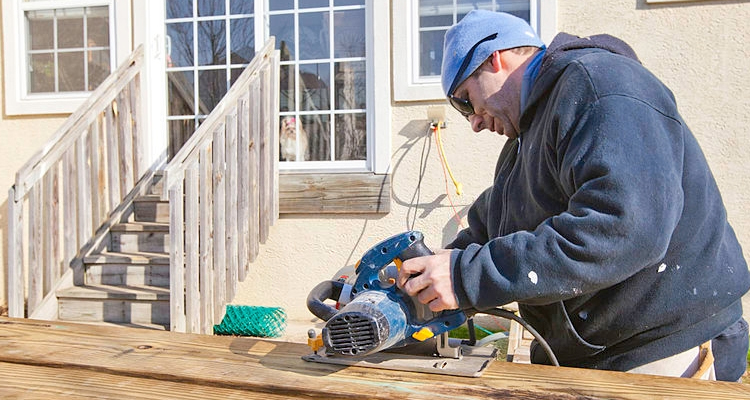
Timber decks look great, but the build needs a considerable amount of care and project planning. Professional installation helps ensure the frame, drainage, and finish last as long as possible. Getting two or three quotes is sensible.
Submit a few details about what you're after and we'll connect you with decking installers near you for free, no-obligation quotes.
Before the Job
- Site survey and measure — Your installer checks access, drainage, manholes, and levels. They measure up to plan the subframe and work out materials.
- Spec and quote — You agree on the board type, joist centres, fixings, rails, and waste removal. Dates, payment stages, and warranties get written down.
During the Job
- Ground prep and subframe — Turf or slabs are lifted. Weed membrane goes down for low decks. Pads, posts, or ground screws are set, then the frame is built level.
- Boards, edges, and safety — Boards go down with consistent gaps (usually 5–8mm). Any cut ends on treated softwood get an end-grain preservative. Fascia, picture framing, steps, and balustrades are fitted where needed. Check handrail heights against Building Regs if you're adding guarding.
After the Job
- Finish and clean down — Timber is oiled or stained once dry. The team removes offcuts and waste. You get care notes for seasonal upkeep.
- Problem check and handover — Fixings are inspected, rails feel solid, and water runs away from the house. Any issues are listed and resolved.
How often should timber decking be replaced?
"Hardwood decking doesn't have a set replacement age. If the boards are structurally sound, greying and minor splits can usually be addressed with cleaning, sanding, and treatment, extending the deck's lifespan for many more years."
Ask a Trade
Got a question that only a tradesperson can answer? We have thousands of trades ready to answer any question you may have.
Ask your question

What Different Types of Timber Decking Are There?
Before hiring a professional to install your new timber decking, you will need to think about the quality and style of decking you would like. There are many different types of timber decking available on the market today to suit almost every budget. You can select whether you would prefer soft or hardwoods, untreated or treated woods, as well as average or premium quality boards.
Remember, each of these variations will likely affect the cost of your project. A professional decking fitter will be able to advise you on which products would be better suited for your area and requirements.
Although timber is a great option for your garden decking, bear in mind that other garden decking options are available, like Composite, Ipe, Trex, and PVC which all offer benefits that timber decking may not.
Softwood Decking Cost
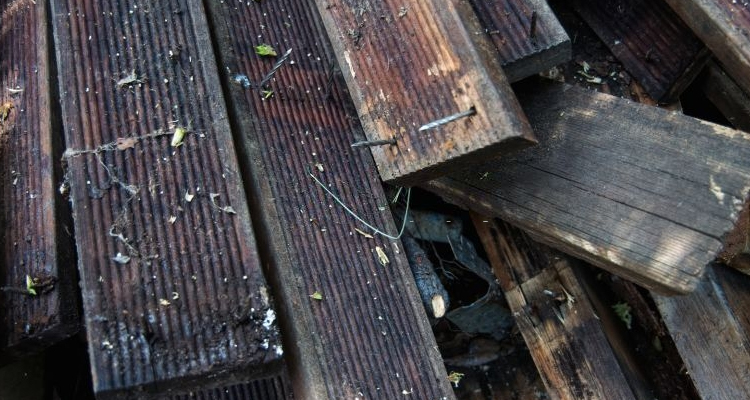
Pressure-treated softwood, such as pine, is the most popular choice for UK decking. It's treated to resist weathering, rot, and decay, and costs around £16 per m² on average.
Pros
- ✔ Cheaper than hardwood alternatives
- ✔ Easier to cut and install
- ✔ Widely available
Cons
- ✖ Needs more frequent maintenance.
- ✖ Shorter lifespan (10 to 15 years, longer with higher-spec treatment).
Hardwood Decking Cost
Hardwood boards, including tropical species such as ipe and teak, offer a longer lifespan thanks to their density and natural durability.
Pros
- ✔ Low maintenance once installed.
- ✔ Natural beauty that doesn't always need oiling or staining.
- ✔ Often rated for 25+ years.
Cons
- ✖ Higher upfront cost.
- ✖ More challenging to install.
Timber Decking Comparison
The overarching categories of softwood and hardwood are useful for understanding timber decking prices. You can also see at a glance in the table below how some popular types of timber compare:
| Type | Lifespan | Maintenance | Price Range |
|---|---|---|---|
| Pressure treated softwood | 10 to 15 years | High | Budget |
| Redwood | 15 to 20 years | Medium | Mid-Range |
| Cedar | 20 to 25 years | Medium | High-Grade |
| Tropical hardwoods (e.g., ipe) | 25+ years (with good design/maintenance) | Medium to High | High-Grade |
| Teak | 30 to 40+ years in ideal conditions (25+ typical) | Low to Medium | Luxury |
Want a custom price?
Post your job
Quick tip: For longevity and stability, hardwood wins. For a lower upfront spend and easier cutting, treated softwood is the safe bet.
Maintenance matters. Softwood can reach 10 to 15 years with yearly oiling, while well-kept hardwood can push several decades.
There are pros and cons to all of these styles, although the overall cost of decking and how it fits into your budget will often be one of the prevailing factors in any decision.
How often should you oil decking?
"Composite decking definitely does not need oiling, it would possibly damage the boards. Oiling every year or two is a good idea for timber or hardwood decking."
How Do I Maintain Timber Decking?
Regular maintenance is what determines whether your timber decking lasts closer to 10 years or 25+. The right routine depends on the timber type, but a few habits apply across the board.
- Clean Regularly — Brush off debris and wash with soapy water every few months to stop algae and moss building up, which can make boards slippery.
- Oil or Stain Softwood Yearly — Softwood needs re-oiling roughly once a year to protect against moisture and UV damage. Hardwood needs this less often, and some species can be left untreated.
- Check the Subframe — The boards on top don't always tell the full story. Inspect joists and fixings periodically, particularly on decks over 7 to 10 years old.
- Repair Early — Isolated soft or split boards can usually be replaced individually. If more than around 20 to 30% of boards need attention, or the subframe has rot, full replacement is often more cost-effective than ongoing repairs.
- Keep Drainage Clear — Make sure water runs off and away from the house, and that gaps between boards stay free of trapped debris.
Checklist: Hiring a Timber Decking Installer in the UK
If you're bringing someone in to fit timber decking, double-check these things before agreeing:
- Are the quotes clear? Don't just look at the price. Make sure it lists the timber, subframe, waste removal, VAT, start, and finish dates — and anything that isn't included.
- Insurance and guarantees? Ask to see proof of public liability cover. Also, check if there's a workmanship guarantee. It's also worth asking how they take care of product warranties if anything fails early.
- Seen their past work? If your installer is worth their salt, they should have before-and-after photos or a couple of references. Skim their MyJobQuote reviews. This'll show you what local customers are saying.
- What's under the boards? The subframe matters — ask about joist size or centres, ventilation, end-grain treatment on any cut treated timber, and stainless or galvanised fixings.
- How will they prep the ground? Things like garden levelling, drainage away from the house, leaving clearance for damp-proofing courses, and making sure no pipes or cables get hit.
- Are waste and access sorted? Enquire about whether they're managing parking and getting the materials delivered. And what about garden waste removal or skip hire? Also ask whether they'll take away old boards or turf.
- What are the payment terms? A small deposit and staged payments are normal. By no means will you have to pay it all up front. Get them to explain how problems are fixed and who deals with permissions or balustrades.
FAQs
Can I Install Timber Decking Myself?
Small, low decks are DIY-able if you follow Timber Decking and Cladding Association (TDCA) guidance. For anything raised or complex, bring in a local fitter and get a written spec, schedule and warranty. If in doubt, get a couple of quotes on MyJobQuote and compare the method, not just the price.
Can I Lay Decking Straight Onto Soil?
No. Use pads, posts, ground screws, or pedestals and add a weed membrane for low decks. You need a stable, ventilated subframe that's off the ground.
How Do I Stop Timber Decking Getting Slippery?
Keep it clean and clear. Wash off algae, brush debris from gaps, and use anti-slip oil or strips in traffic areas. Good airflow under the deck also helps.
How Do I Prevent Sun Damage to Timber Decking?
UV-protective oils can help protect against being out in the sun, or alternatively stain the wood regularly. Light sanding before applying any treatment will help it to be absorbed into the timber for an even finish.
Can I Install Timber Decking Near a Pool or Hot Tub?
Yes, however, ensure you are using moisture-resistant timber with proper drainage installed to prevent puddles forming. The subframe should also be designed to support the extra weight, and for added safety apply a slip-resistant finish to your new decking.
How Can I Protect My Decking in Winter?
Remove any debris and sweep the surface regularly, any ice or snow should be cleared while avoiding the use of harsh chemicals. Applying a protective oil or sealant onto the timber can help prevent cracking and moisture damage, while ensuring rainwater is allowed to drain is also important.
Can I Add Lighting or Electrical Features to My Deck?
Yes, although always make sure any electrical work is installed by a qualified electrician and complies with outdoor safety regulations. Waterproof fittings are essential as water damage can not only cause electrical equipment to stop working but can also become highly dangerous.