Builders
 Carpenters
 Electricians
 Flooring Specialists
 Gardeners
 Handymen
 Heating Engineers
 Painters & Decorators
 Plasterers & Renderers
 Plumbers
 Roofers
 Tilers
 my
mySolar Panel Installation Cost
At a Glance
- The average cost of installing solar panels is £7,250.
- Most jobs will take approximately 1 to 2 days to complete.
- Solar panel installation costs in 2026 based on the size of system and choice of panels.
- How long the job takes and a general overview of what's involved.
- How to find and hire solar panel installers with MyJobQuote.
Get free estimates
Are you a trade? Get more work today!
£7,250
Table of Contents
- How Much Does It Cost To Install Solar Panels?
- Labour Cost of Solar Panel Installation
- How Much Does a Solar Panel Cost? (Supply Only)
- Factors That Impact Solar Panel Installation Costs
- What's Included in a Solar Panel Quote?
- Additional Costs of Solar Panel Installation
- Hidden Costs of Solar Panel Installation
- Cost of Removing Solar Panels
- Benefits of Installing Solar Panels
- How Much Can You Save with Solar Panels?
- Government Schemes to Help with Solar Panel Installation Costs
- How to Maximise Your Savings with Solar Panels
- Checklist: Hiring a Solar Panel Installer Near You
- FAQs
Solar Panel Installation Cost Calculator
How Much Does It Cost To Install Solar Panels?
The average cost of installing solar panels is usually anywhere from £3,000 to £9,500, which covers materials (the panels, hardware, inverter), labour for fitting the panels, and logistics such as scaffolding and transportation.
What solar panel installation feature do you consider most important?
Return on investment and energy savings
4 votes - 57%57% of votes
Suitability for your property
2 votes - 29%29% of votes
Size of system/volume of energy produced
1 votes - 14%14% of votes
Environmental impact/reducing carbon footprint
0 votes - 0%0% of votes

7 votes
See results
Hide results
The reason the initial cost of installing solar panels (also known as photovoltaic (PV) modules or solar PV panels) can vary so much is mainly down to how many panels your home needs, where you live, and the condition of your property's roof.
Are you in need of a quote for solar panel installation?
Then look no further! We have a wide range of solar panel installers ready to offer you a free, no obligation quote!
Prefer to learn more about how much solar panel installers cost to hire and how many panels you might need for your home? Read on as our complete guide answers all of these questions and more!
Solar Panel Installation Prices
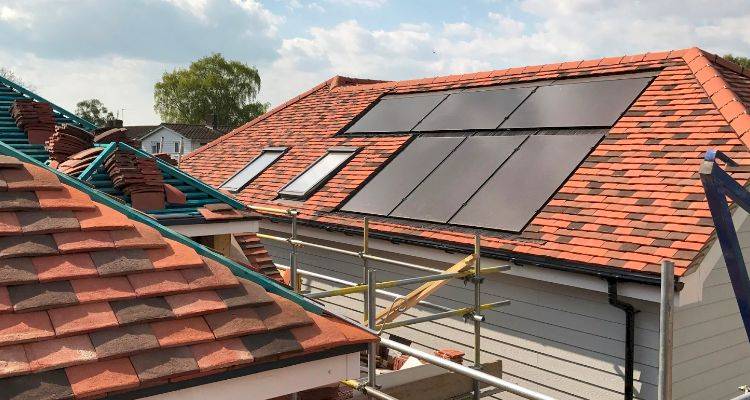
So, how much are solar panels? Installing a 4kW system, which is sufficient for a typical 3 bedroom property, typically costs between £6,500 and £8,000.
There is currently a 0% VAT rate on solar panel installations in the UK, which helps keep costs lower than they have been in the past.
Below is a table showing typical system sizes and how much a monocrystalline solar PV system typically costs to install:
| System Size | Total Cost |
|---|---|
| 1kW (2 to 3 panels) | £3,000–£4,000 |
| 2kW (4 to 5 panels) | £4,000–£5,000 |
| 3kW (6 to 7 panels) | £5,500–£6,500 |
| 4kW (8 to 10 panels) | £6,500–£8,000 |
| 5kW (11 to 12 panels) | £8,000–£9,500 |
Want a custom price?
Post your job
How Many Solar Panels Do You Need?
The size of solar PV system you need depends mainly on the size of your home and your energy consumption. As a rough guide, here is a table showing typical house sizes and how many solar panels they usually require:
| House Size | System Size and Panels | Total Installed Cost |
|---|---|---|
| 1 to 2 Bed Flat / Terrace | 2.2kW (5 Panels) | £4,000–£5,000 |
| 2 to 3 Bed Semi-Detached | 3.6kW (8 Panels) | £5,800–£7,250 |
| 3 to 4 Bed Detached | 5.4kW (12 Panels) | £7,500–£9,500 |
| 5+ Bed / High Usage | 7.2kW (16 Panels) | £10,000–£12,500 |
Want a custom price?
Post your job
Labour Cost of Solar Panel Installation
Solar panel installation typically takes 1 to 2 days on-site, although difficult installations or very large systems may take longer. While the equipment represents the largest portion of your quote, the total cost also covers essential logistics and skilled labour, which rises with the size of the system. The table below shows typical labour costs by system size:
| System Size | Labour Cost |
|---|---|
| 1kW (2 to 3 panels) | £1,200–£1,600 |
| 2kW (4 to 5 panels) | £1,500–£1,800 |
| 3kW (6 to 7 panels) | £1,700–£2,000 |
| 4kW (8 to 10 panels) | £2,000–£2,500 |
| 5kW (11 to 12 panels) | £2,500–£3,000 |
Want a custom price?
Post your job
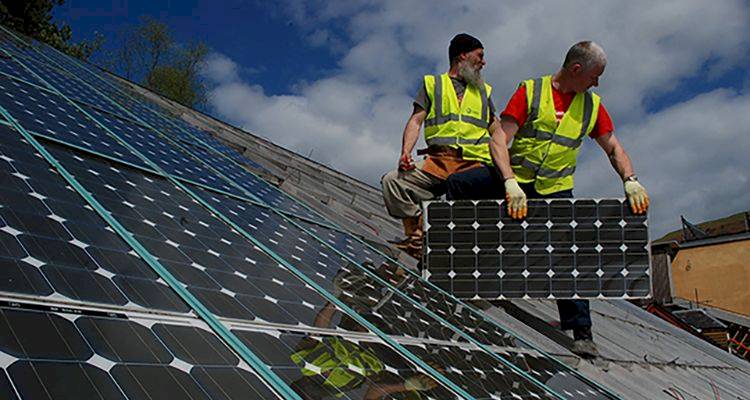
It is important to note that most reputable contractors provide a fixed "all-in" price. This doesn't just cover the physical fitting, but also the critical certification from the Microgeneration Certification Scheme (MCS), which allows you to get paid for the energy you export, and the DNO (Distribution Network Operator) application fees required to legally connect your system to the National Grid.
How difficult and how costly is it to add battery storage to an existing solar panel system?
"It is very easy to add battery storage. However, the cost depends on the size of the battery you install and whether you add a Hybrid inverter or an AC control unit."
How Much Does a Solar Panel Cost? (Supply Only)
You may want to buy the solar panels yourself before hiring a professional to install them. You will therefore need to visit a trusted retailer or find a reliable source online to supply these for you.
Individual high-efficiency panels now average around £150 to £250 each, depending on the brand and wattage. However, remember that most homeowners save more by choosing a 'supply and fit' package, which currently benefits from 0% VAT and ensures you receive the MCS certification needed to sell power back to the grid.
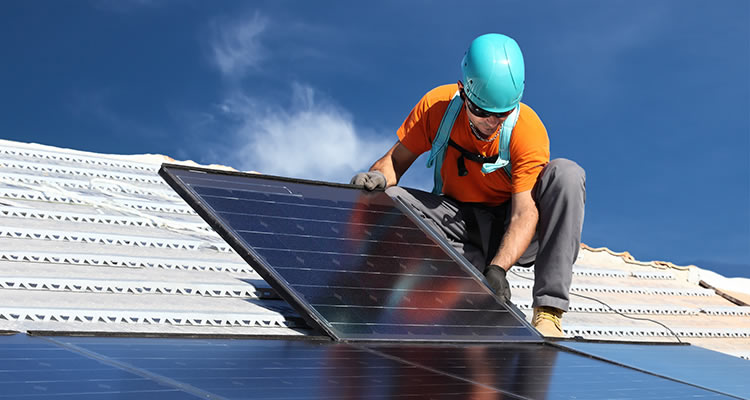
A supply price covers far more than just the panels. A package also includes the inverter, which is a significant cost in its own right and converts the DC electricity your panels generate into the AC power your home actually uses. Without an inverter, the panels cannot supply any power at all.
Mounting kits and cabling are usually included too, which is why the full material cost of a system is much higher than the price of the individual panels above. The table below shows typical material (supply-only) costs by system size:
| System Size | Material Cost |
|---|---|
| 1kW (2 to 3 panels) | £1,800–£2,400 |
| 2kW (4 to 5 panels) | £2,500–£3,200 |
| 3kW (6 to 7 panels) | £3,800–£4,500 |
| 4kW (8 to 10 panels) | £4,500–£5,500 |
| 5kW (11 to 12 panels) | £5,500–£6,500 |
Want a custom price?
Post your job
Do I need planning permission to install solar panels at home?
"Installing solar panels at home doesn't usually require planning permission, as long as the standard conditions and limits are met. If you live in a listed building or a designated area such as a conservation area or national park, you should check with your Local Planning Authority before any work is carried out."
Factors That Impact Solar Panel Installation Costs
How much solar panels for the home cost depends on several key factors, including the following:
- System size and number of panels — A larger system with more panels needs more materials and installation time, making this the biggest single factor in the overall cost.
- Panel type — There are two main types of solar panel: monocrystalline and polycrystalline. Monocrystalline is now the standard choice as it is more efficient and durable. Solar roof tiles are a pricier alternative that takes longer to fit, but they look neater and can add value to your home.
- Roof access and complexity — A simple, easily accessed roof is quicker and cheaper to work on. Costs rise when the roof is hard to reach or has an unusual shape, a steep pitch or multiple storeys, as these slow the job down and often call for extra scaffolding or specialist mounting.
- Roof condition — A dirty or damaged roof may need cleaning or tile repairs before installation can begin, which adds to the total.
- Location — Where you live affects the price too. In cities and built-up areas there are usually more installers competing for work, which helps keep quotes down. In rural or remote spots there may be fewer to choose from, and the added travel or call-out charges can push the final bill up.
What's Included in a Solar Panel Quote?
Knowing what a typical installation quote covers makes it easier to compare prices fairly. Most supply-and-fit quotes include the following:
- Solar panels and the inverter
- Mounting system, roof fixings and cabling
- Installation labour
- MCS certification
- DNO (grid connection) application
- System testing and commissioning
It's worth checking whether the quote also covers scaffolding, any roof repairs or cleaning, and electrical upgrades, as these aren't always included. Optional extras such as battery storage or an electric vehicle (EV) charger are usually priced separately.
Additional Costs of Solar Panel Installation
Optional extras can increase the total cost of your solar panel installation but can make it more efficient and compatible with your home's energy requirements.
| Equipment | Typical Cost |
|---|---|
| Solar battery | £4,500–£6,500 |
| Bird proofing | £100–£300 |
| EV charging point | £800–£1,200 |
| Replacement inverter | £800–£1,500 |
| Solar panel cleaning | £150 |
Want a custom price?
Post your job
Solar Battery
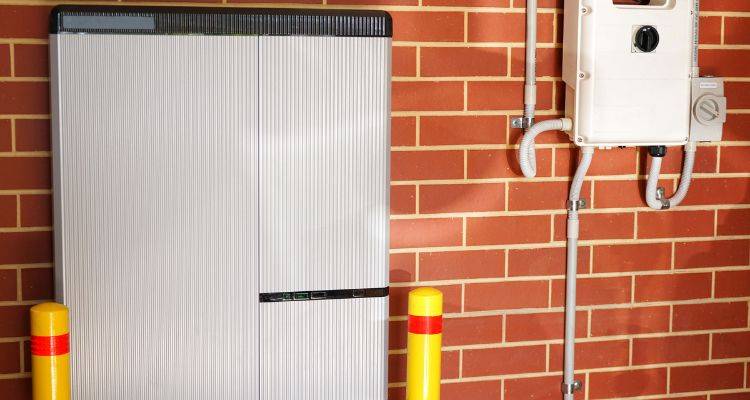
A solar battery is one of the most popular add-ons for solar panel systems. It allows you to store excess electricity generated during the day so you can use it in the evening or at times when your panels aren't producing power.
The cost of solar panels and a battery in the UK is considerably higher than just the panels alone, but adding a battery can improve energy independence and reduce reliance on the grid.
Do I need a battery storage system when I get solar panels? If so, where does this get fitted and how much space does it need?
"It depends if you're home a lot during the day. If you are then a battery isn't necessarily required. If you're out during the day then a battery would be required to store the energy, so you can use it during the evening. Ideally in a garage, If not the loft. You can also fit some systems externally."
Bird Proofing
Bird proofing helps prevent birds from nesting underneath solar panels, which can cause noise, droppings, and potential damage to wiring over time. It usually involves fitting a mesh barrier around the edges of the system.
It's a relatively small but useful add-on, especially in areas where pigeons are common.
EV Charging Point
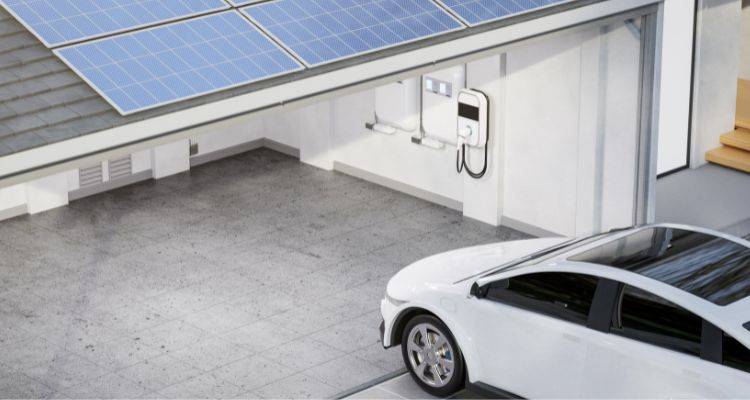
Installing an electric vehicle (EV) charging point is a popular add-on for homeowners who are already investing in solar panels, especially if you plan to use solar electricity to charge your car at home. A home charging point typically costs around £1,000 to install.
Some properties may need additional electrical work, such as upgrading the consumer unit or running extra cabling from the main fuse box to the driveway or garage. This can add to the total cost if your home is not already set up for high-capacity charging.
Solar Panel Maintenance
Solar panel maintenance costs are usually minimal as they are designed to be durable and long-lasting, requiring minimal upkeep. The cost to clean solar panels once or twice a year is fairly low, and you might need to have them checked occasionally to ensure there isn't any damage or visibly loose wiring.
However, the biggest additional cost associated with solar panels is the need for solar inverter replacement. While inverters are usually included in the initial installation cost, they typically don't last as long as solar panels themselves. Most inverters need replacing after around 10 to 15 years of use.
Hidden Costs of Solar Panel Installation
Many homeowners factor in the purchase price of the panels themselves and the labour to install them, but there are often some unexpected costs that can add up.
| Job | Typical Cost |
|---|---|
| Roof tile repairs | £100–£400+ |
| Roof cleaning | £300–£600 |
| Scaffolding (if not included) | £800–£1,000 |
| Electrical upgrades | £150–£1,000+ |
Want a custom price?
Post your job
Replacing Roof Tiles
Your roof needs to be in excellent condition before solar panels are installed. If tiles are cracked or damaged, you might need to get a professional to repair or replace your roof tiles before work can begin.
This is usually a relatively small job, but more extensive damage or a full roof repair can significantly increase overall costs.
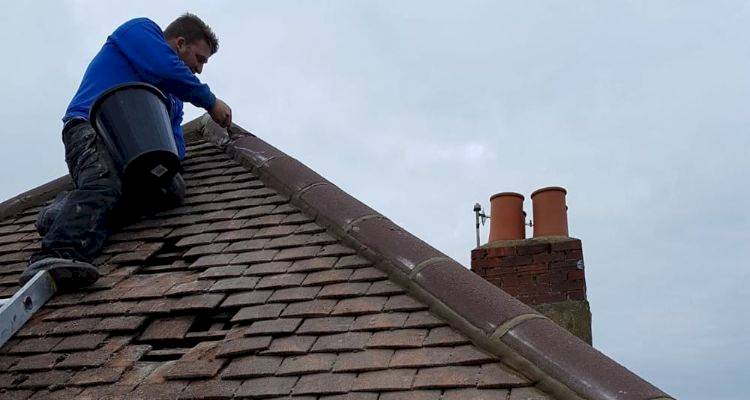
Washing the Roof
It's usually recommended to have your roof cleaned before solar panel installation to ensure panels are fitted securely and perform efficiently. Moss, dirt, or debris can add extra preparation work.
Hiring Scaffolding
Scaffolding is often required for safe access during installation or roof work. While some installers include this in their quote, it is not always covered.
Scaffolding is required for almost all solar panel installations, with the following exceptions:
- Bungalows (may use a scaffold tower instead of full scaffolding)
- Ground-mounted systems
- Small repairs to a single panel (may use a cherry picker, but this is not common for full installs)
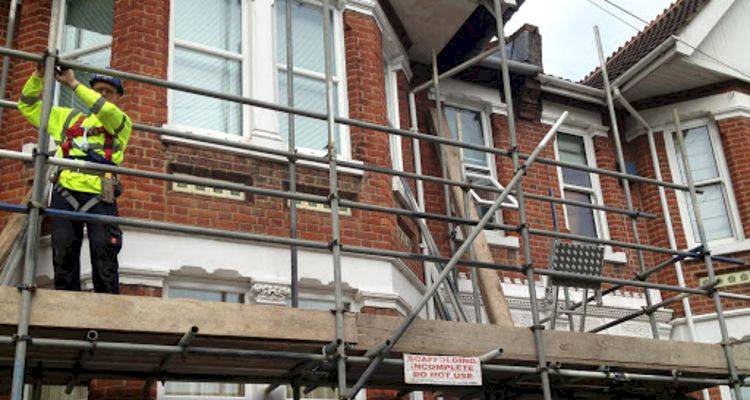
Electrical Upgrades
Some homes may need electrical upgrades before a solar panel system can be safely installed. This is more common in older properties where the existing consumer unit (fuse box) or wiring may not meet current safety standards.
Upgrades can include replacing an outdated fuse board, which costs around £525 on average, along with improving earthing systems or updating wiring to handle the additional load from a solar installation.
Cost of Removing Solar Panels
Solar panels may need to be removed for roof repairs, system upgrades, or when replacing older panels that are no longer performing efficiently.
Disconnecting the system from the electrics is usually included in the removal price but is sometimes charged separately, and scaffolding may be needed where the panels are hard to reach. Typical removal costs for a standard residential system are shown below:
| Job | Typical Cost |
|---|---|
| Solar panel removal | £300–£600 |
| Electrical disconnection | £100–£150 |
| Scaffolding | £800–£1,000+ |
Want a custom price?
Post your job
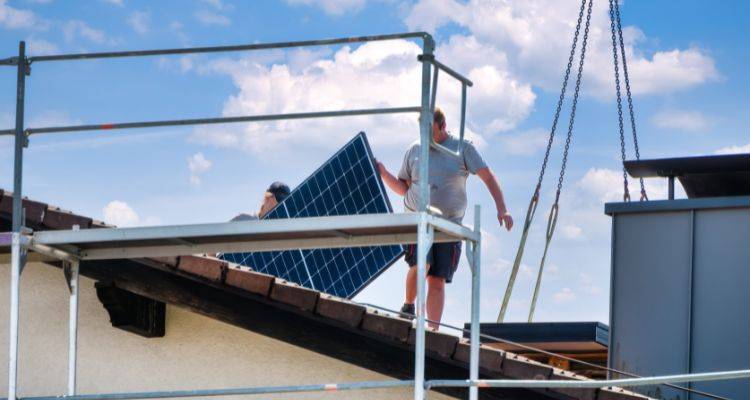
Once removed, panels should be disposed of responsibly through a licensed waste carrier or recycling centre. Some older panels may also be suitable for resale or manufacturer take-back schemes, depending on condition.
If a battery system is installed, additional care is needed during removal to safely disconnect and manage stored energy.
Cost of Replacing Solar Panels
If you already have a solar panel system installed, replacing individual panels (or all of them) can be a more cost-effective option than a full system replacement. If the mounting system, wiring, or roof setup is still in good condition, reinstalling new panels can reduce overall labour costs compared to a completely new installation.
In many cases, replacing an existing solar panel system can be around 20% to 40% cheaper than a completely new installation. A solar panel system that would normally cost £6,000 to £10,000 from scratch may instead cost around £4,000 to £7,000 if there is existing hardware that can be reused.
Benefits of Installing Solar Panels
Beyond the upfront cost, solar panels offer a number of financial benefits:
- Lower electricity bills — Generating your own renewable energy means buying less from the grid, which lowers your bills and reduces your home's carbon footprint.
- Protection from rising energy prices — The more of your own electricity you use, the less exposed you are to future price rises.
- Earn from surplus power — Through the Smart Export Guarantee, you're paid for any electricity you send back to the grid.
- Low running costs — Panels need little maintenance and typically last 25 years or more, so ongoing costs stay low.
- Added home value — A solar system can make your property more appealing to buyers and improve its energy rating.
How Much Can You Save with Solar Panels?
Initial solar panel costs can be high, but fitting them often leads to long-term savings for most UK households, with the added benefit of earning money by exporting unused electricity back to the grid.
On average, a typical 4 to 5kW system can save you money on your electricity bills each year, depending on how much energy you use during the day. Over a 25 to 30 year lifespan, that can add up to £10,000 to £20,000+ in total savings.
You can also earn money through the Smart Export Guarantee (SEG), which pays you for excess electricity sent back to the grid. Your energy supplier may offer varying rates or have a dedicated export tariff available for this, and you'll usually need a smart meter fitted so they can measure how much electricity you export.
Most homeowners break even on their solar panel investment, after which the electricity your system generates is effectively much cheaper for the rest of its lifespan.
What's a realistic all-in cost for solar panels with a battery, and how long before it pays off?
"Realistically, you'll be looking at £10,000+ for a good solar and battery installation. The savings do take many years to show, and of course the efficiency of the panels depends on which direction your roof is facing."
| Measure | Typical Range |
|---|---|
| Annual bill savings | £400–£800 per year |
| SEG export earnings | £50–£150 per year |
| Break-even point | 8 to 12 years |
| System lifespan | 25 to 30+ years |
Want a custom price?
Post your job
Government Schemes to Help with Solar Panel Installation Costs
While the era of universal "feed-in tariffs" has ended, 2026 is one of the most affordable years to switch to solar due to a combination of tax relief, new government grants, and high export rates.
- 0% VAT Relief applies to the supply and installation of solar panels and battery storage until 31 March 2027. Supply-only purchases remain subject to the standard VAT rate.
- Warm Homes: Local Grant is the successor to the ECO4 scheme, providing up to £15,000 for energy-saving improvements for eligible homeowners and private tenants in England. To qualify, you must have a total household income of less than £36,000 per year and live in a property with an EPC rating of D, E, F, or G.
- Smart Export Guarantee (SEG) pays you for excess electricity exported back to the grid, with rates that vary widely by supplier — up to around 24p per kWh on the best tariffs.
- Regional Support includes free home improvements through Nest in Wales, and grants and interest-free loans through Home Energy Scotland, for green upgrades like solar panels and heat pumps.
To access these grants and the SEG payments, your installation must usually be carried out by an MCS-certified contractor. Using a non-certified installer will disqualify you from most UK financial incentives.
Ask a Trade
Got a question that only a tradesperson can answer? We have thousands of trades ready to answer any question you may have.
Ask your question

How to Maximise Your Savings with Solar Panels
To maximise your investment, it isn't enough to just install the panels. You also need to change how you interact with your home's energy.
- Master the "Daylight Shift" by timing your chores — Modern solar savings rely on "self-consumption," so you should run high-draw appliances like washing machines and dishwashers during the peak sun hours of 11 am to 3 pm.
- Switch to a high-paying Smart Export Tariff — Don't settle for a basic rate. Premium "Smart" tariffs can pay up to 24p per kWh, which is significantly higher than the standard 5p offered by basic variable plans.
- Install a solar diverter for free hot water — A diverter detects when you have excess solar energy and sends it to your immersion heater, effectively storing sunshine as hot water rather than sending it back to the grid for a lower price.
- Use "Time-of-Use" charging if you have a battery — During winter or cloudy spells, you can programme your battery to charge from the grid at ultra-low overnight rates (around 7p per kWh) and use that cheap power during the expensive daytime hours.
- Monitor your real-time generation via a mobile app — Use your inverter's app to see exactly when your panels are peaking so you can boil the kettle or charge your devices for free without pulling any power from the grid.
Combining Solar with Other Systems
You can boost your savings further by pairing your panels with other home energy systems, so more of the electricity you generate is put to use:
- Solar battery — Stores the electricity your panels produce during the day for use in the evening, further reducing how much you buy from the grid.
- EV charger — A smart charger can top up an electric car using surplus solar power that would otherwise be exported, which is far cheaper than charging from the grid.
- Heat pump — Running a heat pump partly on your own solar electricity cuts heating costs and reduces your reliance on gas, a popular low-carbon pairing.
Checklist: Hiring a Solar Panel Installer Near You
When looking for the right company or contractor to fit your solar panels, it's always recommended to request quotes from more than one person. As such, MyJobQuote is able to help you find local solar panel installers within your surrounding area for fast, free quotes, without any further obligations.
Before you engage a specialist, ensure the following:
- Do they have the right qualifications? To be able to install solar panels, contractors should be NICEIC or NAPIT certified and should also have a Level 3 NVQ Diploma in Electrotechnical Services.
- How long has the company been in operation? Only use an established and professional company with a strong reputation, ideally using contractors that have at least 3 years' experience.
- Do they have public liability insurance? Although not a legal requirement, most tradesmen will be at least covered against accidental damage and personal injury — especially when working at height or with electrical components.
- Do they have positive reviews and examples of their work? Search for their MyJobQuote profile and read any customer feedback, as well as examples of their work. Keep an eye out for local installations and ask for recommendations.
- Have you received at least three quotes? As with any trades job that needs doing, requesting quotes from more than one company is often standard practice. With MyJobQuote we can help to arrange this without any further obligation.
FAQs
Do Solar Panels Increase Home Values?
Yes, adding solar panels can increase the value of your home. Properties with solar installations are often more attractive to buyers due to lower energy bills and improved energy efficiency ratings.
Will I Still Pay for Electricity if I Install Solar Panels?
In most cases, yes. Solar panels generate electricity during daylight hours, but you may still need to buy electricity from the grid at night or during periods of low sunlight. However, your overall energy bills should be much lower. Adding a battery can further reduce how much electricity you need to purchase.
Which Direction Should Solar Panels Face?
For the best return on your investment, solar panels should ideally face south. South-facing panels get the most direct sunlight through the day and generate the most electricity, which means bigger savings on your bills. East or west-facing panels still work but produce less, so it takes a little longer to recoup the cost. Keeping panels clear of shading from nearby buildings or trees also helps, as shade reduces output and your savings along with it.
Where Can Solar Panels Be Installed?
Most are fitted to a pitched roof, which is usually the cheapest option. They can also be mounted on a flat roof using angled frames, or ground-mounted in a garden, both of which tend to cost more because of the extra framework and groundwork involved.
Do You Need Planning Permission to Install Solar Panels?
In most cases, no. Solar panels on a typical home are usually classed as permitted development, so planning permission isn't required. There are exceptions. You may need approval for a listed building or in a conservation area, or if the panels would project well beyond the roof slope. It's worth checking with your local planning authority before work begins, as it can affect both timescales and cost.
Will Solar Panels Affect My Roof Warranty?
They shouldn't, as long as the work is done correctly. A reputable MCS-certified installer fits the mounting system in line with the roof manufacturer's requirements and keeps everything weathertight. Poor fitting (such as drilling into the roof without proper flashing) can invalidate the roof warranty and lead to repair costs down the line, so check your installer's workmanship guarantee before work starts.
Do Solar Panels Affect Your Home Insurance?
Usually only a little. Most standard buildings insurance policies cover roof-mounted solar panels as part of your home's structure, but because they add to your property's rebuild value you should let your insurer know once they're fitted. Some providers raise the premium slightly to reflect this, while others charge nothing extra. It's worth checking, as failing to declare them could affect a future claim.
Is It Cheaper to Install Solar Panels at Certain Times of Year?
It can be. Installers are usually busiest in spring and summer when demand peaks, so quotes over autumn and winter tend to be more competitive and you may get a quicker slot. Fitting in the quieter months also means the system is ready for the higher-generation spring and summer period.
Can You Install Solar Panels Yourself to Save Money?
It's possible to fit the mounting yourself, but it rarely works out cheaper. You'd still need a qualified electrician to connect the system safely, and using a professional installer is the best way to protect your roof warranty and your safety, so for most homeowners the professional route is better value.