Builders
 Carpenters
 Electricians
 Flooring Specialists
 Gardeners
 Handymen
 Heating Engineers
 Painters & Decorators
 Plasterers & Renderers
 Plumbers
 Roofers
 Tilers
 my
mySeptic Tank Installation Cost
At a Glance
- The average cost to install a septic tank is around £5,500.
- Installation typically takes between 2 and 7 days to finish.
- Septic tank installation costs in 2026 for different tank sizes.
- Typical timescales and the main factors that impact quotes.
- How to find a local septic tank installer with MyJobQuote.
Get free estimates
Are you a trade? Get more work today!
£5,500
Table of Contents
- How Much Is a Septic Tank Installation?
- Septic Tank Installation Cost Breakdown
- Labour Cost of Septic Tank Installation
- Septic Tank Supply Costs by Material
- Factors That Impact Septic Tank Installation Costs
- Septic Tank Maintenance Costs
- How Much Does Septic Tank Replacement Cost?
- Drainage Field Costs and Requirements
- Septic Tank vs Other Off-Mains Drainage Systems
- Planning Permission and Building Regulations for Septic Tank Installations
- Can You Install a Septic Tank Yourself?
- Checklist: How to Find and Hire a Septic Tank Installer in the UK
- FAQs
Septic Tank Installation Cost Calculator
How Much Is a Septic Tank Installation?
Installing a septic tank is common in rural areas that don't have a mains sewer connection. A septic tank handles all household wastewater (toilets as well as sinks, showers, and appliances) before it drains to a compliant drainage field.
In 2026, the average septic tank installation cost for a typical UK home is around £5,500. This usually includes the tank itself, excavation, labour, and a compliant drainage field where required.
The septic tank unit alone usually costs between £800 and £1,500, depending on size and material. Some large, concrete tanks can cost more than this. Groundwork often makes up the largest share of the total quote.
What is your main reason for installing a septic tank?
Property isn't linked to mains drainage
11 votes - 22%22% of votes
Replacement of an old or faulty system
35 votes - 71%71% of votes
Part of a new build or development
2 votes - 4%4% of votes
For environmental/eco-friendly reasons
1 votes - 2%2% of votes

49 votes
See results
Hide results
For the full rundown of septic tank installation cost and what affects it on your plot, see the tables below, then compare a few written quotes from local septic tank installers.
I have just had my septic tank emptied 3 weeks ago, but it's now full again and the small manhole below is full as well. Now it's starting to leak into the garden. Why is my septic tank leaking?
"Sounds as if you've got a blockage and/or the system is overwhelmed. Maybe best to get the drains jetted/rodded out."
Septic Tank Installation Price List
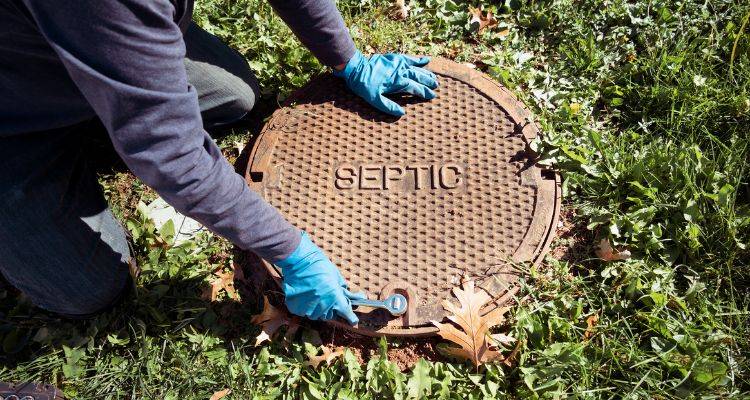
You should hire a professional septic tank installer to fit your septic tank, as they will do the job efficiently without making mistakes. It's recommended to compare a few quotes so you make sure you get the best price for installing a septic tank.
Here are the prices you can expect for septic tank installation, including the tank itself, excavation, labour, pipework, and drainage field installation:
| Job Description | Duration | Total Installed Cost |
|---|---|---|
| Installing a small septic tank | 2 to 4 days | £2,500–£5,000 |
| Installing a medium septic tank | 3 to 5 days | £4,500–£7,000 |
| Installing a large septic tank | 5 to 7 days | £7,000–£10,000+ |
Want a custom price?
Post your job
Septic Tank Installation Cost Breakdown
The septic tank itself is only one part of the total installation cost. In most cases, excavation, drainage work, and compliance requirements make up a large share of the final quote.
| Cost Element | Typical Cost |
|---|---|
| Septic tank unit | £800–£1,500 |
| Site survey and percolation test | £250–£500 |
| Excavation and groundwork | £500–£1,500 |
| Drainage field materials and installation | £1,000–£3,000 |
| Labour costs | £300–£1,750 |
| Concrete surround or base (if required) | £300–£800 |
| Soil removal and disposal | £200–£600 |
| Ground reinstatement (lawn, path, or drive) | £200–£800 |
| Permits and building control approval | £150–£400 |
Want a custom price?
Post your job
Not every installation will include all of these costs. Some sites won't need a concrete base, and reinstatement costs vary significantly depending on the surface being made good. It's worth asking your installer to itemise the quote so you can see exactly what's included.
What a Quote Usually Includes vs. What May Be Extra
Most written quotes from reputable installers will include the tank supply, excavation, installation, and connection to the property's drainage. However, some costs are commonly charged separately. Here's what to check:
| Typically Included | Often Charged Extra |
|---|---|
| Tank supply and delivery | Percolation/soil testing |
| Standard excavation | Excess spoil removal (skip hire) |
| Tank installation and connection | Ground reinstatement (lawn, path, drive) |
| Basic pipework | Concrete base or anchoring (if required) |
| Drainage field installation | Planning permission or permit fees |
| Building control application and sign-off | Additional excavation for difficult ground |
Want a custom price?
Post your job
Labour Cost of Septic Tank Installation
Septic tank specialists will charge £150 to £250 per day. The whole septic tank installation process can take anywhere from 2 to 7 days.
Timescales depend on weather conditions, the condition of your soil, and any other extenuating factors, so you should budget a contingency in case of these events if the installer is not working on a fixed cost basis.
What steps can a person safely take to maintain a septic tank?
"Clean and schedule a survey depending on age and previous maintenance done to the tank to assess its condition.
The laws changed in 2020 regarding where your tank is allowed to discharge from, so you need to make sure that your tank meets the new requirements or it could cause an issue down the line when it comes to selling your property."
The laws changed in 2020 regarding where your tank is allowed to discharge from, so you need to make sure that your tank meets the new requirements or it could cause an issue down the line when it comes to selling your property."
Septic Tank Supply Costs by Material
The tank itself is only a fraction of the total installed price, but the material you choose affects upfront cost and how straightforward installation will be. The 3 main options for UK homes are plastic (polyethylene), fibreglass, and concrete.
| Tank Material | Typical Supply Cost |
|---|---|
| Plastic (polyethylene) | £800–£1,200 |
| Fibreglass | £1,000–£1,400 |
| Concrete | £1,200–£2,000+ |
Want a custom price?
Post your job
Plastic Septic Tanks
Plastic (polyethylene) tanks are the most common choice for domestic installations in the UK. They're lightweight, which makes them easier and cheaper to transport and install, often with less excavation equipment needed. Plastic septic tanks typically cost between £800 and £1,200 to supply.
Pros
- ✔ Lower upfront supply cost.
- ✔ Lightweight and easier to handle on site.
- ✔ Corrosion-resistant and won't crack due to ground chemistry.
- ✔ Good choice for sites with straightforward access.
Cons
- ✖ Not as strong as fibreglass, or as rigid as concrete.
- ✖ Can shift or float in high water table conditions if not properly anchored.
- ✖ May require concrete anchoring in waterlogged ground, adding cost.
Best for: Most standard domestic installations, especially where access is good and ground conditions are straightforward.
Fibreglass Septic Tanks
Fibreglass tanks sit between plastic and concrete in cost. They're stronger than plastic but lighter than concrete, making them a practical choice where ground conditions are moderately difficult. Supply costs typically range from £1,000 to £1,400.
Pros
- ✔ Good durability and corrosion resistance.
- ✔ Lighter than concrete, so easier to install.
- ✔ Stronger than plastic.
Cons
- ✖ Higher cost than plastic tanks.
- ✖ Can be harder to source than plastic or concrete options.
Best for: Properties where something stronger than plastic is desirable but the site isn't suitable for the weight of a concrete tank.
Concrete Septic Tanks
Concrete tanks are heavy and rigid, making them well-suited to challenging ground conditions, including heavy clay soils. They're significantly heavier than plastic or fibreglass, which means installation typically requires specialist lifting equipment and can add to groundwork costs. Supply costs range from £1,200 to over £2,000.
Pros
- ✔ More rigid than other options.
- ✔ Heavy weight means less risk of movement or floating in wet ground.
- ✔ Robust in difficult soil conditions.
Cons
- ✖ Higher supply cost than plastic or fibreglass.
- ✖ Requires heavy lifting equipment, which increases installation costs.
- ✖ Can crack over time if ground movement is significant.
Best for: Properties with heavy or waterlogged soil, high water tables, or where a heavier, sturdier tank is an advantage.
Factors That Impact Septic Tank Installation Costs
Prices for septic tank installation can vary significantly based on several factors:
Tank Material
The material of the tank affects both the supply cost and the complexity of installation. Concrete tanks cost more and require heavier equipment, while plastic tanks are cheaper and easier to handle.
Tank Size
Larger households need larger tanks, which increases both material cost and excavation size:
- Small Tank (Low Occupancy) — costs less but requires more frequent emptying.
- Medium Tank (Most Homes) — balanced cost to install a septic tank and maintenance interval.
- Large Tank (Bigger Households) — higher upfront, fewer pump-outs.
Excavation & Ground Conditions
The cheapest option is shallow, easy ground with clear access. Deep digs, clay/rock, a high water table, poor drainage, tree roots, or working around services all add labour time and increase spoil removal costs.
As a result, groundwork is where most of the variation in the cost to install a septic tank comes from:
- Drainage Field (Legal Requirement) — every system needs a compliant drainage field. This must be sized to your soil tests.
- Excavation — shallow, open digs are quicker. Deep digs, clay/rock, roots, or tight access add time and spoil removal.
- Access and Reinstatement — getting plant in/out, then making good lawns, paths or drives afterwards.
As a rough guide, extra excavation beyond a straightforward dig can add roughly £400 to £1,200 on smaller installs. If the ground is exceptionally hard or access is fairly tight, then you'll pay anywhere from £1,500 to over £3,000 (plus skips for spoil). Get this itemised in the quote.
Accessibility
If machinery cannot easily reach the site, installers may need smaller equipment or extra labour, which increases costs.
Above-Ground vs. Below-Ground Installation
Most domestic septic tank installations in the UK are below ground, but above-ground systems are an option in certain situations, particularly where excavation is impractical due to rock, a high water table, or very restricted access.
Above-ground systems are faster to install, typically taking around 1 day compared to 2 to 7 days for a below-ground system. They avoid the cost of deep excavation, which can make them a more practical choice where ground conditions make digging difficult or expensive.
However, there are trade-offs to consider:
- Above-ground tanks are visible on your land, which may not be desirable.
- They may require insulation to prevent freezing in cold weather.
- They're not always suitable depending on your site layout and local planning rules.
Below-ground systems remain the standard choice for most UK homes. They're out of sight, better protected from temperature extremes, and generally easier to comply with siting and setback requirements. Most of the cost guidance on this page applies to below-ground installations.
If excavation isn't viable on your site, discuss above-ground options with your installer before committing to a quote, as suitability depends heavily on your specific plot and local regulations.
Septic Tank Maintenance Costs
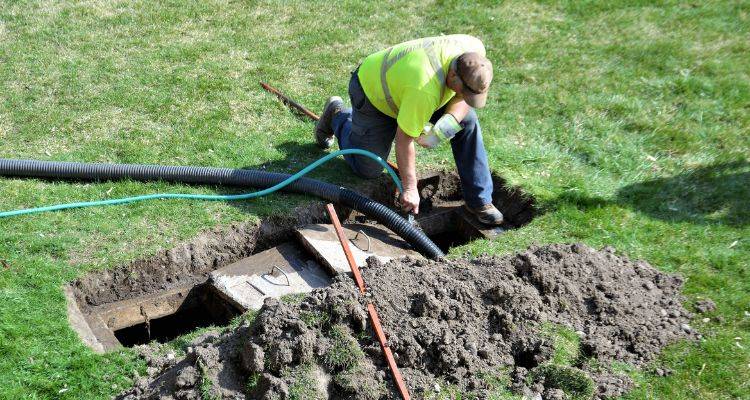
Once installed, you'll have ongoing emptying and basic upkeep to budget for. Most households empty roughly once a year, but usage and tank size matter. For example, smaller tanks or bigger households may need more frequent visits.
Septic tank emptying costs can vary a bit, depending on your tank's capacity and how much water your household uses.
For most homes, annual running costs are usually fairly low. Most households spend around £200 per year on emptying and routine maintenance, though larger households may pay more if the tank needs emptying more often.
If the tank needs a deeper clean, jetting pipework or clearing blockages can add roughly £150 to £300. Minor repairs such as replacing baffles, covers, or damaged pipe connections may cost from £200 upwards, while larger repairs can cost significantly more.
How Much Does Septic Tank Replacement Cost?
Replacing an old septic tank is often more expensive than a first-time installation because the old system usually needs to be removed safely before the new one is fitted.
In most cases, septic tank replacement costs between £4,000 and £10,000, depending on whether the drainage field also needs replacing.
- Simple Tank Replacement — £4,000 to £6,000
- Replacement with Drainage Field — £6,000 to £10,000+
- Removal of Old Tank — £500 to £1,500
If your existing system does not meet current discharge rules, you may also need to upgrade to a sewage treatment plant instead of fitting another septic tank.
What Are the Signs of Septic Tank Failure?
Unfortunately, septic tanks can fail from time to time. Here's what to look out for:
- Bad odours coming from the septic tank or drains.
- Slow flushing or overflowing toilets.
- Gurgling drains.
- Ground movement near either the septic tank or drainage field.
- Septic tank contents spilling out onto your land.
If you notice any of these issues, and the tank doesn't just need emptying, it could be time for a replacement.
What's better for a home that's not connected to mains drainage - a septic tank or domestic sewage treatment plant?
"If your waste drainage goes directly into a watercourse, because of recent legislation changes, you need to use an STP rather than a cesspit, unless you have room to fully drain your system in a drain field.
STPs are fundamentally better at producing clean wastewater. The downside is that they require continuous power for the air intake compressor and any discharge pumps you may need, so they have additional running costs of about £200 per year. Also, the compressor can be noisy."
STPs are fundamentally better at producing clean wastewater. The downside is that they require continuous power for the air intake compressor and any discharge pumps you may need, so they have additional running costs of about £200 per year. Also, the compressor can be noisy."
Drainage Field Costs and Requirements
A drainage field (sometimes called a leach field) is a legal requirement for most septic tank systems in England and Wales. Rather than storing wastewater, a septic tank separates solids and allows liquid effluent to drain out, and that liquid must go somewhere compliant.
Do You Need a Drainage Field?
In most cases, yes. In England, under the General Binding Rules, and in Wales, under Natural Resources Wales, septic tanks cannot discharge directly into a watercourse such as a stream or river. The effluent must drain into a compliant drainage field instead.
You're likely to need a new drainage field if:
- You're installing a septic tank for the first time.
- Your existing drainage field has failed or become clogged.
- Your current system discharges into a watercourse — this is no longer permitted.
- You're selling the property and it will be subject to a drainage survey.
If your existing drainage field is in good working order and meets current standards, you may not need to replace it when the tank is replaced.
Is There Enough Space?
Drainage fields need sufficient land area to allow effluent to filter safely into the soil. The exact size depends on a percolation test (a soil assessment that measures how well the ground absorbs water).
Key siting rules to be aware of include:
- The drainage field must be at least 10 metres from a watercourse and 50 metres from a drinking water source.
- It cannot be installed under driveways, paved areas, or areas subject to vehicle traffic.
- Trees and deep-rooting plants should be kept clear, as roots can damage the pipework.
- Ground conditions must support adequate percolation — clay-heavy or waterlogged soil may rule out a drainage field entirely, in which case a sewage treatment plant may be required instead.
How Much Does a New Drainage Field Cost?
Installing a new drainage field typically costs between £1,500 and £4,000, depending on the size of the system required and ground conditions. A percolation test will determine the exact size needed, so costs can only be confirmed once that's been carried out.
| Drainage Field Scenario | Typical Cost |
|---|---|
| Standard new drainage field installation | £1,500–£3,000 |
| Larger or more complex installation | £3,000–£4,000+ |
Want a custom price?
Post your job
How Much Does It Cost to Replace an Existing Drainage Field?
Replacing a failed drainage field typically costs between £1,500 and £5,000, though the final figure depends heavily on the condition of the existing field and what's needed to remove it. If the field has been clogged with sludge over time (usually due to infrequent emptying), the surrounding soil can become saturated and may need to be tested or partially removed before a new system can be installed.
Contaminated soil removal adds roughly £40 per m³ on top of the installation cost, which can be significant on larger plots. It's worth asking your installer to assess the existing field before committing to a quote, as the condition of the soil will have a direct impact on the total price.
Septic Tank vs Other Off-Mains Drainage Systems
Septic tanks aren't the only option for homes without mains drainage. Here's how they compare to alternatives:
- Septic Tank — lower running costs, but requires a drainage field.
- Sewage Treatment Plant — cleaner discharge, but higher installation and electricity costs.
- Cesspit — cheapest to install initially, but expensive to empty regularly.
Sewage treatment plants often cost more upfront, usually £6,000 to £12,000 installed, but may be required where a drainage field is not suitable. Cesspits usually have very high ongoing costs for frequent emptying, unless you are a small household with low water usage.
Planning Permission and Building Regulations for Septic Tank Installations
If you're installing or replacing a septic tank, check Building Regulations Approved Document H (Drainage and waste disposal) for the rules on non-mains foul drainage, and the Planning Portal's guidance on non-mains drainage for when permissions and building control apply.
- Building Regs Apply (Part H) — Your installer must meet drainage rules (tank sizing, siting, ventilation, drainage field spec) and have the work signed off.
- Planning Permission — For most single-dwelling domestic installs, a below-ground tank within the property boundary is often permitted development. You may still need permission in protected areas, if you're significantly altering ground levels, or where access works are substantial.
- Discharge Rules (the Big One) — In England, small domestic discharges can usually run under the General Binding Rules, and in Wales, a free registration with Natural Resources Wales covers most cases, but only to a drainage field. Direct discharge to a watercourse isn't allowed for septic tanks.
- Registration/Permits — If you don't meet those rules (e.g. high flows, tricky ground, or you're in a groundwater Source Protection Zone 1), you may need to apply for a permit with the regulator (Environment Agency in England, Natural Resources Wales in Wales, SEPA in Scotland, or DAERA in Northern Ireland).
- Setbacks and Siting — Keep clear of buildings, boundaries, and water sources. Your installer should confirm distances and the drainage field location during the survey.
- Paperwork — Septic tank installation cannot be self-certified, so you or your contractor must notify building control before work starts. Keep copies — they're often requested on sale.
Not sure which bits apply to you?
Ask your installer to confirm: building control route, which discharge rules apply where you live, and if any local planning quirks affect your plot.
If planning permission is needed, the domestic application fee in England is £272, and Wales and Scotland set their own fees. Building Control charges may also apply, often adding another £150 to £400 depending on your local authority and the type of installation.
Ask a Trade
Got a question that only a tradesperson can answer? We have thousands of trades ready to answer any question you may have.
Ask your question

Can You Install a Septic Tank Yourself?
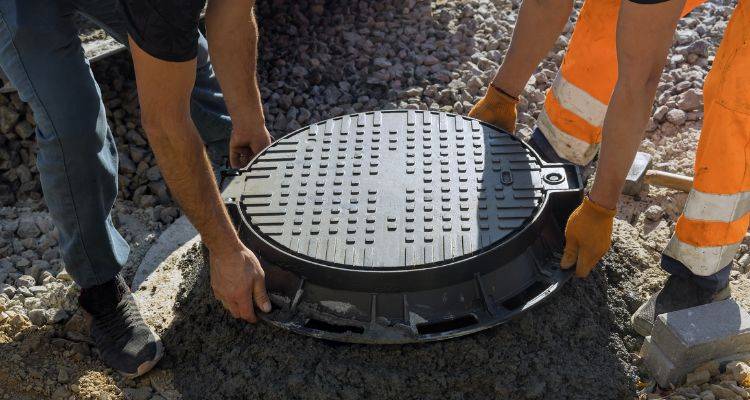
DIY aside, you still need to meet building regulations and the discharge rules (see the Planning Permission and Building Regulations section for the basics). For most households, it's safer (and quicker) to use a pro and get the work signed off properly.
An underground septic tank will need drainage works (usually a drainage field) and Building Control sign-off. Planning permission is site-dependent, not automatic. It's worth leaving the tricky bits to a specialist and comparing a few written quotes.
You should hire a septic tank specialist to install your septic tank, as they will have the essential skills and experience to do the job to a high standard. If you're not experienced in installing septic tanks or carrying out the digging work to fit the tank, you could run the risk of making a mistake.
Checklist: How to Find and Hire a Septic Tank Installer in the UK
Here's what you should keep in mind when searching for a septic tank installer near you:
- Compare quotes - Gather at least 3 quotes from local drainage specialists to compare their prices for septic tank installation.
- Check the details - Make sure your quotes are in written format, and have itemised lists of exactly what's included in your quote. Check to see if waste removal is included, or something you'll need to pay for separately.
- Research the installer - Look at the septic tank installer's website or portfolio. Do they have experience in your exact installation type?
- Check customer reviews - Take a look at their past customer reviews, taking note of any comments on good timekeeping, cleanliness on site, and evidence of health and safety regulations.
- Verify insurance coverage - Check that your contractor has insurance to cover you if any accidents happen on-site during installation.
- Ensure rules are met - If you're having a septic tank installed for the first time, make sure your contractor confirms the system meets the rules, that they have applied for a permit or have building regulations approval, and are aware of any underground utilities in the area.
FAQs
How Far Does a Septic Tank Need to Be from My House?
As a rule of thumb, keep the tank at least 7 metres from a habitable building. It also needs to be reachable by a tanker hose (often around 30 metres), and how accessible the site is will impact installation and emptying costs. Your installer will confirm exact siting and any local rules before work starts.
Do I Need a Sewage Treatment Plant Instead of a Septic Tank?
Your waste is not allowed to be discharged into a stream or watercourse, but there are a few routes you can take. You can connect to the public sewer where reasonable, replace the tank with a small sewage plant, or install a drainage field so the tank empties into the ground. Your installer will tell you which system fits your plot and the rules where you live. Sewage treatment plants can add to the overall costs considerably.
How Big Should My Septic Tank Be?
That depends on how many people live in the house and what the ground's like. Bigger tanks cost more to fit, but they usually need emptying less often. If the tank is too small, you will have to pay to have it emptied more frequently. Ask your installer to run through the numbers when they give you a quote.
Can I Build or Drive Over a Septic Tank or Drainage Field?
Don't build over the drainage field. That's because it needs air and space. As for driving, only do it if the tank's been designed for traffic. Most domestic ones aren't, so plan your layout before you dig.
How Long Does It Take to Install a Septic Tank?
Most below-ground domestic installations take between 2 and 7 days. Above-ground systems can be completed in around 1 day. The actual dig and tank placement is usually the quickest part. Additional time is often needed for site surveys, percolation testing, permit approvals, and reinstatement of the ground after installation.
Difficult ground conditions, poor weather, or restricted access can all extend the timeline, so it's worth asking your installer for a realistic estimate before work starts.
How Much Does a Septic Tank Survey Cost?
A standard site survey or inspection typically costs between £250 and £500, depending on the type of survey and your location. A basic visual inspection of the tank, drainage field, and connected pipework sits at the lower end, while a more comprehensive pre-purchase report costs more.
If the tank needs to be emptied before the inspection can be carried out, expect to pay significantly more. Surveys that include tank emptying can cost £700 or more. It's worth checking with your surveyor upfront whether emptying is likely to be needed, as this will affect the total cost considerably.