Builders
 Carpenters
 Electricians
 Flooring Specialists
 Gardeners
 Handymen
 Heating Engineers
 Painters & Decorators
 Plasterers & Renderers
 Plumbers
 Roofers
 Tilers
 my
myHow Much Does It Cost to Paint Radiators?
At a Glance
- The average cost to paint radiators is £75.
- It will take between 1 and 3 hours per radiator.
- What it costs to paint radiators in 2026, including labour and DIY supply prices.
- How long the work takes, plus how long radiator paint takes to dry.
- How to compare quotes from local painters and decorators through MyJobQuote.
Get free estimates
Are you a trade? Get more work today!
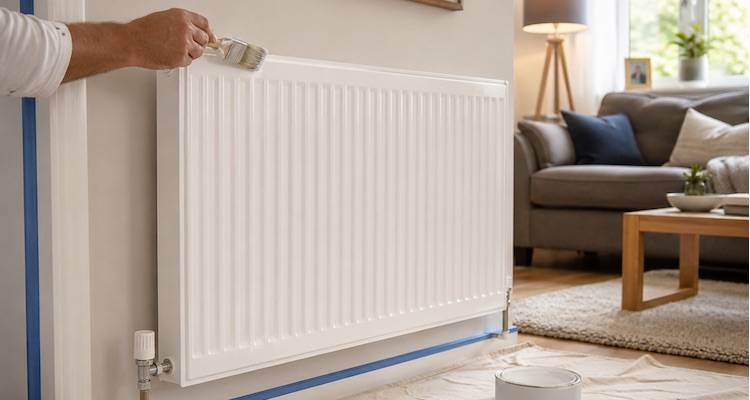
Painting radiators costs around £50 to £100 per radiator when you hire a professional, including prep, materials, and labour, or roughly £360 on average across a full house. The final price depends mainly on the size, type, and condition of each radiator, and whether any need taking off the wall to paint behind.
£75
Table of Contents
- How Much Is Painting Radiators?
- Radiator Painting Supply Costs
- Additional Costs of Painting Radiators
- Labour Costs and Timescales for Painting Radiators
- Cost Factors for Painting Radiators
- Can You Paint Radiators?
- How to Paint a Radiator
- Building Regulations Related to Painting Radiators
- Types of Radiator Paint Finishes
- Alternative Types of Radiator Refurbishment
- Hiring Contractors Checklist for Painting Radiators
- Removing Radiators: Considerations and Costs
- FAQs
How Much Is Painting Radiators?
So, how much does it cost to paint a radiator?
Well, this will depend on a few things. Firstly, if you are painting the radiator yourself instead of hiring professionals, this will work out cheaper.
The type of paint that you choose can also affect the cost, as some types of paint and premium paints will cost more than others. Also, the size and the condition of the radiator can affect the cost, as an old, tatty radiator may need more prep work, and a larger radiator will require more paint and will also take longer to paint.
If you are completing the work yourself, you may need to purchase some tools such as brushes, rollers, trays, and painter's tape. You can usually expect to pay around £10 to £30 for a basic DIY painting set containing these items.
You'll also need to factor in the cost of the paint, which will usually fall around the £15 to £50 mark, depending on how much you need and the quality of the paint, and you may also need to invest in a primer. So, for a DIY paint job, you can usually expect it to cost around £30 to £100 in total. The cost can vary depending on the materials you use and the size of the radiator.
What radiator paint finish are you looking for?
Satin
4 votes - 50%50% of votes
Gloss
2 votes - 25%25% of votes
Matt
2 votes - 25%25% of votes
Colour or custom finish
0 votes - 0%0% of votes

8 votes
See results
Hide results
If you are hiring a professional to carry out the work for you, you can expect to pay around £15 to £70 per radiator for a painter or decorator. The price here will depend on the state of the radiator, the size of the radiator and your location in the UK.
Those based in and around London will usually pay more for labour than in other parts of the UK. All in all, you can expect to pay around £50 to £100 for painting a radiator. This price includes all of the prep work, materials, and labour costs.
Radiator Painting Prices
Below is a table showing the costs that you can expect to pay for painting various sizes and types of radiators.
| Size and Type of Radiator | Labour Costs | DIY or Materials-Only Costs |
|---|---|---|
| Small single-panel radiator | £15–£40 | £15–£40 |
| Medium double-panel radiator | £30–£70 | £20–£50 |
| Large radiator | £50–£100 | £25–£70 |
| Cast iron/column radiator | £80–£180 | £30–£80 |
Want a custom price?
Post your job
For example, professionals often use specialist radiator paints such as Hammerite Radiator Paint or Johnstone's Radiator Paint, which are made to cope with a radiator's heat.
Small single-panel radiators tend to be quite easy to access and will require less prep work, so they will result in lower costs.
Medium double-panel radiators are the most common types of radiators in UK homes. In some cases, they may need extra sanding, which can bump up the cost a little bit in terms of prep work. Larger or taller radiators can be more time-consuming due to their size.
In some cases, they may need to be removed from the wall to paint behind, so this will add some time and costs to the job. Cast-iron column radiators are quite complex in their design, so they will usually take longer. They may also require more prep work and more coats of paint.
Radiator Painting Supply Costs
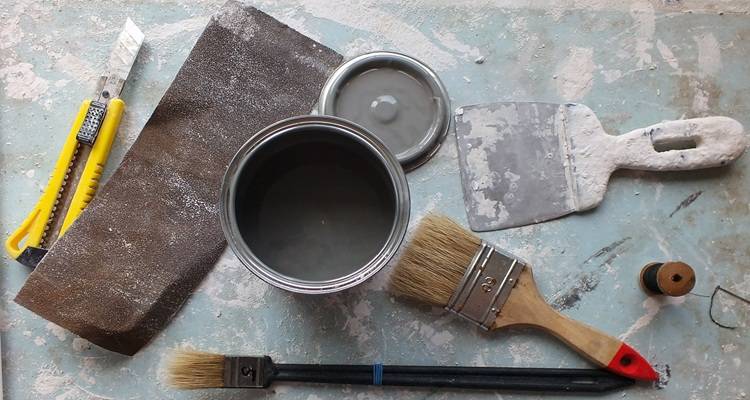
When it comes to painting a radiator, there are several supplies that you will need to do the job properly.
Many professional painters and decorators will have these supplies ready. However, if you are completing the work as a DIY project, you will need to budget for these items if you don't have them already:
- Brushes, Rollers, Trays, Painter's Tape — You can expect to pay around £10 to £30 for a basic set of these.
- Undercoat or Primer — It is recommended that you use an undercoat or primer when painting a radiator for the best results. You can expect this to cost around £10 to £20 per litre.
- Heat-Resistant Radiator Paint — This will usually cost around £15 to £25 for a tin, depending on the brand and quality of the paint.
- Sandpaper — You will need this for prepping the radiator. Sandpaper is quite cheap and should only cost under £5.
- Dust Sheets — These will help to protect surrounding furniture and the floor from paint drips. You can expect to pay around £5 to £15 for dust sheets, depending on the size and quality. Alternatively, if you have some old blankets or large rags, you may be able to use those instead to save money here.
- Sugar Soap or Cleaner — You can usually expect to pay around £5 to £10 for this, depending on the brand.
- Rust Treatment (if Needed) — If your radiator is rusty, you may need to treat it first. You can usually expect to pay around £10 to £20 for this.
The supply costs will vary based on quality, size of the radiator, and the number of coats needed. If you are completing the work as a DIY project, you may have some of the tools already from previous jobs. If so, this can lower the DIY supply costs.
Additional Costs of Painting Radiators
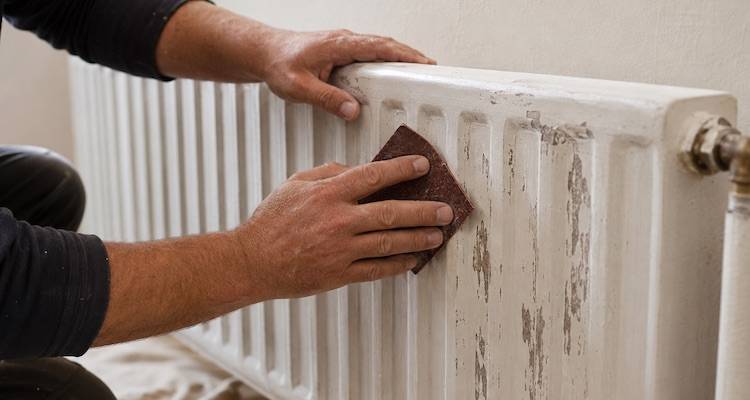
When budgeting for painting your radiators, there may be some additional costs that you might have to keep in mind. Below is a list of the additional costs that you may need to budget for with this type of work:
- Sanding and Rust Treatments — This is all part of the prep work. For sanding, you will need sandpaper, which usually costs under £5. For rust treatments, you will need to purchase an appropriate external rust treatment for your radiator, which will usually cost around £10 to £20.
- Stairwell Access — Ladders or platforms might be needed to access a stairwell for painting, and this could add an additional £40 to £60 for scaffold or ladder hire.
- Radiator Removal and Re-Installation — If your radiator needs to be removed in order for it to be painted properly, then you may need to pay a professional to remove and re-install it. This could add around £50 to £100 onto the cost of the job.
- Moving Furniture — If you are unable to move your furniture yourself, you may need to hire a professional to do this for you. This could add around £20 to £80 onto the cost of the job, depending on how much furniture needs to be moved.
If you require any of the above, it is important that you add these costs to your budget so that you have a better idea of the overall cost of painting a radiator.
Ask a Trade
Got a question that only a tradesperson can answer? We have thousands of trades ready to answer any question you may have.
Ask your question

Labour Costs and Timescales for Painting Radiators
If you have all of the supplies already and you are simply looking to hire a professional to complete the work for you, then you may be interested to learn what the labour may cost, without the cost of materials factored in.
Typically, you can expect to pay a professional around £15 to £70 per radiator. This cost bracket is quite wide, as it will depend on several different factors.
For example, a small radiator may take only an hour to complete, so it will cost less than a large or ornate radiator that may take a lot longer to paint. Also, the level of prep work needed will affect the overall cost of the job.
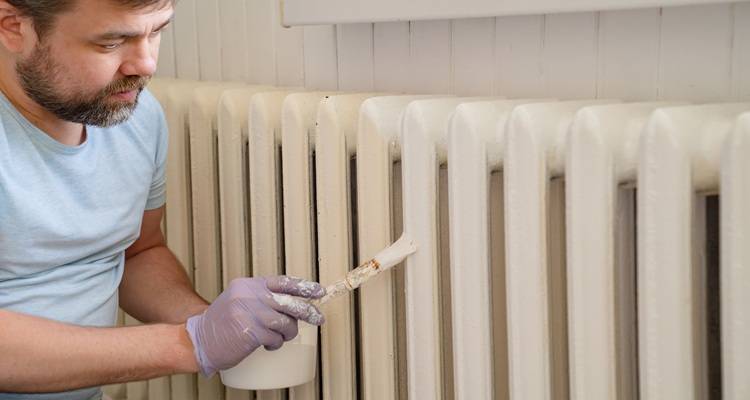
Sanding and rust treatments could add up to an hour onto the job, which will bump up the price. Also, your location could affect the cost of the job. Those based in and around London will typically pay more for labour than those based in the North or other areas of the UK.
On average, a small radiator will usually take around an hour to complete. Larger radiators may take around 2 to 3 hours. If you are planning on painting all of the radiators in your house, this could take around 1 to 2 days, depending on how many radiators you have and the style and size of your radiators.
In most cases, the radiators will need two coats, so you should also factor in the drying time between coats.
Cost Factors for Painting Radiators
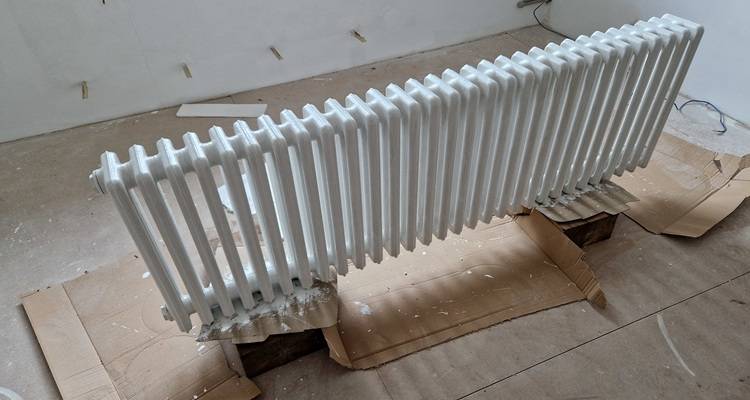
When budgeting for painting your radiators, there are some key factors that you will need to keep in mind, as these could affect the overall cost of the job.
Radiator painting prices are influenced by several cost factors, such as:
- Size and Number of Radiators — The more radiators there are and the larger they are, the more they will cost to paint.
- Type of Radiator — Cast iron radiators need more prep and can take more coats of paint, so the material affects the cost.
- Condition of the Radiators — If your radiators are quite rusty or have flaking paint on them, they may require more prep work, which can increase the cost.
- Does the radiator need to be removed? If you need to take the radiator off the wall to paint it, this can add extra time and costs to the job.
- Your Location — Those based in and around London will typically pay more for labour than those based in the North or other areas of the UK.
- Chosen Paint Finish — Whether you choose matt, satin, gloss, or coloured paints, these can all come at different price points.
- Spray vs Brush Application — Spray painting is faster, but the cost of the spray paint may be higher.
- Accessibility — If your radiator is hard to access, this could add time and costs to the job. Also, if you have to move furniture to get to the radiator, this can also be more of a hassle and may result in more costs.
Can You Paint Radiators?
Yes, you can paint almost any radiator, as long as you use a heat-resistant radiator paint suited to the metal and prepare the surface properly. Most standard radiators take paint well, and only a few finishes are best left alone.
Radiators you can paint:
- Steel Panel Radiators — The most common type in UK homes and the easiest to paint.
- Cast Iron Radiators — Fine to paint, but they need more prep and a heat-resistant paint.
- Aluminium Radiators — Paint well with the right primer and radiator paint.
- Column Radiators — Can be painted, though the extra surfaces take a little longer.
Radiators best left unpainted:
- Chrome or Polished-Metal Radiators — Paint struggles to bond to the shiny surface, so it tends to peel.
- Designer Radiators with a Special Factory Finish — Painting can spoil the finish or void the warranty.
How to Paint a Radiator
Painting a radiator is a popular DIY job that many homeowners can do themselves with a little preparation and some basic painting skills. To paint a radiator yourself, follow these six steps:
- Clean the Radiator — Wipe away dust, dirt, and grease, and scrape off any flaking or peeling paint so the new coat can grip.
- Sand and Treat Rust — Lightly sand the surface to key it, and use a wire brush and rust treatment on any cast iron or rusty radiators.
- Mask and Protect — Lay down dust sheets and use painter's tape to cover the valves, pipes, and the wall behind.
- Prime — Apply a suitable metal primer, especially on bare or cast iron radiators, so the topcoat sticks and stands up to the heat.
- Paint — Brush or spray on heat-resistant radiator paint in thin, even coats, working from top to bottom. To paint behind the radiator, use an angled radiator brush or a long-handled mini roller, or take it off the wall for full access.
- Dry and Recoat — Let each coat dry fully, apply a second coat for an even finish, and leave it before turning the heating back on.
Painting a radiator yourself keeps costs down, with materials usually costing around £15 to £80 per radiator. To hire a professional, you'll have to pay for these materials as well as an extra £15 to £70 in labour, so the total cost is almost double.
That said, a professional painter or decorator will give a smoother, longer-lasting finish, handle the sanding, rust treatment, and any radiator removal for you, and get the work done faster with far less mess. For cast iron, ornate, or rusty radiators in particular, it's often worth paying for the right result.
Building Regulations Related to Painting Radiators
As with any type of renovation in the UK, it's important to always consider whether building regulations or planning permission will come into play at all. Luckily, when it comes to painting a radiator, you won't need to worry about planning permission or building regulation approval.
However, if your radiator is being removed, you will need to think about some things. You may need to potentially drain the heating system before the removal. You must ensure all of the pipework is properly sealed, and you will also need to make sure the radiator is properly refitted and bled.
Any plumbing work that is needed should be carried out by a professional to ensure everything is safe and to prevent any problems with your heating system down the line.
Types of Radiator Paint Finishes
There are loads of different sorts of radiator finishes to pick from, and each one comes with its own set of benefits. You've got a whole rainbow of colour options with radiator paint, from standard colour ranges right through to custom-mixed shades, and even some fancy finishes like metallic or pearlescent effects to suit any style or taste.
You can even pick a colour to match the decor, whether it's a custom mix or a designer shade. The choice is yours, and you can get a totally bespoke finish that really makes the room stand out.
Here are some of the most popular radiator paint finishes:
Satin Finish
A satin paint finish has a soft, low lustre. It will absorb some light while also reflecting some back. This type of paint finish has an attractive neutral sheen. It doesn't show marks and scratches as much as high gloss paint does, so it's a brilliant, durable choice for high-traffic rooms where the radiator may get brushed against or knocked against frequently.
The only downside to a satin finish is that it requires very careful application to prevent visible brush marks.
Gloss Finish
Gloss radiator paints are wonderfully reflective and easily catch the light. They can help to enhance the aesthetic appeal of your radiators and can turn your radiators from a simple heating tool to a true focal point in the room.
However, the mirror-like surface can show imperfections. Ultra-premium gloss paints will maintain their brilliance for much longer, but come at a higher price point. However, even slight fading over time can become very apparent. Gloss works best in areas that are less prone to scratching.
Matt Finish
Matt radiators have no lustre and a flat, opaque surface that absorbs all the light. These finishes are becoming more and more common in modern homes. Matt finishes can effectively hide imperfections and surface marks.
This makes matt paint a brilliant choice for offices and busier homes. However, matt finishes are more prone to collecting dirt and could be more difficult to clean than other finishes.
Colour Finishes
If you are looking to create a statement piece with your radiator, you may prefer coloured paints. With so many colours to choose from, you can create something really unique with coloured paints.
Whether you want to match your radiator to your walls to help it blend in, or whether you want to paint it a completely contrasting colour to make it stand out, coloured radiators can really elevate your space, making your radiator more than just a simple heating device. It becomes part of the decor.
Alternative Types of Radiator Refurbishment
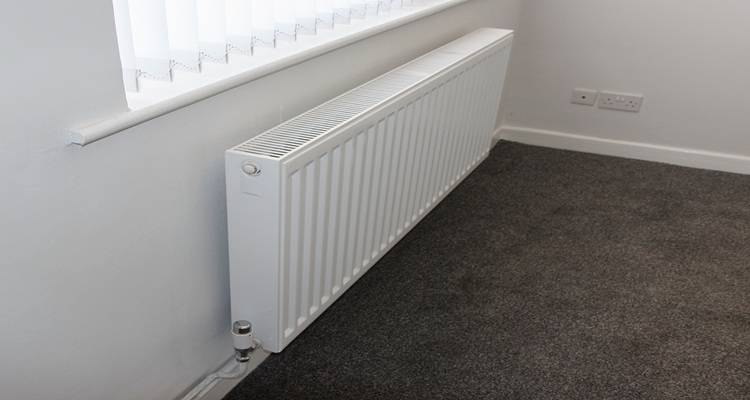
If you want to refresh your radiators without repainting them, there are a few alternatives to consider:
- Radiator Covers — A decorative cover hides an old or tatty radiator, costing around £40 to £200 depending on the design. They can reduce heat output, so they suit rooms that are already well heated.
- A New Radiator — If a radiator is outdated, damaged, or underperforming, it can be worth replacing the radiator altogether, which costs around £200 per radiator.
- Decorative Wall Panels — Wall panelling can disguise a radiator and give a modern look, costing around £50 to £150+ depending on the size and materials.
Each option varies in price, durability, and appearance, so consider which best suits your home, budget, and the look you are after.
Hiring Contractors Checklist for Painting Radiators
When hiring professionals to paint your radiators for you, you will need to consider some things when finding the right contractor for the job. Take a look at the checklist below that you should use when hiring a professional decorator to paint your radiators for you:
- Experience with radiators – Ask whether they have painted radiators before, including cast iron or column types, which need more prep and a heat-resistant paint.
- Public liability insurance – Check they are insured, so you are covered if a radiator, wall, or floor is damaged during the work.
- What the quote covers – Confirm whether prep, primer, paint, and the number of coats are included, and check there are no separate call-out fees.
- Removal and refitting – If a radiator needs taking off the wall to paint behind it, make sure that is covered and that any plumbing is done by a qualified person.
- A workmanship guarantee – Ask whether the finish is guaranteed, and for how long, in case the paint chips or peels.
- Positive reviews – Check the feedback they have received from other homeowners on MyJobQuote.
Removing Radiators: Considerations and Costs
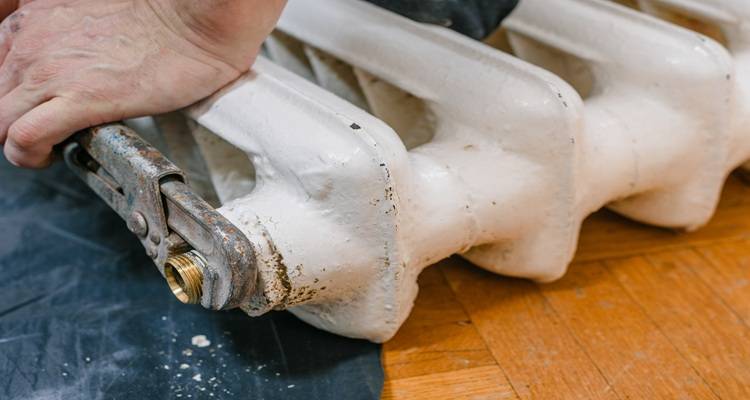
In some cases, it may be better for you to remove the radiator before you paint it, as this can provide much better access to the back panel.
By doing so, you can achieve a cleaner finish and allow the wall behind the radiator to be painted properly, if needed. It's not essential to remove a radiator for painting in the majority of cases. However, it can have a significant impact on the final result.
This is especially true for older radiators or those that are positioned close to the wall.
Removing a radiator involves several steps as outlined below:
- Make sure to turn the valves off on each side of the radiator to isolate it from the heating system.
- Once it is isolated, the heating is turned off, and the radiator is cool, loosen a valve nut and let the water drain into a bowl, opening the bleed valve so air can get in.
- Once it is fully drained, you can then disconnect it from the pipework and lift it away from the wall brackets. This will allow both the radiator and the wall behind it to be painted much more easily.
Once you have finished painting and the surfaces are fully dry, you will need to reinstall the radiator. This will include the following steps:
- Place the radiator back on the wall brackets and reconnect the pipework.
- Open both valves with the heating still off to refill the radiator, checking the joints for any leaks.
- After refilling, make sure to bleed the radiator to remove any trapped air. This will ensure that it can heat properly again.
The cost of removing and refitting a radiator will depend on the size and weight of the radiator, and the complexity of your plumbing system. However, you can usually expect to pay around £50 to £100 for this.
Larger radiators or radiators that are in awkward locations may cost a bit more as they will be more difficult to remove and replace, and the work will take longer. If you are planning on getting multiple radiators removed in the same visit, some contractors may offer a reduced rate per radiator.
It is important to note that, in most cases, removing the radiator isn't necessary for a paint job. Most standard radiators can be painted effectively while still attached to the wall. Angled paint brushes or spray equipment can make this easier.
However, if you are looking for the most seamless and professional-looking result possible, then it can be worth removing the radiator for the job.
FAQs
How Long Does Radiator Paint Take to Dry?
In most cases, you can expect the radiator to fully dry within 5 to 8 hours. However, you should wait at least 24 hours before turning on your heating system. If in doubt, always check the manufacturer's instructions for a better idea of how long you need to wait after painting.
Can You Paint Radiators Without Removing Them?
Yes, you absolutely can paint a radiator without removing it. In most cases, this is the easiest and best option. However, if you're looking for a more even and professional finish, or if you need to fix something on the wall behind, you may consider removing it for the best results. It isn't always necessary, though, and you can still get a brilliant finish with the radiator still on the wall, in most cases.
Will Painting Affect the Radiator's Heat Output?
Painting a radiator with a non-metallic paint will not significantly impact its heat output, but it is worth steering clear of metallic finishes, as the metal flakes in the paint can get in the way of heat coming through. Specialised radiator paints are designed to handle the heat and keep their colour over time.
Can You Spray Paint Radiators?
Yes, you can spray paint radiators. This often provides a much smoother finish and allows you to complete the job in a lot less time than with brushes. However, spray painting may cost more due to the material costs and masking requirements.
How Often Should You Repaint a Radiator?
A well-painted radiator should hold its finish for several years before it needs redoing. You will usually only need to repaint when the paint starts to chip, yellow, or peel, which tends to happen sooner on radiators that run hot or in high-traffic rooms. Using heat-resistant radiator paint and priming properly the first time will make the finish last longer.
Can You Paint Radiator Pipes?
Yes, you can paint radiator pipes using the same heat-resistant paint and prep as the radiator itself. Lightly sand them, wipe them down, and apply a metal primer before painting so the finish holds up to the heat. Matching the pipes to the radiator or the wall gives a much tidier overall look.