Builders
 Carpenters
 Electricians
 Flooring Specialists
 Gardeners
 Handymen
 Heating Engineers
 Painters & Decorators
 Plasterers & Renderers
 Plumbers
 Roofers
 Tilers
 my
myLoft Leg Installation Cost
At a Glance
- The cost of installing loft legs is around £700.
- It will take approximately 1 to 2 days to complete.
- A complete pricing breakdown which includes things you need to consider, along with what such a task usually involves.
- How long the job should approximately take and a general overview of what types of services can be performed.
- How to find and hire a local loft boarding installer using MyJobQuote.
Get free estimates
Are you a trade? Get more work today!
£700
Table of Contents
- How Much Does Loft Leg Installation Cost?
- Supply Only Costs for Loft Legs and Boarding
- How Long Does Loft Leg Installation Take?
- What Impacts the Cost of Loft Leg Installation?
- Additional Costs of Loft Leg Installations
- Why Use Loft Legs?
- What's Involved in Installing Loft Legs?
- Checklist: Hiring a Loft Leg Installer in the UK
- FAQs
How Much Does Loft Leg Installation Cost?
Loft legs and boarding are typically installed together to provide a stable surface for the boards while maintaining the integrity of the insulation.
As a rough guide, loft legs and boarding usually cost £40 to £65 per m² installed, depending on whether insulation is already in place, how easy the loft is to access, and the type of boards used.
What is your main reason for installing loft legs?
To create additional storage space
0 votes - 0%0% of votes
Improve insulation/energy efficiency
0 votes - 0%0% of votes
Enhance safety and structural support
0 votes - 0%0% of votes
Part of a wider loft conversion project
0 votes - 0%0% of votes

0 votes
See results
Hide results
For example, boarding a 10m² loft area typically costs £400 to £650, while a larger 20m² loft can cost £850 to £1,250.
Ready to get a quote for installing loft legs?
MyJobQuote has a Trustpilot score of 4.8 (44,000+ reviews) and is used by more than 1 million homeowners across the UK every year.
All you need to do is submit a few basic details about what you're after. It's fast and easy. It takes just a few minutes.
We'll then connect you with loft boarding installers near you who'll provide you with free, hassle-free, and no-obligation quotes.
If you want to know more first, take a look at some typical pricing for loft leg installation below.
Loft Legs Prices
| Loft Area | Typical Use | Materials | Labour | Total Cost |
|---|---|---|---|---|
| 5m² | Small storage area | £100–£140 | £120–£180 | £220–£320 |
| 10m² | Partial loft boarding | £220–£320 | £180–£250 | £400–£570 |
| 15m² | Medium loft | £350–£500 | £250–£350 | £600–£850 |
| 20m² | Full loft boarding | £500–£750 | £350–£500 | £850–£1,250 |
Want a custom price?
Post your job
Supply Only Costs for Loft Legs and Boarding
If you're wondering how much it costs to board a loft yourself, you will only pay for materials. For a typical 10m² loft, DIY costs are usually £220 to £320, depending on board quality and loft leg brand.
This can save around £180 to £250 in labour costs, but you must be confident working safely in a loft and avoiding compression of insulation or damage to wiring.
Typical Loft Leg Supply Costs
| DIY Item | Typical Cost |
|---|---|
| Loft legs | £120–£180 |
| Chipboard loft boards | £85–£120 |
| Screws and fixings | £15–£20 |
| Total DIY Cost (10m²) | £220–£320 |
Want a custom price?
Post your job
How Much Do Loft Legs Cost Individually?
If you only need to replace some loft legs, you can buy them in smaller packs. Individual loft legs work out at roughly £1.30 to £2 each. It usually costs between £16 and £25 for 12 legs, depending on brand and height.
| Item | Typical Cost |
|---|---|
| Pack of 12 loft legs | £16–£25 |
| Per loft leg | £1.30–£2 |
| 100 loft legs (10m² loft) | £130–£180 |
Want a custom price?
Post your job
How Many Loft Legs Do You Need per Board?
This will depend on whether you are using 1,200mm × 320mm or 2,400mm × 600mm boards, but each board requires a leg on every joist it crosses and legs where the boards meet.
Because boards must be supported at each joist crossing, the number of legs depends on joist spacing and the board size you use. For example, for around 10m² you would need about 26 small boards or 7 large sheets:
- Small Boards, Joists 400mm Apart — about 100 legs.
- Small Boards, Joists 600mm Apart — about 70 legs.
- Large Sheets, Joists 400mm Apart — about 55 legs.
- Large Sheets, Joists 600mm Apart — about 40 legs.
What type of boards do I need to board over a loft for storage?
"Best to use Chipboard Flooring 2400x600x18mm Moisture Resistant P5 Tongue & Grooved 4 sides."
Cost of Loft Legs, Boarding and Insulation Together
If you're upgrading the loft fully, most installers quote for loft legs, boarding and top-up insulation as one package.
| Package | Total Cost |
|---|---|
| Loft legs + boards only (10m²) | £400–£570 |
| Loft legs + boards + insulation (10m²) | £650–£900 |
| Full loft package (20m²) | £1,000–£1,500 |
Want a custom price?
Post your job
How Long Does Loft Leg Installation Take?
For most homes, installing loft legs and boards takes between 4 hours and 2 days, depending on how much of the loft is being boarded.
A small central storage area can often be completed in half a day, while a full loft with insulation top-up usually takes 1 to 2 days.
| Job Size | Typical Timescale |
|---|---|
| 5m² partial boarding | 4 to 6 hours |
| 10m² loft boarding | 6 to 8 hours |
| 15m² loft with insulation | 1 day |
| 20m² full loft boarding | 1 to 2 days |
Want a custom price?
Post your job
What Impacts the Cost of Loft Leg Installation?
The cost of loft leg installation is largely dependent on the size of the space, but several other factors can also affect your final quote.
Cost of Supplies
Larger loft areas naturally require more loft legs, boards, screws, and fixings. For example, a small 5m² storage area may only need around 50 loft legs, while a 15m² loft could require 140 or more.
Material costs usually range from £100 to £500+ depending on the amount of boarding required and the quality of materials chosen.
Complexity of the Job
If your loft joists are uneven, damaged, or awkwardly spaced, installation becomes more time-consuming. A tradesperson may need to level sections using packers or work around cables and pipework. In cases like this, DIY installation may not be feasible.
Complex jobs can increase labour costs by £50 to £150, depending on how much additional preparation is needed.
Partial Boarding vs Full Loft Boarding
Boarding only the central storage area can reduce costs significantly, with partial boarding often costing £220 to £500 compared with £850+ for a full loft.
Loft Leg Height
Loft legs come in different heights to suit the depth of your insulation. A loft with 300mm of insulation needs taller legs than one with 100mm, and taller legs generally cost a little more per unit. Choosing the right height matters because legs that are too short will compress the insulation, while unnecessarily tall ones add cost with no benefit.
Electrical Obstructions
Many lofts contain cables, pipework, and extractor ducting that need to be worked around carefully. This slows installation and can reduce the usable boarding area.
If electrical adjustments are needed, this may require an electrician and increase costs further.
Location
Labour rates vary across the UK, so where you live affects the final quote. Tradespeople in London and the South East typically charge more than those in the North. This can raise or lower labour costs by roughly 10% to 20% compared with the national average.
Additional Costs of Loft Leg Installations
Beyond the core installation, a few optional extras can add to the total depending on the state of your loft and how you plan to use it.
Adding Insulation Cost
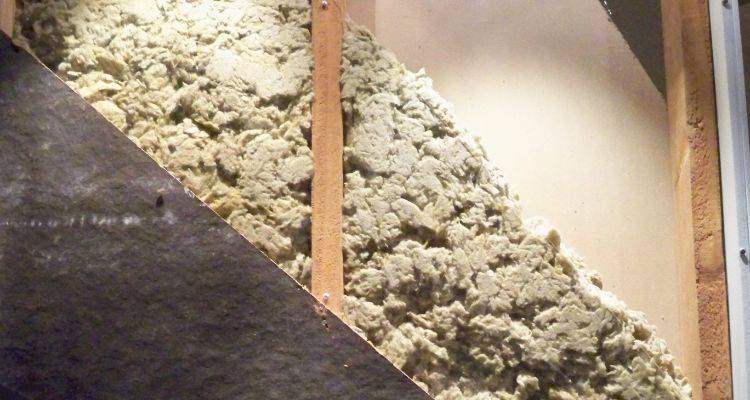
If your loft insulation is below the recommended 270mm to 300mm depth, many installers will suggest topping it up before boarding.
Adding new mineral wool insulation usually costs around £10 to £15 per m², meaning a 10m² loft could add £100 to £150 to the overall price.
Installing a New Hatch and Ladder Cost
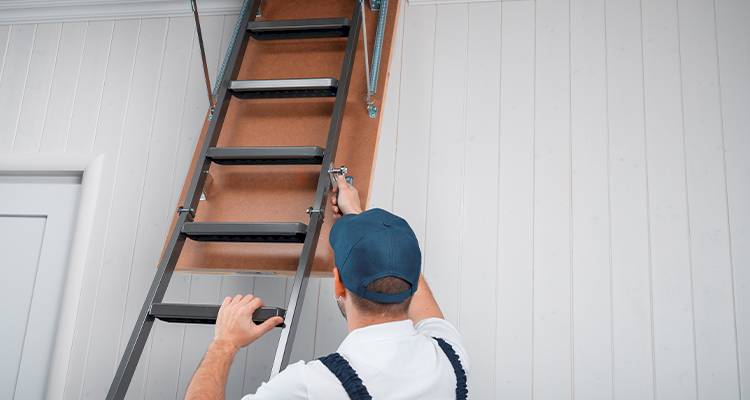
If access to your loft is poor, you may also need to budget for a larger loft hatch or a folding loft ladder.
A new loft hatch typically costs £150 to £250 installed, while a loft ladder usually adds £200 to £450 depending on the type chosen.
Loft Lighting Cost
If you're turning your loft into a usable storage space, you may want to add loft lighting at the same time. A qualified electrician typically charges around £80 to £150 to fit a basic loft light and switch, depending on how easy the wiring run is.
Loft Ventilation Cost
Boarding a loft can reduce airflow, which sometimes leads to condensation and damp if the space isn't properly ventilated. If your loft needs extra ventilation, fitting eaves vents or tile vents typically adds around £100 to £300, depending on the number needed and how accessible the roofline is.
Waste Removal Cost
If old boards, damaged insulation, or stored items need to be removed before work begins, some installers may charge extra for waste disposal.
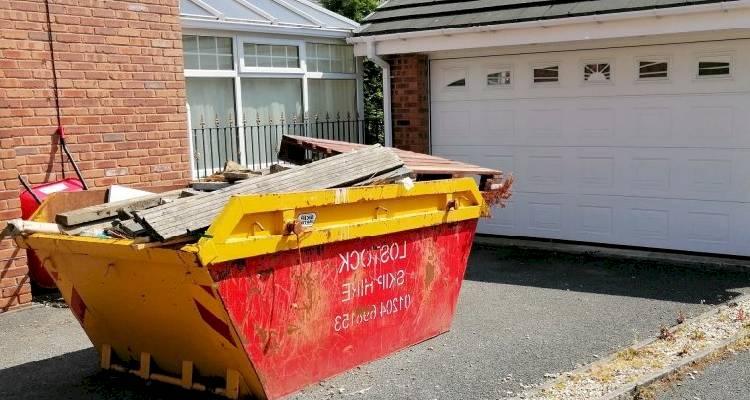
This can add around £50 to £120 depending on the volume of waste. You may be able to cut costs by clearing the area yourself, or hiring a skip, which costs around £220, before the installation begins.
Why Use Loft Legs?
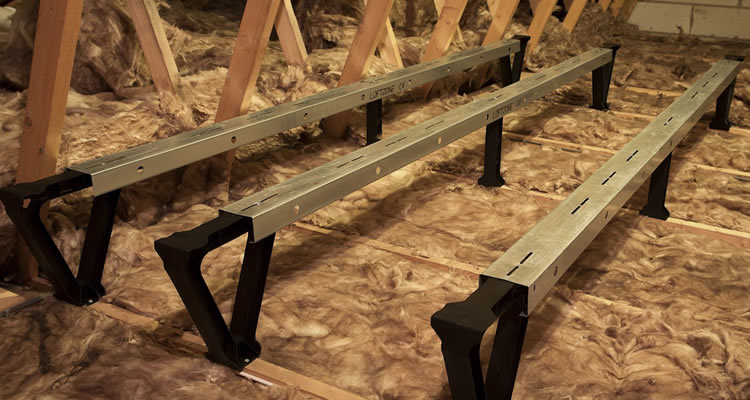
Loft legs (or stilts) serve the purpose of raising the loft level. Boarding your loft is a great way to add extra storage. But modern UK insulation standards mean the insulation is often deeper than the joists, and you don't want to compress it because that reduces how well it works. Loft legs lift the boards above the insulation, so you get usable storage without losing warmth.
Loft legs are important because they:
- Stop the boards flattening your insulation, so it keeps performing.
- Protect your home's energy efficiency and help avoid higher heating bills.
- Give you a stable, level platform that's safe to walk on and store items.
- Keep airflow moving beneath the boards, lowering the risk of condensation.
Fitting loft legs adds a little to how much loft boarding costs, but it's an essential step rather than an optional extra.
Why do you need loft legs for boarding over a loft? Can't I just lay boards over the joists?
"The point of loft legs is to protect the loft insulation being flattened by the boards, that is providing you have loft insulation thus limiting its insulation qualities.
To be compliant with today's building regulations, you'd usually have 300mm of loft roll insulation comprising of two layers: 150mm between the joists and the second layer laid at right angles to the first layer. Loft legs are designed to bridge the thickness of the insulation and protect its integrity."
To be compliant with today's building regulations, you'd usually have 300mm of loft roll insulation comprising of two layers: 150mm between the joists and the second layer laid at right angles to the first layer. Loft legs are designed to bridge the thickness of the insulation and protect its integrity."
What's Involved in Installing Loft Legs?
While a confident DIYer can tackle the job with the right tools and save on labour, it's best to use a professional. They'll properly follow the manufacturer's instructions for spacing and fixing the legs and maintain the full depth of insulation, as well as spot any issues with joists or wiring before they become a problem.
A professional loft installer will usually:
- Assess and Measure the Loft — checking joist condition, insulation depth, and any cables, pipework or ducting, then measuring up to work out how many legs and boards are needed.
- Set Out the Legs — positioning them across the joists at the correct spacing (no more than 600mm apart and closer for narrow panels) so every board is properly supported.
- Fix the Legs Securely — screwing each leg firmly into the joists so nothing shifts once weight is added.
- Dress the Insulation — topping up or arranging insulation around the legs so it sits at the recommended depth without being squashed.
- Board and Finish — laying and fixing the boards onto the raised legs, cutting around obstructions, and leaving access to services where needed.
We are looking at laying boards down in attic for storage space. The insulation is really thick though and comes up higher than the joists. What would be the best way to install loft boards over insulation? Do I need legs/stilts for the boards?
"Loft legs that fix onto the joists allow for your insulation in the loft, which should be nice and thick to keep the heat in. Then boards can be laid and fitted on top of the legs. They do need to be fixed though, as the boards will slide about if not."
Checklist: Hiring a Loft Leg Installer in the UK
- Confirm Loft Boarding Experience. Ask whether they regularly install loft legs and loft boards, not just general carpentry. Previous loft projects are especially useful to see.
- Check Insurance and Warranty. Make sure the installer has public liability insurance and ask whether their work is guaranteed in case any boards loosen or movement occurs later.
- Get a Detailed Quote. Ask for a clear breakdown covering loft legs, boards, fixings, labour, insulation work, and any waste removal so you can compare quotes properly. Also, set a clear budget and timeline for completion.
- Ask How They Will Protect Insulation. A good installer should explain how they will avoid compressing insulation and maintain airflow beneath the boards.
- Clarify Loft Suitability. Your installer should check that the loft joists are suitable for storage use and identify any cables, pipework, or uneven areas before starting.
- Ask About Weight Limits. Loft legs create storage space, but they do not strengthen joists. A good installer should explain safe loading limits.
Ask a Trade
Got a question that only a tradesperson can answer? We have thousands of trades ready to answer any question you may have.
Ask your question

FAQs
Can You Install Loft Legs Yourself?
Some homeowners can do a DIY installation of loft legs. If you wish to do this job yourself, it is important to ensure you have the equipment, time, and proper understanding of placement. You also must be confident of the structural integrity of your loft joists as safety is a critical aspect here.
If you are unsure or your loft is a complex shape or is uneven, it's best to hire a professional. However, if you understand spacing and proper sizing of the legs, it is a job many novice DIYers can complete.
Can I Install Loft Legs in a Listed Property?
You may need special permission before modifying a listed property, even for projects like installing loft legs. Always consult your local authority's conservation officer to check. Installing loft boards doesn't need planning permission, but if you live in a listed building you may need listed building consent, which it's important to get if required, as doing any work without the required consent is a criminal offence.
What Should I Do if My Loft Isn't Level?
If your loft space isn't level, check the joists and support structure for any visible signs of warping or damage. Minor unevenness can be corrected by spacers placed under the loft legs to level the boards.
However, significant dips may indicate structural issues. In these cases, consult a certified contractor or structural engineer before proceeding to make sure it is safe.
Are All Stilt Legs the Same?
No, the sizes vary greatly, as do material finish and quality. Of course, the size of your loft will have an impact on the size and type of legs you choose to use when installing loft legs or stilts in your home.
How Many Loft Legs Do I Need for My Space?
For standard loft boarding, loft legs should be placed where the board crosses a joist and along the joist no more than 600mm apart. For an area of 10m² covered using smaller 320mm-wide boards on joists with 400mm centres, expect to use approx. 90–100 loft legs. Wider joist centres or larger sheets would require fewer legs.
What Screws Should I Use to Fix Loft Legs and Boards?
Use 4.0mm or 4.5mm gauge wood screws that are at least 30mm to 40mm long, for fixing loft legs to joists and chipboard panels. Use at least two screws per loft leg foot and three per board edge for maximum stability. Always check the instructions provided.
Are Loft Legs Strong Enough to Walk On?
Yes, properly installed loft legs are designed to support the weight of people walking on them. However, it's important to ensure they are correctly positioned and secured to the joists for maximum safety and stability.
Is It Worth Using Loft Legs?
Yes, loft legs can be a worthwhile investment for improving the usability and safety of your loft space. They provide a stable platform for walking and working, and can help to prevent damage to the floorboards.