Builders
 Carpenters
 Electricians
 Flooring Specialists
 Gardeners
 Handymen
 Heating Engineers
 Painters & Decorators
 Plasterers & Renderers
 Plumbers
 Roofers
 Tilers
 my
myHow Much Does It Cost to Paint a Bathroom?
At a Glance
- The average cost to paint a bathroom is £200-£500
- It usually takes around one day to paint a bathroom.
In this article, you’ll find the following:
- A breakdown of the pricing details
- How long the work is likely to take
- Tips for hiring a contractor for the job
Get free estimates
Are you a trade? Get more work today!
Painting a bathroom is probably one of the easiest and most budget-friendly ways to give the space a bit of a facelift.
It also won't break the bank, seeing as most bathroom painting jobs are between £200 to £500.
The thing is, with bathrooms being as humid as they are, you really do need to use the right paint, otherwise you're looking at a finish that's going to start to deteriorate sooner rather than later - which is why so many people end up hiring a professional painter.
What we're going to do in this guide is:
- Give you the average cost of getting a bathroom painted
- How long it usually take to get the job done
- Which paint finishes are best suited to the job
- How to go about finding a decent tradesperson to do the work for you
Let's get started...
£350
Table of Contents
- How Much is Painting a Bathroom?
- Painting a Bathroom: Supply Costs
- Additional Costs
- Labour Costs and Timescales for Painting a Bathroom
- Cost Factors for Painting a Bathroom
- Building Regulations Related to Painting a Bathroom
- Types of Bathroom Painting Finishes
- Alternative Types of Bathroom Finishing
- Hiring Contractors Checklist for Painting a Bathroom
- Removing Existing Paint or Mould in a Bathroom
- FAQs
How Much is Painting a Bathroom?
The cost of hiring a painter or decorator can vary depending on a few factors, such as:
- Your location
- The size of the area that you want to paint
The day rate for a decorator, on average, is around £180-£400 or £30-£50 for an hourly rate.
For a typical small bathroom, you can usually expect to pay a contractor around £180, though the cost can increase depending on the prep work that is needed, the ceiling height in the room, and whether you are also painting woodwork.
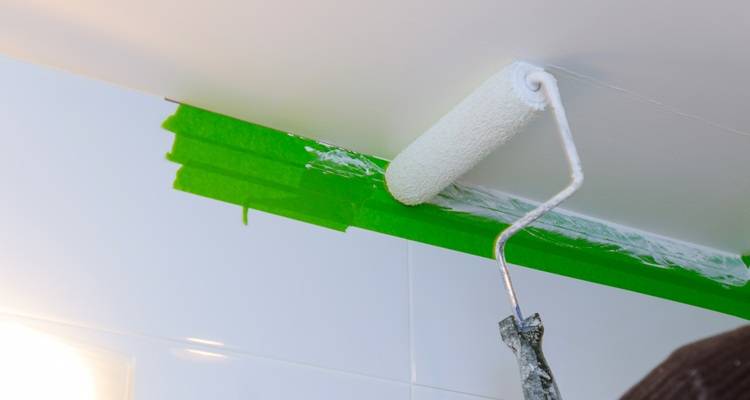
If you are looking for a full bathroom repaint, including the walls, ceiling, and possibly even cabinets or trims, this can reach up to £500 or possibly more, especially if mould removal or high-quality paint is required.
Painting a Bathroom Prices
So, how much does painting a bathroom cost?
Below is a table showing the average costs involved with painting a bathroom:
| TYPE OF JOB | ESTIMATED COST |
|---|---|
| Small bathroom (walls only) | £200 - £350 |
| Full bathroom repaint (walls + ceiling +maybe trim) | £250 - £500+ |
| Cost per square metre (including labour + materials) | £25 - £50 |
| Prep work (plaster / filler / sanding) | Additional cost for prep may vary depending on damage or moisture problems |
| Upgrading to moisture-resistant / anti-mould paint | +£4 - £10 per litre, depending on the quality and chosen brand |
Painting a Bathroom: Supply Costs
When you are redecorating your bathroom, there are a few supplies that you will need.
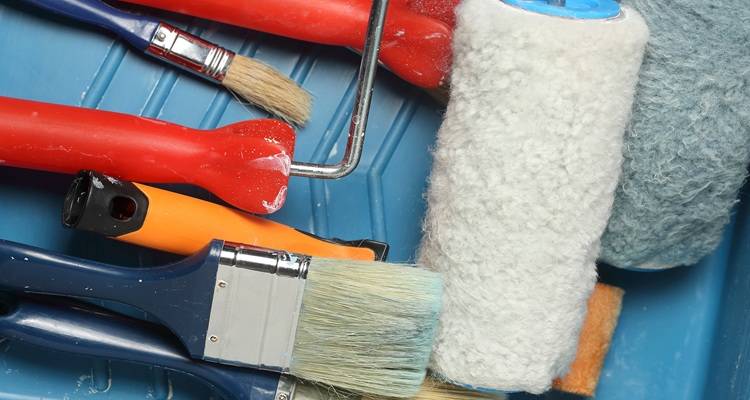
Below is a list of the potential supplies needed for the job, as well as the cost for each:
Moisture-resistant or anti-mould paint
These paints are formulated to withstand higher than normal levels of humidity, which makes them the best choice for the bathroom. These types of paints are usually more expensive than regular paints.
They can usually cost around £15-£45 per litre.
Primer / anti-condensation primer
This is a useful addition in the bathroom, where moisture levels tend to be higher. It’s especially important if your bathroom walls have mould, damp stains, or if they require good adhesion.
These products will usually cost around £10-£50 per litre, depending on the brand and quality.
Rollers, brushes, painters' tape
These are essential decorating tools needed to complete the job. The costs here can vary; however, you can expect to pay around £10-£30 for a set, depending on the quality.
Trade or pro-grade tools may cost more, but for a small bathroom DIY or trade job, you won’t need to overspend on bulk.
Prep tools
When it comes to preparing the surface for painting, you may need a number of additional tools and materials, such as sugar soap for cleaning, filler and sanding blocks or paper. Sugar soap will usually cost around £5-£10 per tub, depending on the brand.
Filler will usually cost around £3-£8 for a small tub. Sanding blocks or paper will usually cost around £2 - £5, depending on the grit and size.
Additional Costs
When coming up with your budget for the job, there are some additional costs that you may also need to think about.
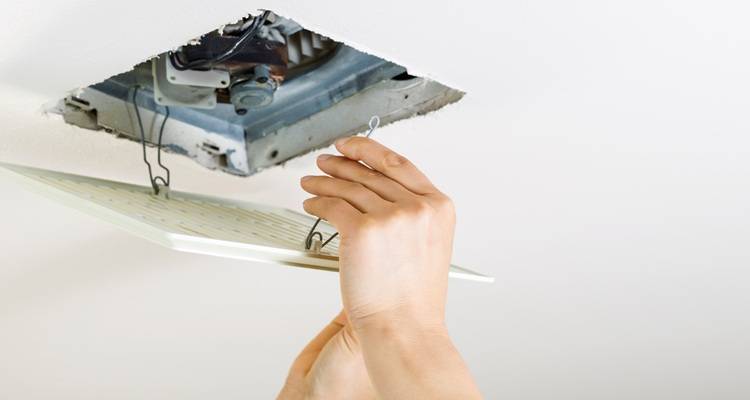
Take a look at the list below for some ideas on additional things that you may need to budget for with this type of work:
Painting the ceiling
Painting a bathroom ceiling is often more challenging. It can be awkward to access, may require ladders and could be subject to moisture. This type of work may also require more preparation and primer. The labour and materials for painting the ceiling could cost around £80-£200, depending on the ceiling height and condition.
Removing mould / mildew
If there is visible mould in the bathroom, this may need to be treated professionally before painting. This type of work could add around £100-£400 onto the job, depending on how big the problem is.
Painting tiles or bathroom furniture
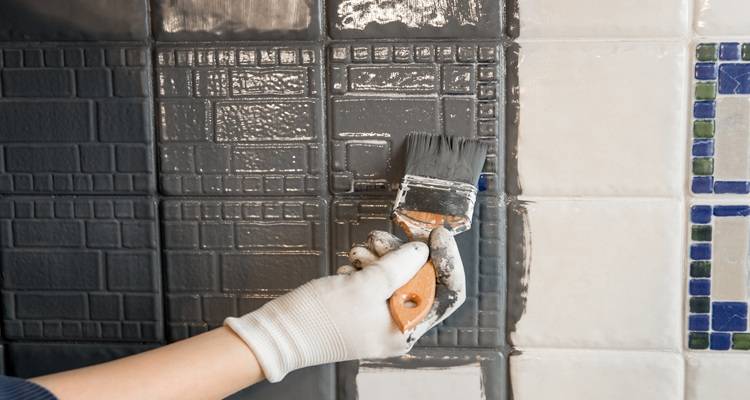
Decorating over existing tiles or bathroom cabinets requires more prep work and more labour time. It may also require specialist types of paint or primer. Painters may charge a premium for the additional prep work and specialist paints for this type of work.
Resealing around fixtures
After painting, you may need to reseal around your shower, bath, sink, or other fixtures to ensure water-tightness and prevent future mould. This could add around £50-£250 onto the cost of the job, depending on how much area needs to be resealed.
Ventilation improvements
Installing or upgrading an extractor fan can significantly improve the ventilation in the room, helping to reduce humidity and prevent mould. The typical cost for installing an extractor fan is around £150-£500.
Labour Costs and Timescales for Painting a Bathroom
If you are planning on purchasing the materials and supplies yourself before the job, you may be interested to learn how much it costs for the labour part of the job alone. The day rate for a painter and decorator, on average, is around £180-£400 or £30-£50 for an hourly rate.
Depending on the size of the room and the amount of prep work that is needed, you can usually expect a bathroom painting job to take around 1-2 days to complete. If your bathroom is particularly large or if there are substantial mould or damp problems, the timescales could increase.
Bathrooms are naturally a humid environment, so the drying times between coats may take longer than in other rooms in the home. This is one factor that could extend the length of the job a little bit.
Cost Factors for Painting a Bathroom
There are some things that can affect the overall cost of the job.
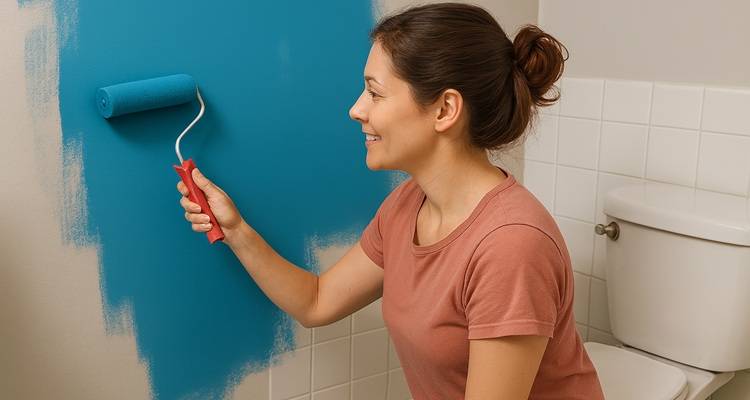
Below is a list of the main things that could affect how much you pay to paint your bathroom:
- Size of the bathroom – Larger bathrooms will require more paint and will take longer to complete.
- Height of the ceiling – Higher ceilings will add more time and risk to the job, resulting in more cost.
- Condition of the walls – Things like mould, peeling paint, or water damage can result in the need for extra prep work like cleaning, filing and sanding.
- Number of coats – More coats will require more paint and will take longer to complete.
- Type of paint and paint quality – Moisture-resistant or anti-mould paints are more expensive, but they are often worth it in the bathroom.
- Painting extra parts like woodwork or trim – Painting cabinets, doors, or skirting boards adds to the total cost.
Building Regulations Related to Painting a Bathroom
If you're planning on painting your bathroom, you may be wondering if there are any building regulations that you need to follow with this type of work.
Luckily, there are no specific building regulations involved with this type of work; however, you should always follow health and safety best practices.
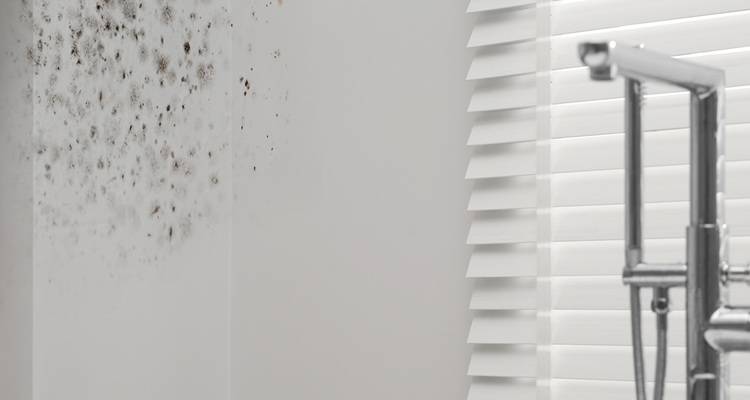
If you need to remove mould in the bathroom, this must be done safely. You’ll need to make sure the mould is treated properly to prevent it from coming back and becoming a hazard or ruining your new paint job.
When painting near to electrical features like lights and extractor fans, you must make sure to follow safe working practices.
In rented properties, landlords may require specific paints or brand types for moisture resistance. This is worth looking into before you go ahead with the job.
Types of Bathroom Painting Finishes
There are certain types of paint that work better in the bathroom than others.
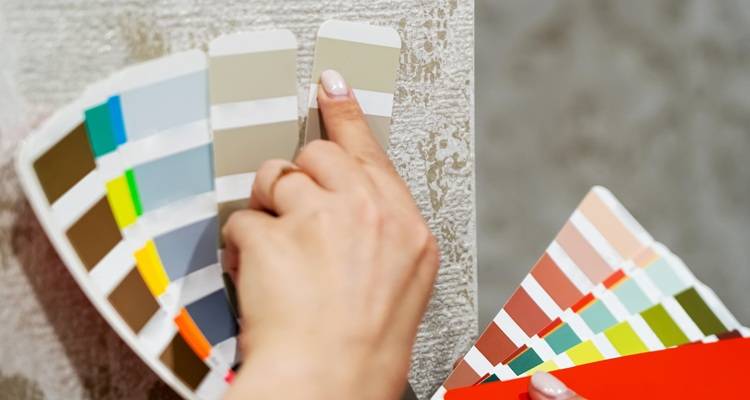
Below is a list of the best suitable paint finishes for a bathroom:
- Silk / satin – This type of paint can be easily wiped. It is slightly shiny and ideal for bathroom walls. It costs between £3 to £8 per litre.
- Eggshell – This is a very durable type of paint often used on woodwork and trim. Eggshell paint can cost anywhere from £9 to £30 per litre.
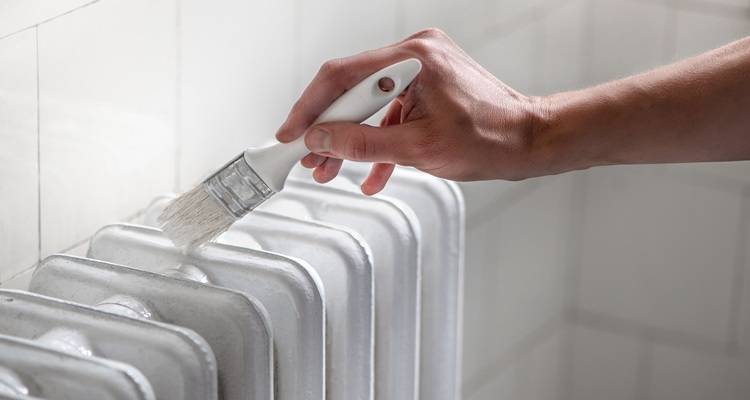
- Gloss – This type of paint is perfect for doors, cupboards, and radiators. Gloss paint starts from around £10 per litre to £30 per litre.
- Anti-mould / moisture-resistant paint – These types of paint are specially formulated to resist mould, mildew, and steam/moisture damage. This is the most expensive at £15 to £45 per litre.
- Matt – This type of paint is less common in bathroom areas, but some matt emulsions are now available with mould-resistant additives. Matt usually costs £4 to £9 per litre.
Alternative Types of Bathroom Finishing
If painting isn’t the best choice for you, there are some other types of bathroom finishes that may be a better option for you.
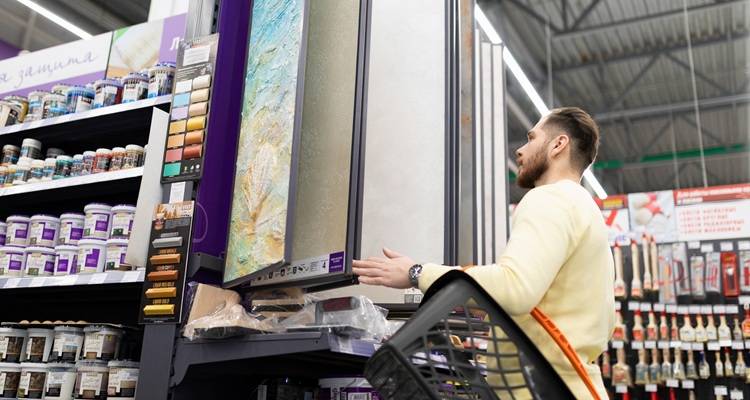
Take a look at the ideas below:
- PVC Cladding / wall panels – These are great options as they are durable and easy to maintain. However, they tend to be more expensive than paint.
- Tiling – This is a popular option for bathrooms. Tiles are durable and attractive. However, tiling costs significantly more than painting.
- Vinyl or moisture-resistant wallpaper – This type of wall covering can provide a decorative finish that can cope with the added moisture in a bathroom.
- Acrylic splashbacks / wall panels – This option is easy to clean and hygienic, but will cost more than a simple paint job.
Hiring Contractors Checklist for Painting a Bathroom
If you are hiring a contractor to come and paint your bathroom for you, there are some things that you should look out for. When getting quotes from potential painters and decorators, make sure you do the following:
- Ask for quotes with a breakdown of all of the costs (labour, prep work, materials) so you can see exactly what you are paying for.
- Confirm whether mould cleaning, priming and any other extras are included.
- Check that the decorator has experience with working in bathrooms or humid spaces.
- Clarify whether they will supply the paint and materials or if this is something that you will need to purchase separately.
- Ask for some before-and-after photos of previous jobs they've worked on.
- Confirm the drying times, ventilation and whether any additional sealant work is included.
- Look at reviews and testimonials online.
Removing Existing Paint or Mould in a Bathroom
Before painting, it’s important to properly prepare the walls. This may include removing some existing paint or getting rid of mould.
If you need to remove existing paint or mildew, use sugar soap or mould-killing products where necessary. Make sure the wall is properly cleaned, fill in any cracks or gaps and sand the surface down ready for painting.
After preparation, apply primer. An anti-condensation or stain-blocking primer is best in the bathroom. This will create a stable base for painting onto.
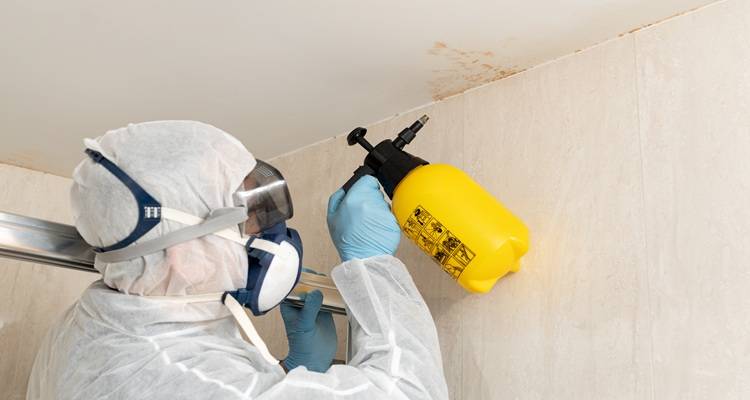
You will need to make sure the bathroom is properly ventilated during prep and painting. Ventilation is also important moving forward to prevent the build-up of moisture and to stop mould from coming back.
Safety is also important. Make sure to use protective equipment such as masks and gloves when dealing with mould or old paint.
Remember, good preparation is essential and will help to ensure the new finish adheres to the wall properly and lasts.
FAQs
Do I need special paint for bathrooms?
Yes, you will need to use special paints in the bathroom because of the humidity. It is best to use moisture-resistant or anti-mould paint, especially when painting bathroom walls or ceilings.
Can I paint bathroom tiles or cabinets?
Yes, you can paint bathroom tiles or cabinets. Many painters or decorators will be happy to do this. However, it often costs more and may require a specialist primer or paint.
How do I deal with mould before painting?
If you have mould present in your bathroom, you will need to make sure this is removed and treated properly before painting. Use a mould-killing cleaner and then sand or fill any damaged areas. Prime the surface and always make sure there is good ventilation.
You should wear protective clothing and gloves when dealing with mould. If the mould is quite prevalent, you may need to hire a professional to come and treat it to make sure the job is done thoroughly and to prevent it from coming back.
You should wear protective clothing and gloves when dealing with mould. If the mould is quite prevalent, you may need to hire a professional to come and treat it to make sure the job is done thoroughly and to prevent it from coming back.
How long does bathroom paint last?
With the proper prep work and the right type of paint, it can last for around 5 – 10 years. However, high humidity levels may require more frequent maintenance.
Is it cheaper to repaint than to re-tile?
Yes, repainting a bathroom is generally much cheaper than re-tiling. The price to replace tiles in a bathroom can cost hundreds to thousands, depending on the size of the bathroom and the type of tiles that you lay.