Builders
 Carpenters
 Electricians
 Flooring Specialists
 Gardeners
 Handymen
 Heating Engineers
 Painters & Decorators
 Plasterers & Renderers
 Plumbers
 Roofers
 Tilers
 my
myWhy Is My Laminate Flooring Lifting and How Can I Fix It?
When a laminate floor lifts, it means the planks of wood are lifting or moving up from the subfloor, and this usually occurs when the boards cannot expand freely, moisture is causing swelling, or the floor was installed on an unsuitable subfloor.
In general, the location and appearance of the damage can help identify the cause. And in the following guide, we’ll look at why laminate flooring lifts, whether it can be repaired and when replacement may be necessary. Let’s dive in!
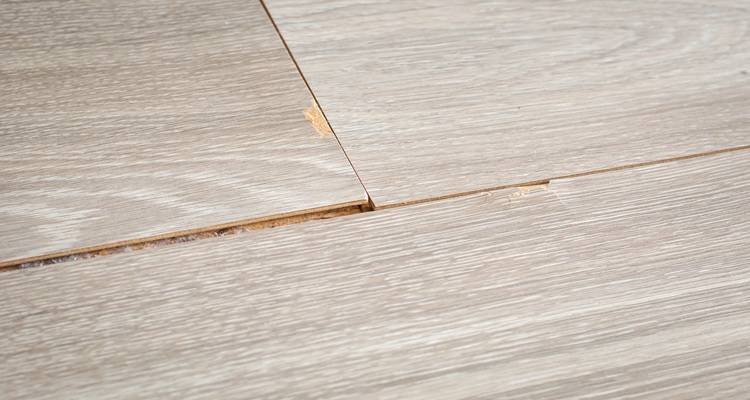
Table of Contents
- Why Is My Laminate Flooring Lifting?
- Common Causes of Lifting Laminate Flooring
- Why Is My Laminate Flooring Lifting at the Edges?
- Why Is My Laminate Flooring Lifting in the Middle?
- Why Does My Laminate Floor Feel Bouncy?
- How Can You Tell If Moisture Is Causing the Problem?
- Can Lifting Laminate Flooring Be Repaired?
- How to Fix Laminate Flooring That Is Lifting
- Can You Repair Lifting Laminate Flooring Without Removing It?
- Does Water-Damaged Laminate Need Replacing?
- Does the Whole Laminate Floor Need Replacing?
- How Much Does Laminate Floor Repair Cost?
- Preventing Laminate Flooring from Lifting
- FAQs
Why Is My Laminate Flooring Lifting?
Laminate flooring may lift for a range of reasons, including insufficient expansion gap, moisture or water damage, an uneven or damp subfloor and installation mistakes. Beyond that, failure to acclimatise the boards, heavy fixed furniture restricting movement and damaged locking joints may also lead to this issue.
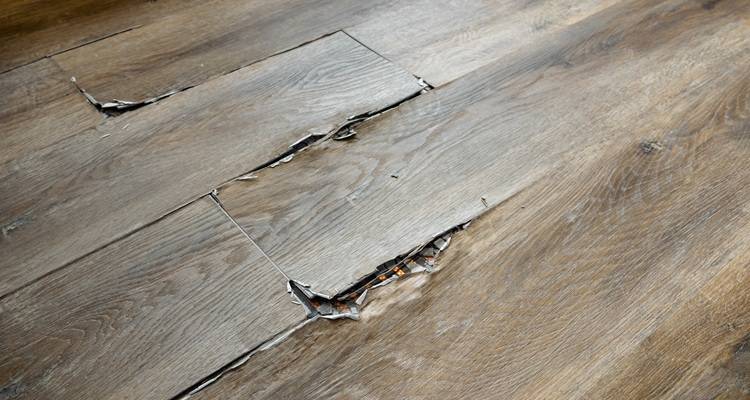
Laminate is generally installed as a floating floor, so the boards need room to expand and contract as room temperature and humidity change. Where movement is restricted, the boards may push against each other and rise.
Common Causes of Lifting Laminate Flooring
The most common causes include restricted expansion, moisture damage, subfloor problems and installation errors.
Insufficient Expansion Gaps
A small gap is required around walls, door frames, pipes, kitchen units and other fixed objects to help prevent a laminate floor from lifting.
More specifically, insufficient expansion gaps can turn up where boards have been fitted too tightly against walls, skirting or beading is restricting movement, gaps are blocked by filler or sealant, or the flooring is running through several rooms without suitable movement breaks.
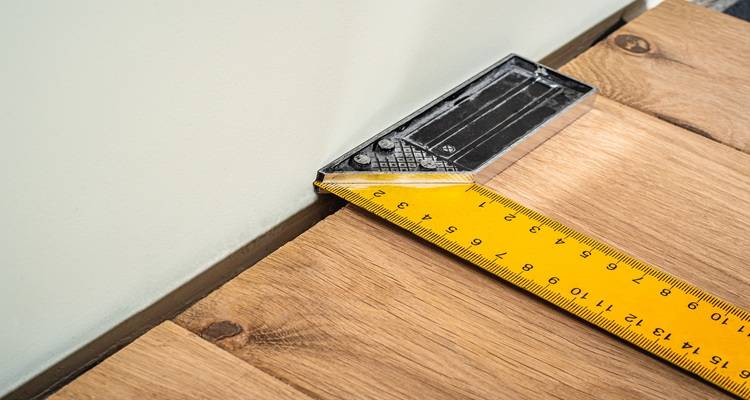
The required gap varies by product, room size and manufacturer instructions. A flooring installer can check and restore the required expansion gaps.
Moisture and Water Damage
Another issue to consider is moisture and water damage. This can be the result of high humidity, plumbing leaks, appliance leaks or even just spills left on the floor. However, moisture and water damage can also arise from damp subfloors, moisture entering around doors and excessive wet cleaning.
Laminate boards commonly contain a fibreboard core that swells when water enters the joints or exposed edges. Significantly swollen boards do not return to their original shape after drying.
If a leak is responsible, arrange for it to be repaired and the subfloor to dry before replacing damaged boards.
Uneven or Poorly Prepared Subfloor
Furthermore, bumps, dips, debris or movement beneath the floor can leave boards unsupported. Signs that a subfloor is uneven or was poorly prepared include bouncing or flexing, clicking noises, joints separating, localised lifting and boards cracking around the locking edges.
The subfloor must be corrected before damaged boards are replaced.
Failure to Acclimatise the Flooring
Laminate flooring should normally be stored in the installation room for a period of time as stated by the manufacturer prior to laying them down. The acclimation period recommended is usually around 48 to 72 hours, depending again on the manufacturer.
Installing boards before the adjustment to the room’s temperature and humidity may lead to expansion, contraction, gaps or lifting. Affected boards may need relaying or replacing once the installation conditions have been corrected. Allow replacement boards to acclimatise as instructed by the manufacturer.
Poor Installation
Another issue can be poor installation. This can result from incorrectly connected locking joints, damaged board edges, flooring that is forced into position, incorrect underlay or no movement breaks in large areas. Beyond that, issues can arise where boards are installed beneath fixed cabinets or kitchen islands or skirting, or thresholds are fitted too tightly.
Not every lifting floor is the result of poor installation, so identify the cause before arranging repairs.
Heavy Furniture or Fixed Objects
Floating laminate must be able to move as one surface, while heavy furniture or fixed objects may prevent this, leading to a floor lifting.
Heavy fitted units, kitchen islands, wardrobes or objects fixed through the floor may trap sections and prevent normal expansion. The restriction must be removed as part of any repair.
Take care when moving heavy objects and arrange help where needed.
Temperature and Humidity Changes
Seasonal changes can also cause laminate to expand and contract with temperature and humidity changes, potentially leading to issues.
Rooms with large temperature swings, poor ventilation or persistent humidity may experience repeated problems.
Check ventilation and indoor humidity before repairing affected flooring.
Maintaining stable indoor conditions can help reduce repeated movement.
Damaged Locking Joints
Last but not least, worn, broken or incorrectly connected joints can cause boards to lift or separate.
Damage may result from poor installation, repeated movement, an uneven subfloor, removing and relaying boards or heavy impacts. Damaged joints may require replacement boards.
Why Is My Laminate Flooring Lifting at the Edges?
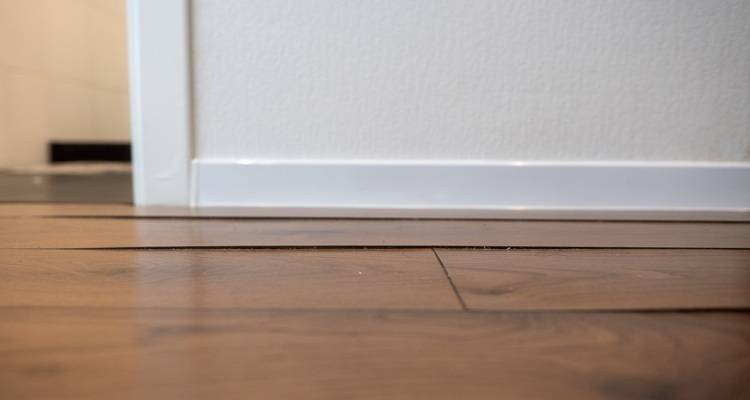
Likely causes of this can include water entering exposed board edges, insufficient expansion space near walls, skirting or beading trapping the floor, damaged lock joints and poorly sealed areas near external doors.
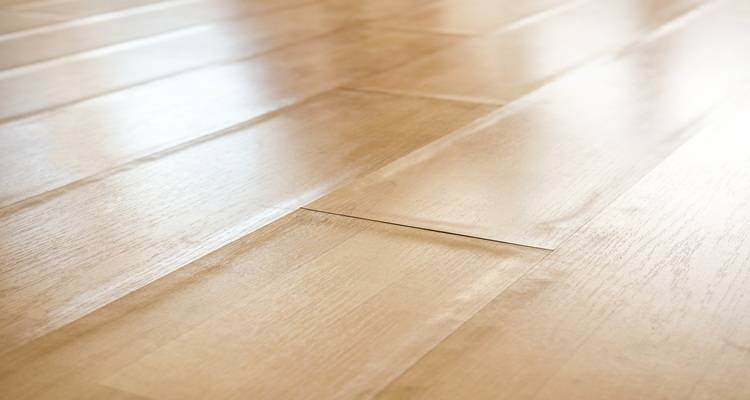
What’s more, raised or swollen edges often suggest moisture, particularly where the board surface has changed shape.
Why Is My Laminate Flooring Lifting in the Middle?
Lifting in the centre of a room can have different causes from raised board edges.
Common scenarios where a laminate floor is lifting in the middle include boards expanding with nowhere to move, flooring being trapped around the room edges, uneven subfloors, missing movement breaks across a large area and moisture beneath the flooring.
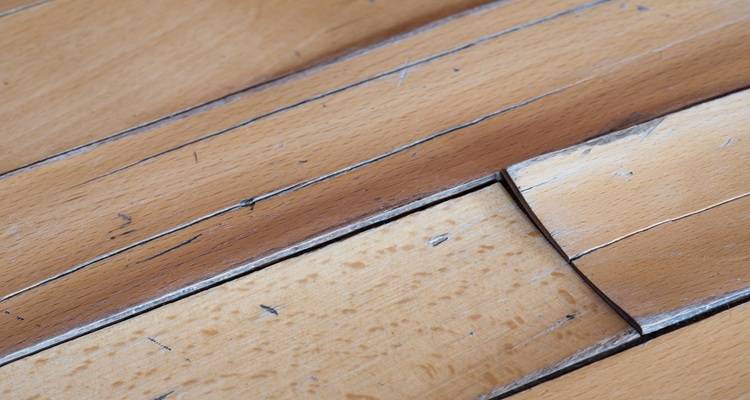
Lifting in the middle is often described as buckling or peaking. If your laminate flooring is lifting, you can find a local flooring installer using MyJobQuote!
Why Does My Laminate Floor Feel Bouncy?
A bouncy or springy laminate floor may be the result of low points in the subfloor, incorrect or overly thick underlay or loose locking joints. Other causes may include insufficient support, localised moisture damage and boards installed over an unsuitable surface.
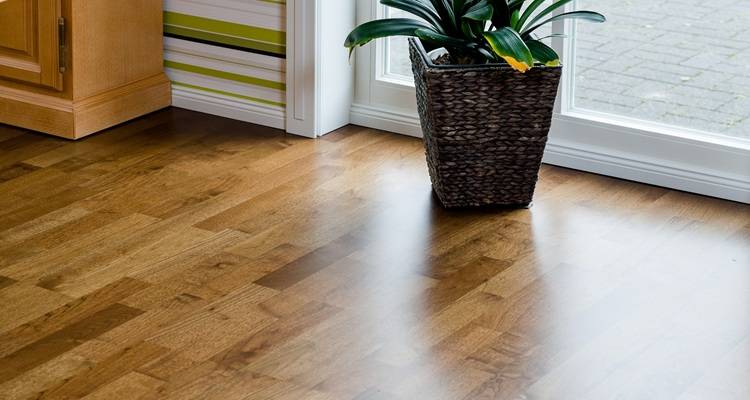
It’s worth mentioning that slight movement in a floating floor can be normal; however, noticeable flexing or clicking should be investigated.
How Can You Tell If Moisture Is Causing the Problem?
When you have any reason to suspect moisture may be the cause, signs to look out for include the following:
- Swollen board edges.
- Bubbling or raised surfaces.
- Discolouration.
- A musty smell.
- Damp underlay.
- Damage close to sinks, appliances or external doors.
- Boards that remain distorted after the room dries.
You should have nearby plumbing and appliances suitably and safely checked before repairing the floor.
Where moisture may be rising from below, the subfloor should be tested rather than relying only on the visible condition of the laminate.
Can Lifting Laminate Flooring Be Repaired?
Lifting laminate flooring can sometimes be repaired, depending on the cause and the condition of the boards.
Common repairs include creating or restoring expansion space, removing restrictions around the floor perimeter and correcting a localised subfloor defect. Beyond that, you may need to hire a contractor for relaying boards with intact locking points, replacing individual damaged boards and replacing underlay where required.
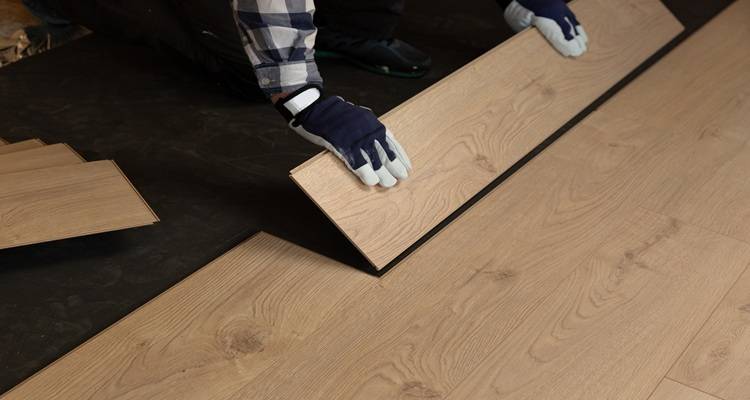
Swollen, delaminated or permanently distorted boards usually need replacing rather than filling or flattening.
You can find a local flooring installer to address laminate flooring lifting using the MyJobQuote tool, before comparing quotes of three local contractors to decide who is right for the job!
How to Fix Laminate Flooring That Is Lifting
Whether or not fixing laminate flooring is DIY-friendly or requires a contractor will depend on a range of factors. Some repairs are suitable for DIY, while others require a flooring installer.
For a repair that is suitable to carry out safely, the main steps are:
- Identify whether the cause is moisture, restricted movement or the subfloor.
- Stop any leak and allow the area to dry.
- Remove skirting, beading or thresholds where access is needed.
- Check the expansion space around the perimeter.
- Lift the boards carefully from the nearest accessible edge.
- Replace damaged boards and repair the subfloor where necessary.
- Relay the flooring according to the manufacturer’s instructions.
- Refit trims without trapping the floating floor.
Please note that the cause must be corrected before the boards are relaid.
Can You Repair Lifting Laminate Flooring Without Removing It?
Minor pressure caused by insufficient expansion space may sometimes be resolved by releasing the restricted edge.
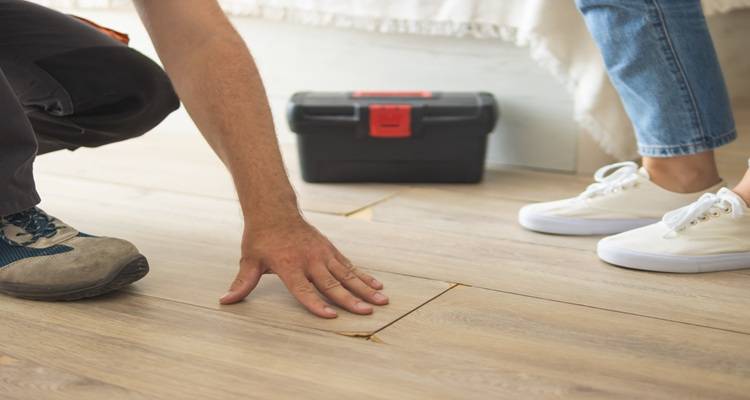
However, boards usually need lifting in many other scenarios. These include where water has reached the underlay or subfloor, boards are swollen, locking joints are damaged, the subfloor is uneven, or boards in the middle require replacement.
Does Water-Damaged Laminate Need Replacing?
Lightly affected boards may be reusable if they dry fully and retain their shape and joint strength.
Replacement is more likely where boards are swollen, warped, bubbling, soft at the edges, delaminating, or no longer locking together.
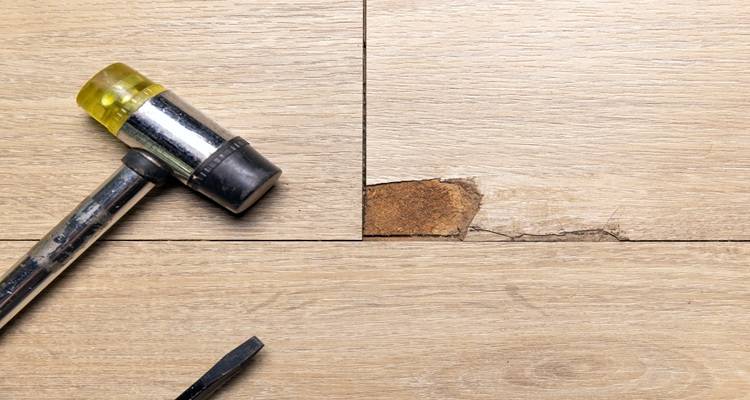
The source of the water and any damp in the subfloor must be addressed before replacement flooring is installed.
Can You Fix Lifting Laminate Flooring Yourself?
Some minor repairs may be suitable for DIY, but larger or more complex problems need a flooring installer.
DIY repairs may be suitable if the cause is an obvious restricted expansion gap, only a few accessible boards are affected, or there is no ongoing damp. In addition, where the boards can be removed without damaging surrounding flooring or the subfloor is otherwise sound, a DIY approach may be sufficient.
On the other hand, contractor help is recommended where a large section is lifting, the floor runs continuously through several rooms, moisture is coming to the subfloor or kitchen units or fitted furniture restricts the floor. You should also hire a contractor where the subfloor needs levelling, matching replacement boards are difficult to source, or the original cause is unclear.
Does the Whole Laminate Floor Need Replacing?
The good news is that localised damage may only require individual board replacement. If unsure, however, verify with a contractor contractor what is needed.
That said, full replacement may be more practical where water damage is widespread, several areas are buckling, most locking joints are damaged, or the subfloor requires major repairs.
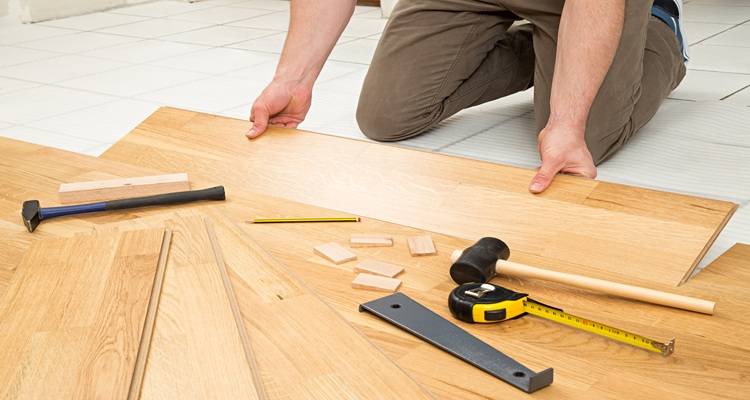
Full replacement may also be needed if matching boards are unavailable, installation problems affect the entire floor or previous repairs have failed.
How Much Does Laminate Floor Repair Cost?
Common costs for laminate floor repair work when hiring a contractor:
| Job Description | Average Cost |
|---|---|
| Replacing Individual Boards | £30 to £100 |
| Relaying a Section of Flooring | £100 to £400 |
| Removing and Replacing Laminate | £800 to £1,100 |
| Subfloor Levelling | £300 to £600 |
| Replacing Underlay | £100 to £300 |
| Repairing Water-Damaged Areas | £100 to £400 |
| Refitting Skirting or Beading | £200 to £400 |
These prices include labour and materials. However, removal and waste disposal are often not included, meaning this will cost more or need to be dealt with DIY or with another contractor depending on what is offered. VAT is often included.
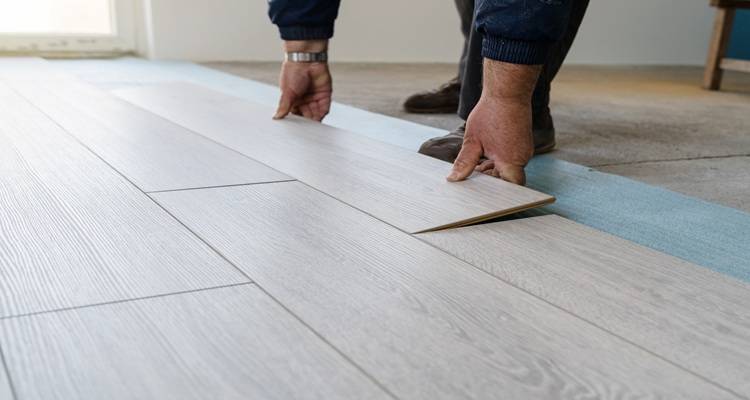
Laminate flooring costs will depend on the size of the flooring area being repaired, local regional labour rates and other key factors.
Preventing Laminate Flooring from Lifting
There are many key steps you can take from the beginning or after laminate flooring and the source of lifting is addressed to prevent the issue recurring.
Key steps include following the manufacturer’s expansion-gap instructions, allowing boards to acclimatise, preparing and levelling the subfloor, using suitable underlay and moisture protection and cleaning spills quickly.
Other common considerations are avoiding excessive water when cleaning, repairing plumbing and appliance leaks promptly, avoiding fixing heavy units through a floating floor and maintaining stable room temperature and humidity.