Builders
 Carpenters
 Electricians
 Flooring Specialists
 Gardeners
 Handymen
 Heating Engineers
 Painters & Decorators
 Plasterers & Renderers
 Plumbers
 Roofers
 Tilers
 my
What Causes Hairline Cracks in Plaster and Should You Worry?
Hairline cracks are very fine cracks that can often appear as plaster dries or when a building experiences minor movement or/and seasonal changes. They can also relate to limited skim shrinkage.
The majority of hairline cracks are cosmetic; however, factors like their width, position, direction and whether they are growing can point to whether further investigation is required. Hairline cracks tend to be associated with drying, shrinkage and minor settlement rather than serious structural failure, but it depends on the specifics of the situation.
In this guide, we’ll look at common causes of hairline cracks in plaster, the warning signs to look out for and repair options. Let’s dive in!

Table of Contents
- What is a Hairline Crack in Plaster?
- What Causes Hairline Cracks in Plaster?
- Why Is My New Plaster Cracking?
- Why Do Hairline Cracks Appear After Painting?
- Are Hairline Cracks in Plaster Normal?
- When Should You Worry About Plaster Cracks?
- How to Monitor a Hairline Crack
- How Do You Fix Hairline Cracks in Plaster?
- Can You Paint Over Hairline Cracks?
- Can You Repair Hairline Cracks Yourself?
- How Much Does Plaster Crack Repair Cost?
- FAQs
What is a Hairline Crack in Plaster?
A plaster hairline crack is a very thin crack, generally under 1mm in size, that, as its name suggests, has a similar appearance to a thin strand of hair. The crack pattern and surrounding symptoms also matter, along with the size of the crack, as we’ll explore further in a bit.
Hairline cracks in plaster can often turn up as fine diagonal or vertical lines. They may even come with a spiderweb-type appearance on the plastering.
Hairline plaster cracks usually affect the surface or finishing layer, although their cause depends on the crack pattern and any accompanying symptoms.

A hairline crack in plaster differs from a wider, deeper or visibly moving crack, particularly when it is widening or accompanied by other warning signs. Cracks around 3mm or wider warrant closer assessment, and cracks around 5mm or wider should be assessed promptly. Width alone does not establish whether a crack is structural.
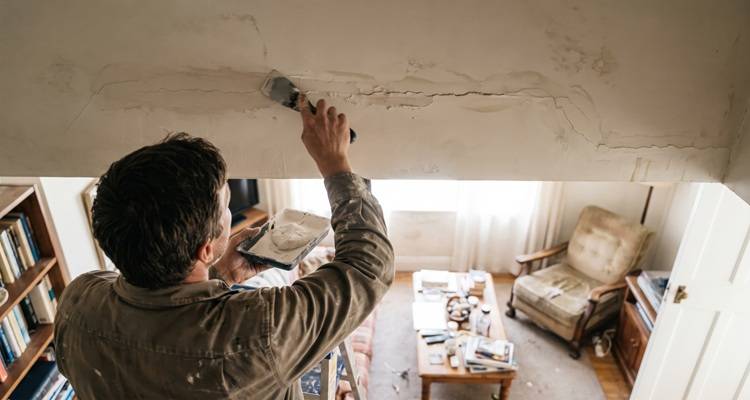
Hairline cracks can appear on walls, ceilings, around openings or where different materials meet. Also, hairline cracks in plastered ceilings can be more concerning than wall cracks, as it might mean the mechanical bond between the plaster and its joists or laths has been lost, not to mention the gravitational effects that can create more challenging issues for ceiling hairline cracks versus wall cracks.
While the size of the crack is important, position, direction and whether the crack is growing also matter, as these issues may signify that further investigation is needed!
What Causes Hairline Cracks in Plaster?
Various causes can lead to hairline cracks in plaster, from plaster drying and shrinkage to temperature and humidity changes to damp and water damage.
Plaster Drying and Shrinkage
As plaster dries, shrinkage can occur due to moisture leaving the plaster, leading to a very fine crack appearing in the newly installed plaster.
With plasterboard, on the other hand, if it is not completely dry when fitted, moisture can also leave the material, resulting in shrinkage and possible cracking. Notably, in general, shrinkage cracks are especially common in new plaster and are often cosmetic.
More specifically, plaster that dries too fast can lead to a particularly rapid version of moisture loss-related cracking, in contrast to the more gradual moisture loss of other scenarios.
Another potential cause of plaster hairline cracks is where rooms are heated aggressively after plastering.
Other causes can include poor ventilation or uneven drying, leading to cracking by trapping moisture and slowing the drying process. When skimming, fine cracks can appear after this too. If a surface dries unevenly, this can lead to a fine network of hairline cracks found along the entire surface.
Plaster drying and shrinkage lead to cracks often appearing where the wall and ceiling meet or located at door and window corners.
Plaster drying and shrinkage is usually a one-off cause of hairline cracks since the issue relates to the initial application. However, applying new plaster later can make the risk recurring.
Normal Settlement
Small amounts of movement are possible for a range of reasons that can lead to fine hairline cracks. For example, normal settlement can result in this in new-build homes or after extensions or renovations.
For new-build properties, natural settling can occur alongside the loss of moisture and/or heat expansion, resulting in hairline cracks. Normal settlement can also follow extensions or renovations, with new structures being established.
Various building materials absorb and release moisture (such as through changes in humidity), including timber, and this can cause fine hairline cracks to appear.
Another potential cause can come from settlement that occurs around newly formed openings (e.g. doors, windows or open-plan living openings).
It’s important to keep in mind that minor settlement is different from ongoing structural movement. For example, heave can occur due to the ground beneath a structure experiencing upward movement, which can be a form of continuous structural movement and will need prompt addressing.
Subsidence, on the other hand, is the downward movement of the ground under a property. Notably, you should not try to diagnose subsidence from a single crack, though if you have any concerns about structural issues in general, a structural engineer should be hired.
Normal settlement often leads to hairline cracks that appear as diagonal cracks found at the corners of windows or doors or along the joints of plasterboard.
Notably, if filling such cracks does not prevent the hairline crack(s) from re-appearing, it will need to be properly evaluated prior to decorating. Also, since normal settlement can continue over time, hairline cracks can recur in general when this is a cause.
Temperature and Humidity Changes
Changes in temperature and humidity can result in the expansion and contraction of plaster and surrounding materials, which can result in fine hairline cracks. Cracks may reopen seasonally, particularly around joints and different materials.
Movement Between Different Materials
What’s more, hairline cracks often appear where plaster meets plasterboard joints, timber, masonry, door and window frames, ceilings and walls and extensions and the original property. Scrim tape, mesh or a flexible repair may be needed where recurring movement is expected. Since movement between different materials can occur over time, this can be a cause of recurring hairline cracks.
Poor Plaster Preparation or Application
If plaster is prepared or applied poorly, it can lead to hairline cracks too. For example, poor surface preparation might cause the plaster to fail to grip the wall, leading to cracking; with plaster applied too thickly, issues like shrinkage can result in hairline cracks.
Beyond that, inadequate bonding can result in moisture issues, while incorrectly treated plasterboard joints are another issue to watch out for, and movement can occur due to missing or poorly fitted scrim tape.
Lastly, weak backgrounds can be a problem if the substrate behind the plaster undergoes movement, while if skimming over unstable existing plaster causes harm, this too can be an issue.
Unless the poorly prepared or applied plaster is fully repaired, it can lead to a recurring issue with hairline cracks over time, so this is important to consider.
Damp and Water Damage
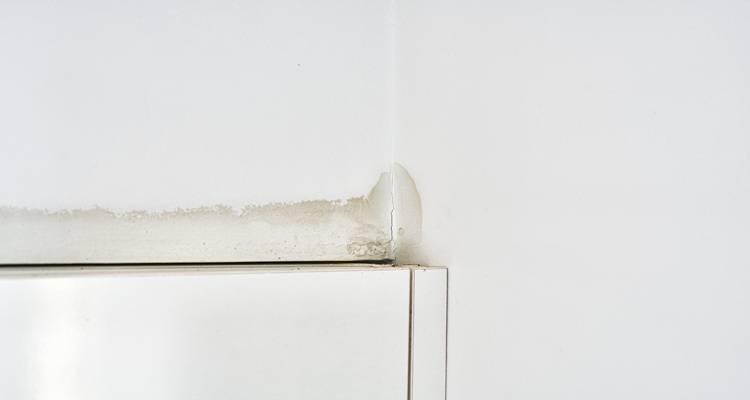
When damp and water damage is present, cracking can occur alongside staining, bubbling paint, flaking finishes, crumbling plaster, mould and/or salt deposits.
Of course, for damp and water damage, the moisture source must be resolved before repairing the crack. Otherwise, the problem cannot be properly solved, and hairline cracks will likely return.
Loose or Blown Plaster
A hairline crack may also appear around an area where plaster has lost its bond. Signs of this can include a hollow sound when tapped, movement when pressed, and bulging and crumbling edges. A proper repair is needed here to prevent hairline cracks coming back due to loose or blown plaster.
Structural Movement
Hairline cracks alone are rarely enough to diagnose structural movement. Warning signs of structural movement may include cracks becoming wider, diagonal or stepped cracks, cracks around doors and windows, and the same crack appearing internally and externally. Other things to look out for are sticking doors or windows, sloping floors and gaps opening between walls, ceilings or skirting boards!
If these warning signs appear, arrange an assessment by a structural engineer. Repairs to the plaster alone will not resolve ongoing movement.
Why Is My New Plaster Cracking?
New plaster often develops fine cracks as it dries. The likely cause and whether the cracks are changing should be considered before repairs begin.
Fine cracks in recently plastered walls are often linked to normal drying shrinkage, the plaster drying too fast, excessive heating, movement in the background, poorly treated plasterboard joints and new plaster being applied over an unstable surface.

It is best to allow the plaster to fully dry and monitor the crack before repeatedly filling and repainting it. Widespread cracking, hollow areas or cracks that continue to grow should be assessed by a plasterer promptly.
These cracks are usually cosmetic but, as we’ll discuss in ‘When Should You Worry About Plaster Cracks?’ below, there are quite a few exceptions.
Why Do Hairline Cracks Appear After Painting?
Painting can make cracks more likely to arise or even just more visible. One way this can occur is where paint dries before the plaster is ready. Beyond that, thick or unsuitable paint layers can cause hairline cracks, as can movement beneath the decorative coating.

If paint is bridging over an unprepared crack, this too can cause problems, and painting may also result in a previously cracked area reopening. Overall, painting over a crack without preparing it is unlikely to stop it from returning.
Are Hairline Cracks in Plaster Normal?
Isolated, stable hairline cracks caused by drying or minor settlement are common and usually cosmetic.
However, they are more concerning when they widen over time, several cracks appear suddenly, they repeatedly return after repair, there is visible movement, damp is present, the plaster sounds hollow, the crack is accompanied by external masonry cracking or doors or windows begin sticking.
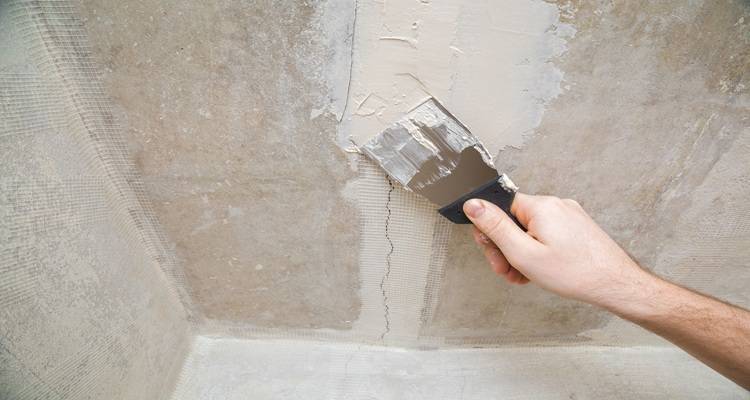
Photographing the crack and recording any changes can help establish whether it remains stable.
When Should You Worry About Plaster Cracks?
Advice from a suitable tradesperson will be needed in certain situations. Concern is warranted where there are wide or widening cracks, diagonal, horizontal or stepped patterns, cracks extending through masonry, cracks around several doors or windows or bulging walls or ceilings.

Other scenarios that can signify more serious issues include falling or loose plaster, recurring damp, recent structural alterations or suspected subsidence. Subsidence is again where the ground below a property begins to move downward.
A widening crack or one accompanied by other warning signs should be assessed, regardless of whether it is wider than a coin. However, crack direction, movement and associated changes (e.g. damp or visible movement) ought to be considered too.
How to Monitor a Hairline Crack
For monitoring a hairline crack, you should begin by photographing it clearly and recording the date. Beyond that, you’ll want to mark the ends lightly with a pencil to track its growth and measure the widest point where practical.
Monitoring should also include checking the hairline crack periodically and noting whether it changes with the seasons. You should also look for related cracks outside or in nearby rooms.
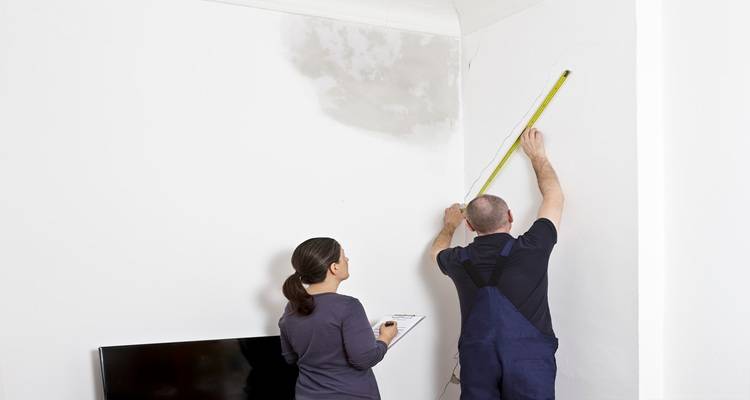
For minor, apparently cosmetic cracks, changes over time can be more informative than a single inspection. Do not rely on monitoring alone if the crack is widening, the plaster is loose or other warning signs appear.
How Do You Fix Hairline Cracks in Plaster?
If the hairline crack is deemed to be only cosmetic, with no reasons to suggest there’s a deeper problem, this is the section for you to consider the stages needed to fix a hairline crack.
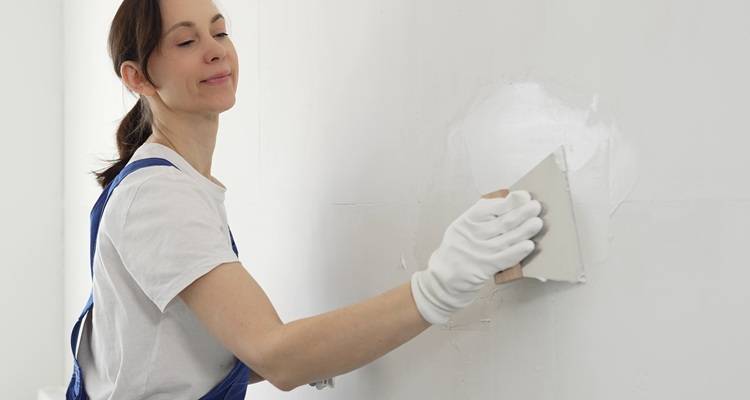
Here are the primary steps involved in fixing a hairline crack in plaster:
- Check that the crack is stable and the surrounding plaster is firm.
- Remove loose paint, filler and crumbling material.
- Open the crack slightly where needed, so the filler can bond.
- Clean away dust.
- Use a suitable filler for the crack and level of movement.
- Allow it to dry fully.
- Sand and apply a fine finishing filler where necessary.
- Prime and repaint the repaired area.
Please note that repeatedly applying surface filler without preparing the crack may allow it to reappear. Moreover, some repair methods require a flexible filler beneath a fine surface filler where movement is expected.
Can You Paint Over Hairline Cracks?
On the one hand, very fine and stable cracks may sometimes be covered temporarily, but painting alone does not repair them.
Painting new plaster is a step-by-step process that can often be done DIY where the hairline cracks are determined to be just cosmetic.
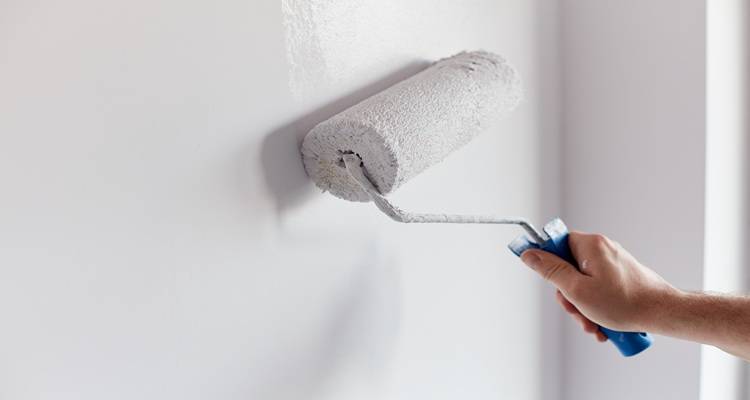
Visible or recurring cracks, however, should be prepared and filled first. Painting straight over the crack may leave a visible line or allow it to reopen through the new finish.
Can You Repair Hairline Cracks Yourself?
A DIY repair may be suitable where the crack is fine and stable, the surrounding plaster is solid, there is a lack of damp, there are no structural warning signs and/or the repair is in an accessible area.
On the other hand, a plasterer or other suitable tradesperson is required where cracks continue returning, larger areas are affected, the plaster is hollow or loose, or ceiling plaster is bulging. Help is also needed where damp is present, structural movement is suspected or a seamless finish is required across a large wall.
You can find a local plasterer using the MyJobQuote online tool. By entering your postcode and job details, you can secure quotes from local contractors before deciding who to hire.
How Much Does Plaster Crack Repair Cost?
Common costs for plaster crack repairs in the UK when carried out by a plasterer:
| Job Description | Average Cost |
|---|---|
| Minor Crack Filling | £100-£300 |
| Local Plaster Repairs | £50-£200 |
| Skimming One Wall | £120-£200 |
| Replastering Damaged Sections | £300-£600 |
| Ceiling Crack Repairs | £200-£300 |
| Structural Inspection Where Required | £200-£400 |
Plastering costs in general vary by region, but you can’t put a price on ensuring your walls and ceilings are in good shape, especially where structural concerns may exist.
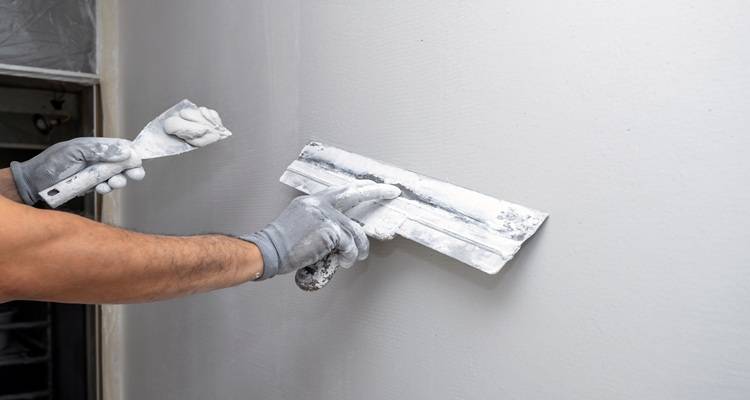
These prices include materials and labour, and VAT may apply. Decoration costs apply where needed (e.g. skimming a wall).
Please note that while a plasterer can be hired for most of the above jobs, a structural engineer would be required for a structural inspection.