Builders
 Carpenters
 Electricians
 Flooring Specialists
 Gardeners
 Handymen
 Heating Engineers
 Painters & Decorators
 Plasterers & Renderers
 Plumbers
 Roofers
 Tilers
 my
Shower Pump Installation Cost
At a Glance
- Average cost: Supplying and fitting a shower pump typically costs around £300-£650, with more complicated installations costing £800 or more
- Replacement: Replacing an existing shower pump typically costs around £250-£600, including the new pump and labour
- Timescale: A like-for-like replacement takes around 1-2 hours, while a straightforward new installation may take 2-4 hours
- Shower pump supply, labour and installation costs by pump type and pressure
- Whether you can fit a shower pump to a combi boiler or mains water
- Running costs, regulations and what a quote should include
Get free estimates
Are you a trade? Get more work today!
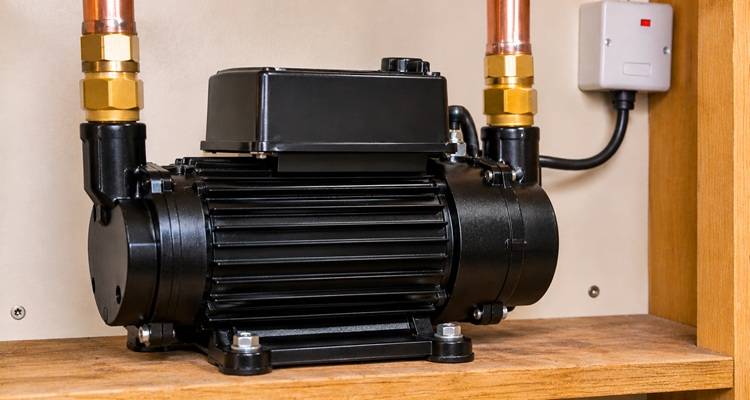
The average shower pump installation cost in the UK is around £300-£650, which includes the pump and installation. More complicated jobs can cost £800 or more. A simple replacement that uses the existing pipework and electrics is likely to cost less, whereas a new installation involving pipework changes or electrical work will increase the price.
There are a lot of factors that impact shower installation costs, including the type and pressure of the pump, whether you need a positive or negative head system, and whether a single or twin impeller is required.
The location of the pump also makes a difference, and electrical work can add to the cost even more.
Don't forget, before you choose a pump, you need to think about the plumbing and heating system you have, as a shower pump isn't suitable for every type.
£475
Table of Contents
- How Much Does Shower Pump Installation Cost?
- Shower Pump Supply Costs
- Shower Pump Installation Labour Costs
- Shower Pump Costs by Pressure
- Positive Head Shower Pump Cost
- Negative Head Shower Pump Cost
- Single vs Twin Impeller Shower Pump Costs
- Shower Pump Replacement Cost
- What Affects Shower Pump Installation Costs?
- Additional Shower Pump Installation Costs
- What Type of Shower Pump Do I Need?
- Can You Fit a Shower Pump to a Combi Boiler?
- Can You Fit a Shower Pump to Mains Water?
- Where Is a Shower Pump Installed?
- How Long Does It Take to Install a Shower Pump?
- How Much Does a Shower Pump Cost to Run?
- How Long Does a Shower Pump Last?
- Signs a Shower Pump May Need Replacing
- Shower Pump Repair vs Replacement
- Are Shower Pumps Noisy?
- Can I Install a Shower Pump Myself?
- Shower Pump Installation Regulations
- Is a Shower Pump Worth the Cost?
- What Does a Shower Pump Installation Quote Include?
- Shower Pump Installation FAQs
How Much Does Shower Pump Installation Cost?
A straightforward shower pump supply and installation typically costs around £300-£650. However, more complicated installations can cost up to £800 or more, particularly where additional plumbing or electrical work is required.
The table below provides a breakdown of typical shower pump installation costs in the UK.
| Shower Pump Job | Typical Cost |
|---|---|
| Shower pump supply only | £110-£800 |
| Basic shower pump installation (labour only) | £200-£350 |
| Supply and fit shower pump | £300-£650 |
| Positive head pump installation | £200-£550 |
| Negative head pump installation | £400-£800 |
| Twin impeller pump installation | £300-£700 |
| Shower pump replacement | £250-£600 |
| Plumber labour | £40-£60 per hour |
Want a custom price?
Post your job
These are estimated costs, and the final price will depend on the pump you choose and the amount of work required. Higher-pressure or twin impeller pumps at the top of the price range can push the total above the typical supply and fit cost.
Shower Pump Supply Costs
The cost of buying a shower pump depends on its type, pressure rating and whether you need a single or twin impeller model.
| Shower Pump Type | Supply Cost |
|---|---|
| Entry-level shower pump | £110-£160 |
| 1.5 bar pump | £140-£500 |
| 2.0 bar pump | £170-£500 |
| 3.0 bar pump | £250-£640 |
| Positive head pump | £110-£300 |
| Negative head/universal pump | £150-£250 |
| Single impeller pump | £120-£350 |
| Twin impeller pump | £140-£800 |
Want a custom price?
Post your job
Of course, higher pressure isn't automatically better. The pump you choose needs to be suitable for the shower, plumbing system and manufacturer's requirements. Otherwise, you might find yourself with poor pump performance.
Shower Pump Installation Labour Costs
A plumber will likely charge around £40-£60 per hour for shower pump installation, though rates can be higher in London and the South East. Some charge a daily rate, which can be around £350.
For a shower pump, you might receive a fixed installation price covering the labour and cost of the pump itself. This can make it easier to compare quotes, especially if the job is relatively straightforward.
A plumber is likely to charge more if additional pipework is needed, the pump has to be moved, or access to the installation area is awkward.
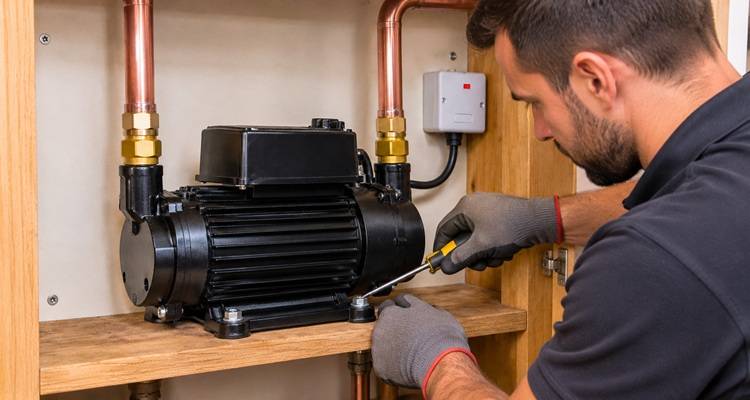
There might also be a charge for removing an old shower pump. Replacing an existing pump with something similar tends to be cheaper than installing a pump somewhere new.
Electrical work is another cost that you might have to add to your shower pump fitting cost. If a new electrical supply or changes to existing wiring are needed, an electrician may need to carry out that part of the work.
The average daily cost of an electrician is around £250-£375.
Shower Pump Costs by Pressure
Shower pumps are commonly sold in ratings such as 1.5, 2 and 3 bar. The bar rating describes the pressure the pump can provide, but it's not a case of simply choosing the highest number for a more powerful shower.
The correct rating depends on the shower, the number of outlets being supplied, the available water supply and your plumbing system.
1.5 Bar Shower Pump
A 1.5 bar shower pump is at the lower end of the pressure ratings, and it's often suitable for a single shower where the required flow can be achieved.
Prices for basic 1.5 bar pumps start at around £140, though more expensive models can fetch upwards of £500.
2 Bar Shower Pump
A 2 bar shower pump provides more pressure and is commonly used where a bathroom or multiple outlets need additional flow.
Supply prices for 2 bar pumps start at around £170 for basic models.
3 Bar Shower Pump
A 3 bar shower pump is usually used for installations requiring greater flow and pressure, such as larger shower heads, multiple bathrooms or showers with additional outlets such as jets.
These shower pumps tend to be more expensive, with costs ranging from £250-£640.
But a pump needs to work within the limits of the shower and plumbing system, and increasing the pressure unnecessarily can create compatibility problems.
Positive Head Shower Pump Cost
A positive head shower pump is designed for systems where there is already enough natural water flow to activate the pump.
To put it simply, water starts moving through the shower when you open the tap, and that flow triggers the pump to boost the pressure.
A basic positive head shower pump costs around £110-£300 to buy, though prices vary according to the pump's pressure and whether it is a single or twin model.
For installation, allow a few hours of labour for a straightforward job. This assumes the pump is being fitted in an accessible location with suitable existing pipework and electrics.
Negative Head Shower Pump Cost
A negative head shower pump is designed for situations where there is not enough natural water flow to activate a positive head pump.
Instead of waiting for water to reach a minimum flow rate, it detects a drop in pressure when the shower is turned on and starts the pump.
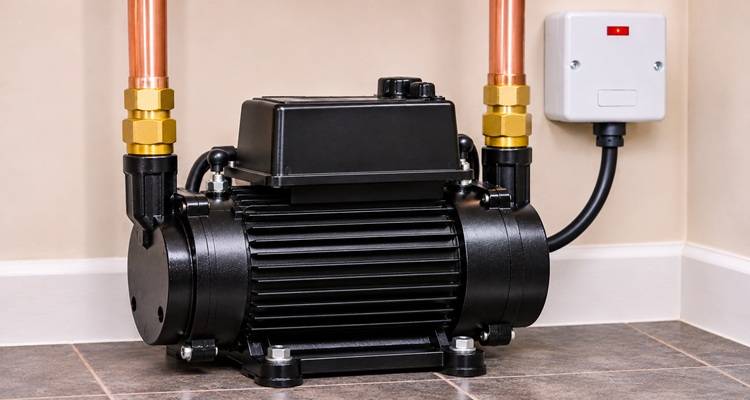
Negative head shower pumps tend to be more expensive than positive head pumps, with some basic models costing around £150-£250. Higher-pressure and twin impeller models can cost considerably more.
The higher price is largely down to the additional components needed for the pump to detect pressure changes.
Single vs Twin Impeller Shower Pump Costs
The main difference between single and twin impeller pumps is which water supply they boost.
A single impeller pump is usually used to boost one water supply, and a twin impeller pump can boost both hot and cold water at the same time.
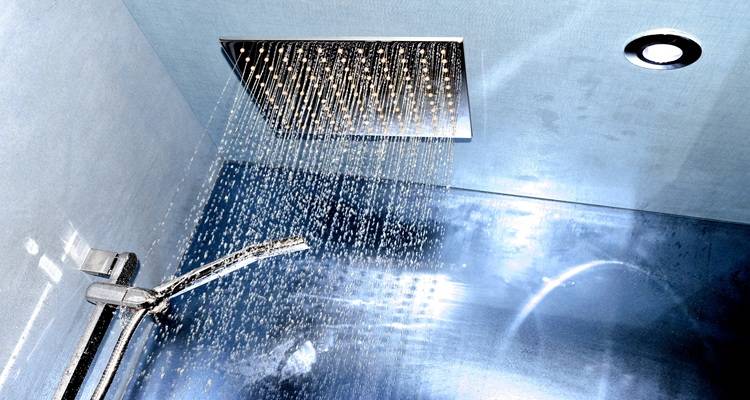
Single impeller shower pump supply costs vary depending on the pressure, pump design and model. Basic pumps are available for around £120, whilst more powerful models tend to cost closer to £350.
Twin impeller shower pump supply costs also vary, with models costing between £140-£800, depending on the model.
A twin pump is therefore not automatically the better choice simply because it can boost both supplies. The shower and existing plumbing need to be considered too.
Shower Pump Replacement Cost
Replacing an existing shower pump tends to be a fairly straightforward job, and the new pump usually makes up the majority of the cost.
Of course, you also need to include labour, which covers disconnecting and removing the old pump, fitting the replacement, reconnecting the pipework and testing the system.
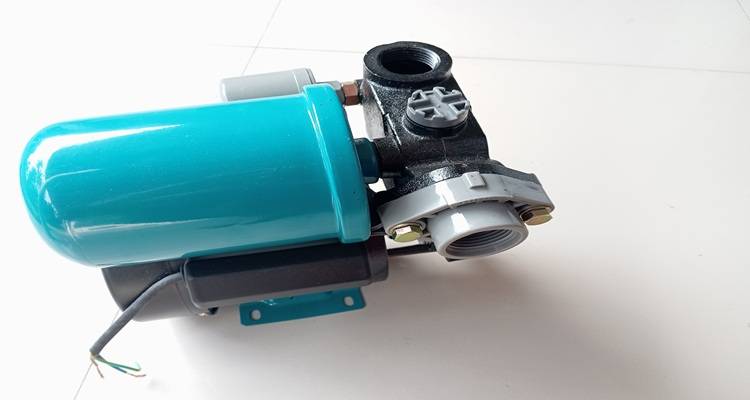
You might be faced with extra costs if the existing pipework connections need altering or if electrical changes are needed.
A like-for-like replacement is generally the simplest option, as the existing pipework and electrical arrangements are likely to already be suitable.
However, it's still important to check that the new pump is compatible with the shower and plumbing system, rather than assuming that any pump will work.
What Affects Shower Pump Installation Costs?
There isn't one standard cost to fit a shower pump, as the work involved can vary hugely from one bathroom to another. Here are the key things that make up the shower pump fitting cost.
Pump Type
Positive head pumps are usually less expensive than negative head shower pumps. The additional components and wider range of installations that universal pumps can accommodate can make them more expensive.
Pump Pressure
Pump prices tend to increase as the pressure rating rises. For example, a 3 bar pump will likely cost more than a 2 bar pump.
Single or Twin Impeller
A single impeller pump is used to boost one water supply, whereas a twin impeller pump can boost both hot and cold supplies, which is why twin pumps tend to cost more.
Existing Plumbing
Altering pipe runs, replacing connections or adding fittings will increase the amount of labour involved, therefore increasing the overall cost to fit a shower pump.
Pump Location
If a pump is tucked away in an awkward cupboard or under the floor, the job is likely to take longer, driving up the price.
New Installation vs Replacement
Installing a pump where there wasn't one involves more work than replacing an existing unit, which means the cost of the job will usually be higher. A new installation often requires new pipework, connections and electrics.
Electrical Work
Shower pumps require an appropriate electrical supply, and if there isn't already one available, you may need to hire an electrician. This comes at an extra cost.
Number of Showers
A pump supplying one shower has different requirements from one supplying multiple outlets.
Larger shower heads, additional outlets and multiple showers require a pump with greater flow capacity and a suitable plumbing arrangement, which can increase the cost.
Location in the UK
The plumber cost to fit a shower pump will vary depending on where in the UK you are. Rates are often higher in London and big cities, and lower in some rural areas.
Additional Shower Pump Installation Costs
Depending on your existing plumbing and electrical arrangements, you may need to budget for additional work.
| Additional Job | Typical Cost |
|---|---|
| Pipework alterations | £50-£200 |
| Electrical work | £60-£150 |
| New electrical connection | £100-£250 |
| Isolation valves | £10-£30 |
| Hot water cylinder work | £100-£300 |
| Shower replacement | £150-£500 |
| Shower repair | £100-£250 |
| Shower pump repair | £80-£200 |
| Removing old pump | £40-£80 |
Want a custom price?
Post your job
Whether you need any of these depends on your situation, so they won't automatically be added to every installation estimate.
What Type of Shower Pump Do I Need?
There isn't one type of shower pump that will be perfect for every bathroom.
The right pump depends on how your water system is set up, how much natural flow is available and what the shower itself requires.
Shower pumps are commonly used with gravity-fed plumbing systems, where water is supplied from a cold water storage cistern and a hot water cylinder.
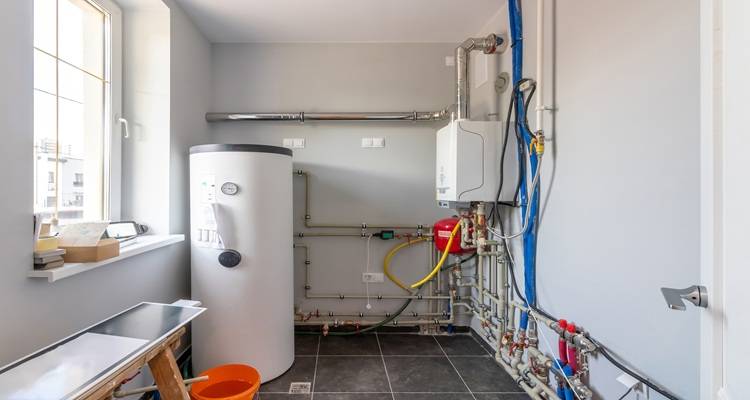
In these systems, the natural pressure depends partly on the height difference between the stored water and the shower outlet. A suitable pump can help increase the flow and pressure.
The key things to consider are:
- Your plumbing system
- The hot water system in your property
- The natural flow of water available
- How many outlets you have
- The shower manufacturer's requirements
- The required flow rate
- Existing pipework
- Hot water storage capacity
Can You Fit a Shower Pump to a Combi Boiler?
Generally speaking, you can't fit a conventional shower pump directly to a combi boiler.
A combi boiler heats mains water on demand, whereas standard shower pumps are designed to boost water from stored hot and cold supplies.
If a shower connected to a combi boiler has poor pressure or flow, a standard shower pump can't simply be added to the boiler's hot water outlet to solve the issue.
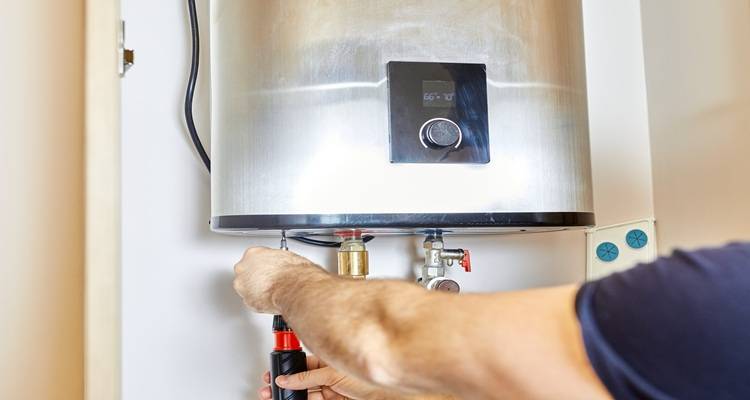
An electric shower or a suitable whole-house water booster system may be a better option, but the right one for your home depends on the property's mains pressure and flow, boiler capacity and existing plumbing.
If you're unsure why your shower has poor flow, a plumber can assess the system before any equipment is purchased.
Can You Fit a Shower Pump to Mains Water?
It's not always a good idea to simply connect a conventional shower pump directly to the mains.
In England and Wales, the Water Supply (Water Fittings) Regulations 1999 set requirements for fittings connected to the public water supply, including preventing waste, contamination and excessive consumption. Scotland and Northern Ireland have their own equivalent rules.
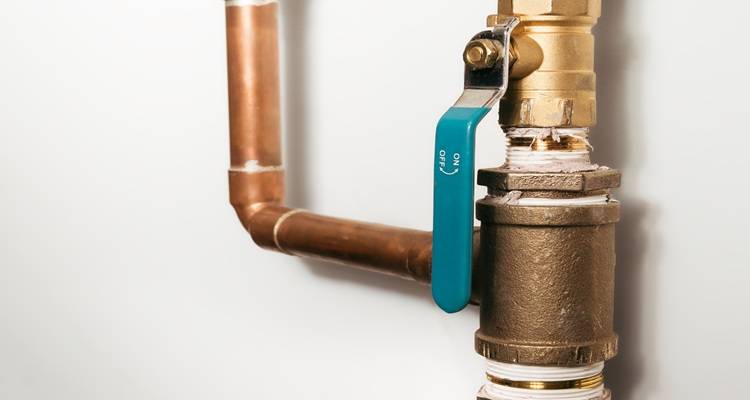
You need to factor in the whole system, including its maximum and minimum pressure, flow, compatibility and backflow protection, before fitting anything.
There are mains-compatible booster systems out there, designed for particular applications, but these are different from simply adding a standard shower pump to the incoming mains.
A conventional gravity-fed shower pump should not be connected directly to the mains unless the manufacturer specifically permits the arrangement and the installation complies with the relevant requirements.
Where Is a Shower Pump Installed?
There are several things to consider when choosing where to install a shower pump.
- Hot Water Cylinder: For systems using stored hot water, the pump is commonly positioned near the hot water cylinder so it can draw water efficiently.
- Cold Water Storage Cistern: A gravity shower pump needs a cold water supply, which is usually provided by a cold water storage cistern in the loft.
- Shower Location: The pump doesn't necessarily have to be directly beside the shower. It can often be installed elsewhere, as long as the pipework between the pump and shower is suitable.
- Pipe Runs: Pipe runs should be kept as straightforward as possible, with the correct pipe size and suitable connections for the pump, as long or restrictive runs can affect performance.
- Ventilation: The pump needs enough ventilation to prevent heat from building up and to comply with the manufacturer's requirements. It shouldn't be enclosed in a small, unventilated cupboard.
- Accessibility: The pump needs to be accessible for servicing, adjustments and eventual replacement.
- Noise and Vibration: Shower pumps do produce some noise and vibration when they're running, but positioning the pump on a suitable solid surface and following the manufacturer's recommendations can help to minimise this.
There isn't a single location that's right for every shower pump installation.
The final position should take the plumbing and heating system, available space, access for maintenance and the manufacturer's installation instructions into account.
How Long Does It Take to Install a Shower Pump?
The time needed to install a shower pump depends on whether an existing pump is being replaced and how many changes are needed to the plumbing or electrics.
- Like-for-Like Pump Replacement: Around 1-2 hours, assuming the existing connections are suitable and easily accessible.
- Straightforward New Installation: Around 2-4 hours, where the required pipework and electrical supply are already suitable.
- Installation Requiring Pipework Changes: Around 4-6 hours, depending on how much pipework needs to be altered or installed.
- Installation Requiring Electrical Work: This may take an additional 1-3 hours, depending on the work required and whether a separate electrician is needed.
A straightforward shower pump installation can often be completed in a day, though more complicated plumbing alterations, difficult access or additional electrical work can take longer.
How Much Does a Shower Pump Cost to Run?
A shower pump tends to use only a small amount of electricity compared with the energy needed to heat the water. The exact running cost depends on the pump's wattage and how long it operates.
For example, using an illustrative electricity rate of 26.32p per kWh, a 180W pump would cost around 5p for one hour of operation. If the pump ran for 15 minutes, the electricity used by the pump itself would cost around 1.2p at that rate.

Actual costs will depend on the wattage of the pump, how long the shower is running, how often it's used and your electricity tariff. These figures don't include the cost of heating the water.
How Long Does a Shower Pump Last?
Another thing to factor into shower pump cost is how long the pump will last.
There's no set lifespan for a shower pump, and manufacturer warranties range from around one to five years, depending on the model.
But a warranty isn't a guide to how long a pump will last, and several things can shorten its life:
- Installation: Incorrect pipework, connections or positioning can put unnecessary strain on the pump.
- Water Condition: Limescale, debris and air in the water supply can affect performance and contribute to wear.
- Frequency of Use: A pump used several times a day will generally undergo more operating cycles than one used occasionally.
- Pump Suitability: The pump needs to be suitable for the plumbing system and the amount of water it's expected to deliver.
- Maintenance: Keeping filters, shower heads and other components clear can help to prevent restrictions and strain on the pump.
- Ventilation: The pump should be installed with the ventilation and clearance specified by the manufacturer.
Signs a Shower Pump May Need Replacing
Here are some of the common signs a shower pump could need replacing:
- Reduced shower pressure or flow
- The pump not starting when the shower is turned on
- The pump running continuously
- Pulsing or inconsistent water flow
- Unusual humming, buzzing or rattling
- Water leaking around the pump or connections
- The pump repeatedly cutting out
- Intermittent operation
These symptoms don't always mean the pump itself needs replacing. A blocked filter, restricted pipework, air in the system, a dripping outlet or another installation issue can cause similar problems.
Shower Pump Repair vs Replacement
A shower pump repair is often cheaper than a replacement.
Some shower pump faults can be fixed without replacing the complete unit. Airlocks, blocked filters, flow restrictions and problems with connections can sometimes be resolved once the underlying cause has been identified.
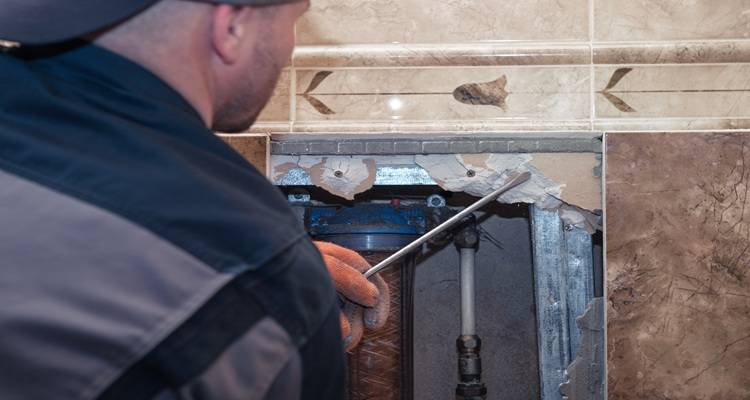
Electrical faults, flow switch problems or internal pump damage can require a repair or replacement part, depending on the pump and the availability of components.
Leaks can also originate from connections or the surrounding pipework, rather than the pump itself, meaning a repair sometimes suffices.
Incorrect installation can be another cause of problems. If a pump has repeatedly suffered from aeration, water starvation or excessive vibration, replacing it might not solve the underlying issue.
Are Shower Pumps Noisy?
Though you should expect some noise and vibration when a shower pump operates, too much can be a sign that something has gone wrong.
How noticeable it is depends on the pump model, where it is installed and how the surrounding pipework is arranged.
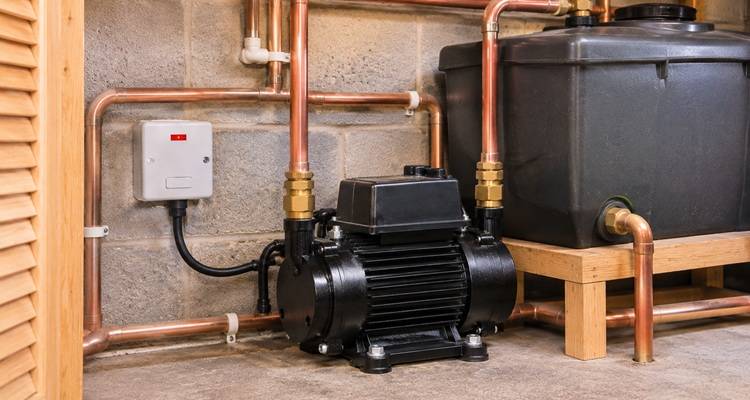
A sudden increase in noise, especially if it's accompanied by reduced water flow or cutting out, is worth investigating with a local plumber, rather than assuming it is simply normal pump operation.
Can I Install a Shower Pump Myself?
Some people want to avoid the cost of a plumber by taking a DIY approach, but that's not always a good idea.
Shower pump installation involves both plumbing and electrical work, so it's not a simple job unless you have the necessary skills and knowledge.
The water connections need to be suitable for the pump, and the electrics need to meet the relevant safety requirements. Otherwise, you could run into a problem or two.
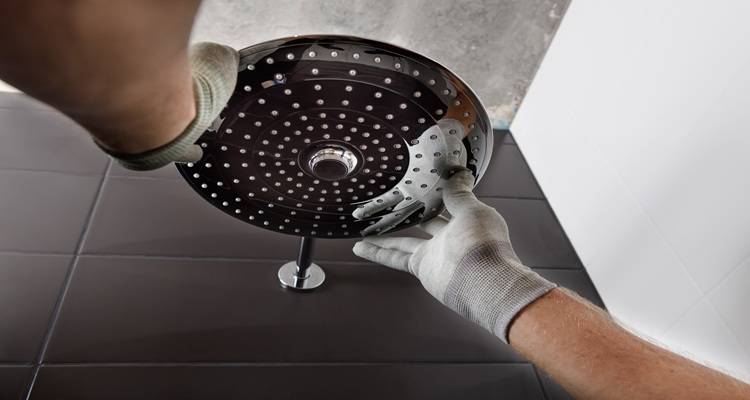
If new wiring, circuit alterations or other electrical installation work is required, this should be carried out by someone competent to undertake the work and meet the applicable regulations.
Shower Pump Installation Regulations
Shower pump installations need to comply with the requirements that apply to both the water and electrical systems. Here are some important considerations:
- In England and Wales, the Water Supply (Water Fittings) Regulations 1999 require water fittings to be suitable for their intended use and installed in accordance with the relevant requirements. The regulations also restrict installations that could cause waste, misuse or contamination of the water supply. Scotland and Northern Ireland have their own equivalent rules, the Scottish Water Byelaws 2014 and the Water Supply (Water Fittings) Regulations (Northern Ireland) 2009.
- Certain mains-connected pumps and booster installations require notification to the water supplier. For example, the regulations include notification requirements for pumps or boosters drawing more than 12 litres per minute when connected to a supply pipe. This notification requirement should not be confused with installing a conventional shower pump on a gravity-fed stored-water system.
- Not every shower pump installation requires Building Control notification. However, some electrical work may be notifiable, depending on the type of work and where it is carried out.
- The bathroom electrical zones also need to be considered when deciding where a pump can be installed.
- The pump must be installed according to its manufacturer's instructions. This covers matters such as positioning, pipework, ventilation, electrical connection and protection against aeration or dry running.
Electrical notification requirements differ across England, Wales, Scotland and Northern Ireland, so the rules relevant to your property should be checked before work begins.
Is a Shower Pump Worth the Cost?
A shower pump can be a worthwhile expense if you have a suitable plumbing system but need more flow or pressure at the shower. It can make a noticeable difference to shower performance and can supply more than one outlet.
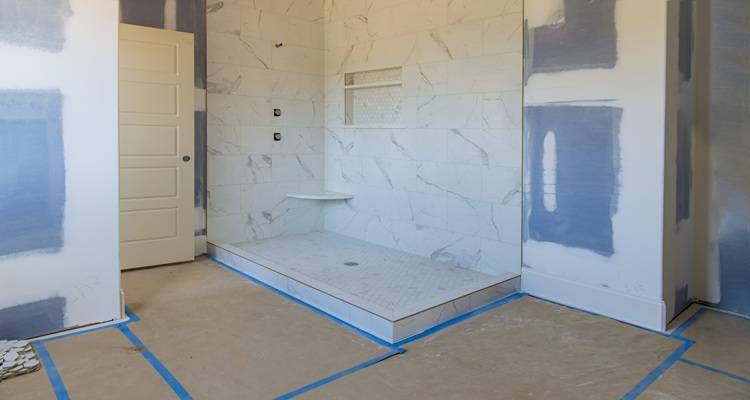
However, there are installation and ongoing costs to consider. These include the initial pump and installation, electricity use, potential noise and vibration, maintenance and eventual replacement.
If you're planning a wider bathroom renovation, it's also worth factoring the pump into your overall bathroom installation costs.
What Does a Shower Pump Installation Quote Include?
When you're comparing quotes for shower pump installation costs, check exactly what is included, rather than comparing the headline price alone.
Depending on the job, quotes can include:
- The shower pump
- Labour
- New or altered pipework
- Connectors and fittings
- Isolation valves
- Electrical work
- Removal of an existing pump
- Testing and commissioning
- Disposal of the old pump
- Travel or call-out charges
A replacement shower pump might require only a small amount of additional work, whereas a new installation can involve pipework alterations or electrical work.
Asking for everything to be listed separately makes it easier to compare quotes.
If you're planning to install or replace a shower pump, you can use MyJobQuote to compare quotes from local plumbers and find someone to carry out the work.
Shower Pump Installation FAQs
How Much Does It Cost to Install a Shower Pump?
Shower pump installation typically costs around £300-£650, including the pump and fitting. More complicated installations can cost £800 or more. The final price depends on the pump type, installation requirements, pipework and whether electrical work is needed.
How Much Does a Shower Pump Cost?
Shower pumps can range from around £110 for a basic model to £800 for higher-pressure or twin impeller models. The specification that's right for you is more important than simply choosing the cheapest option.
How Much Does It Cost to Replace a Shower Pump?
A shower pump replacement typically costs around £250-£600, including the new pump and labour. A straightforward like-for-like replacement is usually cheaper than a replacement requiring changes to the existing plumbing.
What Size Shower Pump Do I Need?
The correct pump depends on the plumbing and heating system, the available water supply, the shower and the required flow rate. Pump pressure, positive or negative head operation and whether hot, cold or both supplies need boosting should all be considered.
Can You Fit a Shower Pump to a Combi Boiler?
A conventional shower pump shouldn't be connected directly to a combi boiler. Combi boilers provide mains hot water, which means poor shower performance is often instead related to mains pressure, flow rate, boiler capacity or restrictions in the plumbing.