Builders
 Carpenters
 Electricians
 Flooring Specialists
 Gardeners
 Handymen
 Heating Engineers
 Painters & Decorators
 Plasterers & Renderers
 Plumbers
 Roofers
 Tilers
 my
myRat Exterminator Cost
At a Glance
- Rat exterminator costs range from £150 to £300, with severe infestations costing over £500.
- Treatments usually require 1 or 2 visits with monitoring up to 6 weeks.
- Labour is usually built into the treatment price, but some professionals charge £20 to £35 per hour plus a call-out fee.
- All rat removal costs (proofing, supply, and visits required).
- How to identify a rat problem and types of extermination.
- The difference between DIY and professional rat control costs.
- How to find a rat exterminator using MyJobQuote.
Get free estimates
Are you a trade? Get more work today!
£150
Table of Contents
- How Much Is Pest Control for Rats?
- Rat Exterminator Labour Costs and Timescales
- Factors That Impact the Cost of Pest Control for Rats
- Hidden Rat Exterminator Costs
- How Do I Know if I Have a Rat Infestation?
- What's Involved in a Rat Extermination?
- Can I Get Rid of Rats Myself?
- Types of Rat Extermination
- How to Prevent Rats Returning
- Checklist: Hiring a Rat Exterminator in the UK
- FAQs
How Much Is Pest Control for Rats?
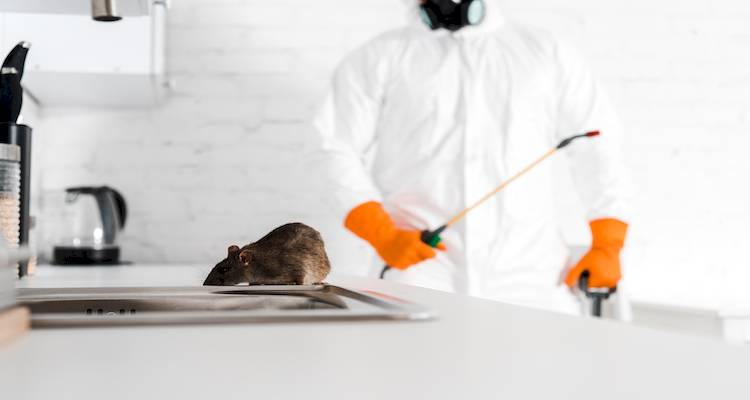
Residential rat exterminator costs typically range between £150 and £300, unless you are dealing with a severe infestation where costs could climb to over £500.
A straightforward repair or a one-off visit might be a better option if:
- The infestation is caught early and hasn't spread.
- The entry points are easy for the pro to get to.
- You don't need extensive proofing (sealing up holes) to keep them out.
- The nest is located in an accessible spot like a shed rather than deep inside wall cavities.
If it's obvious that your home or business has become riddled with rats and you require a 24-hour on-call service, this will be higher than the average pest control cost as a result of the urgency.
But otherwise, most homeowners will find that the cost of a rat exterminator is on the lower end of the cost scale, at between £150 and £200.
What is your biggest concern when hiring a rat exterminator?
Overall cost of finding a professional
0 votes - 0%0% of votes
Effectiveness of the treatment
1 votes - 33%33% of votes
Safety of chemicals or traps
2 votes - 67%67% of votes
Use of humane or eco-friendly methods
0 votes - 0%0% of votes

3 votes
See results
Hide results
Rat Exterminator Prices
The cost of hiring a rat exterminator depends on the size of the infestation, the treatment required, and whether follow-up visits are needed.
| Job | Cost |
|---|---|
| Minor rat infestation (1 to 2 visits) | £150–£200 |
| Moderate infestation (multiple visits) | £200–£300 |
| Severe infestation with proofing or sanitation | £300–£500+ |
| Emergency or same-day call-out charge | £120–£250 |
Want a custom price?
Post your job
If you caught it early, a minor infestation should only require 1 or 2 visits with some traps or bait stations to clear out a few stragglers. If the rats have started to settle in, this becomes a bigger job with several visits needed until they are gone. Larger properties or severe infestations will usually require long-term treatment, professional cleaning, and putting preventative measures in place.
Rat Exterminator Labour Costs and Timescales
You'll usually pay between £150 and £200 for a pest control specialist's time. However, some rat exterminators prefer to charge an hourly rate of £20 to £35 plus a call-out fee (as it can be hard to know how long a job will take before visiting the property).
Of course, if you're dealing with a massive property or a serious infestation that needs extra proofing, those costs will naturally start to climb.
Most visits take about 2 to 4 hours, but it's rarely a "one and done" situation. You'll almost always need a follow-up a week later to check the bait, and if the problem is really stubborn, they might keep an eye on things for up to 6 weeks just to be 100% sure the rats are gone.
Rat Exterminator Labour Rates by Location
Labour makes up a large part of the cost of dealing with any rat infestation, and as well as the size of the problem and the method chosen for dealing with it, the labour rates where you live will also have an impact on total pest control costs.
The table below gives you an indication of labour rates across the cities and regions of the UK, and also the average cost of dealing with a typical rat infestation.
| Area | Typical Hourly Rate | Typical Treatment Cost | Compared to UK Average |
|---|---|---|---|
| London | £30–£40 | £180–£350 | Higher |
| Major Cities (Manchester, Birmingham, Leeds, Glasgow) | £25–£35 | £160–£300 | Higher |
| South East England | £25–£35 | £175–£325 | Higher |
| South West England | £20–£35 | £150–£300 | Average |
| Midlands | £20–£35 | £150–£300 | Average |
| North of England | £20–£30 | £150–£275 | Lower |
| Wales | £20–£30 | £150–£275 | Lower |
| Scotland (outside major cities) | £20–£30 | £150–£275 | Lower |
Want a custom price?
Post your job
Factors That Impact the Cost of Pest Control for Rats
Several factors influence the cost of removing rats from your home. Let's take a look at the main points.
Type of Rat
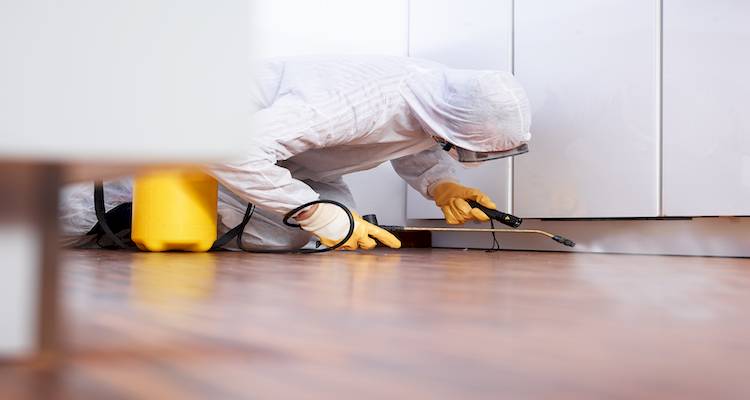
Norway rats tunnel into the ground to build their nests and typically follow sewer pipes to infiltrate homes from below.
Roof rats, on the other hand, are unique. They gain access to attic spaces by tree climbing, and during the winter, they prefer to nest in thermal insulation.
Both species of rat present distinct difficulties for professional pest control services, requiring different approaches to extermination. This is why it's important to get at least 3 quotes from pest controllers to review your options.
Size of the Property and Infestation
The number of rats in the area isn't as important as the possibility of future infestations. As a result, the rat removal cost will typically be determined by the potential for rodent infestations to spread rapidly.
Always factor in that you will pay more for extra materials, or if the job is urgent. However, unless your home is large, specialist technicians should easily calculate the square footage, so you know upfront the total pest control cost.
Where the Rats Are Located
Rat removal costs will also be affected by the location of your infestation. If you have rats in areas that are difficult to access to inspect, treat, and monitor, this will increase costs.
- Rats in Lofts and Attics — Getting rid of rats in your loft or attic presents challenges for access and treatment, which will increase costs.
- Rats in Wall Cavities — With a rat infestation in your wall cavities it can be harder to locate, treat, and monitor the issues, making it more expensive to deal with.
- Rats Under Floorboards — Access is again a challenge when getting rid of rats under the floorboards, with higher labour costs where lifting and replacing floorboards is required.
- Rats in Drains and Sewers — One of the most common entry points for rats, drains present significant access problems and labour costs for CCTV surveys and drain repairs can be high.
Methods of Treatment
Trapping rodents is a time-consuming process, and if that's the only method available, it could significantly raise your price. As a result, it's important to enquire about the procedures professional pest control services will use, as it can directly impact the price you pay.
You can expect to get a lower-cost deal if the pest controllers just place a few rodenticide bait boxes all over your house. This is especially true if no follow-up service is provided.
You should, however, insist on a mixture of rodent control techniques. This includes techniques such as trapping, baiting, or mechanical exclusion. It's also good to request a follow-up service visit, even just to remove dead animals.
Location
Prices are generally higher in major cities such as London and Manchester, and they tend to be higher in southern England.
However, the price also varies according to the extent of the problem, so if you caught your rat problem early, your price has the potential of being significantly lower than if you had litters living in various locations throughout your house.
Hidden Rat Exterminator Costs
Rat extermination can come with hidden extra costs. Let's go over these additional pest control costs, so you know what to expect.
Most treatments take more than one visit, as exterminators need to return to check traps and remove carcasses. Evening or weekend call-outs for emergencies also usually cost more.
After the activity drops, the entry routes need to be closed. That might mean mesh on air bricks, sealing gaps in walls or foundations, and other small proofing jobs so the problem does not restart.
Heavy infestations often need a proper clean. Think safe removal of droppings and thorough disinfection. If the signs point to the drains, a drain survey can confirm how they are getting in and highlight any pipe damage that needs repair.
Here are the average hidden costs you can expect to pay:
| Job | Description | Cost Range |
|---|---|---|
| Emergency Call-Out | Out-of-hours or same-day service | £120–£250 |
| Follow-Up Visits | Trap checks and re-baiting | £50–£100 per visit |
| Proofing and Exclusion Work | Sealing gaps and mesh installation | £80–£250 |
| Rat Damage Repairs | Repairing insulation, wiring, flooring, and timbers damaged by rats | £100–£1,000+ |
| CCTV Drain Survey | CCTV inspection to check for damage and entry points | £100–£350 |
| Drain Repair | Repairs to damage found during the CCTV survey | £250–£1,000+ |
| Sanitation and Decontamination | Droppings removal and disinfection | £80–£200 per area |
Want a custom price?
Post your job
How Do I Know if I Have a Rat Infestation?
Rats can be extremely persistent. They can be identified by scratching noises around the house, a strong ammonia odour, droppings, and footprints.
If they get into your home, they can ruin your insulation, flooring, and ceiling joists. They can also gnaw other items in the house, such as paper and plastic.
Rats can contaminate food and often carry diseases, which can lead to the transmission of Weil's disease, Rat-bite fever, and Salmonellosis. As a result, rat infestations must be addressed as soon as possible.
What's the smallest gap a rat can get through?
"About the size of a 2 pence piece for an adult rat and a bit less for a young one"
If you suspect you have a rat infestation in your home, you will almost certainly notice the following:
- Small black droppings on your property.
- Nests found in cavities, lofts, floorboards, and cupboards.
- Gnaw marks and damage to cables, surfaces, and food supplies.
- Scratching noises in wall cavities, under floors, or in ceilings and lofts.
- Strong smell of ammonia.
- Greasy marks along walls and skirting boards.
- Footprints or tail marks in dusty areas.
Ask a Trade
Got a question that only a tradesperson can answer? We have thousands of trades ready to answer any question you may have.
Ask your question

What's Involved in a Rat Extermination?
A professional rat extermination will be a short initial visit, followed by one or two follow-ups to confirm activity has stopped. Most professional treatments to get rid of rats are followed by proofing advice to help reduce the risk of rats returning.
With MyJobQuote, you can easily find local rat exterminators and compare prices. It's recommended to get a couple of quotes from local pest controllers.
Below is a broad overview of what the process typically looks like:
Before the Visit
- Initial Questions — You may be asked what you've noticed (noises, droppings, damage) and where it's happening, so the controller can plan the visit.
- Access and Safety — Clear access to key areas like the loft, cellar, garage, kitchen units, and any outdoor sheds so they can check likely hotspots.
During the Visit
- Inspection and Confirmation — The controller checks inside and outside for signs of rats, likely nesting areas, and how long the issue has been active.
- Finding Entry Points — Identifying and sealing common entry points is one of the most effective ways to prevent future infestations. This includes air bricks, pipework, damaged vents, damaged drains, and small holes along walls or under doors.
- Treatment Plan — Based on what is found, traps and/or bait stations will be set up, and the professional will explain where they'll be placed and what to expect next.
After the Visit
- Follow-up Checks — These take place within 5 to 10 days to check progress, reset traps, and adjust treatment if needed.
- Proofing Advice — To prevent the rats from returning, professional rat exterminators will provide practical steps on what you should do, such as blocking gaps, covering vents, securing bins, and removing food sources.
- Final Confirmation — If activity drops off, the controller will confirm next steps and whether any further monitoring is recommended.
Is rat poison safe to use inside the home?
"Depends what the active ingredient is and where you put it and in what quantities. If you have pets or small children then my advice is call pest control as the onus is then on them to make sure it's safe. Off the shelf products are mostly anti coagulants, which cause internal bleeding but if you've managed to get hold of cholecalciferol baits, somehow, then please don't use it. Call pest control"
Can I Get Rid of Rats Myself?
There are DIY methods for exterminating rats which can help to save time and money on hiring a pest control specialist. However, these routes should only be undertaken if you are aware of the risks and are comfortable with the procedures.
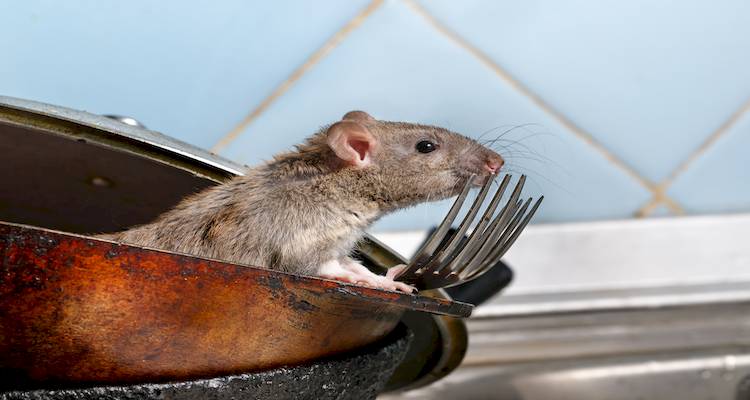
While DIY rat control products are a cost-effective way to control rat problems in low-risk areas, professional pest control is required in high-risk areas with more established rat colonies, or where there is a repeat infestation.
If you have a bigger infestation and cannot control it, you will need more specialised treatment that is not available in shops.
Examine the House
Before getting rid of rats, you must first conduct a thorough home inspection to determine where they're coming from.
Inspect the outside of your house for obvious access points, paying special attention to broken drains, cracks in your garage, gaps around vents, or spaces in the foundation.
Examine the vents, drains, equipment lines, and other possible access points inside your house. You can seal the entry points and set traps once you know where the rats are getting into the house.
Fill Any Gaps
Rats don't require a large entry point to enter your home. They can fit through gaps smaller than you might expect. You should close any gaps in your interior and exterior walls with this in mind.
Replace these gaps with wire wool, steel kick plates, or caulk for long-lasting results. Check them a few times a month to ensure they're in good working order.
Cleaning
Rats adore shelter and hiding places. One of the most effective ways to get rid of rats without using poison is to simply remove their hiding places. To do this, remove clutter from your home, and move items away from the walls.
Keep all waste and food in closed bins, quickly clean up any spills, and clean your pipes and drains.
Consider Trapping
As shop-bought rodenticides are restricted, trapping has emerged as a non-poisonous alternative method of eliminating rats.
If you're going to set your traps, make sure you use plenty of them, and place them in high-activity areas. For example, use peanut butter, unsalted seeds, bananas, or apples as bait.
You can buy a basic rat trap for £9 to £20, or invest a bit more in an electric rat trap. This high-volt electric shock kills the rat rapidly when it moves on two metal plates and completes the circuit.
Rat trap cages are excellent for use in gardens or at home, and usually cost £19 to £20. Rat cages are meant to capture rats without endangering other animals that may enter by accident, as no poisons or 'snap traps' are used.
Poison and Kits
Rat poison costs £6 to £15 depending on the amount and quality of the rat poison.
Rat killer kits cost £15 to £35. Rat killer kits mix the best products to eliminate your rat pest problem quickly and effectively.
Natural Rat Deterrents
Natural deterrents aren't usually very effective against rats. They can be worth a quick try if you have the ingredients to hand and want to avoid using poisons, but don't count on them.
You can try these natural alternatives:
- Spread peppermint oil, chilli powder, black pepper, and cloves along the outside of the house to try and deter rats from entering. Apply liberally along the line between your foundation and the ground.
- Sprinkle crushed pepper (or use pepper spray) near rat holes and openings. This is thought to irritate the rats' noses and airways, discouraging them from returning to your home.
- You can also use an at-home outdoor repellent, which usually plugs into an electrical socket and emits a sound that only rodents can hear. These typically cost between £20 and £30, but there has been no proven evidence in favour of their effectiveness.
When poison is put down by a pest control company, will they come back to check it and clear away any dead rats?
"Yes, it is a legal requirement that once a treatment has been completed that all pesticides are to be removed by your contracted pest controller. Any rodent carcasses should also be removed, as a remaining carcass may encourage further pest activity or (if not both) an insect pest presence."
Types of Rat Extermination
Rat infestations happen frequently which can cause major issues. Rodents transmit diseases, pollute the environment, and threaten human health.
Fortunately, cutting-edge rat control methods have evolved significantly over time. We now have more and more effective methods than ever before for controlling rat populations.
Different rat capture methods have advantages and disadvantages. To help you to decide which option is best, let's look at the pros and cons of each solution.
Rat Traps
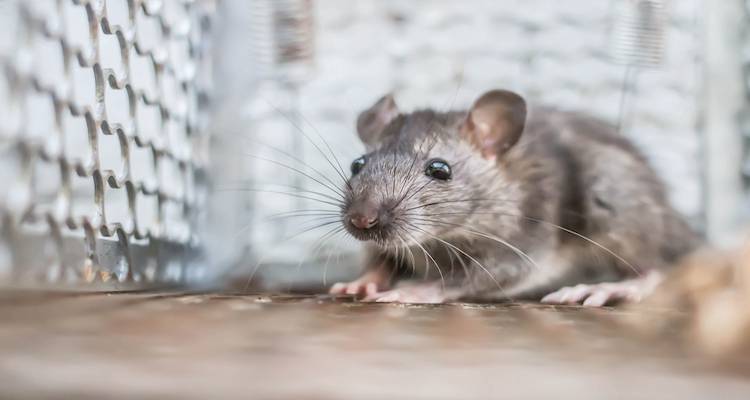
Standard rat traps are probably the cheapest option, are widely available, and easy to use.
Pros
- ✔ Simple
- ✔ Low-cost
- ✔ Reusable
Cons
- ✖ Prone to misfire.
- ✖ Rodents are more likely to be injured than killed.
- ✖ Trap snapping can occur during setup, rendering the trap useless.
Electric Rat Traps
This option is more expensive than standard traps, but they are reusable. However, some might not like the electrocution method of extermination.
Pros
- ✔ Reusable
- ✔ Relatively inexpensive
Cons
- ✖ Only slightly more humane than snap traps.
- ✖ Must be cleared and reset after each successful use.
- ✖ Only suitable for use indoors.
Live-Capture Traps
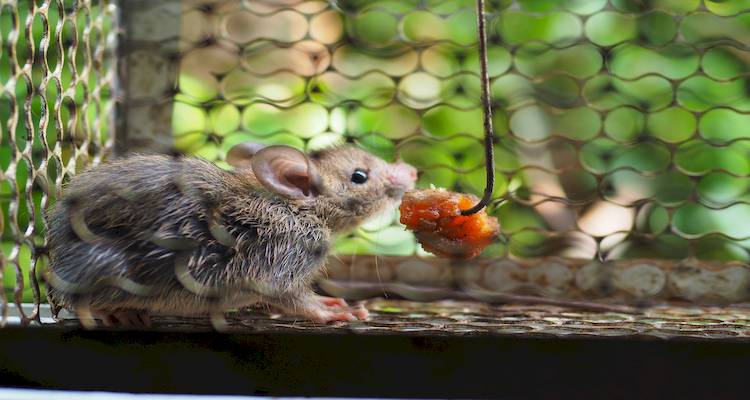
Around the mid-range in terms of cost, these capture the rat alive, but require you to release the rat elsewhere or humanely kill it. In England, Wales, and Northern Ireland, releasing black rats is an offence. In Scotland, releasing any animal outside its native range is considered an offence. Throughout the UK, causing unnecessary harm to any animal can result in fines or prison sentences, and putting any rat somewhere unfamiliar could fall into that category, leaving humane killing as the preferred option in most cases.
Pros
- ✔ Reasonably priced
- ✔ Simple to use and set up
- ✔ More humane than trap-and-kill methods
Cons
- ✖ Constant attention is required to keep a rodent from suffering unnecessarily.
- ✖ Releasing live rats isn't always lawful.
Rubber Ring Traps
This is another low-cost, reusable option and is designed to quickly exterminate the rat.
Pros
- ✔ Low cost
- ✔ Killing time is relatively short
Cons
- ✖ Maintenance is required after each use.
Bait Stations and Poison
Another cheap, and popular option, although some might not like the idea of handling and leaving poison lying around.
Pros
- ✔ Low cost
Cons
- ✖ Inhumane
- ✖ Pets, other animals, and children are all endangered
- ✖ Predation (raptors, foxes, etc.) poses a secondary poisoning risk to other animals
Goodnature Traps
This is possibly the most expensive option in terms of upfront costs, but can be cost-effective over the long term. The manufacturer claims it is an effective, low-maintenance solution.
Pros
- ✔ Ethical and quick kill.
- ✔ Maintenance is required once every 6 months of operation, according to the manufacturer's guidelines.
- ✔ The higher initial cost may pay for itself over time.
Cons
- ✖ The initial cost is slightly higher than the alternatives.
Typical Rat Control Method Costs
As well as the pros and cons of each solution, the individual costs will also be something to consider. These will vary depending on the manufacturer and the product, but the table below gives you a rough idea of the cost for each option and its suitability for different situations.
| Method | Typical Cost | Best For |
|---|---|---|
| Rat Traps | £5–£20 | Small infestations |
| Electric Rat Traps | £20–£60 | Small to medium infestations |
| Live-Capture Traps | £15–£40 | Small infestations |
| Rubber Ring Traps | £10–£30 | Small infestations |
| Bait Stations and Poison | £6–£15 | Medium to large infestations |
| Goodnature Traps | £100–£160 | Ongoing monitoring and repeat problems |
Want a custom price?
Post your job
Obviously, larger infestations may require multiple traps in different locations, which will increase overall costs. In situations where the rat infestation is serious, it may be more effective and economical to call in a professional.
How to Prevent Rats Returning
Removing rats is only half the problem. Follow these tips below to reduce the risk of rats returning.
- Seal Entry Points — Installing mesh air bricks, sealing any gaps around pipes, and repairing broken vents should cost around £80 to £250.
- Check Drains — Damaged drains can be a common entry route for rats and a CCTV drain survey should cost around £100 to £350, but repairing any damage could be £250 to £1,000+.
- Manage Waste — Remove any food sources that could tempt rats and keep bins sealed and clean, and new, more secure bins should only cost between £20 and £100.
- Reduce Shelter — Clear clutter in sheds, garages, and loft areas, and if you need a garden or house clearance service, this should be around £50 to £300+, depending on the size of the job.
As you can see, it's worth getting rid of the problem early to avoid bigger issues, and costs, down the line. Your rat exterminator will be able to advise on how to prevent rats from returning once the initial infestation has been dealt with.
Checklist: Hiring a Rat Exterminator in the UK
- Is the pest control company insured? Check that they are insured sufficiently to be covered for any damages.
- Is the pest control company certified? Professional-strength rodenticides can only be issued to a controller who is certified under a rodenticide stewardship scheme.
- Are they part of the BPCA or NPTA? Ask if they are a part of a trade association and are qualified to complete the job, including being a member of either the British Pest Control Association (BPCA), or the National Pest Technicians Association (NPTA).
- Do they offer a free review? Pest control specialists will often perform a review and offer guidance for free before any work starts.
- Do they use chemicals safely and lawfully? Make sure that they comply with the rules set out under product type 14 of the GB Biocidal Products Regulation, which ensures the products they use are authorised for use on rats and label conditions are followed.
- Have they got good reviews? Check their reviews on their MyJobQuote profile to see what other customers are saying, and be sure to get several quotes.
FAQs
What Does a Rat Exterminator Do?
Rat exterminators come up with plans to completely remove pests in the most discrete, humane, and permanent manner possible after inspecting your property to measure your rat infestation's size, scale, and severity.
How Long Does It Take to Get Rid of Rats?
The level of infestation determines the length of time it takes to remove rodents. A simple case will have rodents removed in 3 to 6 weeks. However, a house with a serious infestation may take up to 3 months to clean.
How Do I Dispose of Deceased Rats?
Your rat exterminator will take care of this for you in a safe and controlled way. If you're handling a deceased rat, it's important to avoid direct contact with the pest as much as possible to avoid contamination and spreading germs.
The rat exterminator will pick up the rat and place it in a sealed container or bag. The rat will then be disposed of by the pest control expert. You shouldn't ever place a dead rat in your general waste bin as it will encourage other pests (cockroaches, flies, and foxes) to visit and cause you more pest problems.
What Chemical Can Be Used to Control Rats in a House?
Rodenticides authorised for use on rats in the UK are the anticoagulants difenacoum, bromadiolone, brodifacoum, difethialone and flocoumafen, and cholecalciferol. These are the same chemicals that professionals use, but sold in shops in weaker concentrations.
Is It Hard to Get Rid of Rats?
Rats are known as smart pests due to their abilities, being good climbers and burrowers. As a result, they're hard pests to get rid of effectively and why the task is best left to professional rat exterminators.
What Attracts Rats to Your Home?
Food and shelter are the two main factors that can attract rats and mice to your home. Rats and mice also require shelter, especially during the winter, to avoid the worst of the cold.