Builders
 Carpenters
 Electricians
 Flooring Specialists
 Gardeners
 Handymen
 Heating Engineers
 Painters & Decorators
 Plasterers & Renderers
 Plumbers
 Roofers
 Tilers
 my
Leaded Window Repair Cost
At a Glance
- Typical cost: Minor leaded window repairs can start from £50, while more extensive repairs typically cost up to £700.
- Restoration: Decorative stained-glass restoration and whole-window refurbishment can exceed £1,000.
- Timescale: Small repairs may take 2-4 hours, while extensive panel restoration can take 1-5 weeks, including workshop time.
- Find out how much leaded window repairs cost in the UK.
- Compare prices for broken glass, damaged leadwork and bowed panels.
- Learn about restoration, additional costs and when to repair or replace your windows.
Get free estimates
Are you a trade? Get more work today!
Leaded windows are a traditional window style, typically featuring small panes of square or diamond-shaped glass joined by strips of lead. You often find them in older homes, such as cottages, period houses and listed buildings. Some leaded windows are highly decorative, such as stained-glass designs.
Although leaded windows are a prized feature in homes, they can require more maintenance and repair work than standard windows. Over time, sections can work loose, the lead can become damaged and delicate pieces of glass can crack. In some cases, panels might even start to bow.
Sound familiar? Then you're probably wondering how much leaded window repairs cost and what you should consider when arranging the work.
This guide covers typical repair prices, the different types of repairs and the additional costs you may need to budget for.

£300
Table of Contents
- How Much Does Leaded Window Repair Cost?
- Leaded Window Repair Prices
- Supply Costs
- Additional Costs
- Labour Costs and Timescales
- Cost Factors
- Can a Leaded Window Be Repaired?
- Repairing vs Replacing Leaded Windows
- Can Old Leaded Glass Be Reused?
- Listed Buildings and Conservation Areas
- Building Regulations
- Who Repairs Leaded Windows?
- Signs a Leaded Window Needs Repair
- Can I Repair a Leaded Window Myself?
- How to Find Someone to Repair a Leaded Window
- Leaded Window Repair Cost FAQs
How Much Does Leaded Window Repair Cost?
In the UK, leaded window repairs typically cost between £50 and £700 for common repairs, depending on the type of work needed.
For example, repairing a small section of lead or replacing a single piece of glass should cost considerably less than rebuilding a complete panel.
More extensive work, such as decorative stained-glass restoration or repairs involving the whole window and frame, can cost £1,000 or more.
Here are some typical leaded window repair prices.
| Type of Repair | Typical Cost |
|---|---|
| Minor Lead Repairs | £50-£100 |
| Replacement of a Small Glass Pane | £80-£150 |
| Repairs Involving Several Cracked or Damaged Panes | £150-£300 |
| Partial Re-Leading | £50-£150 |
| Complete Re-Leading of a Single Panel | £100-£500 |
| Repairs to Bowed or Distorted Panels | £300-£700 |
| Decorative and Stained-Glass Repairs | £250-£1,000+ |
| Whole-Window Restoration Including Frame Repairs | £650-£1,200+ |
Want a custom price?
Post your job
These estimates cover different scopes of work and shouldn't automatically be added together.
For instance, a complete panel restoration quotation may already include replacing damaged lead, refitting the original glass and completing the necessary sealing work.
Traditional and modern leaded windows are also constructed differently, which can affect repair costs.
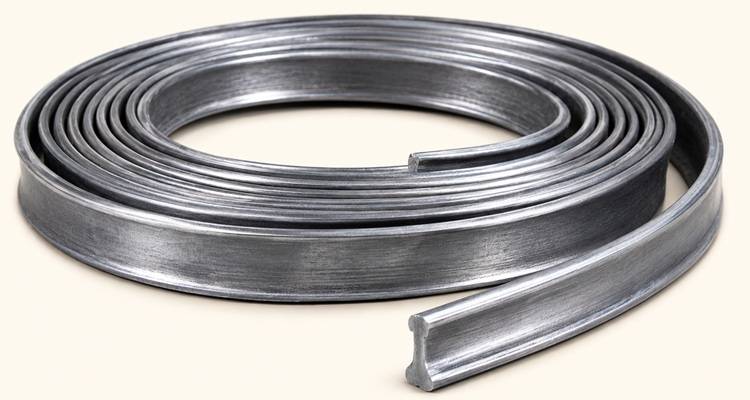
Traditional leaded windows use lead strips, known as cames, to hold individual pieces of glass together. These may include delicate handmade or historic glazing.
Modern decorative leaded windows often use a single pane or double-glazed unit with decorative lead applied to the glass surface.
Because the applied lead isn't holding individual glass pieces together, minor decorative repairs can be simpler than restoring a traditional leaded panel.
However, damage to the underlying glazing unit may require a different repair or replacement.
Window size, design, condition and access will also affect the final price.
Leaded Window Repair Prices
Let's take a closer look at the different types of leaded window repairs and their costs.
Minor Lead Repairs
Minor lead repairs might involve securing a loose section, repairing a small solder joint or renewing localised sealing material.
These repairs may sometimes be completed on-site without removing the entire panel.
This can reduce labour and transport costs.
Straightforward minor lead repairs typically cost £50-£100.
However, soldering a joint won't resolve a problem where the surrounding lead has become brittle or badly deteriorated.
In these cases, the affected came may need replacing.
Broken Glass Replacement
Replacing a piece of glass in a traditional leaded panel can be more complicated than replacing an ordinary window pane.
The existing leadwork may need carefully opening or partially dismantling so the damaged glass can be removed.
A replacement piece must then be cut to the correct shape and fitted into the lead channels before the panel is secured and sealed.
Replacing one small piece of glass typically costs £80-£150.
However, matching old textured, coloured or handmade glass can increase the price.
Where several panes are damaged, repairs may cost £150-£300 or more.
The whole panel may need removing for workshop repairs if the surrounding leadwork is fragile or the damage is extensive.
Partial Re-Leading
Partial re-leading involves replacing deteriorated sections of lead while retaining the rest of the panel.
This can be suitable where the damage is limited and the surrounding leadwork remains in good condition.
The repair may involve carefully removing the damaged came, matching its width and profile, fitting the replacement and completing the soldering and cementing.
Small, localised partial re-leading jobs may cost £50-£150.
However, more extensive work involving several sections can cost more.
If deterioration affects most of the panel, complete re-leading may be the better option.
Complete Re-Leading
Complete re-leading may be necessary when much of the lead has become brittle, cracked or unable to support the glazing properly.
The affected panel is carefully dismantled and the individual glass pieces are removed.
Where suitable, the original glass is cleaned and reused.
The panel is then rebuilt using new lead cames, with the joints soldered and the glazing cemented.
This process can take considerably longer than a localised repair.
Complete re-leading typically costs £100-£500 per panel, depending on its size and complexity.
Larger or highly decorative panels may cost more, particularly where damaged glass also needs replacing.
Bowed Leaded Window Repair
Leaded windows can begin to bow or bulge when the leadwork deteriorates or the supporting structure no longer holds the glazing securely.
In more severe cases, sections of glass may move out of alignment.
Re-leading may be necessary to restore the panel's stability.
However, the condition of the surrounding frame, support bars and fixings should also be assessed.
Some windows use steel or bronze support bars to help prevent movement.
These may need repairing, replacing or adjusting as part of the restoration.
Bowed leaded window repairs generally start from around £300.
More extensive repairs involving re-leading and reinforcement may cost £400-£700.
The final price depends on the panel's condition and whether additional structural support is needed.
Stained Glass Repairs
Stained-glass repairs use many of the same methods as traditional leaded window repairs.
However, intricate designs can require additional preparation and care.
Where a panel needs dismantling, the individual pieces may need recording and mapping so they can be returned to their original positions.
Older windows may also contain painted, textured or handmade glass that is difficult to replace.
Custom glazing may be needed to match missing or broken pieces.
Simple stained-glass repairs may cost around £250, while more extensive restoration can exceed £1,000.
For historic or delicate glazing, preserving the original glass wherever practical is often an important part of the work.
Supply Costs
Materials make up part of the cost of leaded window repairs, particularly when damaged glass or leadwork needs replacing.
Here are some indicative supply costs.
- Lead Came Strips: Lead cames typically cost £1.50-£7 per metre, depending on their width, depth and profile.
- Replacement Glass: A small square or diamond-shaped piece of standard glass may cost £5-£30, while handmade or custom glass, such as a roundel, could cost £25-£150.
- Coloured Glass: Coloured glass may cost £10-£40 per pane, depending on the colour, size and manufacturing method. Matching historic colours or using traditionally made glass may cost more.
- Textured Glass: Hammered, embossed, etched and kiln-cast glass may cost £15-£50 per pane, depending on its size and design.
- Reclaimed Glass: Reclaimed antique glass may cost £10-£25 per piece, while larger reclaimed panels could cost £50-£200.
- Solder and Flux: Solder and suitable flux are used to join lead cames. Solder typically costs from around £2 per stick, although the total depends on the materials purchased.
- Leaded-Light Cement or Glazing Putty: Materials used to seal and weatherproof leaded glazing may cost from around £10 per kg, depending on the product.
- Reinforcement Bars: Steel support bars and other reinforcement materials may cost approximately £30 per metre, depending on their type and dimensions.
These are material-only estimates.
They don't include labour, preparation, delivery or any additional work needed to fit the materials.
Additional Costs
Alongside the repair itself, you may need to budget for other work.
Scaffolding and Access Equipment
Scaffolding or an access tower may be needed to reach upper-floor windows.
Scaffolding hire costs may add approximately £150-£1,000, depending on the access equipment required and how long it's needed.
A small access tower for one window will usually cost less than full scaffolding for several windows.
Frame Repairs
Window frames need to be in suitable condition to support the glazing.
If the surrounding frame is damaged, it may need repairing before the leaded panel can be refitted.
Frame repairs may cost £150-£700, depending on the material and extent of damage.
Extensive conservation work or repairs to historic timber frames may cost more.
Timber Window Repairs
Many traditional leaded windows have timber frames.
These can develop rot, loose joints and deteriorating finishes over time.
Repairs may involve treating localised decay, splicing in replacement timber or renewing damaged sections.
More extensive timber frame repairs may cost £300-£700.
You may also need to consider work to sash cords, pulleys, weights, hinges, handles or window sills.
Check whether these repairs are included in the frame restoration quotation.
Window Painting
If your window frames need refinishing, this can add to the cost.
Spraying uPVC or aluminium frames may cost approximately £150-£200 per window for straightforward work.
Timber frames can require more preparation, including sanding, filling and priming.
Painting a timber window may cost £200-£500, depending on its size and condition.
Door Repairs
Leaded and stained glass can also be found in front doors, porches and transom windows.
If these panels need attention, you may be able to arrange repairs at the same time as your windows.
Depending on the size and condition of the glazing, door-related leaded glass repairs could add £50-£1,000.
Combining several repairs may reduce overlapping call-out or access costs.
Improving Energy Efficiency
Traditional single-glazed leaded windows can be draughty.
You may wish to consider secondary glazing, draught-proofing or encapsulation, where suitable.
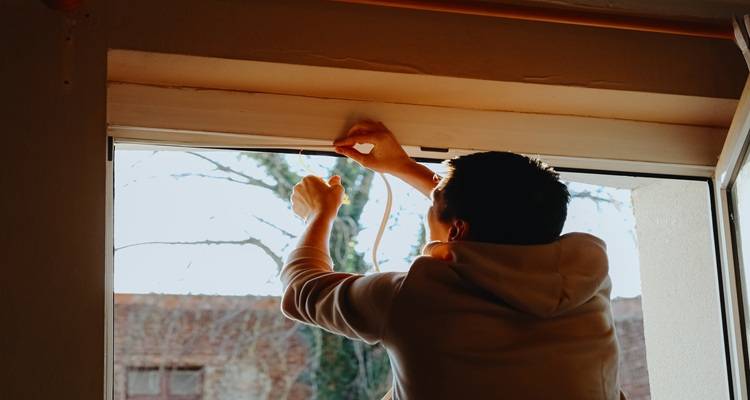
Encapsulation involves incorporating a leaded panel within a glazing unit, but it isn't appropriate for every historic window.
Encapsulation may cost around £150-£500 per unit.
Secondary glazing costs may range from approximately £275-£400 per window.
Other improvements might include suitable seals, brush strips or draught-proofing around the frame.
For historic glazing, any proposed changes should be assessed for their effect on the original window and its ventilation.
Surveys or Assessments for Historic Windows
For older or historically important windows, a condition survey may be useful before restoration begins.
A surveyor or heritage building consultant may assess the glazing, leadwork, frame and supporting structure.
A condition assessment may cost around £200-£500, depending on the number of windows and the depth of the survey.
More detailed conservation assessments may cost more.
Labour Costs and Timescales
Small leaded window repairs may be charged at an hourly rate, while larger restoration projects are often quoted at a fixed price or day rate.
Window repairers and joiners may charge approximately £24-£50 per hour, depending on location.
Traditional leaded-glass restorers carrying out more involved work may charge around £40-£80 per hour.
Indicative day rates range from £200-£400 per person, although workshop restoration is often priced according to the complete project.
The time needed depends on whether the repair can be completed on-site or requires workshop restoration.
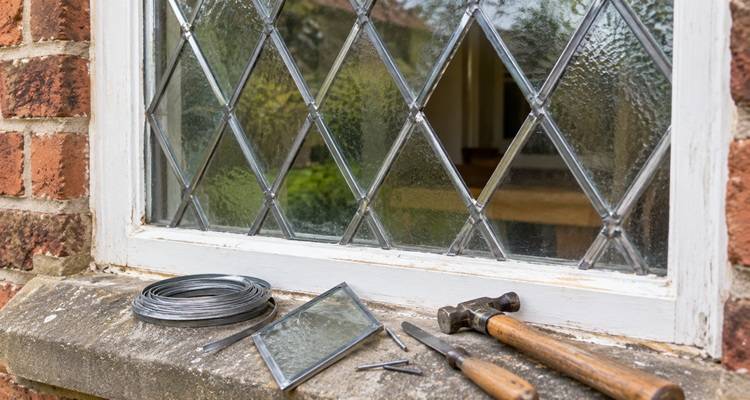
Small repairs, such as replacing one piece of glass or repairing a short section of lead, may take 2-4 hours.
More extensive restoration can take longer because the panels may need removing, transporting, dismantling and rebuilding.
Temporary glazing may also be required while the original panels are away.
Major restoration projects can take 1-5 weeks from removal to refitting, depending on the amount of work and the availability of replacement materials.
This is the overall project timescale rather than continuous hands-on labour.
Cost Factors
Several factors can affect the cost of repairing leaded windows.
Size of the Window
Larger windows generally contain more glass and leadwork, which can increase the amount of labour and materials required.
For example, bay window repairs can involve more work than repairs to a small transom window.
Extent of the Damage
Minor damage, such as one cracked pane, will usually cost less to repair than a panel requiring complete re-leading.
Where the leadwork has deteriorated throughout, the panel may need dismantling and rebuilding.
This can increase labour costs considerably.
Type of Glass
Coloured, textured and handmade glass can cost more than standard glazing.
Historic glass may be difficult to match, and some repairs require custom-made pieces.
Complexity of the Design
Intricate designs with small or irregularly shaped pieces of glass can take longer to repair.
Sourcing, cutting and fitting replacement pieces may require additional work.
The leadwork must also be shaped, soldered and sealed to match the original design.
Age of the Window
Older leaded windows can be more fragile, particularly if they haven't been maintained.
Additional care may be needed when removing panels or handling historic glass.
Some projects may also require a conservation assessment before work begins.
Condition of the Lead
Deteriorated leadwork can cause glazing to loosen or panels to bow.
Where the lead is no longer supporting the glass properly, larger sections may need replacing.
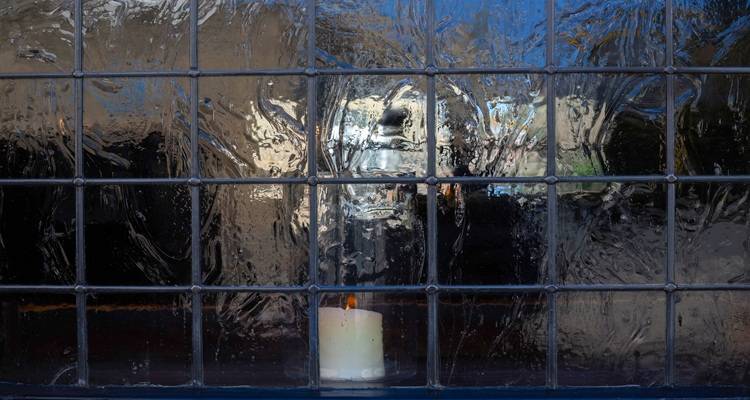
Accessibility
Upper-storey windows or windows above extensions and conservatories can be difficult to reach.
You may need to factor in the cost of scaffolding hire.
Location
Labour costs vary across the UK.
Hourly rates may be higher in London and parts of the South East than in some areas of Wales and northern England.
Can a Leaded Window Be Repaired?
Yes, leaded windows can often be repaired without replacing the complete window.
Minor problems, such as a cracked pane or a small damaged section of lead, may only require localised work.
More extensive deterioration can be more complicated.
For example, if much of the lead has become brittle or several pieces of glass are broken, the panel may need removing and rebuilding in a workshop.
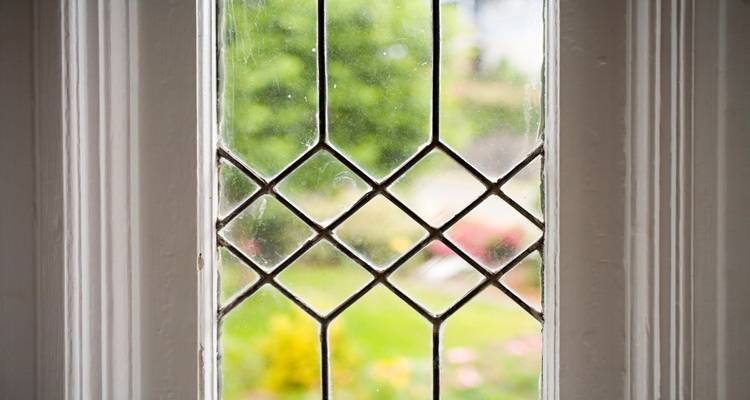
However, even badly deteriorated leaded windows can sometimes be restored.
This can be particularly worthwhile where the original glazing has historic or decorative value.
The decision will depend on the condition of the window, the cost of restoration and whether suitable replacement materials are available.
Repairing vs Replacing Leaded Windows
If you're unsure whether to repair or replace your leaded windows, there are several things worth considering.
- Extent of Deterioration: If the lead, glass and surrounding frame are all in poor condition, extensive restoration may be expensive. However, replacing the window isn't always the most appropriate option, particularly for historic glazing.
- Repair and Replacement Costs: Compare quotations for both options, making sure they cover the same work.
- Historic or Decorative Value: Original leaded and stained glass may be worth preserving, particularly in period properties and listed buildings.
- Energy Efficiency: Replacement glazing may improve thermal performance, but secondary glazing or suitable draught-proofing could provide an alternative.
- Repair Feasibility: Consider whether original glass can be retained and whether matching replacement materials are available.
For windows with historic significance, repair is often preferable where it can preserve original materials and character.
Can Old Leaded Glass Be Reused?
Yes, original leaded glass can often be reused when a panel is repaired or re-leaded.
If the glass is in suitable condition, it may be carefully removed, cleaned and fitted into a rebuilt panel.
This can be particularly valuable where the glass is handmade, decorative or historically important.
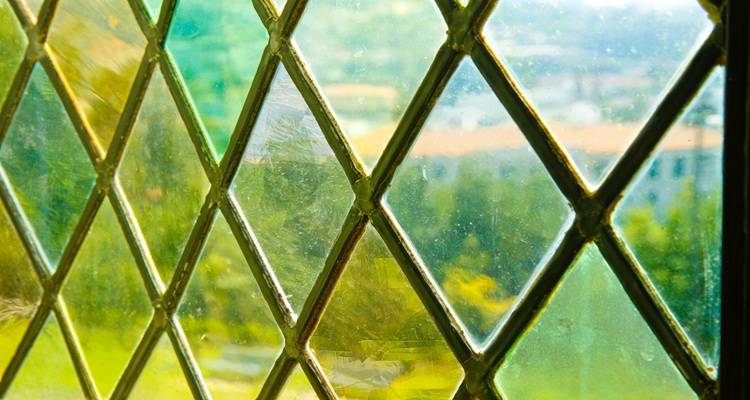
However, older glass can be fragile, and some painted or decorated surfaces may require particular care.
Cleaning and handling methods should be appropriate for the condition of the glass.
Preserving original glazing wherever practical can help retain the character of the window.
Listed Buildings and Conservation Areas
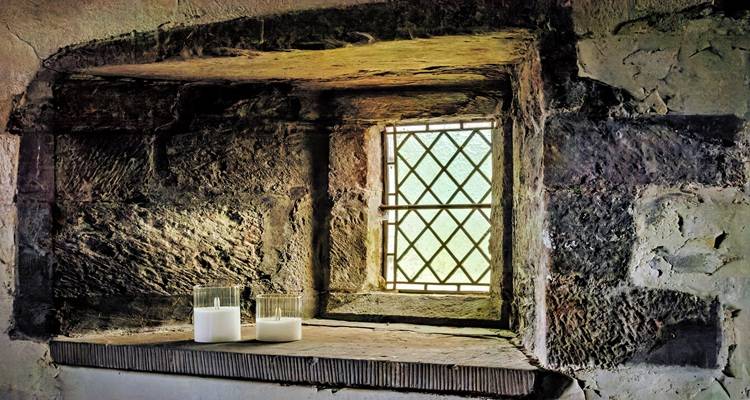
If your property is listed or located in a conservation area, it's important to check whether any restrictions apply before altering or replacing leaded windows.
Listed building consent may be required where the proposed work affects the building's special architectural or historic character.
Routine maintenance and genuinely like-for-like repairs may not require consent, but this depends on the nature of the work.
Planning permission is a separate consideration and isn't automatically required for every repair or replacement.
Conservation area controls can also vary according to the property and the work proposed.
If you're unsure, contact your local planning authority or conservation officer before proceeding.
For significant changes, it's sensible to obtain confirmation of the requirements in writing.
Building Regulations
Minor repairs to existing leaded windows don't usually require Building Regulations approval.
This can include replacing a cracked pane, repairing localised leadwork or renewing individual components, provided the work doesn't materially affect the window's safety or performance.
However, replacing an entire window may be subject to Building Regulations requirements.
These can include thermal performance, ventilation, safety glazing and other relevant standards.
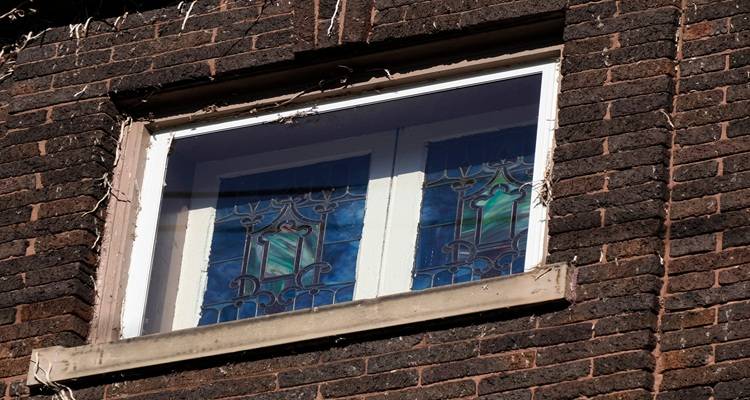
Historic and listed buildings may receive special consideration where standard requirements would harm their character.
This isn't an automatic exemption from all Building Regulations.
Listed building consent, planning permission and Building Regulations approval are separate matters.
The applicable rules also differ across England, Wales, Scotland and Northern Ireland.
Before replacing historic leaded windows, check the requirements with your local planning authority and Building Control.
Who Repairs Leaded Windows?
The right person to hire depends on the type of window and the repair needed.
For modern windows with decorative lead applied to the glass, you may be able to hire a glazier or general window repairer.
If the surrounding timber frame needs attention, you might hire a local joiner.
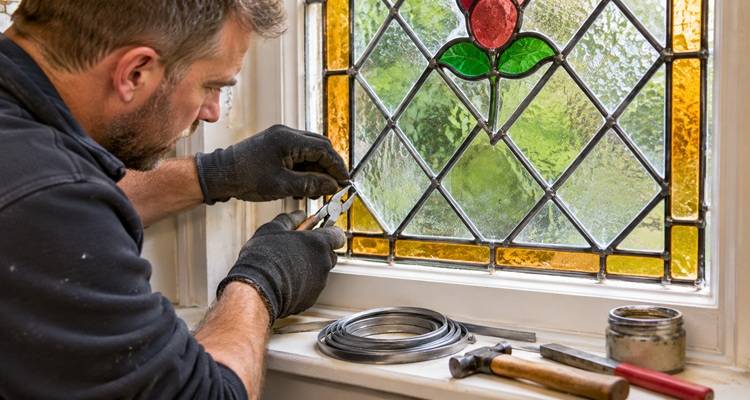
Traditional leaded and stained-glass panels may require someone who regularly carries out this type of restoration work.
For older or decorative windows, ask prospective repairers about similar projects they've completed and how they plan to preserve the original glass.
Signs a Leaded Window Needs Repair
Sometimes it's obvious when a leaded window needs attention, particularly if the panel is bowing or bulging.
You may also notice cracked glass or pieces that have moved out of position.
Other signs include:
- Small gaps around the glass panes.
- Rattling or movement when the window is exposed to wind.
- Cracking, discolouration or white deposits on the lead.
- Damaged solder joints.
- Deteriorating cement between the glass and lead.
- Significant draughts.
- Water entering through the glazing or frame.
Some of these symptoms may also be related to the surrounding frame or supporting structure.
Leaving defects untreated can allow further movement, cracking or water ingress to develop.
If a panel is visibly bowing or unstable, avoid pressing against it and arrange for it to be assessed.
Can I Repair a Leaded Window Myself?
Some minor maintenance tasks may be manageable as DIY work, particularly on modern windows with decorative lead applied to the glass surface.
For example, replacing a small section of self-adhesive decorative lead may be straightforward if the glazing is safely accessible and the manufacturer's instructions are followed.
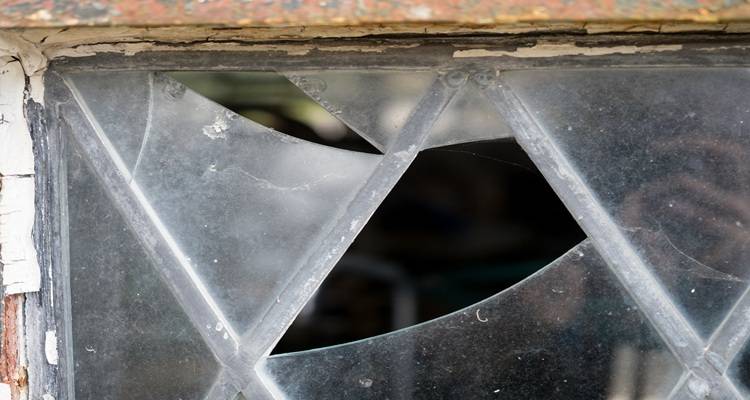
Traditional leaded windows require more care.
Working with lead cames, solder and fragile glass introduces additional risks, including lead exposure, cuts and damage to the original glazing.
For this reason, dismantling panels, soldering lead joints and replacing traditional glass pieces are generally better left to someone familiar with leaded-glass repair.
Historic or unstable panels should not be treated as straightforward DIY projects.
How to Find Someone to Repair a Leaded Window
If you're hiring someone to repair a leaded window, compare quotations and check what's included.
When requesting quotes, describe the problem clearly and provide photographs where possible.
For larger or more complicated repairs, an inspection may be needed before an accurate price can be given.
It's also worth asking a few questions:
- What similar leaded window repairs have you completed?
- Will the work be carried out on-site or in a workshop?
- Can the original glass be retained?
- How will replacement glass be matched?
- Will the repair include the surrounding frame and supports?
- How long is the work likely to take?
A quick way to start comparing prices is to post your window repair job on MyJobQuote.
Leaded Window Repair Cost FAQs
Can Cracked Leaded Glass Be Repaired?
Yes. A cracked piece of glass in a traditional leaded window can often be replaced without replacing the complete panel.
Replacing one small pane typically costs £80-£150, while repairs involving several damaged panes may cost £150-£300 or more.
Is It Worth Repairing Old Leaded Windows?
Repairing old leaded windows can be worthwhile, particularly if they contain original or decorative glass.
The decision depends on the window's condition, the repair cost and whether the original materials can be preserved.
Why Is My Leaded Window Bowing?
Leaded windows can bow when the leadwork deteriorates or the supporting bars and frame no longer hold the panel securely.
The cause should be assessed before repairs begin, as the panel may need re-leading or additional support.
Can You Replace One Piece of Glass in a Leaded Window?
Yes, individual pieces of glass can often be replaced.
However, the surrounding leadwork may need carefully opening or partially dismantling to remove the damaged piece.
Can Original Glass Be Reused When a Window Is Re-Leaded?
Yes. Original glass can often be reused if it's in suitable condition.
The pieces are carefully removed, cleaned where appropriate and fitted into a rebuilt panel using new lead cames.