Builders
 Carpenters
 Electricians
 Flooring Specialists
 Gardeners
 Handymen
 Heating Engineers
 Painters & Decorators
 Plasterers & Renderers
 Plumbers
 Roofers
 Tilers
 my
How Much Does a Borehole Cost?
At a Glance
- The average cost of a complete domestic water borehole is around £14,000, with most homeowners paying £10,000-£18,000 excluding VAT.
- Drilling usually takes 1-3 days, while the whole project can take several weeks.
- A breakdown of borehole costs in 2026, from surveys and drilling to pumps, testing and treatment.
- Borehole drilling prices per metre and what those rates include.
- What to check in a quote before hiring a contractor.
Get free estimatesAre you a trade? Get more work today!
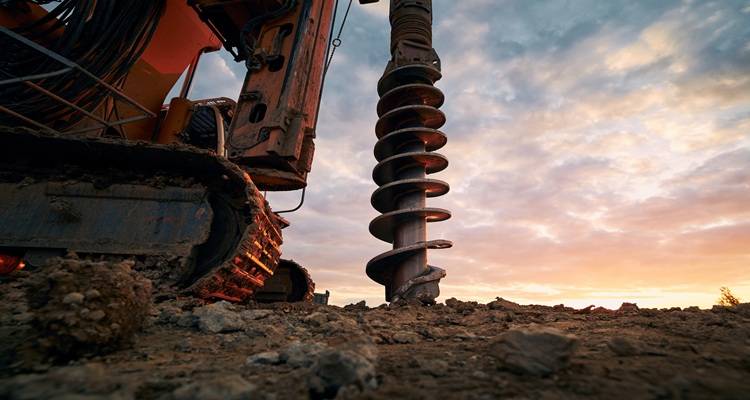
A domestic water borehole in the UK typically costs £10,000-£18,000 excluding VAT, averaging around £14,000 for a borehole of roughly 60 metres with a pump, pressure vessel and controls.
Favourable ground may allow a shallower borehole costing £6,000-£9,000, while particularly deep boreholes can cost more than £20,000.
Costs depend on drilling depth, geology, access, water requirements, pump specification and any treatment needed. Quotes may cover drilling and lining only, a completed installation with pump and controls, or a fully commissioned private water supply with testing, treatment and connections. Check exactly what is included.
£14,000
Table of Contents
- How Much Does a Water Borehole Cost?
- Borehole Drilling Cost Per Metre
- Borehole Costs by Depth
- Borehole Survey and Site Assessment Costs
- What Affects Borehole Drilling Costs?
- Borehole Pump Costs
- Borehole Water Testing Costs
- Borehole Water Treatment Costs
- Connecting a Borehole to Your Home
- Additional Borehole Installation Costs
- Do You Need Permission to Drill a Borehole?
- Borehole Regulations in the UK
- How Long Does Borehole Drilling Take?
- How Deep Does a Water Borehole Need to Be?
- How Much Water Can a Borehole Supply?
- What Happens If You Drill a Borehole and Don't Find Enough Water?
- How Much Does a Borehole Cost to Run?
- How Long Does a Borehole Last?
- Is a Borehole Worth the Cost?
- Borehole vs Mains Water Costs
- What Does a Borehole Installation Quote Include?
- FAQs
How Much Does a Water Borehole Cost?
A completed domestic borehole installation will usually cost between £10,000 and £18,000. This will cover everything from the site assessment and drilling and lining to the submersible pump, wellhead and pressure vessel with controls.
However, water testing, treatment equipment and the pipework running to the home are usually priced separately and can add significantly to the overall cost.
Here's how the cost of a water borehole typically breaks down:
| Borehole Installation | Typical Cost (ex. VAT) |
|---|---|
| Site assessment/survey | £200–£1,000 |
| Borehole drilling and lining (30m to 75m) | £2,700–£12,750 |
| Drilling cost per metre | £70–£130 |
| Borehole casing | £20–£40 per metre |
| Borehole pump (supply only) | £400–£1,300 |
| Pump, wellhead, chamber, pressure vessel and control equipment (installed) | £1,500–£4,000 |
| Water testing | £75–£400 per test |
| Water treatment system | £1,500–£5,000 |
| Connecting supply to property | £100–£125 per metre of trench and pipe |
| Completed domestic borehole installation (excluding optional treatment and house connections) | £10,000-£18,000 |
Want a custom price?
Post your job
VAT is not always included in borehole quotes, so you should clarify this when you receive your quote.
Borehole Drilling Cost Per Metre
Borehole drilling in the UK costs around £70-£130 per metre, with casing adding around £20-£40 per metre on top. That provides a drilled and lined rate of about £90-£170 per metre for many domestic boreholes.
Rates will be at the lower end for softer ground, such as chalk, and can rise for very hard rock like granite. Some contractors will quote a single rate for drilling and lining of £190-£250 per metre for harder ground.
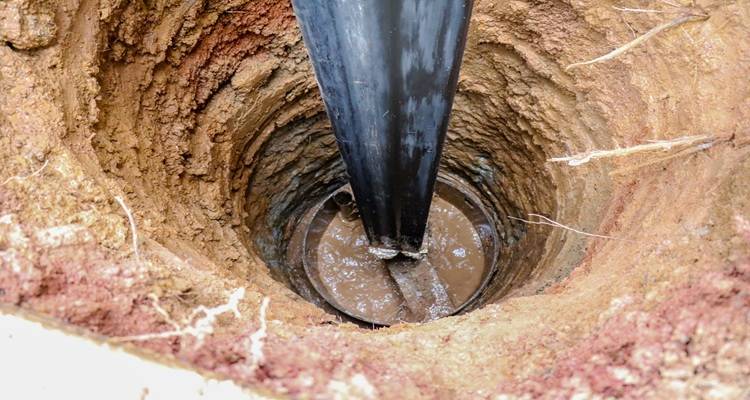
Unfortunately, you can’t simply opt for a shallower borehole to save money, as the depth will be dependent on the local hydrogeology and where the suitable groundwater source sits. A contractor can provide a good estimate in advance, but the final figure will only be truly known once the drilling has started.
Borehole Costs by Depth
| Borehole Depth | Drilling and Lining Only | Estimated Complete Installation |
|---|---|---|
| 20 metres | £1,800–£3,400 | £6,000–£9,000 |
| 30 metres | £2,700–£5,100 | £7,500–£10,500 |
| 50 metres | £4,500–£8,500 | £10,000–£13,000 |
| 75 metres | £6,750–£12,750 | £13,000–£17,000 |
| 100 metres | £9,000–£17,000 | £16,000–£22,000 |
Want a custom price?
Post your job
These depths are purely examples and are in no way recommendations. In one home, a 30-metre borehole may supply ample water to the property, whereas just a few miles away it may provide no usable water supply.
Borehole Survey and Site Assessment Costs
A site assessment is a crucial part of the process and can cost anywhere from £200-£1,000, depending on how detailed it is. Many drilling contractors will do a desk study first as part of the preparation process for the quote, and this is often included in the price.
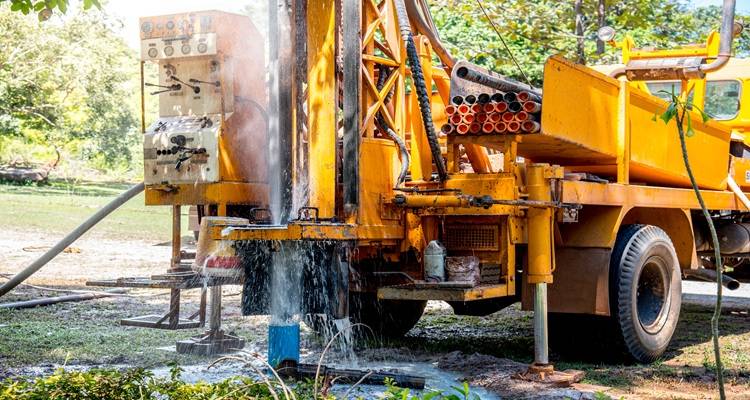
The assessment stage typically looks at:
- Geology and hydrogeology: Whether the rock beneath the site is likely to hold and release water.
- Existing geological records: Published maps and data for the area.
- Nearby borehole records: Existing logs may show the depth, water level and yield achieved nearby.
- Groundwater conditions: The likely depth of water through the year.
- Potential contamination sources: Such as septic tanks, soakaways, fuel tanks and slurry stores.
- Required water yield: How much water your household needs.
- Access: Whether a rig and support vehicles can reach the spot.
An assessment will lower the risk of drilling in the wrong position and give the contractor a better idea for estimates, but it cannot confirm that a usable water supply will be found. Only drilling and test pumping can do that.
What Affects Borehole Drilling Costs?
Several factors can push a borehole quote up or down. Most of them relate to what's under the ground, which is why two neighbouring properties can receive very different prices.
Borehole Depth
Depth is one of the biggest influences on cost. At £90-£170 per metre drilled and lined, just 20 metres could add between £1,800 and £3,400 to the cost.
Ground Conditions
The ground condition is also a big factor, with softer ground like chalk much quicker and easier to drill through than hard rock like granite. Prices can rise considerably when harder ground is involved.
Site Access
The equipment and rigs used for borehole drilling are large and require support vehicles in some cases, meaning that tight access may call for different equipment that can bump up the price.
Required Water Yield
If there is a requirement for more water, such as for pools, this may call for a deeper or wider borehole, a larger pump and more testing.
Borehole Diameter
A wider borehole needs more casing and takes longer to drill, but may be needed to fit a bigger pump.
Casing Requirements
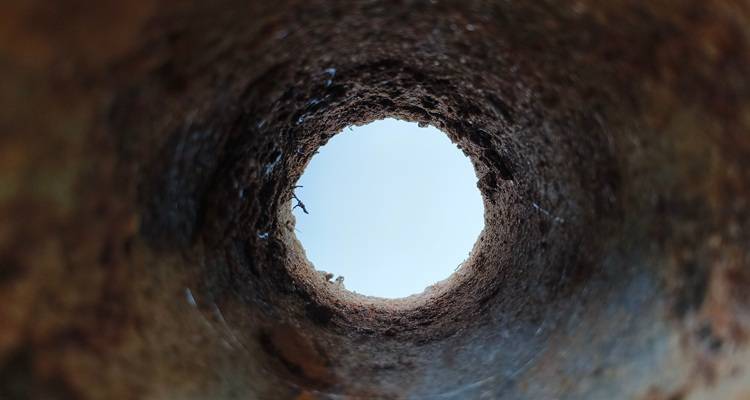
Some ground only needs the upper section cased and sealed, while unstable formations may need casing to a greater depth.
Pump Specification
Deeper water and higher flow rates will require a more powerful pump, plus the addition of more cable and pipe.
Water Treatment
Water high in iron, manganese, hardness or acidity may need additional treatment equipment, which can add several thousand pounds.
Distance From the Property
The borehole is connected to the house by buried pipe and cable, so every extra metre adds cost.
Location in the UK
The cost of trade and construction work differs across the UK, with labour rates tending to be higher in London and the South East. For boreholes, however, the type of ground in your area can also have a significant impact on the price.
Borehole Pump Costs
Drilling the borehole alone will not supply any water to the home. Instead, the water must be lifted to the surface, treated where required, pressurised and delivered to the taps via pipework.
A submersible borehole pump costs around £400-£1,300 to buy, and a complete pump and pressure system typically costs £1,500-£4,000 installed.
| Pump Equipment | Typical Cost (ex. VAT) |
|---|---|
| Submersible borehole pump (supply only) | £400–£1,300 |
| Pump, controls, pressure vessel, wellhead and chamber (installed) | £1,500–£4,000 |
| Replacement pump, supplied and fitted | £1,000–£2,500 |
Want a custom price?
Post your job
The pump itself will depend on the borehole depth and the level the water rests at, not to mention how far that water needs to travel from the hole to the house. A contractor sizes the pump after test pumping, so the pump price in an early quote is often just an estimate.
Borehole Water Testing Costs
Naturally, borehole water should always be tested before drinking. Groundwater can contain microorganisms and contaminants from surrounding land, as well as naturally occurring minerals and metals. You may not be able to smell or taste a problem, which is why testing is important before the water is used for drinking.
Expect to pay around £75-£150 for a basic sample and analysis and £100-£400 for a fuller laboratory analysis. A new borehole may need a more detailed test so that any required treatment can be specified correctly.
Testing can cover:
- Microbiological parameters: Indicator bacteria such as E. coli and coliforms.
- Chemical parameters: For example, nitrate.
- Minerals: Such as iron, manganese and hardness.
- Metals: Which can vary with local geology and pipework.
- pH and other characteristics: Including acidity, colour, cloudiness and conductivity.
There isn’t one single list that suits every borehole, as testing requirements can depend on the geology, surrounding land and how the water supply is being used.
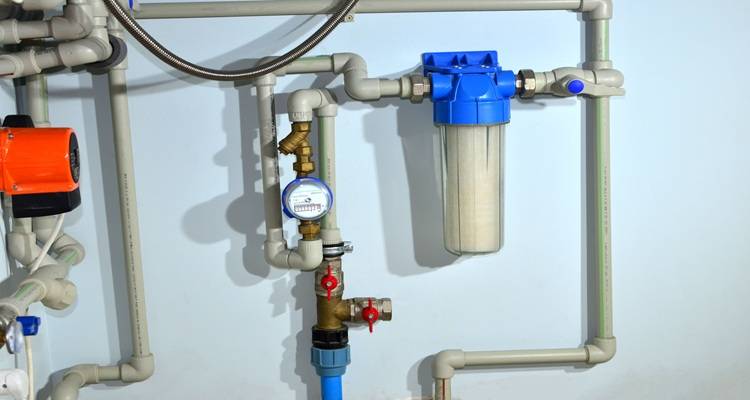
Private water supplies are regulated differently across England, Wales, Scotland and Northern Ireland, so it’s worth checking the requirements with your local authority before you start using a new supply.
Borehole Water Treatment Costs
Water isn’t automatically safe to drink purely because it comes from underground. The treatment you need will depend on the results of the water testing.
Filtration and UV treatment can cost between £1,500 and £3,000 to have installed, while water with more complex chemistry may need additional treatment costing as much as £5,000.
| Treatment Equipment | Typical Cost (ex. VAT) |
|---|---|
| Sediment filtration and UV disinfection | £1,500–£3,000 |
| UV disinfection unit only | £500–£1,500 |
| Iron/manganese removal | £1,500–£4,000 |
| Water softener | £940–£1,900 |
| Under-sink reverse osmosis filter | £300-£900 |
| pH correction | Priced after testing |
Want a custom price?
Post your job
Not every borehole requires all of these, and you should be guided by the test results of the water itself.
Connecting a Borehole to Your Home
Pulling the water from the wellhead into your home's plumbing system is a separate job from the borehole work itself. A trenched water pipe typically costs £100-£125 per metre, or £150-£200 per metre using trenchless moling.
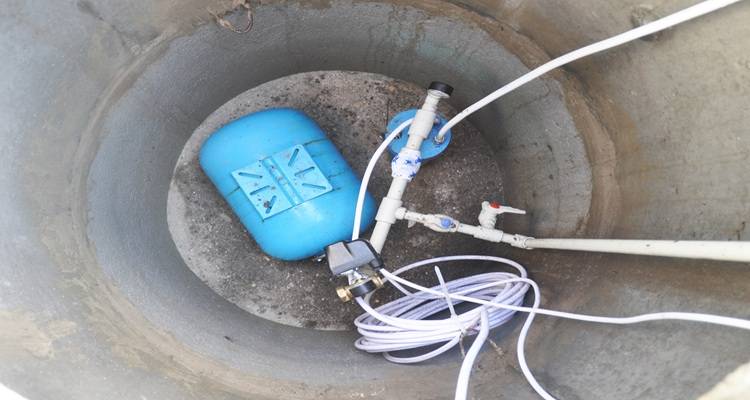
- Underground pipework and trenching: A buried pipe running between the borehole and property.
- Pressure vessel and controls: Usually sited in a garage, plant room or outbuilding.
- Electrical supply: An appropriate electrical supply to the wellhead and pump equipment.
- Internal plumbing: Connecting the supply to your existing pipework.
- Storage tank: A break tank and booster pump may be needed where the borehole yield is low.
- Switching and backup arrangements: If you keep a mains connection, the two supplies need to be arranged correctly to prevent borehole water flowing back into the mains.
Additional Borehole Installation Costs
The table below shows the extras that sit around the drilling itself, and whether they're usually part of a complete installation quote.
| Additional Cost | Typical Price (ex. VAT) | Usually in a Complete Quote? |
|---|---|---|
| Hydrogeological/site survey | £200–£1,000 | Sometimes |
| Water testing | £75–£400 per test | Often separate |
| Water treatment | £1,500–£5,000 | Often separate |
| Borehole pump | £400–£1,300 supply only | Yes |
| Pressure vessel | Priced with pump package (£1,500–£4,000) | Yes |
| Electrical installation | Depends on installation | Long cable runs often separate |
| Trenching | £100–£125 per metre, including pipe | Often separate |
| Pipework | Included in trenching rate above | Often separate |
| Storage tank | From a few hundred pounds, rising to several thousand for large external tanks | Only if needed |
| Borehole maintenance | £100–£400 a year | No |
Want a custom price?
Post your job
Do You Need Permission to Drill a Borehole?
The permissions you need depend on where in the UK you live, how much water you plan to take and the details of the project.
For a typical single-home borehole, household water use may fall below the abstraction licensing threshold. However, you shouldn't assume that this means there are no permissions or requirements to consider.
In England and Wales, abstractions of 20 cubic metres (20,000 litres) a day or less generally do not need an abstraction licence. Different rules and thresholds apply in Scotland and Northern Ireland.
There may also be requirements relating to investigating groundwater, recording borehole information, private water supplies and environmental protection.
Your borehole contractor should be familiar with the requirements that apply to the project, but it’s sensible to check with the relevant environmental regulator and local authority before work begins.
Planning Permission
Whether planning permission or another form of consent is needed can depend on the property and proposed work. Check with your local planning authority before committing to the project if you're unsure.
Borehole Regulations in the UK
Borehole regulations generally fall into two areas: rules for taking water from the ground and rules relating to the water that's eventually consumed.
Things you may need to consider include:
- Water abstraction: Licensing requirements depend on the amount of water being taken and where in the UK the property is located.
- Private water supplies: Water from a borehole used for drinking, cooking and other domestic purposes may fall under private water supply regulations.
- Local authority requirements: Your council can advise you about requirements relating to a new private water supply.
- Water testing: Testing and monitoring requirements can depend on whether the supply serves a single home, rented property, shared properties or commercial premises.
- Drinking water standards: Water intended for drinking needs to meet the relevant standards.
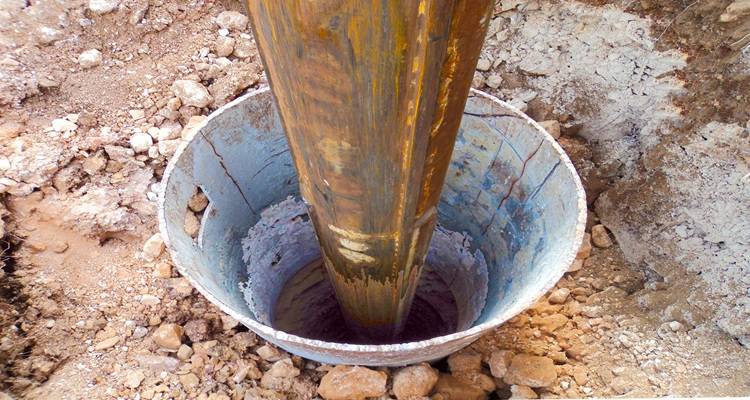
- Environmental protection: A borehole needs to be constructed and sealed in a way that reduces the risk of groundwater contamination.
- Decommissioning: An unused borehole may need to be appropriately sealed or backfilled.
Because requirements vary across the four UK nations and according to how the supply will be used, check the current rules that apply to your project before drilling begins.
How Long Does Borehole Drilling Take?
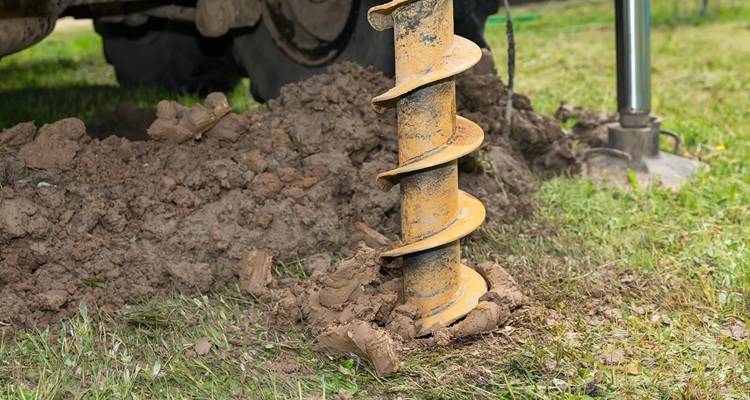
The drilling itself is the shortest element of the job and is completed in around 1 to 3 days, but the entire project can take between 4 and 8 weeks from assessment to use.
Approximate timescales for each stage are:
- Site assessment: 1 to 3 weeks, depending on whether a full report is commissioned.
- Drilling: 1 to 3 days for most domestic depths, and up to a week for deep boreholes or hard rock.
- Borehole development: Around 1 day to clean out the borehole and clear fine material.
- Pump installation: Around 1 day, often combined with test pumping.
- Testing: Sampling takes minutes, but laboratory results may take 1 to 2 weeks.
- Connecting the supply: 1 to 3 days, depending on the length of the trench and the plumbing and electrical work indoors.
How Deep Does a Water Borehole Need to Be?
The depth required for a borehole isn’t set out as a standard and differs from home to home. This can range from as little as 20 metres up to around 100 metres or more, and the depth depends on what's underneath the ground.
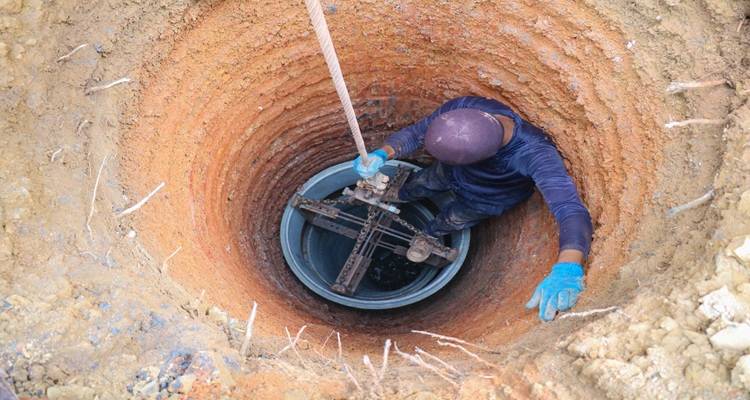
The depth is determined by:
- Local geology: Some rocks store and release water readily, while others hold very little.
- Aquifer depth: How far down the water-bearing layer sits.
- Groundwater level: The level water rises to in the borehole.
- Required yield: Drilling further into a suitable aquifer may affect the amount of water available.
- Seasonal conditions: Groundwater levels can fall in dry periods, so seasonal changes need to be considered.
For example, a borehole drilled into chalk may source a usable supply at a much shallower depth than one drilled into different geology. Historical borehole records can provide a useful indication of how deep it may need to be, but they can't tell you exactly what will be found on your property.
How Much Water Can a Borehole Supply?
The term used for how much water a borehole can deliver is its yield. This is the rate at which water can be provided without the borehole level dropping too far.
Simply reaching water doesn’t automatically mean that the borehole can provide enough for the property, which is why test pumping is crucial.
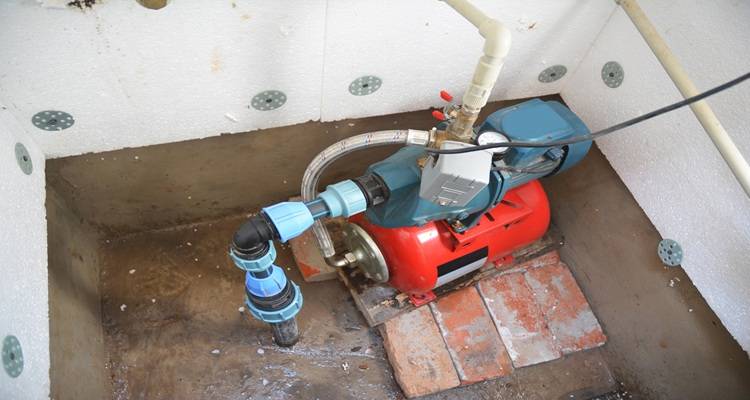
During test pumping, the contractor pumps the borehole at a controlled rate and monitors the water level and its recovery. This helps establish whether the yield is likely to be sustainable for the household.
A storage tank and booster pump can help bridge the refill gap during peak demand periods, such as when several showers are being used in the morning.
What Happens If You Drill a Borehole and Don't Find Enough Water?
If drilling doesn’t find a suitable source, you may still have to pay for the drilling work that has already been carried out. It’s important to find out from the contractor where that risk sits, as conditions differ between companies.
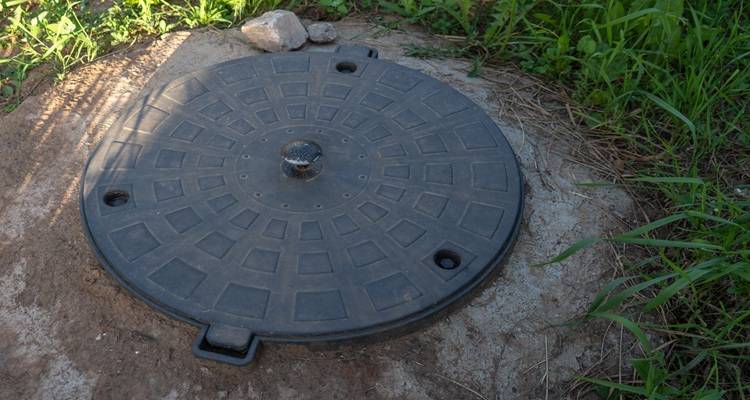
Ask each contractor what happens, and what you'd pay, if the borehole:
- Doesn't encounter water: Is the full drilling charge still payable?
- Produces insufficient yield: Who pays for deepening or for a storage tank and booster set?
- Requires substantially deeper drilling: Is there an agreed per-metre rate and a depth at which the contractor stops and checks with you?
- Produces water requiring extensive treatment: Who pays for any additional treatment equipment?
How Much Does a Borehole Cost to Run?
There will be an ongoing cost to run the borehole once installed, predominantly around electricity consumption, testing and servicing. This could amount to somewhere between £300 and £900 per year, depending on the system and maintenance required.
| Running Cost | Typical Cost |
|---|---|
| Electricity for pumping and UV | Depends on usage, depth and equipment |
| Water testing | £75–£400 per test |
| Filter cartridges and UV lamp | Replacement frequency depends on the system |
| Water softener salt (if fitted) | £5–£10 per bag |
| Annual service or maintenance visit | £100–£400 | Maintenance contract covering pump, filters, UV and testing | £300–£800 a year |
| Pump replacement | £1,000–£2,500 |
Want a custom price?
Post your job
How Long Does a Borehole Last?
A borehole is a long-term water source, but parts can wear out at different rates. With good construction and regular maintenance, the borehole itself can remain in service for decades, but equipment will need replacing throughout.
| Component | Typical Service Life |
|---|---|
| The borehole itself | 25–50 years, and potentially longer |
| Casing | Depends on the material, ground and water conditions |
| Submersible pump | Around 10–15 years |
| Pressure vessel and controls | Around 10 years or more |
| UV lamp | Often around 1 year |
| Filter cartridges | Commonly 6–12 months |
Want a custom price?
Post your job
These are average figures rather than fixed lifespans. How long components last depends on the water chemistry, how hard the system works and whether it's serviced regularly.
Is a Borehole Worth the Cost?
For a property that currently does not have mains water access, a borehole can be a practical way to gain a water supply. If you do already have a mains supply, it’s much more difficult to estimate whether the savings from water consumption outweigh the installation costs.
You may benefit from reduced reliance on mains water and potential long-term savings if you have particularly high water usage, such as a large garden or stables. However, there is a high upfront cost to contend with, plus the risk of not reaching a borehole with sufficient yield.
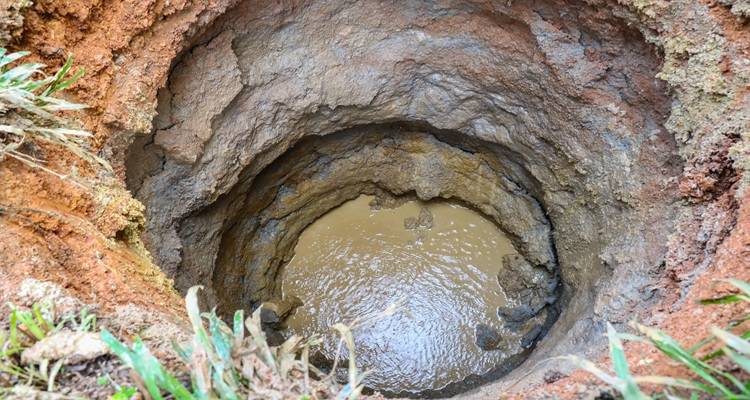
Additionally, there are ongoing maintenance and running costs to consider. For an average household that already has a mains supply, a borehole may be unlikely to pay for itself through bill savings alone.
Borehole vs Mains Water Costs
While there is no monthly payment as such for the borehole water itself, it can’t really be classified as free when you consider the upfront and running costs.
| Borehole | Mains Water | |
|---|---|---|
| Installation cost | £10,000-£18,000 before VAT for a complete system | None if already connected; a new connection varies |
| Ongoing water charges | None for the water itself | Household water charges apply |
| Electricity | Paid by you for the pump and treatment equipment | No direct pumping cost to the homeowner |
| Maintenance | £100–£400 a year, plus equipment replacement | Network maintained by water company |
| Water testing | Arranged and paid for by you | Carried out by the water company |
| Treatment | Paid for by you where required | Supplied treated |
| Supply responsibility | You | Water company |
Want a custom price?
Post your job
What Does a Borehole Installation Quote Include?
Borehole quotes are more difficult to compare than other construction and trade work because companies work in different ways in terms of pricing and risk.
It’s advisable to obtain three quotes and make sure they're clear on whether the following is included:
- Before drilling: Site survey and drilling mobilisation.
- The borehole: Drilling to an estimated depth, the price per metre beyond it, casing, grouting or sealing, borehole development and yield testing.
- Equipment: Pump, controls, pressure vessel, pipework and electrical work.
- Making it drinkable: Water testing and any required treatment equipment.
- Finishing: Connection to the house, waste or spoil removal and VAT.
FAQs
How Much Does Borehole Drilling Cost Per Metre?
The typical cost of drilling will be around £70-£130 per metre, with casing potentially adding around £20-£40 per metre.
How Deep Does a Borehole Need to Be?
There really is no hard and fast rule on the depth of a borehole, as it all depends on the ground and local geology. A contractor can estimate it from geological information and nearby borehole records, but the final depth is confirmed during drilling.
Do I Need Permission to Drill a Borehole?
It depends on where you live, how much water you plan to abstract and the details of the project. In England and Wales, abstractions of 20 cubic metres a day or less generally don't require an abstraction licence. Different requirements apply elsewhere in the UK, and there may be other permissions or notification requirements to consider.
Check with the relevant environmental regulator and local authority before committing to the work.
How Long Does It Take to Drill a Borehole?
A borehole can often be drilled in 1 to 3 days, but the entire project can take between 4 and 8 weeks from assessment to use.
Can You Drink Water From a Borehole?
Potentially, but the water should be tested first to determine whether treatment is needed before it's used for drinking. The treatment required will depend on the results of the water analysis.