Builders
 Carpenters
 Electricians
 Flooring Specialists
 Gardeners
 Handymen
 Heating Engineers
 Painters & Decorators
 Plasterers & Renderers
 Plumbers
 Roofers
 Tilers
 my
myCost to Hang Lining Paper
At a Glance
- The average cost to apply lining paper is around £275 in 2026.
- It will take between 1 and 3 days, depending on the size of the room or number of walls.
- The average cost of applying lining paper in the UK, including what affects your lining paper price.
- How much lining paper you'll need and what supplies cost.
- Whether you need lining paper at all, and how it compares to alternatives like skim plastering.
- How to find and hire a decorator near you using MyJobQuote.
Get free estimates
Are you a trade? Get more work today!
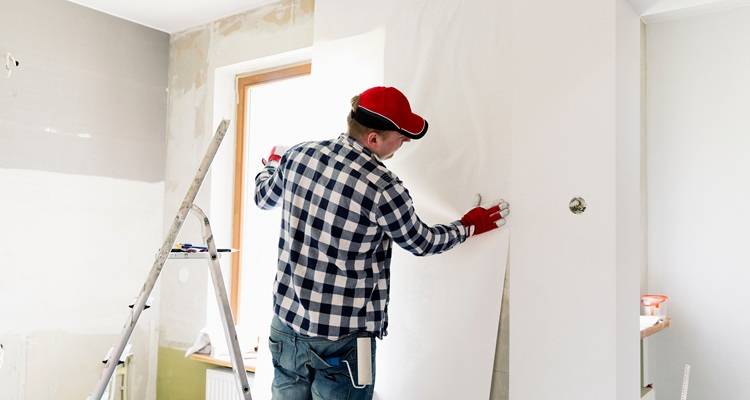
Applying lining paper is one of the most effective ways to prepare your walls before decorating, smoothing out imperfections and old surface damage to give paint or wallpaper a clean, even surface to adhere to. A typical quote covers the paper itself, paste, and a decorator's labour to measure, cut, and hang the sheets. Costs vary depending on room size, wall condition, the grade of paper used, and whether you hire a decorator or do it yourself.
In this guide, we'll cover lining paper costs, supply prices, when you need it, and what to do once it's up.
£275
Table of Contents
- How Much Does Applying Lining Paper Cost?
- Labour Costs and Timescales for Applying Lining Paper
- Lining Paper Supply Costs
- Additional Costs of Applying Lining Paper
- Cost Factors for Applying Lining Paper
- Types of Lining Paper
- Lining Paper Application Process — Getting It Right
- What to Do After Hanging Lining Paper
- Do I Need Lining Paper?
- Alternative Types of Wall Preparation
- Checklist: Hiring Decorators to Hang Lining Paper
- FAQs
How Much Does Applying Lining Paper Cost?
Applying lining paper costs £150 to £400 per room in the UK, with an average of around £275. Smaller jobs like a single feature wall can be done for as little as £65, while lining a whole house can rise to £2,800 or more. The final price depends on the room size, the condition of your walls, the grade of paper used, and whether you hire a decorator.
Lining Paper Application Prices
Below is a table showing the average prices that you can expect to pay to apply lining paper to various rooms:
| Room Type / Size | Labour Only Costs | Material Only Costs |
|---|---|---|
| Small Room (8 to 10 square metres) | £100–£175 | £30–£50 |
| Medium Room (12 to 15 square metres) | £150–£250 | £40–£80 |
| Large Room (20 to 30 square metres) | £250–£450 | £80–£150 |
| One Single Feature Wall | £50–£80 | £15–£30 |
| Whole House (average 3-bedroom size house) | £1,000–£2,500+ | £120–£300 |
Want a custom price?
Post your job
Wallpapering or lining one wall, such as a feature wall, is typically less expensive and faster than covering an entire room.
In addition to the costs listed above, you may need to factor in prep work for the job. Depending on the condition of your walls, this could add £30 to £80 to the cost of the job.
What type of lining paper are you considering?
Standard lining paper
5 votes - 22%22% of votes
Thermal lining paper
10 votes - 43%43% of votes
Damp-resistant lining paper
6 votes - 26%26% of votes
Fibreliner or non-woven
1 votes - 4%4% of votes
I'm not sure yet
1 votes - 4%4% of votes

23 votes
See results
Hide results
Labour Costs and Timescales for Applying Lining Paper
The labour side of the job will make up a large proportion of what you budget for. You can expect to pay a professional around £100 to £400 per room, depending on the room size and the extent of prep work required.
The timescales will vary depending on the size of the room and the level of prep work needed. Typically, a small room will take around 1 to 2 days to complete.
A medium-sized room will take around 1 to 3 days to complete, and a larger room will take around 2 to 4 days to complete. If you are planning on lining your whole house, this will take around 1 to 2 weeks, depending on the size of your home and the extent of the wall damage.
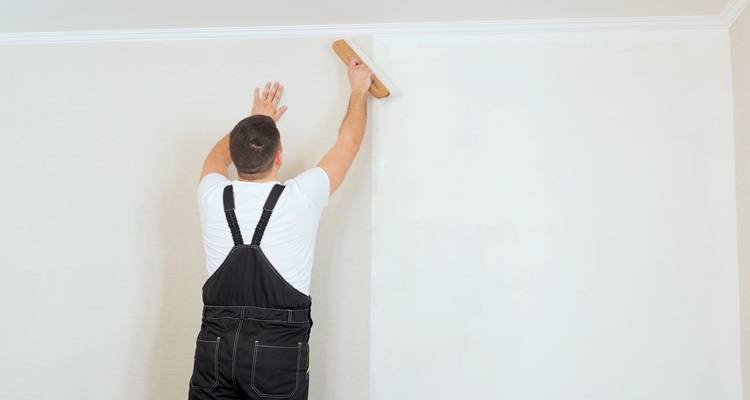
It's important to note that prep work can add a lot of time to the job, especially if your walls are in a particularly bad condition.
So keep this in mind when thinking about the overall timescales. Also, if you are lining awkward areas or ceilings, this can also add a lot of time to the job. Your contractor will be able to give you a good estimate of how long the job is likely to take in total, including all prep work and the lining itself.
Lining Paper Supply Costs
If you're applying lining paper as a DIY project, the supply costs are relatively low. Here's what you'll need to budget for:
How Much Lining Paper Do You Need?
A standard UK lining paper roll measures 10 metres long by 56cm wide, covering around 5.6m² per roll, which is roughly one wall of an average room. Below is a rough guide to how many rolls you'll need based on room size:
- Single Feature Wall — 1 to 2 rolls (around £5 to £40)
- Standard-Sized Room — around 3 rolls (£15 to £60)
- Single Bedroom (3.6 × 3m) — 5 to 6 rolls (£25 to £120)
- Double Bedroom (4.2 × 3.6m) — 6 to 7 rolls (£30 to £140)
These figures assume a 2.4m ceiling and include 10% extra to allow for waste, trimming around windows and doors, and the odd mistake. Larger rooms, high ceilings, or rooms with fewer windows will need more.
Other Supply Costs
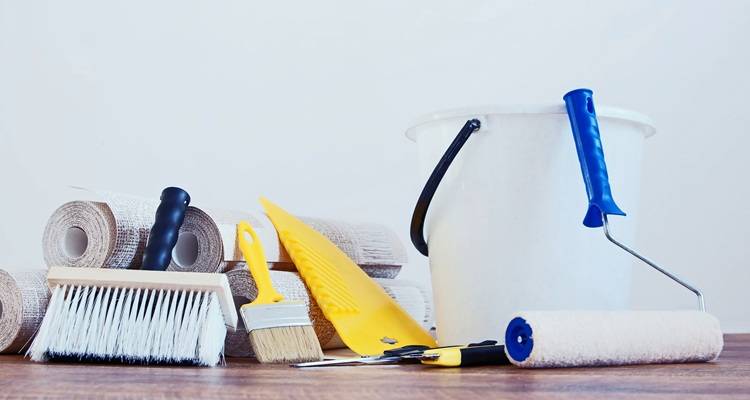
- Wallpaper Paste — £5 to £12 depending on type and brand. Ready-mixed costs slightly more but is easier to use.
- Brush and Roller Set — £10 to £30 for a basic kit.
- Trimming Knife — £3 to £10 for cutting paper to size.
- Pasting Table — £20 to £40 if you don't already have one.
Additional Costs of Applying Lining Paper
Alongside the supplies and labour, a few extra costs can come up depending on the condition of your walls and what you're planning to do once the lining is up.
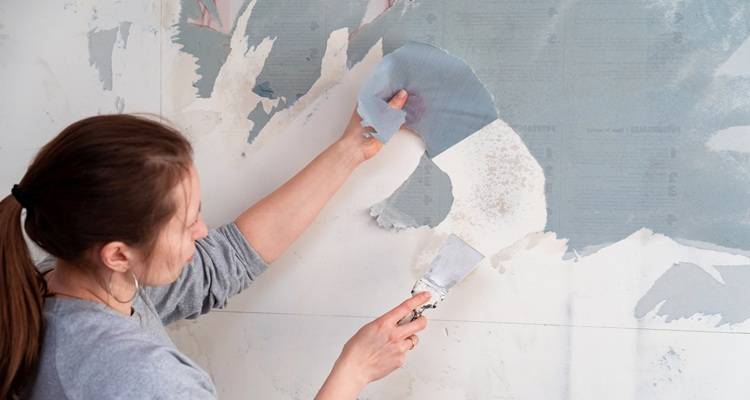
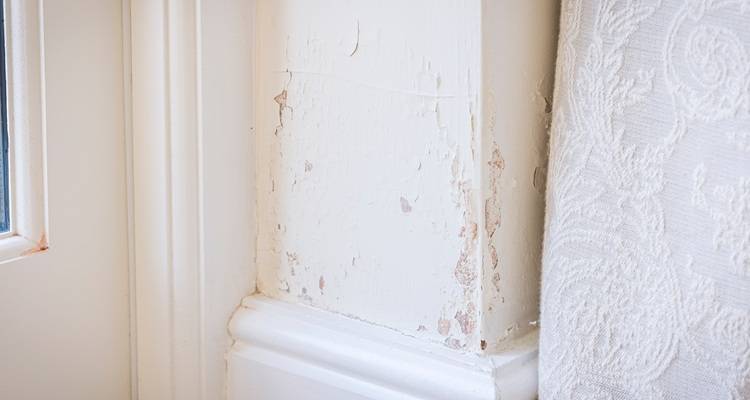
- Wall Preparation — Cracks, flakes, damp, or uneven spots all need fixing before the paper goes on. Expect this to add £30 to £80 to the job, or more if your walls are in poor condition.
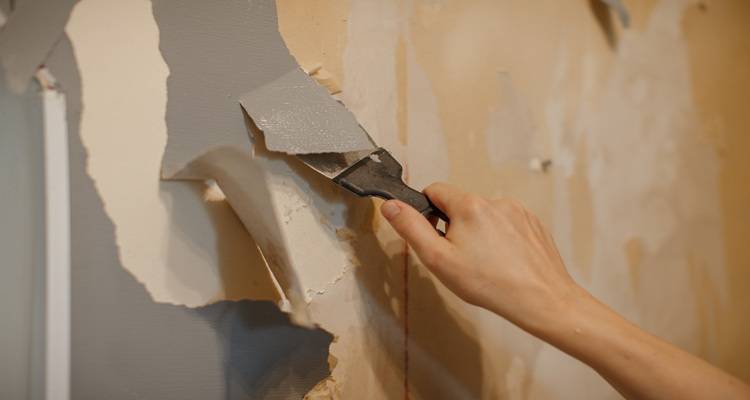
- Removing Existing Wallpaper — If your walls are already papered, the old paper needs to come off first. A professional wallpaper removal job costs around £300 to £600 per room, plus a further £15 to £50 for waste removal if you're stripping a lot of paper.
- Removing Old Lining Paper — If your existing lining paper is peeling, bubbling, or stained, it needs taking off before new paper goes up. Disposal of the old paper typically adds £15 to £50 to the job, depending on the size of the room and how many layers are on the wall.
- Painting After Lining — If you're hiring a decorator to paint over the new lining paper, expect to pay around £300 to £500 per room for a professional finish.
- Wallpapering After Lining — Hanging wallpaper over the new lining typically costs £350 to £500 per room, depending on the wallpaper and the size of the space.
- Lining the Ceiling — Adding the ceiling to the job takes more effort and time than walls alone, which adds to the overall labour cost. The figure varies by room layout, so your decorator can give you a specific quote.
Cost Factors for Applying Lining Paper
There are several cost factors that you may need to consider when applying wallpaper lining in your home. Below is a list of the things that could affect the overall cost of the job:
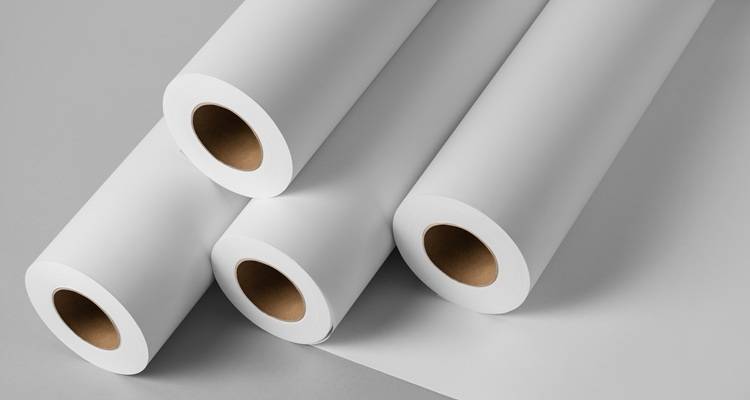
- Room Size and Number of Walls — The larger the room and the more walls that are being lined, the more materials and time needed to complete the job.
- Type and Thickness of Lining Paper — The type of lining paper that you choose will affect the cost. Higher grades cost more.
- Wall Condition and Prep Work Required — If your walls are particularly damaged or uneven, these will require more prep work, which will add more time to the job.
- Ceilings Included or Not — Ceilings can be quite difficult and will add more time to the job. Decorators may also charge a premium for this, as it is awkward work.
- DIY vs Hiring a Decorator — DIY is cheaper, but the job may not be perfect and may not last as long, so it could cost you more in the long run with redecorating. A professional application is always advised.
- Location — Those based in and around London can expect to pay more for the cost of labour than in the North or other parts of the UK.
Types of Lining Paper
When it comes to choosing the right type of lining paper for your home, you have several options to choose from. Below is a list of common lining paper types to help you decide which may be best to suit your needs:
For most typical home decorating projects, standard grade lining paper is generally the most cost-effective option, offering a good balance between affordability and performance.
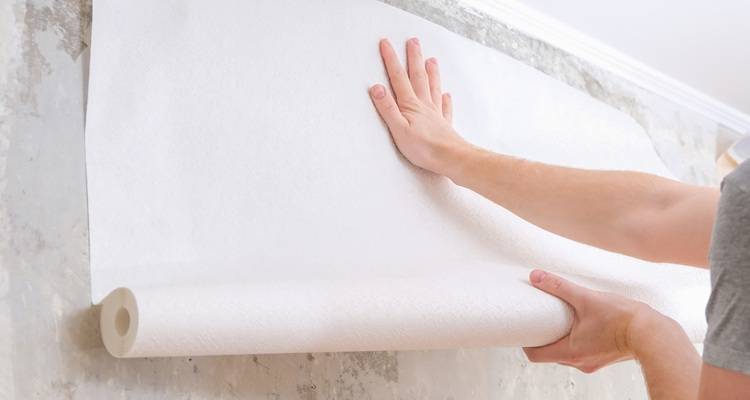
Standard Lining Paper
This is the most common type of lining paper for UK homes. They come in various grades, and the grades indicate thickness. 800–1000 is best for smoother walls that don't have many imperfections. 1200–1400 is perfect for walls that are showing some imperfections or small cracks.
1600–2500 is the heavy-duty option and is best for lining walls with a lot of surface damage. The higher the grade you choose, the better it will be at hiding imperfections. However, higher grades will result in higher costs and more labour time needed to install it.
Thermal Lining Paper
This is a specialised type of lining paper that is designed to improve insulation and reduce heat loss in the home. This is a brilliant choice for application on colder external walls. It also works great in older properties that may be colder and less insulated in general.
Thermal lining paper is more expensive than standard paper, but it can help to reduce your home's heating costs over time, so it can be beneficial in the long run.
Damp-Resistant Lining Paper
Damp-resistant lining paper is another option that you can choose. This type of lining paper is perfect for rooms where the moisture or humidity levels may be higher, such as in kitchens or bathrooms. It can be very beneficial in these spaces as it can help to reduce the risks of mould.
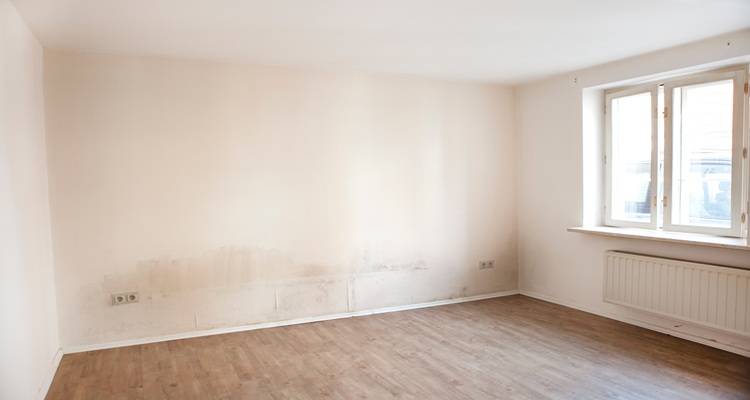
However, you must make sure any underlying damp problems are dealt with first before applying any type of lining paper.
Fibreliner / Non-Woven Lining Paper
Fibreliners are made from non-woven materials and reinforced with textile fibres. These types of lining paper are very durable and long-lasting. They also don't shrink or expand with temperature changes, so they can be used in high-humidity rooms like kitchens and bathrooms.
Due to its durability, this type of lining paper typically costs more than other types. It is a great option for high-traffic rooms or walls that may be subject to brushing or scratches, as it is the most durable and long-lasting option.
Ask a Trade
Got a question that only a tradesperson can answer? We have thousands of trades ready to answer any question you may have.
Ask your question

Lining Paper Application Process — Getting It Right
Applying lining paper isn't overly difficult, but it does require a bit of patience and some know-how. First, get your wall surface in shape by giving it a good going-over to remove any dust, dirt, or old adhesive that might be lurking there.
This will give you a clean slate to work with. Then take some time to measure and cut your lining paper so that it fits your wall, leaving a bit of extra paper at the top and bottom for trimming.
Now mix up your adhesive according to the instructions. Don't skip this bit, as you want it to be just right. Next, apply it evenly to the back of the lining paper, or, depending on the type of paper, directly to the wall.
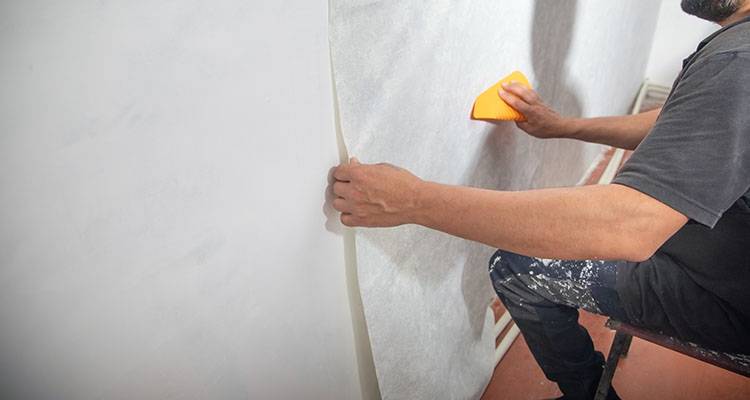
Now start hanging the paper from the middle of the wall and work your way outwards with a brush or roller. This will remove any air bubbles, leaving you with a smooth, even surface.
Don't forget to line up each strip so that the joins are nice and neat.
Once all the lining paper is in place, leave it to dry completely before you start hanging your new wallpaper. This might take a bit longer depending on the adhesive and the room conditions, but it'll be worth it in the end.
And a top tip is to be patient, as it's amazing how easy it is to rush things and end up with a messy finish.
Tools and Equipment Needed for Lining Paper
To achieve professional results when applying lining paper, you'll need the right tools and equipment. First on the list is a sturdy pasting table to get your paper in good order.
Then you'll need a bucket to mix your adhesive, and a decent brush or roller to apply the paste smoothly. A sharp cutting tool, such as a trimming knife or scissors, is crucial for cutting the paper to size and tidying the edges.
Remember the importance of a good ladder or step stool for getting to those top corners safely. A spirit level is also essential to ensure your paper is straight, as you don't want to end up with a wonky finish.
For getting rid of those pesky seams between strips, a seam roller is a lifesaver, and a damp cloth is handy for wiping away any excess adhesive as you go.
Common Mistakes to Avoid When Applying Lining Paper
Applying lining paper is a bit more involved than you might think, and there are a few things that can go wrong to ruin your finish.
One of the biggest mistakes is not taking the time to properly clean and smooth out the wall surface. If it's a bit scrappy, the paper won't adhere properly, and you'll end up with bubbles or peeling.
Then there's the risk of stretching the paper too tightly during application, as this can cause it to tear or go all wrinkly as it dries.
Using too much adhesive is another common problem, as it can leave a messy finish and even cause the adhesive to seep through the paper. So take it easy on the adhesive and just apply enough to get a good bond.
Finally, make sure the paper has soaked long enough before hanging, as strips that expand on the wall can overlap and ruin the finish.
Maintenance and Repair of Lining Paper
Avoid exposing lining paper to loads of moisture, as this can cause it to come unstuck and peel away from the wall.
And if you notice any little tears or bubbles, deal with them right away. Patching them up early on can prevent them from turning into a bigger problem.
If you need to make repairs, use the same type of lining paper and follow the manufacturer's instructions for replacing damaged sections. Just make sure to get the edges well glued, and the surface is smooth.
If you're not feeling confident about tackling repairs yourself, it's probably a good idea to get a pro in. They'll be able to sort you out with a top-notch finish and get the lining paper looking like new again.
What to Do After Hanging Lining Paper
Once the lining paper is up and fully dry, you've got a few options for the final finish. Here's what each one involves and what it'll cost.
Can You Wallpaper Over Lining Paper?
Wallpapering over lining paper is one of the most common reasons people use it in the first place. The smooth, even surface helps your chosen wallpaper sit flat and prevents shrinkage as it dries. Wallpapering a room costs around £120 to £750, depending on the size of the room and the wallpaper you choose.
Can You Paint Lining Paper?
You can paint straight over lining paper once it has fully dried. Apply a primer or mist coat first for the best adhesion, then two coats of your chosen paint. Painting a room typically costs around £400 for a standard 12m² space, including labour and paint.
Can You Plaster Over Lining Paper?
Plastering directly over lining paper isn't recommended. Most plasterers won't do it because the moisture in the plaster soaks into the paper, causing it to lift away from the wall. The finish will eventually crack and fall off. If you want a plastered finish, the lining paper should be removed first and the wall sealed with PVA before skimming. Plastering a room costs £450 to £1,150, plus the cost of removing the old lining paper.
Do I Need Lining Paper?
Lining paper isn't always necessary, but it makes a real difference in the right situations. Here's when you're likely to need it:
- Your walls have minor cracks, small dents, or an uneven surface.
- You're applying wallpaper and want a smoother base to work with.
- You're painting over a previously dark-coloured wall.
- You're decorating an older property where the walls aren't perfectly flat.
And when you probably don't:
- Your walls are already smooth and in good condition.
- You're painting over a freshly plastered wall.
- You're using thick or textured wallpaper that will hide imperfections itself.
Lining Paper vs Plastering
These are the two most common options for preparing a wall before decorating. Here's when each one makes more sense:
When plastering is the better option:
- Walls are heavily damaged, crumbling, or have deep cracks.
- There are significant damp or structural issues to resolve first.
- You want the most durable, long-lasting finish possible.
When lining paper is the better option:
- Walls have minor imperfections only.
- You need a faster, lower-cost solution.
- You're likely to redecorate again within a few years.
On cost, lining paper is considerably cheaper. Plastering a room typically costs £450 to £1,150 depending on room size, compared to £150 to £400 for lining paper. For most standard decorating jobs, lining paper is the more practical choice.
Alternative Types of Wall Preparation
If you decide that applying lining paper is not the right choice for your home, you may want to consider some other options to help you get a smooth base for your walls, ready for decorating. Below is a list of alternative wall preparation options and how they compare to lining paper:
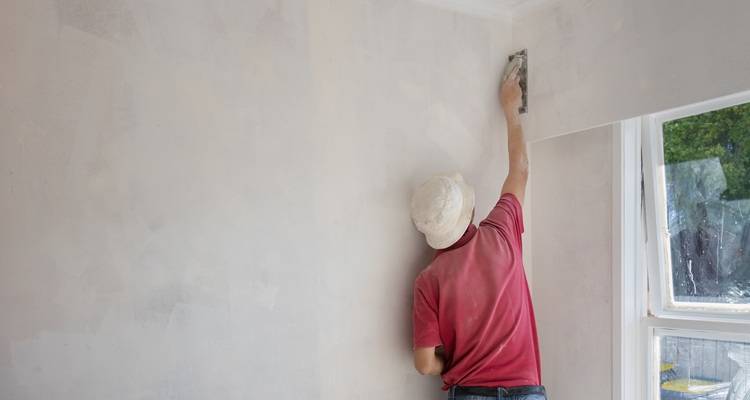
Skim Plastering
Skim plastering provides a perfectly smooth finish ready for decorating over. However, this option is quite a bit more expensive than lining paper. Skim plastering is the most recommended option if your walls are heavily damaged.
Wall Smoothing Compound
This is cheaper than plaster and provides a thin layer over cracks and dents. It's a good choice for going over minor imperfections and is particularly good for filling joints. However, it is not a recommended option if your walls are particularly damaged.
Decorative Wall Panels
These are a brilliant option if you are looking to cover up your imperfect walls quickly. They work very well as a feature wall or in rooms where you are looking to achieve a more cosy, textured feel. They come in a range of different designs and colours to suit all spaces.
Applying Wallpaper Directly
If your walls are already in very good condition, then you may not need to apply any wall preparations at all, and you could choose to wallpaper the walls directly without anything underneath.
However, many decorators will recommend applying lining paper to help achieve a smooth finish and prevent any bubbles from forming.
Checklist: Hiring Decorators to Hang Lining Paper
When hiring a decorator to apply lining paper, there are a few specific things worth checking before you commit. Below is a checklist to help you find the right professional for the job:
- Do they specialise in wallpapering and lining? – Lining paper is a different skill to general painting. Look for a decorator who lists wallpaper hanging and lining as part of their core work.
- Will they assess the wall condition first? – A good decorator should inspect your walls before quoting, checking for damp, cracks, or loose plaster that need addressing before lining can go on.
- Is wall preparation included in the quote? – Filling cracks, sanding rough patches, and treating damp can add £30 to £80 to the job. Make sure these are covered upfront, not added later.
- What grade of lining paper will they use? – Grades range from 800 (lightweight) to 2500 (heavy-duty). Ask which they recommend for your walls and whether the cost is included.
- Will they cross-line for wallpaper? – If you're papering over the lining, the paper should be hung horizontally (cross-lined) so the seams don't show through. Confirm they'll do this if needed.
- How will they handle ceilings or awkward areas? – Lining ceilings or stairwells takes longer and costs more. Get specific pricing for these areas if they're part of your job.
- Are they insured and do they guarantee the work? – Public liability insurance protects against accidental damage. A guarantee covers you if the lining lifts, bubbles, or peels within a reasonable timeframe.
- Can you see reviews from past customers? – Check their MyJobQuote profile for verified reviews from real homeowners, plus photos of previous wallpaper and lining jobs they've completed.
FAQs
What Grade of Lining Paper Should I Use?
The right grade depends on the condition of your walls. For most UK homes, a 1200 or 1400 grade is the safest choice and handles minor imperfections well. If your walls are already smooth and in good condition, an 800 or 1000 grade will do the job at a lower cost. For walls with hairline cracks, deeper dents, or significant wear, a heavyweight 2000 or 2500 grade gives the best coverage.
Do You Hang Lining Paper Horizontally or Vertically?
It depends on what's going on top. If you're wallpapering over the lining, hang it horizontally (known as cross-lining) so the seams of the lining paper don't line up with the seams of the wallpaper and show through. If you're only painting over it, you can hang it vertically like standard wallpaper.
How Long Does Lining Paper Take to Dry Before Painting?
Lining paper should be left to dry for at least 24 hours before painting or wallpapering over it. In a cold or poorly ventilated room, drying can take longer, so it's worth waiting an extra day if you're unsure. Painting before the paper is fully dry can cause it to bubble or peel away from the wall.
How Long Does Lining Paper Last?
Lining paper can last a long time when applied correctly to a sound, dry wall. Lifespan drops if it's exposed to ongoing damp, heavy moisture, or knocks and scuffs.
Can You Apply Lining Paper Over Damp or Sealed Paint?
No, lining paper should never go over damp walls. Trapping moisture behind the paper can lead to mould, peeling, and further damage to the wall underneath. Damp issues must be resolved and the wall fully dried before lining can begin. For walls coated in sealed or gloss paint, lightly sanding the surface first helps the paste grip properly.
Does Lining Paper Help to Make a Room Warmer?
Standard lining paper is designed for a smooth finish rather than insulation, but a thermal liner is thicker and designed to help trap heat within the room. On an outside solid brick wall, it can help to reduce heat loss by around 15%, which can lead to a reduction in your energy bills over time.
Do You Need Building Regulations to Apply Lining Paper?
No, applying lining paper doesn't require planning permission or building regulation approval in standard UK homes. Some commercial buildings, rented properties, and communal spaces may require fire-resistant wall coverings, so it's worth checking with your local authority if your property falls into one of these categories.