Builders
 Carpenters
 Electricians
 Flooring Specialists
 Gardeners
 Handymen
 Heating Engineers
 Painters & Decorators
 Plasterers & Renderers
 Plumbers
 Roofers
 Tilers
 my
myHouse Clearance Cost
At a Glance
- The average cost of house clearance is around £450.
- Most jobs take 6 to 12 hours to complete.
- House clearance costs broken down by the extent of the job.
- How long the job takes and what's typically involved.
- How to find a house clearance company using MyJobQuote.
Get free estimates
Are you a trade? Get more work today!
£450
Table of Contents
How Much Does a House Clearance Cost?
House clearance companies don't all price the same way. Some charge by how much you have to clear, others by weight, and some offer flat rates.
Typical house clearance costs range from £100 to £600, with the average price for house clearance jobs around £450.
What size property do you need a house clearance for?
1 bedroom flat/bungalow
33 votes - 23%23% of votes
2 bedroom flat/house
37 votes - 26%26% of votes
3 bedroom house
51 votes - 35%35% of votes
4+ bedroom house
24 votes - 17%17% of votes

145 votes
See results
Hide results
Only got a small flat? You'll pay less. Large family home with a cluttered garage? Prepare for higher costs. Some companies also charge extra for tricky items like old fridges that need special disposal, increasing your final house clearance costs.
Where you live will also make a big difference to your house clearance prices. London residents face steeper costs and should expect around £750 plus VAT for clearing a typical three-bedroom house.
House Clearance Prices
While the actual house clearance cost will depend on the amount of waste being removed, the type of items being removed, and factors such as location and access, the table below gives some estimated costs for typical house clearance jobs.
| House clearance type | Quantity | Estimated cost |
|---|---|---|
| Minor clearance (e.g. 1-bed flat) |
Up to 250kg (Small van load) |
£100–£150 |
| Small clearance (e.g. 2-bed flat or terrace) |
Up to 500kg (Half van load) |
£175–£275 |
| Medium clearance (e.g. 2 to 3 bed house) |
Up to 750kg (Three-quarter van load) |
£275–£425 |
| Large clearance (e.g. 3 to 4 bed house) |
Up to 1,000kg (Full van load) |
£400–£600 |
Want a custom price?
Post your job
Labour Cost of House Clearance & Timescales
When it comes to pricing, the majority of the house clearance cost comes down to labour hours and waste disposal fees rather than materials.
- Typical hourly rates are between £25 and £40 per person.
- Most teams consist of 2 to 3 people.
- Fixed quotes based on property size, waste volume, and access are more common than hourly rates.
If you're unsure how much house clearance labour costs in your area, we have a wide range of house clearance companies for you to compare prices.
Estimated House Clearance Labour Hours
Actual costs and times vary depending on the volume of waste in the property, but here are indicative costs and timeframes:
| Property Size | Typical Team Size | Estimated Timescale | Average Cost Range |
|---|---|---|---|
| 1-bedroom flat | 2-person team | 3 to 6 hours | £150–£300 |
| 2-bedroom house | 2 to 3 person team | 6 to 8 hours | £250–£450 |
| 3-bedroom house | 3-person team | 8 to 12 hours (1 day) | £400–£700 |
| 4+ bedroom house | 3 to 4 person team | 1 to 2 days | £700–£1,200 |
Want a custom price?
Post your job
Factors That Impact House Clearance Costs

You may experience an overall cost increase when having a house clearance due to small things. Here we will go through the different house clearance cost factors so you know what to look for.
- Size and Volume — House clearance prices are affected by the number of items removed as well as the volume. Some house clearance companies charge based on how big the van load is (a half van load vs a full van load), whereas others charge by tonnage. House clearance companies are typically charged £180 to £200 per tonne for waste disposal, which gets passed on to you.
- Valuable Items — Your house clearance costs may be reduced if your clearance includes sellable items such as antiques, collectables, or high-quality furniture. Not all house clearance companies offer to offset the value of these items against your costs, so it's worth checking with your provider before committing.
- Location — Your location significantly affects house clearance costs as London and south east England charge well above the national average, while Scotland and northern England offer lower rates.
- Access — How easy is it to get to your house? If the house is more difficult to access, whether due to the road, the house itself, or a lack of parking spaces, the job will take longer, and the labour cost of a house clearance will be higher.
- Urgent Clearances — If you need the house clearance done quickly or at the last minute, expect costs to increase.
- Additional Services — Some house clearance companies will also remove carpets, provide deep cleaning services, and clear the loft or basement. If you need these services, check if they are included in your house clearance costs, as you might have to pay extra for them.
Additional House Clearance Costs
There may be additional fees during a house clearance that will raise the total price. As a result, it pays to be aware of these potential extra costs you may incur and how much they will add to the overall clearance cost.
Garden Waste Removal
If you also have garden waste you want to get rid of, this can be added to your house clearance or arranged separately, with costs depending on how much waste you have and what you want removed.
On their own, garden waste disposal costs start at around £15 to £50 for small collections, rising to £150 to £300 or more for large or multiple van loads.
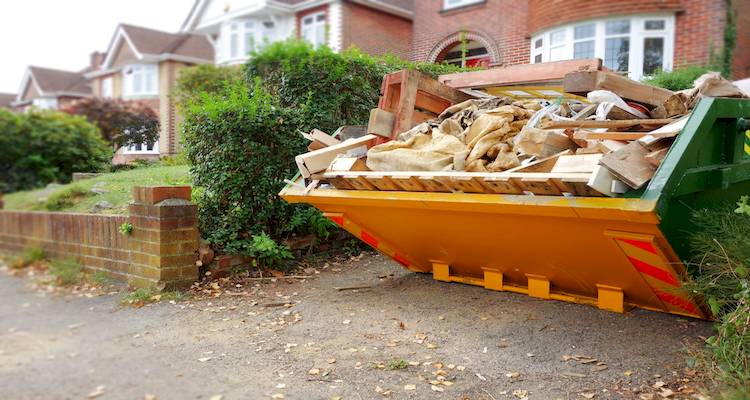
As an alternative, you could consider hiring a skip and getting rid of your garden waste yourself, with skip hire costing between £70 and £400.
Cost of Specialist Item Removal
Some items require special disposal methods and carry additional fees beyond standard clearance costs. Here are typical costs for specialist item removal:
| Item | Cost |
|---|---|
| Small items (kettle, toaster, iron, etc) | £5 |
| Tyres, gas canisters, fire extinguishers | £4 |
| TVs and computers | £10–£15 |
| Mattresses | £20 |
| Small fridge and freezer | £30–£50 |
| Large fridge freezer | £95 |
| Piano | £100–£160 |
| Wet food and household chemicals | £30 |
Want a custom price?
Post your job
Hazardous Waste Removal
Some items require specialist hazardous waste disposal and may incur additional fees, increasing your house clearance costs. Asbestos, paint or solvents, batteries, medical waste, and gas cylinders are a few examples.
Due to their hazardous nature, expect to pay more to have these types of items removed. For example, costs for removing asbestos might be around £200 for a small job, rising to £500 or more for larger quantities.
What's Involved in House Clearance?
A house clearance can be a significant undertaking, and hiring an expert and reputable company that provides house clearance services can be highly beneficial.
With the help of MyJobQuote, you can find local house clearance companies and request free, online quotes without any obligations to continue.
Below is a broad overview of the house clearance process, including what's involved.
Before the House Clearance
- Initial Discussions — Before starting, your house clearance company will need information such as the size of the property and your expectations on what's being removed.
- Take Anything to Be Kept — If there is anything you don't want to get rid of, such as sentimental or personal items, ensure these are already removed ahead of the house clearance taking place.
During the House Clearance
- Removal of Belongings — Providing it has been agreed in advance, house clearances usually include designated furniture, along with a wide range of other items also being subject to removal.
- Final Checks — A reputable house clearing company should take everything that has been left for clearance. Once completed, a final review will ensure any last-minute items are also removed accordingly.
After the House Clearance
- Empty Property — All designated items should have been removed and disposed of responsibly, leaving the property empty for its next use.
Ask a Trade
Got a question that only a tradesperson can answer? We have thousands of trades ready to answer any question you may have.
Ask your question

Can I Clear a House Myself?
A house clearance is often an enormous task, so hiring a reliable and professional firm to do it for you can save a lot of hassle and stress.
While you can do it yourself by renting a skip or a van, hiring a company will provide you with a quick and thorough house clearance. Waste removal should be high on any moving house checklist because it should always be meticulously organised, which a professional team handles for you.
If you do want to organise the clearance yourself, expect the following costs on average:
- Skip Hire (2 to 3 Yards) — £90 to £130
- Skip Hire (12 Yards) — £250 to £440
- Council Permit — £20 to £65 for skips placed on public land such as at the roadside.
- Van Hire — £30 to £100 per day (depending on size), plus fuel.
- Disposal Fees — Up to £95 for a large fridge-freezer, plus more for small appliances, mattresses, etc.
Hiring a large skip and van to dispose of several large appliances can easily cost hundreds, meaning the DIY option isn't always much cheaper than hiring a professional.
Bear in mind that skip hire companies must dispose of your waste through a combination of recycling, landfill, and incineration. You will also need a permit from your local council if the skip is placed on public land, so expect to pay an additional £20 to £65 for the permit.

Checklist: Hiring a Local House Clearance Contractor
If you are hiring a company for a house clearance, remember to consider the following points:
- Do they have a good reputation? Check for online reviews and feedback on their MyJobQuote profile, or ask friends and family for recommendations.
- How much experience do they have? Ask when they last did a house clearance and how often they carry out such jobs, as this will help provide you with confidence and expectations.
- Are they a registered waste carrier? In England, check if they are on the upper tier on the Environment Agency's register. Other parts of the UK have their own registers. If the waste is fly-tipped and traced back to you, you could be prosecuted and face fines of over £600 in England.
- Do they have public liability insurance? Although not a legal requirement, reputable companies will still be covered by their insurance against personal injury or accidental damage.
- Have you requested more than one quote? It is always a good idea to request several quotes to ensure you're getting a fair price. With the help of MyJobQuote, contact at least three companies with no obligation to go ahead.
- Have you received an itemised breakdown for the work? Ask for an itemised quote to ensure you know everything that's covered, including if tasks such as disposing of household waste are included.
FAQs
What Size Skip Do I Need for House Clearance?
A yard is a unit of measurement for skips. Skips of 2 yards, 4 yards, 6 yards, 8 yards, 10 yards, 12 yards, and 14 yards are available. Large household clearance projects usually need 12 or 14 yard skips.
How Long Does a 3-Bedroom House Take to Clear?
A good house clearance company should take 8 to 14 hours or a full day using a two- or three-man team to clear a typical two to three-bedroom house with an average amount of furniture, possessions, and rubbish.
Do I Need to Be Present During a House Clearance?
In most cases you don't need to be there while a company clears your house, although it may be helpful to be there at the start to provide access and instructions. However, if they are able to access the property and you leave clear, written instructions, you won't usually need to be present.
Is House Clearance Worth It?
Many people find paying for house clearance services is worth the cost as it saves time and reduces stress. By using professional house clearance services for removing unwanted items, you will ensure your items are disposed of responsibly.
What Happens to Recyclable Items After a House Clearance?
Reputable house clearance companies sort each van load on return, sending recyclable materials to specialist recycling centres rather than landfill. Small electrical items, fridges, and freezers require specific recycling routes, which is why they carry additional costs on top of your standard house clearance price.
Are There Any Items a House Clearance Company Won't Remove?
As part of a standard clearance, most companies will remove general household waste, furniture, and appliances. They are unlikely to remove asbestos, chemicals, gas cylinders, or medical waste unless you pay for a hazardous waste removal service at an additional cost.
How Much Does the Council Charge to Clear a House?
Your local council won't usually offer full house clearances, but may collect large items, such as furniture, as part of a bulky waste service, and typically charge per item. For a full property clearance, you will need to hire a professional house clearance company.
Do I Need to Pay VAT on House Clearance?
Not all clearance companies are VAT-registered, so whether VAT is added to your house clearance cost depends on the service provider. Larger clearance companies are more likely to be VAT-registered and will add 20% to their clearance prices. Check whether your price includes VAT.