Builders
 Carpenters
 Electricians
 Flooring Specialists
 Gardeners
 Handymen
 Heating Engineers
 Painters & Decorators
 Plasterers & Renderers
 Plumbers
 Roofers
 Tilers
 my
myCost to Build a Pond
At a Glance
- The average pond installation costs around £3,000 in the UK.
- It typically takes between 1 and 5 days to build a pond.
- A breakdown of pricing details for different pond sizes and types.
- How long pond construction takes, and an overview of what's involved in the process.
- How to find and hire a pond installer near you.
Get free estimates
Are you a trade? Get more work today!
Looking for pond installation prices?
The average price of pond building is £3,000, but prices vary based on the size and type of pond you want.
In this guide, we'll look into pond costs for different sizes and types, as well as how to build a pond, and the building regulations you need to be aware of for pond installation.
Ready for a pond building quote?
More than 1 million homeowners across the UK use MyJobQuote to find tradespeople near them every year. Just enter a few details about your project, and get connected with garden pond installers near you for free, no-obligation quotes.
Want to learn more about garden pond construction first?
Keep reading!
£3,000
Table of Contents
- How Much Does It Cost to Build a Pond?
- Pond Installation Prices by Size
- Pond Installation Prices by Pond Type
- Supply Cost of Garden Pond
- Labour Cost of a Pond Installation
- How Long Does Building a Pond Take?
- Factors That Impact Pond Installation Costs
- Additional Garden Pond Costs
- What's Involved in Building a Pond?
- Can I Build a Pond Myself?
- Building Regulations & Planning Permission for Pond Installation
- Pond Removal Cost
- Checklist: Building a Pond in the UK
- FAQs
Pond Installation Cost Calculator
How Much Does It Cost to Build a Pond?
As mentioned, the cost of a pond installation will vary depending on the size and type. To have a small garden pond constructed costs between £800 and £1,300.
A medium-sized garden pond is priced at about £2,400 to £3,600, and a large garden pond might cost you between £5,000 and £7,500.
If you want to replace an existing garden pond with a new installation, this will likely cost several hundred pounds more.
Which feature would you most like for your pond?
Additional water feature
2 votes - 18%18% of votes
Fish or to attract wildlife
6 votes - 55%55% of votes
Landscaping (layered, plants etc)
3 votes - 27%27% of votes
Safety features (fence/netting)
0 votes - 0%0% of votes

11 votes
See results
Hide results
The cost of having a garden pond constructed would depend not only on the type and size of the pond. It would also depend on ease of access and the location of your property since labour prices differ across the UK.
How much would it cost to install a garden pond of about 5x8?
"Depending on the trader, it should be between £100 to £1,500, unless you have your own unique plan in mind."
Pond Installation Prices by Size
The table below gives an overview of how much it costs to build standard lined garden ponds with basic edging and finishing in different sizes in 2026, with a breakdown of the approximate supply and labour costs, too:
| Size/Type | Supply Cost | Labour Cost | Total Cost |
|---|---|---|---|
| Small Pond (2m x 2m) | £500–£700 | £300–£600 | £800–£1,300 |
| Medium Pond (4m x 3m) | £1,500–£2,100 | £900–£1,500 | £2,400–£3,600 |
| Large Pond (6m x 4m) | £3,200–£4,500 | £1,800–£3,000 | £5,000–£7,500 |
Want a custom price?
Post your job
If you're upgrading an existing pond, expect the pond costs you're quoted by tradespeople to be higher than this, as excavation and removal of old materials are required.
Pond Installation Prices by Pond Type
If you're planning to install a standard garden pond, the prices above for the different sizes will give you a good indication of the final cost. However, if you're looking for something more specialist, these costs can increase significantly.
You may decide that you want something like a koi pond, a wildlife pond, a swimming pond, or a fishing pond in your garden. Each of these types of ponds will have different build and equipment requirements, which will affect the final cost.
| Pond Type | Typical Size | Typical Cost |
|---|---|---|
| Wildlife Pond | 3m x 2m | £1,000–£2,500 |
| Koi Pond | 4m x 3m | £3,000–£10,000 |
| Swimming Pond | 10m x 5m | £20,000–£40,000 |
| Fishing Pond | 10m x 8m | £8,000–£20,000 |
Want a custom price?
Post your job
Wildlife Pond Cost
A wildlife pond can be a great addition to your garden. Designed to attract local wildlife such as birds, insects, and amphibians, they are typically an easy-to-install and affordable pond, as they usually require less equipment than other pond types.
Costs will depend on the size of your pond and your choice of plants and edging materials, but the average wildlife pond costs around £1,750, though larger ponds with more extensive planting can cost significantly more.
Koi Pond Cost
Koi ponds are usually deeper than a typical garden pond, and require more specialist equipment such as filtration systems, water pumps, and aeration equipment, to keep the water and the fish in the best condition.
This deeper installation with more specialist equipment means that the average koi pond costs around £6,500, with additional costs for purchasing the koi to stock your pond.
Swimming Pond Cost
Designed for recreational swimming, swimming ponds are a different type of pond altogether. They are typically much larger than a standard pond, so require more excavation, and often require a dedicated filtration setup to maintain water quality.
With the extra work required to install this type of pond, as well as the usual landscaping surrounding it, typical swimming pond costs are around £30,000.
Fishing Pond Cost
Another type of pond that is usually larger than a standard garden pond is a fishing pond, designed specifically for recreational fishing. These often require extensive excavation, with costs affected by the pond size, ground conditions, and fish stocking requirements.
Because of their size, fishing ponds are usually built on larger pieces of land, rather than in gardens, and a typical fishing pond could cost around £14,000 to install.
Supply Cost of Garden Pond
Let's look at pond installation supply costs. This is part of the total price but excludes the cost of labour, so it relates to a DIY pond cost.
These costs would be especially pertinent if you were to purchase the materials from a retailer directly as part of a DIY job. These are essentially the overall estimated costs of building a pond by yourself:
| Size of Pond | Supply Cost |
|---|---|
| Small Garden Pond | £500–£700 |
| Medium Garden Pond | £1,500–£2,100 |
| Large Garden Pond | £3,200–£4,500 |
Want a custom price?
Post your job
As well as size, your pond costs will also depend on the type of pond you choose. Preformed plastic ponds are typically cheaper than flexible liner installations, although these offer more design flexibility. Raised ponds can cost even more due to the additional construction materials, such as blocks and bricks, required to build them.
Labour Cost of a Pond Installation
If you're getting quoted a cost to build a pond by a specialist installer, you should expect labour to account for around 40% of the total price.
The daily labour cost for a garden pond construction is around £300. However, this will vary across the UK, with tradespeople in southern areas typically being more expensive to hire.
The labour cost and timeframes would vary depending on the size and type of pond being built as well as ease of access to the work area. Whether you undertake some work DIY (e.g., excavating the area) would also influence the cost of labour.
How Long Does Building a Pond Take?
The excavation phase would likely take somewhere in the range of half a day to a full day's work. The actual installation of the pond itself would likely last around 2 to 5 days, but it would depend on the size and type of pond being built.
As for the full timeframes of building different-sized ponds, the table below shows how long building different-sized ponds typically takes an experienced professional. If you're thinking of installing a pond as a DIY project, expect it to take a little longer than this!
| Pond Size | Estimated Timeframe |
|---|---|
| Small Garden Pond | 1 to 2 days |
| Medium Garden Pond | 3 to 5 days |
| Large Garden Pond | 6 to 10 days |
Want a custom price?
Post your job
Ask a Trade
Got a question that only a tradesperson can answer? We have thousands of trades ready to answer any question you may have.
Ask your question

Factors That Impact Pond Installation Costs
We'll now take a closer look at the cost-affecting factors of constructing a pond, whether it be the size and type of pond or the location of your property. Ultimately, garden pond prices with the cost of labour and supplies can vary a lot.
Size and Type of Pond
One of the most important factors is the size of the pond, as the larger it is the more materials you need (raising supply costs). It will also take longer to build, increasing labour costs, and the end cost will depend on what you're planning to use it for.
The type of pond you're installing will affect the price as specialist ponds can require more excavation, materials, or equipment, all of which will increase your pond costs.
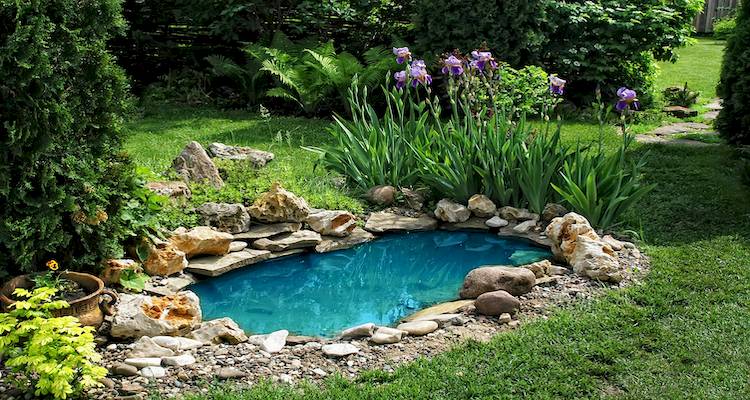
Pond types could also be categorised based on their design and shape. An ordinary-shaped pond would be more budget-friendly than, say, having a fancy ornamental-styled pond constructed.
Pond Liner Costs
A basic PVC liner is typically the most affordable option for your new pond, while premium EPDM and rubber liners can provide more durability, but you will pay more for these.
A pond liner in the UK typically costs around £5 to £25 per m², but if you opt for higher-quality, more durable options, these will increase the overall cost of your pond project.
Ease of Access
The level of accessibility a professional has to the workspace could also shape your total bill. This is because easier access could make the work easier and faster and thus likely keep labour costs down.
Location of Property
Labour prices are generally above the UK average in the southeast (London is especially known for high labour costs) whereas they tend to be under the national average in Scotland, northern England, and Northern Ireland.
Waste Removal and Garden Clearance
You may also wish to consider having your garden cleared or tidied up at the same time, as when having a pond installed you can expect there's a lot of garden waste removal needed, so it can save money in the long run, rather than booking garden clearance as a separate job.
Additional Garden Pond Costs
In addition to the costs of installing your pond, there are various optional and ongoing costs that it would pay to be aware of.
Pond Cleaning Cost
While you will need to clean your pond after it's first installed to ensure there's no excess debris, generally speaking this is more an ongoing maintenance cost. Depending on the size of your pond, regular cleaning will on average cost around £100 to £300 per year.
What's the best way to make a new pond look natural?
"Aquatic plants provide much-needed shelter and protection from predators. Include planting shelves. Place boulders intermittently between baskets planted up with plants, merging with the rim of the pond for a natural progression from land into water, while also securing the pond liner in place."
Additional Features
If you wish to have extra features like a water fountain or/and a pump added, this will increase the overall cost of having a garden pond built.
Below are some additional features to consider, although the actual prices may differ depending on factors such as the size of your pond and the quality of the product.
| Feature | Average Cost |
|---|---|
| Fish and wildlife | £20–£200 |
| Pump | £30–£300 |
| Pond lighting | £30–£300 |
| Pond filter | £40–£400 |
| Automated water top-up | £50–£300 |
| Aeration systems | £50–£500 |
| Water fountain | £50–£500 |
| UV clarifiers | £50–£500 |
| Waterfalls or cascades | £100–£1,000 |
Want a custom price?
Post your job
What's Involved in Building a Pond?
To make sure your new pond looks its best, is properly installed, and will last for many years to come, it's usually best to hire a professional, especially if it's larger, requires extensive excavation, or will hold expensive fish stocks.
It's always a good idea to get a number of quotes for your project, and you can use MyJobQuote to get free, no-obligation quotes from pond installers near you.
This is an overview of the process you can expect when you hire a professional pond installer.
Before the Job Starts
- Choosing the Pond Size and Depth — In the case of a decorative pond, you'd want a water depth of about 0.6 metres or so. If it's going to feature small fish, we'd suggest a depth of about a metre but if it will feature larger fish (e.g., koi or carp), then a depth of approximately 1.5 metres would suffice.
- Selecting the Pond Design — You'll also want to decide on the shape/design such as a regular design vs. a fancy ornamental design.
- Hiring a Pond Installer — Planning would also involve hiring the right contractor for the job, assuming you want someone to build the pond for you.
During the Job
- Excavating the Pond — The first practical stage of a pond installation involves excavating the area. How deep the excavation needs to be will depend on the size/type of pond in question.
- Shaping the Pond — Before digging up an area for a pond, the shape of the pond should be marked out with a spray or string. In some cases, a marginal shelf will be included for plants before the inner deep-water area can be excavated in full.
- Installing the Liner and Equipment — Pond-liner materials would be needed as a means of creating a water-tight barrier between the inside of the pond and the ground around it. Protective underlay will be installed before the liner to protect against stone damage and root penetration.
- Adding Features and Water — Any required equipment, such as filtration systems and pumps for air circulation, is installed before the water is added to the pond.
After the Job
- Checking Filtration and Aeration — In many cases, a pond needs a functioning filtration system and a means of air circulation, such as a pump.
- Adding Fish Protection — If you have fish, you may want to consider investing in pond netting to protect your fish from large birds.
What are the most common plants used in garden ponds in the UK and why?
"A favourite native plant for the water garden, Caltha Palustris (better known as Marsh Marigold) is the earliest to flower in spring with rich golden blooms. Marginal pond plants grow in rivers, streams and ponds in the wild. They are very versatile and grow in damp soil or shallow water."
Can I Build a Pond Myself?
Yes, it's entirely possible to construct a garden pond DIY but it's important that a) you have the right skills and knowledge and b) you understand all of the necessary safety steps as well as the elements of constructing a pond that are necessary. If in any doubt, hire a professional.
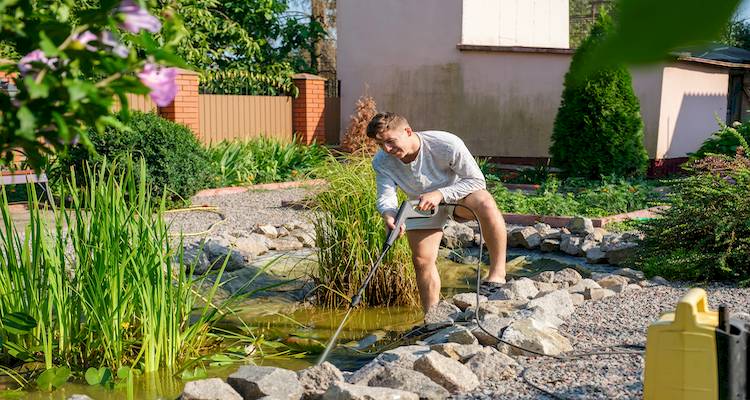
As discussed, excavation is the most suitable part for a DIY enthusiast, but you may wish to undertake the entire project and this would save you several hundred to several thousand pounds in labour costs, depending on the size and type of the garden pond. The DIY man-made pond prices are one core advantage of building a garden pond by yourself.
Some of the hazards/dangers of building a garden pond include:
- Working with heavy materials.
- Tripping or falling.
- Building the pond incorrectly.*
*An incorrectly built pond would leave you needing to pay for a professional to come out and fix it for you and overall, this would be more expensive than having a contractor build the pond in the first place.
Smaller ponds tend to be realistic DIY projects. Medium or large ponds, or those with complex designs, are typically best left to a professional.
I’ve got a garden pond, but there are a few issues. It has stringy algae in it, and the water is almost soupy? Despite cleaning the pond regularly, the issues remain. Do you know what might be causing this and how I could fix it? Is it easy/safe to fix DIY or should I hire a professional?
"A black dye can be added to the water that is safe for wildlife. This provides a screen so that the algae/algal blooms cannot survive as they need sunlight. It is not as drastic as it sounds, and is far better to look at than the green sludgy water."
Building Regulations & Planning Permission for Pond Installation
In general, building regulations do not specifically cover building a pond. However, there are many regulations that relate to protecting wildlife.
In terms of planning permission, ponds are usually classed as permitted development in England (other parts of the UK set their own rules) unless they are built in front of the house or in the grounds of a listed building or a house that's in a conservation area, National Park, the Broads, AONB, or World Heritage Site.
When planning permission is needed, the application fee is:
- England — £272
- Wales — £283
- Northern Ireland — £347
- Scotland — £371
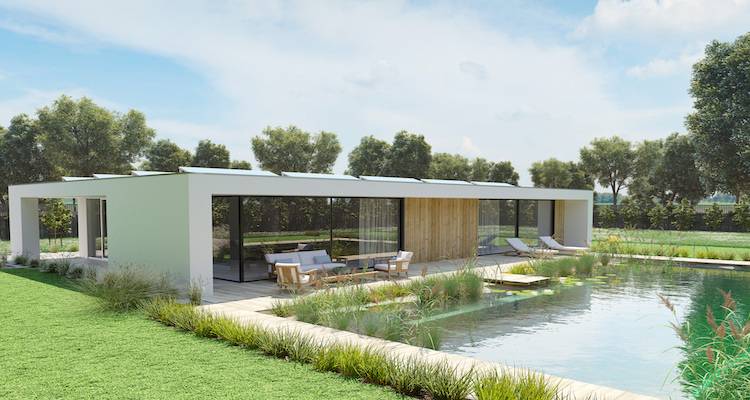
It is best to contact your local authority and explain your plans in detail and enquire as to whether building regulations apply or/and planning permission approval is needed.
Pond Removal Cost
You may have an existing pond you want taken out of your garden. This could be because:
- You have young children or pets, and it's a safety issue.
- You're re-designing your garden and want to start again with a blank canvas.
- You no longer want the feature and don't want to pay for pond maintenance to keep it free from algae.
Depending on the size, pond removal costs can range from £500 to £2,500+. The difference in price relates to the size of your pond, how much excavation is required, what equipment is needed, and how much topsoil you'll need to fill in the hole once the pond has been taken out.
How can I resolve a possible leak in my garden pond without it costing too much?
"Firstly, drain the pond as much as possible - finding a temporary home for your fish is the hard part. Check the lino for any cuts or abrasions."
Checklist: Building a Pond in the UK
If you'd prefer to hire a professional to construct your garden pond, there are various points worth taking on board as part of the hiring process:
- Do they have the right experience? How long have they been building ponds for homeowners? Do they have examples of recent work they've completed or a portfolio to show you?
- Do they have public liability insurance? Providing they do, not only does it provide a layer of accountability but it also protects against accidental damage to your property and personal injury.
- Do they provide guarantees? Reputable tradespeople who are confident in their workmanship should be willing to provide a warranty for their work and fix any issues that may arise during the installation.
- Have you received more than one quote? It's common practice, as well as highly recommended, to receive more than one quote from various tradesmen for the job, complete with a detailed breakdown.
- Do they have positive reviews? Take a look at the reviews and feedback they've received from previous users on MyJobQuote or ask friends and families for recommendations.
FAQs
How Much Does a Pond Cost to Run?
For a pond with a pump, it may cost around £0.50 to £2 per day to run, although this may vary by regional electricity prices. The cost will also depend on the type of pump and how efficient it is, which will partly depend on the size/type of pond you have.
What Is the Best Pond-Liner Material?
Butyl rubber is the most popular flexible pond-liner material. It lasts longer than PVC although it is more expensive. The best choice for your pond will depend on the size, shape, and purpose of the pond, as well as your budget.
How Long Does a Garden Pond Liner Last?
This will of course depend on the material. Some materials like PVC and polyethylene tend to last around two decades, while EPDM/rubber pond liners or reinforced polyethylene (RPE) pond liners can last for 30 to 40 years or longer. It will also depend on how well-maintained your garden pond is and UV exposure.
Can I Convert an Existing Pond into a Koi Pond?
It is possible to turn your existing pond into a suitable habitat for koi, although you'll need to follow recommended guidelines as koi can grow to 24". As such, the minimum pond size requirement is around 8 x 6 feet, with 4 feet of depth and a capacity of 1,200 gallons.
Do I Need a Pump for My Pond?
It's a good idea to have a pump in your garden pond if you keep fish in it to ensure the water quality and oxygen levels are sufficient. For wildlife ponds, it's not usually necessary unless you are running a fountain. Pumps improve water aeration and clarity and help to control algae growth to keep your garden pond clearer for longer.
What's the Best Location for a Garden Pond?
You should position your garden pond in an area that gets sunlight throughout the day, but you don't want to have your pond in full sunlight all day long. It's a good idea to have some greenery around your pond to help the aquatic life feel comfortable and not so exposed to predators.