Builders
 Carpenters
 Electricians
 Flooring Specialists
 Gardeners
 Handymen
 Heating Engineers
 Painters & Decorators
 Plasterers & Renderers
 Plumbers
 Roofers
 Tilers
 my
myPAT Testing Cost Calculator
If you find yourself responsible for electrical appliances in a home, a rental property or even a workplace, it's important that you understand the likely costs for portable appliance testing (PAT), which is essential for budgeting and compliance.
Our PAT testing cost calculator is purpose-designed to give you a realistic estimate based on the type of appliances you need testing, and the number of them.
So, whether you're a landlord organising your annual checks or a business owner ensuring workplace safety, this cost guide will break down everything you need to know about PAT testing, the factors that affect pricing, and how you can keep those costs down.
PAT Testing Cost Calculator
Table of Contents
How to Use the PAT Testing Cost Calculator
Our PAT testing cost calculator will help you estimate the likely costs of your testing in a matter of minutes. Here is a step-by-step breakdown of how to use the calculator accurately.
- Enter the number of appliances, even if this is just an estimate. If you are estimating, try to overestimate slightly, rather than underestimate.
- Provide your location. Remember, you will likely pay more for this work in areas like London, so this is an important step for accuracy.
- Review the estimated cost provided based on the UK contractor rates in the area. While this is only an estimate, it should be fairly accurate. From here, you can attain a full quote from an electrician.
For related services, you can contact local electricians and request a quote.
Landlords may also wish to review electrical safety check costs.
Ready for a quote? Post your job on MyJobQuote, and get matched with local electricians so you can compare quotes for your project.
What Is PAT Testing?
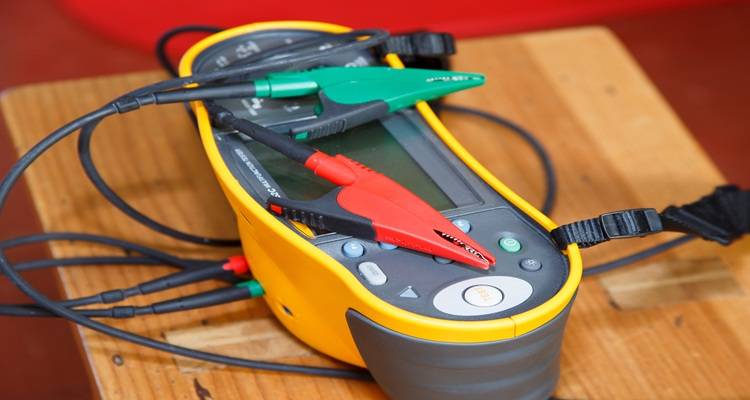
PAT testing stands for Portable Appliance Testing, and it refers to the testing and inspection of electrical appliances to ensure they are safe to use in the home or workplace.
PAT testing typically involves:
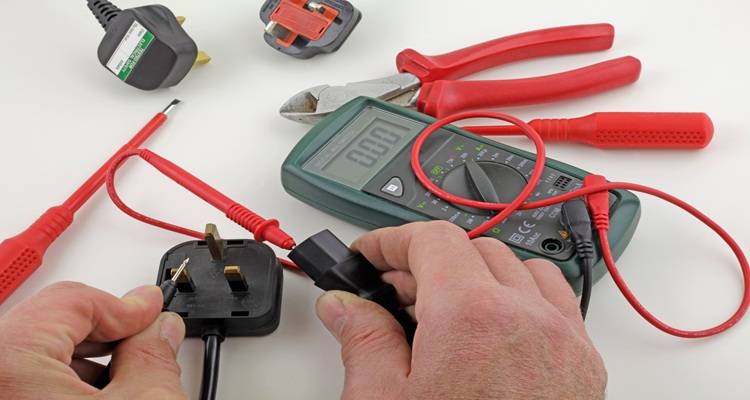
- A visual inspection of the plug, cable and casing.
- Internal checks (wherever necessary).
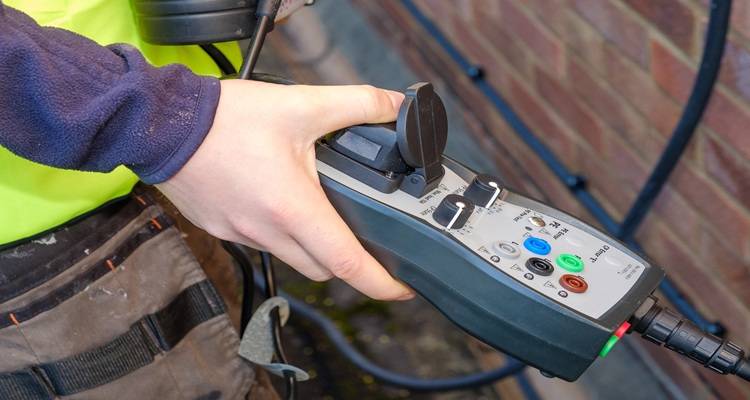
- Electrical safety tests using specialist equipment.
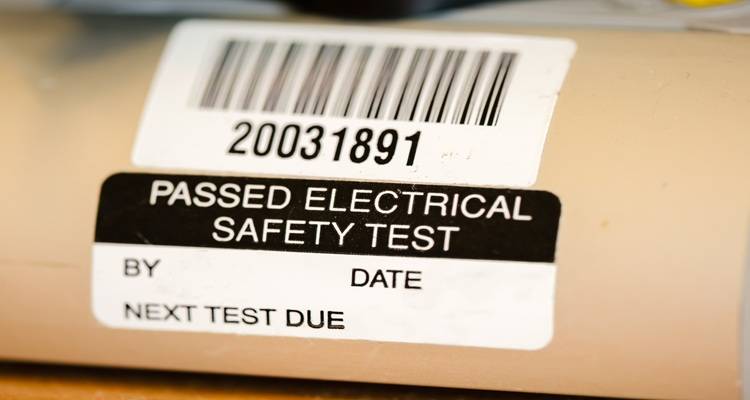
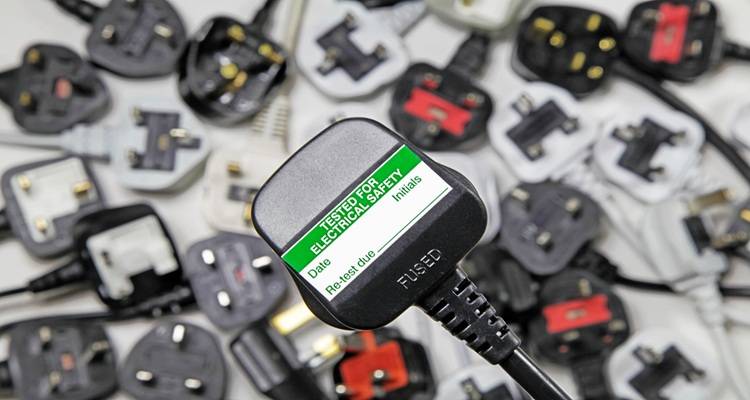
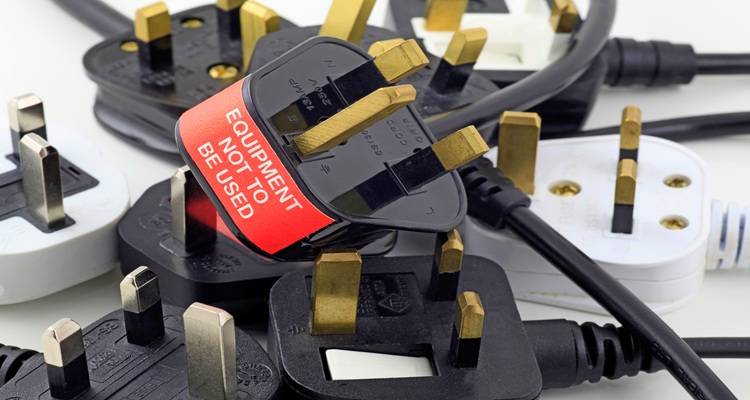
- Labelling the appliance as passed or failed.
- Issuing a report or certificate.
PAT testing will apply to those appliances that are portable or movable and are connected via a plug. Some common examples include:
- Kettles and microwaves
- Computers and monitors
- Extension leads
- Power tools
- Hairdryers and heaters
While in the UK there aren't any specific laws relating to PAT testing checks, employers and landlords do have a legal requirement to ensure that all electrical items are safe under the Health and Safety at Work Act 1974 and the Electricity at Work Regulations 1989.
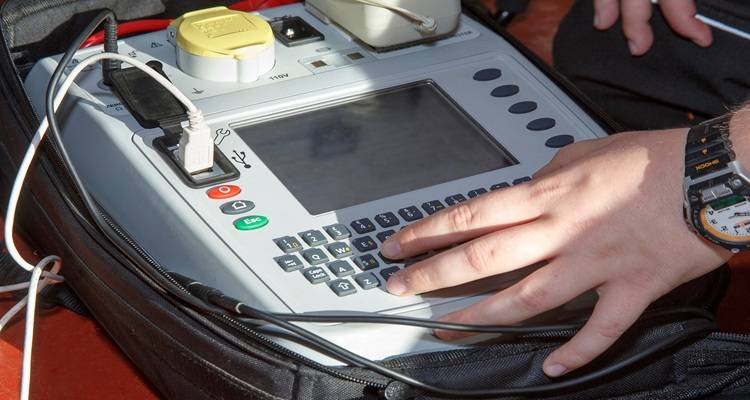
Regular electrical appliance testing helps demonstrate compliance with these duties and reduces the risk of electric shock or fire.
Average Cost of PAT Testing
The cost of PAT testing in the UK usually depends on the number of appliances being checked.
Typical pricing structures include:
- £1 to £3 per item.
- A minimum call-out fee of £50 to £100 (also covers the first 10 appliances).
For smaller jobs, contractors can often apply a minimum charge regardless of item count.
Typical Cost Examples
| Property / Job Type | Typical Number of Items | Estimated PAT Testing Cost |
|---|---|---|
| Small flat | 15 to 20 items | £60–£120 |
| 3-bedroom rental property | 25 to 40 items | £80–£160 |
| Small office | 50 to 100 items | £130–£280 |
| Retail premises | 150+ items | From £330+ |
Large commercial sites with hundreds of items may secure discounted rates per appliance.
The overall cost for PAT testing will also depend on the location of the property or workplace, with London and the South East areas attracting higher costs than rural areas, due to the higher labour rates in those areas.
Factors That Affect PAT Testing Costs
There are several factors that will influence the overall cost of PAT testing in the UK:
Number of Appliances
The number of appliances that require testing will always be the main impacting factor, with a larger volume of testing reducing the cost per item.
Type of Appliances
Items that are straightforward to test, usually items like computers or microwaves, will be cheaper to test than those trickier items, like industrial tools or specialist machinery that are more complex.
Location and Access
If the items are spread out or in hard-to-reach areas, costs may rise as the labour time will increase.
Call-Out Fees
Many contractors charge a minimum attendance fee, so if you only have a handful of appliances, this may represent most of the total cost.
Frequency of Testing
Businesses arranging annual or multi-year contracts often benefit from discounted rates compared to one-off testing.
Certification and Reporting
Most providers include a standard report in their base fee. However, detailed asset registers or digital compliance systems may cost extra.
If you have questions about the process, post your query on our site and local electricians will come back to you with an answer.

Breakdown of Costs
Here are two practical examples showing how the cost of PAT testing may be calculated.
Scenario 1: 20 Appliances in a Home
- Minimum call-out: £70 (covers first 10 items).
- Per item rate: £3.
- 10 items x £3 = £30.
Total cost of £100
Scenario 2: 100 Appliances in a Small Office
- Minimum call-out: £75 (covers first 10 items).
- Per item rate: £1.65.
- 90 items x £1.65 = £150.
Total cost of £225
Optional Extras
- Minor repairs, such as plug or fuse replacements: £5 to £10 per item
- Detailed asset labelling systems
- Out-of-hours testing
PAT Testing Checklist
A structured PAT testing checklist helps you stay organised, compliant and cost-effective. Whether you manage an office, rental property, school or industrial unit, following a clear process ensures portable appliances remain safe to use and that you meet your legal responsibilities under workplace electrical safety regulations.
Below is a step-by-step guide to carrying out PAT testing properly.
1. Create an Appliance Inventory
Start by listing every portable appliance that plugs into the mains. This includes computers, monitors, kettles, extension leads, heaters, power tools, and charging cables. Anything that could pose a risk if faulty should be recorded.
2. Carry Out a Visual Inspection
A visual check often identifies problems before electrical testing begins. Look for:
- Frayed or damaged cables.
- Cracked plugs or loose wiring.
- Signs of overheating or burning.
- Exposed internal components.
- Many faults are spotted at this stage.
3. Prepare Your Equipment
Ensure you have:
- A calibrated PAT tester.
- Pass and fail labels.
- A results log or digital recording system.
Having everything ready avoids delays and keeps the process efficient.
4. Schedule Testing at the Right Time
Plan PAT testing to minimise disruption. Consider:
- The number of appliances.
- Business operating hours.
- Access to restricted areas.
- Larger sites may require staged testing to keep downtime low.
5. Make Appliances Accessible
Ensure equipment is unplugged, safe to handle and easy to reach. Clear access helps prevent missed items and speeds up testing.
6. Perform Electrical Tests
Electrical testing typically includes:
- Earth continuity tests
- Insulation resistance tests
- Polarity checks
These tests detect hidden internal faults that visual inspections cannot identify.
7. Label Each Appliance
Attach a clear pass or fail label to every tested item. This provides instant confirmation of its status and supports ongoing compliance management.
8. Record and Store Results
Maintain detailed records including:
- Test date
- Results
- Repairs or replacements
- Recommended retest date
Digital logs or a PDF PAT testing certificate make audits straightforward and demonstrate compliance if requested.
9. Review and Update Regularly
Your checklist should evolve. Add new equipment, remove disposed items, and stay up to date with changes in electrical safety guidance. Regular reviews keep your workplace compliant and protected.
Why a Proper PAT Testing Process Matters
A well-managed PAT testing system reduces risk, protects staff and tenants, and helps avoid costly electrical incidents. It can also keep PAT testing costs under control by identifying minor issues before they become major problems.
Always use a qualified electrician or a competent, experienced PAT tester to carry out inspections. They can also advise whether hourly, per-item or daily rates are most cost-effective for your premises.
By making PAT testing part of your routine maintenance schedule, you'll maintain safe electrical equipment, meet workplace safety requirements and protect your business from unnecessary risk.
Tips for Saving Money on PAT Testing
While PAT testing is an essential measure for safety, there are still some ways to mitigate the costs effectively. Here are a few ideas:
- Bundle services — If you require different types of electrical work, bundle this in with some PAT testing to avoid any minimum call-out fees.
- Prepare in advance — Make sure that everything you need for testing is accessible and plugged in wherever possible in a bid to reduce the time taken to test.
- Use a local contractor — To reduce any potential travel fees, try to use someone local to you.
- Consider a regular contract — If this is something you may benefit from regularly, try to agree a package with a local contractor for regular testing.
- Maintain records — You should try to keep a register of your assets so you can see what has been tested and when to avoid any unnecessary visits.
Understanding the price you are likely to pay for PAT testing makes it much easier to budget for time and safety. While some smaller domestic settings may cost under £100, for larger commercial properties, you will see the price vary depending on size, with the key factors being location, types of appliance and number of appliances.
Our PAT testing cost calculator gives you a fast, practical estimate tailored to your needs, but for a more accurate price, you should request quotes from local electricians who can assess your premises properly.
FAQs
How Often Should PAT Testing Be Done?
There is no legal timescale provided for PAT testing, so you should aim for annually as a good rule of thumb.
Is PAT Testing a Legal Requirement?
While not explicitly a legal requirement by name, there is a requirement to maintain safe electrical equipment in various environments.
Who Can Carry Out PAT Testing?
PAT testing should always be carried out by a competent person, usually a qualified technician or electrician.
What Happens if an Appliance Fails?
Any appliances that fail PAT testing should be taken out of service immediately and repaired before being retested.