Builders
 Carpenters
 Electricians
 Flooring Specialists
 Gardeners
 Handymen
 Heating Engineers
 Painters & Decorators
 Plasterers & Renderers
 Plumbers
 Roofers
 Tilers
 my
myWhat's the Best Trade to Learn for You?
If you are thinking about becoming a tradesperson, it's important to know which trade might be right for you. There are several different trade types, and the one that is right for you will depend on your personal experience, skills, and what you enjoy.
In this article, we will take a look at the most common trade jobs and some tips on how to choose the right trade to suit you. So, if you're considering trade work, read on to find out everything you need to know.

Table of Contents
What Is a Trade?
Trades to learn in the UK are a type of profession that requires a specific set of advanced skills and training. Rather than training for your career with a degree, you typically learn a trade through further education college, a T Level, or an apprenticeship that combines study with on-the-job training.
Different types of trade have a set of requirements that are designed to ensure you are suitable for the job. For example, some trades are usually learned on the job, either through an apprenticeship or by starting as a labourer or trade 'mate' and training alongside experienced tradespeople, rather than through a formal qualification alone.
Some examples of trade jobs include a plumber, electrician, plasterer, and carpenter, among many others.
What Are the Most Common Trade Jobs?
There are several different trades available with some easier to learn than others. Below is a list of common trade jobs in the UK, with some information about each one:
Electrician
An electrician will install, test, and maintain electrical wiring, equipment, and appliances in both domestic (houses and flats) and commercial (warehouses and offices) premises.
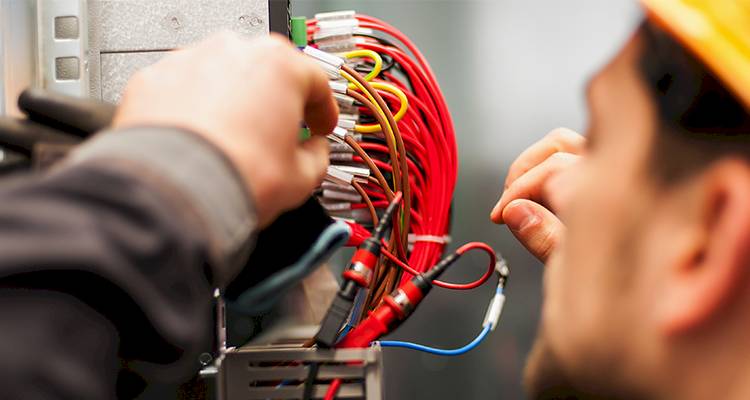
Every working day is different, and you may be required to do a range of different things on any given day. This can include planning out a wiring framework for a home refit or installing lights in a huge warehouse.
Safety is an extremely important aspect of an electrician's work, and gaining a relevant qualification is essential. If you want to work on domestic properties, you can train through the Domestic Electrician Level 3 apprenticeship. If you also want to take on commercial work, the Installation and Maintenance Electrician Level 3 apprenticeship covers a wider range of work at the same level.
What Qualifications Does an Electrician Need?
There are four routes into the trade in the UK: a college course, an apprenticeship (typically 3 to 4 years, leading to a Level 3 qualification), a work-based accreditation scheme, or applying directly with relevant experience. Electricians without a Level 3 qualification can also qualify through the Experienced Worker Assessment, which has a three-year and a five-year route.
How Much Does an Electrician Earn in the UK?
The average electrician salary in the UK is around £26,000 for a newly qualified electrician, but rises to £45,000 for more experienced electricians.
Gas Engineer
A gas engineer will help with installing, maintaining, testing, and repairing all of the appliances and heating systems within the UK. A gas engineer will need great customer service skills, physics and maths skills, problem-solving skills, and time management skills.
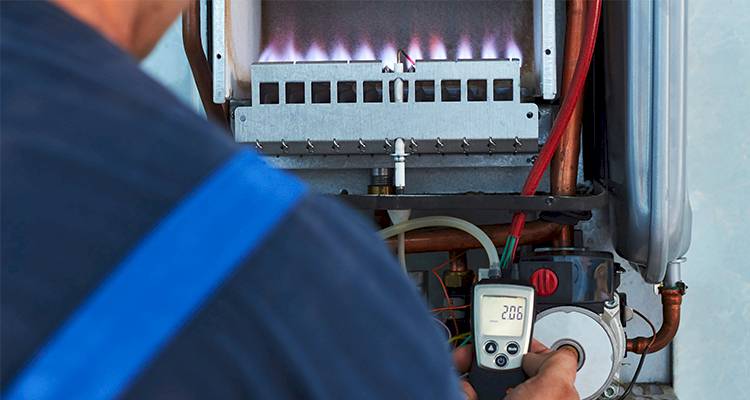
Most gas engineers will work a 9-5 job. However, sometimes the work can go beyond the usual business hours. If you like working in a high-risk, fast-paced environment and love trying to solve problems, then a gas engineer trade is the perfect career for you.
What Qualifications Does a Gas Engineer Need?
Training comes first, whether through the Gas Engineering Operative Level 3 apprenticeship or a college qualification such as the Level 3 Diploma in Gas Utilisation Installation and Maintenance. From there, you'll need to pass the ACS (Accredited Certification Scheme) assessments to join the Gas Safe Register, and you'll need a valid core qualification at every renewal.
If you're already working in a related trade, such as plumbing or heating, your skills may be assessed through the Accredited Certification Scheme instead. In the UK, to become an official Gas Engineer you will also need to be Gas Safe registered.
How Much Does a Gas Engineer Earn in the UK?
A gas engineer's salary will depend on how much experience they have. Newly qualified gas engineers earn around £25,000 per year, while more experienced gas engineers earn £45,000 per year or more.
Plumber
A plumber will usually work on a wide range of tasks on a day-to-day basis. This can include repairing gas and water pipes, fitting fixtures such as taps, baths, toilets, and showers, and installing appliances such as washing machines and dishwashers.
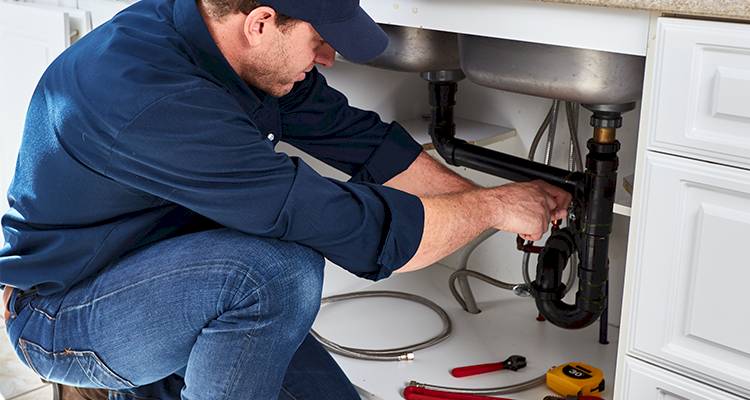
Plumbers will work in domestic and commercial settings and may also be responsible for planning and installing pipework on new build properties.
If you decide that plumbing might be the right career for you, you will need to have great verbal communication skills as you will spend a lot of time dealing with the public and other trade professionals.
You will also need to be able to think fast and come up with solutions to problems quickly. You must also be able to organise your time efficiently.
What Qualifications Does a Plumber Need?
Plumbing isn't a licensed or regulated trade in the UK, so no qualification is required by law, although most employers and customers expect one.
Common routes include the Level 2 NVQ Diploma in Plumbing and Heating and the Level 3 NVQ Diploma in Domestic Plumbing and Heating, both usually achieved by passing practical exams. You can also apply directly if you have relevant experience from a related industry. Gas work is the exception: anyone working on gas fittings for a business must be on the Gas Safe Register by law. Becoming a qualified plumber takes time, usually around 4 years, and most people get into the trade through apprenticeships.
How Much Does a Plumber Earn in the UK?
The average plumber salary in the UK is around £24,000 per year for newly qualified plumbers and £46,000 for more experienced plumbers.
Carpenter
If you are interested in a very hands-on job with a good level of diversity, then becoming a carpenter may be just the job for you. Carpentry includes a range of things such as repairing timber frames, installing staircases, installing doors, and building window frames.

Qualified carpenters can usually earn more than those who don't have a qualification.
What Qualifications Does a Carpenter Need?
Although you don't necessarily need a formal qualification in the UK to become a basic carpenter, it can certainly help.
There are several carpentry courses, such as the Level 2 Diploma in Bench Joinery and the Level 2 Diploma in Carpentry and Joinery. At Level 3, the qualification splits by specialism into a Diploma in Site Carpentry and a Diploma in Bench Joinery. Alternatively, the Craft Carpentry and Joinery apprenticeship is another route in.
How Much Does a Carpenter Earn in the UK?
The average carpenter salary is between £24,000 and £40,000 per year. However, tradespeople with more experience will be able to command higher rates than this.
Tiler
If you like attention to detail, if you're creative-minded, and if you're organised, then tiling may be the right line of work for you. Tiling gives you the opportunity to work with different materials such as ceramics, granite, marble, slate, and more.
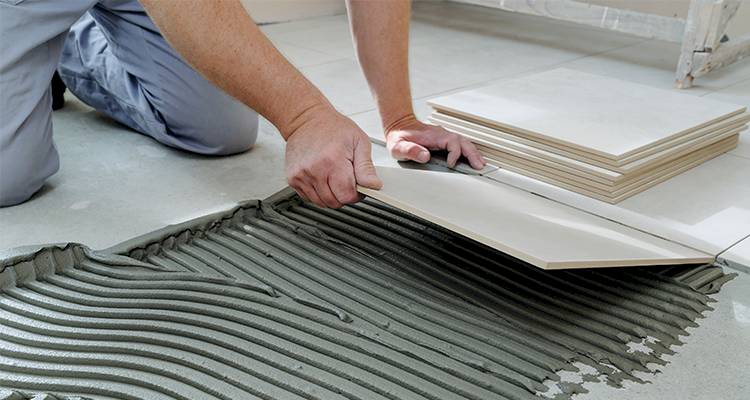
Tilers must have amazing attention to detail as some jobs such as tiling a floor can be very intricate. You will also need to have some knowledge about building and construction, stress points, waterproofing, and you must have the ability to work independently.
What Qualifications Does a Tiler Need?
You do not need any particular qualifications to be a tiler. However, it usually looks much better if you do. The options available in the UK are a Level 1 Certificate in Wall and Floor Tiling and a Level 2 Diploma. Alternatively, you may prefer to train as a tiler through an apprenticeship.
How Much Does a Tiler Earn in the UK?
Beginners usually start at around £21,000 per year, and experienced professionals can earn up to around £38,000.
Structural Engineer
A structural engineer will usually design structures that withstand stresses and pressures due to environmental conditions and human use. The work involves ensuring that structures do not rotate, deflect, vibrate excessively, or collapse. The job will focus on ensuring the structures remain stable and secure throughout their use. It will also include examining existing buildings and structures to ensure they are structurally sound and still safe.

Structural engineering involves working with architects and other professional engineers to help design structures such as houses, hospitals, bridges, office blocks, ships, oil rigs, aircraft, and more. A structural engineer will also be responsible for choosing appropriate materials for jobs such as steel, concrete, timber, and other materials.
What Qualifications Does a Structural Engineer Need?
The majority of structural engineers in the UK will enter the field with a degree in civil or structural engineering.
How Much Does a Structural Engineer Earn in the UK?
At entry level, structural engineers usually earn around £24,000, whereas a professional with experience can earn upwards of £55,000.
Plasterer
Plastering is a job that requires a lot of skill and speed. It involves coating internal walls and ceilings with various types of plaster so that they are ready to be decorated. It also involves coating external surfaces with appropriate materials such as sand or cement.

The work of a plasterer involves a good level of maths knowledge so that you know how much plaster to mix up and to maintain the correct levels of work for various projects.
What Qualifications Does a Plasterer Need?
You don't need any formal qualifications to become a plasterer. However, on-site experience is usually the key to landing a job. You can gain this knowledge by shadowing a local plasterer. Alternatively, you can do an apprenticeship in plastering to gain training alongside on-the-job experience.
How Much Does a Plasterer Earn in the UK?
Trainee plasterers will start on around £21,000 per year, and professionals with experience will earn around £38,000+. Note that plasterers in London may earn more due to the higher cost of living.
Painter and Decorator
Painting and decorating starts at Level 2, compared with the Level 3 training required for trades such as electrical or plumbing work. Painters and decorators often work alongside a plasterer to complete a job. Theirs is an equally important role in any home renovation, from bedrooms to bathrooms, and they can help with almost any area of a property.
What Qualifications Does a Painter and Decorator Need?
You can train through a Level 2 or Level 3 Diploma in Painting and Decorating at college, or through NVQs such as the Level 2 NVQ Diploma in Decorative Finishing and Industrial Painting Occupations and the Level 3 NVQ Diploma in Decorative Finishing – Painting and Decorating. The apprenticeship route runs from Painter and Decorator Level 2 to Craft Painter and Decorator Level 3. That said, many people in this trade learn as they go.
How Much Does a Painter and Decorator Earn in the UK?
The average decorator salary is between £17,000 and £32,000 although this can fluctuate depending on where in the UK you are located.
As with other trades, trainee and apprentice pay starts lower, from around £17,000 per year, before rising with experience.
Bricklayers
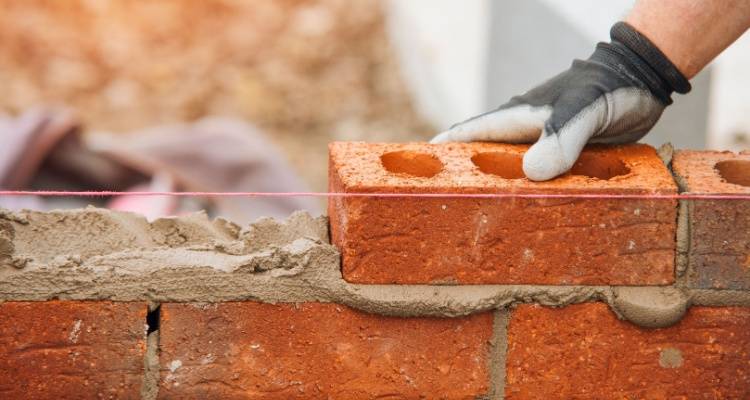
One of the trades worth considering in the UK is that of a bricklayer. Whether it's putting up a basic garden wall or working on a construction site to build a house, there's plenty of scope for work as a bricklayer.
What Qualifications Does a Bricklayer Need?
There are apprenticeships to help you become a bricklayer, plus you can gain a Level 1 Certificate in Construction Skills or a Level 2 Diploma in Bricklaying before going out to work on site.
How Much Does a Bricklayer Earn in the UK?
The average bricklayer salary is £25,000 per year for a newly qualified bricklayer, but rises to £45,000 per year (or more) as you get more experience.
Gardener
If you love the outdoors, you might want to consider a career as a gardener. Gardening covers a wide range of work, from regular maintenance rounds to landscaping and garden design.
What Qualifications Does a Gardener Need?
Often becoming an experienced gardener is about hands-on experience, and delivering the job with a passion and understanding for plants.
It is, however, advisable to take a course in horticulture or, for a more specialised area, Forestry and Arboriculture. Alternatively, you can become a landscape gardener specialising in design or study Environmental Conservation.
How Much Does a Gardener Earn in the UK?
The average gardener salary in the UK is between £24,000 and £32,000. However, more experienced gardeners who are self-employed or run a limited business can earn more than this.
How to Choose the Right Trade
If you are considering a job in the trade industry, then you can use the following tips to help you decide which is the best trade to learn for you:
Think About Your Interests
A major benefit of choosing a trade job is that you can earn a living doing something you're interested in.
For example, the easiest trades to learn in the UK, if you enjoy doing things hands-on, include becoming a carpenter or joiner. If you are very creative-minded and interested in art and colours, tiling may be a great choice.
Take a moment to consider which is the best trade to learn based on what you are interested in. Once you have acknowledged your interests, you can then research jobs that align with your interests.
Consider Your Talents
Many trade jobs require you to be particularly skilled in a certain thing. You can develop a lot of these skills during your training and work experience.
However, to decide upon the quickest trade to learn it can prove beneficial for you to go into a line of work that you are already good at.
Think about your existing skills and how you could bring those talents into the workplace. This may help you decide which trade is best suited to you.
Speak to a Careers Adviser
Speaking to a careers adviser is a great, free way to help you figure out which trade is right for you. In England, you can call the National Careers Service on 0800 100 900. Scotland has My World of Work, Wales has Careers Wales, and Northern Ireland has the nidirect careers service. During a meeting with a careers adviser, they will go over your career options. They will also go over your personality, skills, and everything else about you to determine which trade is best for you.

Take a Career Quiz
A career quiz will present you with a list of questions to help you determine the best career path for you. There are many personality tests that you can find online to help you determine which jobs match up with your personality.
The information you get from these quizzes can help you figure out which trade may suit you best.
Speak to Tradespeople
If you are seriously considering a job in the trade industry, then one of the best things you can do is get out there and speak to people who are already working within the industry.
Ask them questions about how they got into the career, what qualifications they have, what they do on a day-to-day basis, their favourite part of the job, and the least favourite part of the job.
Gathering this information from someone who is actually doing the job can be a big eye-opener as to whether that particular trade is the right career choice for you.
Research Various Jobs
As well as speaking to a careers adviser and speaking to people within the industry, you can also do your own research into the different jobs within the trade industry. There is a lot of information online about all of the different trade jobs.
You may also want to consider the different salaries that you can expect for various jobs. Find out how in-demand each trade is in your area and how much these trades pay where you are.
It may also be a good idea to look at the benefits and perks that come with each trade.
Doing your own research on each trade to learn in the UK may give you some insight into which job may be best for you.

Conclusion
As you can see, there are many different trade jobs for you to choose from, and it may be confusing for someone interested in a career in the trade industry.
If you are seriously considering a job in the trade industry, you should take the information in this article to help you determine which trade is the right trade for you.
Last updated by MyJobQuote on 3rd September 2026.