Builders
 Carpenters
 Electricians
 Flooring Specialists
 Gardeners
 Handymen
 Heating Engineers
 Painters & Decorators
 Plasterers & Renderers
 Plumbers
 Roofers
 Tilers
 my
myHow Much Do Gardeners Make?
If you love being outdoors, caring for the environment and improving the look of green spaces, a career in gardening might be just the thing for you.
Since the UK COVID-19 lockdown in 2020, gardeners have been in consistently high demand thanks to property owners spending more time caring for their home, and since 2024, it's reported there are over 158,000 self-employed gardeners in the UK.

Newly qualified gardeners earn around £26,500–£31,000 per year (pre-tax), while self-employed gardeners can earn more than £40,000–£65,000 per year (pre-tax) depending on their location and if they work within any specialist areas.
Whether you're looking for a new career, or wish to see how your current rate of pay compares against the national average gardener salary, the following article will tell you all you need to know. We take a look at the current hourly rate for a professional gardener, alongside that of an apprentice gaining practical experience as well as those running their own gardening business.
Let’s get started.
Table of Contents
Average Gardener Salary
How much do gardeners make? Let’s take a look at the average gardening salaries in the UK:
| Gardening Seniority/Position | Income Per Hour | Income Per Day |
|---|---|---|
| Apprentice gardener | £8.00–£10.00 | £60–£80 |
| Qualified gardener (under 21) | £11.00–£12.00 | £85–£95 |
| Qualified gardener (21+) | £12.71–£15.00+ | £95–£110 |
| Experienced gardener | £15.00–£18.00+ | £110–£145 |
| Self-employed sole trader | £30.00–£45.00 | £240–£360 |
| Limited company business owner | £40.00–£60.00 | £320–£480 |
All figures are estimates, pre-tax. Please note self-employed and gardening business owners are based on a full week, however, will also have additional expenses and overheads affecting their overall take-home pay.
Below we take a look at how the average gardener salary per year, rather than just how much gardeners earn at an hourly rate. These figures are based on the assumption of working full-time with regular customers and don't take into account any additional business costs.
| Gardening Seniority/Position | Income Per Year |
|---|---|
| Apprentice gardener | £15,000–£18,500 |
| Qualified gardener (under 21) | £20,000–£24,000 |
| Qualified gardener (21+) | £26,500–£31,000 |
| Experienced gardener | £30,000–£38,000+ |
| Self-employed sole trader | £40,000–£65,000 |
| Limited company business owner | £55,000–£80,000+ |
All figures are estimates, pre-tax.
Actual salary can depend on level of experience, and may vary based on your location within the UK. It’s important to note that self-employed and limited company gardening business owner salaries will be impacted by business costs, reducing the actual take-home salary once all deductions have been made.
The more experience you have as a gardener, the higher your income will be, with apprentices taking home around £15,000–£18,500 per year (pre-tax), while experienced gardeners can earn around £30,000–£38,000+ per year (pre-tax).
Those working as self-employed gardeners can make good money and increase their income, potentially rising to around £40,000–£65,000 per year (pre-tax). Gardening business owners command the highest income at £55,000–£80,000+ per year (pre-tax), but they will also see the highest outgoings in terms of materials and running costs, such as vehicle maintenance and fuel.
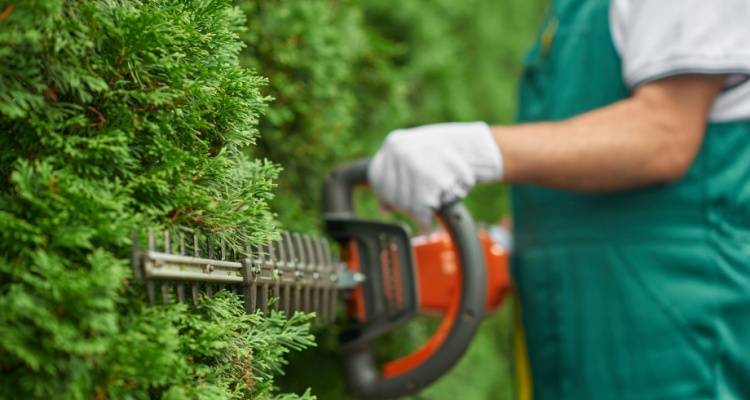
A gardener’s income can naturally fluctuate throughout the year due to increased/decreased demand in certain seasons. At the same time, the cost of living increases in certain regional areas, impacting take-home pay as running costs will also tend to be higher in these areas.
Things That Impact Gardener Earnings
To be forewarned is to be forearmed. Here’s what you need to know about gardeners’ earnings and what impacts them, negatively and positively, in and around the UK.
Location
What areas of the UK have the highest earnings for gardeners? Here we take a look at the average gardener salary within a handful of major cities across the UK, based on an experienced professional gardener working full-time:
| Location | Income Per Year |
|---|---|
| Glasgow | £29,000–£33,000 |
| Manchester | £30,000–£34,000 |
| Birmingham | £31,000–£35,000 |
| Central London | £34,000–£40,000+ |
All figures are estimates, pre-tax.
As you’d expect, gardeners working in Central London are set to earn more than entry-level roles in other regions, based on this dataset. A newly qualified gardener in Central London typically earns £34,000–£40,000.
Let’s see how that compares to some other manual trades in the UK:
| Trade | Location | Income Per Year |
|---|---|---|
| Bricklayer | Central London | £37,000-£42,000 |
| Electrician | Central London | £42,000-£55,000 |
| Newly-qualified gardener | Central London | £34,000-£40,000 |
| Newly-qualified plumber | Central London | £35,000-£40,000 |
All figures are estimates, pre-tax.
Compared to other manual trades in Central London, gardeners receive the lowest salary compared to plumbers, electricians, and bricklayers. Newly qualified electricians and plumbers are set to earn the most at £42,000–£55,000 and £35,000–£40,000 respectively, with bricklayers earning £37,000–£42,000 and gardeners £34,000–£40,000.
However, there will be a natural fluctuation in salary based on location and experience level, as well as the demand for the type of work you’re carrying out, which can enhance your earnings further.
Experience and Qualifications
Everyone knows you pay more for experience, and gardening is no different. Here’s an overview of different levels of seniority in gardening when compared to plumbers, electricians and bricklayers to give a full picture of salary spread in the UK:
| Trade | Seniority | Income Per Year |
|---|---|---|
| Bricklaying | Apprentice | £11,000–£12,500 |
| Electrician | Apprentice | £13,500–£14,500 |
| Plumbing | Apprentice | £16,500–£20,500 |
| Gardening | Apprentice | £9,000–£11,500 |
| Bricklaying | Experienced (1 to 5 years) | £38,000–£45,000 |
| Electrician | Experienced (1 to 5 years) | £50,000–£55,000 |
| Plumbing | Experienced (1 to 5 years) | £31,700–£38,700 |
| Gardening | Experienced (1 to 5 years) | £30,000–£38,000 |
| Bricklaying | Limited company business owner | £55,000–£70,000 |
| Electrician | Limited company business owner | £60,000–£75,000 |
| Plumbing | Limited company business owner | £79,200–£96,000 |
| Gardening | Limited company business owner | £60,000–£75,000 |
All figures are estimates, pre-tax. Please note business owners will have additional overheads, which will impact their actual take-home salary.
Here are the key takeaways:
- Apprentices take-home an average gardener salary of between £15,000 and £18,500 per year
- Once qualified, a professional gardener can see an increase in their yearly salary, with an average of around £30,000 to £38,000+
- Compared to bricklayers (£40,000), electricians (£52,000) and plumbers (£45,500), this is still the lowest salary at this seniority level.
- Owners of limited gardening business companies can earn more than £67,000–this surpasses bricklayers (£60,000) and electricians (£65,000) and is a lucrative move for gardeners who are itching to earn more in the experienced stage of their gardening career.
While some of the other manual trades can earn high amounts earlier in their careers, gardeners typically need to become self-employed or start their own gardening business in order to increase their hourly rate and land good money.
Self-Employed vs. Employed Earnings for Gardeners
With self-employed gardeners taking home considerably more income, it’s no wonder that in 2024, around 158,000 individuals are working as self-employed gardeners in the UK.

So, how much do self-employed gardeners get paid? The short answer is much more than they earn when working for someone else.
| Gardening Seniority/Position | Income Per Hour | Income Per Day | Income Per Year |
|---|---|---|---|
| Self-employed sole trader | £35 | £280 | £50,000 |
| Limited company business owner | £45 | £365 | £67,000 |
All figures are estimates, pre-tax.
A self-employed gardener’s hourly rate can be around £30–£45, with a daily rate of around £240–£360. This equates to an average yearly income (pre-tax) of around £40,000–£65,000.
Limited company business owners can earn even more, as they are able to charge an hourly rate of around £40–£60, or £320–£480 per day. This averages at around £55,000–£80,000+ (pre-tax) per year, although additional overheads can impact the final take-home earnings.
Self-employed or gardening business owners will need to factor in the following business expenses and running costs:
- Tools and equipment - from basic gardening tools like forks, spades, trowels and rakes to more specialised equipment depending on your gardening niche.
- Vehicles and fuel - either hired or purchased to bring tools and equipment to the site and fuel will be part of your gardening business expenditure.
- PPE - depending on your gardening niche, if you’re working with harmful chemicals or dangerous equipment, you’ll need to ensure you and anyone working for/with you has the appropriate protection.
- Business and equipment insurance - being self-employed, you’ll be responsible for the safety and security of your equipment, and you’ll also need adequate insurance to protect yourself and your gardening business against any potential legal claims or damage that may occur while working. Public liability insurance is the most popular option.
- Plant knowledge - this goes without saying, but a working knowledge of plants and how they interact with different soils, light and other plants is essential. You should continually learn and upskill to ensure you’re at the top of your trade.
These expenses will likely cost £6,500 for self-employed gardeners and over £10,000 per year for limited company business owners.
Specialisations
While homeowners will always need a gardener to take care of the day-to-day trimming of grass and pruning of plants, there are emerging trends in the industry that have the potential to hold unclaimed income:
- Vertical gardening - popular in densely populated cities, vertical gardening is growing in popularity for those wanting to have an outdoor space without the “traditional” footprint of an average garden. This uses vertical space for growing plants and flowers instead of just the flat plain of grass and can be an incredibly lucrative niche for London gardeners who want to appeal to the market conditions.
- Therapeutic gardens - another option for homeowners with limited space, therapeutic gardens see thoughtfully positioned water features and soothing elements to promote better mental health and rejuvenation.
- Xeriscaping - an unfamiliar term for most, xeriscaping is helpful in drought-prone areas to conserve water and reduce the need for water from irrigation, using drought-tolerant plants in the garden’s design. This is an excellent option for homeowners in dry areas with an eco-friendly focus.
- Minimalist gardens - continuing the sustainable trend, minimalist gardens see low-maintenance outdoor spaces populated with native plants and drought-resistant species, cared for using eco-friendly supplements instead of “traditional” harmful chemicals and fertilisers while reducing water usage and promoting local wildlife.
Investing your time in training in these areas can glean higher incomes, especially if you’re catering to a specific market, such as those living in densely populated cities with limited outdoor space.
How Can You Make More Money as a Gardener?
It’s always good to know how a gardener’s income can be negatively impacted to mitigate those factors, but how can the salary be increased? Let’s look at how to make more money as a gardener.
Becoming Self-Employed or Starting a Limited Company
A self-employed gardener’s hourly rate can be around £35, with a daily rate of around £280. This equates to an average yearly income (pre-tax) of around £50,000.
Compared to an apprentice salary of £15,000–£18,500 as an apprentice, you can see why many jump from employment to self-employment. With 158,700 individuals working as self-employed gardeners in the UK, with an increase in demand for gardeners since the rise of remote working and people spending more time at home, it’s a lucrative move if you’re ready to take the leap.
Ensuring a Good Reputation and Sustained Demand
Working as a successful local gardener relies on word-of-mouth from past customers and clients. If you’re doing good work, people will talk about it and recommend you to their neighbours and friends, which is the best form of marketing.
Enhancing your offerings with added extras such as knowledge of certain plants or trees, offering design consultations, or vertical gardening can be great ways to improve your offerings and stand out from the crowd.
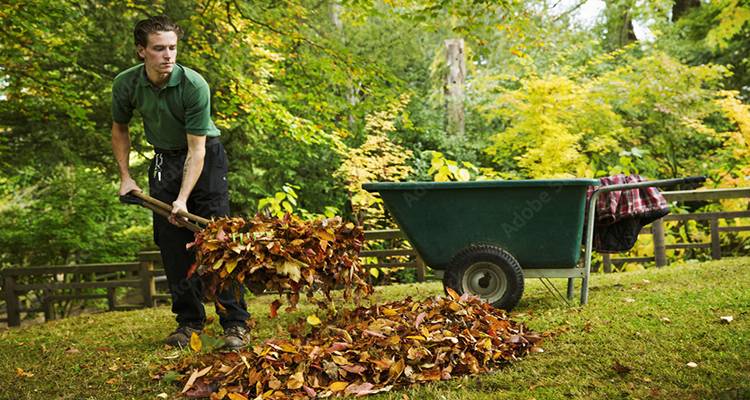
Leaving the site clean and tidy is an excellent way of earning a good reputation, turning up on time and completing work according to agreed timeframes.
Specialisms
Once you have experience as a gardener, you may want to move into a specialism within the industry. Here are a few options to think about:
- Tree surgery — with the average salary being £21,000 for new surgeons to £34,000 for experienced traders, tree surgery can be a lucrative industry. You will need relevant qualifications in forestry, arboriculture, countryside or forest management to qualify as a tree surgeon.
- Landscaper — if you want to focus on creating and maintaining residential gardens, commercial parks and other outdoor areas, a career as a landscaper might be a good match. With a starting salary of £20,000, this can be a good way to enter the industry.
- Head Gardener/Consultant — if you want to work in large manor houses maintaining vast gardens and parks, moving into gardening and groundskeeper teams can be great. Salaries for gardeners at large estates start from £24,000.
Qualifications and Training
The more experienced you are, the more services you can offer as a gardener. This will increase your potential earnings while giving you a broader understanding of green spaces.
Some courses include:
- Horticulture — a general course enabling you to work in the green industry with the practical knowledge needed to maintain turf, care for plants and design gardens.
- Practical Horticulture Skills — learning in a practical setting, course attendees will learn about preparing ground, applying fertilisers, plant production and turf care.
You can move into more specialised fields if that interests you, including:
- Trees and Timber — suitable for those wanting a career in forestry, including forestry establishment, arboriculture and green wood trades.
- Forestry and Arboriculture — available at levels 2 and 3, this course gives in-depth insights into the science of forestry, looking into tree pests and diseases, legal statuses of protected trees, and plant science, taught in a practical manner.
- Environmental Conservation — forming part of the essential framework for those wanting professional development in land-based industries, this course will teach the business side of environmental work, from regulations and legislation to business operations and principles.
Industry Trends and Demand
It’s good news for anyone wanting to carve out a career in gardening. Horticulture Magazine reports that 80-87% of UK homes have a garden, with an estimated £6.5 billion spent on gardening products each year. Many homeowners advise they are now actively trying to attract more wildlife, and as such hiring a gardener is a good way to have a professional opinion due to their wider knowledge and practical experience.
As you’d expect, gardening is somewhat of a fair-weather activity, with March and April being the most popular months to get work done ready for the (hopefully) warmer summer months. Looking specifically at online searches, the initial COVID-19 UK lockdown of 2020 saw a rise in the following terms:
- Garden bench
- Bistro set
- Garden dining set
- Sun loungers
- Garden sofa
All this points towards one common thing–that homeowners want to use their outdoor spaces in functional ways, for entertaining or just relaxing after work. Searches for roses and daffodils also rose significantly during 2020, showing a growing trend for garden-friendly plants and flowers.
While aesthetics is one consideration, ensuring proper drainage to help mitigate potential flooding issues is a rising concern for UK homeowners. With the climate changing, floods and extreme weather events are becoming more common, which homeowners must prepare against.
The Insurance Times reported that only 5% of people living in high-risk flood areas were aware of that, while 68% of people in high-risk flood areas incorrectly thought their risk was low. With official estimates from the Environment Agency estimating 1 in 6 homes in the UK now being at risk of flooding, it’s never been as important to have your garden well-designed in the event of heavy rainfall, and professional gardeners have a big part to play in ensuring residential gardens have sufficient drainage–especially if they’re in a high-risk zone.
Summary
If you fancy a change of environment and think gardening might be the right choice for you, here are your key takeaways to bear in mind:
- Newly qualified earnings can start at around £26,500 per year (pre-tax), rising to £29,500 per year (pre-tax) for professional gardeners after 1 to 5 years.
- Gardeners have been in high demand since 2020, thanks to homeowners spending more time in their properties as a result of the boom in remote working.
- More experience results in higher earnings, while those in London and the South East of the UK will be able to charge more than those in the north of the UK.
- Specialisms in tree surgery, organic gardening or horticulture can further expand your potential income.
Starting a new career can be daunting, but being armed with salary information can help you make an informed decision.
FAQs
What’s the Average Salary of a Gardener in the UK?
Generally speaking, the more experienced you are, the higher your income will be, and if you have any specialisms that grant higher fees.
Do Gardeners in Different Regions of the UK Have Different Incomes?
How Does Experience Influence a Gardener’s Salary?
For example, if you’re working under a specialist area, you can expect far higher fees than those for more generalised gardeners due to the experience and training.
Can Gardeners Earn More by Being Self-Employed?
Are There Opportunities for Career Growth in Gardening?
You can also hone in on other areas such as tree surgery, a very highly paid vocation, or move into an area of growing popularity: organic gardening, where no artificial chemicals or pesticides are used to grow plants and flowers, a popular choice for those wishing to be more environmentally-friendly.
Sources
https://www.floraldaily.com/article/9404897/gardeners-are-among-the-most-in-demand-trade-across-the-uk/
https://www.adido-digital.co.uk/blog/uk-garden-trends-2023/
https://www.statista.com/statistics/319328/number-of-gardeners-and-landscape-gardeners-in-the-uk/
https://gardenaspect.co.uk/garden-trends-2024-sustainable-and-personalised-outdoor-spaces/
https://education.nationalgeographic.org/resource/xeriscaping/
https://nationalcareers.service.gov.uk/job-profiles/tree-surgeon
https://nationalcareers.service.gov.uk/job-profiles/landscaper
https://www.insurancetimes.co.uk/news/29m-currently-spent-on-gardens-ending-up-in-ditch-due-to-flooding/1451826.article
https://horticulture.co.uk/gardening/statistics/