Builders
 Carpenters
 Electricians
 Flooring Specialists
 Gardeners
 Handymen
 Heating Engineers
 Painters & Decorators
 Plasterers & Renderers
 Plumbers
 Roofers
 Tilers
 my
myHow to Become a Plasterer
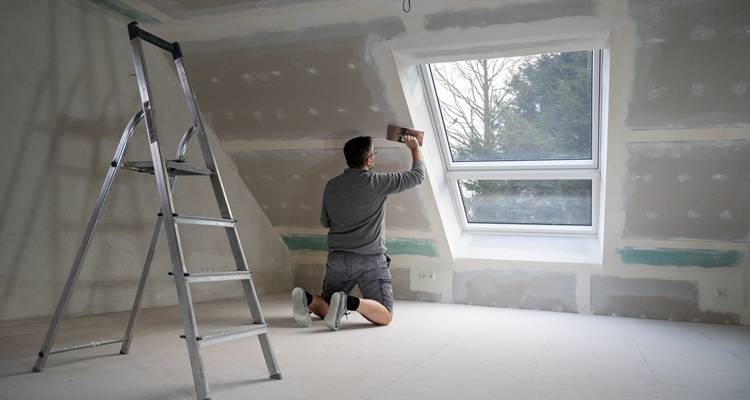
Plastering is a very important trade in the UK’s construction and renovation sectors. Plastering is a craft that helps to transform raw structures into finished, liveable spaces. This trade requires practical skills and a good eye for detail. The job itself involves applying plaster to walls and ceilings.
The plasterer will create surfaces that are not only smooth and durable but also aesthetically pleasing and ready for decorating.
The plastering world is rather diverse, and there are some things that you can specialise in as a plasterer. Take a look below:
- Solid Plastering – This is the most traditional method of plastering, where the plasterer applies wet plaster to create a smooth, durable finish on a wall or ceiling.
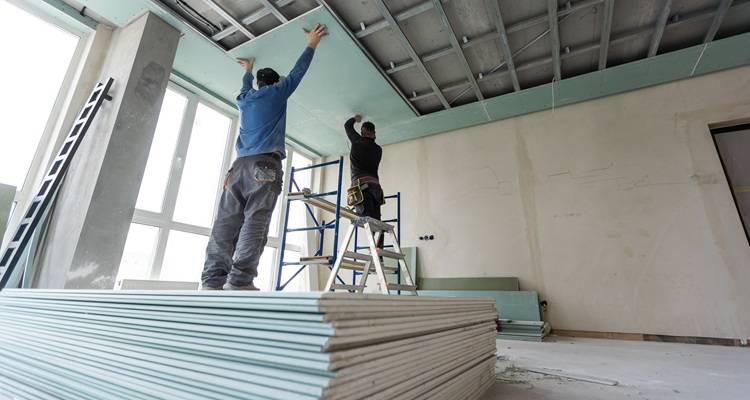
- Dry Lining – This is a modern technique that involves fixing plasterboard on surfaces. This is a faster and more cost-effective plastering option.
- Fibrous Plastering – This is a specialised type of plastering where intricate decorative mouldings such as cornices or ceiling patterns are created. This method can add elegance to interiors, and this type requires precise skills to complete.
With a constant demand for construction and renovation projects in the UK, plastering is a highly sought-after skill. Plasterers can expect excellent career stability as the skill is very in demand.
However, this is a craft that must be mastered and isn't the type of job you can just fall into. In addition, plastering also offers a great way to venture into self-employment. With this, skilled professionals in the field can build their own businesses and control their earning potential.
Whether you are just leaving school and exploring various career options, enrolling on a college course or working within the construction industry and looking to enhance your skills, this article will help you to understand everything you need to know about becoming a plaster. Even if you're simply someone on the lookout for a change of career it's never too late to develop the skills needed to become a plasterer.
We will highlight the training routes available for becoming a qualified plasterer in the UK and provide you with some practical insights and real-world advice to help you navigate the journey towards a professional career in plastering. Read on to find out everything you need to know in order to get into this field of work.
Table of Contents
What Skills Are Needed to Be a Plasterer?
If you want to become an excellent plasterer, you will need to get a blend of physical and technical skills — it's not just about knowing the best way of plastering an indoor wall. Below, you can see a breakdown of the key abilities that you will need to have to do well in this field:
Physical Fitness and Stamina
Plastering is a very physically demanding trade. It requires the professional to stand for long periods of time, lift heavy materials like plaster bags and boards, and often work at heights or on scaffolding. This means that a plasterer will need to have good levels of physical fitness and stamina to handle the job.
Attention to Detail
The most important thing about plastering is getting an even and smooth finish. This requires a very precise approach and a keen eye for detail to ensure the end result is perfect.
Hand-Eye Coordination
It's important to have good hand-eye coordination when plastering, as it needs to be applied accurately and evenly. This is also important when it comes to handling the tools and materials with precision.
Mathematical Skills
You will also need some basic mathematical skills for things like measuring surfaces, calculating material quantities, and accurately cutting plasterboards. This ensures that you are efficiently using your materials and helps to prevent waste.
Communication and Customer Service
This is particularly important for self-employed plasterers. When working as a plasterer, you will need to be able to interact effectively with your clients. You’ll need to understand what they need properly and provide clear and precise explanations about your work. These skills are very important if you want to build strong relationships with your clients and help to ensure customer satisfaction.
Routes to Becoming a Plasterer
If you are aspiring to become a plasterer in the UK, there are several ways in which you can enter the trade from joining plastering courses to gaining that all-important on the job experience. Take a look at the options below to see which route may be best for you:
Apprenticeship Route (Best for School Leavers)
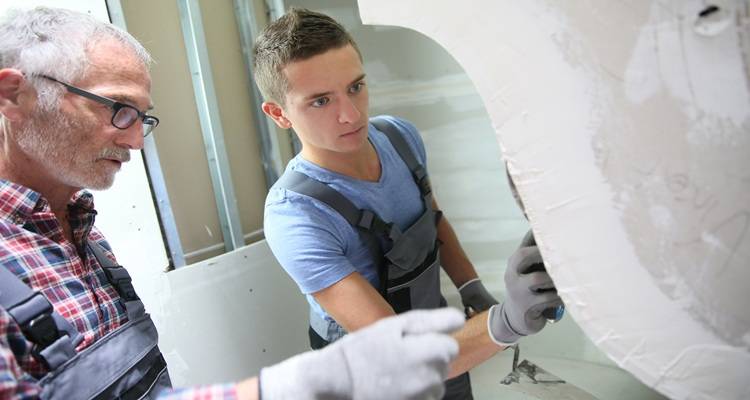
Apprenticeships give you a structured learning experience where you can earn money while you learn to plaster. This option combines hands-on experience with classes and lectures so you can gain a complete understanding of plastering.
The most common plastering apprenticeships include the Level 2 Plastering Apprenticeship for beginners and the Level 3 Advanced Plastering Apprenticeship for people who have experience. These programs usually last for 2 – 3 years.
Apprentices are paid during their training, so this is a great option for people who want to avoid accumulating student debts. You can find apprenticeships through construction companies, college apprenticeship programs, and the National Apprenticeship Service (gov.uk).
College Courses (Best for Career Changers or Those Without an Apprenticeship)
Colleges offer diplomas in plastering that cover all the practical skills as well as the theoretical skills.
Common courses include the Level 1 Certificate in Construction Skills (Plastering) for beginners and the Level 2/3 Diploma in Plastering for those who want to gain professional qualifications.
These plastering courses can be either full-time or part-time, so this is a great option for people who are looking to change careers and for people who may have other commitments. Diplomas in plastering are available at local colleges, training centres, and private trade schools.
On-the-Job Training (Learning While Working)
Some people prefer to go straight for the on-the-job training route in order to gain the skills needed. In this case, the person may enter the plastering world by working as a labourer or a plaster's mate. By doing this, they can learn trade skills while on the job.
This route doesn’t require any formal education. However, you will need to gain experience under an experienced plasterer.
If you go down this route, you may be limited when it comes to job options unless you earn an NVQ through work experience.
Self-Taught & Short Courses (For Fast-Track Learning)
Some people choose to find a private training provider that offer intensive plastering courses lasting around 4 to 6 weeks. These can provide basic skills but may require further training if you wish to land high-paying jobs in the construction industry without gaining any further experience.
This option is best for people who want to start their own plastering business quickly. However, should also be combined with on-the-job practice within a construction site or private home in order to enhance practical skills and build a solid foundation.
Do You Need Qualifications to Become a Plasterer?
There is no legal requirement for formal plastering qualifications to undertake work. However, gaining qualifications in the field can be highly advantageous. Qualifications demonstrate competence and commitment, so this makes you a much more attractive candidate to employers and clients.
CITB Health, Safety & Environment Test
This test is a crucial step towards obtaining a Construction Skills Certification Scheme (CSCS) card. This test assesses your knowledge of health, safety and environmental issues that you may come across on a construction site. Passing this test is often a prerequisite for obtaining a CSCS card.
CSCS Card (Construction Skills Certification Scheme)
A CSCS card is pretty much essential for working on most construction sites in the UK. This card provides proof that you have the necessary training and knowledge to work safely on the site. Employers will usually require employees to hold this card as a condition of the employment.
NVQ Level 2 in Plastering (National Vocational Qualification)
An NVQ Level 2 in Plastering is a nationally recognised qualification that demonstrates your knowledge, skills and competence in plastering skills. This qualification is highly valued by both employers and clients as it shows a professional standard of workmanship. There is also the option of the NVQ Level 3. This qualification shows a higher level of skill in the field.
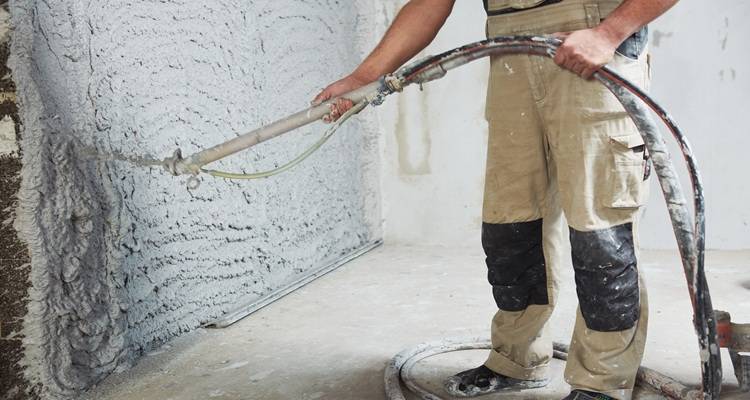
Having these qualifications will not only improve your job prospects but will also help to provide confidence for your clients. This is particularly beneficial for self-employed plasterers.
Career Progression & Earning Potential
The plastering industry in the UK offers a brilliant path for career development. Experienced plasterers can have a much higher earning potential. Entry-level plasterers can typically expect to earn around £20,000 to £25,000 per year.
As you become more experienced and your skills develop, these figures can rise significantly. Experienced plasterers can expect to earn around £31,500 to £33,500 or more each year — whereas a sole trader or business owner can potentially earn £45,000+ should demand and experience dictate a higher rate of pay.
In terms of an hourly rate, the average or experienced plasterer can earn between £13 and £20 per hour, with self-employed or those with greater experience or in high-demand charging extra. It's also important to note where you are based in the UK can make a difference, with earnings in areas such as London and the South East often being more due to the higher cost of living.
There are several ways in which you can advance your career in plastering. Take a look at some of the potential career routes below:
Becoming a Plastering Supervisor
As you become more experienced and develop leadership skills, you can progress to supervisory roles if you wish. This involves overseeing teams and managing projects. As a plastering supervisor, you can expect more responsibilities and typically higher pay.
Specialising in Decorative or Heritage Plastering
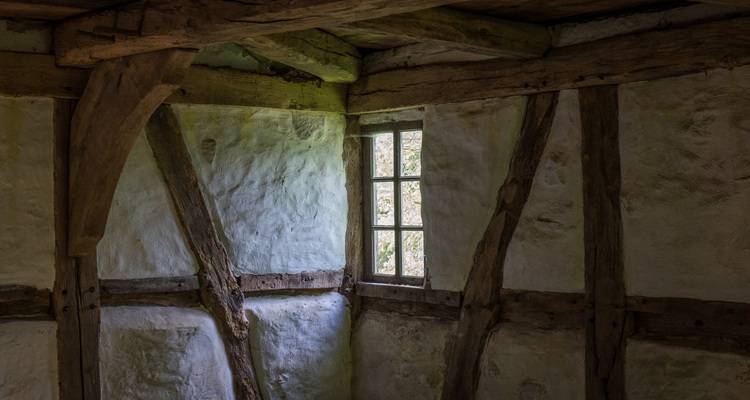
You have the option of developing expertise in specialised areas of plastering, such as decorative plastering or heritage restoration. These specialised areas can lead to a much higher earning potential. These specific skills are often in high demand for restoration projects and high-end residential work.
Starting a Self-Employed Plastering Business and Hiring a Team
If you are someone who has entrepreneurial aspirations, you may want to establish your own self-employed plastering business. This career avenue offers the potential for substantial growth in your income. When you build a strong client base and hire a team, you can scale your business and take on much larger and more profitable projects. Becoming self-employed has a higher risk, but it also has the potential for much higher rewards.
Setting Up as a Self-Employed Plasterer
Choosing to become a self-employed plasterer offers many benefits, such as the freedom to choose how much and when you work, as well as higher potential earnings. However, this route comes with a set of responsibilities.
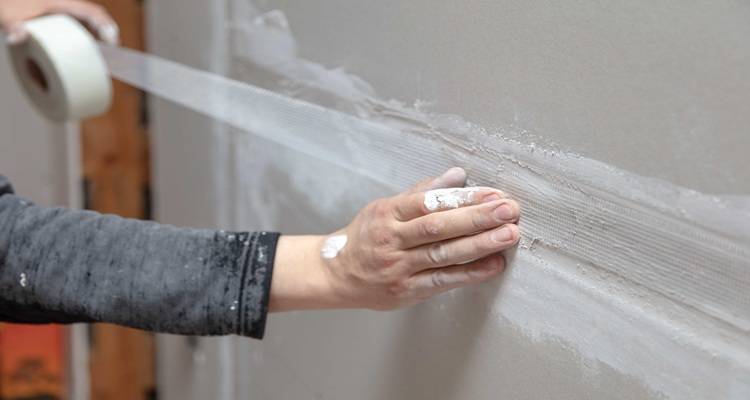
Below is a list of the key steps and considerations when it comes to setting up as a self-employed plasterer:
Steps to Becoming Self-Employed
These are the steps that you will need to take in order to become self-employed:
Register with HMRC as Self-Employed
This is the first important step you’ll need to make. You will need to register for Self-Assessment to pay your Income Tax and National Insurance contributions. This step ensures that you are operating legally and fulfilling your tax obligations.
Obtain Public Liability Insurance
This step is essential for plasterers in the UK. Public Liability Insurance protects you against any claims if someone is injured or if their property is damaged as a result of your work on the job. This provides you with essential financial protection and peace of mind.
Invest in Tools and Equipment
Next, you will need to purchase all of the necessary tools and equipment so that you can complete your work. The essential tools you will need include the following:
- Trowels
- Plaster mixers
- Stilts (if needed)
- Step ladder (if needed)
- Hawk
- Snips
- Plasterer’s float
- Mortar stand
- Scarifier
Make sure you invest in good quality tools as this will help improve your efficiency and the standard of your work.
Market Your Business
You will need to market the business in order to get clients. Utilise social media platforms, local directories, and word-of-mouth referrals to help build up your client base. A professional online presence and strong networking skills are essential if you want to be a successful self-employed plasterer.
Set Competitive Pricing
Make sure to research industry rates and set your prices accordingly. Take a look at the local competition and their pricing models so that you can come up with a competitive pricing structure. Consider your experience, overheads, and the local market when coming up with your prices.
The Pros and Cons of Self-Employment
There are many advantages to going into self-employment; however, there are also some drawbacks that you should be aware of before you jump into this career path.
Take a look at the pros and cons of self-employment below:
Pros
- ✔ Higher Earning Potential – You have the potential to earn significantly more money compared to employed plasterers.
- ✔ Flexible Hours – You can control your own working hours and schedule.
- ✔ Control Over Projects – You have the freedom to choose which projects you want to work on.
Cons
- ✖ No Guaranteed Income – As a self-employed individual, your income can fluctuate. This usually depends on the availability of work.
- ✖ Need to Find Clients – You are responsible for marketing your services and building a client base for your business.
- ✖ Handling Business Expenses – You will need to manage all of the business expenses, including tools, materials, insurance, and taxes.
FAQs
What is a plasterer?
Plasterers can perform a range of tasks, including solid plastering with wet mixtures, dry lining with plasterboards and fibrous plastering for decorative mouldings. These professionals can work in a range of environments, including people's homes and construction sites.
Do you need qualifications to be a plasterer?
How long does it take to train as a plasterer?
Is plastering a good trade?
Self-employment can bring higher earnings and flexible hours but also requires additional business and marketing skills. While physically demanding, deciding to start a new career and become a plasterer can be highly rewarding, offering a strong sense of accomplishment and the ability to create lasting, visually appealing finishes.
What does a plasterer do?
Plasterers may apply dry lining with plasterboard, craft decorative plasterwork like cornices or intricate designs, repair damaged plaster, or apply external renderings for weather protection. Their work involves interpreting architectural drawings and using tools such as trowels and scarifiers to achieve precise and aesthetically pleasing results.
How much can I earn as a plasterer?
Self-employed plasterers have the potential to earn significantly more than this as long as they manage their business well. Specialised skills in the field can also facilitate higher earnings. A plasterer's earnings are influenced by experience, location, the type of work, and the ability to secure consistent contracts.