Builders
 Carpenters
 Electricians
 Flooring Specialists
 Gardeners
 Handymen
 Heating Engineers
 Painters & Decorators
 Plasterers & Renderers
 Plumbers
 Roofers
 Tilers
 my
myHow Much Do Plumbers Make?
The Chartered Institute of Plumbing and Heating predictions say an estimated 73,700 extra plumbers may be required by 2032 in the UK to fill vacancies in the industry. If you’re wondering whether or not plumbing is a good career move, this might just answer your question.
Newly qualified plumbers can earn £29,000 per year (pre-tax), with self-employed and limited company business owners hiking that to in excess of £60,000 (pre-tax). For a lucrative, evergreen career, plumbing is certainly up there with bricklaying and electrics.
Whether you're looking for a rewarding profession, starting your own plumbing business or simply wish to know how the average plumber salary compares to other trades, this article will tell you everything you need to know. We cover plumbing salaries for those on an apprenticeship, along with the average annual salary for self employed plumbers and related industries.
Let’s get started.
Table of Contents
Average Plumber Salary
How much do plumbers make? Here’s a breakdown of the average salary for a plumber in the UK depending on their level of seniority:
| Plumbing Seniority/Position | Income Per Hour | Income Per Day |
|---|---|---|
| Apprentice plumber | £10.50-£12 | £84-£96 |
| Newly-qualified plumber | £16.50-£20 | £132-£160 |
| Experienced plumber | £18-£22 | £144–£176 |
| Self-employed sole trader | £35–£55 | £280–£440 |
| Limited company business owner | £45–£55 | £360–£440 |
All figures are estimates, pre-tax. Please note sole trader and limited company rates are prior to any expenses.
Apprentice plumbers can earn around £18,500 to £21,000 per year (pre-tax) based on working full-time so can potentially be slightly less if working part-time hours. Once they’ve qualified, this annual salary will often jump up to between £29,000 and £35,000 (pre-tax), with more experienced or self-employed plumbers potentially earning higher income.
Although actual earnings can vary depending on experience, where you are located in the UK, and whether you're working on domestic or commercial properties.
The following table shows the average salary for a plumber on the assumption they're working full-time hours throughout the year. While employed plumbers with a contract at an established company may receive a fixed annual salary, those with their own plumbing business can find their average annual salary varies year-on-year depending on demand.
| Plumbing Seniority/Position | Income Per Year |
|---|---|
| Apprentice plumber | £18,500-£21,000 |
| Newly-qualified plumber | £29,000-£35,000 |
| Experienced plumber | £31,700–£38,700 |
| Self-employed sole trader | £61,600–£96,000 |
| Limited company business owner | £79,200–£96,000 |
All figures are estimates, pre-tax. Please note sole trader and limited company rates are prior to any expenses.
As expected, self-employed and limited company business owners will achieve the highest salaries on offer–£61,600–£96,000 and £79,200–£96,000 per year (pre-tax), respectively–but there will be additional operational fees and running costs to bear in mind before calculating the actual take-home salary.
Plumbing is an “evergreen” career, with people always needing the service–no matter the weather or season. Plumbers will still see a natural fluctuation in their income, though, depending on regional locations, increased/decreased demand, and availability of materials.
Things That Impact Plumber Earnings
The average plumber salary can fluctuate across the UK, but why is that? Let’s look at the main factors influencing plumber earnings and what you can do to mitigate them.
Location
Whereabouts in the UK provides the highest plumbing salaries? We’ve taken a sample of the average plumber salary within several major cities, based on how much experienced plumbers earn in these particular areas:
| Location | Income Per Year |
|---|---|
| Manchester | £28,000–£32,000 |
| Birmingham | £29,000–£33,000 |
| Glasgow | £27,000–£31,000 |
| Central London | £35,000–£40,000 |
All figures are estimates, pre-tax. Please note sole trader and limited company rates are prior to any expenses.
Central London salaries and those in the South East will often be higher than further north of the capital due to the increased demand and cost of living. Although actual salaries may vary, depending on experience and customer base.
Here’s how that compares to the average annual salary for other trades in the UK based on central London salaries for experienced tradesmen:
| Trade Seniority/Position | Location | Income Per Year |
|---|---|---|
| Bricklayers | Central London | £37,000-£42,000 |
| Electricians | Central London | £42,000-£55,000 |
| Gardeners | Central London | £34,000-£40,000 |
| Plumbers | Central London | £35,000-£40,000 |
All figures are estimates, pre-tax. Exact salaries may vary depending on location and experience.
In London, plumbers earn around £35,000–£40,000 although newly qualified tradesmen will typically start on a lower salary, with earnings increasing as they gain further on the job experience.
Experience and Qualifications
The more qualifications and years of experience under your belt, the higher your income will be as a plumber in the UK. Here’s a snapshot of other manual trades in the UK and how their incomes stack up compared to plumbing:
| Trade | Seniority | Income Per Year |
|---|---|---|
| Bricklaying | Apprentice | £11,000–£12,500 |
| Electrician | Apprentice | £13,500-£14,500 |
| Plumbing | Apprentice | £16,500–£20,500 |
| Gardening | Apprentice | £9,000–£11,500 |
| Bricklaying | Experienced (1 to 5 years) | £38,000–£45,000 |
| Electrician | Experienced (1 to 5 years) | £50,000-£55,000 |
| Plumbing | Experienced (1 to 5 years) | £31,700–£38,700 |
| Gardening | Experienced (1 to 5 years) | £30,000–£38,000 |
| Bricklaying | Limited company business owner | £55,000–£70,000 |
| Electrician | Limited company business owner | £60,000–£75,000 |
| Plumbing | Limited company business owner | £79,200–£96,000 |
| Gardening | Limited company business owner | £60,000-£75,000 |
All figures are estimates, pre-tax. Please note business owners will have additional overheads, which will impact their actual take-home salary.
Apprentice and training salaries can also vary based on age, depending on the minimum wage and number of hours worked each week.

The key facts are:
- Plumbing as an apprentice is the highest-paying trade in our selection when compared to bricklaying, electricians and gardeners, at £18,500 per year.
- Once you have become experienced in the plumbing industry, your earnings can rise to £31,700–£38,700.
- Moving into the self-employed and business owner sector, plumbers can earn over £73,000 per year, the highest income from our selection of trades in the UK.
There are other factors at play here that influence the take-home salary, from location to qualifications or specialisms, as well as overall demand in the area and the plumber’s reputation.
Self-Employed vs. Employed Earnings for Plumbers
Are you interested in finding out a self-employed plumber's hourly rate? You can expect around £45 per hour, while limited company business owners earn slightly more at £50 per hour.
| Plumbing Seniority/Position | Income Per Hour | Income Per Day | Income Per Year |
|---|---|---|---|
| Self-employed sole trader | £45 | £350 | £61,600–£96,000 |
| Limited company business owner | £50 | £400 | £79,200–£96,000 |
All figures are estimates, pre-tax.
How much do self-employed plumbers get paid in an average year? Anywhere from around £61,600 to £96,000 (pre-tax) seems to be the market average, while limited company business owners can expect to earn more towards the higher end.
Self-employed plumbers working in London tend to earn more compared to the average plumber salary elsewhere around the country. However, the cost of living in the capital is higher than further north, which can increase your operational business costs.
Make sure you consider the following:
- Vehicle hire/purchase and ongoing maintenance.
- Fuel charges (likely to be higher in London than in the north of the country, for example).
- Tools, equipment, and insurance are necessary to keep them.
- Employee insurance.
- If applicable, property running costs (if you have an office space), including utilities and internet/phone charges.
You must also have undertaken adequate training/qualifications to be certified in the plumbing industry to attest to your skills.
Specialisations
While working as a regular day-to-day plumber can pay very well, you can also choose to specialise in a certain area of plumbing, which can boost your earnings. With the UK’s push for Net Zero status in 2050, entering the renewables sector is wise.
If you’re interested in renewables in plumbing, taking a course such as this from ERR can help you find your niche in the following renewable sectors:
- Solar thermal - this technology transfers the energy stored by solar panels to heat hot water in a building, which involves integrating the solar system with the existing hot water supply, including storage tank installation and new pipes.
- Ground source heat pumps - these work by taking heat from the ground and providing heating systems and hot water for buildings, involving special underground pipe installation.
- Air source heat pumps - working in a similar way to heat pumps, air source heat pumps extract heat from the outside air and help heat a property and its hot water supply.
- Rainwater harvesting - collected rainwater can be used for flushing toilets and irrigation, and plumbers can set this up by installing various filtration systems, storage tanks and gutters/downpipes to collect the water.
- Greywater harvesting - greywater (the water from sinks, showers and washing machines) can be collected and reused to flush toilets. Plumbers can install collection systems to divert the greywater from the drains and back into the plumbing systems.
Investing in these areas of plumbing can be a wise move in the UK as the country moves towards a more environmentally friendly future.
How Can You Make More Money as a Plumber?
With increased demand and vacancies in the plumbing industry, there’s plenty of scope to make a steady earning from the trade–but there are some ways to amplify those earnings even more.
Responding to Emergency Call-outs
Notable research suggests that customers in many cities throughout the UK struggle to find an available emergency plumber, highlighting a prime opportunity to capitalise on the gap in the market. If you are happy to offer ultimate flexibility in your schedule, offering an emergency 24/7 call-out service can be a great way to build your reputation in the local area and potentially earn more than you would while carrying out normal day-to-day plumbing during “standard” working hours.
Emergency plumbers can charge anywhere from £75 to over £200 for their call-out charge, a set fee charged on top of any actual work carried out during the visit. The high cost reflects the unsocial hours and the speed of your response, but it will be calculated based on the distance from you, the job's complexity, how long it takes, and any necessary parts to complete the work.
By carrying out emergency work, you can quickly grow a reputation for being reliable in a crisis, helping you to grow your business.
Ensuring a Good Reputation and Sustained Demand
While responding to emergency call-outs is one way of gaining respect in your local area, another is simply by carrying out standard day-to-day work and repairs respectfully and promptly. By building relationships with your clients, you can lean into word-of-mouth marketing, which can help you grow your business naturally while becoming a home’s go-to plumber for any issue they may have.

A way to grow this relationship is to carry out routine maintenance on their property, helping to safeguard against potential emergencies. Things like ensuring pipes aren’t leaking before the cold months creep in when pipes can burst and freeze and taking care of any small leaks before they become more significant problems can help your customers build trust and show that you care for your trade.
Becoming Self-Employed or Starting a Limited Company
It’s no secret that the biggest money in plumbing lies in being self-employed or owning a limited company. But just how much do self-employed plumbers get paid?
Self-employed plumbers can potentially earn between £61,600 and £96,000 (pre-tax), while business owners of limited companies with an established plumbing business can reach in the region of £79,200 to £96,000 (pre-tax).
However, you will also need to budget for extra expenses such as business running costs, vehicle hire/maintenance, fuel, tools/equipment and necessary insurance. As such the actual take-home salary may be lower than the initial figures, but the freedom of being self-employed can certainly help to drastically increase your salary. With no one else making your schedule, you’re free to make your timetable and set your rates, with no one taking a cut.
Experienced plumbers can often transfer into other roles, such as training, managerial positions or more office-based work. If you have had enough time on the road and want to settle into a more stable office job, the average plumber salary for managers can start at £32,000 per year.
Qualifications and Training
As the salary chart suggests, in order to earn the same as more experienced plumbers, investing in your training qualifications can be a great way to boost the average plumber salary.
Here’s a list of typical qualifications you’ll need as a plumber in the UK:
- Plumbing Craft — suitable for individuals wanting to start their career in plumbing, focusing on domestic heating systems, hot and cold water supplies, and health and safety.
- Plumbing and Domestic Heating — focusing on domestic property installations, this course focuses on central heating systems, sanitation systems, gas safety, and environmental technologies.
- Level 3 Technical Occupational Entry in Plumbing Installations — new for 2025, this diploma focuses on various technical matters related to health and safety, hot and cold water systems, rainwater and environmental systems.
- Water Regulations and Unvented Hot Water Systems — this course focuses on the legal requirements for plumbing system installations in the UK, focusing on domestic systems.
You can also choose to specialise in specific heating systems, which can boost your earnings further. If you’re interested in renewables in plumbing, taking a course such as this from ERR can help you find your niche in the following renewable sectors:
- Solar thermal
- Ground source
- Air source
- Rainwater harvesting
- Greywater harvesting
Industry Trends and Demand
Plumbers are in high demand across the UK, and according to PHAMNews (Plumbing, Heating and Air Movement News) there are a number of cities with a shortage of qualified plumbers available. Together with The Chartered Institute of Plumbing and Heating reporting that an estimated 73,700 extra UK plumbers are needed by 2032 to fill vacancies, it’s clear to see that investing your time and energy in becoming a plumber–or furthering your experience in the field–is a potentially lucrative choice.
Research conducted by Markel Direct shows that while plumbing was the most searched-for trade in 44 out of 46 UK cities, 46% of UK homeowners struggled to find a suitable plumber for their job, with “no availability” and “shortage of specific trade in the area” being the main issues they faced. This was mainly due to plumbing emergencies, where homeowners couldn’t find a suitable out-of-hours plumber to handle their issues.
With the UK set on reaching Net Zero status by 2050, every industry is looking for ways to increase sustainable solutions–even plumbing. With water conservation being a top priority and the associated environmental water pollution concerns, plumbers can play a part in this initiative by installing greywater recycling and low-flow fixtures in toilets and showers to reduce overall water consumption in commercial and residential properties.
Powered Now has reported in their future plumbing analysis that “smart plumbing” is expected to continue to rise, using sensors, actuators, and internet connectivity to monitor pipes and water flow remotely to enable plumbers to detect faults and leaks quicker than ever before. Pipes are being designed with longevity in mind, helping to reduce their impact on the planet as materials are made to last longer thanks to corrosion-resistant metals.
There’s plenty of scope in plumbing to refine practices to become more eco-friendly, and while businesses will want this incorporated in their premises as part of their Net Zero policies, residential and private homes will always need a friendly local plumber, making it a great industry to involve yourself in.
Summary
If you think plumbing might be the industry for you, make sure you’re clued up on projected incomes so you know what to look for–and what to avoid–when you start applying for roles in the UK.
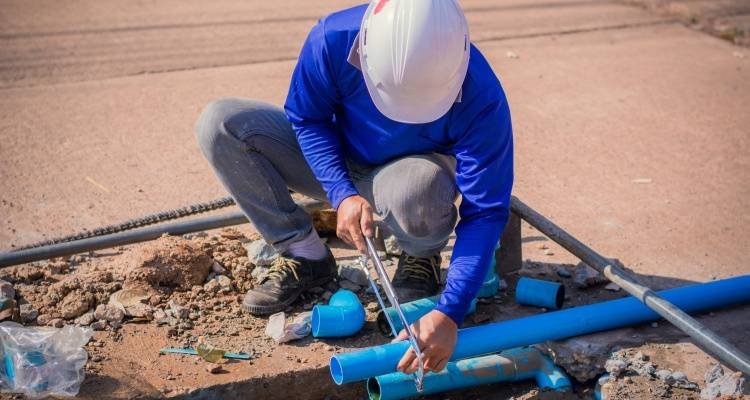
- Newly qualified plumbers can earn £29,000 per year (pre-tax), making it a worthwhile career move.
- The Chartered Institute of Plumbing and Heating say an estimated 73,700 extra plumbers are needed by 2032 in the UK to fill vacancies in the industry.
- Plumbing will always be needed–whether in commercial, residential, or other types of buildings–making it a secure industry to invest your time and energy into.
For individuals wanting a change of industry and want to ensure it’s a rewording profession and something that will provide long-term employment, plumbing is a good career option.
FAQs
How Much Do Plumbers Earn Compared to Other Trades?
Plumbers will always be in high demand as buildings of all shapes and sizes require their services, so it’s a “safe” industry to invest in. Plumbers earn slightly less than electricians (by around £3,000 per year), but it is still a lucrative industry.
Does Where I Work Affect My Earnings as a Plumber?
With higher fees comes a generally higher cost of living, which can mean that supplies and fuel will also be higher, taking a hit on your take-home income.
What Can Impact How Much a Plumber Earns?
The more specialised your plumbing skills are, the higher your fees are, and the more advanced your general plumbing skills are, the less time it will take you to complete a job, allowing you to book more clients in one day than perhaps an apprentice might be able to, positively influencing your income.
Can Plumbers Expect Pay to Increase Over Time?
Increased skills will also grant higher fees; the more established you are as a plumber, the higher your costs will likely be.
Are There Good Job Prospects for Plumbers in the UK?
If you want to take things a step further, you can look to become self-employed or even start your own company–in these situations, your salary is likely to be higher as there are fewer people to pay. You can also choose to specialise in a certain field, such as gas installations, renewable energy, or advanced plumbing systems, which can naturally lead to more job opportunities.
Sources
https://www.ciphe.org.uk/news-and-advice/news-articles/UK-Trade-Skills-Index-2023/
https://www.phamnews.co.uk/state-of-the-trades-focus-on-plumbers/
https://www.markeluk.com/articles/building-britain-uncovering-the-top-spots-for-tradespeople-in-the-uk
https://www.powerednow.com/blog/the-future-of-plumbing-trends-and-predictions
https://errltd.co.uk/courses/renewables/