Builders
 Carpenters
 Electricians
 Flooring Specialists
 Gardeners
 Handymen
 Heating Engineers
 Painters & Decorators
 Plasterers & Renderers
 Plumbers
 Roofers
 Tilers
 my
myHow Much Do Electricians Make?
There is a growing requirement for professional electricians in the UK, with the UK Trade Skills Index (CITB) projecting a potential need for around 100,000+ additional electricians within certain areas by 2032.

With this information in mind, it’s clear that not only can the electrical industry be rewarding, but with qualified electricians earning in the region of £35,000 per year (pre-tax) it's a financially sound choice too. From fixing residential electrical appliances to working on large commercial electrical projects, with the relevant qualifications the scope for career progression is huge - especially if you're looking to start your own electrical business.
Whether you’re considering becoming an electrician or just want to understand more about electrician salaries and how much you can earn per hour as an approved electrician, this article covers all you need to know. Read through the following guide to understand how the average electrician salary can vary and how self employed electricians compare to those working directly for a wider company.
Let’s get started.
Table of Contents
Average Electrician Salary
How much do electricians make? Let’s answer that question with a breakdown of the average electrician salaries in the UK:
| Electrician Seniority/Position | Income Per Hour | Income Per Day |
|---|---|---|
| Apprentice electrician | £8-£12 | £50-£90 |
| Newly-qualified electrician | £20-£25 | £150-£200 |
| Experienced electrician | £25-£35 | £200-£280 |
| Self-employed sole trader | £35-£55 | £280-£440 |
| Limited company business owner | £40-£70 | £320-£560 |
All figures are estimates, pre-tax.
The starting yearly salary for apprentice electricians is around £13,500 (pre-tax). The jump in income once you’re newly qualified is around £35,000 (pre-tax).
The more experienced you become, the higher your income will be, with those with years of experience commanding salaries of £52,000 (pre-tax) and above. Self-employed sole trader electricians earn around £60,000+ (pre-tax), with limited company business owners seeing earnings of £65,000+ (pre-tax).
Below is a summary of electrician salaries per year:
| Electrician Seniority/Position | Income Per Year |
|---|---|
| Apprentice electrician | £13,500 |
| Newly-qualified electrician | £35,000 |
| Experienced electrician | £52,000 |
| Self-employed sole trader | £60,000+ |
| Limited company business owner | £65,000+ |
All figures are estimates, pre-tax.

The latter two will see higher impacts on running and operational costs, which will bring down their take-home salary once they’ve been calculated. Things like materials, vehicles, and fuel costs will all play a part in reducing the overall yearly income once deductions have been made.
The need for electricians in the UK is evergreen. Unlike gardeners, who may see spikes in interest during the warmer months, homeowners and businesses needing electrical support will be year-round. However, there will still be factors that influence earnings.
Things That Impact Electrician Earnings
Electrician incomes vary across the country, with experience, reputation, demand and specialisms influencing your take-home salary. Here’s a closer look at those factors.
Location
What areas of the UK have the highest earnings for electricians? Let’s take a look at newly qualified electrician incomes in the North, Midlands and South of the UK:
| Electrician Seniority/Position | Location | Income Per Year |
|---|---|---|
| Newly-qualified electrician | Manchester | £30,000+ |
| Newly-qualified electrician | Birmingham | £34,000+ |
| Newly-qualified electrician | Central London | £40,000+ |
All figures are estimates, pre-tax.
Salaries in London and the South East of the UK tend to be higher than those further north, such as in Birmingham and Manchester. A newly qualified electrician in central London can command a starting salary of £40,000+ (pre-tax), while the same qualification level in Manchester can see a reduction of £10,000 per year.
Let’s see how that compares to some other manual trades in the UK once you become newly-qualified working within central London:
| Trade Position | Location | Income Per Year |
|---|---|---|
| Bricklayer | Central London | £37,000-£42,000 |
| Electrician | Central London | £42,000-£55,000 |
| Gardener | Central London | £34,000-£40,000 |
| Plumber | Central London | £35,000-£40,000 |
All figures are estimates, pre-tax.
Newly qualified electricians and plumbers are set to earn the most in London and the South East, with bricklayers earning around £37,000-£42,000 and gardeners from £34,000-£40,000.
Experience and Qualifications
While location can affect electrician wages, another factor is experience and qualifications. Let’s take a closer look at the different salaries and earning potential for electricians when compared to other manual trades:
Apprentice level earnings across key trades:
| Trade | Income Per Year |
|---|---|
| Bricklaying | £11,000 |
| Electrician | £13,500 |
| Plumbing | £18,500 |
| Gardening | £9,000 |
All figures are estimates, pre-tax.
Experienced (1–5 years) earnings across key trades:
| Trade | Income Per Year |
|---|---|
| Bricklaying | £40,000 |
| Electrician | £52,000 |
| Plumbing | £45,500 |
| Gardening | £29,500 |
All figures are estimates, pre-tax.
Here’s what you need to know at a glance:
- Electricians are consistently high earners compared to plumbers, gardeners, and bricklayers, with an experienced electrician earning the most out of the four trades at £52,000.
- As apprentices, electricians are the second-highest earners at around £13,500 per year, behind plumbers at £18,500.
- Business owners can earn more than £65,000, the third-highest value, with plumbers claiming the top spot at £73,000.
There is sustained demand for electricians in the UK, especially in the renewable installation sector, as the country is pushing for Net Zero status in 2050. To meet the solar energy target, 4,800 to 5,600 more renewable energy installers are needed in the UK alone, showing a profitable area of development and growth for electricians.
Self-Employed vs. Employed Earnings for Bricklayers
How much do self-employed electricians get paid? Being your own boss is a goal for many–and with good reason. Being able to set your schedule and choose your clients while typically earning more makes being self-employed an appealing choice for electricians:
| Electrician Seniority/Position | Income Per Hour | Income Per Day | Income Per Year |
|---|---|---|---|
| Self-employed sole trader | £40 | £320 | £60,000 |
| Limited company business owner | £45 | £360 | £65,000 |
All figures are estimates, pre-tax.
A self-employed electrician hourly rate is around £320 per day, or £40 per hour, equating to an annual pre-tax salary of £60,000+. However, business costs will impact these earnings.
You can expect expenses of around £7,300 per year for self-employed electricians in the UK to deal with business costs such as vehicles, fuel, tools and equipment, as well as any necessary insurance.
Business owners are likely to have slightly higher business costs, sitting at around £11,500 per year, which will cover the same areas but may also include insurance for other employees if applicable and any necessary training/upskilling for continuous development.
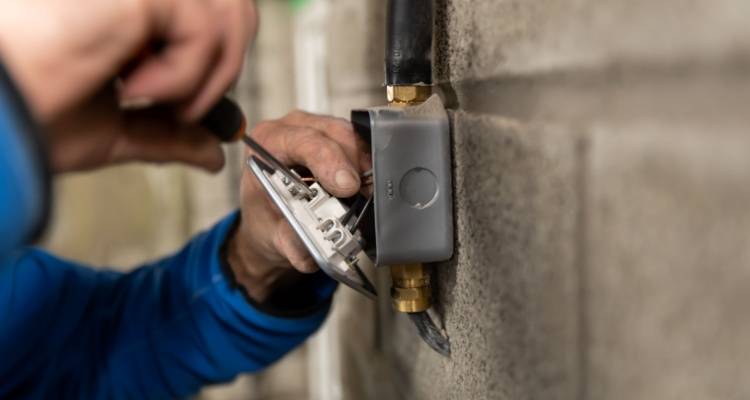
Being a self-employed electrician comes with its own set of pros and cons. While you will be your own boss and only have yourself to answer to, you are inevitably at the mercy of your customers and their needs–if an emergency call-out comes in, you’ll still have to attend, and if you’re self-employed, you may be the only person to do it.
That said, there is great earning potential with being self-employed, and it can help you to move into more senior business roles if that’s something you want to pursue.
Specialisations
The renewable energy sector is booming. Salaries for project managers in this field can earn up to £80,000, engineers and consultants earn up to £60,000, and sales agents bring in up to £56,000 per year.
Various reports on the electrical industry indicate the national average electrician salary within the sector are said to be growing at a faster rate than the average salary for those working in oil and gas. If you are interested in building a greener future and want to be at the forefront of making that idea a reality, then becoming an approved electrician that specialises in the relevant electrical systems can prove an economically and environmentally friendly career option.
A number of courses and relevant qualifications are available for electricians interested in the field, such as:
- Renewable Technologies — a range of courses suitable for solar panel and electric vehicle charging point installations.
- Green Electrical Upskill Package — a skills boot camp for experienced and qualified electricians wanting to move into solar, electric vehicle and electrical energy storage installations.
How Can You Make More Money as an Electrician?
While the national average electrician salary is substantial enough, whether you're newly qualified or an established electrical business owner, there’s currently no shortage of work or extra money available. However, there are some specific ways to increase your earnings if you want to earn over and above the average salary.
Responding to Emergency Call-outs
It's not the most appealing suggestion if you prefer working set hours, but an can certainly increase their earnings with an out of hour call-out service.
Some emergency call-out electricians charge £140 just to arrive at the property during unsocial hours, which is just shy of a full day’s work for a newly qualified electrician. This emergency call-out fee then sits on top of any work completed during the visit, helping to boost your earnings considerably.
While this is good news for your wallet, it does mean that you’ll need a 24/7 line for customers to access you as and when they need you. It can take some getting used to if you’re used to working standard hours during the week, but if you want a boost of income, it can be incredibly helpful–especially so if you’re a fledgling company or individual wishing to make a name for yourself as someone reputable and reliable in the local area.
That said, you need to build a good reputation while undertaking emergency out-of-hours work. You’re unlikely to get repeat customers if your work is below par, so it’s important to ensure you’re always being professional, no matter the hour.
Specialisms
As a need for renewable energy in the UK is on the increase to help meet Net Zero 2050 plans, it's possible to increase the average electrician salary by becoming a specialist within the field. Especially given this means there’s also a growing need for renewable energy installers, providing employed electricians with an additional career option.

Qualifications and Training
The more training and experience you have, the better you will be at your trade–but you will also have more strings to your bow, allowing you to reach a wider customer pool. If you have specific skills, like a focus on renewable energy installations, you can boost your earnings due to the increased demand for the skill in the UK.
Here’s a list of the typical training and qualifications you’re likely to need as an electrician:
- Level 3 Electrical Installations Diploma — 8-week course focusing on advanced electrical theory once you’ve completed Level 2 on the same topic.
- Level 3 NVQ Electrical — 6 months to 2 years, suitable for trainees who have completed their level 2 and 3 diplomas in electrical installations. This includes on-site work, and you’ll need to have already worked in the electrical field as an electrical improver, mate, or trainee.
- City & Guilds Level 3 Award in Requirements for Electrical Installations — for practicing electricians and other professionals (surveyors, consultants) who need to enhance their understanding of IET Wiring Regulations.
- Achievement Measurement 2 (AM2) Assessment — the final assessment for electrical apprentices and trainees before becoming qualified electricians in the UK.
- Continuing Professional Development (CPD) — a commitment to “lifelong learning.” CPD is used to refresh knowledge, improve skills, and keep up to date with industry changes and developments.
- Competent Person Scheme membership — the UK government requires this to self-certify that their work has been completed in compliance with Building Regulations.
- Renewable Technologies — a range of courses suitable for solar panel and electric vehicle charging point installations.
- Green Electrical Upskill Package — a skills boot camp for experienced and qualified electricians wanting to move into solar, electric vehicle and electrical energy storage installations.
Becoming Self-Employed or Starting a Limited Company
How much do self-employed electricians get paid? With an estimated pre-tax income of around £60,000+, it can potentially be much more than electricians employed by someone else. Limited company incomes are similarly high, starting at £65,000 (pre-tax) and rising in line with experience and reputation.
It’s important to note that self-employed and business owner incomes, although higher than regular employed electricians, will be affected by running costs. These are the types of expenses you are usually shielded from as an employee, but when you work for yourself, they’ll become your responsibility:
- The main expenses will be operational and running costs. This includes vehicles and any required maintenance, fuel, and tools/equipment. Property running fees will also play a part if you own a premises.
- If you’re a business owner planning on employing other electricians, their income will also come from your business’s gross income.
- Unlike being employed by someone and having work scheduled for you, you’ll be responsible for sourcing your clients and work when you're self-employed.
- You will need to complete self-assessment tax returns at the end of every financial year, meaning more paperwork will be involved than when you were employed by someone else.
Ensuring a Good Reputation and Sustained Demand
To ensure return business, you must have a good reputation in the electrical industry. If you are just starting and getting a few customers, you must foster those early relationships to increase your chances of them becoming repeat customers.
This is especially important if you are self-employed or operating a limited business as an electrician, as you’ll be solely responsible for driving your demand and business. Ensuring all your employees operate on the same level with the same ethics and work standards is essential to creating long-lasting client and company relationships that will fuel your growth.
Industry Trends and Demand
With a growing “skills gap” for electricians in the UK caused by increased demand for electricians, the UK Trade Skills Index says an additional 104,000 electricians are needed to fill this gap by 2032. Commercial, residential and private properties will always have a need for electrics–and these statistics attest to that being the case–so if you’re looking for a career switch and think becoming an electrician might be the route, you can be sure it’ll be a long-lasting, secure career path.
IBISWorld forecast that revenue for electricians in the UK is set to rise at a compound annual rate of 0.9%, reaching £31.7 billion. With the drive for Net Zero in 2050, businesses are looking at solar panel installations, electric vehicle (EV) charging points and heat pumps in place of antiquated systems using fossil fuels–and electricians are at the front line installing these eco-friendly initiatives.
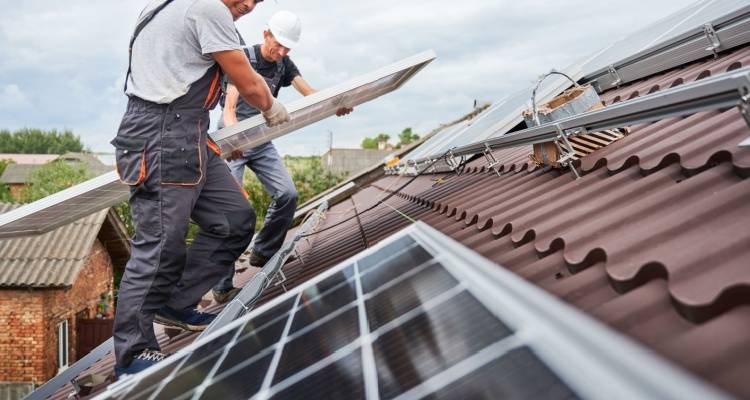
HSS Training, one of the UK’s main health and safety training providers, say that now is a “great time to work as an electrician and installer” because of the predicted growth in the electrical field. To meet the UK’s 70GW of solar capacity by 2035, an estimated 4,800 to 5,600 more electricians will be needed to take care of solar installations in the UK alone.
With everyone trying to do their bit to be more eco-friendly, it’s safe to say that renewable energy installations are here to stay and are projected to become even bigger in the coming years. Whether you’re an established electrician looking to expand your skill set, or want to try a new career, investing in renewable electrical installations is a good choice given the current industry trends.
Summary
So, how much do electricians make? With a newly qualified income of approximately £35,000 a year (pre-tax), it’s a great start for someone wanting to carve out a new career in an evergreen industry.
- The starting electrician salaries for an apprentice is around £13,500 (pre-tax), increasing towards £35,000+ (pre-tax) once qualified.
- Electricians command the highest salaries compared to other labour-intensive trades such as gardeners, bricklayers and plumbers.
- By 2032, the UK Trade Skills Index says an additional 104,000 electricians are needed to fill the “skills gap” in the UK.
- Specialising in certain fields can help your income skyrocket, such as in renewable energy and solar panel fitting, both growing in popularity in the UK.
If you want a career working in a variety of settings, from small residential electrical systems to large-scale commercial projects, then becoming an approved electrician or having your own electrical business could be just what you're after.
FAQs
What Is the Average Salary of an Electrician Compared to Other Trades?
Compared to other main trades–plumbers, bricklayers, painters/decorators–electricians come out top for their competitive salary, being £3,000 higher per year than bricklayers.
Does Location Affect an Electrician’s Earnings?
If you’re working in the South East of England and London in particular, you can expect a higher salary as there is a greater demand for skilled workers–but there will also be a higher cost of living which will, in some cases, counteract any increase in your salary.
What Influences an Electrician’s Salary?
If you have a specific niche in the electronics industry, you may also see a higher salary due to this specialisation.
How Can I Grow My Salary as an Electrician?
Being successful in the trade industry relies on good word of mouth and recommendations from past customers, so ensuring good customer service and experiences will help you with repeat business or new referrals from previous customers.
Is Becoming an Electrician a Wise Career Move?
Sources
https://www.theguilds.co.uk/post/do-electricians-earn-a-lot-of-money-uk
https://www.ibisworld.com/united-kingdom/market-research-reports/electricians-industry/
https://hsstraining.com/resource/New-Construction-and-Electrical-Market-Trends/
https://electricalreview.co.uk/2023/12/12/additional-electricians-needed-for-uk-solar-plans/
https://mcscertified.com/2023-a-record-breaking-year-for-mcs-and-small-scale-renewables/
https://www.bbc.co.uk/news/uk-scotland-scotland-business-23509211
https://www.electricalcoursesuk.co.uk
https://www.competentperson.co.uk/