Builders
 Carpenters
 Electricians
 Flooring Specialists
 Gardeners
 Handymen
 Heating Engineers
 Painters & Decorators
 Plasterers & Renderers
 Plumbers
 Roofers
 Tilers
 my
myHow to Become a Plumber
By 2032, over 70,000 new plumbing recruits will be needed in the UK to meet government requirements, highlighting a glaring shortfall in the plumbing industry. While there are currently around 150,000 plumbers in the UK–with the majority based in London–there is a growing need for even more skilled individuals to handle emergency plumbing incidents, routine inspections, and residential plumbing tasks.
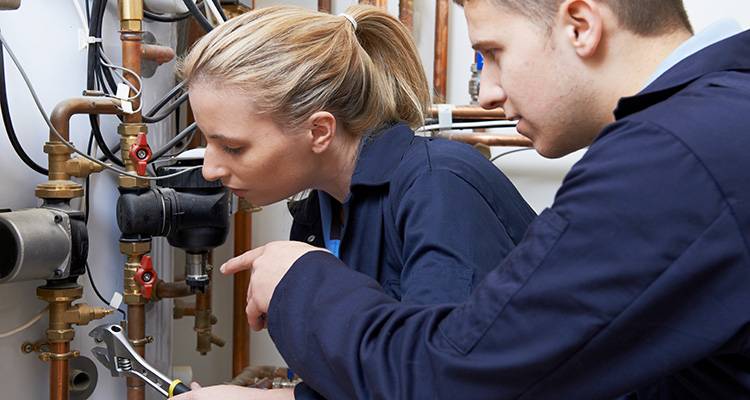
If you’re wondering how to become a plumber as someone exploring careers in manual trades, or even if you’re an experienced trader wanting to switch professions and retrain as a plumber, this guide will take you through the necessary steps to arm you with everything you need to know about entering the industry.
Keep reading to find out what you need to know.
Table of Contents
What Does a Plumber Do?
If you’re thinking about retraining as a plumber or are just interested in the trade straight out of school, here’s what you can expect as your day-to-day responsibilities:
- Installing plumbing systems (sinks, toilets, baths, showers, and taps, both in commercial and residential buildings)
- Maintenance and repairs (locating and fixing leaks, replacing parts and repairing issues)
- Emergency call-outs (such as leaks, blockages, burst pipes)
- System diagnostics (measuring and maintaining water pressure, checking flow rates)
- Compliance and safety checks (ensuring all work is carried out to code and keeping to safety regulations).
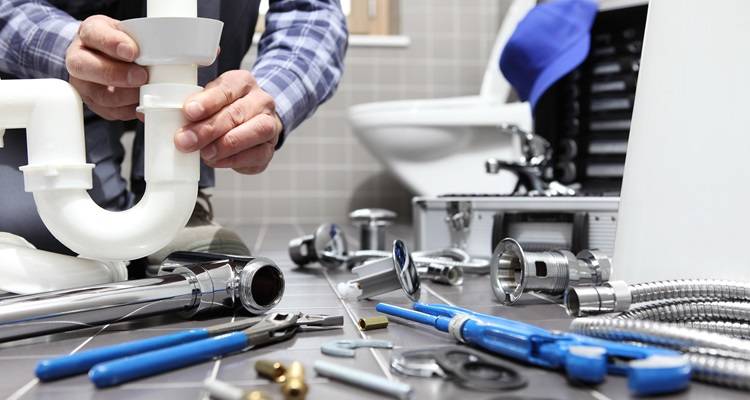
Depending on your sector–be that residential, commercial, or elsewhere–your day-to-day activities may look different, but these are the general themes you’re likely to be faced with when you train to become a plumber.
Are Plumbers in Demand in the UK?
Plumbers are in incredibly high demand in the UK–so much so that they’re reportedly the joint most in-demand trade, tying with locksmiths. A separate study has shown that 46% of UK homeowners cannot find a plumber for their project or repair job, citing both limited availability and shortage of plumbers in the area.
With over 70,000 new plumbing recruits needed by 2032 to meet government requirements, it’s an excellent time to train or retrain as a plumber if you are interested in the industry. While there’s demand now due to a labourer shortage, plumbing is an evergreen trade and unlikely to ever go out of fashion, meaning it’s a stable and safe industry in which to invest your time and money.
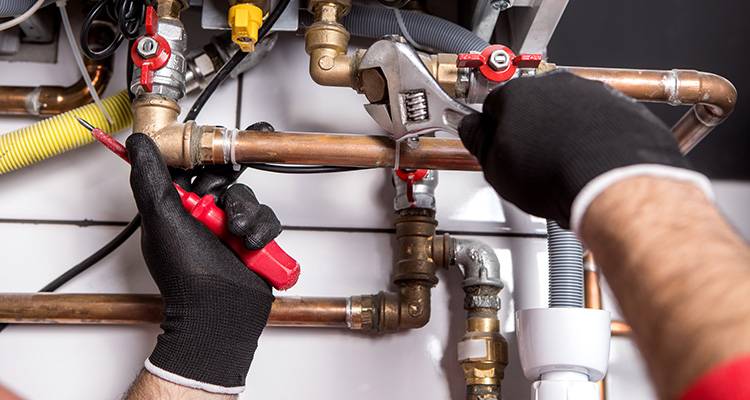
Some funding is available for those wishing to train in the industry, but the exact details depend on your geographical area, age bracket, and level of training. For example, incentives are in place to get trainees learning in Wales, offering up to £4,000 towards training fees.
Search your specific location and training preferences online to find out what's available.
Average Plumber Salary
So, how much do plumbers make? Here’s a breakdown of the average plumbing salaries in the UK:
| Plumbing Seniority/Position | Income Per Hour | Income Per Day |
|---|---|---|
| Apprentice plumber | £10.50–£12 | £84–£96 |
| Newly-qualified plumber | £16.50–£20 | £132–£160 |
| Experienced plumber | £18–£22 | £144–£176 |
| Self-employed sole trader | £35–£55 | £280–£440 |
| Limited company business owner | £45–£55 | £360–£440 |
All figures are estimates, pre-tax. Please note sole trader and limited company rates are prior to any expenses.
The UK’s national minimum wage in April 2026 is currently set at £12.71 per hour for over 21s, £10.85 for those aged 18 to 20, and £8 for both those under 18 and those classed as apprentices. Although actual rates as an apprentice plumber may vary, depending on your location and the company or individual you are working for.
Apprentice plumbers can earn around £18,500–£21,000 per year (pre-tax). Once qualified, this salary rises to £29,000–£35,000 (pre-tax), making it a lucrative industry to enter.
| Plumbing Seniority/Position | Income Per Year |
|---|---|
| Apprentice plumber | £18,500–£21,000 |
| Newly-qualified plumber | £29,000–£35,000 |
| Experienced plumber | £31,700–£38,700 |
| Self-employed sole trader | £61,600–£96,000 |
| Limited company business owner | £79,200–£96,000 |
All figures are estimates, pre-tax. Please note sole trader and limited company rates are prior to any expenses.

Self-employed and limited company business owners will have the highest salaries in our table, at between £60,000 and £96,000+ (pre-tax) depending on experience and volume of work. However, self-employed and business owners also have additional overheads such as operational fees and running costs that will impact their actual take-home salary.
Your geographical location will impact your earnings as a newly qualified plumber. Here’s an example of how salaries can vary across the UK:
| Location | Income Per Year |
|---|---|
| Manchester | £28,000–£32,000 |
| Birmingham | £29,000–£33,000 |
| Glasgow | £27,000–£31,000 |
| Central London | £35,000–£40,000 |
All figures are estimates, pre-tax. Please note sole trader and limited company rates are prior to any expenses.
Central London salaries will always be higher than those further north of the capital due to the increased demand and cost of living, which bumps up all costs–from materials to tools and fuel–and raises trade prices, too.
Do Plumbers Earn More Than Other Trades?
For comparison, here’s how a newly qualified plumber’s salary sits against some other manual trades in the UK in the same location:
| Trade | Location | Income Per Year |
|---|---|---|
| Bricklayer | Central London | £30,000–£36,000 |
| Electrician | Central London | £32,000–£38,000 |
| Gardener | Central London | £22,000–£28,000 |
| Plumber | Central London | £32,000–£40,000 |
All figures are estimates, pre-tax and based on full-time employment.
Qualified electricians and plumbers are set to earn the most in London at £32,000–£40,000, with bricklayers earning around £30,000–£36,000 and gardeners £22,000–£28,000. Although salaries are likely to increase inline with experience and career progression, and as such to become a plumber in the UK is a great line of work, especially with the current demand.
Let’s take a look at some other manual trades in the UK to see how their incomes compare to becoming a plumber once you have gained at least 1 to 5 years experience or gone on to run your own plumbing company:
| Trade | Experienced Annual Income | Self-Employed or Business Owner |
|---|---|---|
| Bricklaying | £38,000–£45,000 | £50,000–£75,000 |
| Electrician | £32,000–£38,000 | £50,000–£55,000 |
| Plumbing | £31,700–£38,700 | £61,600–£96,800 |
| Gardening | £30,000–£38,000 | £40,000–£65,000 |
All figures are estimates, pre-tax.
Moving into the self-employed and business owner sector, plumbers can potentially earn between £61,600 and £96,800 per year, the highest income from our selection of trades in the UK. However, it's important to note these earnings don't take into account business expenses and therefore take-home pay can be signficantly.
Plumbing Career Requirements
You can become a plumber through various routes, including:
- College courses (via courses such as Plumbing Studies, Plumbing and Domestic Heating systems, or via a T Level in Building Services Engineering for Construction)
- Apprenticeships (these include Plumbing and Domestic Heating Technician, Building Services Engineering, Gas Engineering Operative, and Low Carbon Heating Technician Level 3 Advanced Apprenticeship for those wishing to become a heat pump engineer)
- Training on the job (this involves working as a “mate” or a plumber’s assistant).
To engage in these routes, you’ll need the following qualifications:
- College courses — 4 or 5 GCSEs at grades 9 to 4 (A* to C), or equivalent, including English and maths for a T Level
- Apprenticeships — 5 GCSEs at grades 9 to 4 (A* to C), or equivalent, including English and maths, for an advanced apprenticeship
- Training on the job — some GCSEs, including English and maths, and good practical skills.

Before getting started on your plumbing qualifications, you’ll likely need to show proof of the following to guarantee your acceptance:
- Proof of a clean driving licence
- Willingness to undergo a criminal record check
- Evidence of your ability to undertake the physical demands of the job.
Plumbing Qualifications
Once all of the above is in place, you can start looking at the type of qualification you want to achieve. Here’s a list of typical qualifications you may need as a plumber in the UK, depending on your niche:
- Level 3 Technical Occupational Entry in Plumbing Installations — new for 2025, this diploma focuses on various technical matters related to health and safety, hot and cold water systems, rainwater and environmental systems.
- Plumbing Craft — suitable for individuals wanting to start their career in plumbing, focusing on domestic heating systems, hot and cold water supplies, and health and safety.
- Plumbing and Domestic Heating — focusing on domestic property installations, this course focuses on central heating systems, sanitation systems, gas safety, and environmental technologies.
- Water Regulations and Unvented Hot Water Systems — this course focuses on the legal requirements for plumbing system installations in the UK, focusing on domestic systems.
You can also choose to specialise in a specific sector of plumbing, which can boost your earnings. If you’re interested in renewables, taking a course such as this from ERR can help you find your niche as a skilled plumber within the following renewable sectors:
- Air source
- Greywater harvesting
- Ground source
- Rainwater harvesting
- Solar thermal.
Lastly, as well as specific plumbing qualifications, you will need the following core skills:
- Customer service skills, including good communication and clear explanations
- Basic computer skills
- Willingness to drive potentially long distances to reach clients
- Problem-solving attitude
- Good timekeeping and attention to detail.
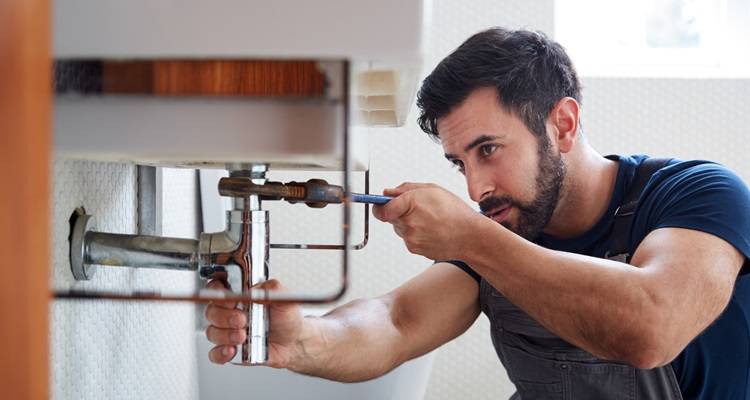
How Long Does It Take to Become a Plumber?
If you are entirely new to the plumbing business and are coming from school, it’ll typically take around four years to complete your standard plumbing training. NVQs are available and take slightly less time, lasting 1 to 2 years.
However, plumbing trade organisations say that individuals should have at least a Level 3 qualification and 3 to 5 years of experience in the industry to begin working professionally.
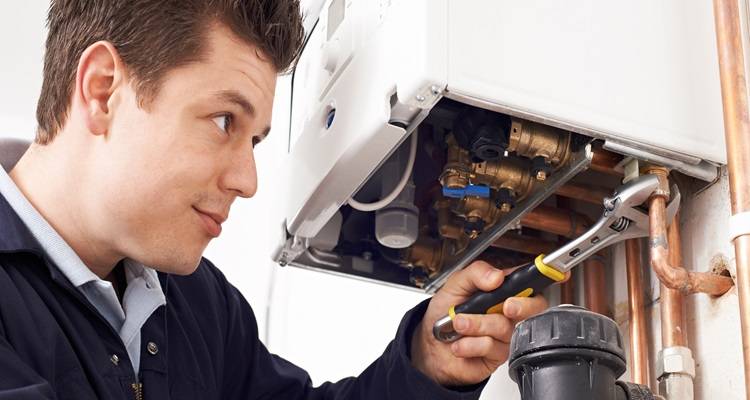
There are fast-track courses you can take, lasting between 8 and 10 weeks, but these can only be completed by individuals how already have a basic knowledge of domestic plumbing from working in a similar trade. You will also need to pay for these courses, unlike apprenticeships, which can be sponsored and come with a small income, and they may not include all aspects of training like the full traditional course may.
Plumber Career Progression
The more qualified you are as a plumber, the higher your salary will be–an apprentice can earn around £18,500 a year, while an experienced plumber can earn more than £45,000 per year. While there are many routes to take, Gov.uk the following if you’re interested in career progression within the plumbing industry:
- Become a heat pump engineer (this is a financially rewarding option, as it supports the government’s push for Net Zero initiatives with cleaner heating solutions)
- HVAC specialisms (training in ventilation, air-conditioning and renewable energy heating like solar power can boost your earning potential)
- Certifying with the Oil Firing Technical Association (OFTEC)
- Becoming a master plumber, or moving to teach trainee plumbers in higher education.
As well as building up your experience, choosing a specialism within plumbing is a good choice if you want to carve out a niche and potentially earn a higher salary. With the UK’s push for Net Zero status in 2050, entering the renewables sector within plumbing is wise.
If the renewables sector interests you, taking a course–such as this from ERR–can help you find your niche in the following areas:
- Air source heat pumps — Similar to heat pumps, air source heat pumps take heat from the air and help heat a property and its hot water supply.
- Ground source heat pumps — These work by taking heat from the ground and providing heating systems and hot water for buildings, involving special underground pipe installation.
- Greywater harvesting — Greywater (the water from sinks, showers, and washing machines) can be collected and reused to flush toilets. Plumbers can install collection systems to divert greywater from the drains back into the plumbing systems.
- Solar thermal — This technology transfers the energy stored by solar panels to heat hot water in a building. It involves integrating the solar system with the existing hot water supply, including storage tank installation and new pipes.
- Rainwater harvesting — Collected rainwater can be used for flushing toilets and irrigation, and plumbers can set this up by installing various filtration systems, storage tanks, and gutters/downpipes to collect the water.
Retraining as a Plumber
It’s no secret that plumbers are in high demand across the UK. The Chartered Institute of Plumbing and Heating reports that an estimated 73,700 extra UK plumbers are needed by 2032 to fill vacancies; it’s a great time to retrain as a plumber if you’re interested in the industry.
If you already work in an adjacent construction trade–such as bricklaying or electrics–you’ll already have some foundation skills that will allow for an easy switch. The most important thing is to ensure you’re up-to-date with the latest regulations and guidance, and the best place to do that is by completing domestic water and plumbing courses recognised by CIPHE (Chartered Institute of Plumbing and Heating Engineers).
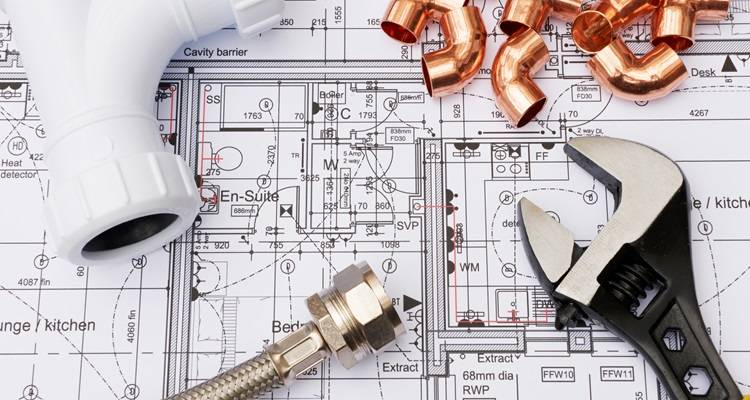
Don’t be put off if you’re in your 50s or 60s–there’s no age limit on plumbing apprenticeships. You will, however, need to demonstrate your ability to be physically capable of the trade.
If you want to fast-track your training, you can complete the City & Guilds Accredited Level 2 Diploma in Plumbing Studies, which takes 8 to 10 weeks to complete. Due to the speed of the course, you won’t be qualified to work with gas, you won’t have any on-site experience during training, and the course won’t be as in-depth as traditional apprenticeships. You will also have to pay for this training route.
Funding is available for traditional apprenticeships, which commonly last around four years. During this time, you’ll get practical on-site experience, become Gas Safe Registered, and earn a small apprentice income while the training is undertaken.
Summary
Plumbing is seen as a gateway trade that helps you enter many adjacent building trades. With a shortage of qualified plumbers in the UK, there’s never been a better time to train, or re-train, as a plumber.
- The Chartered Institute of Plumbing and Heating estimates that 73,700 extra plumbers will be needed in the UK by 2032 to fill industry vacancies.
- In 2024, newly qualified plumbers can earn £30,000 per year (pre-tax), the highest salary among electricians, gardeners, and bricklayers.
- Plumbing will always be needed–whether in commercial, residential, or other types of buildings–making it a secure industry to invest your time and energy in.
- The push for Net Zero has put a focus on renewable energy, making niches in renewables incredibly lucrative and in-demand for plumbers.
Next Steps
If you want to become a plumber, your first port of call should be Gov.uk to find relevant courses and information near you. There, you can find necessary information relevant to your current status–be that qualified as another plumbing-adjacent trade or freshly out of school wanting to specialise in plumbing–giving you everything you need to get started in the industry.
FAQs
What Are the Working Hours of a Plumber?
Where Can I Find a Plumbing Apprenticeship?
Can I Become a Plumber Without Doing an Apprenticeship?
Do Plumbers Make Good Money?
There will always be a demand for plumbers, making it a safe industry to invest your time and efforts into. Plumbers earn slightly less than electricians (by around £3,000 per year), but it’s still a lucrative industry.