Builders
 Carpenters
 Electricians
 Flooring Specialists
 Gardeners
 Handymen
 Heating Engineers
 Painters & Decorators
 Plasterers & Renderers
 Plumbers
 Roofers
 Tilers
 my
Why Won’t My Wallpaper Come Off and How Can I Remove It?
If you are renovating your home or looking to decorate, you may need to remove some wallpaper from your walls before you get started. Trying to remove old wallpaper can sometimes be quite difficult and may turn into a much bigger job than you expected.
In an ideal world, you’ll start peeling at a corner, and the whole sheet will come off in a nice, neat fashion. In reality, this isn’t usually the case. Removing wallpaper can be a nightmare.
So, why won’t your wallpaper come off? The problem could be the type of wallpaper, layers of paint, old adhesive, or the condition of the wall behind it. Some wallpapers are designed to peel away easily. Others may need to be scored, soaked, or steamed before they’ll even slightly budge.
In this guide, we will go over everything you need to know when your wallpaper won’t come off. We will explain how to remove stubborn wallpaper safely, how to deal with wallpaper backing and adhesive residue, and what to do if your wall or plaster becomes damaged during the removal process.
Read on to learn everything you need to know about this daunting home improvement task…
Table of Contents
- Why Won’t My Wallpaper Come Off?
- What Type of Wallpaper Is It?
- Common Reasons Wallpaper Is Difficult to Remove
- What Should You Do Before Removing Stubborn Wallpaper?
- How to Remove Wallpaper That Won’t Come Off
- Should You Use a Wallpaper Steamer?
- How Do You Remove Painted Wallpaper?
- How Do You Remove Wallpaper Backing That Is Stuck to the Wall?
- How Do You Remove Wallpaper From Plasterboard?
- What If the Plaster Comes Off With the Wallpaper?
- Can You Wallpaper Over Old Wallpaper?
- Can You Remove Stubborn Wallpaper Yourself?
- How Much Does Wallpaper Removal Cost?
- How to Prepare the Wall After Wallpaper Removal
- FAQs
Why Won’t My Wallpaper Come Off?
The most common reason wallpaper may be difficult to remove is that the removal method does not match the type of wallpaper or the wall underneath it.
For example, water may help to soften traditional paper wallpaper quite quickly; however, it may have little effect on a vinyl-coated or painted surface. Similarly, using a scraper aggressively against wallpaper that has bonded directly to plasterboard can cause significant damage to the wall.
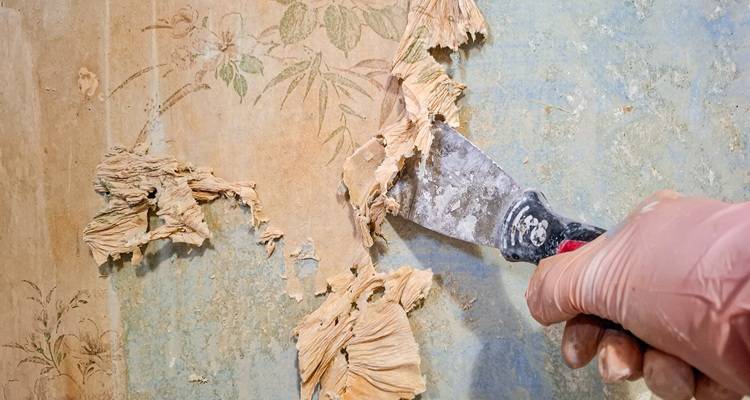
Below is a list of reasons why your wallpaper may be difficult to remove:
- The surface is vinyl or washable, and water cannot penetrate it.
- The wallpaper has been painted over.
- Too much or unsuitable adhesive was used.
- The wall was not sealed or primed before hanging.
- Several wallpaper layers are present.
- The backing paper has separated from the top layer.
- The adhesive has hardened with age.
- The wallpaper has been applied directly to plasterboard.
Before you go ahead and decide whether to soak, score, or steam the wallpaper, you should first try to identify what it is you are actually dealing with. There are usually three separate things you will need to consider: the decorative surface, the backing paper, and the adhesive underneath. Each of these layers will need a different approach.
What Type of Wallpaper Is It?
Identifying the wallpaper is one of the most important steps you’ll need to take when dealing with a difficult wallpaper removal. If you use too much water on plasterboard, for example, you could damage it. If you try to scrape a waterproof vinyl surface without first allowing moisture through, you could spend hours making very little progress. Below is a list of the most common wallpaper types for you to consider:
Strippable Wallpaper
Some modern wallpapers are designed to be removed pretty easily. If you can lift one of the corners or a seam and gently pull the paper away, you may find that it comes off in large sheets.
Try to avoid pulling on the paper too aggressively. If it starts to rip straight away or if the wall surface starts coming away with it, stop what you’re doing and reassess the situation.
A wallpaper that is designed to be strippable may come away dry, so you will likely not need to worry about soaking or steaming.
Peelable Wallpaper
Peelable wallpaper often has a decorative top layer that can be pulled away, leaving backing paper to remove separately. Self-adhesive peel-and-stick wallpaper is a different product and may come away without soaking.
Start by lifting a corner gently and follow the manufacturer’s removal instructions. Gentle warmth may help with some self-adhesive products, but avoid overheating the wall. If backing paper or adhesive remains, remove it carefully before redecorating.
Vinyl or Washable Wallpaper
Vinyl wallpaper or washable wallpaper is designed to resist moisture. This is useful for when the wallpaper is on the wall, but it can make the removal process much more difficult.
Water or wallpaper removal solution may simply sit on the surface instead of penetrating through to the adhesive.
A wallpaper scoring tool can create small openings in the surface, allowing moisture to reach the paper and paste underneath. Score the wallpaper lightly. The aim is to help the removal solution penetrate through the surface instead of cutting deeply into the wall.
Painted Wallpaper
Painted wallpaper can be particularly stubborn to remove. Emulsion, gloss, or several layers of paint can seal the surface and prevent water from reaching the adhesive.
The wallpaper may also become more brittle, meaning it rips into small pieces instead of peeling away in sheets.
You may need to score through the paint, give additional soaking time, or use carefully controlled steam for this type of removal. Take care not to scrape too aggressively, as this could damage the wall surface underneath.
Traditional Paper Wallpaper
Traditional wallpaper is often easier to soften with warm water or a wallpaper removal solution.
However, the age of the wallpaper can make a significant difference. Old wallpaper may have been applied with a large amount of paste. Often, the adhesive itself may have hardened over time.
If there are several layers of paper, this can also make a simple-looking wall much more difficult to strip.
Lining Paper
Lining paper is usually found underneath paint or wallpaper to create a smoother surface.
This doesn’t always need to be removed. If it is firmly attached, smooth, and suitable for your decoration goals, then it may be possible to just leave it in place.
However, if there are any loose, damaged or bubbling parts of the lining paper, you may need to remove it before decorating. If you don’t, this could cause problems for the new finish.
Common Reasons Wallpaper Is Difficult to Remove
There are several reasons why your wallpaper may be difficult to remove. Below is a list of the most common reasons:
The Surface Is Waterproof
If your wallpaper is vinyl-coated or washable, then water will not be able to get through to the paste, so soaking the surface repeatedly may have no effect. This is likely because the moisture is not reaching the adhesive.
Try testing a small, inconspicuous area. If the wallpaper does not absorb water, you may need to score the surface a little bit.
Too Much Adhesive Was Used
Wallpaper paste should be spread evenly. In some cases, parts of the wallpaper may have been installed with a lot more adhesive than necessary.
Strong adhesives can also make it more difficult to remove. This is particularly common if the wallpaper has been hung over an existing finish or if a product not intended for standard wallpaper was used.
In these circumstances, the paper could rip or tear easily during the removal.
The Wall Was Not Primed
You can apply wallpaper to bare plaster or plasterboard; however, you’ll need to suitably prepare the surface first. If the wall is not sealed or primed, the adhesive may bond directly to the surface. Removing the wallpaper could damage the surface underneath it in these cases.
This is a particular concern when it comes to plasterboard. The surface of the plasterboard may tear away if the wallpaper and adhesive have bonded too strongly.
There Are Several Layers of Wallpaper
In some cases, there may be several layers of wallpaper on top of each other. This is particularly true for older properties. The top layer may be quite easy to remove, only to reveal another layer underneath. Each layer may have been installed using different wallpaper paste and may respond differently to water or steam.
Make sure to check the wall carefully for more paper and adhesive to ensure you’re doing the job thoroughly.
The Wallpaper Has Been Painted Over
Paint can create a sealed surface that prevents water from being able to penetrate and soften the adhesive. If there are several layers of paint, this could also make the wallpaper thicker. You may need to score the surface lightly before applying warm water or wallpaper removal solution.
Be careful when using scoring tools, especially on plasterboard or older plaster. A small amount of penetration may help. Excessive pressure can create damage that will need filling later on.
The Adhesive Has Dried Hard
Older wallpaper paste can become quite difficult to reactivate, especially in dry rooms or rooms where you have the heating on a lot. You may need to give the removal solution more time to work properly. However, water is not always a good choice.
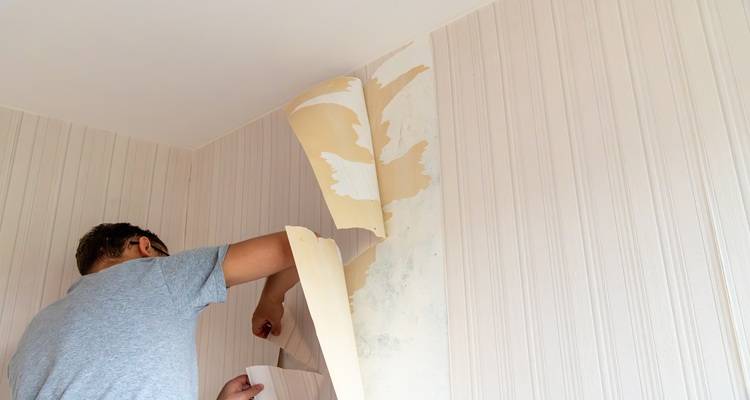
Excessive soaking can damage plasterboard, soften plaster and allow moisture to penetrate cracks or weak spots. So make sure you know what you’re dealing with first so that you can use the right solution.
The Wall Is Damp or Damaged
Wallpaper does not always come off the way you think it will. This is especially true if the wall underneath has been affected by damp, previous leaks, or loose plaster. Peeling wallpaper, staining, a musty smell, or visible mould could all indicate that there is an underlying moisture problem.
If you notice any damp or mould while removing wallpaper, you will need to deal with the cause first before you go ahead and decorate. Painting or wallpapering over an ongoing damp problem will not solve it; it will simply hide the problem getting worse. You may also need to deal with blown plaster before you apply a new finish.
What Should You Do Before Removing Stubborn Wallpaper?
Good preparation is key in making sure the wallpaper removal goes as smoothly and easily as possible. It can also help to prevent any unnecessary damage.
Wallpaper removal can be quite messy, especially when water, paste and softened paper are involved. You’ll also want to protect the skirting boards as well, especially if they are painted or made from a material that could be damaged by excess moisture.
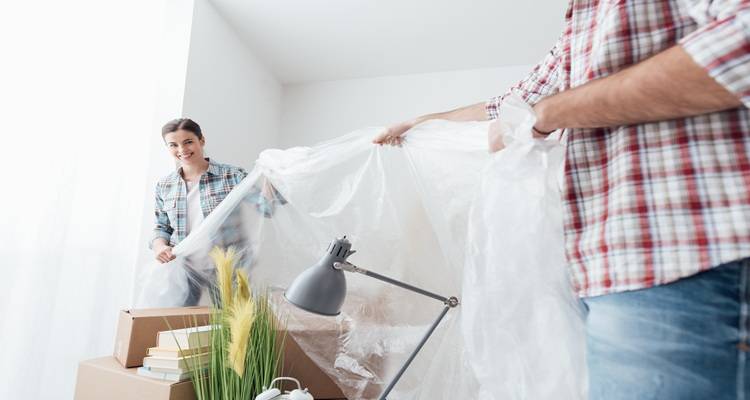
Here are some things you should think about before removing stubborn wallpaper:
- Moving furniture.
- Protecting floors and skirting boards.
- Turning off electricity where water may reach sockets or switches.
- Removing or safely covering electrical faceplates.
- Testing a small hidden area.
- Checking whether the wall is plaster, plasterboard or another surface.
- Preparing waste bags and suitable tools.
Take care around sockets and switches. Do not carry out wet work around live electrical fittings. If any electrical faceplates need to be removed, this should only be done safely and with the power isolated properly.
If you are unsure about electrical fittings, it may be worth reaching out to an electrician who can help.
How to Remove Wallpaper That Won’t Come Off
There are several ways to remove stubborn wallpaper. The most suitable method will depend on the type of wallpaper you’re dealing with and the condition of the wall. Don’t just automatically reach for the steamer or start scraping as hard as possible.
Start With a Dry Removal Test
Find a corner, a seam, or a loose edge and gently try to lift the wallpaper away from the wall. If it peels away in a large sheet, continue carefully. You may have strippable wallpaper, which will make the whole removal process much easier.
If there is more paper underneath, this could be a backing, which may need to be removed with a different method.
If the wallpaper rips straight away, avoid pulling it more or harder. Instead, move on to a different method that helps to soften the adhesive first.
Score the Surface Where Necessary
If water cannot penetrate the wallpaper, a scoring tool can help to create some small openings in the surface. This can be very useful for vinyl wallpaper, washable wallpaper, or painted wallpaper.
You should make sure to only lightly score. You don’t need to cut too deeply into the wall. Excessive pressure can damage plaster or plasterboard, so make sure to be careful.
Soak the Wallpaper
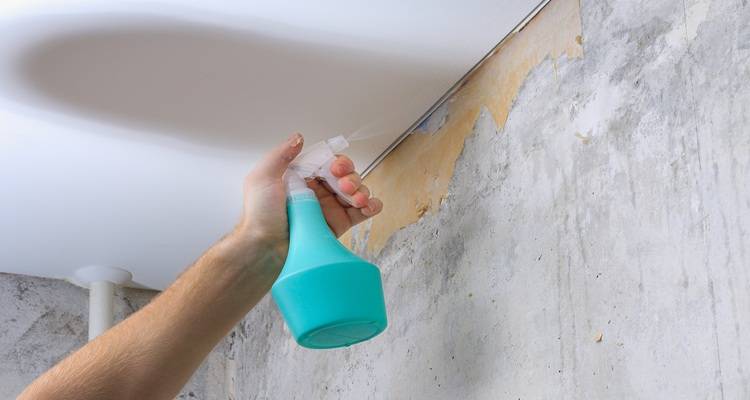
Warm water or a wallpaper removal solution can help to soften paper and reactivate the adhesive. Apply the liquid evenly to a manageable area rather than soaking the entire room at once.
Give the solution time to work. If the wallpaper won’t come off yet, you may need to repeat the application. Avoid flooding the wall. The goal here is to soften the adhesive, not saturate the plaster or plasterboard. Make sure to be careful.
Remove It in Small Sections
Once the wallpaper has softened, you can then start to work on small, manageable areas. Use a scraper at a shallow angle rather than holding it almost vertically against the wall. A shallow angle will help to reduce the risk of damaging the surface.
If the wallpaper begins to rip up into small pieces, you may need to give it some more time to soften. If the wall itself starts to come away, you need to stop what you’re doing. Continuing to scrape could turn a small repair into a much bigger one.
Repeat the Process
Stubborn wallpaper may need more than one application of removal solution. If you’re dealing with painted wallpaper, multiple layers, or old adhesive, this may need several applications of water or removal solution.
Avoid increasing the force you use. The aim is to soften the paper and paste enough for it to release from the wall.
Remove the Backing Paper
Once you have removed the wallpaper, inspect the wall carefully. If there is backing paper still remaining, rewet this and give it time to soften. This may need a separate application of wallpaper solution.
Once it has softened, try to scrape it away carefully. If some areas remain firmly stuck, repeat the process rather than forcing the scraper into the wall.
Wash Away Adhesive Residue
Removing the visible wallpaper is only part of the job. Old paste can remain on the wall as a sticky, shiny, or slightly textured residue. This will need to be cleaned away properly before filling, sanding, painting or hanging new wallpaper.
If any adhesive remains underneath a new finish, it can affect the new adhesion and may also make the surface uneven. Once you have cleaned the wall, allow it to fully dry and then you can assess the condition of the plaster before moving on.
Should You Use a Wallpaper Steamer?
A wallpaper steamer can be a very useful tool for larger areas, thick wallpapers, multiple layers, and old adhesive that does not respond well to soaking. However, it’s important to be aware of the risks involved with using a steamer, for example:
The heat and moisture can:
- Soften plaster
- Damage plasterboard
- Cause loose plaster to detach
- Force moisture into existing cracks
- Create excess condensation
- Cause burns if handled carelessly
Use short bursts rather than holding the steamer in one place for a long time. Make sure to test out a small section first. If the wall becomes soft, the plaster begins to loosen, or the plasterboard surface starts to rip, stop the steaming immediately.
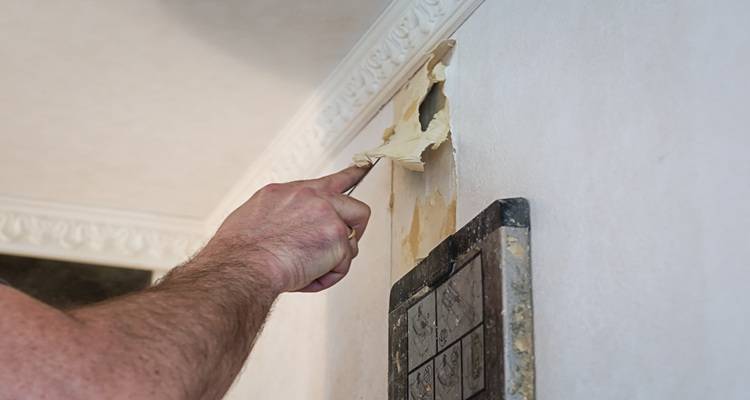
A wallpaper steamer can make it easier to remove difficult wallpaper. However, it cannot compensate for an unstable or damaged wall.
How Do You Remove Painted Wallpaper?
Painted wallpaper is often quite difficult because the paint will create a barrier between the removal solutions and the adhesive.
You should start by checking whether the painted surface can be peeled away from a corner or a seam. If it can’t, a bit of light scoring can help the water or wallpaper solution penetrate the surface.
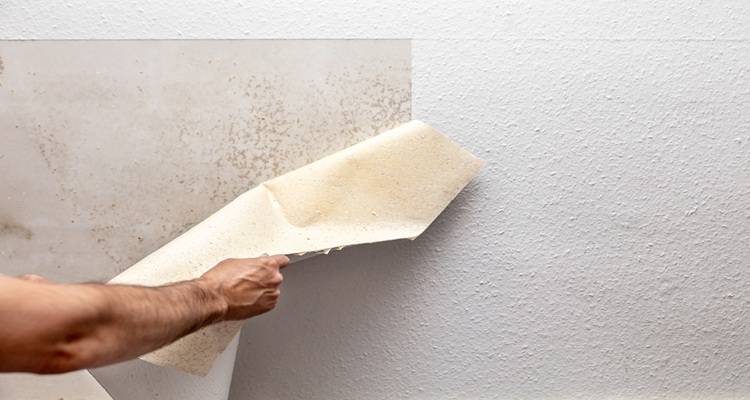
Work in small areas and give the solution enough time to soften the layers. You might find that the job involves removing several separate layers such as paint, decorative wallpaper, backing paper and the adhesive.
Try to deal with each layer rather than just scraping aggressively through everything all at once. If the scraper starts gouging the wall, stop and change your approach.
How Do You Remove Wallpaper Backing That Is Stuck to the Wall?
It is very common for the decorative top layer to come off but leave behind the wallpaper backing still stuck to the wall. The backing paper often needs to be treated and removed separately.
Rewet the surface with warm water or a suitable wallpaper removal solution and give it some time to soften. If the backing is thick or has a lot of glue on it, it may need more than one application.
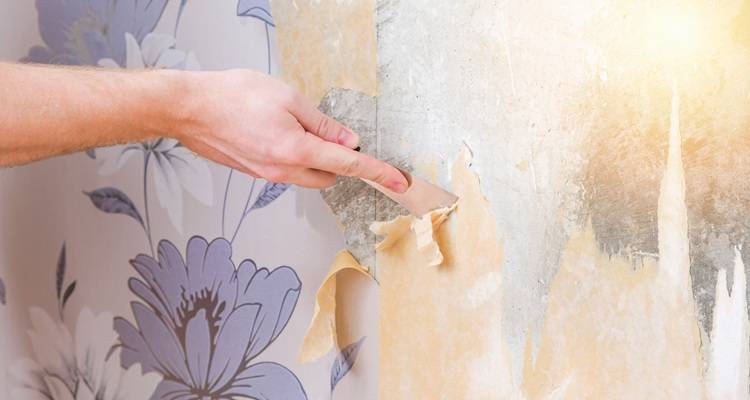
Once it has softened, you can then simply scrape it away. You may still have adhesive residue left behind, so make sure to wash the wall properly afterwards.
Avoid painting over loose or damaged backing paper. It can bubble, lift, or create an uneven finish once the paint or new wallpaper is applied.
How Do You Remove Wallpaper From Plasterboard?
You need to be extra careful when it comes to plasterboard because the outer layer can become damaged by excessive moisture, steam, or scraping. You should avoid soaking plasterboard and make sure to apply moisture in controlled amounts, working on small sections at a time.
Use a scraper at a shallow angle and avoid digging into the surface to prevent damage. You should limit using a steamer on this surface. If the plasterboard starts to tear, bubble, or lift, stop steaming immediately.
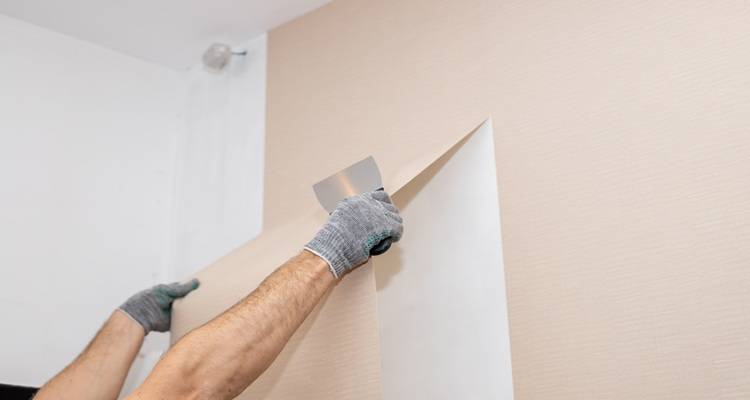
It is also important to remember that wallpaper backing and plasterboard paper can sometimes look similar. If a layer becomes extremely difficult to remove and the surface underneath starts ripping, do not simply assume it is wallpaper. Wait for the wall to dry fully and then assess the damage.
Minor tears can sometimes be repaired with a suitable filler or specialist repair products. More severe damage may require filling, lining, or even replacing sections of the plasterboard.
What If the Plaster Comes Off With the Wallpaper?
Some minor surface damage is fairly common when you are removing wallpaper. This is particularly true on older walls.
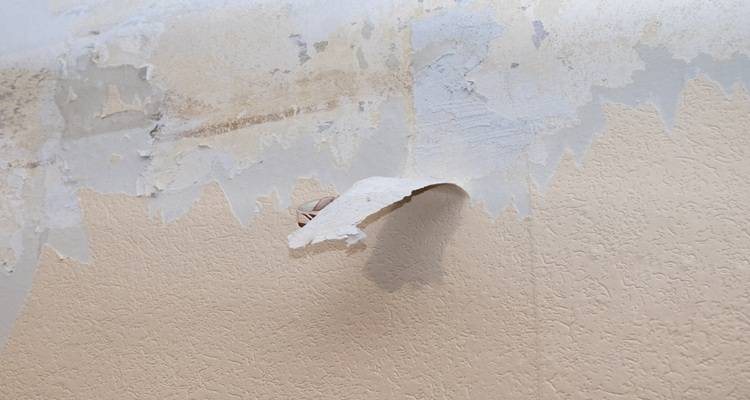
The next step will depend on the type of damage. Take a look at the list below for some common types of damage:
- Minor surface damage – Small scrapes, shallow holes and minor imperfections can be filled and sanded once the wall is clean and dry.
- Loose skim coat – If the surface layer of the plaster is loose, do not simply paint over it. You need to remove any loose plaster bits and repair the area before decorating.
- Blown plaster – Blown plaster may sound hollow when you tap it, and it can bulge, crack, or detach from the wall. Avoid covering this with new wallpaper or paint while it is still unstable. Depending on the extent of the damage, the loose plaster may need to be removed and repaired.
- Crumbling or damp plaster – This may be caused by age, previous water damage, or ongoing damp problems. If there is damp present, you need to deal with the source before repairing and redecorating the wall. You may be able to do small areas as a DIY job. However, large dampness and a lot of damage may require a plasterer.
Can You Paint Over Wallpaper That Won’t Come Off?
Sometimes you may be able to paint over wallpaper that won’t come off, but not always.
Painting over wallpaper may be possible only where it is:
- Firmly bonded
- Smooth
- Dry
- Free from bubbles and loose seams
- Suitable for painting
Painting over wallpaper that is already peeling or poorly bonded is unlikely to produce a lasting finish. You may simply end up with the same problem underneath a new layer of paint.
You will also need to consider if the wallpaper is textured or not. Texture, seams, and imperfections may remain visible after painting.
In general, removal is usually preferable where the paper is already lifting, textured, damaged or poorly bonded.
Can You Wallpaper Over Old Wallpaper?
This may be possible in limited circumstances, but the existing wallpaper must be secure, smooth and free from damp. You will need to deal with any loose seams or bubbles first.
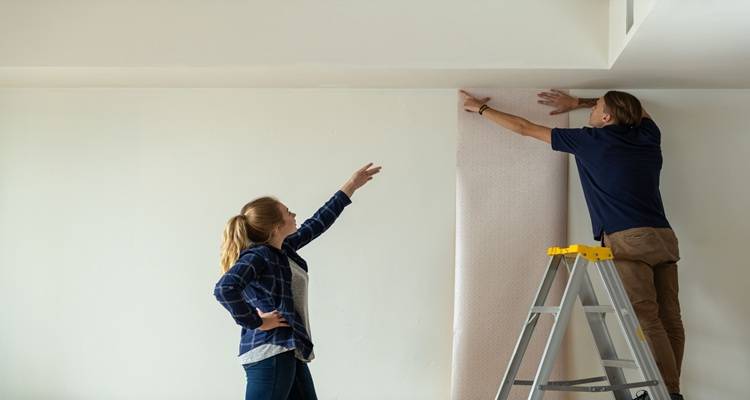
Multiple layers can create problems such as poor adhesion, visible seams and future removal problems, so this is something that you should keep in mind. If there are already several layers, it’s usually preferable to remove them for a better result in the long term.
Can You Remove Stubborn Wallpaper Yourself?
You can remove stubborn wallpaper yourself in some circumstances, depending on the wall condition and number of layers.
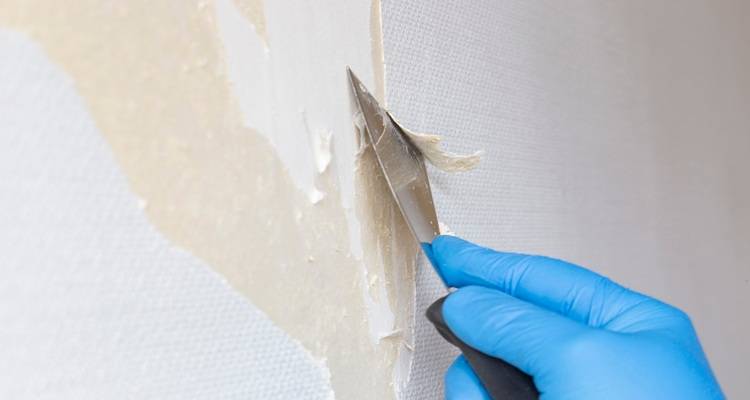
DIY removal may be suitable where:
- The room is small.
- The wall surface is sound.
- The wallpaper responds to soaking.
- There are only one or two layers.
- There is no significant damp or plaster damage.
However, DIY removal is not always recommended, especially if any of the following apply:
- Several rooms are affected.
- The wallpaper is heavily painted.
- The wall is plasterboard and easily damaged.
- Large areas of plaster are coming away.
- Damp or mould is present.
- The property has delicate or historic plaster.
- The walls need skimming before decorating.
If any of the above apply to your particular wallpaper job, you may want to hire a decorator for the job. A decorator can also help if you are spending hours removing tiny pieces of wallpaper without actually making any proper progress.
How Much Does Wallpaper Removal Cost?
The cost of removing wallpaper can vary by quite a lot depending on the size of the room, the number of layers and the condition of the wall. The article’s estimated average cost of removing wallpaper in a typical room is around £450. This type of work will usually take around one to two days.
If the wallpaper is easier to remove, it may cost less and be quite cheap. However, painted, textured or multi-layered wallpapers can take a lot longer, so this will result in much higher costs.
Here are some examples of the typical costs that you may expect to pay for removing wallpaper:
- Removing wallpaper from one wall - £80-£200
- Removing wallpaper from one room - £300-£800
- Removing wallpaper from a full, average three-bedroom house - £1,500-£4,500
These are just estimates and could vary depending on the condition and the complexity of the work. For a more accurate quote, it would be sensible to get in touch with a decorator.
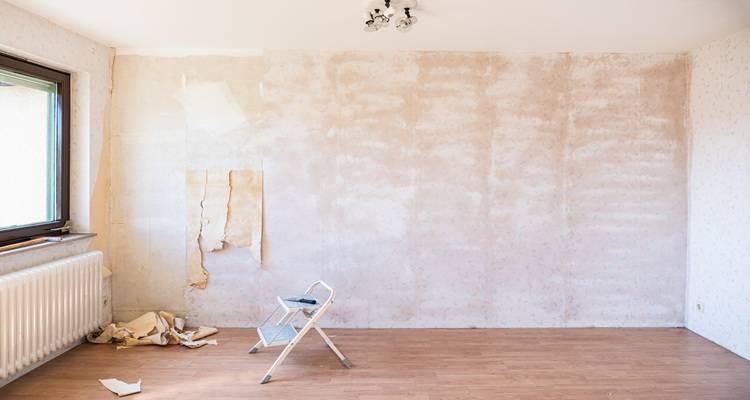
There are also some additional things that you may need to budget for. Here is a list of additional costs you may need to consider:
- Removing multiple wallpaper layers
- Stripping painted wallpaper
- Removing adhesive residue
- Preparing the wall
- Filling holes and cracks
- Repairs to plaster
- Skimming
- Waste removal
- Painting or hanging new wallpaper afterwards
Make sure to check exactly what is included within the quote. Labour, materials, VAT, waste removal, and wall repairs may be charged separately.
How to Prepare the Wall After Wallpaper Removal
Once you have removed all the wallpaper, you want to avoid any temptation to start painting straight away. First, you will need to wash away any remaining adhesive residue. The wall will need to be properly cleaned before you apply any filler, primer, paint, or new wallpaper.
Allow the surface of the wall to completely dry. This is very important if you have used a large amount of water or a wallpaper steamer.
Next, you will need to inspect the wall for any of the following:
- Loose plaster
- Cracks
- Holes
- Scrapes
- Torn plasterboard
- Remaining wallpaper backing
- Damp or mould
If you notice any small defects, fill these in and allow the filler to dry before sanding it smooth. If there is more extensive damage present, this may require plaster repair work or skimming.
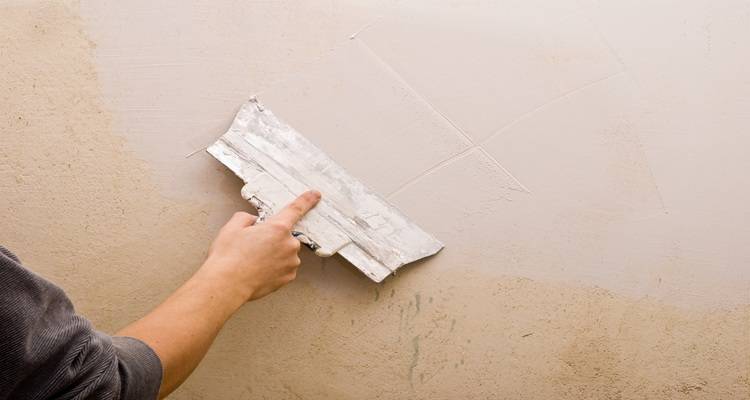
If the wall is in good condition, but is porous, apply a primer or sealer before painting or wallpapering. Lining paper may also be a good choice if the wall is in good condition with just a few minor imperfections that would otherwise show through the final finish.
The most important thing is to make sure the wall is stable, clean, dry and smooth before decorating.