Builders
 Carpenters
 Electricians
 Flooring Specialists
 Gardeners
 Handymen
 Heating Engineers
 Painters & Decorators
 Plasterers & Renderers
 Plumbers
 Roofers
 Tilers
 my
myAsk a Trade
Got a question that only a tradesperson can answer? We have thousands of trades ready to answer any question you may have.
Ask your question
In this article, we explain how to paint kitchen cupboard doors. We explain everything that you might want to know regarding paint, tools and other materials along with answering frequently asked questions.
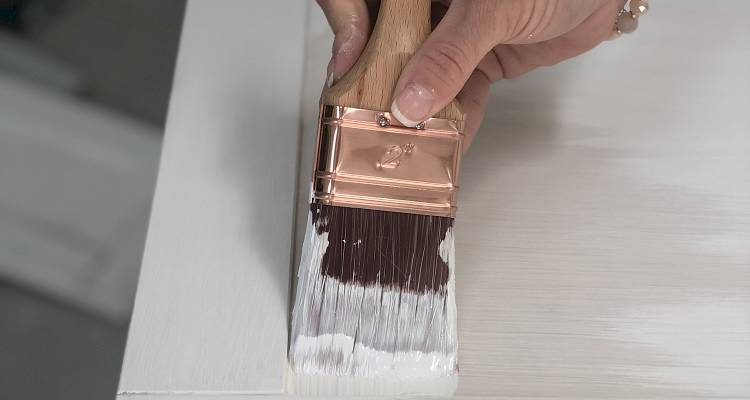
Before you start reaching for the kitchen cupboard paint, you will need to first ensure you have all the correct tools to allow you to complete the job to a high standard and leave you with a professional finish.
Please ensure you have the following tools:
The above tools can be easily sourced and purchased at a DIY shop or online.
However, if you're not confident carrying out the job yourself then finding a professional painter and decorator is an alternative option, especially if it's part of a wider redecorating project.
As with any project, you need to ensure that you are safe with any tools and materials that could be potentially harmful to you.
Kitchen units can also be heavy, so it's advisable that you ask for help if you need to move them ready to paint or when you're putting them back afterwards.
When building your painting surface, you will need to move planks of wood, or scaffolding board. Please ensure you wear gloves when handling and get help from a friend when carrying and manoeuvring these heavy planks around your home.
You will also be sanding down the surfaces of your cupboard door. Of course, sanding creates a lot of dust. Please ensure you wear a face mask whilst sanding.
To recap, please ensure you have the following:
Now that you have the tools, it's equally as important to source the correct materials (in addition to the kitchen cupboard paint of your choice).
You will need the following:
Before painting any object, it's important that you fully prepare the area and the surface for paint.
Please follow the following step-by-step guide to teach you how to paint kitchen cupboards to a professional standard.
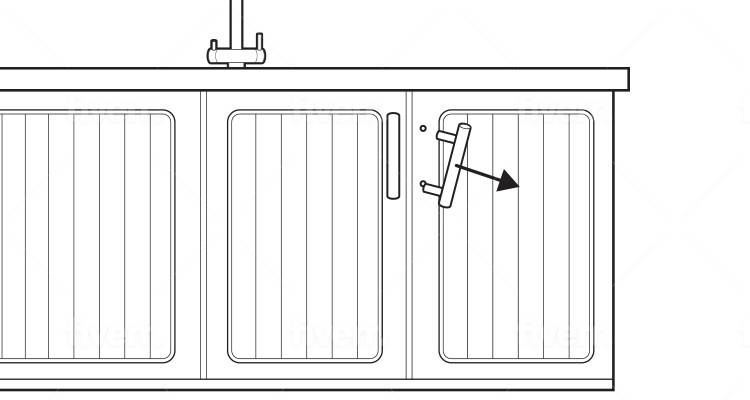
The first stage is to remove the current handles from your kitchen doors. You can either choose to use a drill or a screwdriver to remove the screws currently holding the handles in place.
It's now time to number each door individually. Open each cupboard door and ensure you write the same number in the cupboard which corresponds to its cupboard door. We would advise you to go around in a linear and methodical order when numbering your cupboards.
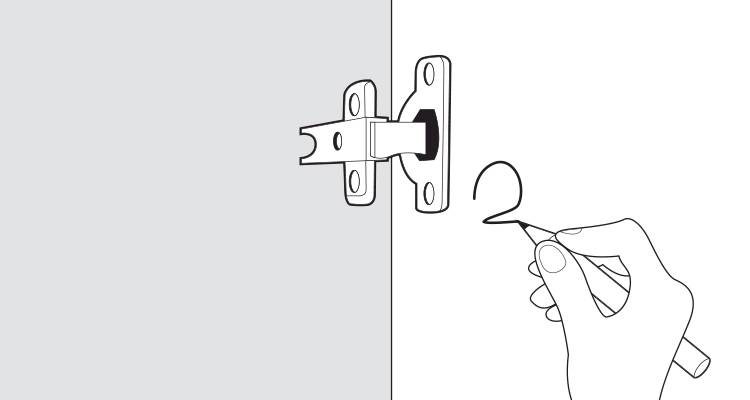
The reason we ask you to do this is to make it simple and easy to find and fix your cupboard doors back on after they have been removed and paint has been applied to the kitchen cupboards.
Once numbered, you can now start to remove the doors completely. Open the door and, using your screwdriver, remove the screws that hold the hinge together. There is no need to remove the hinge from the cupboard.
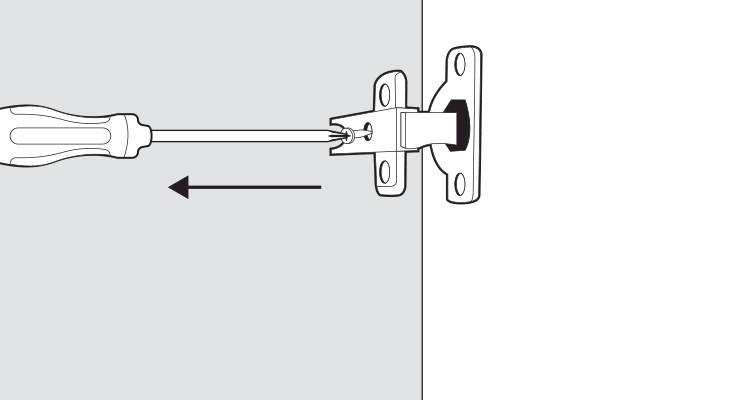
You will need to keep all the screws, so don't forget to keep these safe. You will need to use these later when you reattach the doors. Continue this process until all the doors have been removed. Ensure you get someone to help you remove and lift doors if they are too heavy.
Next, set up a stable surface for painting your kitchen cupboard doors. Place two planks of wood or a scaffold board across trestle legs to create a sturdy work area.
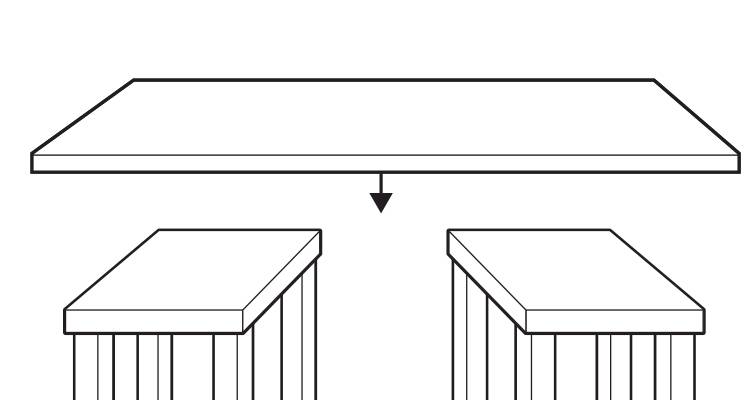
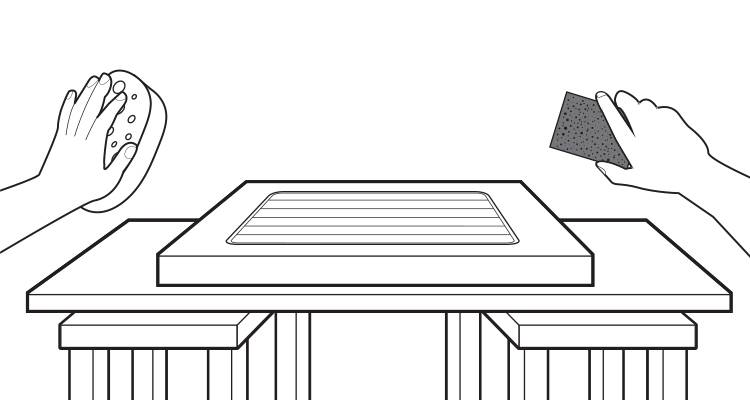
Take one of the doors and place it onto your surface. Using a damp sponge, wipe down your surface to ensure you remove any dust and grease. Once dried, lightly sand the door surface using fine grit sandpaper. To remove any excess dust, use a lint-free cloth and wipe thoroughly over the surface.
Now it's time for the fun part! Taking your chosen paint, open and stir thoroughly with a paint stirrer. Using a small paintbrush, target the fiddly areas of the door first. Paint over and in-between any ridges and grooves within the door.
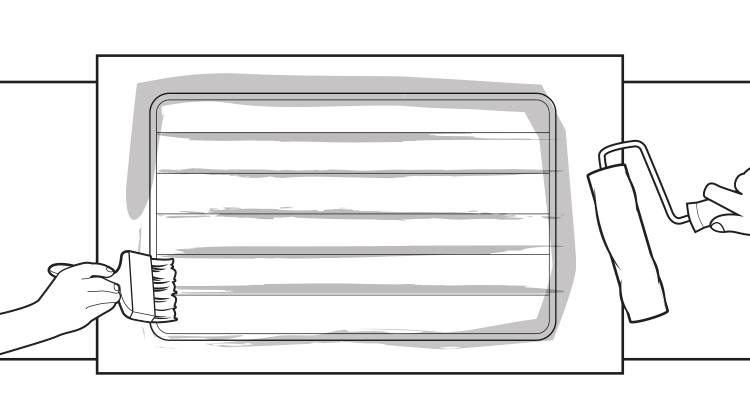
Then take your roller, coat with paint in your paint tray first, to ensure you get an even coverage of paint. Use the roller and apply an even pressure on the door. Continue with this technique until the door is covered evenly with paint.
You will then need to leave the doors to dry for as long as recommended on the tin of paint, then repeat the painting process again with a second coat of paint. Water-based paint is often ready to re-coat in around 6 hours, but oil-based gloss paints may need 16 hours or more.
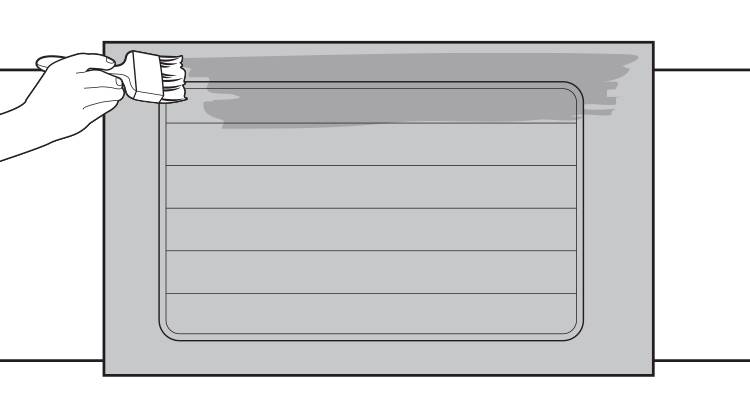
Once the final coat is dry, you can reattach the newly painted doors ready for use. Make sure each door is matched to the correct position according to the numbers marked earlier in the process.
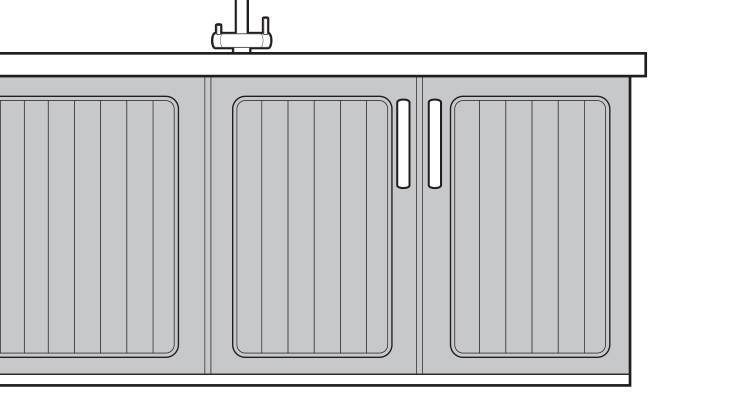
Can I paint kitchen cupboards? Absolutely! If you are looking to change the decor of your kitchen without breaking the bank then choosing to paint your kitchen cupboards can really change the feel of a room.
With any DIY project, you want to ensure you are using the best paint for kitchen cupboards to allow you to get the best finish and look that you want.
When choosing paint, look for one designed for woodwork or kitchen cabinets. Satin and gloss are easy-to-wipe and hard-wearing, but other finishes are available.
Not only is it important to choose the correct type of paint, but also the correct colour for your kitchen. Bear in mind that your kitchen cupboards are a key focal point within the room, so choose a colour you are confident with. Don't forget, you can always consider buying tester samples and trying them out on your kitchen cupboard first.
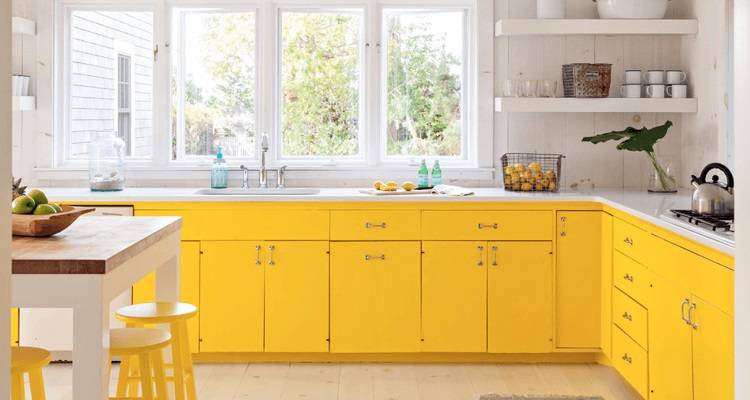
If you are new to painting, choosing the correct paint can be overwhelming because there are many different variations of type and colour.
You may want to consider looking at the following before choosing a paint:
This type of paint gives you a lovely smooth and even finish. However, be aware that this type of paint takes considerably longer to dry than water-based paint products. If you are going to opt for this paint, ensure you keep the room ventilated, opening windows and doors due to the strong odour produced.
Choosing this type of paint is great if you are looking for something durable and fast drying. Ideal if you are on a short time limit to complete your project. This paint is also easy to apply, and unlike oil-based paint doesn't come with a strong odour.
When it comes to cleaning the surface after it has been painted, using a cloth and soapy solution makes it easy to clean.

If your cupboard doors are flat, use a short-pile microfibre mini roller for an even finish. For doors with panels or grooves, use a synthetic paintbrush to reach these areas. Synthetic bristles also prevent swelling when using water-based paint.
Yes, this is possible, but you will need to do your research. Ensure that you sand the surface before you paint. As laminate is a composite material with a plastic finish, choose a paint and primer that is specific to laminate surfaces.
Yes, you can spray paint kitchen cupboards, and it often gives a smoother finish than using a brush or roller. Ensure you use a high-quality primer and for best results apply several thin coats of paint that's designed for wood or laminate surfaces. However, you may wish to hire a professional as it requires patience and expertise.


Copyright 2026 MyJobQuote.co.uk. All rights reserved
Privacy Policy | Terms and Conditions | Sitemap
MyJobQuote.co.uk is rated 4.67 stars by reviews.co.uk based on 4140 reviews