Builders
 Carpenters
 Electricians
 Flooring Specialists
 Gardeners
 Handymen
 Heating Engineers
 Painters & Decorators
 Plasterers & Renderers
 Plumbers
 Roofers
 Tilers
 my
Why Is My Extractor Fan Not Working and How Can I Fix It?
There are lots of reasons why your extractor fan might stop working. These can include anything from losing power to blocked ducting and excessive build-up of dust and grease. You might find that the fan won’t turn on at all, or maybe it will run as normal but won’t remove steam, moisture or smells.
Fans can sound like they’re working as they should but still extract badly, so it’s very important to look out for symptoms that it’s not working properly.
In this guide, we’ll be looking at the most common causes of extractor fan breakdowns, the safety checks that you can make, the best repair options and situations where you might need to replace it.

Table of Contents
- Why Is My Extractor Fan Not Working?
- Common Extractor Fan Problems
- How Can You Check an Extractor Fan Safely?
- How to Clean an Extractor Fan
- Why Is the Fan Running but the Room Is Still Damp?
- Can an Extractor Fan Be Repaired?
- Can You Fix an Extractor Fan Yourself?
- Is a Broken Extractor Fan Dangerous?
- Should the Fan Be Repaired or Replaced?
- How Much Does Extractor Fan Repair Cost?
- Preventing Extractor Fan Problems
- FAQs
Why Is My Extractor Fan Not Working?
Extractor fans usually fail because they have no electrical supply, a fuse or breaker has tripped, the isolator switch is off, or the motor has reached the end of its life. Dust and grease can clog the grille or blades, wiring or controls can become damaged, and timers or humidity sensors can stop responding.
Airflow problems are also common when ducting becomes blocked, crushed or disconnected. The external vent flap can fail too. The likely cause depends on whether your fan has stopped working completely or is working intermittently, noisy or running but not extracting as well as it should be.
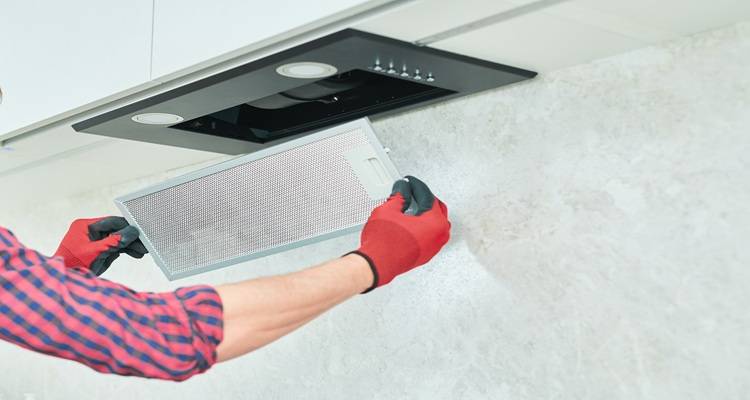
Common Extractor Fan Problems
Extractor Fan Not Turning On
If your fan won’t turn on at all, it’s likely that it has an electrical fault. The circuit might have tripped, the fuse could have blown, or the isolator switch could be off. Over time, wall switches and pull cords can fail.
Sometimes bathroom fans are wired into the lighting circuit, and this means that they only run when the light is on. If the fan still isn’t responding, the motor might have failed, or the wiring inside the unit could be damaged. You’ll normally need to get in touch with an electrician, especially if the problem is in a bathroom where electrical safety requirements need to be followed.
Need more info about electrician call-out costs? See electrician call-out costs
Extractor Fan Runs But Does Not Extract
If your fan is spinning but moisture and smells aren’t going anywhere, your problem is probably airflow. Dust and grease can build up on the grille or blades, and this can reduce the amount of air the fan is able to pull through. Ducting can get blocked, crushed or disconnected too, especially in loft spaces where flexible ducting is more likely to sag or collapse.
Sometimes external vent flaps jam shut and this stops air from escaping outside. In some cases the fan is just too weak for the size of the room or the length of the duct run. The motor might sound like it’s working normally, but it might still have problems with extraction even if everything sounds fine.
Extractor Fan Is Noisy
If you’ve been hearing unusual noises from your extractor fan, this might be down to dust build-up, loose fittings or worn bearings. If a grille isn't seated properly, it might vibrate against the wall or ceiling. Damaged blades can cause tapping and scraping sounds too, plus motors can get noisier with age.
Debris inside the duct can cause rattling as well. When there’s wind outside, external vent covers can become loose and noisy. It might help if you clean and tighten fittings, but if noise is persistent, this often means the motor or bearings have started wearing out.
Extractor Fan Works Intermittently
Intermittent operation usually means there’s a loose electrical connection, an overheating motor or a failing switch, timer or humidity sensor. Some fans cut out when they become too warm, and others stop working when the timer module starts failing.
Power supply issues can also mean the fan works one minute and doesn’t the next. If the fan keeps cutting out, you should investigate it instead of ignoring it, as this often means letting the problem get worse.
Extractor Fan Will Not Switch Off
If your fan keeps running on and on, it might be operating on a timer overrun. This is normal in a lot of bathrooms. If the fan is sensor-controlled, it might keep running due to high humidity before the moisture levels drop.
You might have a faulty humidity sensor if the fan runs for much longer than it should. The switch could be stuck, or the timer module might have failed, or you might have a fault with your wiring. These problems normally need to be diagnosed by an electrician.
Extractor Fan Only Works With The Light On
A lot of bathroom fans are wired into the lighting circuit so they only run when the light is turned on. Timer fans carry on running for a short while after the light goes off, and humidistat fans respond to moisture. If your fan is only working with the light and doesn’t behave as you expect it to, the timer or sensor might be faulty, or the wiring may need to be looked at.
Extractor Fan Has Stopped After Cleaning
Perhaps your fan stopped working after you cleaned it? If this is the case, the power might not have been restored properly, or the isolator could still be off.
The grille might have been refitted incorrectly, which can stop the blades from turning. Fans can stop running if water has got into the motor or if wiring or connectors get disturbed during cleaning. Make sure power is always isolated before you remove any covers or clean any part of the fan.
Bathroom Extractor Fan Not Working
Bathroom fans can fail because they’re linked to the light switch, they rely on a timer or humidity sensor, or they’re affected by condensation. Ducting can get blocked, and external vent flaps can stick shut.
Your bathroom also produces lots of moisture, and if airflow isn’t sufficient, this can make the fan seem like it’s not working when it is. If you do have any electrical work carried out in your bathroom, it must comply with regulations for wet areas. This is why you need to get help from an electrician with anything more complex than basic cleaning.
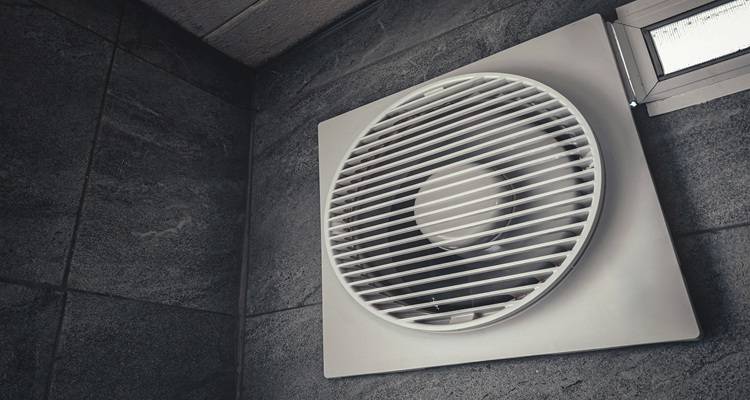
Kitchen Extractor Fan Not Working
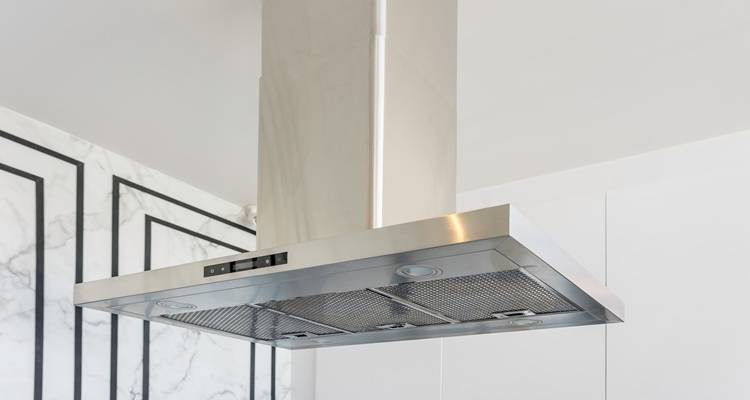
One of the reasons why kitchen extractors and cooker hoods often struggle is because grease-clogged filters restrict airflow. Common problems include blocked ducting, failing motors and control buttons and fan speeds failing to respond to controls.
Recirculating cooker hoods use charcoal filters, and these get saturated over time so the performance levels drop. Even if a cooker hood looks like it’s running normally, it can extract badly when the filters need to be cleaned or replaced.
How Can You Check an Extractor Fan Safely?
There are lots of basic checks you can make without having to touch live electrical components. Make sure the room circuit is working and have a look at the isolator switch as well as the consumer unit to find out if a breaker has tripped. Listen out for humming or clicking because these can help identify the type of fault.

Examine the grille for dust or grease and see if the external vent will open. You can hold a sheet of tissue near the grille to find out if air is being pulled through. Make sure power is isolated before you remove any covers and avoid live electrical testing to stay safe.
How to Clean an Extractor Fan
Cleaning can improve airflow and reduce noise.
Before you start cleaning:
- Switch off the power at the isolator and confirm that the fan is no longer operating.
- Remove the cover in line with the manufacturer’s instructions and clean dust or grease from the grille and accessible parts.
- Avoid letting water get into the motor or electrical components
- Check that the blades turn freely, refit the cover securely and restore power
- Kitchen fans may need filter cleaning or replacement so you can restore performance

Why Is the Fan Running but the Room Is Still Damp?
Fans can run normally but still leave your room damp if it’s too weak for the space or if the ducting is blocked. You might see a drop in efficiency if you have poor ventilation, a lack of air gap beneath the door or if you switch the fan off too soon.
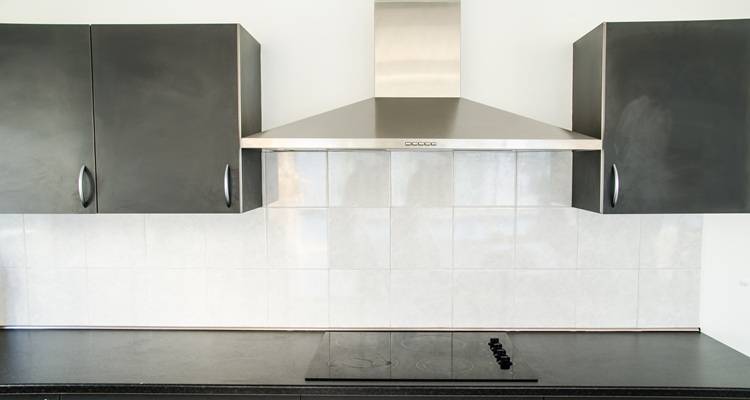
Long and badly designed duct runs can create airflow limits and the fan can seem ineffective if you spot condensation somewhere else in the property. Recirculating cooker hoods don’t remove moisture at all, so they can be mistaken as faulty when they’re not designed to get rid of steam in the first place.
Can an Extractor Fan Be Repaired?
A lot of extractor fan faults can be repaired. You can replace switches, timers and sensors, correct loose connections and repair damaged grilles or external vent flaps. You can also clear blocked ducting and replace some motor components.
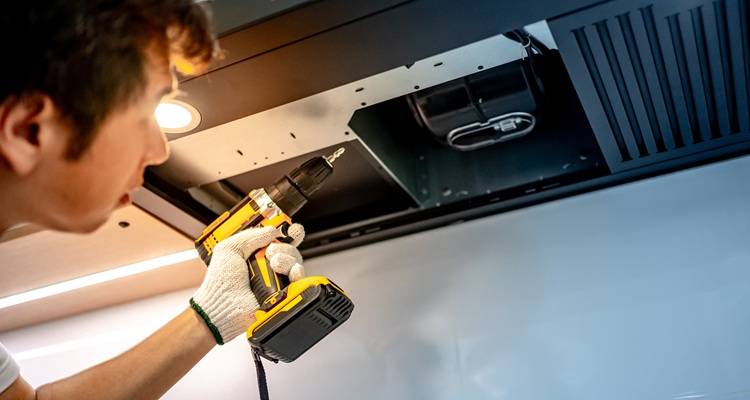
Replacement tends to be more practical when the motor has failed, the fan is old or corroded, parts aren’t available, or the fan is just too weak for the room that it’s in. If your fan has a damaged casing or has failed repeatedly, it might be best to arrange a replacement for it.
Can You Fix an Extractor Fan Yourself?
DIY fixes can work if you only need to carry out simple tasks like cleaning the grille, replacing a kitchen filter, checking the isolator switch or confirming if a breaker has tripped or not. You can also take a look at the external vent from ground level and remove any obvious surface dust.
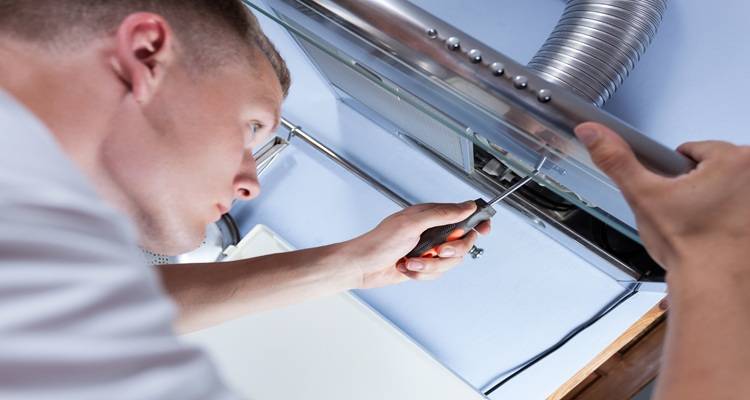
If the fan is totally dead, wiring needs to be tested, switches or sensors have failed, or the unit is located in a bathroom electrical zone, it’s best to look for help from an electrician. Talk to an electrician if you've noticed burning smells, overheating or repeated tripping.
Find a local electrician here.
Is a Broken Extractor Fan Dangerous?
A non-working fan isn’t always an emergency, but it can make condensation, mould, damp, peeling paint and ceiling or wall damage worse. Poor ventilation can also affect indoor air quality, and if grease builds up in a kitchen it can get very unhygienic.
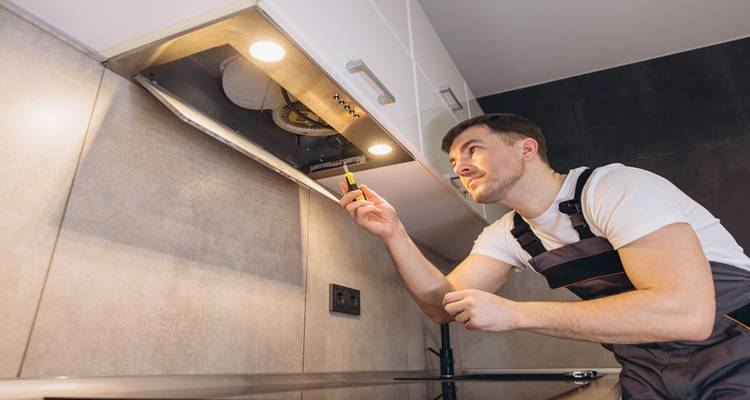
You might have an urgent problem if you notice burning smells, smoke, sparking, overheating, repeated tripping or water in the fan. If you identify any of these, isolate the unit and get in touch with an electrician.
More about damp proofing costs
Information on mould removal costs
Should the Fan Be Repaired or Replaced?
Repair can be a good option when the unit is still quite new, the issue is limited to a switch, sensor or blockage and you can easily get hold of replacement parts. If the fan still gives good airflow after the fault is corrected, repair should be the best option.

Replacement might be the best choice if the motor has failed, the fan is noisy and worn, the ducting has changed, or the fan is too weak for the room. You should also think about replacing it if it’s inefficient, the fan is very noisy or if the repair costs come close to the price of a new unit.
Find a fitter for a kitchen ventilation system
How Much Does Extractor Fan Repair Cost?
Here are some of the costs you might need to cover if your extractor fan needs repairing.
- Electrician call‑outs typically cost between £40 and £80.
- Cleaning or servicing usually ranges from £40-£90, while replacing a switch or isolator often costs between £50 and £120.
- Timer or humidity sensor replacement can cost £60-£150, and ducting repairs usually fall between £80 and £200.
- Replacing a bathroom extractor fan typically costs £150-£350, while kitchen extractor fan replacement ranges from £200-£450.
- Installing new ducting or an external vent usually costs £150-£400.
- Always check whether quotes include labour, materials, VAT or anything else you might expect to be covered.
More about extractor fan installation costs
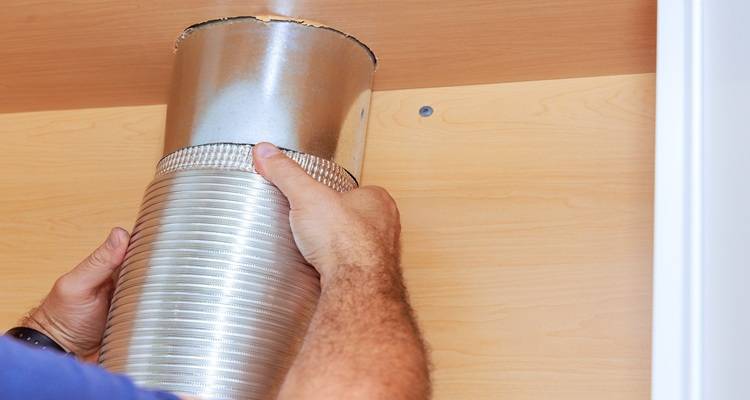
Get a fitter for a bathroom ventilation system
Preventing Extractor Fan Problems
These are some of the things you should do if you want to prevent problems with your extractor fan.
- Carrying out regular cleaning helps prevent blockages and noise.
- Clean or replace kitchen filters when necessary and keep external vents clear.
- Run bathroom fans long enough after showers to reduce moisture build-up
- Investigate unusual noises early.
- Repair loose covers quickly.
- Check ducting to make sure it’s not crushed or blocked.
Choose a fan suitable for the room size and duct run to help prevent future problems.