Builders
 Carpenters
 Electricians
 Flooring Specialists
 Gardeners
 Handymen
 Heating Engineers
 Painters & Decorators
 Plasterers & Renderers
 Plumbers
 Roofers
 Tilers
 my
How Can I Remove Oil from a Driveway?
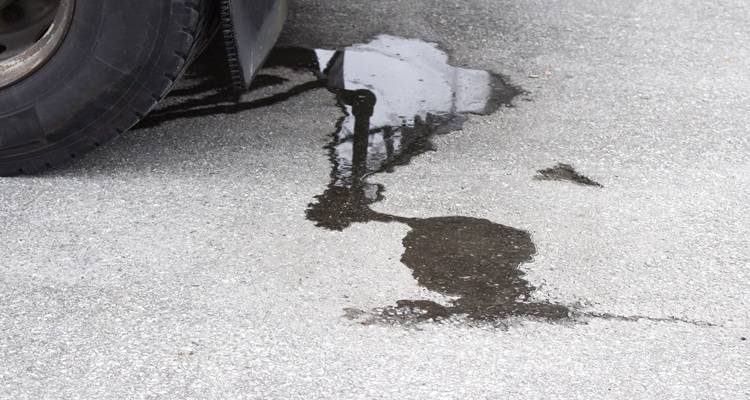
An oil spill is one of the most common problems that homeowners have to deal with on their driveway. It can come from your own car, a visiting tradesperson’s vehicle or even your lawnmower. Whatever the cause, the result is unsightly, and an oil stain on the driveway can become permanent if not dealt with properly.
A fresh oil stain is typically easier to remove than an old one. But the best cleaning method does depend on the particular driveway material. This guide will cover the best ways to deal with oil stains on driveways and when it may be necessary for you to call in a professional.
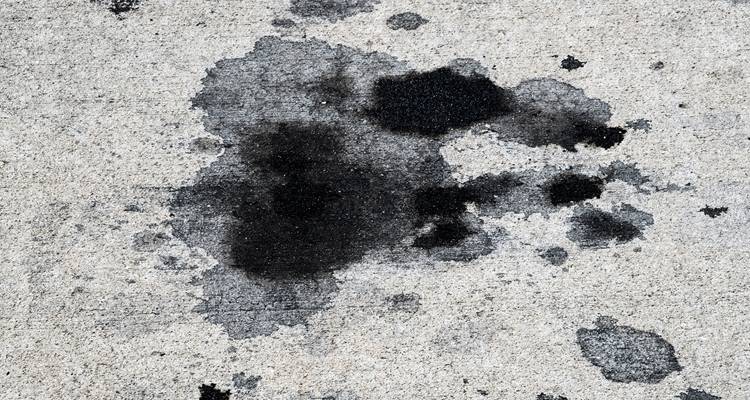
Table of Contents
- How Can I Remove Oil from a Driveway?
- What to Do First When Oil Spills on a Driveway
- Removing Fresh Oil Stains
- Removing Old Oil Stains
- Removing Oil from a Concrete Driveway
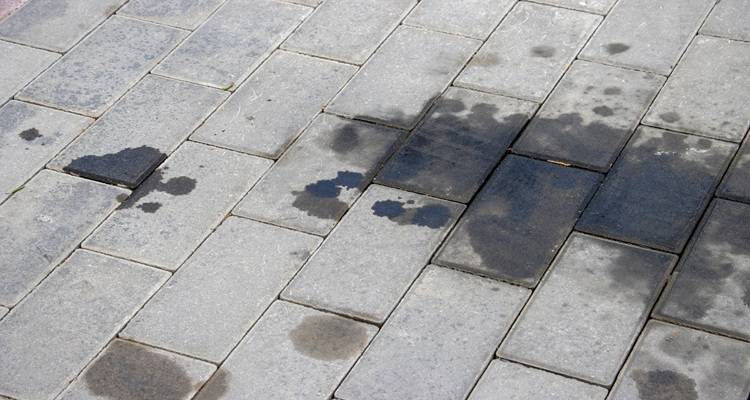
- Removing Oil from Block Paving
- Removing Oil from a Tarmac Driveway
- Removing Oil from a Resin Driveway
- Removing Oil from a Gravel Driveway
- Can Pressure Washing Remove Oil from a Driveway?
- When Should I Call a Professional Driveway Cleaner?
- How to Prevent Oil Stains on a Driveway
- Oil Removal Method by Driveway Type
- FAQs
How Can I Remove Oil from a Driveway?
To remove oil from a driveway, you need to know the right way to go about cleaning up the spill. Fresh oil should be absorbed using a dry material such as clay-based cat litter or sawdust. Older stains need to be treated with a degreaser, driveway cleaner or driveway pressure washing.
What your driveway is made from is a big factor when it comes to removing oil stains. With so many different kinds of materials such as concrete, block paving, tarmac, resin, natural stone and gravel, picking the right cleaning method is essential. Choosing the wrong approach or cleaning product could lead to damage to the driveway surface or ineffective cleaning.
Sometimes, it may not be possible to completely remove old or deep oil stains, and the most you may achieve is a faded mark that is less noticeable.
What to Do First When Oil Spills on a Driveway
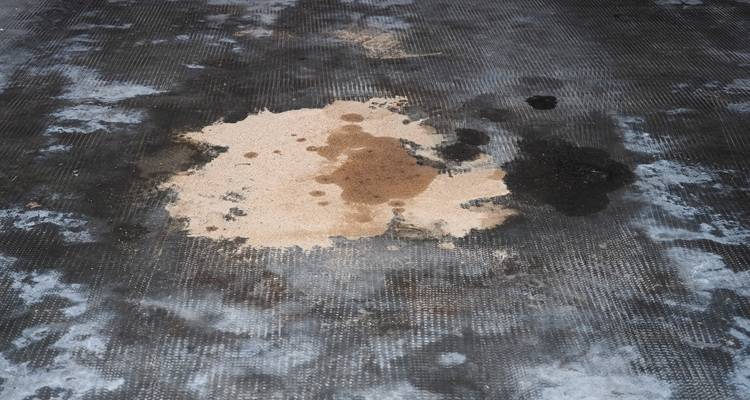
Depending on the size of the oil spill, you can blot it with paper towels or cover it with an absorbent substance like sawdust, baking soda or cat litter. The purpose is to soak up as much of the oil as possible.
Sand is not particularly absorbent and instead traps the oil on the surface. However, you can use it to form a barrier around the spill to stop the oil spreading further.
Avoid washing the oil spill with a hose as this pushes it into the drains, potentially causing contamination of waterways and also spreading the oil around. Sweeping or scrubbing the oil spill straight away often makes the situation worse. The initial aim is to get as much of the oil off the driveway surface as possible before attempting to clean the area.
Removing Fresh Oil Stains
Fresh oil spills are usually the easiest to deal with, and if you act quickly, the resulting stain may not be as bad. As noted, the first step is to soak up as much of the excess oil as possible using an absorbent material. It can be left to sit on the oil spill for 15-30 minutes, depending on the size of the spill.
You can then sweep the cat litter, sawdust or baking soda into a heap and put it in a bag or container. Check that your local recycling centre accepts the contaminated material, as oil-soaked absorbents may be hazardous waste and should not be put in your normal rubbish bin. Check your local council’s disposal requirements before taking them to a recycling centre.
Apply a degreaser or suitable driveway cleaner to the stained area, following the directions on the packaging. Remove the cleaner according to its instructions, keeping oil-contaminated run-off out of drains. Repeat if necessary.
Removing Old Oil Stains
Old oil stains are harder to remove as the oil has had time to soak into the surface of the driveway. Because of this, a stronger degreaser or repeated applications of a driveway cleaner may be needed. Using a pressure washer or hiring a driveway cleaning company may similarly be necessary.
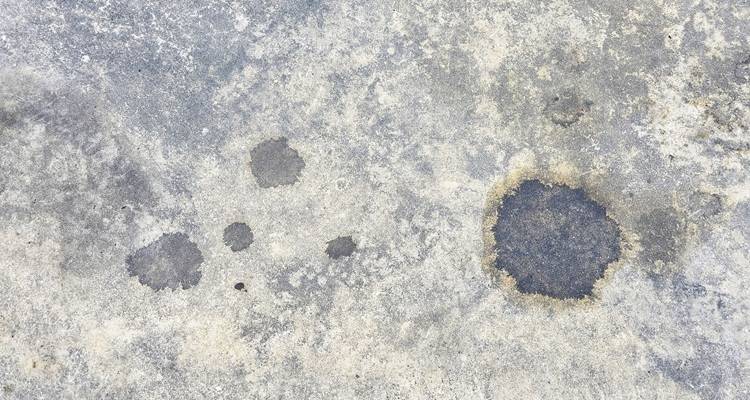
Even with strong or repeated treatments, it’s possible that old oil stains cannot be completely removed. In some instances, the best that can be achieved is to lighten the appearance of the oil spill. This is particularly the case on surfaces that are porous, such as concrete, block paving and natural stone.
Removing Oil from a Concrete Driveway
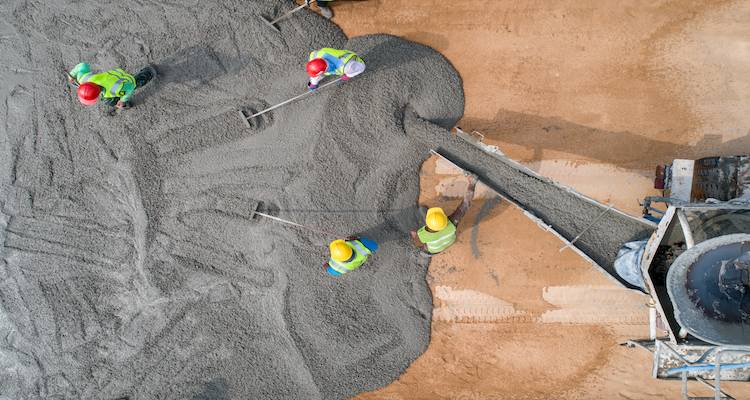
Concrete is a porous material, and so any oil spill will soak in quickly and leave a noticeable stain on the surface. Although concrete is also a tough and resilient material, it can be damaged by harsh chemicals and acidic substances, which can leave patches behind.
A specific degreaser or driveway cleaner which can be safely used on concrete is suitable for removing oil stains. Careful pressure washing following degreasing can also be tolerated by most concrete driveways.
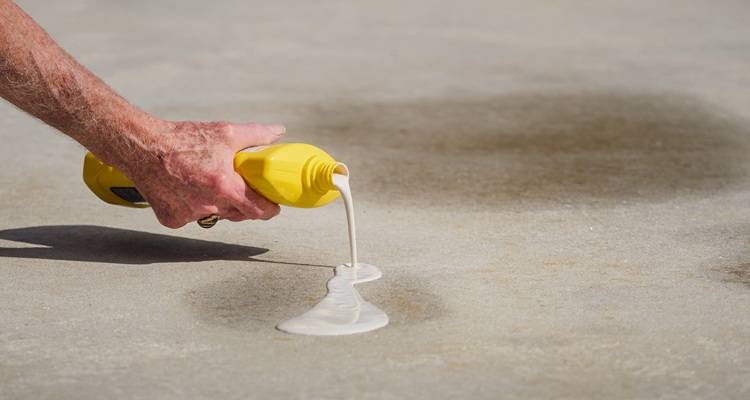
A driveway cleaning company may be needed to clean oil off a concrete driveway if the stain is very deep, reappears after cleaning, or there are repeated stains from a leaky vehicle.
Removing Oil from Block Paving
An oil spill or leak can stain the blocks and sand-filled joints of a block paving driveway. In these instances, homeowners may need to clean the surface of the blocks and replace the jointing sand, if both are stained or if the sand has been disturbed by pressure washing.
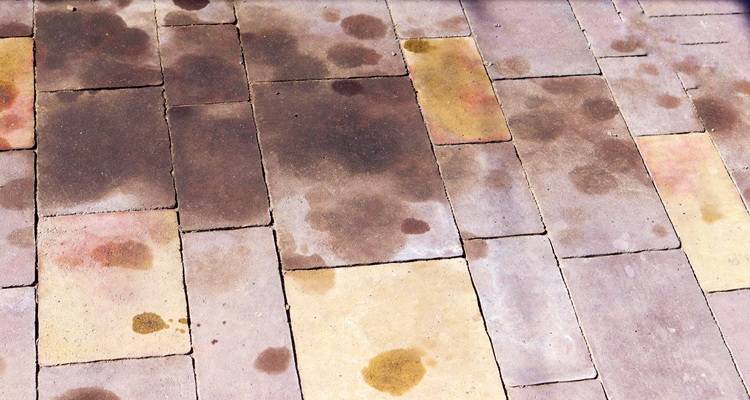
The benefit of this type of driveway is that, if after you clean block paving the stains remain severe, individual blocks may be lifted and replaced relatively easily.
Removing Oil from a Tarmac Driveway
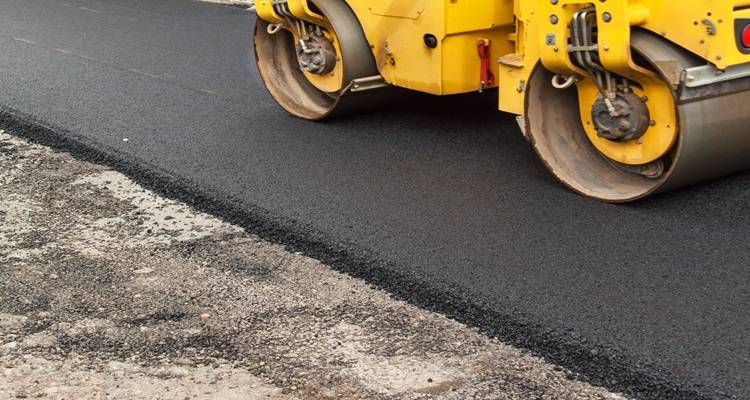
Tarmac driveways require more care when dealing with an oil stain as the surface can be damaged or softened by strong chemicals or solvents. You should always use surface-specific degreasers and driveway cleaning solutions - this is especially the case with tarmac due to its relatively soft nature. Avoid using anything too harsh, including a pressure washer.
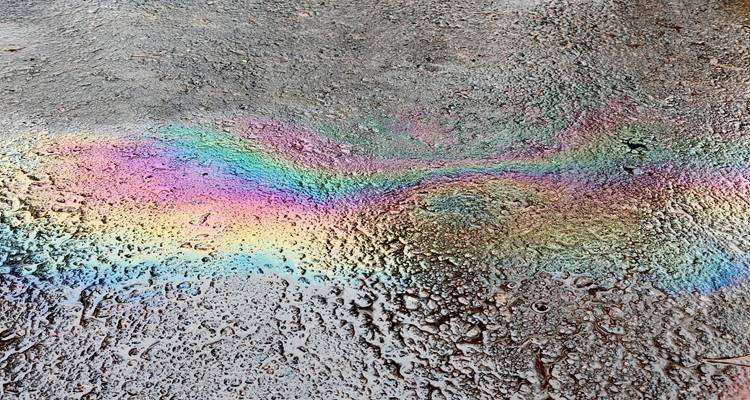
If an oil spill has damaged or softened the tarmac, it may not be enough to clean the area and a repair may be needed. Consult a driveway contractor if you are unsure how to proceed or need advice on cleaning or repairs.
Removing Oil from a Resin Driveway
Both resin bonded and resin bound driveways can be badly affected by an oil spill. Any stains should be treated with gentle methods and a resin-safe cleaner or degreaser. Aggressive scrubbing, high-pressure washing or harsh chemicals are very likely to damage the finish of the driveway or loosen the aggregate.
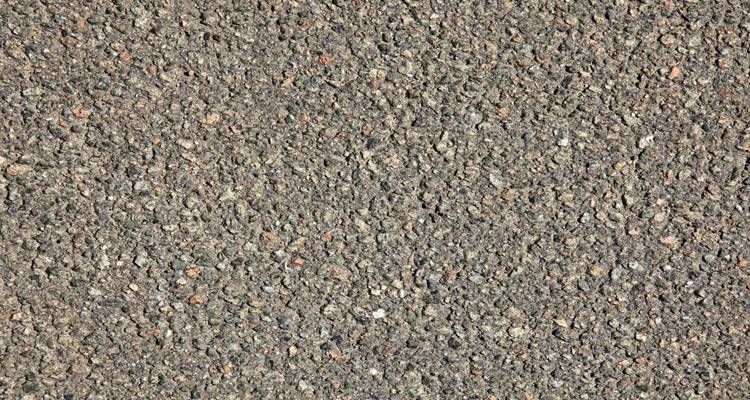
Where the oil has soaked in or badly affected the appearance of the driveway, a resin driveway contractor may need to assess whether cleaning, patch repair or resurfacing is needed.
Removing Oil from a Gravel Driveway
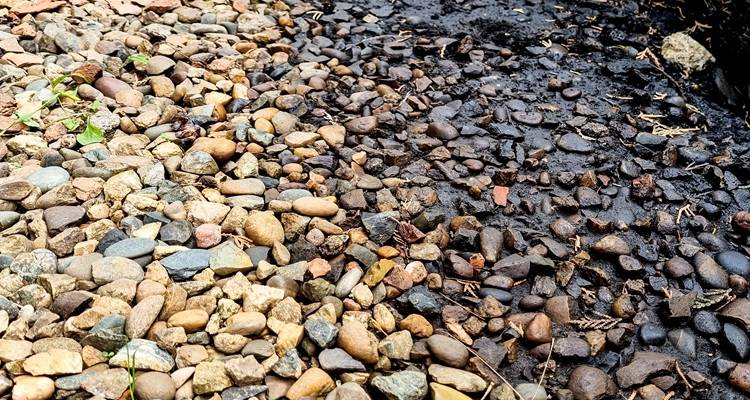
Oil spills on gravel can be simultaneously difficult and easy to deal with. The loose nature of the stones allows the oil to flow through and seep into the ground. However, it also means that any stained gravel can be removed and fresh gravel put in its place.
Obviously, the size of the spill determines how much of the contaminated gravel needs to be removed and replaced. Weed suppressant material is typically used beneath gravel, and this may also need to be replaced.
Can Pressure Washing Remove Oil from a Driveway?
Pressure washing alone cannot remove oil stains on a driveway, and if used in the initial stages of a spill, it may spread the stain or drive it deeper into porous materials.
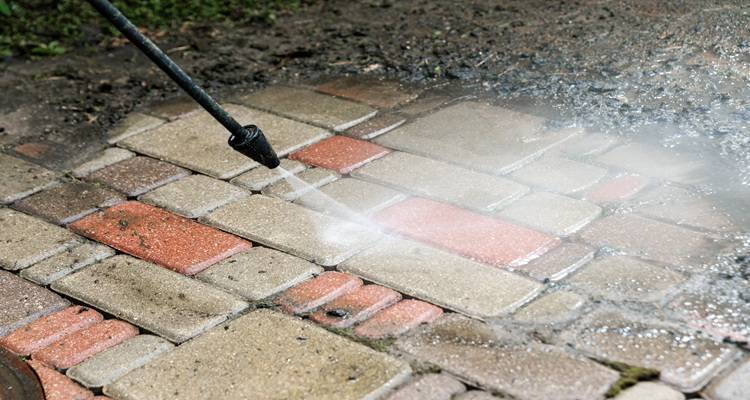
After blotting and using an absorbent material, a degreaser should be used to break down the oil. The pressure washer may then be used on suitable surfaces, provided contaminated run-off is contained and kept out of drains.
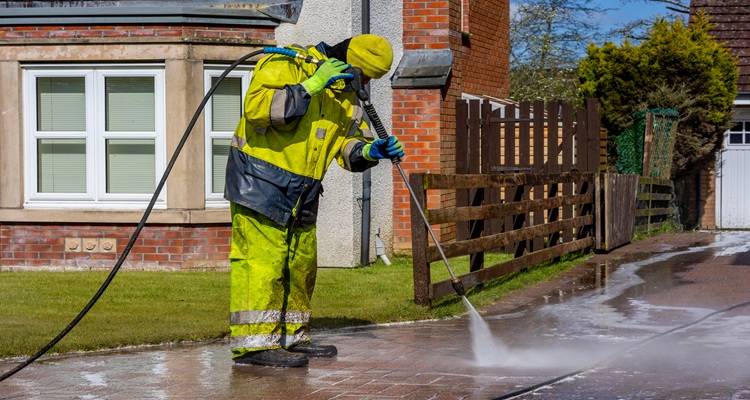
Using a pressure washer on a high setting or too close to a surface can cause damage to soft materials such as tarmac, resin driveways or old concrete. It can also displace the jointing sand when cleaning oil stains on block paving.
While you can use a pressure washer as part of the cleaning process, it’s important to do so at the right stage, with the right application, and if you’re unsure, consult a driveway cleaner.
What Shouldn’t You Use on Driveway Oil Stains?
While there are various ways to remove oil from a driveway, there are some things you should not use. This includes unsuitable solvents such as white spirits or petrol, particularly on tarmac driveways, as it will degrade the surface.
Bleach is also unsuitable as it’s a water-based product and won’t break down oil by itself. It will also damage surfaces like resin and cause etching on concrete.
Using washing up liquid and scrubbing the stain with a nylon brush can help to break down the oil. However, scrubbing too aggressively can cause damage to some surfaces like resin and tarmac.
A pressure washer that is used too close to the driveway surface can cause damage, potentially breaking up the material. Similarly, the setting of the pressure washer should not be too high, for the same reason.
An oil spill should be kept away from drains and should never be hosed into the street. Even small quantities of engine oil can pollute water.
Products which are not designed for use on the driveway material should be avoided. If you’re unsure what is safe to use, consult a driveway cleaner. The wrong cleaning method can cause discolouration, surface damage and make the stain worse.
When Should I Call a Professional Driveway Cleaner?
In some situations, it may be best to call a driveway cleaning contractor, such as when the stain is large and home remedies are not practical or effective. Old stains are also difficult to deal with and respond better to commercial cleaning methods.
When the surface is delicate like tarmac or resin, safe driveway oil stain removal can be tricky and a driveway cleaner is often the suitable option. Similarly, if the surface has become soft, cracked or damaged, a driveway contractor may be needed.
Even if there is no damage like cracking or degradation, the appearance of an oil stain can seriously impact your home’s kerb appeal. If you’re trying to sell your house, hiring a driveway cleaner to remove oil from your driveway is worth considering.
A driveway cleaning specialist can assess the surface material, use the correct equipment and advise you on whether cleaning or repair is the suitable option. Rather than risk damaging your driveway with the wrong cleaner, post your job on MyJobQuote and compare up to 3 quotes from local driveway cleaning and repair contractors.
How to Prevent Oil Stains on a Driveway
As you can see, cleaning oil off a driveway is difficult and may not always be 100% effective. Taking preventative steps when working on your car or if you know it has a leak is much better than having to deal with the effects of an oil spill.
Fixing your vehicle promptly if it develops an oil leak is not only good for your driveway but essential for the continued health of your car. Get problems looked at as soon as possible to keep your vehicle running well and your driveway free of oil. In the meantime, put a drip tray underneath to catch the leak.
Using a sealant suitable for the driveway surface, where recommended by its manufacturer, can make future stains easier to clean. Tackling spills as soon as they happen can also reduce the possibility or extent of any stain. If you do work on your car, avoid doing so on the driveway or lay down a protective covering first.
When stains build up, having your driveway regularly cleaned is a great way to maintain its appearance and enhance the kerb appeal of your property.
Oil Removal Method by Driveway Type
| Driveway material | How oil stains affect it | Suggested cleaning approach | When to call for help from a driveway cleaner |
|---|---|---|---|
| Concrete | Soaks deep into the porous surface, leaving a dark stain | Absorb excess oil, scrub in degreaser, e.g., washing up liquid, rinse | Large spills, when DIY methods haven’t helped, old stains |
| Block paving | Stains the blocks and the jointing sand | Blot and absorb excess oil, scrub in degreaser, use a block-paving-safe degreaser, contain and remove residue | Large affected areas, old stains or multiple attempts to remove stains have failed |
| Tarmac | Can soften and break down the tarmac surface | Absorb excess oil, use appropriate degreaser, rinse | Large spills, damaged tarmac, DIY failures |
| Resin | Causes discolouration and degradation of the resin’s bond | Blot and absorb the excess, apply resin-safe degreaser, rinse | Large area, resin has softened or turned sticky, persistent stain |
| Gravel | Stains the stones and seeps into the ground underneath | Remove contaminated gravel and assess whether the material beneath also needs replacing | Large spill, oil has seeped into the ground, cleaning has failed |
| Natural stone | Discolours the stone and causes degradation over time | Absorb the excess, use stone-safe degreaser, rinse | Large area affected, old stain, DIY efforts have failed |
| Question | Fresh stains | Old stains |
|---|---|---|
| How easy are they to remove | Easier to remove if you act promptly and don’t let oil soak in | Difficult to remove as oil has penetrated the surface and often become infused into the driveway material |
| What method is usually needed? | Blotting, using absorbent materials such as sawdust or cat litter, degreasing, scrubbing (some surfaces only), rinsing | Strong degreasers and poultice method to draw oil out |
| Repeat cleaning required? | Yes, if initial cleaning doesn’t remove the stain completely | Yes, old stains typically need multiple attempts to clean |
| When to call a professional | Large spills, delicate surface material, DIY cleaning hasn’t worked | Large stains, delicate surface material, when DIY efforts have failed |