Builders
 Carpenters
 Electricians
 Flooring Specialists
 Gardeners
 Handymen
 Heating Engineers
 Painters & Decorators
 Plasterers & Renderers
 Plumbers
 Roofers
 Tilers
 my
myRendering Near Me
Professional renderers play a crucial role in improving and maintaining the exterior aesthetics of buildings.
They deal with homes and commercial properties across the UK. It's vital to find the right renderer for the job to ensure that your property, whether it be residential or commercial, can be transformed with a whole new lease of life.
Having your property rendered can revitalise the building's exterior visually and also better protect it against the elements. Even better, it can even increase its kerb appeal.
In this guide, we'll discuss what research and other steps you can take to find rendering contractors near you and the sort of criteria you might want to consider when weighing up your options as to who you should hire.
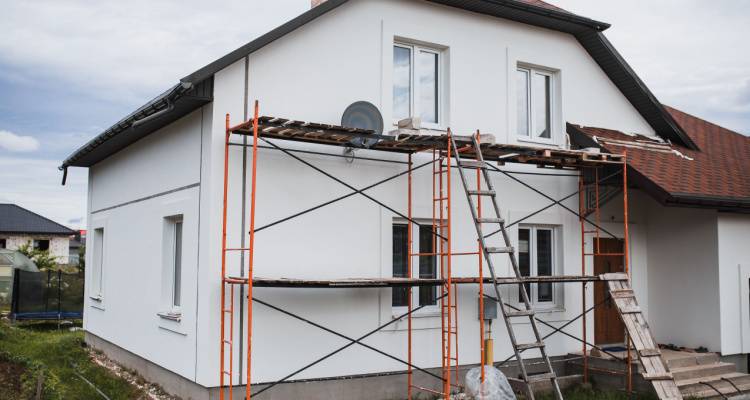
Table of Contents
- Understanding Your Rendering Needs
- Finding Local Renderers Near You on MyJobQuote
- Check Local Rendering Contractors' Credentials
- Get Recommendations for Local Rendering Companies
- Clarify the Contract With Your Local Rendering Contractor
- Monitor the Rendering Process
- What Can Rendering Companies Near You Do?
- FAQs
Understanding Your Rendering Needs
To start with, you'll want to have a clear idea of what you need from rendering work.
Choosing a Render Type
The main render types are cement, lime, acrylic, and silicone, and each behaves differently. Cement is the traditional, budget-friendly option, though it typically needs multiple coats and painting to keep a neat finish. Lime is breathable, which suits period properties with solid walls. Acrylic and silicone are designed to reduce future cracking and cleaning, which can lower long-term maintenance.
Some homes respond better to traditional finishes such as lime or cement rendering, depending on the brickwork and how breathable the walls need to be.
Checking Your Wall Condition First
Cracks, damp patches, or blown areas (where the render has come away from the wall) usually need fixing before new render goes on. A renderer will normally check this during a site visit rather than over the phone.
Picking a Finish
Beyond the type of render, you can choose a smooth finish, a textured look, or something more decorative, depending on the style you're after and how the property sits alongside neighbouring homes.
Size, Access and Timing
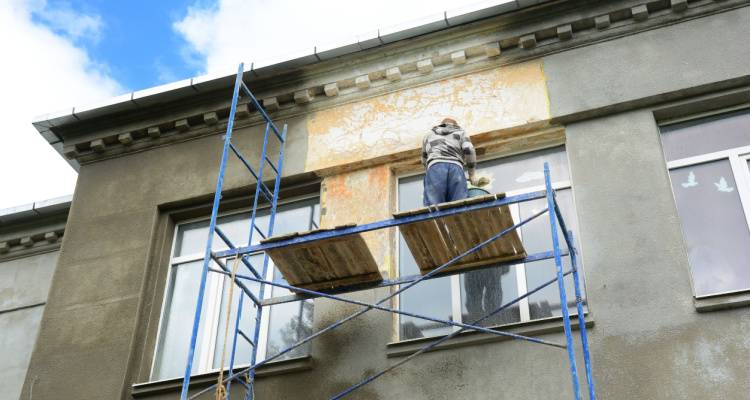
The size of the area and how easy it is to access (scaffolding may be needed for upper storeys) both affect the job. Rendering is also weather-dependent, and cure times vary a lot between cold and warm weather, so timing can affect how long the job takes.
Colour, Coatings and Insulation
Think about any colour preferences or protective coatings you'd like added afterwards. It's also worth asking whether insulation is worth adding at the same time, especially for older homes that lose heat quickly.
Do You Need Planning Permission?
Most rendering work counts as permitted development, but if your home is listed or in a conservation area, you may need consent before changing the exterior finish or colour. Always check with your local council first if you're unsure.
Getting these details clear in your head early on helps you describe the job suitably. It also means the quotes you get back will be far more accurate. And if you're unsure about anything at all, speak to your local renderer, as they'll happily talk you through the best options for your property.
Finding Local Renderers Near You on MyJobQuote
One effective way of finding local renderers is through MyJobQuote.
Here's what you need to do:
- Enter your postcode to search for local external renderers.
- Pick the type of work you need (e.g. fresh rendering, repairs, or full removal).
- Write a short description of the job (the surface, the style you like, and any issues you've spotted).
- Upload a few photos of the walls or areas you want rendered.
- Select your budget range and the timescale that suits you.
- Confirm your details so local renderers can send their quotes.
MyJobQuote can simplify the process of finding renderers with easy access to reviews left by other MyJobQuote users, ratings they've received, and photos of their previous work.
With all this in front of you, it becomes much easier to decide who's the best fit for your home and budget.
Check Local Rendering Contractors' Credentials
Next, it's important to verify any qualifications. Be aware, though, that professional renderers do not need formal qualifications to undertake this work (with any extra training being an added bonus rather than a legal requirement).
Ultimately, details such as their skill, experience, and reliability are better markers of a renderer's quality:
- National Vocational Qualifications (NVQs) or diplomas in plastering or rendering (e.g. Level 2 or 3 qualifications).
- Evidence of time spent working as an apprentice or trainee under an experienced renderer.
- Health and safety training, such as holding a valid CSCS card.
- Strong reviews, photos, and job history on their MyJobQuote profile (a quick way to see the standard of their work).
You might want to check their prior experience, past projects, and any certifications (if applicable) in the field of rendering.
When it comes to reviewing their past projects, you may want to ask for references as well as images of their prior work or other records of said projects.
Get Recommendations for Local Rendering Companies
Along with using MyJobQuote to find renderers in your area, you might also want to ask friends, family, neighbours, or even workmates for personal referrals.

Personal experiences from those you trust can lead to reliable and skilled renderers. After all, someone isn't going to recommend a renderer if they didn't have a positive experience with at least a satisfactory outcome, if not a fantastic end result.

Clarify the Contract With Your Local Rendering Contractor
Lastly, get a written service agreement with the renderer you choose to work with. This agreement should clearly outline the following:
- An itemised breakdown of all project costs
- The scope of the rendering work
- Payment terms
- Information on guarantees and warranties
A guarantee or warranty can help protect you and the renderer should anything go wrong (e.g. your property incurs damage). Thankfully, such events are very rare, but a guarantee or warranty can add peace of mind.
Thorough research and making informed decisions based on key criteria (including pricing, their levels of experience, and how suitable they are to the work at hand) are key to ensuring you find and hire the right person for the job.
Monitor the Rendering Process
Communication-wise, be as open as you possibly can with your local rendering company throughout the entire process.
Firstly, bring up what exactly you're looking for in a rendering project. And if you're a little unsure, chat about your options.
Be sure to ask about how long the project will likely take as well as what specific rendering techniques they'll use. Equally critical is to find out about any unique requirements that are key to getting the right end result.
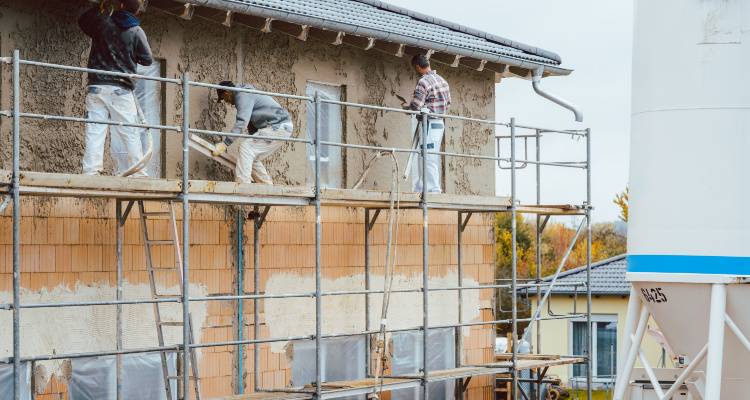
In terms of how long the work will take, make sure you ask if the renderer you wish to hire can offer a suitable schedule or timeline.
Will they be available on a day that works for you? If not, reach out to your second or third choice to check their proposed timeline and availability. That said, in most cases this shouldn't be needed.
What Can Rendering Companies Near You Do?
Rendering companies can take on a range of jobs, whether you're fixing worn patches or giving your whole home a fresh new look.
Repairs and Patching
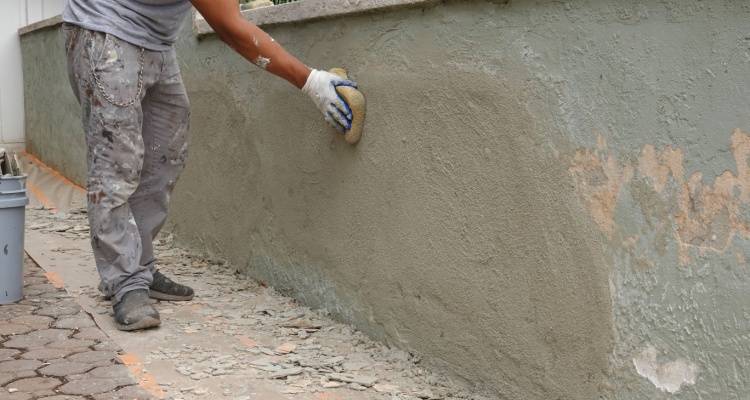
This covers patching cracks, fixing blown areas, or smoothing uneven sections, and is often the quickest and cheapest way to sort tired-looking render without a full re-render.
Full Re-Rendering
This involves removing old render and applying a new finish across larger areas. It's a bigger job than a repair, so it's worth getting more than one quote.
Render Type Application
Renderers can apply different render types, including lime, cement, silicone, or acrylic, depending on what suits your home and budget best.
Garden and Boundary Walls
Rendering isn't limited to the house itself. Many renderers also take on garden walls and boundary walls, either to match the house or as a standalone finish.
Insulated Render Systems
Some renderers offer insulated render systems, combining external wall insulation with a new render finish. This can be worth considering together if your home loses heat quickly and needs re-rendering anyway.
Finishing Touches
This includes painting, colour-matching, or adding protective coatings to improve durability. Some homeowners also choose to refresh the finish afterwards with a coat of exterior paint for extra protection and a cleaner look.
With the right rendering company, you can brighten up tired walls, help with insulation, and boost kerb appeal, all while keeping your home protected from the weather.
Ready to get started? Use MyJobQuote to find renderers near you.
FAQs
What Tradesperson Do I Need for Rendering?
Rendering is usually carried out by a specialist renderer or a plasterer who also offers external rendering. Some general builders also take on rendering work, though a specialist is often better placed to advise on the right render type for your property.
Can I Render Over Old Render?
Sometimes, if the existing render is sound and in good condition. But where it's cracked, blown, or damp is getting behind it, the old render usually needs to come off first so the new layer has something stable to bond to. A renderer can assess this during a site visit.
Is It Cheaper to Paint or Render a House?
Painting is generally cheaper upfront than rendering. However, render offers longer-lasting weatherproofing and can improve insulation, so the better option depends on whether you're after a quick refresh or a longer-term investment in the property.
What's the Difference Between Rendering and Plastering?
Rendering is applied to external walls to protect and finish the outside of a property, while plastering is the equivalent process for internal walls and ceilings. The materials and techniques used differ slightly to suit indoor versus outdoor conditions.