Builders
 Carpenters
 Electricians
 Flooring Specialists
 Gardeners
 Handymen
 Heating Engineers
 Painters & Decorators
 Plasterers & Renderers
 Plumbers
 Roofers
 Tilers
 my
myLime Render Cost
At a Glance
- Lime rendering costs are on average around £7,000.
- Depending on the size of your property, it will take on average 5 days to complete.
- Lime render pricing and factors that impact rendering costs.
- How long lime rendering takes and what's involved.
- How to find local lime renderers using MyJobQuote.
Get free estimates
Are you a trade? Get more work today!
Lime render is a traditional type of external wall finish made from lime, sand, and sometimes natural fibres. Unlike modern acrylic or cement renders, lime render is breathable, flexible, and eco-friendly. It also offers a classic, natural finish, making it ideal for older or historic properties.
Lime render allows moisture to escape, reducing the risk of damp, and its slower curing process means it moves with the building, reducing the risk of cracking, while still providing a smooth, attractive, natural-looking finish.
Read on for a full guide to the cost of lime render and what impacts the price you receive.
£7,000
Table of Contents
- How Much Does Lime Rendering Cost?
- Cost of Lime Render vs Other Renders
- Additional Lime Rendering Costs
- Factors That Impact the Cost of Lime Rendering a House
- Lime Rendering Options
- Lime Render Repair Cost
- Rendering Guarantees
- Are There Ways I Can Reduce the Cost of Lime Rendering?
- How Is Lime Rendering Applied?
- Planning Permission and Building Regulations
- Checklist: Hiring Contractors for Lime Rendering
- FAQs
How Much Does Lime Rendering Cost?
The average lime render cost per m² is between £60 and £100, depending on factors such as the size and complexity of the project, the type of lime used, and labour rates. For a typical house, total project costs usually range from £5,000 to £12,000.
Which lime render feature do you consider most important?
Helping preserve historic walls
4 votes - 33%33% of votes
Provides moisture control
8 votes - 67%67% of votes
Natural and attractive finish
0 votes - 0%0% of votes
Flexible and durable option
0 votes - 0%0% of votes

12 votes
See results
Hide results
Prices also vary across the UK. Expect higher rates in London and the South of England compared with the North or Scotland.
- Project Size — Larger areas increase material and labour costs.
- Complexity — Features like decorative finishes or hard-to-reach areas can raise prices.
- Type of Lime — Different lime mixes or natural fibres can affect material costs.
- Labour Rates — Experienced lime renderers may charge more, but skilled application reduces the risk of cracking and repairs.
Lime Rendering Prices
| Type of House | m² | Cost at £60 per m² | Cost at £100 per m² | Duration of Job |
|---|---|---|---|---|
| Terraced | 88m² | £5,300 | £8,800 | 2 days |
| Semi-Detached | 97m² | £5,800 | £9,700 | 5 days |
| Detached | 149m² | £8,950 | £15,000 | 8 days |
| Bungalow | 77m² | £4,600 | £7,700 | 6 days |
Want a custom price?
Post your job
What is the average cost of having lime render? It’s for the back of a 2 bed Victorian terrace and the old render needs removing first. Thank you!
"Lime is not cheap, go for 3.5 hydraulic lime with plastering sand. If red bricks are visible and not too damaged they can be repaired and pointed. A restorer could do this for you. Costing depends on many factors."
Cost of Lime Render vs Other Renders
Lime render typically has a higher upfront cost than modern alternatives like cement or acrylic render. This price difference reflects the specialist skills and extra time required for correct application, as well as the material's breathable and flexible properties.
The main reasons lime render costs more are:
- Specialist Labour — Requires tradespeople with experience in lime application.
- Longer Project Time — Slower application and curing processes.
- Extra Care — Ensuring walls remain breathable and flexible adds to overall labour effort.
Here is a simple cost comparison per m² for common alternative render types:
| Material | Average Cost per m² | Primary Use |
|---|---|---|
| Lime Render | £60–£100 | External (Breathable, traditional) |
| Monocouche Render | £45–£75 | External (Modern, one-coat) |
| Acrylic Render | £50–£70 | External (Thin coat, crack-resistant) |
| Cement Render | £30–£50 | External (Traditional, needs painting) |
| Polymer Render | £30–£70 | External (Flexible, high adhesion) |
| Silicone Render | £65–£80 | External (Thin coat, self-cleaning) |
| Pebbledash | £30–£60 | External (Textured, low-maintenance) |
Want a custom price?
Post your job
We had an independent damp survey which revealed the walls are extremely damp. Should I remove the existing render and replace it with lime render, or use a silicone render on top of the existing render?
"I would recommend removing the existing render and doing silicone render on top, without any lime. Silicone render will insulate the house and help prevent mould from regrowing."
Additional Lime Rendering Costs
Scaffolding
Most lime rendering jobs require the use of scaffolding. Scaffolding hire, on average, is between £20 and £25 per m². The cost of scaffolding for a week will cost between £200 and £800 depending on the size of your property and the amount of scaffolding you need to fit.
Skip Hire
You'll need somewhere to get rid of your old rendering if you have it. The best solution is to hire a skip to get rid of the rubbish. A 6-yard skip is ideal for building clearance. The cost is around £200 depending on where you live in the UK. London and the South of England will probably be more expensive.
Skip hire isn't cheap so make sure when you hire that the skip is the right size. Your rendering contractor should be able to tell you what you'll need.
Factors That Impact the Cost of Lime Rendering a House
Removal of Old Render
If you already have render on your exterior wall, you will need to remove it before you can apply a new lime render unless you are going to apply external wall insulation. External wall insulation can usually go on top of old render, but your contractor will advise you on what option is best.
Removing an existing finish will increase your costs, so be sure to factor the cost of removing pebbledash, old render, or other wall coatings into your budget.
| Type of Property | Time Taken for Removal | Cost of Removal | Number of Tradespeople |
|---|---|---|---|
| Terraced House | 1 day | £1,500–£3,000 | 1 |
| Semi-Detached House | 2 days | £3,000–£5,000 | 1 |
| Detached House | 3 to 4 days | £5,000–£8,000 | 2 |
Want a custom price?
Post your job
Wall Insulation
If you don't want to pay to remove your old rendering before you replace it with new rendering, or building regulations have stipulated that you need to improve your external wall insulation, then you might consider having wall insulation installed. It will cost more than having the render removed.
But you will get the advantage of an extra layer to your home. This will give you better heat retention, less risk of damp, and reduced energy bills. Your home will be more energy efficient.
After installing insulation, the render will need to be lightweight. Lime render will be ideal. The price of wall insulation depends on the size of your property, but you can see from the table below what the average cost is and how it compares with render removal.
| Property Size | Cost of Render Removal | Cost of Insulation | Price Difference |
|---|---|---|---|
| Terraced | £1,500–£3,000 | £6,000–£7,000 | £4,000–£4,500 |
| Semi-Detached | £3,000–£5,000 | £8,000–£9,000 | £4,000–£5,000 |
| Detached | £5,000–£8,000 | £16,000–£17,000 | £9,000–£11,000 |
Want a custom price?
Post your job
Repairing Poor Brickwork
You should lay lime rendering over bricks that are in good condition. That means if your brickwork is damaged in any way, you'll need a bricklayer to come and repair pointing or replace bricks.
Reclaimed bricks used to be a cheap option, but prices can be higher due to the increased labour, making new bricks the better option. Typical brick and pointing repair prices are:
- Standard Facing Bricks — Around £0.60 to £1.20 per brick.
- Reclaimed Bricks — Around £0.80 to £2.50 per brick, depending on age, condition, and availability.
- Handmade or Specialist Bricks — Around £1.50 to £3 per brick.
- Brick Repointing — Typically £23 to £47 per hour or £45 to £60 per m².
Location
Where you live will influence the cost of applying lime rendering. Prices are always higher for materials and labour in London and the South East of England.
MyJobQuote can connect you with lime render contractors in your area, so you can compare quotes for your project.
Lime Rendering Options
The two main choices for lime render are pure lime putty and hydraulic lime, which sets harder and suits exposed external walls better. Here are the options available:
Quicklime
Quicklime is calcium oxide, which is made by heating the limestone to a high temperature. When you add water to the quicklime mix, heat is released, and it is turned into calcium hydroxide.
It does need careful handling, though, because the chemical process can cause burns if it isn't handled correctly. The end product is a lime putty, which is used for rendering when mixed with sand.
Pros
- ✔ Cheaper
Cons
- ✖ Has to be handled with care.
- ✖ Slower at setting.
Hydrated Lime
Hydrated lime is calcium hydroxide, produced by adding water to quicklime. It comes as a powder ready to mix with water. There's less risk of burns with this type of material, so it is the preferred rendering material for many contractors.
Pros
- ✔ Less hazardous
- ✔ Permeable
Cons
- ✖ More expensive
Hydraulic Lime
Hydraulic lime sets in water and is used in exposed weather or hard conditions. It's created by burning limestone containing clay.
Pros
- ✔ Faster setting
- ✔ Durable in places with extreme weather conditions
Cons
- ✖ Can't be set dry.
Ask a Trade
Got a question that only a tradesperson can answer? We have thousands of trades ready to answer any question you may have.
Ask your question

Lime Render Repair Cost
If your old lime render is damaged, then it may be cheaper to have it repaired rather than replaced. The most common repair you'll need to address will be cracks in the rendering. These cracks will need to be repaired as soon as possible so that you don't get water penetration which can cause mould and damp.
If you want to do it yourself, there are several crack/repair products available from DIY stores. Prices range from £5 to £30 depending on the amount of fix you buy. A tradesperson will charge between £15 and £30 per m² to repair damaged render. The total cost will depend on the amount of rendering that needs fixing. An average patch repair can cost between £100 and £350.
Rendering Guarantees
Most contractors will offer a guarantee on their own workmanship, covering the application itself. Ask about this when you get your lime render quotes, and make sure it is confirmed in writing, including what is covered and for how long.
Are There Ways I Can Reduce the Cost of Lime Rendering?
If you are a competent DIY enthusiast, you may want to do some of the work related to rendering your home yourself. It's not recommended that you DIY lime rendering because it takes skill to get the mix right and apply the rendering correctly.
If you do want to try it, then make sure you get some tuition first. If you search on YouTube for lime rendering videos you will find several 'How to' videos that may help you.
Other ways to save money are to remove your old rendering yourself or help your contractor to save money on labour costs.
You will still have to pay out for scaffolding and/or skip hire and you may need to buy or hire tools. However, if you have the time and the competence to do the work yourself then you will save between £5,300 and £7,700, depending on the size of your property.
How Is Lime Rendering Applied?
The process of applying lime render typically involves the following steps:
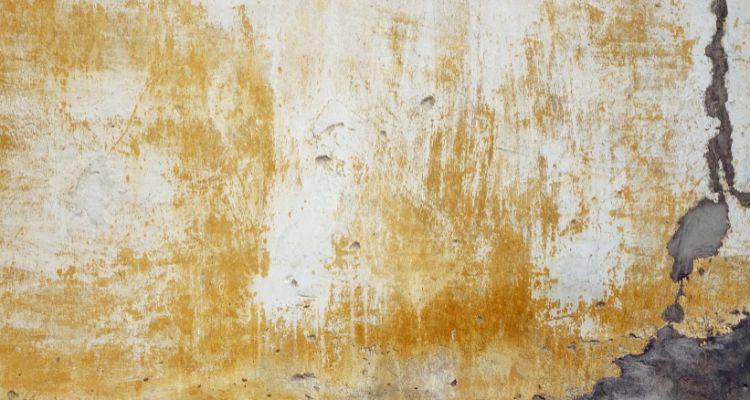
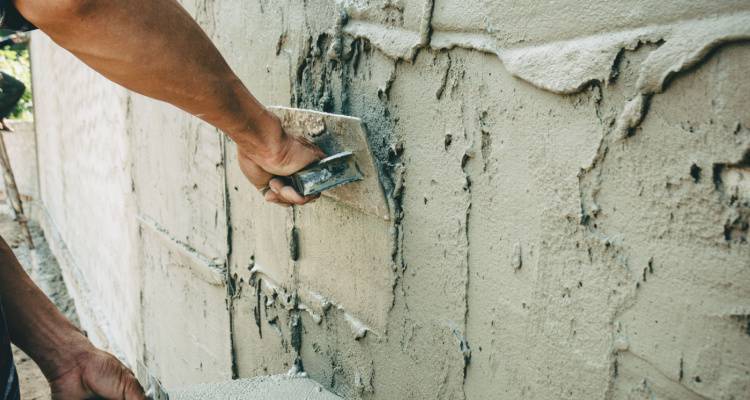
- Prepare the Wall — You will need to remove any damaged or loose mortar from the brickwork or remove the old render. The wall will then need brushing to remove any dust, dirt, and debris.
- Mix and Apply the First Coat — Follow the instructions for adding water to the lime render mix. Apply a first coat of consolidation mortar render at 3mm and keep it damp and protected for 24 hours.
- Apply the Second Coat — Apply a 15mm coat of haired lime mortar and keep it damp and protected for around 5 to 7 days.
- Apply the Final Coat — Apply a 10mm layer of unhaired lime mortar to finish.
- Wear Protective Equipment — Don't forget to use gloves and close-fitting goggles with side shields, as lime is caustic and can cause burns and serious eye damage.
Planning Permission and Building Regulations
You will only need to apply for planning permission if you live in a conservation area, a National Park, an Area of Outstanding Natural Beauty, or the Broads. If your home is a listed building, you will need listed building consent instead.
Re-rendering an already rendered house is normally permitted development. Rendering bare brickwork is the council's decision.
You will have to adhere to building regulations if you are planning to install new rendering or re-render more than 50% of an exterior wall. The wall should then meet a U-value of 0.30 W/m²K for insulation, where feasible. You will also need to notify your local authority building control before the work begins.
For the latest building regs information visit the appropriate department at your local council offices. Explain about your rendering project and they will advise you whether or not building regulations apply in your case.
If building regulations do apply the council staff will inform you what you need to do, if there are any fees you need to pay, and what forms you need to fill in.
Checklist: Hiring Contractors for Lime Rendering
The quality of your project is only as good as the skill of your contractor. Here's what to take into consideration when selecting your tradesperson to ensure you are getting the best results for your money.
It's also important to ask a few questions:
- Are they experienced with lime render? Lime render requires a different skill set from acrylic or cement renders. Look for contractors with proven experience in traditional or natural renders. Ask if they've completed similar projects and if they understand lime's properties, such as breathability, flexibility, and slower curing times.
- Are they insured? Ensure your trader has proof of liability insurance. This protects you in case of accidents that cause damage to your home, yourself, or the worker during the project.
- Do they understand building regulations and heritage considerations? Lime render is often used on older or listed buildings. A professional will know how to meet building regulations while maintaining the breathability of walls, ensuring insulation isn't compromised, and using techniques suitable for your property.
- Can they provide references and a portfolio? Find a contractor with a proven track record in lime render application. Look for examples of finished projects and read reviews that mention their workmanship, timekeeping, and attention to detail. You can also check their MyJobQuote profile for verified reviews and past work.
- Have you compared detailed quotes? Collect several quotes from lime rendering specialists. Ask for itemised quotes that include all costs, including scaffolding, lime mortar, and finishing coats. Lime render often takes longer to apply and cure, so check if the quote accounts for this.
- What guarantees are included? Ask if the contractor offers maintenance guarantees. While lime render is durable, it works with natural processes, so reputable traders should provide guidance on upkeep and be confident in the longevity of their work.
Following these steps will help you choose a qualified, insured plasterer or renderer experienced in lime render, ensuring your home's new exterior is completed to the highest standard while preserving the breathability and integrity of your walls.
FAQs
What Is the Difference Between Lime Render and Limestone Render?
This can be confusing. "Lime render" refers to the soft, breathable plaster made from lime, sand, and water. "Limestone render" is often used to describe a finish that mimics the appearance of cut stone, or a render that uses limestone chippings for texture. Lime render is the material. Limestone render is typically a style or finish.
Should I Clean My Lime Render?
Lime render is soft, so it needs treating with care. Clean it with a soft brush and water as needed, as repeated cleaning erodes the surface. Avoid pressure washers, which can cause significant damage. There are detergents you can buy which cost between £10 and £17.
How Long Does Lime Render Last?
Lime render is very durable, but how long it lasts depends on the mix used, how exposed the wall is, and whether it is properly maintained. The enemies of lime render are the wind, rain, and salt from the sea. The sun can also affect rendering. It can cause the colour of the rendering to fade.
Does Lime Render Crack?
Lime render can crack, but unlike cement render, which develops a few large cracks, lime render produces many fine cracks that can heal on their own as free lime in the mix dissolves and re-deposits. It is helped if the lime render is mixed with hair or fibre which makes it more resilient. It is a better choice than cement rendering for this purpose although you will pay double the amount of cement rendering.
Can You Apply Lime Render Over Cement Render?
No, this is strongly advised against. Applying breathable lime render over a non-breathable material like cement will trap moisture, defeating the entire purpose of using lime. The cement render must be completely removed before any lime render is applied, which is a major part of the cost when re-rendering.