Builders
 Carpenters
 Electricians
 Flooring Specialists
 Gardeners
 Handymen
 Heating Engineers
 Painters & Decorators
 Plasterers & Renderers
 Plumbers
 Roofers
 Tilers
 my
myCost of Planting a Tree
At a Glance
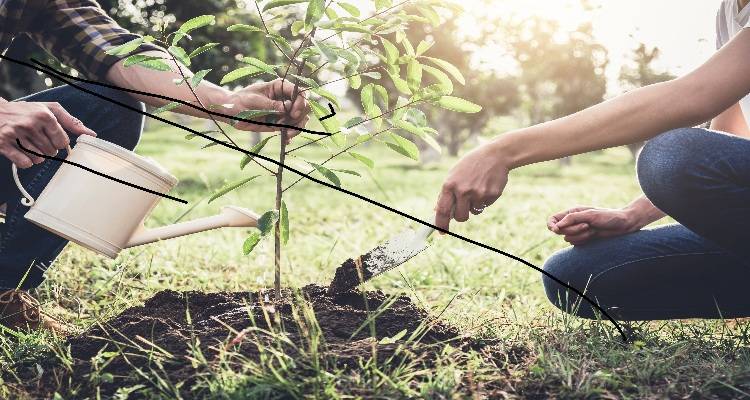
- The average cost to plant a tree is around £300.
- Most single trees take 30 minutes to an hour to plant.
- The best time to plant is during the dormant season, from autumn to early spring.
- Tree planting costs in 2026 by size and spread, species, and root type.
- How long the job takes and what's typically involved.
- How to find a local gardener or tree surgeon using MyJobQuote.
Get free estimates
Are you a trade? Get more work today!
Tree planting costs vary based on the tree's size, species, root type, ground conditions, and local labour rates. Larger trees and more complex planting jobs typically involve more preparation, labour, and materials.
A typical tree planting job involves preparing the ground, digging the hole, positioning the tree, and securing it with stakes or supports. Bigger or more difficult jobs may also need soil improvement, drainage, or the removal of an existing tree, which all add to what you'll pay.
This guide explains tree planting costs in the UK, including labour costs, supply costs, job timescales, and the key factors that affect the overall cost.
£300
Table of Contents
- How Much Does it Cost to Plant a Tree?
- Labour Cost to Plant a Tree
- Supply Cost of Planting a Tree
- Cost of Different Types of Tree Root Systems
- Soil and Ground Preparation Costs for Tree Planting
- Additional Costs of Planting a Tree
- What Impacts the Cost of Planting a Tree?
- Cost of Different Types of Trees for Gardens
- Cost of Alternative Types of Garden Planting
- Checklist: Hiring Contractors for Tree Planting in the UK
- FAQs
How Much Does it Cost to Plant a Tree?
On average, the cost of planting a tree ranges from £150 to £450 per tree. This can increase significantly for larger or more mature trees, and planting several trees at once will push the overall cost up. Most tree planting services quote per tree, although a day rate is common for bigger jobs.
What type of tree are you looking to plant?
Ornamental tree (e.g. cherry or maple)
0 votes - 0%0% of votes
Fruit tree (e.g. apple or pear)
1 votes - 20%20% of votes
Native tree (e.g. oak or birch)
0 votes - 0%0% of votes
Evergreen tree
4 votes - 80%80% of votes

5 votes
See results
Hide results
Smaller trees and saplings are usually cheaper and quicker to install. Mature or semi-mature trees often need extra labour, specialist equipment, and transport, which is reflected in the price.
Tree Planting Price Per Tree
Below is a breakdown of typical tree planting prices based on the size of the tree and the complexity of the job:
| Type/Size of Tree | Average Price Range | Estimated Time |
|---|---|---|
| Small sapling (1 to 2m) | £150–£250 | 30 minutes to 1 hour |
| Medium tree (2 to 4m) | £200–£350 | 1 to 2 hours |
| Large garden tree (4 to 6m) | £300–£600 | 2 to 3 hours |
| Semi-mature tree (6m+) | £600–£1,500+ | 3+ hours |
| Multiple trees (hedging or screening) | £500–£1,500+ | 1 to 2 days |
Want a custom price?
Post your job
Labour Cost to Plant a Tree
Tree planting labour typically costs £20 to £40 per hour, or a day rate of £150 to £300 for larger jobs. Gardeners, landscapers, and tree surgeons all offer tree planting services, and it's worth pricing the labour on its own if you plan to buy the supplies yourself.
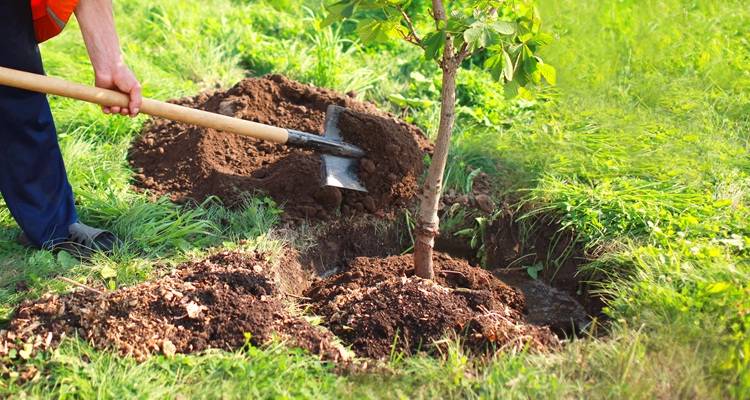
The table below shows the typical labour cost and time involved for different sizes of tree:
| Tree Size | Estimated Time | Typical Labour Cost |
|---|---|---|
| Small tree or sapling | 30 minutes to 1 hour | £20–£40 |
| Medium tree | 1 to 2 hours | £40–£80 |
| Large or mature tree | 3+ hours | £100–£250 |
| Multiple trees | 1 to 2 days | £150–£600 |
Want a custom price?
Post your job
Larger trees may need more than one worker or specialist equipment, which adds to the labour cost. Hiring a professional helps make sure the tree is planted properly, reducing the risk of problems later on.
Supply Cost of Planting a Tree
When working out the cost of planting a tree, you also need to factor in the cost of supplies and materials alongside labour. The tree itself is usually the biggest expense, but there are a few other materials needed for a successful planting job.
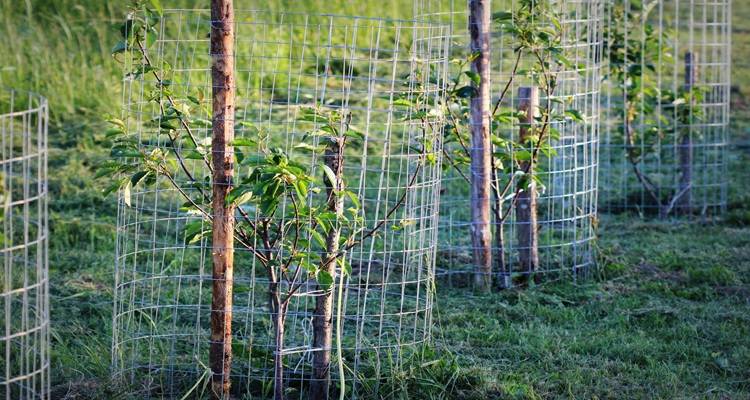
Below are the typical supply costs to consider when planting a tree:
| Supply Item | Typical Cost |
|---|---|
| Tree (sapling to mature) | £30–£1,000+ |
| Tree stakes and supports | £10–£30 |
| Tree ties and guards | £5–£20 |
| Soil improver or compost | £5–£15 per bag |
| Mulch | £5–£20 |
| Fertiliser | £5–£15 |
Want a custom price?
Post your job
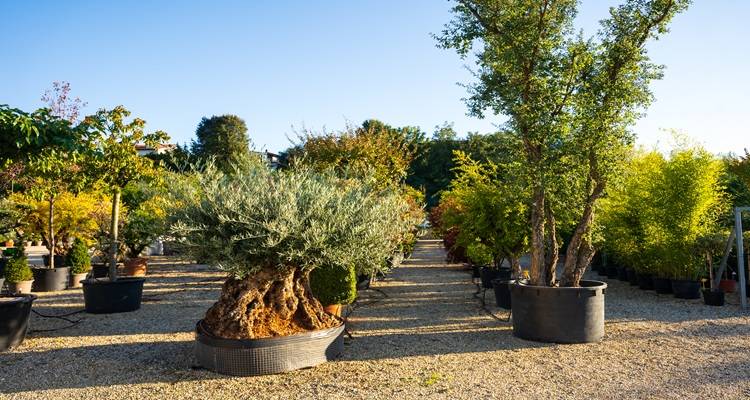
The price of the tree itself can vary widely depending on the species you choose and how mature it is. Bare-root trees are the cheapest, while mature trees can cost hundreds or even thousands of pounds.
Cost of Different Types of Tree Root Systems
The root system of a tree can affect both the planting process and the overall cost of the job.
Below is a list of the different root systems with some information on each type:
Bare-Root Trees Cost
Bare-root trees are typically the cheapest option and are sold without soil around the roots. They are usually planted during the dormant season in autumn or winter. These are the ideal choice if you are looking for a cheap or cost-effective tree-planting option.
Cost: £15 to £60 for a small to medium tree, making this typically the cheapest of the three options.
Root Ball Trees Cost
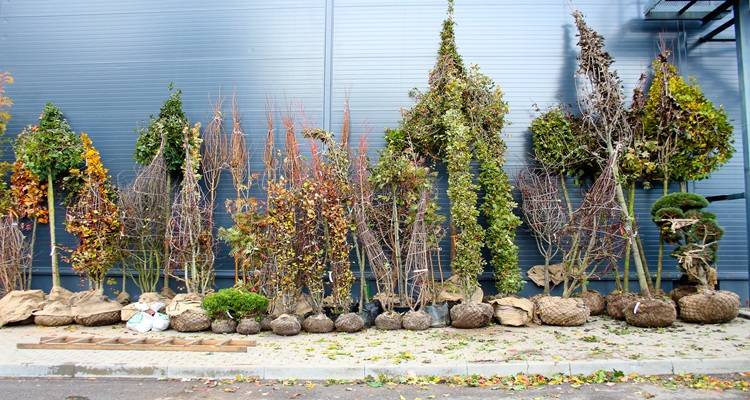
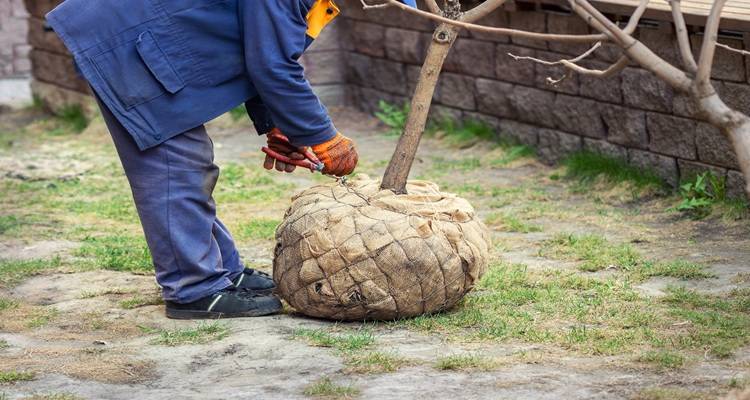
Root ball trees have soil wrapped around the roots, often secured with burlap. They are larger than bare-root trees and might need more labour to install.
Cost: £40 to £150 for a small to medium tree, usually around 30% to 40% more than a comparable bare-root tree.
Container-Grown Trees Cost
These trees are grown in pots and can generally be planted throughout most of the year. They are often more expensive but easier to handle and widely available.
Cost: £60 to £250 for a small to medium tree, typically the most expensive option, at roughly 50% to 60% more than a root ball tree of the same size.
As a general rule, bare-root trees cost the least, root ball trees cost more, and container-grown trees are usually the priciest of the three, though they also have the highest survival rate after planting.
Soil and Ground Preparation Costs for Tree Planting
Ground preparation is very important and can also significantly affect the cost of planting a tree. Preparation tasks may include:
- Digging planting holes
- Soil improvement with compost or conditioners
- Removing stones or roots from the planting site
- Installing drainage in heavy soils
- Ground levelling
Basic ground preparation, such as digging the hole and mixing in soil improver, is usually included in the standard price for planting a small or medium tree. More involved work, such as installing drainage or clearing a heavily compacted site, is normally charged as an additional cost.
| Ground Preparation Task | Typical Cost |
|---|---|
| Digging the hole and basic soil improvement | £20–£50 |
| Removing stones, roots or debris | £30–£80 |
| Ground levelling | £30–£80 |
| Installing drainage in heavy or waterlogged soil | £75–£200 |
Want a custom price?
Post your job
Poor soil conditions or compacted ground may need additional preparation, increasing the total price. Heavy clay soils, for example, may need drainage improvements to prevent flooding.
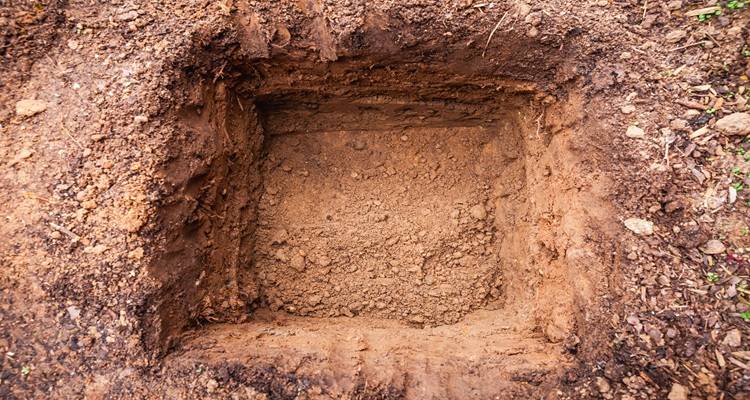
Ground preparation is essential to ensuring the tree grows successfully, so it's not advisable to cut corners at this stage.
Additional Costs of Planting a Tree
There are several additional costs to consider when planting a tree, especially if it's part of a wider garden renovation. These can add to your overall budget, depending on the condition of your garden and the size of the job.
| Additional Cost | Typical Price |
|---|---|
| Removing existing plants or shrubs | £50–£150 |
| Removing an old tree stump | £50–£300 |
| Garden waste removal | £40–£100 |
| Tree transportation or delivery | £20–£100 |
| Installing an irrigation system | £50–£200 |
| Protective fencing or guards for young trees | £20–£100 |
| Removing an existing tree before planting | £50–£1,500+ |
| Ongoing aftercare during establishment (per year) | £50–£150 |
Want a custom price?
Post your job
Removing Existing Plants or Shrubs
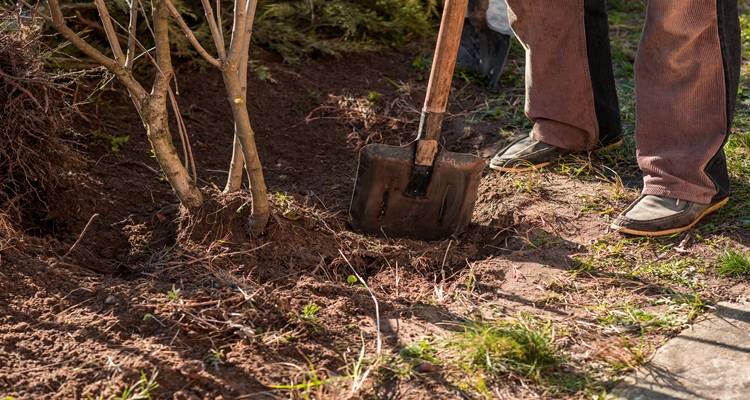
This involves clearing out any unwanted plants, bushes, or overgrown areas where the new tree will be planted. This step ensures there is enough space for the tree's roots to establish properly and prevents any competition for nutrients and water.
Removing Old Tree Stumps
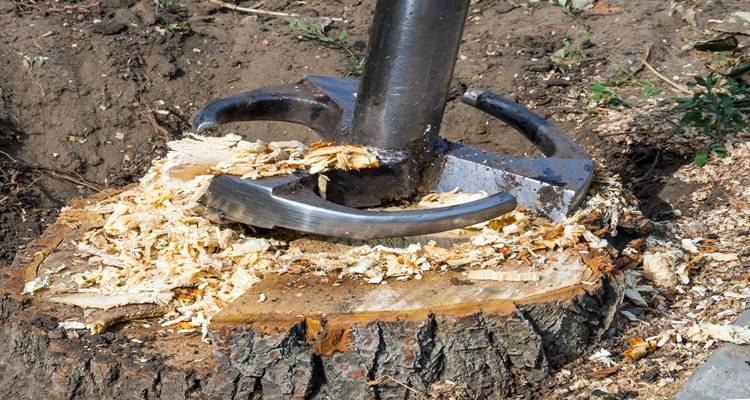
If there is an existing tree stump in the area, you may need to remove it or grind it down before you can plant a new tree. Stumps can obstruct root growth and may also lead to fungal problems if left in place.
Garden Waste Removal
After the preparation work, there may be roots, soil, branches, and other debris that need to be cleared away. Many contractors include garden waste removal in their quotes, but sometimes they charge for it as an additional service.
Tree Transportation or Delivery
Taller or heavier trees will often need to be delivered directly by the nursery or supplier. The transport costs can vary depending on the tree's size and the distance to be travelled.
Installing Irrigation Systems
Some people choose to install a simple irrigation system to help the tree establish itself, especially during dry periods. This can include drip irrigation or watering pipes.
Protective Fencing or Guards for Young Trees
Younger trees may need protection from animals, strong winds, or accidental damage. Guards, stakes, or small fences help to keep the tree stable and prevent it from being harmed as it grows.
Removing an Existing Tree Before Planting
If a tree, shrub, or overgrown hedge already occupies the planting spot, it will usually need to be removed first. Costs depend mainly on size: removing a small tree typically costs £50 to £150, a medium tree £150 to £500, and a larger or more established tree £500 to £1,500 or more. Hedge removal costs and removing a conifer follow similar principles, with price driven mainly by size and site access. Stump removal or grinding, and waste disposal, can add further to the final price.
Maintaining a Newly Planted Tree
New trees need consistent watering and care for the first 1 to 3 years while they establish a strong root system. Doing this yourself costs very little beyond the price of mulch, water, and the occasional replacement tie or stake. If you'd rather a professional check on the tree, water it, and maintain the mulch and stakes, this typically costs around £50 to £150 a year.
Ask a Trade
Got a question that only a tradesperson can answer? We have thousands of trades ready to answer any question you may have.
Ask your question

What Impacts the Cost of Planting a Tree?
Several factors can affect the overall cost of planting a tree. These include:
- Tree size and species — Bigger trees generally cost more to purchase and plant because they need more labour, larger planting holes, and additional supports such as stakes. Certain species may also be more costly because of their availability, growth rate, or maintenance needs.
- Root type (bare-root, root ball, container-grown) — The type of root can affect the price of the tree and how easy it is to install. For example, bare-root trees are cheaper but seasonal, whereas root-balled and container-grown trees are heavier and may require more labour.
- Soil quality and ground conditions — Poor soil may need improving with compost or conditioners, and in some cases you may need to install drainage. Both can increase the overall cost.
- Accessibility of the planting area — If the planting area is difficult to access, it can be harder to transport tools and the tree itself. This may require more manual labour or specialist equipment, increasing labour costs.
- Transport or delivery costs — The cost of delivering the tree from the supplier varies depending on its size and how far you are from the supplier. Larger or semi-mature trees might need specialist transport, which adds to the price.
- Labour rates in your area — Labour costs vary by region across the UK. People based in and around London can expect to pay more than those in the North or other parts of the country.
- Number of trees — Planting several trees at once often reduces the labour cost per tree, which can make the job more affordable overall.
Mature trees need larger planting holes, support systems, and more labour, all of which raise the price. If access to your garden is limited, additional equipment or labour may be needed, increasing the cost further.
Cost of Different Types of Trees for Gardens
Below is a list of the different types of trees that you can choose for your garden:
Ornamental Trees Cost
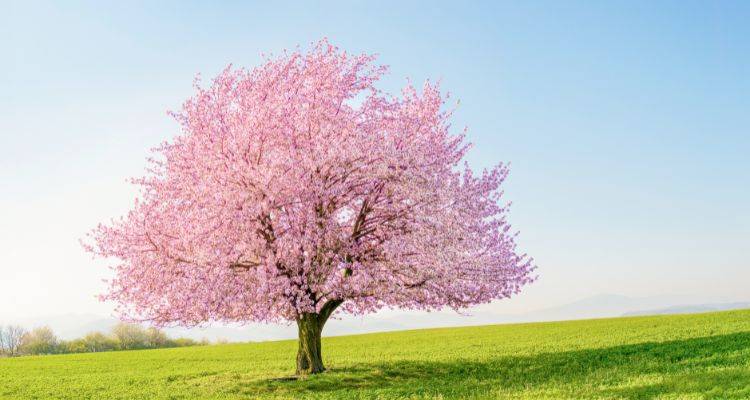
Decorative trees such as cherry blossom or maple are appreciated for their attractive foliage and flowers.
Cost: £50 to £300
Pros
- ✔ Attractive flowers and foliage.
- ✔ Greatly improve the garden's appearance.
Cons
- ✖ Limited practical use.
- ✖ May require some maintenance.
These types of trees are best for decorative gardens.
Fruit Trees Cost
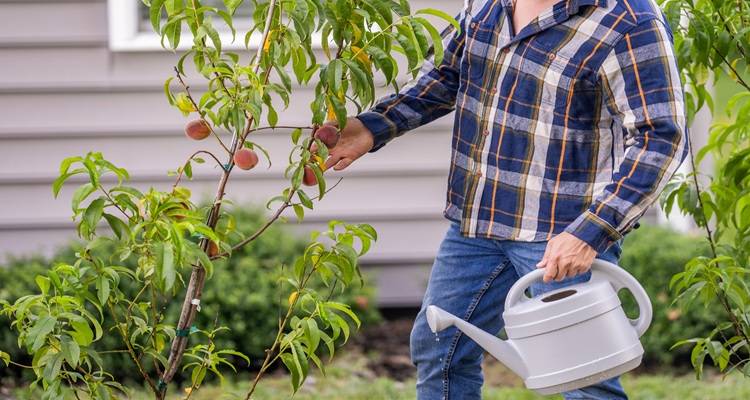
Fruit trees such as apple, pear, and plum provide edible produce and are common in gardens.
Cost: £40 to £200
Pros
- ✔ They produce edible fruits.
- ✔ Great for eco-conscious living.
Cons
- ✖ Need maintenance and pruning.
These trees are great if you are looking to create a more productive garden.
Native Trees Cost
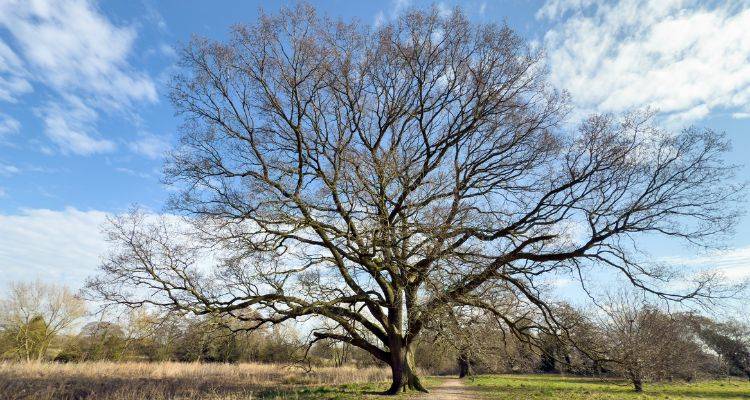
Native species such as oak, birch, or rowan tend to thrive in UK conditions and are often planted to support wildlife.
Cost: £30 to £150
Pros
- ✔ Support wildlife
- ✔ Hardy and low maintenance
Cons
- ✖ Some types may grow very large.
These trees are the perfect option for a more eco-friendly garden.
Evergreen Trees Cost
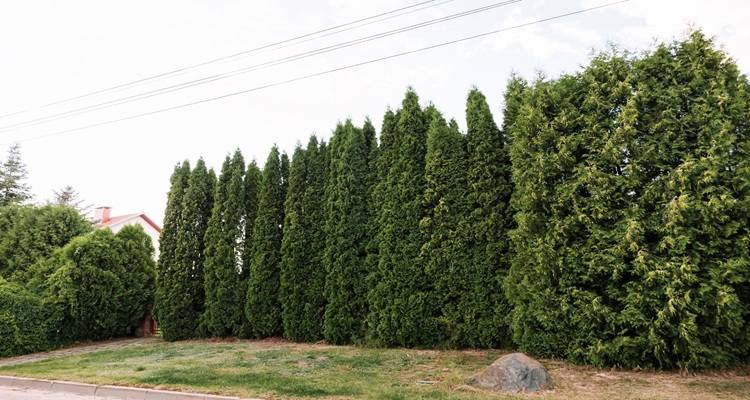
Evergreen trees provide year-round foliage and are sometimes used for screening or privacy.
Cost: £50 to £250
Pros
- ✔ Foliage all year round.
- ✔ Good for privacy.
Cons
- ✖ Can block out sunlight.
These types of trees are ideal for screening and boundaries.
Cost of Alternative Types of Garden Planting
If planting a tree is not suitable for your garden, you may wish to consider some other options. Take a look at the list below for alternatives to planting trees.
Examples include:
- Large shrubs: £20 to £100.
- Hedging plants: £5 to £30 per plant.
- Decorative garden plants: £10 to £50.
- Climbing plants on trellises: £15 to £60.
These options are often cheaper, easier to maintain, and quicker to establish.
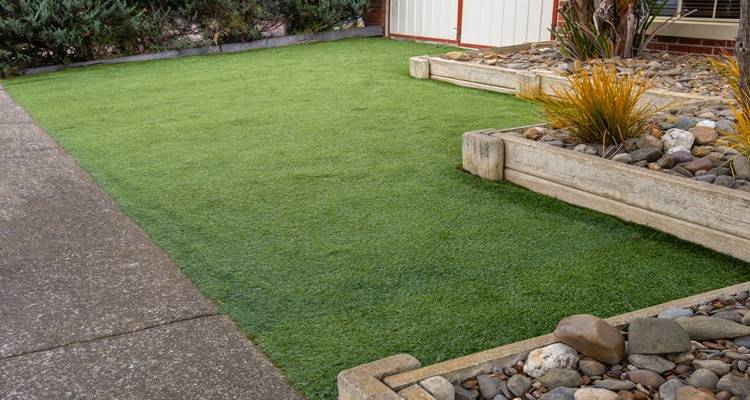
If you'd rather keep the area as lawn instead of planting a tree, laying garden turf is often a cheaper and lower-maintenance option.
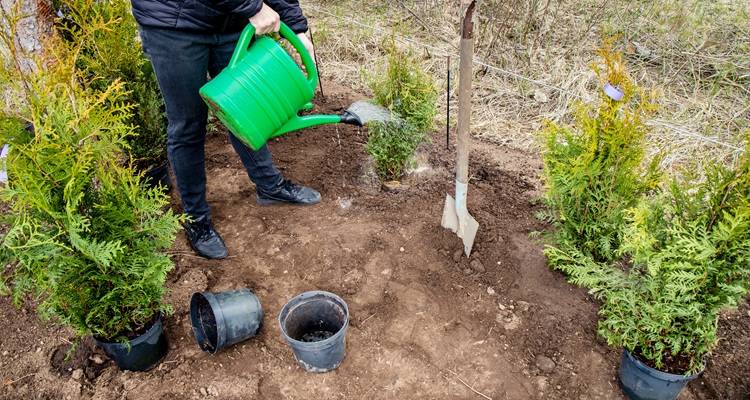
Hedging plants and shrubs are great for privacy and borders, and they pair well with garden fencing if you want a defined boundary. Decorative garden plants improve your garden's appearance and attract wildlife and insects, while climbing plants add aesthetic appeal and bring more life to your outdoor space.
Checklist: Hiring Contractors for Tree Planting in the UK
Below are the key things to check when choosing a contractor to plant your tree:
- Are they qualified and insured? A reputable gardener or tree surgeon should hold relevant horticultural qualifications and public liability insurance. This protects you if anything is damaged during the work.
- Do they have experience with the size of tree you want? Planting a mature or semi-mature tree is very different from planting a sapling, so check your tree planting service has handled similar jobs before.
- Can they handle ground preparation and access? Ask whether the gardener will dig the planting hole, improve the soil, and manage any access issues, or whether these are charged separately.
- Is waste removal included? Clarify whether clearing soil, roots, and old plants is part of the quote or an additional cost.
- Will they advise on tree placement? A good contractor should flag any issues with planting too close to buildings, fences, or drains before the work starts.
- Have you checked their reviews and references? Look at feedback from other homeowners and ask for examples of previous tree planting work.
- Have you got it in writing? Get a written quote that sets out the supplies, labour, and any aftercare, and compare a few quotes before deciding.
Working through these points helps make sure you get quality work at a fair price.
How do I plant a hedge tree? Is this easy to do or should I hire a professional? And will I need planning permission?
"You won't need planning permission for a hedge unless it's over 8ft high. You can easily do this yourself, but digging out a hole in the ground deep enough for the roots is usually 2 to 3ft deep."
FAQs
How Do I Maintain a Newly Planted Tree?
Water your tree regularly during its first year, add a layer of mulch to retain moisture, and check stakes and ties every few months. DIY aftercare costs very little beyond mulch and water, while hiring a gardener for ongoing care typically costs £50 to £150 a year.
What Size Tree Should I Choose for My Garden?
This depends on the space available and the tree's mature height and spread. Smaller trees cost less to buy and plant, and establish more easily, while larger trees cost more upfront but create an immediate impact.
Do I Need Permission to Plant a Tree?
You don't usually need planning permission to plant a tree in your garden. However, if a nearby tree has a Tree Preservation Order (TPO) or your property is in a conservation area, you may need council consent before removing or working near a protected tree. Applying for consent is normally free, but breaching a TPO can lead to a fine of up to £20,000, so it's worth checking with your local council first.
When Is the Best Time of Year to Plant a Tree?
The best time to plant most trees is during the dormant season, from late autumn to early spring. Bare-root trees, usually the cheapest option, can only be planted in this window, while container-grown trees can be planted year-round.
How Far From My House Should I Plant a Tree?
As a guide, plant a tree at least as far from your house as its expected mature height. Large species such as oak or willow need extra distance to keep their roots clear of foundations and drains, particularly on clay soil.
How Long Does a Newly Planted Tree Take to Establish?
Most trees take 1 to 3 years to establish a strong root system. Regular watering in the first 2 years makes the biggest difference, and container-grown trees often settle in slightly faster than bare-root trees.