Builders
 Carpenters
 Electricians
 Flooring Specialists
 Gardeners
 Handymen
 Heating Engineers
 Painters & Decorators
 Plasterers & Renderers
 Plumbers
 Roofers
 Tilers
 my
myElectric Oven Repair Cost
At a Glance
- The average cost to repair an electric oven is around £135 in 2026.
- Most repairs take 1 to 4 hours, depending on the fault.
- Electric oven repair costs in 2026 by fault type, parts, and labour.
- How long repairs take and what affects the final price.
- How to find a local oven repair engineer using MyJobQuote.
Get free estimates
Are you a trade? Get more work today!
An electric oven breakdown can throw your household into chaos and leave your cooking routine in disarray. Unfortunately, there are some common problems that UK homeowners can face with electric ovens, including unresponsive controls, oven not heating, broken fans, or uneven cooking.
Not only does this disrupt family mealtimes, but it can also cause worry about electrical faults with the inherent dangers they pose. So, timely repairs are needed to restore the function of your oven, but also to avoid related problems and possible replacement costs.
Luckily, many issues are repairable, such as a faulty thermostat or broken fan, and a replacement oven is not necessarily needed, saving you money and stress.
£135
Table of Contents
- How Much Is Electric Oven Repair?
- Labour Costs and Timescales for Electric Oven Repairs
- Electric Oven Repair Supply Costs
- Additional Electric Oven Repair Costs
- Cost Factors for Electric Oven Repair
- Building Regulations Related to Electric Oven Repairs
- Types of Electric Oven Repairs
- Alternative Types of Cooking Appliance Repairs
- Hiring Contractors Checklist for Electric Oven Repair
- FAQs
How Much Is Electric Oven Repair?
The average electric oven repair cost is between £70 and £200. The exact repair cost depends on the fault, the oven's age, the brand, and whether it's an integrated or freestanding model.
Local labour rates vary too, so this will affect how much you pay for oven repair. London and the Southeast are more expensive, while northern parts of England and rural locations are cheaper.
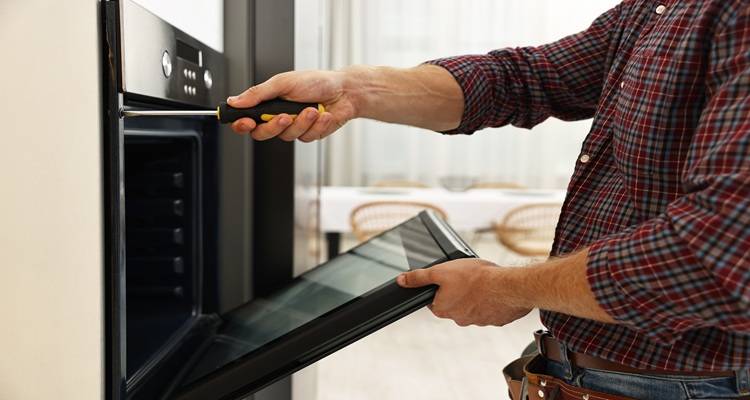
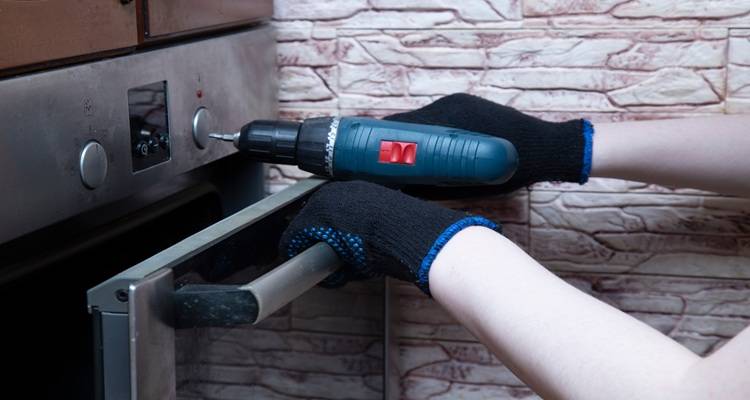
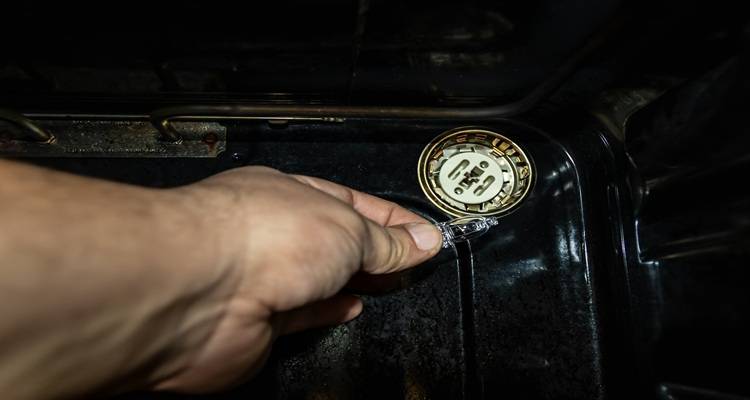
On occasion, a DIY repair is possible. For example, replacing the door seal or bulb is relatively straightforward. However, if you're not comfortable dealing with electrics, it's better to call a qualified professional for anything more complicated.
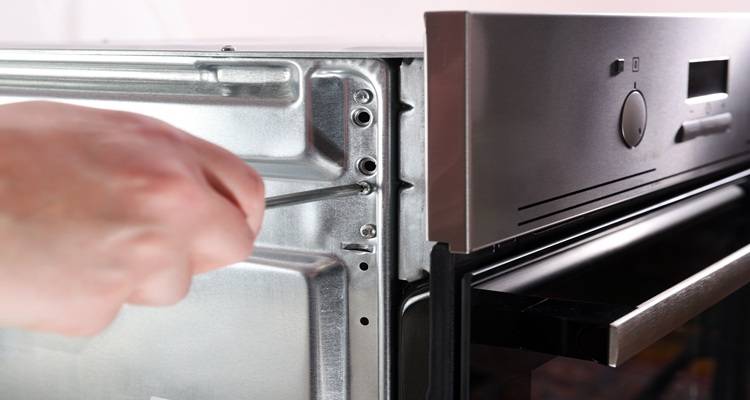
More complex repairs should be done by an appliance repair engineer for safety reasons and to ensure the oven's continued functionality. A registered electrician is also required if any wiring is involved.
Electric Oven Repair Prices
| Fault type | Average price range | Estimated duration |
|---|---|---|
| Oven element | £80–£170 | 30 to 60 minutes |
| Thermostat | £50–£160 | 1 to 2 hours |
| Oven fan motor | £75–£200 | 45 to 60 minutes |
| Control panel | £150–£300 | 1 to 2 hours |
| Electrical fault | £80–£130 | 1 to 4 hours |
| Door seal | £40–£80 | 20 to 30 minutes |
| Bulb | £30–£50 | 5 to 15 minutes |
Want a custom price?
Post your job
Prices will vary depending on several factors such as your location and the corresponding local labour rates, the type of oven, and the availability of parts.
Labour Costs and Timescales for Electric Oven Repairs
Labour makes up a large share of the repair cost. Electricians in the UK charge around £45 to £75 an hour, or £150 to £400 a day. An appliance repair engineer charges around £40 to £80 an hour, usually working to a fixed or per-job price rather than a day rate.
| Labour type | Typical rate |
|---|---|
| Electrician (hourly) | £45–£75 |
| Electrician (day rate) | £150–£400 |
| Appliance repair engineer (hourly) | £40–£80 |
Want a custom price?
Post your job
Location is a major factor, with London the most expensive, followed by large cities such as Glasgow. Rates can be around 30% higher in the capital than in the northeast.
Simple jobs are often done in an hour or less, while complex diagnostics or part replacements can take 2 to 3 hours and may need a return visit. Emergency, evening, or weekend call-outs cost more than a pre-booked daytime visit.
Electric Oven Repair Supply Costs
The price of materials to repair an electric oven makes up around 30% to 50% of the final repair cost. So, it's important to get an idea of how much the parts will cost so that you can budget effectively.
| Part | Average supply cost |
|---|---|
| Heating element | £15–£30 |
| Thermostat | £15–£70 |
| Fan and motor | £20–£45 |
| Control board | £120–£200 |
| Door seal | £10–£30 |
Want a custom price?
Post your job
Heating Elements
An electric oven heating element costs between £15 and £30 on average. The make and model of the oven affects the price, so check the model number (usually on the door frame or the back of the appliance) before you buy. For a full breakdown, see our cooker element replacement cost guide.
Thermostats
The price of an electric oven thermostat is approximately £15 to £70, depending on the brand and model. Budget or universal thermostats sit at the lower end at £15 to £25, brand-specific units cost £20 to £40, and specialised thermostats are the most expensive at £40 to £70 or more.
Fans and Motors
Electric oven fans ensure that food is cooked evenly by circulating the heat inside the compartment. Unevenly cooked food is a sign that the fan is not working. A new fan and motor will cost between £20 and £45, although some expensive brands will cost more to replace.
Control Boards
The control board manages the essential functions of an electric oven, including the heating controls. If it has to be replaced, prices are on average between £120 and £200 for common models. However, some high-end brands can cost over £700.
Door Seals
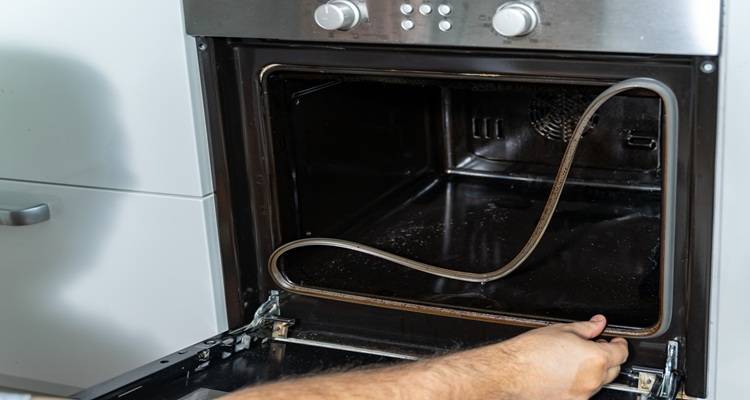
Faulty door seals allow heat to escape from the oven, meaning food won't cook evenly. The average price for a new door seal for an electric oven is between £10 and £30. Higher-end brands may cost slightly more at around £50.
In each case, generic parts rather than branded ones will cost less. However, you should use those which are recommended by the manufacturer. While they may cost more, they are specifically made for your oven, compatible, and likely to last longer. Genuine parts can be sourced from manufacturers' websites, appliance part suppliers, or other online sources.
Additional Electric Oven Repair Costs
In addition to the parts and labour that make up the price of an electric oven repair, there are other costs to consider. Among them are call-out and diagnostic fees, safety checks, rewiring, or the need to replace more than one part. Access to built-in ovens is another often overlooked extra expense.
Emergency Call-Out Fees
Fees range from around £80 to £150 for Monday to Friday call-outs and £150 to £200 for weekends. This price typically covers the first hour of labour, including any preliminary assessment or fault-finding for your oven.
Diagnostic Inspections
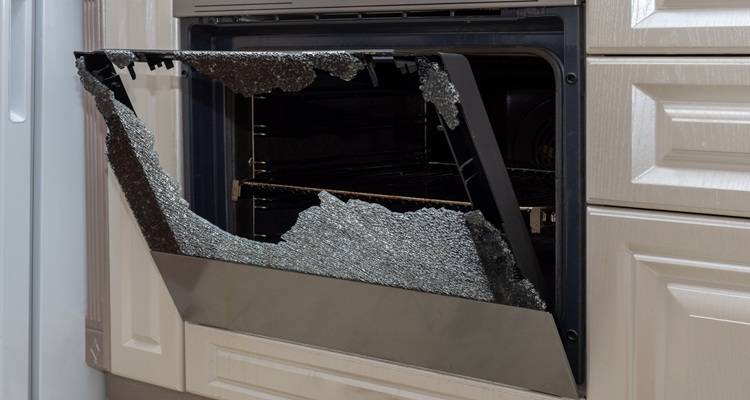
The initial assessment may not uncover the problem with your oven when there's an intermittent fault. In these cases, a more detailed diagnostic inspection is needed, and this adds to the final cost depending on how long it takes and the extent of the problem. Prices range from £80 to over £150.
Replacing Multiple Parts
It's possible that when an electric oven develops a fault, more than one component may need to be replaced or repaired. The cost to fit or fix additional parts will depend on how many are needed, their function, and how complex the repair or installation is.
Access Difficulties for Built-In Ovens
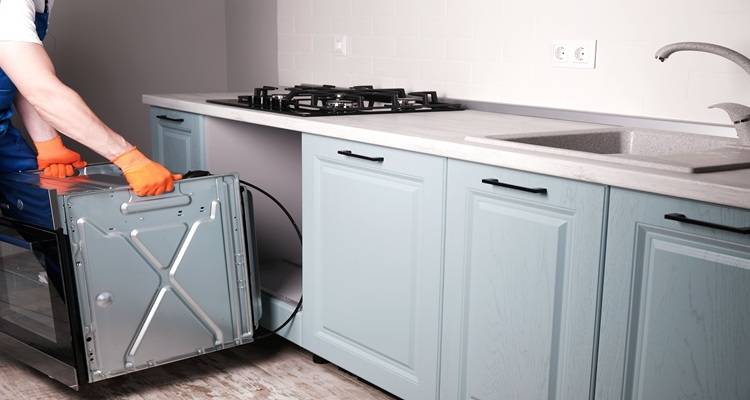
Gaining access to the oven is more difficult when it's built into the cabinetry of the kitchen rather than freestanding. The need to remove the oven will add to the labour costs and the time it takes to carry out the repair.
Rewiring or Safety Checks
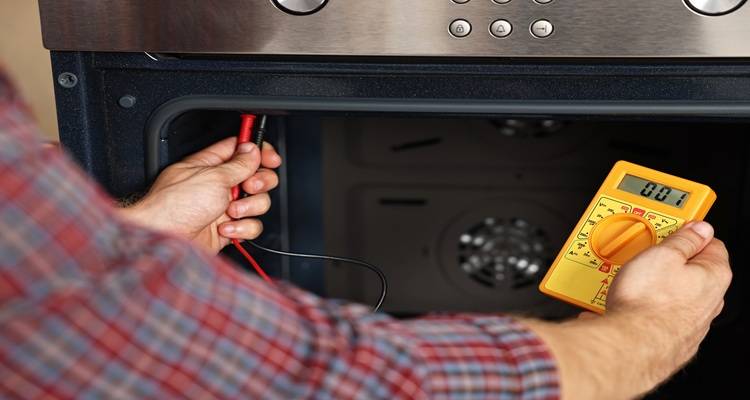
Electricians will carry out technical checks, including earth continuity tests, insulation resistance tests, polarity checks, and Residual Current Device (RCD) checks, on an oven that is faulty. All are key to ensuring the safety of the appliance. Rewiring may be necessary, particularly if the existing cabling is dated. These checks and tests add to the repair cost.
Cost Factors for Electric Oven Repair
Several things affect the final cost of an electric oven repair. The main ones to budget for are:
- Type and Severity of the Fault — A simple fix such as a door seal is quick and cheap, while a complex job like a control board replacement takes longer and costs more in labour.
- Age and Brand of the Oven — Older models can be harder to source parts for, and premium brands use pricier components. When a repair tops 50% of the price of a new oven, it's usually not worth repairing and replacement is the better option.
- Availability of Spare Parts — Readily available parts mean a faster, cheaper repair. Parts for discontinued models can be hard to find, leaving the oven out of action for longer and adding to the cost.
- Integrated or Freestanding Design — A freestanding oven or range cooker is easy to reach, while an integrated one often has to be removed from its cabinetry, which adds labour time.
- Original or Aftermarket Parts — Genuine manufacturer parts cost more than generic equivalents, but they fit correctly and tend to last longer.
- Type of Professional Hired — An appliance repair engineer is often cheaper than a registered electrician, though any home wiring involved still needs to be handled by a registered electrician.
- Your Location — Repairs in London can be 20% to 30% more than in Wales, Scotland, or the north of England, partly due to higher overheads and charges such as ULEZ and parking. Rural areas are not always cheaper, as longer travel and fewer local options can push the price up.
- Urgency of the Repair — Emergency, evening, or weekend call-outs cost more than a pre-booked daytime visit, and rushing a part delivery can add to the bill.
Building Regulations Related to Electric Oven Repairs
Part P of the Building Regulations covers electrical work in homes in England and Wales. And even though an electric oven repair is not considered notifiable work under Building Regs, a registered electrician should carry out any work that involves the home's wiring, such as installing a new cooker circuit.
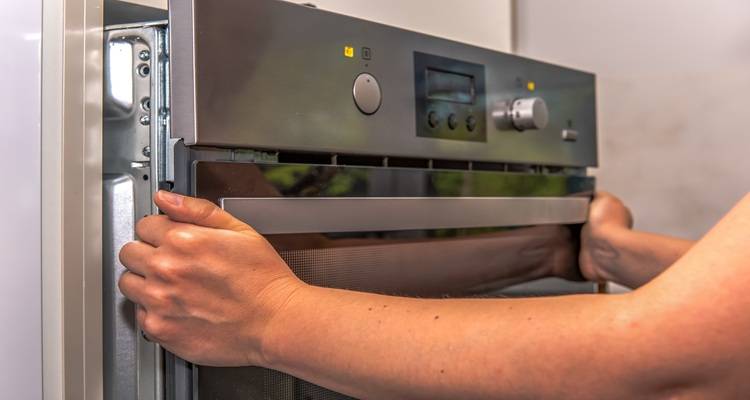
If you plan to install a new circuit or a consumer unit replacement, the work has to be notified to building control. A registered electrician can certify the work, or building control will need to sign it off.
Types of Electric Oven Repairs
A few common faults stop an electric oven working properly. Knowing the signs helps you pin down the cause and get the right repair booked quickly.
Heating Element Replacement
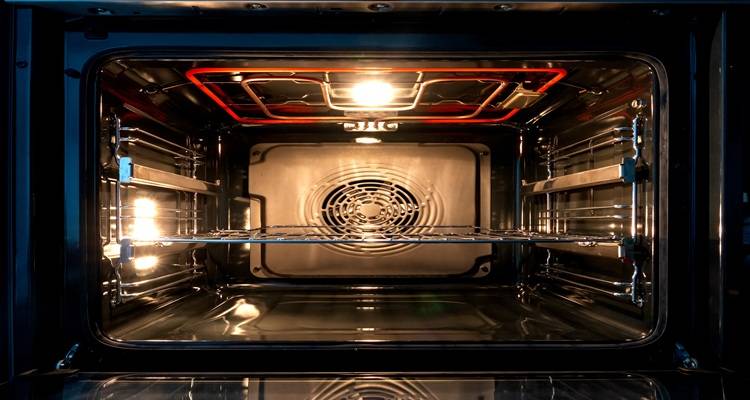
A faulty heating element is the most common cause of an oven that won't heat. Signs include no heat, slow heating, unevenly cooked food, a burning smell, or the oven tripping the circuit breaker. If the element is visible, look for warping, breaks or burn marks, or a failure to glow red or orange when the oven is switched on. The fix is to replace the element.
Thermostat Repair
A broken thermostat is the likely cause if your oven burns food or won't cook at all. Other signs are a temperature that doesn't change when you adjust it, very long pre-heating times, an indicator light that stays on or won't come on, and a missing clicking sound when you turn the control knob. Odd smells or smoke can point to overheating. The fix is to replace the thermostat.
Fan Motor Replacement
A failing fan motor shows up as a fan that doesn't move or spins slowly, grinding or buzzing noises, and slow heating. Food is often burnt at the back because the heat is distributed unevenly, and the fan can feel stiff to turn by hand. The impeller and motor are a single unit, so the fix is to replace them together.
Control Panel or Timer Fix
A control panel or timer fault usually shows on the display, which can go blank, dim, show garbled characters, or become unresponsive. The oven itself may lose heat or run at fluctuating temperatures, and the timer may fail or beep at random. Some models also show error codes, so check your manual for what they mean. This is a job for a qualified electrician or appliance repair engineer, who may fit a new control board or repair failed capacitors and damaged relays.
Door Hinge or Seal Replacement
A worn door seal or hinge stops the oven door sealing properly and lets heat escape. A failing seal shows cracking, burn marks, or flattened corners. To test it, shut the door on a sheet of paper and pull, and if it slides out easily the seal has gone. A faulty hinge makes the door sit unevenly, fail to close, or grind when opening and closing, and it may feel loose or won't stay slightly open. The fix is to replace the affected seal or hinge.
Ask a Trade
Got a question that only a tradesperson can answer? We have thousands of trades ready to answer any question you may have.
Ask your question

Alternative Types of Cooking Appliance Repairs
If there's no viable electric oven repair solution for your particular fault, you'll have to consider the alternatives.
Replacing the Oven
Installing a new oven is a common option in these situations. Often, an electric oven has just worn out due to years of use and needs to be replaced, especially if the cost to repair the existing oven is high.
Switching to Gas or Induction Appliances
Making a change to a gas oven is possible as long as you are connected to the gas grid, as 80 to 85% of households are. A dedicated gas line to the kitchen is needed and may already be present. The oven should be installed by a Gas Safe-registered engineer.
Running costs of a gas oven are cheaper than those of an electric one, although the purchase price for both is similar.
Replacing an electric oven gives you the chance to upgrade. You could choose to install an induction hob with its instant responsiveness, rapid boiling times, and surfaces that are cool to the touch. Most induction ranges feature a traditional, electric oven.
The price of an induction hob will vary depending on the brand and model you buy, but they are generally more expensive than standard electric or gas hobs. You may also have to purchase new pans as they need a magnetic base to work. Induction hobs are highly efficient and may save you money on your electricity bill, depending on levels of use.
Using an Air Fryer
Air fryers are currently very popular. They are a healthy choice as they cook food without using oil or fat. Obviously, there are some things you can't cook with an air fryer that you would normally use an oven for, such as pizza, but for the most part, it's a good substitute.
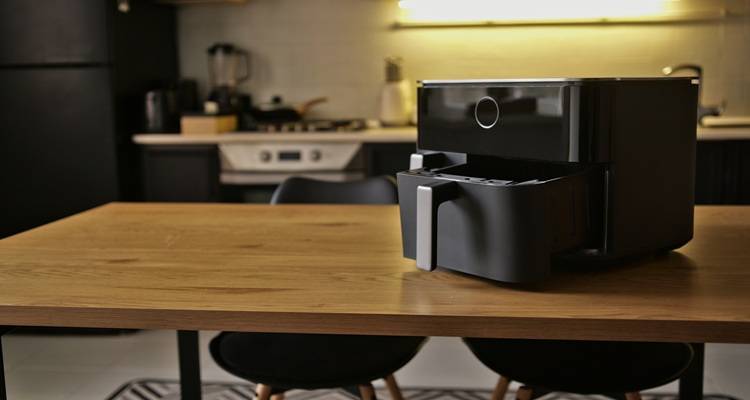
The cost of an air fryer is dependent on the brand you buy, and one can be purchased for between £30 and £270. According to Uswitch, using an air fryer is cheaper than running an electric oven as it uses less electricity, cooks at lower temperatures and in a faster time.
Swap to a Toaster Oven
Toaster ovens are very popular in the US and France, offering all the same functions as a full-size oven but in a compact unit that fits on your worktop. They can be used for roasting, baking, and grilling.
A toaster oven costs from £20 to over £150, depending on the make you choose, and running costs are cut in half compared to a full-size oven. However, they are more suitable for one or two people and not for families or larger households.
Hiring Contractors Checklist for Electric Oven Repair
Asking the right questions before you book makes hiring easier and helps you find a qualified professional to repair your oven safely. Run through this checklist:
- Is the engineer qualified and insured? — Most oven repairs can be handled by an appliance repair engineer with Public Liability Insurance, but any wiring work requires a registered electrician. You can confirm registration on the Registered Competent Person Electrical website.
- Are they familiar with your oven brand and model? — An engineer who knows your make and model can diagnose fault codes and fix the problem more quickly.
- Do they charge a call-out fee? — Emergency, evening, or weekend visits usually carry a fee, while a pre-booked daytime appointment often does not.
- Do they offer a fixed quote or an hourly rate? — A fixed quote covers the whole job, while an hourly rate charges for time on site. Knowing which applies helps you budget.
- Are spare parts included in the quote? — A door seal is cheap, but a control board can run to hundreds of pounds, so check what the price covers before you agree.
- Do they offer a warranty on the repair? — Check whether your repairer offers a guarantee that covers both the parts and the labour. Ask exactly what is covered and for how long.
FAQs
Can I Repair My Electric Oven Myself?
If the problem with your oven is a simple one, like needing a new bulb or door seal, this is a relatively easy repair. Experienced DIYers can replace a faulty sensor or heating element. However, anything that involves the complex electrics of the oven should be left to an appliance repair engineer or a registered electrician if the wiring in your home is involved.
How Do I Know if My Oven Needs a New Element or Thermostat?
Signs of a problem with the heating element include the oven not heating, food cooking unevenly, or visible damage on the element. You may notice the fan runs, but there is no heat.
Problems with a thermostat produce issues like the oven getting too hot compared to the control setting, not heating at all, or the indicator light doesn't turn on or remains on all the time.
What if My Oven Trips the Electricity?
When an oven trips the electricity, it can indicate one of a number of issues, including a faulty element, a problem with the oven's wiring, an overloaded circuit, an overheating component, or a malfunctioning thermostat. Isolate the oven's power supply and call an electrician to diagnose the fault.
Is It Cheaper to Repair or Replace an Electric Oven?
If the electric oven repair cost is more than 50% of the price of a new oven, the repair doesn't make economic sense. In this case, buying a replacement oven is a better option.
How Long Do Electric Ovens Usually Last?
An electric oven can last a long time with good maintenance and careful use. The brand and build quality will also affect the oven's lifespan and how long it's likely to keep working.
Who Can Repair an Electric Oven?
An appliance repair engineer or specialist can handle most common faults, such as a heating element, fan motor, or door seal. Anything involving your home's wiring or a new circuit should be done by a registered electrician.
Is It Safe to Use an Electric Oven with a Fault?
It's best not to. A fault that trips the electricity, produces a burning smell, or causes sparking could point to a wiring or component problem that may be a fire or shock risk. Isolate the power at the cooker switch or consumer unit and arrange a repair before using the oven again.
Does Home Insurance Cover Electric Oven Repairs?
Standard home insurance usually covers sudden damage, such as a fire or an electrical surge, but not general wear and tear or breakdown. Appliance breakdown may be covered if you have home emergency cover, an extended warranty, or a separate appliance plan, so it's worth checking your policy before you book.
How Do I Find a Local Electric Oven Repair Specialist?
Look for a registered electrician or appliance repair specialist with good reviews and the right credentials for electrical work. You can post your job on MyJobQuote to compare quotes from appliance repair engineers near you for free.