Builders
 Carpenters
 Electricians
 Flooring Specialists
 Gardeners
 Handymen
 Heating Engineers
 Painters & Decorators
 Plasterers & Renderers
 Plumbers
 Roofers
 Tilers
 my
myOven Element Replacement Cost
At a Glance
- The average cost of an oven heating element replacement is between £80 and £170 in 2026, depending on the type of element, the brand, and the model.
- A fan oven element replacement typically takes less than an hour, while a base element could take 1 to 2 hours due to its concealed position beneath the oven floor.
- A full breakdown of oven element replacement costs in the UK, including labour rates, supply prices, and additional charges.
- How long the work takes and what factors affect the price, from the type of electric oven to your location.
- How to find and hire a local electrician for a cooker element replacement using MyJobQuote.
Get free estimates
Are you a trade? Get more work today!
Looking to find out how much it costs to replace an oven heating element?
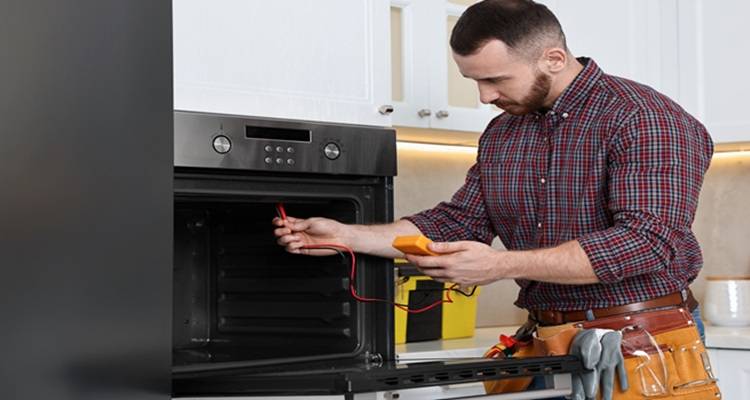
An oven heating element replacement costs between £80 and £170 in the UK, depending on the type of element, your oven's brand and model, and whether you hire an appliance repair technician or an electrician. The job typically takes 1 to 2 hours, and most elements are designed to be swapped out without replacing the entire oven.
In this guide, we will cover the full cost breakdown for cooker element replacement, including supply prices for fan, grill, and base elements, labour rates and timescales, additional charges you could face, and how to hire a local electrician through MyJobQuote.
So, if you want to know how much it costs to replace a cooker element, keep reading.
£125
Table of Contents
- How Much Is Cooker Element Replacement?
- Labour Costs and Timescales for Cooker Element Replacement
- Cooker Element Supply Costs
- Additional Costs
- Cost Factors for Cooker Element Replacement
- Building Regulations Related to Cooker Element Replacement
- Types of Cooker Element Replacements
- Alternative Types of Repairs or Upgrades
- Hiring Contractors Checklist for Cooker Element Replacement
- Removing a Cooker or Element
- FAQs
How Much Is Cooker Element Replacement?
The average cost for an oven heating element replacement is between £80 and £170, including parts and labour. The brand and model of your cooker, the type of element needed, and whether the oven is freestanding or integrated all affect the final price.
The type of element to be replaced and the amount of work required to fit it all add to the cost. Some heating elements are easily accessed, while others are trickier to remove.
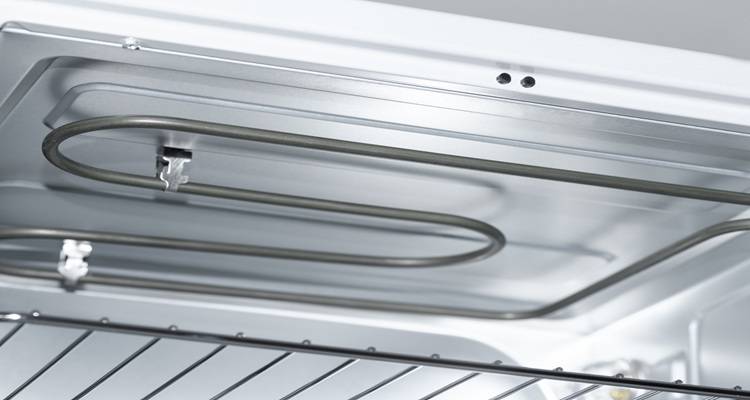
In general, however, the part is designed to be replaced and can often be done in a matter of minutes.
Cooker Element Replacement Prices
Understanding the differences between various ovens is useful, especially when you are encountering a problem. This knowledge can help you identify which element is faulty and get your oven up and running again.
| Cooker type | Type of element | Replacement price range | Notes |
|---|---|---|---|
| Conventional single oven | Top and base elements | £80–£130 | The base element is located under the metal oven floor panel |
| Double oven | Ring, grill and bake elements | £100–£200 | May have 3 to 4 heating elements, depending on model |
| Built-in oven | Circular/ring element, top element, base element, dual elements | £80–£170 | Some built-in ovens may have to be removed to replace an element |
| Fan-assisted oven | Top, base and circular/ring element | £80–£130 | May have one circular ring element or additional top & base elements |
Want a custom price?
Post your job
A conventional single oven uses both top and bottom heating elements. The upper element is often used as a grill and provides top-down heat. Meanwhile, the bottom element is the primary heat source and usually concealed beneath the floor of the oven.
If your grill is still functioning but the oven fails to reach its set temperature, the bottom element is likely the problem. Diagnosing the fault in a single, conventional oven is easier than in a double oven, which is more complex.
Double ovens feature two compartments in a single unit. They can be used independently at different temperatures or simultaneously, if you need to cook a lot of food at once for special occasions.
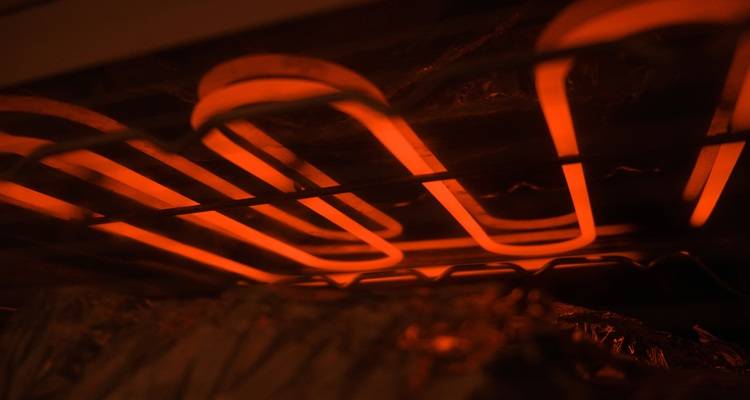
Conventional double ovens have top and bottom elements, while a fan oven will also contain a circular, convection element in the back of the compartment. Therefore, you may have between four and six heating elements in total. Diagnosing faults in these ovens can be harder and more time-consuming, increasing the repair price.
A built-in oven often needs to be taken out of the cabinetry housing to carry out repairs, adding to the labour costs and timeframe. Other components, such as the circular element in the rear of the oven, can be replaced just by removing the oven door.
True fan ovens have a ring element around the fan, which circulates the heat to evenly cook food. Multi-function ovens feature top and base heating elements as well as the circular element.
The cost of replacing an element in a multi-function oven can vary depending on which one is faulty. The fan and grill elements are easier to access in most cases than the bottom element.
Labour Costs and Timescales for Cooker Element Replacement
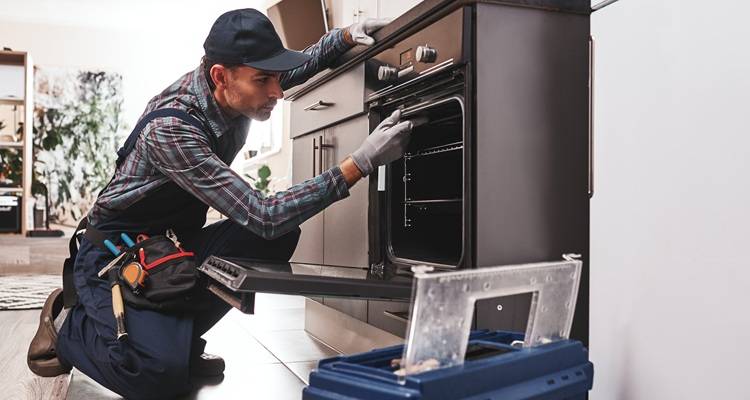
The average labour cost for an oven heating element replacement is between £40 and £80 per hour for an appliance repair technician, or £30 to £70 per hour for an electrician. Most replacements take 1 to 2 hours.
| Professional | Hourly Rate | Typical Duration |
|---|---|---|
| Appliance repair technician | £40–£80 | 1 to 2 hours |
| Electrician (national average) | £30–£70 | 1 to 2 hours |
| Electrician (London and southeast) | £50–£70 | 1 to 2 hours |
Want a custom price?
Post your job
Your location is one of the biggest factors affecting the labour cost. London and the southeast typically have the highest rates due to greater demand and higher overheads. Integrated ovens also cost more to work on because the appliance may need to be removed from its housing first.
Cooker Element Supply Costs
The supply cost for a replacement oven element ranges from £10 for a compatible part to over £100 for a premium brand-specific component. The table below shows what you could expect to pay for each type of element.
| Element Type | Compatible Part | Genuine/Branded Part | Premium Brands |
|---|---|---|---|
| Fan oven element | £10–£15 | Up to £25 | Up to £100 (for example, Miele) |
| Grill element | £10–£20 | £25–£45 | £80+ (for example, Smeg) |
| Bottom/base element | £10–£15 | £25–£45 | Up to £70 (for example, Neff) |
| Thermostat | £15–£25 | £25–£45 | £70+ (for example, Lacanche) |
| Control board | – | £120–£220 | Varies by manufacturer |
Want a custom price?
Post your job
Fan Oven Element Cost
A fan oven element is a circular heating coil that sits behind the rear panel of the oven and works with the fan to distribute heat evenly. Compatible replacements cost £10 to £15, genuine manufacturer parts run up to £25, and premium brands such as Miele could charge close to £100.
Grill Element Cost
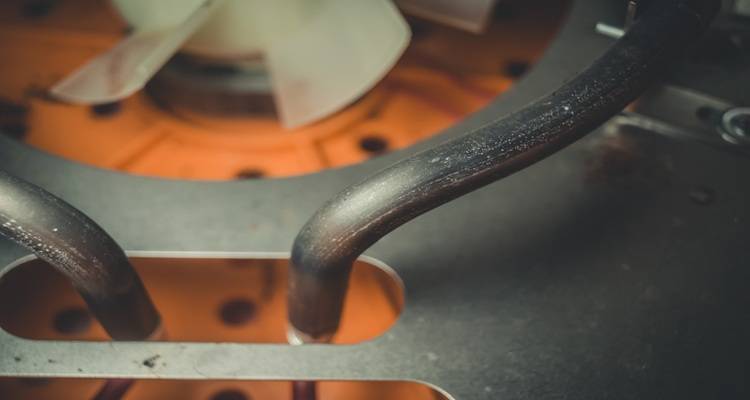
A grill element is fitted at the top of the oven compartment, providing intense, direct heat for grilling and browning food. Compatible grill elements cost £10 to £20, while brand-specific parts from manufacturers such as Smeg could cost £80 or more.
Bottom/Base Element Cost
The base element is the primary heat source in most ovens, located beneath the metal oven floor and used for baking and roasting. A compatible replacement costs £10 to £15, branded parts from Whirlpool or Hotpoint range from £25 to £45, and high-end brands such as Neff could charge up to £70.
Thermostat Cost
The thermostat regulates the temperature inside the oven, and a faulty one could cause the element itself to fail through overheating. Universal thermostats cost £15 to £25, branded models from manufacturers such as Bosch range from £25 to £45, and premium brands such as Lacanche charge £70 or more.
Control Board Cost
A faulty heating element could damage the oven's control board through an electrical surge, significantly increasing the overall repair cost. Control board replacements typically range from £120 to £220 for brands such as AEG, Smeg, and Siemens. If the total repair cost exceeds 50% of a new oven's price, replacement is often the better option.
Additional Costs
In addition to the parts and labour expense, you will often incur extra costs when you need to replace a cooker element. Some you may anticipate, but others can be a surprise. Let's take a look at some common things that you may not automatically think to budget for.
Emergency or Same-Day Call-Out Charges
Breakdowns have a habit of occurring at the most inconvenient times. Whether it's your car, dishwasher, or oven, it may be necessary to call out a repair engineer or electrician as an emergency or for a same-day repair.
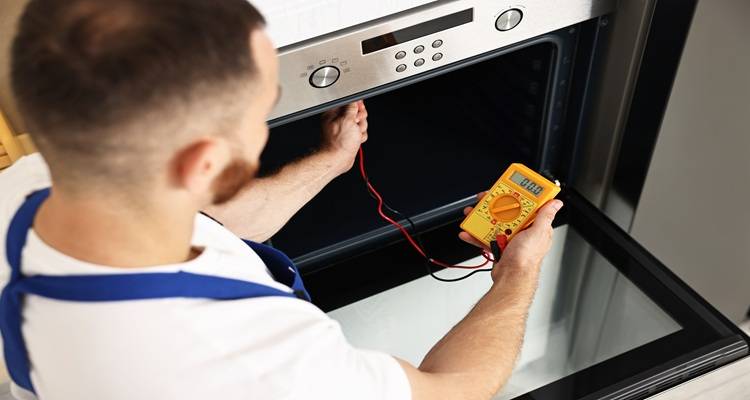
An emergency call-out offers 24/7 coverage, and as a result, you'll pay a premium for the service, in the region of £80 to £180 depending on where you live. London prices are higher than in other parts of the UK, often starting at £150.
Same-day call-outs are not exactly cheap, but cost less than an emergency call-out. They are not as urgent as an emergency call-out, but you'll still pay between £80 and £150. This price typically includes the first hour of work, such as diagnostics.
Multiple Part Replacements
Other components such as the thermostat or control board could also be faulty, increasing the total repair cost. A thermostat adds £15 to £70 to the total oven repair cost, while a control board could add £120 to £220.
If dated wiring is discovered during the inspection, a rewire may also be necessary, which significantly increases the overall cost.
Costs for Appliance Inspection or Diagnosis
A diagnostic visit costs between £50 and £120, but most electricians include the first hour of inspection in their call-out fee. Where the repair engineer has to order the part and return at a later date to install it, the two visits will be charged separately, in most cases.
Removal/Disposal of Old Parts
As electricians have to dispose of trade waste at licensed sites, they may charge to get rid of your old parts, such as the faulty heating element. This will either be included in your quote or be billed separately, while some tradespeople will incorporate it into their service. Waste Electrical and Electronic Equipment (WEEE) must be disposed of correctly.
Cost Factors for Cooker Element Replacement
Several factors affect the cost of replacing an electric cooker element, including the brand and model, the availability of the part, and whether your oven is built-in or freestanding.
Type of Oven and Element
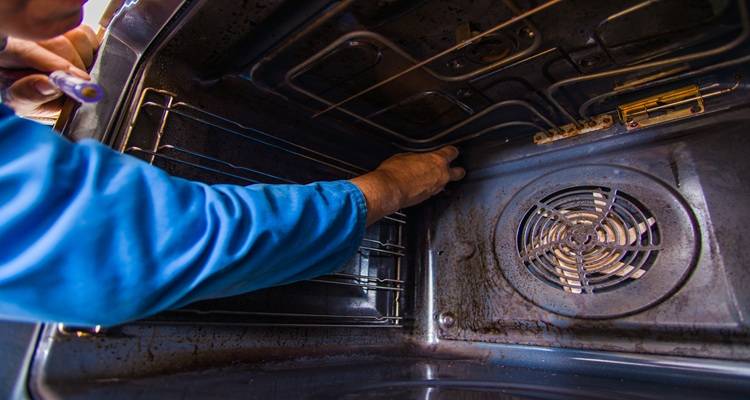
The cost of an oven heating element replacement varies significantly by make and model. High-end brands such as Miele, Neff, and Smeg cost more to repair because their parts are more expensive and often brand-specific.
Brand and Availability of Parts
Many ovens are compatible with generalised elements, making it easier and cheaper to replace this vital part.
However, most manufacturers recommend using genuine parts during repairs. While this may cost more initially, the part has better long-term value as it is made to original specifications, ensuring a perfect fit.
Regional Labour Rates
Labour rates for oven repairs are highest in London and the southeast, where electricians could charge £50 to £70 per hour compared to £30 to £45 in the north of England.
Higher living costs, greater demand, and overheads such as parking and congestion charges all contribute to the increased labour costs in these areas.
Freestanding or Integrated Cooker
The cooker element in a freestanding appliance is easier and quicker to access and replace than an integrated model. The extra work needed to remove it from its housing and get to the heating element in a built-in oven pushes the cost of repair up.
Building Regulations Related to Cooker Element Replacement
Cooker element replacement is classed as a repair and not building work, so it doesn't require Building Regulations approval. However, if other work is carried out as part of the repair, including installing a new cooker circuit, it will become necessary.
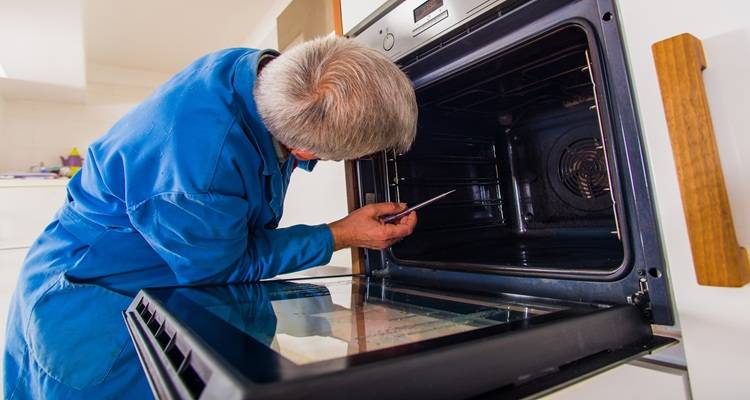
If you just want to replace a cooker element with no additional electrical work, it is something you can do yourself with care. The most important part is to make sure that you isolate the oven from the electricity supply during the repair.
Types of Cooker Element Replacements
Below you will find descriptions of the different types of cooker elements, how they function and which type of appliance they are typically found in.
Fan Oven Element
A fan oven has a circular element located in the rear of the oven, which sits around the fan. Together, they distribute heat evenly throughout the oven.
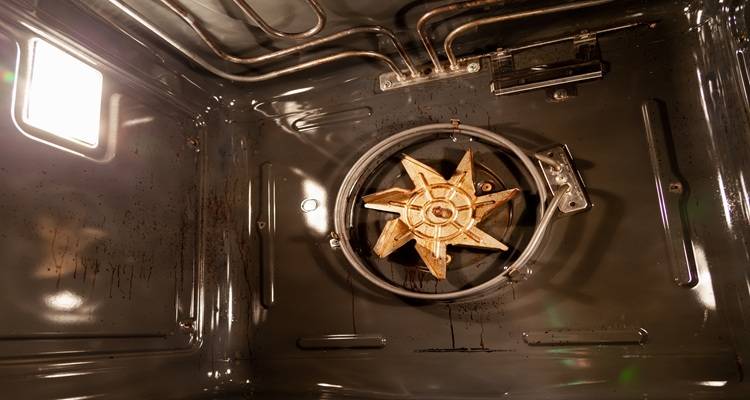
It should not be confused with a fan-assisted oven, which has top and bottom elements and a fan which blows the heat around but doesn't have a circular element. Only true fan ovens and multi-function ovens feature this type of round heating element.
Pros
- ✔ Provides even heat distribution
- ✔ Reduces cooking times by about 25%
- ✔ Faster pre-heating
- ✔ Energy efficient, as they use lower temperatures than conventional ovens
Cons
- ✖ Noisier in operation.
- ✖ Baked items may be drier than when cooked in a conventional oven.
Top (Grill) Element
The top element in an oven is often used for its grill function as well as providing top-down heat. As the name suggests, it's fitted to the top of the oven compartment and works in conjunction with a base element and often a fan element to cook food. All ovens, apart from true fan ovens, have a top/grill element.
Pros
- ✔ Contributes to the overall heat production of the oven.
- ✔ Works as a grill for browning food.
- ✔ Easy to access for repair.
Cons
- ✖ On its own, a top element is not sufficient to heat the whole oven.
- ✖ Grease and fat can accumulate on the top element, causing smoking.
Base Element
The bottom or base element in an oven is located beneath the oven's metal floor. It is the primary heat source for roasting, baking, and crisping the underside of foods such as pizza or pastries. This element is also used for the self-clean function in many ovens. All ovens except true fan ovens have a base element.
Pros
- ✔ It's the main source of heat.
- ✔ Provides gentle radiant heat for cooking, baking, and roasting.
- ✔ Plays an important role in the oven's self-cleaning function.
Cons
- ✖ Difficult to access for repair.
- ✖ Higher risk of wear and tear as the oven's primary heat source.
Circular Elements
A circular element is typically fitted around the fan of a fan oven in the rear wall of the compartment. The heat it generates is blown around the interior of the oven to evenly cook food. It is found in fan ovens and multifunction ovens, where it combines with top and bottom elements.
Pros
- ✔ Easy to locate and remove.
- ✔ Provides evenly distributed heat.
- ✔ Offers faster cooking times.
Cons
- ✖ High risk of damage due to constant expansion and contraction at high temperatures.
- ✖ Can dry out certain foods, such as cakes.
Dual or Multi-Function Heating Elements
Dual or multi-function elements take the essence of a conventional oven with its top and bottom heating elements and combine it with the added efficiency of a fan oven and its own circular element. The combination of these three elements provides a multi-function oven with a wide range of applications.
Pros
- ✔ Adapts to all types of cooking, such as roasting, baking, and crisping
- ✔ Rapid pre-heating
- ✔ Even heat distribution
Cons
- ✖ More components mean a greater risk of part failure.
- ✖ Higher purchase cost compared to a conventional oven.
Alternative Types of Repairs or Upgrades
A dated oven or one which frequently develops faults can end up costing you a lot in repairs. Or you could replace it. So, what are your options?
Replacing the Entire Oven
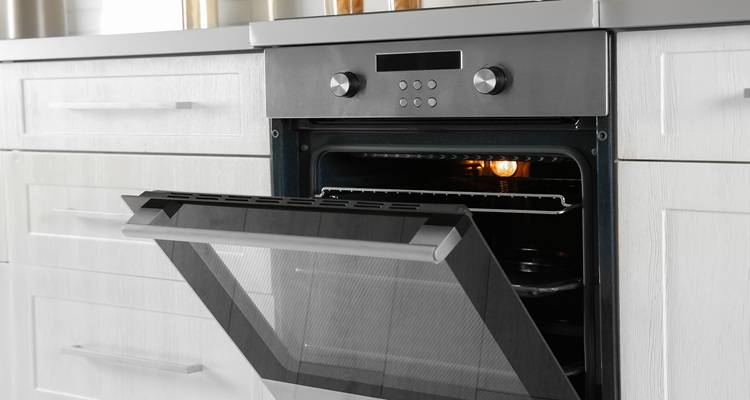
In general, if the cost of fixing your oven is more than half the price of a replacement, it's not economically sensible to repair it. However, it's best to keep the appliance running for as long as possible if the repair is cheap, straightforward, and parts are still readily available for your model.
Upgrading to a More Energy-Efficient or Modern Cooker
When it's not economically viable to repair your oven or safety becomes an issue, you can take the opportunity to upgrade to a modern cooker.
An induction hob is fast, energy-efficient, and easy to keep clean, while a retro range cooker offers a classic farmhouse look. A double oven increases your cooking capacity and is a great option for large families.
Installing a Separate Grill Unit or Multi-Function Oven
Rather than fitting a new oven, you could instead have a separate grill unit or even a toaster oven which sits on your worktop, ideal for single people or couples.
If you have a large family, a multi-function oven combines the top and bottom elements of a conventional oven with a fan element for maximum cooking versatility.
Comparing Gas and Electric Options
Of course, you could always swap your electric cooker for a gas alternative. Or like many people, enjoy the responsiveness of a gas hob and the convenience of a modern electric oven.
There are lots of options, from separate units to a combined appliance with dual fuel configuration.
Ask a Trade
Got a question that only a tradesperson can answer? We have thousands of trades ready to answer any question you may have.
Ask your question

Hiring Contractors Checklist for Cooker Element Replacement
Before hiring an electrician or appliance repair technician for your oven element replacement, make sure you cover the following:
- Experience —Check that the contractor has specific experience with electric ovens and your oven's brand.
- Qualifications —Verify their electrical qualifications through the Registered Competent Person Electrical website, Electrotechnical Certification Scheme (ECS), NICEIC, or NAPIT.
- What's covered? —Ask whether the quote includes a call-out fee, diagnostics, parts, and labour.
- Warranty —Confirm if there is a warranty on the parts fitted and on the workmanship (typically 1 year for both).
- Compare quotes —Get at least 3 detailed quotes from MyJobQuote to compare pricing and what is included.
- Read reviews —Check reviews and past job ratings on their website, social media, and third-party sites.
- Are parts included? —Ask whether they will source the replacement element or if you need to provide it.
- Is disposal included? —Confirm whether disposal of the old element is included in the price.
MyJobQuote makes it quick and simple to connect with local electricians, saving you time and eliminating the stress of searching multiple websites.
Removing a Cooker or Element
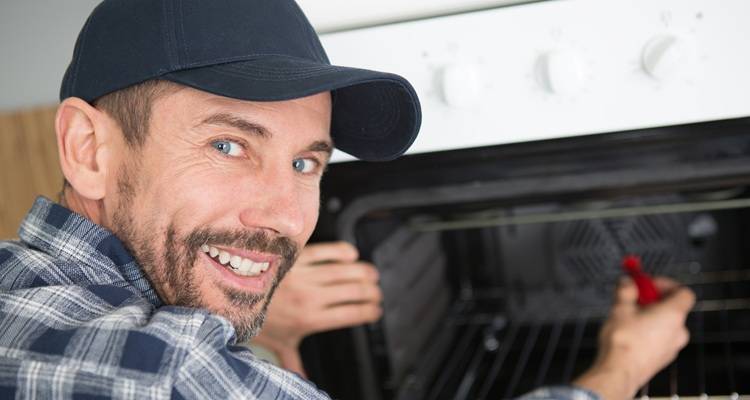
Even when you hire a professional, it helps to understand the removal process so you know what to expect.
Removal Process
The oven must be isolated from the power supply before any work begins. Depending on the element type and oven model, access is gained from the front or the back. Fan elements are usually accessible from the front by removing the rear panel inside the oven. Base elements are most often accessed from the rear, and care must be taken not to damage the protective insulation. Grill or top elements are exposed inside the oven and simply unscrew.
It is good practice to photograph the wiring before disconnecting anything, so you can reattach everything correctly when fitting the new part.
Disconnecting the Appliance
The oven can be isolated using the dedicated red cooker switch on the wall and by turning off the circuit breaker in the consumer unit. Use a proprietary test lamp or a two-pole voltage detector rated for the supply to confirm that no power is reaching the appliance before starting work. Also check the tester on a live supply to confirm that the tester itself is working properly.
FAQs
How Do I Know if My Cooker Element Needs Replacing?
The most common signs of a faulty cooker element are an oven that does not heat up, cooks food unevenly, trips the electrics, or takes too long to reach temperature. You may also notice visible breaks or blistering on the element itself, and it may fail to glow red when switched on.
Is It Worth Replacing an Oven Element or Buying a New Cooker?
Yes, in most cases, replacing an oven element is worth it because the average cost of £80 to £170 is much less than a new oven. However, if the total repair cost exceeds 50% of a new oven's price or it breaks down frequently, buying a replacement may be the better option.
How Long Does It Take to Replace an Oven Element?
A professional can usually replace an oven element in 30 to 60 minutes. A fan element is the quickest to access, while a base element could take 1 to 2 hours because the oven may need to be pulled out or partially dismantled.
Can I Replace a Cooker Element Myself?
Yes, most cooker elements are straightforward to replace as a DIY job. Turn off the power supply first, photograph the wiring before disconnecting anything, and take care not to damage the wires or insulation when removing the old element.
Are Cooker Elements Universal?
No, cooker elements are not universal, but compatible parts are available that fit a range of common oven models without being brand-specific. The 3 main types are fan elements, top or grill elements, and bottom or base elements. Always check the wattage and dimensions match your oven before purchasing.
How Long Does a Cooker Element Last?
Cooker elements last for varying lengths of time, depending on how often the oven is used, how hot it is run, and the quality of the part. Regular cleaning and good maintenance can help extend the element's lifespan.
How Much Does It Cost to Replace an Oven Thermostat?
The cost to replace an oven thermostat is between £15 and £70 or more for the part, plus labour. Universal thermostats cost £15 to £25, while branded models range from £25 to £45. A faulty thermostat could also cause the element to fail through overheating, so both parts may need replacing at the same time.
Do I Need an Electrician to Replace a Cooker Element?
You do not legally need an electrician for a straightforward element swap, as it is a like-for-like replacement that does not involve altering the fixed wiring.
Should I Use a Genuine or Compatible Replacement Element?
Compatible elements cost £10 to £20 and fit a range of common models, making them a budget-friendly option. Genuine manufacturer parts cost more but are made to original specifications, ensuring a perfect fit and potentially longer lifespan. Most manufacturers recommend using genuine parts.